What Does a Curling Brush Do? A Complete Guide for Perfect Curls
What does a curling brush do for your hair? It creates defined curls or waves while adding volume and shine.
Unlike traditional curling irons, it combines brushing and curling to detangle and style simultaneously. This tool smooths your hair cuticle, reducing frizz as you style.
The curling brush works by wrapping small sections of hair around its heated barrel. It heats up the strands gently, helping curls hold longer without tight clamping.
You want your hair dry and clean before starting for best results. Using heat protectant spray also helps prevent damage.
Use a small section around 1 to 2 inches wide for even heat. Take your time because curling with a brush needs patience but creates soft, natural curls. Releasing the hair slowly keeps curls intact and prevents unwanted crimps.
Key Takeaways
- Use dry, detangled hair for safer, more effective curling.
- Divide your hair into small sections about 1-2 inches wide.
- Wrap hair around the brush slowly to ensure heat reaches all strands.
- Leave the brush in place for several seconds to set the curl.
- Choose the barrel size based on your hair length and desired curl type.
- Don’t over-brush; one to two passes per section is enough.
What Does a Curling Brush Do for Your Hair?
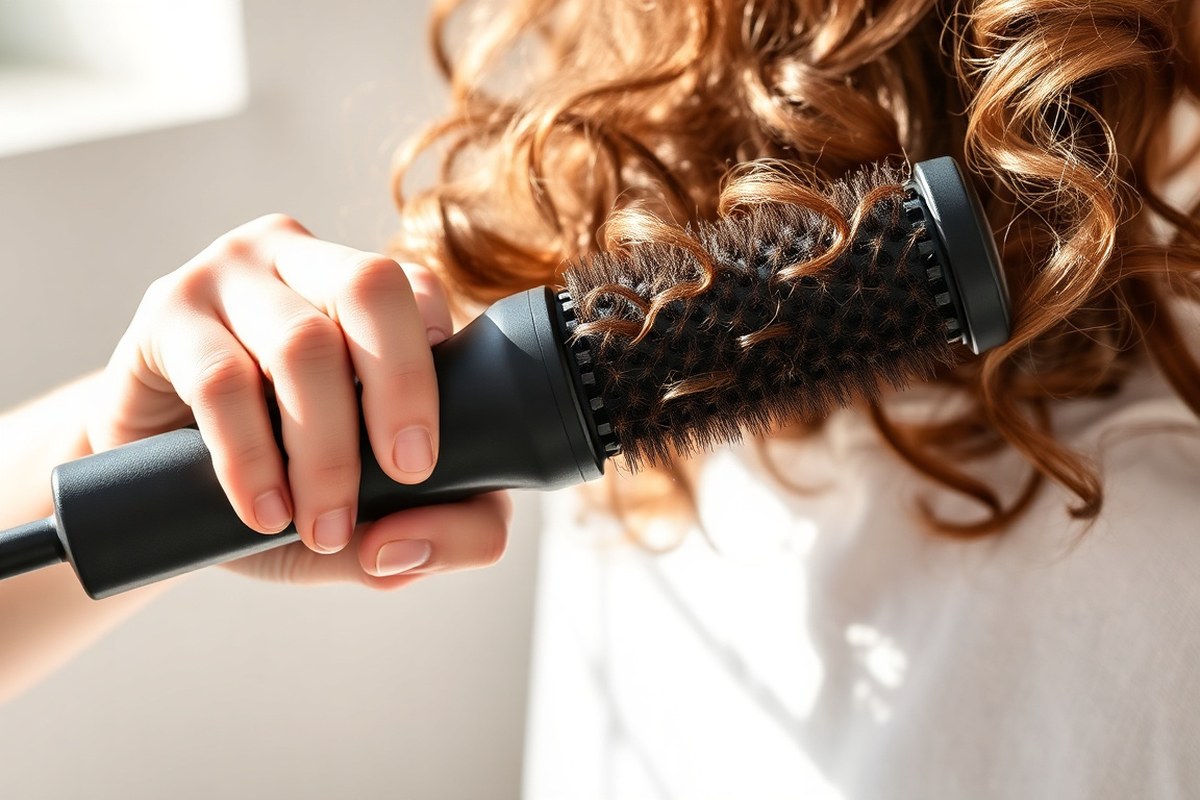
A curling brush shapes and defines curls by wrapping hair around its heated barrel. It gently lifts hair from the roots to add volume while the bristles smooth strands. This technique creates curls that look natural and hold shape longer than air-drying alone.
Using a curling brush reduces frizz by evenly distributing heat and smoothing cuticles during styling. The bristles massage your scalp. This can improve hair health.
Styling feels more comfortable this way. A curling brush combines brushing and curling.
It’s different from traditional curling irons. This shortens your styling time.
Before using a curling brush, your hair might be flat with loose waves or frizz. After styling, expect fuller curls with clear definition and reduced flyaways. Section your hair first.
Wrap each piece tightly around the brush. Hold it for 10 to 15 seconds. Release carefully to keep curls intact.
This tool works well on different hair lengths and textures. For thicker or coarser hair, higher heat settings between 350 and 400°F help hold curls better. Fine or heat-sensitive hair should use lower heat or a protective spray to avoid damage.
Dry hair curled with the brush refreshes styles. These curls don’t last as long. Damp hair curls hold better.
Choosing a curling brush helps you style with fewer tools and less damage risk. It adds volume by lifting roots during brushing, unlike flat irons that primarily straighten hair. Use it to smooth waves gently.
You can also create soft curls. It avoids harsh heat spots and fits many needs.
How Is a Curling Brush Different from a Curling Iron?

A curling brush combines a round brush and a curling iron into one tool. It uses a heated barrel with bristles to style hair as you brush it. Unlike a curling iron, a curling brush shapes curls differently.
It smooths hair strands while adding heat. It does not wrap hair around a smooth barrel.
The curls from a curling brush look softer and more natural. The brush helps clump curls together for a loose, wavy finish. Curling irons make tighter, more defined ringlets or spirals.
Hair wraps fully around the barrel to create those shapes. This results in firmer curls.
| Feature | Curling Brush | Curling Iron |
|---|---|---|
| Design | Heated barrel with bristles like a round brush | Thin smooth heated barrel without bristles |
| Styling Method | Brush hair while heat shapes and smooths curls | Wrap hair fully around barrel for curl |
| Curl Appearance | Soft, loose, natural waves | Tighter, more defined spiral curls |
| Versatility | Can detangle and style simultaneously | Used mainly for curling only |
| Ease of Use | Easier for beginners, controls frizz better | Requires steady wrapping technique |
| Price Range | Generally affordable, $25 to $50 | Ranges from $20 to $100+ |
| Heat Settings | Multiple settings to suit hair texture | Usually adjustable temperature control |
Curling brushes give you faster curls that last longer. They smooth and shape hair while heating it. This helps curls hold their form better.
For fine to medium hair, larger brushes can help create volume with loose curls. Curling irons give you greater control over tightness, perfect for formal styles.
Use a lower heat setting at first on your brush. Increase heat only if needed to avoid damage. This keeps your curls healthier.
Both tools can give great curls. But choosing depends on your curl style goal and hair type.
Curling brushes are great for everyday waves and less heat damage. Curling irons work well when you want precise tight curls or ringlets for special occasions.
Types and Sizes of Curling Brushes Explained
Curling brushes come in several barrel sizes and materials to suit different hair lengths and types. Choosing the right one helps you get the curls you want without damaging your hair. Certain brushes work better for thick, thin, short, or long hair.
Barrel Sizes and Curl Types
Smaller barrels create tighter curls. Larger barrels give loose waves or big curls. Pick the barrel size based on your hair length and your preferred curl style.
The table below shows common barrel sizes and which hair lengths they suit best.
| Barrel Size | Ideal Hair Length | Curl Type |
|---|---|---|
| ¾ inch (small) | Short to medium | Tight ringlets or spiral curls |
| 1 inch | Short to medium | Defined curls, springy waves |
| 1⅛ to 1¼ inch | Medium to long | Soft curls or loose waves |
| 1½ inch (large) | Long | Big, flowing waves |
| 2 inch and up | Long | Loose beach waves, body |
Short hair usually needs barrels under 1 inch to curl well. Long hair curls better with barrels 1¼ inch and bigger. Using the wrong size means curls can look uneven or fail to hold.
Materials and Heat Technologies
Curling brush barrels come in ceramic, tourmaline, and metal. Ceramic offers even heat and reduces damage. Tourmaline adds negative ions that smooth hair and cut frizz.
Some brushes have built-in heat control or digital settings to adjust temperature. It’s best to set heat based on your hair type. For example, keep it lower for thin hair to avoid burns.
- Ceramic: Distributes heat evenly, good for most hair
- Tourmaline: Emits ions, reduces frizz and static
- Metal (usually aluminum): Heats up fast but may cause uneven heat
- Temperature controls: Let you pick heat from around 250°F to 450°F
Selecting the Right Brush for Your Hair
Think about your hair’s thickness and length first. Thick hair needs a brush that can handle heat well and detangle easily. Natural or wide-tooth bristles help avoid pulling.
Thin hair benefits from softer bristles and lower heat settings. Short hair works best with small barrels to curl all of the strands fully. Long hair looks best with bigger barrels for smooth curls.
Follow this quick rule to choose your curling brush type:
- For thick, curly hair, choose ceramic or tourmaline with firm bristles.
- For thin or fine hair, use a smaller ceramic barrel with soft bristles.
- For short hair, select a barrel under 1 inch to get tight curls.
- For long hair, go 1¼ inches or larger for loose curls or waves.
Step-by-Step Guide to Using a Curling Brush
Using a curling brush takes some preparation and careful steps to get smooth curls. You need dry hair, patience, and attention to timing. Follow a clear process to avoid tangles and get lasting curl shapes.
Preparing Hair and Safety Tips
Make sure your hair is completely dry before starting. Wet hair can snag on the brush or get damaged by heat. Use a heat protectant spray to shield your hair from damage.
Work in a well-lit area and avoid distractions. Keep the curling brush away from your scalp and skin to prevent burns. Choose a curling brush suited to your hair type and thickness.
Curling Technique and Timing
Divide your hair into small, manageable sections. Smaller sections curl more evenly and hold the style longer. Use clips to separate sections and start at the bottom, working upward.
Wrap each section around the curling brush from ends to roots. Hold your hair on the brush for about 10 to 15 seconds.
Holding longer can cause heat damage or tangling. Too short may not curl well.
Finishing and Setting Curls
Gently release the curl from the brush by unwinding it slowly. Avoid pulling forcefully to prevent frizz or hair breakage. After curling all sections, let the hair cool completely to set the curl.
Use a light hairspray or styling product to keep curls in place. Avoid heavy products that weigh curls down. Run your fingers through the curls for a natural look.
- Start with completely dry, detangled hair.
- Spray heat protectant evenly on your hair.
- Divide hair into small sections and clip them.
- Wrap a section around the curling brush from ends to roots.
- Hold hair on the brush for 10 to 15 seconds.
- Slowly unwind the section from the brush.
- Repeat for all sections, working from bottom to top.
- Let curls cool fully, then apply light hairspray.
How to Choose the Right Curling Brush for Your Hair
Choosing the right curling brush depends a lot on your hair’s texture and length. For fine or straight hair, choose a brush with soft bristles. Pick one with a smaller barrel near 1 inch wide.
This size shapes gentle waves and avoids damage. Your hair is thick or curly? Choose a brush with dense bristles.
Make sure these bristles can resist heat well. Use a larger barrel near 1.5 inches wide.5 to 2 inches, for better hold and more defined curls.
Your styling goal also matters. Smaller barrels give you tight curls that last longer. Bigger barrels create loose waves and more volume.
For shoulder-length hair, a medium-sized brush (1 to 1.5 inches) gives you good control and bounce. Longer hair needs larger barrels to handle more hair at once, saving time and avoiding frizz.
- Fine hair: small barrel, soft bristles, lower heat settings
- Thick or curly hair: larger barrel, dense bristles, higher heat settings
- Short hair: small or medium barrel for precision
- Medium to long hair: medium to large barrel for volume and shape
- Look for ceramic or tourmaline barrels for even heat
- Check brush weight and grip to avoid hand fatigue
Brands differ in quality and durability. Well-known brands often use better materials that keep heat steady and last longer. Prices range from $20 to $80 or more, depending on features.
Cheaper brushes might heat unevenly or break faster. Read reviews to see how the brush performs on your hair type. Follow the brand’s care instructions to keep your brush effective and safe.
Using a curling brush on wet hair can cause damage and poor curls. So always dry hair first.
Consider brushes with adjustable heat settings to match your hair’s needs. Lower heat works for fine or color-treated hair. Higher heat suits thick or resistant hair but needs careful handling.
Try different brush sizes and shapes over some time. Check which one feels comfy in your hand.
See what style each one helps you create. With the right brush, curling becomes quicker and your style lasts longer.
Common Mistakes When Using a Curling Brush and How to Fix Them
One big reason curls fall flat is using too much heat. The wrong technique can also make curls frizzy or limp. Using less heat and better methods can help your curls last.
Too much heat can damage your hair and flatten curls fast. Also, using the brush on dry hair can cause frizz and uneven curls.
Another mistake is brushing or pulling your hair too hard. This can loosen the curls and cause breakage. Start detangling from the ends, moving up to the roots.
Work in small sections to keep curl shape intact. This method helps prevent damage to your curls.
- Don’t use the curling brush on fully dry hair; work on damp hair instead.
- Always apply a heat protectant spray before brushing with heat.
- Set the brush to a moderate heat, around 300°F, to avoid burning hair.
- Work in small sections to let heat distribute evenly and form better curls.
- Brush gently to avoid pulling and breaking strands or loosening curls.
- Use leave-in conditioner or detangler before styling to reduce tangles and damage.
- Avoid touching or combing curls too soon after styling to keep bounce.
Using these tips helps your curls last longer and look bouncy. Let your hair cool down completely after curling to set the shape. Avoid overbrushing curls after styling, as that can cause frizz and flatten the curls.
Better curl results come from protecting your hair with products and handling it gently. Damage shows up as limp or frizzy hair. So avoid heat above 350°F. Investing time in prepping your hair with conditioners makes a big difference too.
How to Maintain and Clean Your Curling Brush
Keeping your curling brush clean and well cared for helps it work better and last longer. Regular cleaning removes hair, product buildup, and oils that cut performance. Proper storage protects your brush from heat and moisture damage.
Frequency and Tools Needed
Cleaning your curling brush after every use is best. This stops product and hair from layering up and keeps the brush hygienic. Deep clean your brush at least once a week.
This is important when you use many styling products. It helps keep your brush working well and clean.
Gather a few simple tools before cleaning. You will need a comb or small brush to remove hair strands. Use warm water and mild shampoo in a bowl.
Dip a soft cloth in it. This method cleans your brush better. Avoid harsh chemicals or anything that could weaken the brush material.
Cleaning Process Explained
Turn off and unplug your curling brush before starting to clean. Removing any hair wrapped around the bristles or barrel helps expose residue and oils. Wet the soft cloth first.
Dip it in warm water with shampoo. This makes it gentle but effective for cleaning.
Use the damp cloth to wipe the heated surface and bristles gently. Repeat if needed to get rid of sticky product buildup. Dry your brush with a clean towel first.
Then let it air dry fully. Don’t store or use it until it is completely dry.
- Unplug the curling brush and let it cool completely.
- Remove hair strands with a comb or small cleaning brush.
- Mix warm water with mild shampoo in a bowl.
- Dampen a soft cloth in the soapy water and wring out excess liquid.
- Gently wipe the bristles and barrel, avoiding soaking the brush.
- Use a clean damp cloth to remove soap residue.
- Dry off the curling brush with a towel and air dry fully.
Safe Storage Practices
Store your curling brush in a cool, dry place away from sunlight and heat. High temperatures and moisture can weaken the barrel and ruin bristles. Avoid leaving the brush plugged in or on a hot surface after use.
Keeping your brush in a breathable pouch or container protects it from dust and damage. Make sure it is fully dry before storage to prevent mold or odor. Proper storage helps your curling brush stay clean and ready for the next styling session.
How Heat and Hair Type Affect Curling Brush Results
Fine hair needs lower heat to prevent damage and limp curls. Set your curling brush between 250°F and 300°F for delicate strands. This temperature gently shapes curls without stripping moisture or causing breakage.
Medium hair suits a heat range from 300°F to 375°F. This level offers enough heat to hold curls, especially if your hair is healthy. Avoid going higher to stop drying out your hair or weakening curl bounce.
Thick or coarse hair typically requires 375°F to 400°F. These hairs resist curling more. So stronger heat helps form lasting curls. Still, don’t hold the brush too long to prevent heat burns or frizz.
Using too high heat on fine or damaged hair leads to breakage and dullness. On the other hand, too low heat on thick hair may leave curls loose or short-lived. Adjust heat by checking your hair’s reaction after a few seconds of contact.
Start with dry or slightly damp hair. Too much moisture makes curls drop fast, while very dry hair can get frizzy. Use a heat protectant spray before styling damaged hair.
It helps guard against heat harm. Always apply it first.
Let the brush sit on each section for 10 to 15 seconds. Then gently release the curl. Avoid pulling the hair.
Avoid pulling or tugging, as this weakens the curl shape. For tougher hair, clamp the section a little longer but not more than 20 seconds.
Use the lowest heat that forms curls quickly. This protects your hair. It also keeps curls fresh longer.
Your First Steps: Quick-Start Action Plan for Using a Curling Brush
Follow this plan to get comfortable with your curling brush. Track your progress with simple results.
- Before you start: Pick a curling brush that matches your hair type and length. Check its temperature settings for your hair’s heat tolerance.
- Day 1: Wash and towel-dry your hair gently. Begin with low heat to avoid damage. You’ll know you did it right when your hair feels warm, not hot.
- Day 2: Try curling a small section of hair with the brush. Hold each curl for 10 seconds. You’ll see soft waves forming without frizz.
- Week 1: Practice curling larger sections as your confidence grows. Use heat protectant spray every time before styling. Your curls should look defined and smooth.
- Week 2: Experiment with brush sizes and styles for different curls and waves. Avoid keeping the brush in one spot too long. Curls should hold shape but feel soft.
- After 2 weeks: Clean your curling brush by removing hair and washing it gently. Check for build-up that can reduce heat efficiency. Your brush should heat evenly and work well.
- Ongoing: Adjust heat based on your hair’s condition and weather. Lower heat in humid weather to keep frizz down. Your curls stay fresh and your hair stays healthy.
Frequently Asked Questions
How Does a Curling Brush Add Volume to Hair?
A curling brush lifts roots and shapes hair with heat. This creates fuller, bouncier curls that last longer.
Can a Curling Brush Prevent Hair Damage Compared to Straighteners?
Usually, yes, because curling brushes spread heat more evenly. This reduces hot spots that cause breakage.
Is a Curling Brush Suitable for Very Thick or Coarse Hair?
It can be, but choose a brush with a larger barrel for thick hair. This helps wrap your hair easily around the brush.
How Long Does It Typically Take to Curl Hair with a Curling Brush?
Usually 10 to 20 minutes depending on hair length and thickness. Shorter hair styles take less time.
Do Curling Brushes Work Well with Damp Hair?
Damp hair often works best with curling brushes because it holds shape better. Avoid soaking, just slightly damp is ideal.
Can You Use a Curling Brush Daily Without Harming Hair?
Daily use is possible if you use heat protection and lower temperatures. Otherwise, frequent heat can cause dryness and damage.
The Bottom Line
A curling brush shapes your hair into soft curls. It makes curls smooth. It causes less damage than some other tools.
Try using it regularly to find your best technique. Start today by picking the right brush and practicing on small sections of your hair.