What Would Purple Shampoo Do to Brown Hair? A Complete Guide with Expert Tips
You might wonder what purple shampoo does to brown hair. It mainly targets yellow and gold tones.
So pure brown hair often shows little change. Your brown hair with highlights can look less brassy using purple shampoo.
This shampoo works by neutralizing unwanted warm tones in lightened sections of brown hair. For fully dark brown hair, the effects are usually subtle or barely visible. Knowing your hair’s exact shade helps you choose the right formula and timing for purple shampoo.
Test your hair color level first. Wait 48 to 72 hours after bleaching. Then use purple shampoo.
Only leave the purple shampoo on your hair for a few minutes. This helps avoid a purple tint.
It’s important if your hair is porous. Using the right product and timing keeps your brown hair looking fresh and balanced.
Key Takeaways
- Purple shampoo reduces brassiness mainly in lightened brown hair, not natural dark brown.
- Use purple shampoo on highlights or balayage at level 8 or lighter for best results.
- Apply purple shampoo for 2 to 5 minutes, adjusting time based on hair porosity.
- Wait 48 to 72 hours after bleaching before applying purple shampoo to prevent damage.
- Choose formulas with 0.5% to 1.5% violet pigment for darker or virgin brown hair.
- Brown hair darker than level 7 may benefit more from blue shampoo to reduce brassiness.
What Purple Shampoo Actually Does to Brown Hair

Purple shampoo doesn’t lighten brown hair or change it permanently. Instead, it deposits violet pigments to counteract yellow or brassy tones. This cools down any unwanted warmth, especially on lightened brown strands like caramel highlights or balayage.
For dark brown hair without lightening, purple shampoo usually won’t show much effect. That’s because the purple pigment can’t grab well on darker natural hair. It works best on hair lightened to about level 8 or higher.
You find this level in highlights or lighter brown shades. This is where purple shampoo shows the best results.
Purple shampoo fights yellow tones with color theory basics. Purple sits across from yellow on the color wheel, so it cancels yellow. It adds just enough purple pigment to reduce brassiness without changing your base color.
Brown hair with orange or red tones might not respond well to purple shampoo. It’s not the right product for those warm undertones. You may want another option instead.
Blue shampoo targets those shades better. Purple shampoo works well on golden or yellow brassiness in light brown hair.
It makes hair look cooler and reduces warmth. Your hair will appear less yellow or golden.
Purple shampoo’s effect is temporary and lasts until your next wash. Your normal shampoo will remove the purple tones. You need to reapply to keep the cool shade.
Using purple shampoo often can keep brown hair looking cooler toned. It does not lighten natural or dark brown hair.
It only helps maintain color by neutralizing yellow shades. Overuse may leave a slight violet tint, especially on very lightened hair.
Purple shampoo deposits violet pigment that cancels yellow in light brown hair. This helps reduce unwanted brassiness. It works best on lighter shades with yellow tones.
It doesn’t lighten or permanently change brown hair color. It’s most effective on light brown shades with highlights or natural warmth prone to brassiness. For dark brown hair without lightening, the effect is minimal.
How Purple Shampoo Neutralizes Brassiness in Brown Hair

Brassiness in brown hair happens when warm tones like yellow and orange show up. These tones usually come from color fading, sun exposure, or minerals in water.
Purple shampoo works by using violet pigments that sit opposite yellow on the color wheel. This means purple cancels out yellow tones, reducing the brassiness you see in your hair.
The purple pigments deposit a slight violet shade onto the hair shaft. This dye effect balances the unwanted yellow and brassy hues in lightened or highlighted brown hair.
For brunettes with cool tones or blonde highlights, purple shampoo keeps the color cooler and fresher. It tones down warm shades without changing your natural brown color too much.
Orange tones in hair require blue shampoo instead, because blue cancels out orange, not purple. Purple shampoo fights yellow tones very well. It works best on lighter parts like highlights.
Balayage sections also respond quickly to it. Purple pigment helps cool your hair color.
It also fades warm tints. Using the right amount is key.
Don’t leave purple shampoo in for too long or too often. It might leave a slight violet tint on your hair.
How to Use Purple Shampoo for Brown Hair by Shade and Condition
Using purple shampoo on brown hair depends on your hair’s shade and how porous it is. Darker or virgin brown hair needs a stronger pigment but shorter contact time if porous. Highlights or balayage in brown hair call for different steps to avoid purple tones.
Preparing Hair Before Application
Wash your hair with warm water to open the cuticles. Hot water helps purple shampoo’s pigment to sink in better. Avoid applying purple shampoo on dry or unwashed hair because it won’t work as well.
Section your hair for easier, even application. Start by focusing purple shampoo on your highlights or blonde balayage. Use your fingers or a dye brush to control where the shampoo goes.
Recommended Contact Times by Hair Shade
Dark brown or virgin hair needs stronger violet pigment, about 1 to 1.5 percent. Leave the shampoo on for 3 to 5 minutes only. Avoid longer contact to prevent a purple cast.
Leave purple shampoo on your lighter brown hair or blonde highlights up to 7 minutes. This extra time helps neutralize golden or brassy tones. Always rinse and check to avoid unwanted purple shades.
Application Tips for Damaged or Porous Hair
Porous hair absorbs pigment quickly. So use a milder purple shampoo or dilute it with regular shampoo.
Keep contact time to 1 to 2 minutes to reduce purple staining. Damage makes hair more sensitive, so rinse often and watch for any color change.
Apply purple shampoo on highlighted or brassy parts only. Avoid roots if your hair is dark brown.
The roots tend to be less porous and won’t need as much toner. This method prevents buildup and uneven coloring.
Follow these steps to use purple shampoo on brown hair:
- Rinse your hair thoroughly with warm water to open the cuticles.
- Section your hair to target highlights and brassy areas first.
- Apply purple shampoo smoothly, focusing on lighter or highlighted parts.
- Leave the shampoo on for 3 to 7 minutes, adjusting by hair shade and porosity.
- Use a timer to avoid leaving it on too long and causing purple tint.
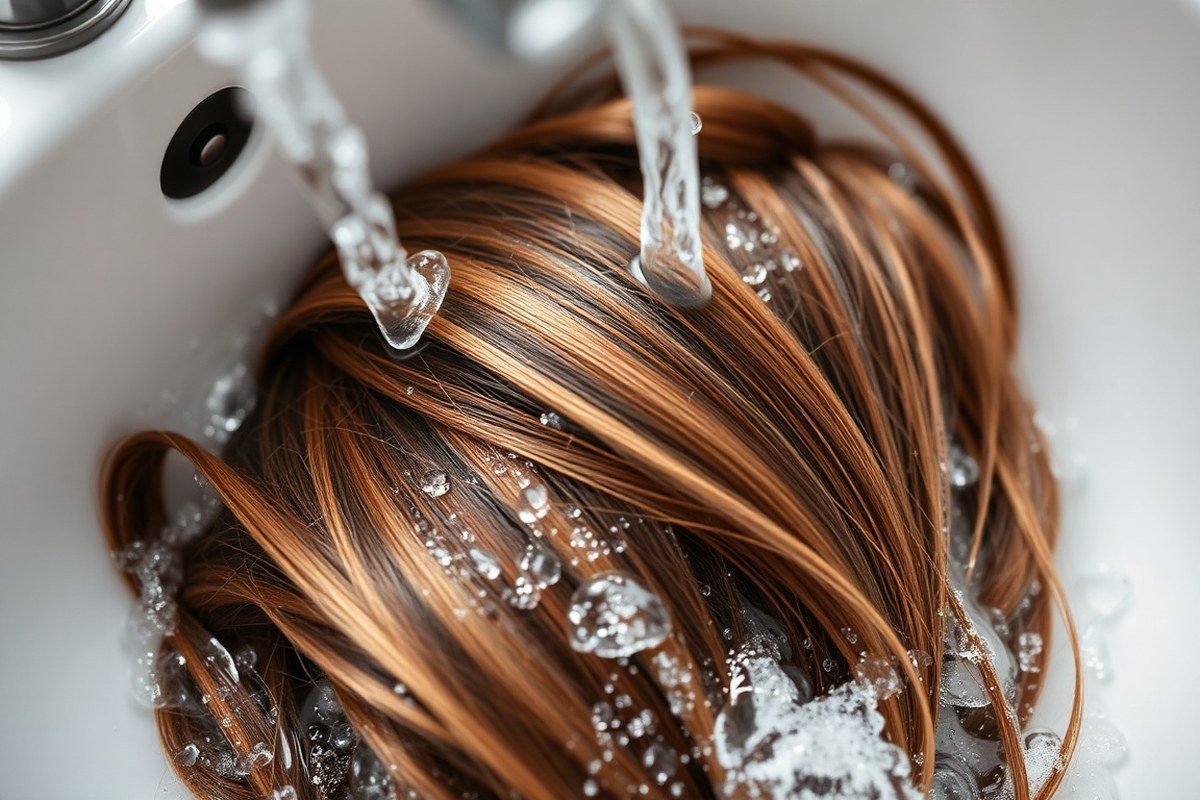
- Rinse thoroughly with cool water to close the cuticles and lock color.
- Condition your hair after shampooing to keep hair soft and smooth.
- Repeat once or twice a week based on how brassy your hair gets.
Choosing the Right Purple Shampoo for Your Brown Hair
Choosing the right purple shampoo depends on your brown hair tone and treatment. Different pigment strengths suit different shades and help control brassiness without dulling your hair. Picking the right formula ingredients helps purple shampoo work better.
Color balance also matters for best results. Both factors affect how well it tones hair.
Pigment Concentrations by Hair Type
Purple shampoos typically contain between 0.5% and 3% violet pigment. Lower pigment works better for light or medium brown hair to avoid a purple cast. Dark brown hair may need stronger pigments in shampoo.
Sometimes a different toner works better than purple ones. Purple might not show well on dark hair.
Darker brown tones with orange undertones respond better to blue shampoos. Blue pigment cancels orange hues more effectively than purple on deep brown hair. Lighter brown or brown ombré shades can use moderate violet pigment shampoos to keep brassiness away.
| Hair Type | Pigment Strength | Effectiveness | Notes |
|---|---|---|---|
| Light Brown | 0.5% to 1.5% violet pigment | Good for subtle toning | Prevents yellowish brassiness without residue |
| Medium Brown | 1.5% to 2.5% violet pigment | Stronger neutralizing effect | Works well for mixed blonde and brown strands |
| Dark Brown with Orange Undertones | 3% violet or blue pigment preferred | Purple less effective, blue preferred | Blue cancels orange better; purple pigment swallowed |
| Brown Ombré Hair | 1% to 2% violet pigment | Maintains tone between washes | Focuses on lighter ends without darkening roots |
Look for pigment strength that matches your brown shade and undertones. Too much violet on dark hair can leave a slight purple tint. Too little pigment won’t reduce brassiness well.
Key Ingredients to Watch For
Besides violet pigment, check for gentle cleansing agents. Sulfate-free shampoos are kinder to colored brown hair. Harsh sulfates can strip color and make tones uneven.
Moisturizing ingredients like glycerin or oils help balance the drying effect of toning shampoos. Some formulas include conditioners to keep your hair soft and shiny after use. Avoid shampoos with heavy silicones that weigh brown hair down.
Brands may add mild antioxidants or UV filters to protect color. These ingredients help maintain tone longer and prevent faster fading.
Comparison: Purple vs Blue Shampoo Effectiveness
Purple shampoos deposit violet pigment to neutralize yellow and brassy tones. They usually work best on light to medium brown hair. The purple pigment cancels yellow but struggles with orange tones.
Blue shampoo is often better for darker brown hair with orange undertones. The blue pigment cancels orange hues more effectively than purple. For deep brunettes, blue shampoo can prevent brassiness without an unwanted violet tint.
You can switch between the two depending on your hair’s specific warm tones. Many people with varying brown shades keep both types on hand.
Purple Shampoo vs Blue Shampoo: Which Is Best for Brunettes?
Blue and purple shampoos both fight brassiness but work differently on brown hair. Purple shampoo targets yellow tones, which suits cool-toned, lightened brunettes. Blue shampoo handles orange or copper tones better, especially on medium to dark brown hair.
Brassiness shows up more on hair with warm undertones, like orange or copper. Your brown hair darker than level 7? Blue shampoo removes brassiness 31% better than purple.
For cooler, lighter brunettes, purple shampoo helps brighten your hair. It works well on mid-lengths and ends. That’s where yellow tones usually build up.
Applying the right shampoo to your hair tone makes a big difference. Using purple shampoo on warm undertones may leave orange yells untouched. Conversely, blue shampoo can over-correct on lighter or ash brown shades causing a muddy look.
| Hair Undertone | Best Shampoo Type | Targeted Brassiness | Effectiveness Notes |
|---|---|---|---|
| Cool-toned, light brown (level 7 or lighter) | Purple shampoo | Yellow tones | Works best on mid-lengths and ends, cools brassiness |
| Medium to dark brown (level 7 or darker) with orange undertones | Blue shampoo | Orange/copper tones | ~31% better correction than purple shampoo |
| Cool-toned brunette highlights | Purple shampoo | Yellow brassiness in highlights | Neutralizes brassiness effectively without muddying |
Try focusing purple shampoo application on the parts that face the most sun or heat styling. Yellow brass usually shows up there first. Darker brunette shades should use blue shampoo about once a week.
This keeps orange tones under control. Switch shampoos to manage warmth in your hair color.
Overusing blue shampoo on lighter hair can turn your brown muddy or ashy. So test first on a small hair section.
Both shampoos work best when left on for 3 to 5 minutes. This timing helps tone your hair effectively. Don’t rinse too fast to see good results.
Rinse fully with cool water then condition. Expect brassiness to fade over a few washes, not immediately.
Pick your shampoo based on your hair’s darkness and undertone for smoother color. This approach saves you time and avoids washing out your brown with the wrong tone corrector.
How Often and How Long to Use Purple Shampoo on Brown Hair
Your brown hair can benefit from purple shampoo if you use it right. Most people see good results using it once a week or every other wash. This schedule helps you avoid over-toning or any unwanted purple tint on your hair.
Leaving purple shampoo on your hair for too long can cause a purple cast. Aim to rinse it out after 3 to 5 minutes. Total contact time shouldn’t exceed 35 minutes to keep your hair safe from damage.
- Use purple shampoo about once a week or every other time you wash.
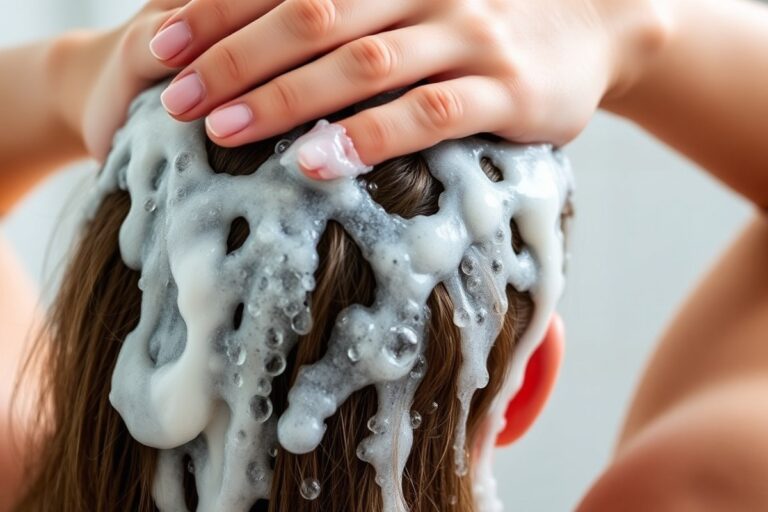
- Apply it to wet hair and work into foam.
- Leave the shampoo in for 3 to 5 minutes max.
- Rinse thoroughly with cool or lukewarm water.
- Do not exceed 35 minutes of total contact time.
- Adjust timing if you notice purple residue or dryness.
- Follow with a conditioner made for color-treated hair.
How long you leave it on affects the tone you get. Shorter contact times gently reduce brassiness.
Longer times bring stronger toning but can risk a purple tint. Watch your hair closely the first few uses to find the sweet spot.
For very dark brown hair, try leaving purple shampoo on for less time. For lighter brown shades with some highlights, 4 to 5 minutes usually works best. Avoid using purple shampoo daily to prevent your hair from drying out or looking dull.
Common Mistakes and How to Fix Purple Shampoo Issues on Brown Hair
Purple shampoo can turn brown hair a dull gray or purple if left too long. Overstaying means it deposits too much violet pigment. Avoid roots and only put purple shampoo on damp mid-lengths and ends.
This stops dark roots from looking brassy. It also prevents purple tones from showing too much.
When you wash out purple shampoo, rinse thoroughly within 3 to 5 minutes. Letting it sit longer risks weird color patches. Use purple shampoo no more than once a week.
Using it more dries out your hair. It can also make your hair brittle. Your hair might feel rough or look faded if overdone.
- Apply purple shampoo only to damp mid-lengths and ends, not roots.
- Leave it on for no more than 3 to 5 minutes before rinsing.
- Use purple shampoo once a week at most to prevent dryness.
- Wash your hair again with clarifying shampoo if it turns too purple. You can also do this if it looks gray.
- Give your hair a break of two washes between purple shampoo uses.
- Follow with a copper-toned conditioner to cancel out unwanted purple hues.
- Use deep conditioning treatments if your hair feels dry or brittle.
Purple or darker tones usually happen if you leave purple shampoo on too long. Rinse hair sooner to avoid this problem. Try shorter shampoo times next time.
Washing again with a clarifying shampoo helps lift excess pigment. Copper-toned conditioners help restore warm brown shades if purple made your hair look cool or ash-toned.
Dryness happens because purple shampoo has strong pigments and cleansing agents. They can strip your hair’s natural oils if used too often. Use a rich conditioner to fix damage from purple shampoo.
A weekly hair mask also helps keep strands soft and healthy. These treatments restore moisture and strength.
Professional Tips for Maintaining Brown Hair Tone with Purple Shampoo
You can start using purple shampoo on brown hair about a week after coloring. Waiting helps your scalp and hair recover from the chemical process. Stylist tips focus on using purple shampoo lightly, with nourishing products to protect your hair.
Timing Post-Color Treatments
Colored hair needs time to settle before adding purple shampoo. A one-week wait after dyeing prevents irritation and uneven tone. This gap also lets the hair cuticle close, locking in your color better.
Brown hair that’s been bleached might benefit from a longer wait, around two weeks. Bleaching causes more damage and dryness than simple coloring. Use gentle shampoos until your hair feels strong again.
Best Practices for At-Home Toning
Limit how long you leave purple shampoo on brown hair to 2 to 5 minutes. Excessive use or leaving it on too long may cause a purple shade. Use this shampoo about once a week or every other shampoo session.
Follow these tips to keep your brown hair healthy and toned:
- Use purple shampoo with moisturizing conditioners or hair masks.
- Apply purple shampoo only on dry or damp hair, not soaking wet.
- Wear gloves to avoid staining your hands and nails.
- Do a strand test before first full use to watch for tone changes.
- Rinse hair thoroughly with cool water after applying purple shampoo.
- Use additional UV protection or heat protectant sprays before styling.
Adding deep conditioning once or twice a week keeps your hair soft. These steps help avoid dryness from purple shampoo and maintain your color’s freshness.
When to Visit a Salon for Toning
Consult a professional if you see uneven toning or unexpected purple hues. A stylist can apply the right toner or purple shampoo version safely. They provide tailored advice for your hair color and type.
Salon visits every 6 to 8 weeks help keep color vibrant and brassiness controlled. Getting professional toning is especially useful for heavy color correction. It also protects your hair from overuse of home products.
Only use purple shampoo as directed. Stop if your hair feels dry or brittle.
Step-by-Step Action Plan for Using Purple Shampoo on Brown Hair
Follow these steps to get the best results from purple shampoo. Use them to keep your brown hair looking great.
- Before you start: Choose a purple shampoo made for brunettes. Look for gentle formulas without harsh sulfates. This protects your hair and avoids unwanted drying.
- Week 1: Use the shampoo once a week. Apply to wet hair, leave it on for 3 to 5 minutes, then rinse. You should notice less brassiness after the first wash.
- After 2 weeks: Adjust how often you use it based on your hair tone. Spread out your purple shampoo use to twice a week at most. This helps avoid purple stains on your hair.
- Right after shampooing: Follow with a moisturizing conditioner to keep your hair soft. Conditioner balances the shampoo and reduces dryness.
- After 1 month: Check your hair color in natural light. Keep using purple shampoo if your brown hair looks cooler and richer. It means the routine is working for you. Reduce how often you use it or rinse sooner if you see a purple tint. This stops the unwanted color from building up.
- Long term: Use purple shampoo every 1 to 2 weeks as maintenance. This keeps brassiness away without dulling your natural color.
- Monthly: Consider a conditioning mask once a month. This helps repair and hydrate hair from any shampooing effects.
Frequently Asked Questions
Can Purple Shampoo Lighten Natural Brown Hair?
Purple shampoo doesn’t lighten natural brown hair. It only tones lightened or blonde sections by reducing brassiness. You need to bleach dark brown hair before using purple shampoo.
2 | Purple shampoo won’t work well on brown hair with red tones. 3 | Use purple shampoo once or twice weekly. Always follow with conditioner.
This keeps your brown hair soft and hydrated. 4 | Leave purple shampoo on lightened brown hair for 2 to 5 minutes. This is enough time to reduce brassiness.
Do not leave it longer. 5 | Use purple shampoo once or twice a week. This helps stop brassiness without drying your brown hair.
Is Purple Shampoo Safe to Use on All Brown Hair Types?
Purple shampoo is safe on all brown hair but only changes tone on lightened strands. Dark, untreated brown hair won’t show a difference.
So it won’t harm your natural color. Use it mainly if you have highlights or balayage.
Can Purple Shampoo Remove Red Tones from Brown Hair?
Purple shampoo targets yellow and gold tones, not red tones. If your brown hair has red hues, purple shampoo won’t neutralize them effectively. Look for shampoos designed for red or copper tones instead.
Does Purple Shampoo Affect Hair Health or Moisture?
Purple shampoo can dry hair if overused because of its pigment and cleansing ingredients. Use it once or twice a week and follow with conditioner to keep your brown hair hydrated and smooth.
Will Purple Shampoo Work on Brown Hair with Dark Roots and Light Ends?
Purple shampoo works on the lighter ends by neutralizing brassiness but won’t change dark roots. Use it carefully to avoid uneven tone. Focus on the lightened parts and rinse quickly near darker roots.
Can Purple Shampoo Cause Staining on Brown Hair?
Purple shampoo rarely stains brown hair if used as directed. Leaving it on too long can give a slight purple tint, especially on lightened sections. Rinse thoroughly and limit use to avoid unwanted color.
Key Points to Remember
Purple shampoo helps keep your brown hair rich and free from brassy tones. Use it carefully and watch how long you leave it in. Start with one wash a week and adjust as needed for your best color.