What Is Texture Spray? A Complete Guide to Effortless Hair Volume & Style
What is texture spray? It’s a styling product that adds volume and grip to your hair.
You spray it on to create a fuller, messier look without weighing hair down. It works by coating your strands with light particles that boost texture and prevent flyaways.
Texture spray works best on dry hair. To use it right, hold the can 6 to 10 inches away. Spray the product evenly on your roots and mid-lengths.
This helps spread the texture spray correctly. It dries quickly, usually within 10 to 30 minutes. So you can style right after applying.
You’ll notice your hair feels thicker and easier to shape. Texture sprays often help hold styles longer, especially if you want a tousled or beachy effect. Just don’t overdo it, or your hair can feel crunchy or sticky.
Key Takeaways
- Hold the spray 6 to 10 inches away from your hair when applying.
- Spray from the roots to the tips for even texture and volume.
- Use texture spray on mostly dry hair for the best results.
- Wait 10 to 30 minutes to let the spray dry before styling further.
- Avoid using too much to keep hair from feeling stiff or sticky.
- Spray in sections by lifting hair to reach the roots better.
What Is Texture Spray and How Does It Work?

Texture spray is a dry styling product that adds volume, grip, and natural-looking texture. It works without weighing your hair down like gels or creams often do. The spray creates tousled, lived-in hair that feels light and flexible.
This product affects hair by coating the strands with fine particles that provide body and hold. Spray from 6 to 10 inches away, root to tip. It creates root lift and grip on hair strands.
This gives your hair more body and hold. That grip makes it easier to style and hold shapes like braids or updos.
Unlike hairspray or mousse, texture spray offers a matte finish without stiffness. Texture spray does more than dry shampoo. It adds volume and fullness to your hair.
This helps prepare hair for styling better. You can use texture spray on damp hair before blow-drying.
Or apply it on dry hair for extra movement. It gives your style more texture and bounce.
Texture sprays help if your hair feels flat or slippery. They work well on fine or limp hair types. This gives your hair more grip and shape.
Some sprays also control frizz or add shine, depending on the formula. Texture sprays cost about $15 for basic types.
Premium versions, sometimes with heat protection, run over $35. Choose based on your budget and needs.
Spray texture spray at roots after lifting hair sections for volume. Then lightly mist mid-lengths and ends for texture. Use small amounts to avoid dry or crunchy hair.
How to Apply Texture Spray for Best Results
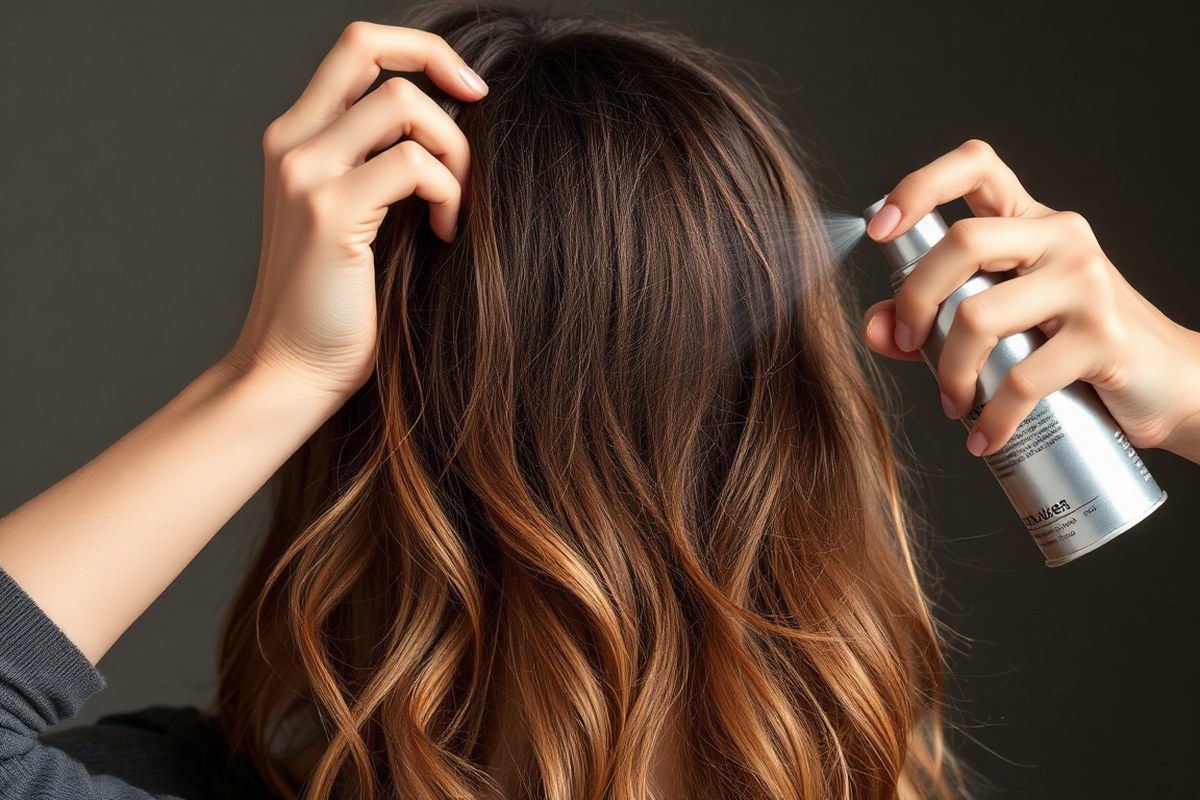
Start with clean hair. It can be damp or dry for styling. Apply the texture spray based on the look you want.
Hold the can 4 to 6 inches away from your strands. Spray evenly and check as you go to avoid overdoing it.
Preparation Steps Before Spraying
Begin with freshly washed or dry hair, depending on your style plan. Shake the spray well before use to mix its ingredients evenly. Avoid spraying on soaking wet hair, as this weakens the effect.
Spraying on towel-dried hair helps create natural texture as it dries. Spray on dry hair for an instant boost in volume and grip. Using a heat protectant before styling protects your hair if you plan heat tools.
- Shake the bottle thoroughly for about 5 seconds.
- Decide if your hair is damp or dry based on desired texture.
- Towel-dry your hair so it’s not dripping wet.
- Hold the can 4, 6 inches from your hair.
- Spray lightly across your hair, focusing where you want texture.
- Comb or tousle with fingers to spread product evenly.
- Style as wanted or let hair air dry if sprayed on damp hair.
Spraying too close creates clumps and an unnatural finish. Keep your distance steady.
Application Tips for Fine, Thick, and Damaged Hair
Fine hair benefits from a light mist to avoid weighing it down. Spray from roots to ends for volume and lasting hold. Use a texture spray with a non-greasy formula made for fine strands.
Thicker hair often requires more product for taming and shaping. Spray section by section to reach beneath the surface. Combining with heat protectant is smart if you heat-style thick or coarse hair.
Damaged hair can be sensitive to heavy or drying ingredients. Look for sprays designed to be gentle or conditioning. Use minimal product and avoid daily heavy application to prevent further damage.
Finishing Techniques to Improve Volume and Texture
After spraying, flip your hair upside down and tousle for extra fullness. Layering with a light hairspray seals the texture and hold without stiffness. Avoid over-spraying as this can make hair crunchy or sticky.
For a beachy, undone look, apply on damp hair, then re-spray once dry. Use fingers or a wide-tooth comb to lift roots and separate strands. Touch up mid-day if hair starts to lose texture or volume.
Heat tools pair well after texture spray, especially curling wands or blow-dryers. Spray before heat styling for volume and again after for a lasting hold. Always use a heat protectant underneath to keep strands healthy.
Choosing the Right Texture Spray for Your Hair Type
Pick texture sprays by your hair type, damage level, and the look you want. Fine hair needs light sprays that add lift without heaviness.
Dry or damaged hair needs nourishing formulas. Curly or color-treated hair does best with gentle, hydrating ingredients.
Texture Sprays for Fine and Thin Hair
Fine hair can look flat and lifeless without the right spray. Choose a light, dry texture spray that adds volume and root lift. Avoid heavy sprays that weigh hair down or leave residue.
Oribe Dry Texturizing Spray is a top pick for fine hair. It lifts hair instantly without stiffness. Using too much can make hair look dry, so spray sparingly at the roots.
Best Options for Dry or Damaged Hair
Dry or damaged hair needs texture sprays with moisturizing ingredients. Salt-free formulas help prevent added dryness. Look for sprays labeled nourishing or strengthening to improve hair texture.
A smaller 1.6 oz spray with hibiscus, amaranth, and biotin can add fullness while helping repair damage. Use light layers and avoid over-spraying to keep hair soft.
Salt vs Salt-Free Formulas: Pros and Cons
Salt sprays add great beach wave texture but can dry out hair. Salt-free formulas are gentler, ideal for dry or color-treated hair. They often contain conditioning agents to protect strands.
Salt sprays work better on oily or thick hair. Salt-free sprays let you build hold gradually without flaking. Your hair’s condition and sensitivity should guide your choice.
Key Ingredients to Look for and Avoid
Look for moisturizing ingredients like glycerin, hydrolyzed wheat protein, and natural extracts. These help keep hair hydrated when using texture sprays. Avoid alcohol-heavy sprays that can dry your hair out.
Zeoite offers matte texture and refreshes hair without stiffness. Biotin and plant extracts nourish damaged hair and boost volume. Check labels to skip drying salts if hair feels brittle.
Here’s a quick comparison of popular texture sprays to help you choose:
| Product | Size (oz.) | Key Ingredients | Hair Type | Main Benefits |
|---|---|---|---|---|
| Oribe Dry Texturizing Spray | 4.2 | Zeolite | Fine | Matte texture, refreshes styled hair, 3 scents |
| IGK Beach Club Texture Spray | 5 | Glycerin, Hydrolyzed Wheat Protein | All | Salt-free, buildable hold, no dryness |
| Fullness Nourishing Spray | 1.6 | Hibiscus, Amaranth, Biotin | All, damaged | Lasts 72 hours, nourishes and adds volume |
Always test how your hair responds to a spray by applying a small amount. Adjust based on your hair thickness, dryness, and style needs. This helps you get volume without dryness or heaviness.
Texture Spray vs. Dry Shampoo and Other Styling Products
Texture spray adds grit, volume, and body to dry hair. It does not absorb oil like dry shampoo. Dry shampoo soaks up extra grease from oily scalps.
This helps your hairstyle last one or two more days. You can use both, but not as substitutes.
Volumizing sprays lift hair mainly at the roots and usually work on damp or wet hair. Texture spray gives volume and texture without the weight or stiffness.
Hairspray locks a style in place and controls flyaways. Texture spray offers grip but doesn’t hold hair as firmly as hairspray.
The best effects come from using each product for its intended purpose. For freshening oily roots, use dry shampoo. For adding thickness and messy texture after styling, use texture spray.
Volumizing spray works best when you want lift while blow-drying. Finish with hairspray for hold and shine.
| Product | Main Use | Application | Works Best On | Effect |
|---|---|---|---|---|
| Texture Spray | Adds volume, grip, body | On dry hair, spray mid-lengths and ends | Dry hair | Natural, matte texture, light volume |
| Dry Shampoo | Absorbs scalp oil | Spray roots on dry hair | Oily or second-day hair | Refreshes hair, reduces grease |
| Volumizing Spray | Lifts roots, adds volume | Apply on damp hair roots before blow-drying | Wet or damp hair | Full, lifted roots, increased volume |
| Hairspray | Holds style, controls flyaways | Spray all over dry styled hair | Styled hair | Firm hold, smooth finish |
Using texture spray dry gives a matte finish and volume without stiffness. It dries to the touch within 10 to 30 minutes. Dry shampoo helps keep styles fresh but won’t add style or body.
Using volumizing spray on roots with a blow-dryer lifts hair, creating fuller volume. Add hairspray last to keep your style long-lasting and smooth.
Common Mistakes with Texture Spray and How to Fix Them
Texture spray can make your hair feel crunchy or sticky if you use too much. It’s easy to overload your hair with product. Spray lightly and build up gradually to keep a natural, touchable finish.
Hair gets weighed down when the spray is too heavy or oily for your hair type. Fine or thin hair needs a lightweight, matte-finish formula. Avoid thick sprays that add extra weight or shine.
Buildup and dandruff can come from not washing your hair regularly after using texture spray. Oils and particles pile up and irritate your scalp. Wash your hair every 2 to 3 days to keep scalp and hair fresh.
Uneven texture or clumping happens when you spray too close or apply unevenly. Hold the spray about 8 to 12 inches from your hair. Mist it lightly in layers, focusing on roots and mid-lengths.
- Spray in short bursts, not a steady stream
- Allow each layer to dry a bit before adding more
- Use your fingers or a wide-tooth comb to break up clumps
- Choose a formula suited to your hair’s thickness and porosity
- Don’t use texture spray on soaking wet hair, damp is best
- Test a small section before full application
- Use dry shampoo between washes to reduce buildup
Avoid spraying too close to your scalp to prevent product overload and clumping. Keep a light hand and work in layers.
Using texture spray right means matching it to your hair and using just enough. A good spray adds volume and grip without stiffness. If your hair looks flat or rough, adjust how much you use or try a different formula.
When and How Often Should You Use Texture Spray?
Texture spray is safe to use every day for most hair types, but avoid overdoing it. Using it too often without washing can cause buildup, making hair look dull and feel stiff.
For fine or oily hair, use texture spray every other day. This keeps volume without making your hair heavy.
Coarser or curly hair tolerates more frequent texture spray use. These hair types often need extra volume and grip. Spray texture spray on towel-dried hair after washing for body.
Or use it on dry hair the next day to refresh curls and waves. Avoid replacing shampoo or conditioner with texture spray; it doesn’t clean or moisturize hair.
Spray texture spray before using styling tools like curling irons. It boosts hold and adds volume without stiffness. Lightly mist your hair from 6 to 10 inches away for an even, natural look.
Using too much can lead to sticky strands or a crunchy feel. So start with a few sprays and add more if needed.
Pay attention to your hair’s response over time. Use texture spray less if your hair feels dry. Add a hydrating leave-in product to help.
Texture sprays with glycerin lock in moisture to prevent dryness. This is helpful when you use heat styling tools.
Styling Ideas and Hairstyles improve by Texture Spray
Texture spray works well with many hairstyles, especially those needing volume and grip. It gives beachy waves lifetime sparkle and brings life to flat, fine hair. For big, bouncy blowouts, spray texture product on damp hair first.
Then blow-dry your hair to add body and hold the shape. This method helps style last longer and look fuller.
Creating beach waves is easy with texture spray. Spray it lightly on dry or slightly damp hair before curling. Use a curling iron or wand on low heat, about 300°F, wrapping small sections.
After curling, gently scrunch your hair to loosen the curls. Spray texture product again to set the style. This creates a tousled, natural look that lasts all day.
Updos and braids also benefit. A light mist on dry hair adds grip to slippery strands.
It helps keep braids neat and pins secure without stiffness. For messy buns or twisted styles, spray, tease lightly, and style with fingers for easy texture.
- Spray before blow-drying for volume and hold
- Use on dry hair to add grip for braids and updos
- Lightly spray before curling for beach waves
- Scrunch curls after spraying to improve texture
- Touch-up mid-day to maintain volume and reduce flatness
To keep styles fresh all day, spritz texture spray lightly again where volume fades. Avoid heavy sprays that build up and make hair sticky. Choose a formula that suits your hair type for soft, touchable results.
Choose a texture spray designed for strong hold during long events. Look for ones made for weddings or all-day wear. These sprays keep your style intact for many hours.
Maintaining volume in humid weather can be tricky. Apply spray to roots and mid-lengths, avoiding the ends to prevent dryness. To refresh your hair, spray a little texture product lightly.
Scrunch your hair afterward to wake up the texture. This revived your style without redoing your whole hair.
Safety, Hair Health, and Ingredient Considerations
Texture spray can be safe for your hair and scalp if you use it correctly. Some sprays have drying agents like alcohol or starch.
Using them too often can damage your hair. Overuse may lead to buildup, making hair dull and causing scalp irritation or flaking.
Choose texture sprays that include vitamin B or vitamin E. Look for vegetable keratin or natural extracts like sunflower seed or sea buckthorn. These help soften strands and protect against breakage and UV damage. Products with dimethicone can extend your style but might feel heavy if applied too much.
Color-treated hair usually tolerates texture spray well, especially products labeled safe for color-treated strands. Sensitive scalps benefit from sprays with fewer harsh chemicals and added antioxidants. Always test any new spray on a small skin patch first to check for irritation.
- Shake the bottle well before spraying to spread ingredients evenly
- Lift hair sections at the root to spray underneath for volume
- Apply sparingly to avoid buildup and scalp discomfort
- Use a gentle shampoo regularly to wash out residue
- Choose sprays with hydrating or strengthening ingredients for dry hair
- Avoid sprays that list alcohol or synthetic fragrances first
Spray texture spray lightly in layers on your hair. Avoid heavy spraying in one go. This helps protect your scalp and hair.
To avoid buildup and irritation, don’t spray directly onto your scalp. Instead, target the mid-lengths to ends and lift hair to add volume underneath. Washing your scalp every two or three days helps remove residues and prevents clogged follicles.
Reading ingredient labels lets you spot potentially harmful items. Common drying agents include isopropyl alcohol and certain starches.
These can strip oils and weaken hair if overused. For sensitive skin, pick fragrance-free options or formulas with soothing ingredients.
Experts’ Favorite Texture Sprays and How to Choose Yours
Experts recommend texture sprays that suit your hair type and budget. Salt-free formulas get top marks for balanced hold without stiffness. Choosing sprays depends on whether you want lightweight texture, volume, or damage care.
Top Texture Sprays for Fine Hair
Fine hair needs sprays that add volume without weighing it down. Thickening sprays are great for giving oomph and subtle texture. Salt-free sprays shine here, offering hold and a natural feel.
Braiding your hair before applying spray can create soft, defined waves. This technique works well with lightweight sprays tailored for fine strands. It helps texture last longer while keeping the hair touchable.
Best Budget-Friendly Options
You can find quality texture sprays without emptying your wallet. Some products cost around $15 and outperform pricier ones. Affordability doesn’t mean sacrificing hold or texture.
Look for sprays praised for their balance of texture and hold at a low price. These sprays usually work well for most hair types and daily styling. They provide a good mix of reliability and value for money.
Premium Picks for Damaged Hair
Damaged hair needs gentle, nourishing formulas that won’t dry it further. Premium sprays often include conditioning ingredients and avoid harsh salts. These help maintain hair health while styling.
These sprays usually cost more but offer better care and longer-lasting style. Professionals prefer them for the blend of protection and texture enhancement. Using such sprays reduces the risk of extra damage when styling.
Here is a comparison table featuring highly rated texture sprays from experts and Vogue editors:
| Product | Hair Type | Key Feature | Price | Pros | Cons |
|---|---|---|---|---|---|
| Salt-Free Texture Spray | Fine to Medium | Balanced hold, lightweight | $15 | Good hold, natural feel, affordable | May be less suitable for very thick hair |
| Thickening Texture Spray | Fine Hair | Adds volume and oomph | $18 | Boosts volume, soft texture | Less hold for heavy styles |
| Premium Nourishing Spray | Damaged or Dry Hair | Conditioning, salt-free | $30+ | Protects hair, long-lasting texture | Higher cost |
This table helps you match sprays to your hair needs and budget. Products vary with key features like salt-free formulas or volume boosters. Most reliable sprays are available online and at beauty stores.
Your First Week: Texture Spray Quick-Start Plan
Use this simple plan to introduce texture spray into your routine. Follow the steps to see how it works on your hair.
- Day 1: Spray a small amount on dry hair, focusing on mid-lengths and ends. Check if your hair feels light and textured, not stiff or sticky.
- Day 2-3: Spray texture spray before styling. Check if it holds waves better. Test it with curls too. Notice if your style lasts longer without crunchiness.
- Day 4: Test texture spray on damp hair before air-drying. Observe if it adds volume without weighing hair down.
- Day 5: Adjust the amount based on your hair type. Use more for fine hair and less for thick hair. Feel for light texture, not dryness.
- Day 6: Combine texture spray with your favorite finishing product, like a light hairspray or serum. Make sure your hair keeps its texture without stiffness.
- Day 7: Wash your hair as usual, then repeat spraying on dry hair. Confirm your hair stays healthy and shows natural movement.
Frequently Asked Questions
Can Texture Spray Replace Hairspray?
Texture spray adds texture and volume but lacks strong hold. Use hairspray for firm, long-lasting styles.
Will Texture Spray Make My Hair Dry or Brittle?
Many texture sprays contain ingredients that add volume without drying out hair. Use those with conditioning elements for softness.
Can I Use Texture Spray on Wet Hair?
Texture spray works best on dry hair to add grip and lift. Applying it on wet hair reduces its effectiveness.
Does Texture Spray Work on All Hair Lengths?
Texture spray works well on short to medium hair for volume and texture. Long hair may need extra product or styling help.
Is Texture Spray Safe for Color-Treated Hair?
Some texture sprays are color-safe and help protect hair color. Look for products labeled safe for colored hair to avoid fading.
How Long Does Texture Spray Typically Last in Hair?
Texture spray usually holds texture for several hours but may fade with time. Reapply lightly to refresh volume during the day.
Key Points to Remember
Texture spray can add easy, natural texture to your hair. Try it in small amounts to find what suits your style. Start with a simple spray on dry hair and build from there.