What Is Brunette? Clear Meaning, Shades, Usage, and Care Tips
What is brunette? It means having brown hair, often rich and warm.
Brunette describes a person, usually a woman, with brown shades in their hair. Brown hair covers a wide range of hues from light to dark, including chestnut, chocolate, and ash tones.
This hair color is the most common natural shade worldwide. Roughly 50% to 80% of people have some form of brown hair. It blends well with many skin tones and offers versatile styling options, from subtle highlights to bold contrasts.
Choosing the right brunette shade helps your hair look fresh longer. Colors close to your natural shade minimize the appearance of roots. Lighter brunette tones tend to grow out more softly, avoiding harsh lines that show regrowth.
Key Takeaways
- Brunette means a person, especially a woman, with brown hair.
- Brown hair is the most common natural shade worldwide.
- Brunettes range from light brown to very dark brown shades.
- Pick a brunette shade close to your natural color for easy upkeep.
- Lighter brown shades fade more gently as hair grows out.
- Brunette suits a wide range of skin tones and styles.
What Does Brunette Mean and Who Does It Describe?

Brunette describes a girl or woman with brown hair. It works as both a noun and an adjective.
When used as a noun, you might say, “She’s a brunette.” As an adjective, you could say, “She has brunette hair.”
The term focuses mainly on brown hair color, ranging from medium to dark shades. It doesn’t mean just one shade of brown hair color. It covers colors between levels 3 and 6 on the scale.
These shades are medium to dark brown tones. Some lighter brown shades can even reach level 7 while still fitting under the brunette umbrella.
Brunette usually refers to females. Men with brown hair are often called brunets instead.
Both words exist as nouns and adjectives but match the gender of the person described. Using “brunette” for a man might confuse listeners because it’s mostly reserved for women.
The term brunette sometimes includes more than hair color. It can mean dark eye color or warm skin tones too. These features usually lean toward warmer, darker shades.
But it usually means hair color first and foremost. Knowing this helps you describe people more clearly and avoid mix-ups.
Think about your natural hair color when picking a brunette shade. Also, consider how often you want to visit the salon. This helps you choose the best option for maintenance.
Brown shades close to your natural color usually grow out nicely. They also need fewer touch-ups at the salon. This saves you time and money.
Picking very dark brown, almost black, can show roots faster. This means you might need salon visits more often. Consider this before choosing a very dark shade.
Difference Between Brunette and Brunet Explained
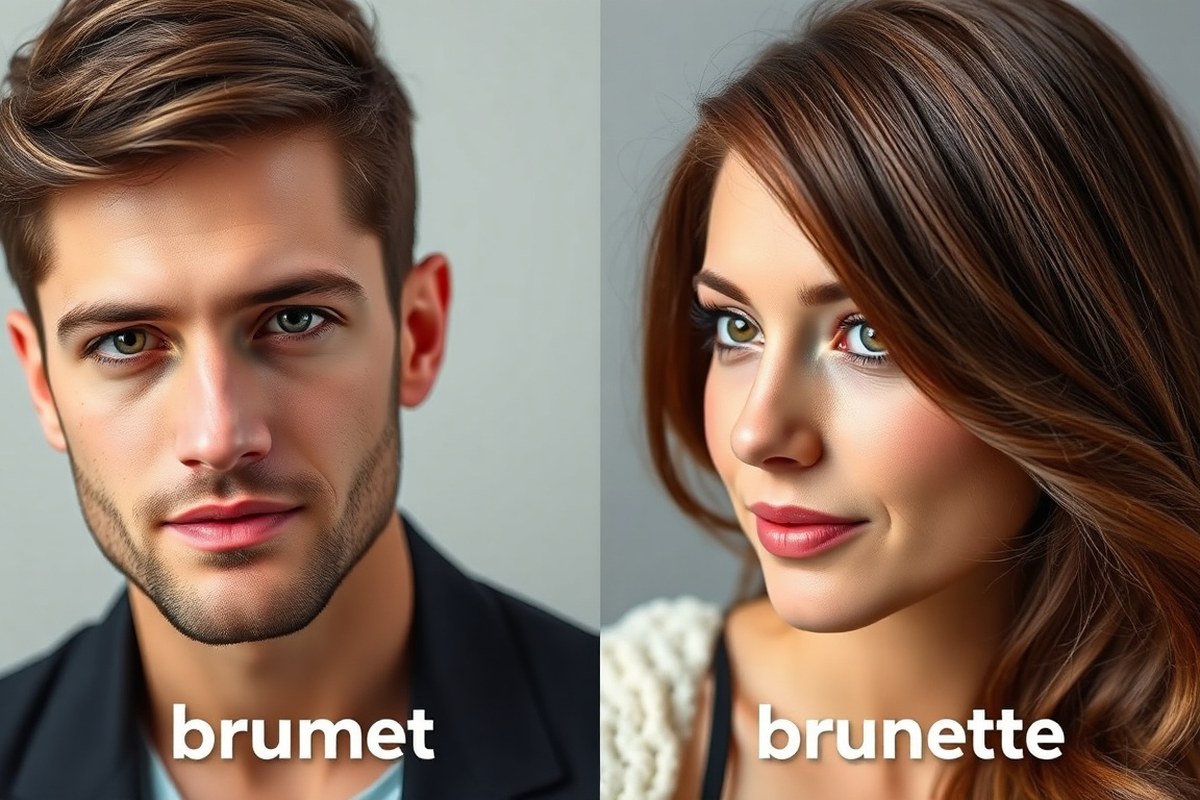
Brunette usually means a woman with brown hair, while brunet applies to men. Most people today say brunette for both men and women. Still, brunet traditionally describes males with brown hair.
Knowing which word to use depends on the context and the formality of the situation. Brunette is the more common choice and widely accepted for anyone. However, brunet is correct in formal writing or when specifically referring to men.
A simple way to remember is by the ending: “ette” usually signals a female form. “et” a male one. This pattern is common in English words borrowed from French, like brunette and brunet.
| Aspect | Brunette | Brunet |
|---|---|---|
| Gender Usage | Female or general use | Male only |
| Traditional Correctness | Refers to women | Refers to men |
| Common Usage Today | Used for men and women | Less common, mostly formal |
| Origin | French feminine form of brunet | French masculine form |
| Meaning | Person with brown hair | Person with brown hair |
| Example | She is a brunette with rich brown hair. | He is a brunet with dark brown hair. |
Using brunette for men isn’t incorrect but might seem informal. When writing about men with brown hair in official or formal texts, use brunet. In everyday speech and informal writing, brunette fits most situations regardless of gender.
Always check your audience and context; formal texts often need brunet for men.
You can think of brunette as the safe, everyday term for anyone with brown hair. Save brunet for more specific references to men or when you want to be precise. This small difference helps keep your English clear and correct.
Common Brunette Hair Shades and How They Differ
Brunette hair covers a wide range of brown shades. These shades vary by depth, warmth, and highlights. Classifying brunette helps you find the right tone for your look.
Light Brunette Shades and Features
Light brunette shades sit near the lighter side of brown. They often show golden or caramel highlights that catch sunlight. These shades can brighten your appearance without being blonde.
Warm light brunettes have honey or golden undertones. These give hair a rich, sunny glow. They suit skin tones with warm or neutral hues best.
Medium Brunette Tones
Medium brunette is the classic brown most people picture. It sits around levels 4 to 5 on the color scale. These shades include chestnut or walnut browns.
Medium brunettes blend both warm and cool tones. This mix creates natural depth and dimension. Stylists can adjust this balance to match your skin tone perfectly.
Dark Brunette Hues
Dark brunette shades range from deep chocolate to near-black espresso. They offer a glossy, rich look that stands out. Dark chocolate brown often shows cool undertones just above black.
Espresso is nearly black but warmer than pure black hair. Adding soft highlights like mocha’s caramel tones can soften these dark shades. These hues work well for those wanting dramatic brunette color.
Warm vs Cool Undertones Explained
Brunette hair ranges from warm shades like gold and honey to cooler ash or smoky gray tones.
Choosing the right undertone matches your skin tone. Warm undertones complement warm skin, while cool tend to suit cooler skin tones. Neutral brunette blends both, making it a versatile choice.
Here’s a table showing popular brunette shades and their features:
| Shade | Description |
|---|---|
| Chocolate Brown | Rich dark brown with striking red undertones |
| Chestnut Brown | Deep brown base with warm red and golden highlights |
| Mocha | Dark cocoa brown color with caramel highlights |
| Espresso | Inky dark brown close to black |
| Dark Chocolate | Very deep, cool brown just above true black |
Brunette hair varies widely across the color spectrum. Your choice depends on how dark, warm, or highlighted you want your hair. Talk to your colorist about options suited to your skin and style.
How to Choose the Best Brunette Shade for Your Skin Tone
Picking the right brunette shade starts with knowing your skin tone and eye color. Warmer skin tones look great with warm brunette colors.
Cooler skin tones suit cooler brunette shades. This match makes your hair color pop and your complexion glow.
Identifying Your Skin Undertone
You can find your skin undertone by checking your veins. Your veins look blue or purple.
This shows you have a cool undertone. Greenish veins mean a warm undertone, and a mix shows a neutral undertone.
Another easy test is how your skin reacts to sun exposure. Skin that burns quickly and stays pale usually has cool undertones. You tan easily with a golden glow.
That means you probably have warm undertones. Neutral undertones may burn first but get some tan later.
Matching Brunette Shades to Skin Tones
Warm skin tones often match well with rich, golden brunette shades. Think chestnut, caramel, or mocha. These colors add warmth and brightness without clashing.
Cool skin tones pair nicely with cooler brunette shades like ash brown or espresso. These help avoid redness or sallow looks. Neutral skin tones have flexibility and can go either warm or cool.
Use this quick checklist to match your brunette choice:
- Warm skin tone: look for golden, caramel, chestnut shades
- Cool skin tone: favor ash brown, espresso, or smoky brunettes
- Neutral skin tone: try soft browns with either warm or cool undertones
- Light skin: choose medium to light brown shades for balance
- Medium skin: deep brunettes with warm or cool tones work well
- Dark skin: rich, dark brunette or espresso shades add depth
Pick a hair color one or two levels lighter or darker. This works best with your current shade.
Choose carefully for a natural look. That contrast gives your look depth without overwhelming your features.
Eye Color Complements for Brunettes
Your eye color can guide your best brunette shade choice. Brown eyes look brighter with brunette hair that’s lighter or darker. It should be close to your eye color.
This adds more sparkle and contrast. The contrast brightens your gaze.
Blue or green eyes usually suit cooler brunette shades with ash or smoky hints. These shades create a nice contrast and make your eye color stand out. Hazel eyes look great with warmer, golden brunette tones.
Keep your eye color in mind to pick shades that highlight your eyes, not overshadow them.
Tips for Testing Hair Color Choices
Do a strand test before coloring all your hair. This shows how the dye develops on your natural hair. It helps you avoid surprises and adjust color or timing if needed.
Lighten your hair first if you want a brighter brunette shade. Darker natural hair can hide true color. Follow dye instructions carefully, usually 30 to 45 minutes of processing works for most browns.
After rinsing out the dye, use shampoos and conditioners made for color-treated hair. These products keep brunette tones vibrant longer and prevent dullness.
Etymology and Usage History of Brunette
The word brunette comes from French origins, where it means “brown” or “little brown one.It is the feminine form of brunet. Brunet comes from Old French brun.
Brun means “brown.”” The term began appearing in English in the 1800s, often describing women with brown hair.
Originally, brunette was mainly used to refer to females with brown hair. Over time, people started using it more broadly. Today many use it for men and women.
This is common in casual speech. Using brunette for either gender is safe in modern English and helps avoid sounding outdated.
Formally, some style guides still recommend brunette only for females and brunet for males. But in everyday conversation, this distinction is often ignored. Choosing brunette works well for general descriptions.
It highlights brown hair color. It does not specify gender.
Use brunette for anyone with brown hair unless you want to be very formal or precise.
The change in usage reflects language trends where words simplify over time. Now, you might hear “He’s a brunette” even if brunet would be the traditional form. This shift also matches more flexible styles of describing people’s appearances in writing and speech.
The word’s meaning hasn’t changed much, it still signals brown hair. Brunette now covers more brown shades. These range from light to very dark brown.
It can include red or gold tones. This flexible meaning helps people describe rich brown shades without complicated terms.
Proper Usage and Common Mistakes with Brunette
Many people confuse the word brunette when writing or speaking. One mistake is using brunette as a noun for men. The correct masculine form is brunet.
Using brunet for men is more accurate. Brunette usually refers to females, while brunet fits males with brown hair.
Another common error is mixing brunette and brunet to mean different shades. Both words describe brown hair shades broadly. Differences in shade come from terms like ash brown or chestnut, not from brunette versus brunet.
Spelling errors happen often with brunet and brunette. Some add an extra “t” at brunet’s end. Others use brunette for all dark hair colors.
Very dark shades close to black may be brunette. This can confuse some readers about hair color. Dark hair isn’t always black, sometimes brunette.
- Use brunette to describe females with brown hair.
- Use brunet when referring to males with brown hair.
- Avoid using brunette for very dark or nearly black hair if clarity matters.
- Don’t use brunette and brunet to distinguish hair shades.
- Check your spellings carefully: brunette has two “t”s for females.
- In formal writing, keep the gender distinction clear.
Unsure which term to use? Think about the person’s gender. Also, consider the style of your writing.
In casual talk, many overlook the distinction and say brunette for everyone. Still, in writing or formal settings, using brunet for men helps avoid confusion.
Clarifying these points keeps your communication precise and shows you know the terms well. It’s a small fix that improves how your description is understood. Taking a moment to use brunette or brunet adds polish.
It improves texts about hair color. Careful word choice shows attention to detail.
How to Care for Brunette Hair to Keep Color Vibrant
Brunette hair often holds color well because it has more melanin than lighter shades. That means your hair can stay rich and vibrant longer when you use the right care. Avoid shampoos with sulfates; they can strip color and dry your strands.
Using a color-protecting shampoo and conditioner designed for brown hair helps lock in your brunette tones. Look for products with moisturizing ingredients to keep strands smooth. Deep conditioning once a week also keeps hair healthy and shiny.
Many brunettes notice their color looks best just after a fresh dye job. The first 48 hours after coloring are critical.
Your hair is still absorbing color molecules. Avoid washing hair during this time to let the color settle and last longer.
- Use sulfate-free, color-safe shampoo and conditioner
- Condition hair every time you wash to prevent dryness
- Deep condition weekly for softness and shine
- Avoid hot water; use warm or cool water when washing hair
- Limit heat styling and always apply a heat protectant spray
- Schedule root touch-ups every 6-8 weeks to maintain even color
- Use a shine serum or light oil on ends to reduce frizz
Brunette hair is often thicker, which means it can handle regular treatments better. Coloring touch-ups every 6 to 8 weeks keep your shade looking fresh. If you have naturally dark brunette hair, just deep conditioning and gentle washing might be enough.
The biggest risks to vibrant brunette hair are heat damage, harsh chemicals, and too-frequent washing. Hot styling tools cause fading and dryness, so lower the heat and use protection.
Chlorine from pools also dulls color. So wear a swim cap or rinse hair right after swimming.
Famous Brunettes and How Hair Color Influences Style
Famous brunettes show just how versatile and stylish this hair color can be. Different shades of brunette reveal unique personalities and look great in many styles. Understanding these examples helps you see how hair color can shape your appearance.
Celebrity Brunette Examples
Actors like Anne Hathaway and Keira Knightley wear dark brunette shades. These shades highlight their features well. They often choose rich, deep colors.
Their hair color adds depth and makes their skin tone glow. Meanwhile, Sarah Jessica Parker’s lighter brunette with sun-kissed highlights creates a soft, approachable look.
These celebrities show that brunette hair ranges from deep chocolate to warm chestnut. You’ll notice darker brunettes generally require more upkeep to keep color vibrant. Choosing a shade depends on how much care you want.
Some shades need more time to keep fresh. Others are easier to maintain.
Hair Color and Personal Style
Brunette hair adapts well to different looks, from sleek and sophisticated to casual and natural. Dark brunette looks bold and polished. A lighter ash-infused brunette looks relaxed and trendy.
Both create very different vibes. Choosing your shade lets you match your hair with the style you want.
Keep in mind that ash tones fade faster because natural brunette pigments are warm. You want cooler tones. You’ll need to refresh color every 4 to 6 weeks.
This keeps the color fresh and sharp. This involves salon visits or at-home touch-ups that can take at least 45 minutes each time.
Keep color treatments away from hot water and harsh shampoos to avoid faster fading.
Subtle highlights add dimension and a sun-kissed glow without heavy upkeep. This approach suits those who want a natural-looking style. It’s easier to maintain than solid, dark tones and gives hair a fresh, vibrant look year-round.
Cultural Views on Brunette Hair
Brunette is the most common natural hair color worldwide. Between 50% and 80% of people have it, depending on location. It varies a lot by region.
This everyday prevalence makes it feel classic and relatable in many cultures. Brunette hair carries a sense of reliability and groundedness.
Some cultures see brunettes as approachable and down-to-earth. Others admire dark brunette shades for appearing mysterious and sophisticated. Different opinions mean brunette shades can show off various traits.
How you style it changes the impression. Your look changes with your choices.
Choosing a brunette shade allows you to fit in or stand out based on cultural preferences. It’s a versatile color that reflects both personality and environment well. Your hair color choice can influence how others see you in social and professional settings.
Step-by-Step Action Plan for Embracing Your Brunette Hair
Follow these clear steps to pick and care for your perfect brunette shade.
- Before you start: Identify your skin tone by checking your veins or using an online guide. This helps pick a flattering brunette shade.
- Day 1: Choose a brunette shade that matches your skin tone, warm tones suit golden browns. Cool tones fit ash browns. Confirm it by comparing swatches in natural light.
- Week 1: Buy a good dye kit or see a colorist. A pro or quality kit helps with even colour. You get fewer mistakes this way. Check for even tones and no patchy spots.
- Week 2: Start using sulphate-free shampoos and conditioners to protect hair color. Notice if your hair feels softer and your color stays richer.
- Week 4: Use deep conditioning treatments weekly to keep hair shiny and strong. Look for reduced dryness and less breakage.
- Month 2: Avoid excessive sun and chlorine exposure or use protective sprays. See if your hair color holds without fading quickly.
- Ongoing: Schedule touch-ups based on your hair growth and fading, usually every 6-8 weeks. Your roots should blend smoothly without obvious lines.
Frequently Asked Questions
Can Brunettes Dye Their Hair Without Damaging It?
Yes, but use gentle dyes and deep conditioners regularly. This helps keep hair healthy and vibrant after coloring.
Is “Brunette” Used Outside Hair Color Descriptions?
Sometimes it refers to a surname or character trait but mainly means brown hair. It’s rare to see it used otherwise.
How Often Should Brunettes Visit the Salon for Touch-Ups?
Every 4 to 6 weeks if dyeing. Light brunettes or shades close to natural color can wait longer.
Are There Cultural Differences in How “Brunette” Is Perceived?
Yes, in some places it suggests different styles or personalities. This varies culturally and by language.
Can Men Be Called Brunettes or Is It Only for Women?
Men are called “brunet,” the male form of brunette, though many use brunette for both. It’s a gender-specific word.
Does Brunette Hair Color Fade Faster Than Blonde?
No, brunettes usually have longer-lasting color, especially dark shades. Proper care still matters for all colors.
The Bottom Line
Brunette means more than just brown hair; it fits many shades and styles. Using the right shade and care keep your color fresh and bright. Go ahead and pick a brunette tone that makes you feel confident today.