How to Prevent Oily Hair: 8 Proven Ways to Keep Hair Fresh Longer
How to prevent oily hair starts with understanding your scalp’s needs. Your scalp produces oil to protect and moisturize your hair strands. Overwashing strips away natural oils, causing your scalp to produce more oil to compensate.
Use a gentle shampoo made for oily hair and wash just 2 to 3 times weekly. Avoid harsh shampoos with sulfates since they dry out the scalp and increase oil production. Apply conditioner only to your hair ends to keep roots oil-free.
Watch habits that transfer oil like touching or brushing your hair too much. Pick light, water-based styling products instead of heavy creams or oils that weigh hair down. These changes reduce oil buildup and keep your hair cleaner longer.
Key Takeaways
- Wash oily hair 2 to 3 times weekly with a sulfate-free shampoo.
- Condition only your hair ends, not the scalp, to prevent extra oil.
- Avoid touching your hair often to reduce oil transfer from your hands.
- Use light styling products instead of heavy creams or oils.
- Try dry shampoo to absorb oil when you skip a wash.
- Consider gentle shampoos with tea tree oil for soothing and oil control.
1. Why Does Hair Become Oily so Quickly?

Your scalp has glands called sebaceous glands that make oil, known as sebum. This oil keeps your scalp and hair hydrated and healthy. Some people’s glands naturally produce more sebum, making their hair oily faster than others.
Oily hair happens when these glands go into overdrive and produce excess sebum. This extra oil makes your hair slick, shiny, and greasy much quicker, often within a day. Too much oil builds up on your scalp and hair.
It traps dirt and leftover hair products. This makes the hair look even greasier.
Oily hair and greasy hair are not exactly the same, but they feel similar. Oily hair means your scalp is producing more sebum than usual. Greasy hair looks dirty and feels heavy.
Oil mixes with sweat, dirt, and leftover product. This causes the oily, weighed-down look.
Several factors can push your scalp to make more oil. Hormonal changes, like during puberty or stress, can rev up oil production. Genetics also play a big role.
Some people just have more active sebaceous glands by nature. Touching your hair often spreads oil faster and adds dirt from your hands.
Using harsh shampoos or washing hair too often can cause your scalp to dry out. It reacts by producing even more oil to protect itself. Heavy conditioners and styling products can weigh your hair down.
They trap oils in your hair. This makes your hair look greasy faster.
Environmental factors like high humidity or pollution affect oily hair too. Humidity makes sweat and oil sit on your scalp without drying. Pollution adds dirt and small particles to your scalp.
These particles stick to oily hair. That increases greasiness and blocks hair follicles.
Oily hair can also result from not removing oil properly. Washing without rinsing well leaves buildup in hair. Using the wrong shampoo causes leftover oil and product.
This buildup makes hair greasy quickly. This buildup can look like greasy hair and cause scalp irritation over time.
2. Choosing the Right Shampoo and Conditioner

You need shampoos made for oily hair and a careful way to use conditioner. The right shampoo cleans deeply without stripping natural oils. Apply conditioner only to hair ends, never near your scalp.
Best Shampoo Ingredients for Oily Hair
Look for shampoos labeled for oily hair or clarifying types. These clear dirt and excess oil without over-drying your scalp. Avoid heavy, creamy formulas that weigh hair down and add to grease.
Sulfate-based shampoos offer good cleaning power but can irritate sensitive scalps. Try gentle cleansing shampoos that balance oil control and moisture. Steer clear of silicones; they leave residue that makes hair look dirty faster.
Shampoos with ingredients like tea tree oil or salicylic acid help reduce oil and clean pores. These may cost around $8 to $15 at drugstores, which fits most budgets. Use a shampoo with such ingredients daily or as needed.
How to Apply Conditioner Properly
Conditioner is important, but oily hair needs careful application. Focus on your hair’s middle and ends. Keep conditioner away from the scalp where oil collects.
Using too much conditioner or applying it to the scalp makes hair greasy faster. Use only a small amount of conditioner. About a dime size works for short hair.
For longer hair, use about a quarter size. Give conditioner 2 to 3 minutes to absorb before rinsing out.
For oily hair, lightweight, silicone-free conditioners are ideal. They nourish hair but don’t add extra weight or oily feel.
- After shampooing, squeeze out excess water from your hair.
- Apply conditioner starting 2 inches below your scalp to the ends.
- Massage conditioner gently into hair, avoiding scalp contact.
- Let conditioner sit for 2 to 3 minutes to hydrate your hair.
- Rinse thoroughly with lukewarm water to remove all product.
- Gently squeeze hair to remove excess water before styling.
Using conditioner on your scalp leads to faster oil buildup and limp hair.
When to Use Clarifying Shampoo
Use clarifying shampoo once a week to remove buildup from styling products and oil. It helps restore your hair’s natural balance and shine.
Overuse can dry out hair and scalp. So limit it to once every 7 days.
Clarifying shampoos deep clean but strip all oils, so follow with a lightweight conditioner. Avoid daily use because it can trigger your scalp to produce more oil. Look for clarifying shampoos with gentle formulas to minimize dryness.
Mark your calendar or set a reminder to keep a weekly clarifying routine. This timing prevents greasy hair and product residue from piling up.
3. How Often to Wash Hair for Oily Scalps
Washing your hair too often can make it oilier. Your scalp tries to replace the natural oils that shampoo removes. That extra oil can leave your hair greasy faster than before.
Try washing your hair every other day. See how your scalp reacts. Adjust based on what you notice.
You have oily hair but no itchiness. Washing two to three times a week with gentle shampoo may help. Slowly space out your washes to give your scalp a break.
This helps reduce stripping natural oils. Take your time increasing the gap.
People who deal with very oily scalps might need to wash daily. The American Academy of Dermatology says washing oily hair once a day is fine. Still, watch how your scalp feels.
Your scalp gets itchy or greasy. Trying fewer washes can make a difference. Watch how it changes.
Pay attention to how your hair looks and feels after washing. Hair gets greasy quickly. Wash less often and massage your scalp gently.
This helps without overdoing it. Massaging removes dead skin and buildup.
It cuts down on oiliness. It doesn’t strip all your natural oils.
Use lukewarm water to rinse, not hot, as hot water can worsen oil production. Avoid applying hair masks or conditioners near your scalp to prevent extra greasiness. Focus those products on the mid-lengths and ends of your hair.
Finding the right schedule takes time and care. Watch what happens each week when you adjust washing frequency.
A simple rule: wash enough so your scalp feels clean but not stripped. That balance keeps oil in check and your hair healthy.
4. Daily Habits and Styling Tips to Keep Hair Less Oily
Touching your hair often makes it oily faster. Oils from your hands transfer to your roots.
Avoid brushing too much, especially near the scalp. It spreads oil and dirt, making hair look greasy.
Using heavy creams, mousses, or waxes can weigh hair down. These products grab onto oil and make roots look greasy. Opt for lightweight sprays or gels to hold your style.
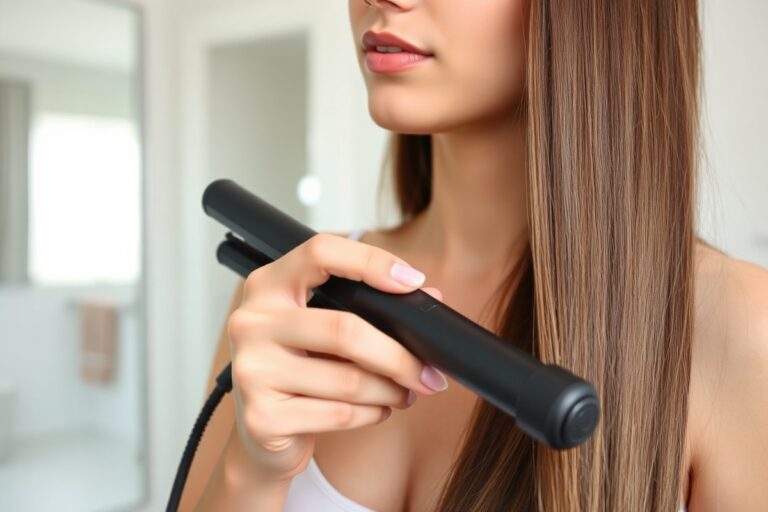
Heat styling tools such as flat irons or curling irons can cause your scalp to produce more oil. This happens gradually over time.
Avoid using too much heat to keep oil in check. Limit heat use to help keep oil under control.
- Use blotting papers made for hair to absorb excess oil.
- Spray a light mist of alcohol-based hair spray on roots.
- Choose hairstyles that hide oily roots, like loose braids or messy buns.
- Avoid tight ponytails that trap heat and increase oiliness.
- Apply leave-in conditioner or hair oils sparingly only on ends.
- Space out hair washing days to prevent overstimulation of oil glands.
- Dry shampoo is a good option but don’t rely on it alone.
Simple changes in how you style your hair really help hide oiliness. Loose styles cover greasy spots better than sleek ponytails. Dry shampoo can keep hair looking fresh between washes.
Use just a few sprays at the roots and brush lightly. Blotting papers absorb oil quickly without washing. These easy tools save time and avoid scrubbing roots harshly.
Try to keep your routine steady without adding extra products. Over shampooing or heavy styling increases oil production. Instead, focus on gentle, light touches and avoid piling on products.
Healthy habits like less touching and light styling make a big difference. They help keep your hair cleaner and less oily throughout the day.
5. Natural Remedies and DIY Treatments That Help Oily Hair
Natural remedies can help manage oily hair when used correctly. Apple cider vinegar and tea tree oil are popular for balancing scalp oil. Using these safely and with the right method improves your chances of success.
Apple Cider Vinegar Rinse
Apple cider vinegar (ACV) helps remove buildup and balances scalp pH, which contains oils. It also smooths frizz and can make hair feel lighter. Using it diluted is key to avoid irritation or dryness.
Follow these steps to safely apply an ACV rinse:
- Mix 2 tablespoons of apple cider vinegar with 1 cup of cool water.
- Shampoo your hair as usual, then rinse out thoroughly.
- Pour the ACV solution slowly over your scalp and hair.
- Massage the scalp gently for about 1 minute to spread it evenly.
- Leave the rinse on for 3 to 5 minutes to balance oils.
- Rinse your hair well with cool water to finish.
- Repeat this once or twice a week, not more often.
Use diluted apple cider vinegar to prevent scalp irritation and dryness.
Tea Tree and Green Tea Shampoos
Shampoos with tea tree oil or green tea extract can reduce oiliness and soothe the scalp. Tea tree oil has antifungal benefits and reduces scalp itchiness and dandruff. Green tea extract is another gentle option to regulate oil without stripping natural moisture.
Choose shampoos that contain about 5 percent tea tree oil for best effects. Use these shampoos 2 to 3 times per week to give your scalp a break. If you have sensitive skin, test on a small patch first to avoid allergies.
DIY Dry Shampoo Options
Dry shampoo helps absorb excess oil when you don’t wash your hair. You can make your own with common ingredients like cornstarch or baking soda. These absorb oils instantly, freshening your hair between washes.
Here’s a simple recipe for DIY dry shampoo:
- Mix 1 tablespoon of cornstarch or baking soda with a few drops of essential oil.
- Put the powder into a clean shaker or small jar with holes.
- Sprinkle lightly on your roots and oily spots from a few inches away.
- Let it sit for 2 to 3 minutes to absorb excess oil.
- Brush or comb through your hair to remove extra powder.
Use dry shampoo sparingly to avoid buildup that can clog pores.
6. Diet, Supplements, and Scalp Health Impact on Oiliness
Your diet affects your scalp’s oil production. Eating too much greasy or processed food may up oiliness.
Focus on balanced meals with fresh vegetables, fruits, lean proteins, and whole grains. These foods support healthy hormone balance tied to sebum levels.
Vitamins B6 and B2 help control excess oil on your scalp. You can find them in supplements or foods like chicken, eggs, spinach, and milk.
Taking a daily B-complex vitamin can also support healthier oil levels. Always check with a doctor before starting new supplements.
Hydration matters, too. Drinking plenty of water keeps your scalp hydrated, which can reduce overactive oil glands. Aim for about 64 ounces (8 cups) of water each day.
Dry scalps may actually produce more oil to compensate. So staying hydrated helps balance this out.
Stress raises oil production by upsetting hormone balance. Try gentle scalp massages to relax and reduce stress.
You can do this by using your fingertips in circular motions for 5 minutes daily. Adding stress relief like yoga or meditation works, too.
Be gentle when washing and styling your hair. Scrubbing your scalp roughly signals glands to make more oil.
Use mild shampoos with tea tree oil, salicylic acid, or witch hazel. These ingredients clean well and fight excess oil without harsh irritation.
Some scalp sprays with these ingredients come in handy between washes. Just spritz the roots to refresh oily hair quickly.
These sprays usually cost around $10 to $20 and last several weeks. Avoid shiny or frizz-control products because they add unwanted oil.
7. Common Hair Washing Mistakes That Cause Oil Build-Up
Washing oily hair the wrong way can make oil build-up worse. Common mistakes include using hot water, not rinsing completely, and overusing heavy conditioners. Correcting these helps keep your scalp balanced and hair less greasy.
Using Hot Water
Hot water strips away natural oils from your scalp. This triggers your scalp to produce even more oil to make up for the dryness. Instead, use lukewarm water around 90°F (32°C) to clean hair without causing extra oil production.
Hot showers might feel relaxing but can worsen oily scalp issues. Keeping water warm lets your scalp stay balanced, avoiding stimulation of oil glands.
Not Rinsing Completely
Leaving shampoo or conditioner residue on your scalp adds to oil and dead skin build-up. Salt and minerals left behind can weigh hair down and look greasy faster. Always rinse your hair for at least 30 seconds.
Use running water to wash all product off. Make sure to clean both your hair and scalp well.
Incomplete rinsing makes scalp oils stick to hair roots, boosting oiliness. Rinsing well lets your scalp breathe and prevents limp hair.
Overusing Heavy Conditioners
Heavy, creamy conditioners often cause oily hair to look greasy faster. They leave a residue that clogs hair strands and scalp pores. Pick lightweight conditioners made for oily hair.
Apply only to your hair ends. Avoid putting conditioner on your scalp.
Conditioners should feel light and wash out easily. Using too much or putting it on your scalp can feed oil build-up instead of helping.
- Use lukewarm water instead of hot for washing.
- Rinse hair thoroughly for at least 30 seconds each wash.
- Apply conditioner only to hair ends, avoiding the scalp.
- Pick lightweight, oil-free or oily-hair formulations.
- Limit shampooing to every other day if possible.
- Use gentle massage motions to clean scalp without irritation.
- Dry hair gently with a towel, don’t rub harshly.
8. When to Seek Professional Help for Oily Hair
Oily hair might signal more than just excess oil production. Your scalp may itch, hurt, or show redness and flakes.
These signs point to a possible scalp condition. Conditions like seborrheic dermatitis or scalp psoriasis cause oily scales and discomfort, needing professional diagnosis.
See a dermatologist when your oily scalp doesn’t improve despite lifestyle changes and using different products. Oiliness lasting over six weeks needs attention. Pay attention if you also see irritation or hair loss.
Seeing a doctor is a good step. Dermatologists can identify skin issues that cause excessive oil and recommend appropriate treatments.
A dermatologist might prescribe medicated shampoos containing ingredients like ketoconazole, salicylic acid, or zinc pyrithione. These help control scalp inflammation and reduce oiliness more effectively than over-the-counter products. In some cases, prescription medications or topical treatments are needed to restore scalp balance.
Pay attention if oily areas become sore or develop blisters, as this could indicate infection. Oily hair with sores or fast-spreading scaling is serious. You need medical care right away.
Don’t wait to get help. Early treatment prevents complications and improves hair and scalp health.
Avoid self-diagnosing scalp issues. Consult a dermatologist if oiliness lasts over six weeks with discomfort or hair loss.
Some people find changing pillowcases frequently can reduce oil transfer to hair overnight. Also, brushing with a boar bristle brush a few times daily helps distribute scalp oils evenly. These small steps support professional treatments and improve oily hair management.
Hair products alone usually won’t fix oily hair from scalp issues. Medical treatment is often needed. Don’t rely just on shampoos or conditioners.
Professional advice can save time and prevent worsening of symptoms. Treatment costs vary, but many medicated shampoos cost between $15 and $40. Prescriptions might require a doctor’s visit fee around $100 or more, depending on location.
Step-by-Step Action Plan to Control Oily Hair
Start today by following this plan to keep your hair fresh and less oily. Each step helps you see clear progress in managing oiliness.
- Day 1: Switch to a mild shampoo made for oily scalp. Notice less greasy feeling after washing.
- Week 1: Reduce washing hair to every other day. Watch for your scalp’s oil balance improving.
- Week 2: Avoid touching your hair often during the day. Check if oil transfer to hands decreases.
- Week 3: Try a weekly natural scalp treatment like apple cider vinegar rinse. Observe if your scalp feels cleaner and less oily.
- Week 4: Adjust your diet by cutting back on greasy foods. Monitor whether your hair stays fresher longer.
- After 1 month: Evaluate your shampoo and conditioner routine. Switch brands if you still notice heavy oil buildup.
- After 6 weeks: See a dermatologist if oily hair persists despite your efforts. They can check for underlying scalp issues.
Frequently Asked Questions
Can Over-Brushing Cause Hair to Get Oily Faster?
Yes, brushing too much spreads scalp oil along your hair strands. It can make your hair look greasy quicker. So brush gently and only as needed.
Does Shower Water Temperature Affect Oily Hair?
Hot water can strip natural oils and boost your scalp’s oil production. Use lukewarm water instead to avoid triggering more oil.
Will Switching to a Leave-In Conditioner Help with Oily Hair?
Leave-in conditioners can weigh down oily hair and cause buildup. Choose a lightweight formula designed for oily scalp if you want to try one.
Is Scalp Exfoliation Good for Preventing Oily Hair?
Light scalp exfoliation removes excess oil and dead skin flakes. It can help your scalp stay healthy.
Do it gently, no more than once every 1-2 weeks. Avoid overdoing it to prevent irritation.
Can Hats or Headwear Increase Oiliness in Hair?
Yes, hats can trap heat and sweat, encouraging oil buildup. Wearing them less often or choosing breathable fabrics helps keep scalp oil under control.
Does Stress Influence How Oily Your Hair Gets?
Stress can trigger your scalp to produce more oil due to hormonal changes. Managing stress through relaxation techniques might reduce oily hair issues.
Before You Go
Oily hair needs a careful routine and patience to manage well. Focus on gentle care and healthy habits daily. Start with your shampoo choice and watch your hair improve step by step.