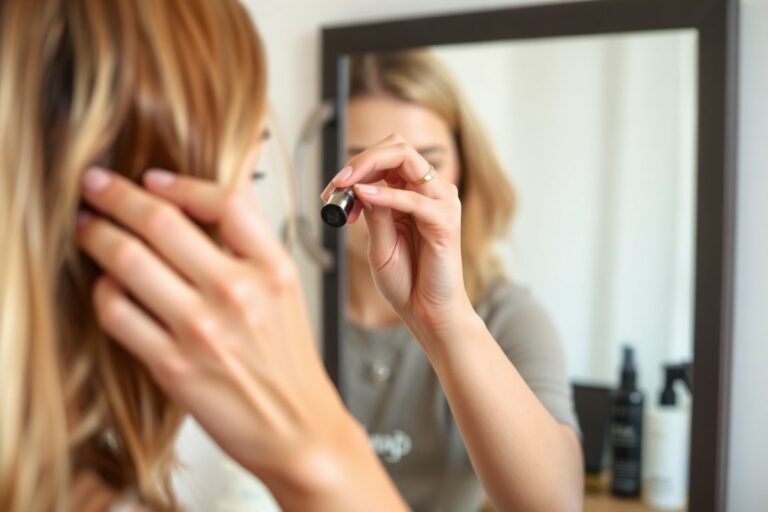
How Can I Get Wavy Hair: 8 Effective Methods for Beautiful Waves
You can get natural-looking wavy hair by using simple methods at home. Try a flat iron, foam rollers, or scrunch with your hands. Each way works well with proper prep and gentle heat or no heat.
Start by washing your hair with moisturizing shampoo and conditioner. Clean, damp hair holds waves better, so spray water on sections before styling. Let your hair dry completely before removing pins or untwisting to set the waves.
Don’t rush drying. Scrunch your hair every 10 to 30 minutes for added volume. Use heat protectant spray if styling with heat tools to avoid damage and keep hair healthy.
Key Takeaways
- Wash hair before styling to help waves last 3 to 4 days.
- Spray 1-inch sections with water to prepare for waves.
- Hold the flat iron and turn it 180 degrees away from your face. Slide the iron down your hair while keeping the twist. This moves the hair into a wave shape.
- Scrunch hair every 10 to 30 minutes until fully dry for volume.
- Use heat protectant spray before flat ironing waves.
- Let hair air dry the rest of the way after 80% dryness.
1. 8 Best Ways to Get Wavy Hair at Home

You can get wavy hair fast with heat tools like curling irons or flat irons. For a gentler way, try no-heat methods like braiding or using foam rollers overnight. Adding sea salt spray or mousse boosts texture and helps waves last longer.
Heat-Based Styling Techniques
Heat tools create waves quickly and shape hair well if you want defined curls. Flat irons and curling wands are popular because they are easy to control. Using hot rollers adds volume and soft waves to your hair.
They work without direct heat on your strands. Leave them in for 20 to 30 minutes.
Protect your hair by applying a heat protectant spray before styling. Set your tools between 300°F to 350°F for waves without causing much damage.
- Start with clean, dry hair and spray a heat protectant evenly.
- Divide hair into sections to work with manageable amounts.
- Wrap each section around a 1 to 1.25-inch curling iron or flat iron.
- Hold for 8 to 12 seconds, then release gently for loose waves.
- Roll sections of hair with hot rollers, then secure with clips. Keep them in for 20 to 30 minutes.
- Once cooled, run your fingers through waves to loosen them naturally.
- Finish with a light-hold spray to keep waves intact for hours.
No-Heat Methods for Natural Waves
No-heat techniques are gentle on hair and great for overnight styling. Braiding damp hair before bed creates soft waves by morning. Pin curls and twisting sections also give long-lasting texture without any heat damage.
Overnight braids or foam rollers take 6 to 8 hours. They often make waves last 3 to 4 days. These methods work best on slightly damp hair for ease and hold.
- Dampen your hair slightly with water or a light leave-in conditioner.
- Braid hair into two or more loose braids for natural waves.
- Or twist sections of hair and pin them close to your scalp.
- Use a soft headband to wrap hair into waves if preferred.
- Sleep with hair set and undo braids or pins in the morning.
- Spritz a texturizing spray or sea salt spray to improve waves.
Using Hair Products to Improve Waves
Sea salt spray mimics ocean water’s effect, adding grit and volume to your waves. Mousse works by coating strands lightly and holding waves without stiffness. Lightweight styling creams reduce frizz and boost moisture for smooth waves.
Apply mousse or sea salt spray to damp hair before styling for best texture. Reapplying light sprays on dry hair refreshes waves and extends hold through the day.
- Start with damp hair and spray sea salt spray evenly from roots to ends.
- Scrunch hair gently with hands to encourage wave formation.
- Apply a golf ball-sized amount of mousse for volume and hold.
- Blow dry using a diffuser on low heat or let air dry naturally.
- Finish by smoothing frizzy areas with a finger-tip amount of styling cream.
- Touch up waves during the day with a lightweight hold spray if needed.
2. How Hair Type Influences Wavy Hair Results

Your hair texture, thickness, and porosity shape how well waves form and last. Knowing your hair type helps you pick the right styling method and products. Fine, thick, or porous hair each needs slightly different care for the best wavy look.
How Hair Texture Affects Wave Formation
Straight hair tends to hold waves less well than naturally wavy or slightly curly hair. Fine hair gets soft, beachy waves easily but they might fall out faster. Coarser hair can keep waves longer but needs more heat or product to shape.
Your hair leans toward natural waves or curls. Use style memory mousse on damp hair to lock waves in place.
On fine hair, gentle scrunching and air-drying work best to keep waves light and bouncy. Coarse hair often benefits from a diffuser or curling iron for more defined waves.
Thickness Changes Styling Choices
Thick hair usually has more volume but can be harder to style into soft waves. It might take longer to dry and need stronger hold products. Fine hair feels lighter and more prone to flattening from heavy product use.
For thick hair, sectioning your hair before waving helps heat get through evenly. Use a medium heat setting on styling tools to avoid damage but create lasting waves. Fine hair styles better with lower heat.
Use lighter mousse or spray. This avoids weighing waves down.
Porosity and Wave Durability
Hair porosity means how well your hair absorbs and holds moisture. High porosity hair soaks up products fast but can lose style quicker because it dries out. Low porosity hair fights water.
Waves take longer to form. Use steam or longer heat.
Use a deep conditioner on high porosity hair to keep waves shiny and less frizzy. For low porosity strands, use heat protectant sprays to help products penetrate and set waves. Both types benefit from avoiding overwashing since it strips natural oils and harms wave durability.
Choosing the Best Method by Hair Type
| Hair Type | Best Wave Method | Use Tips |
|---|---|---|
| Fine | Soft scrunching or braiding damp hair | Use light mousse, avoid heavy creams |
| Medium | Heat styling or twist braids | Medium heat, style memory mousse helps |
| Thick/Coarse | Diffuser drying or curling wand | Section hair, use stronger hold spray |
Each method suits certain hair types best for lasting waves. Fine hair gets loose waves from gentle scrunching.
Thick hair needs targeted heat styling to shape waves that last. Medium thickness hair is the most flexible and adapts well to multiple methods.
Avoid too much heat on fine hair. Don’t use heavy products on thick hair. This keeps waves natural.
3. Protecting Hair Health When Styling Waves
Understanding Heat Damage and How It Happens
Heat styling tools can hurt your hair if used too often or too hot. High heat breaks down hair keratin, which weakens strands and causes breakage. Using curling irons or flat irons above medium heat can damage hair.
It might burn or thin your strands over time. Keep your heat setting at medium or lower to protect hair.
Damage often shows as dry, brittle hair that tangles or looks dull. You want to avoid heat settings above 350°F to keep your waves healthy. Staying below that saves your hair’s strength while still shaping waves.
Choosing and Using Heat Protectants Correctly
Pick a heat protectant spray or cream before styling. These products coat your hair and block damage from heat tools. Look for ones designed to reduce frizz and split ends along with heat protection.
Spray or apply the protectant evenly on dry or damp hair before turning on your tool. Don’t skip this step or your hair gets too exposed. Reapply if you plan to heat your hair again in the same session.
How Often to Style with Heat for Healthier Hair
Try to use heat styling just 2 or 3 times a week. This balance helps you keep your style and hair health. Too much heat styling can wear out your hair fast.
Daily heat styling wears out your hair quickly and causes split ends. Give your hair breaks to repair naturally between sessions.
On no-heat days, try braids or twist hairstyles to keep waves without harm. Your hair lasts longer without constant heat styling.
Avoid relying on hot tools every day to keep hair healthy. Less heat means your waves will hold better and look natural.
Steps to Style Your Hair Safely with Heat
Start with clean, dry hair and apply your heat protectant well. Set your styling tool to medium heat, about 300, 350°F. Curl or wave your hair in small sections for 5 to 10 seconds each.
This short time helps prevent damage from overprocessing. Moving slowly through sections protects your hair’s health.
Don’t hold the iron in one place too long, which causes heat spots and damage. After styling, let your hair cool completely before touching or brushing the waves. This helps the wave shape last without breaking hair.
4. How to Maintain and Refresh Wavy Hair
Keeping waves fresh on day two or three means lightly misting your hair with water. Use a spray bottle to dampen your waves just enough to reactivate your styling products. Gently scrunch your hair by hand to revive the waves.
Don’t wet your hair while scrunching it. This helps bring the waves back to life.
Sleeping with wavy hair can work if you take some precautions. Wrap your hair loosely in a silk or satin scarf or use a silk pillowcase. These materials cut down on friction.
So waves stay defined and frizz is less likely. You can also try a loose braid before bed to preserve wave shape while you sleep.
Products that keep waves looking good include sea salt spray, lightweight mousse, and texturizing spray. These give texture without heaviness, which prevents limp waves.
A small amount of hair oil on the ends tames frizz without weighing hair down. Around $20 to $44 for styling products like Oribe Matte Waves fits many budgets.
Frizz control is mostly about hydration and avoiding harsh rubbing. Use your fingers, not a brush, to separate waves and maintain texture.
Apply a light mist of hairspray for hold, but don’t overdo it. Too much product can flatten waves and make hair feel greasy or stiff.
Refreshing your waves midday can be easy with the right products. Kerastase Curl Manifesto Refresh Absolu is a good refresh spray that redefines waves and smooths frizz.
Use it by spritzing lightly and scrunching waves gently with your hands. This gives a quick lift without needing to wash or restyle completely.
5. Choosing the Right Products for Wavy Hair
Sea salt sprays add texture and grit to your hair, making waves look natural and loose. They work best when you use a little, spray on damp hair and scrunch. Too much sea salt spray can dry your hair and leave it feeling rough.
Mousses offer more hold and volume than sea salt sprays. You apply mousse to wet hair by squeezing a walnut-sized amount into your hand. Work the product through your hair from roots to ends.
Let your hair air dry or use a diffuser to dry it. Mousses suit straighter hair types that need extra help holding waves.
Creams for wavy hair focus on hydration and frizz control. They tend to weigh hair down less than heavier conditioners.
Use creams after mousse or on dry hair to soften waves and add definition without stiffness. These are great if your hair feels dry or you want a softer wave hold.
| Product Type | Main Benefit | Hold Level | Best for | Usage Tips |
|---|---|---|---|---|
| Sea Salt Spray | Texture and natural wave enhancement | Light to medium | Wavy or slightly wavy hair | Spray lightly on damp hair, then scrunch |
| Mousse | Increased volume and hold | Medium to strong | Straighter hair needing more grit | Apply to wet hair, about a walnut size |
| Cream | Hydration and frizz control | Light to medium | Dry or frizz-prone hair | Use on damp or dry hair for smoothing |
| Wave-Specific Spray | Improve wave definition | Varies by product | All hair types | Follow label instructions, avoid heavy layering |
Using too much product often makes hair heavy and greasy. Light layers work better for longer hair or thicker hair.
Starting your wave at different points on your hair helps make waves look natural. So try applying product differently on roots and mid-lengths.
Use a small amount of product first. Add more only if needed. This helps avoid heaviness and residue.
Map out your hold needs by your hair type and lifestyle. Sea salt sprays are a budget-friendly choice costing under $10 on average. Mousses generally run between $5 and $15, offering stronger hold.
Creams tend to be pricier, around $15 to $20. But they keep hair soft and healthy.
6. Common Mistakes and How to Fix Them
Limp or uneven waves usually come from using too much product or heavy styling tools. Overloading your hair can weigh waves down, making them lose their bounce. Using less product and lighter tools helps keep waves lively and natural.
Frizz and flyaways often appear when you brush your hair too much or use coarse towels. Brushing breaks up the wave pattern and roughs up the hair cuticle. Use a wide-tooth comb on damp hair.
Pat your hair dry with a soft microfiber towel. This helps protect your waves.
Restyling waves every day can stress your hair and cause damage. Give your hair a break by resting waves for 2 to 3 days before restyling. Sleep on a silk pillowcase to keep waves smooth.
Or loosely tie your hair at night. This reduces frizz and preserves waves.
- Apply a small amount of product, about a dime-sized drop. Add more only if needed. Avoid using too much product.
- Overbrushing waves – comb gently once when damp, avoid brushing dry waves to keep them defined.
- Stop rough towel drying to prevent frizz and breakage. Use a microfiber towel or an old T-shirt instead. These are gentler on hair.
- Heat styling on high settings – use the lowest effective heat under 350°F to prevent damage.
- Restyling daily – aim to restyle waves every 2 to 3 days to let hair recover.
- Sleeping on cotton pillowcases – try silk or satin pillowcases to preserve wave patterns.
Heavy oil or cream near the roots can flatten waves. Some people notice their waves lose shape this way. Avoid applying thick products at the roots.
Instead, focus on the mid-lengths to ends and use light sprays or mousses at the roots. Creating waves with heat tools in under five minutes also avoids overworking your hair.
Paying attention to these small changes helps your waves look fresh longer. You’ll notice more natural movement and less frizz with lighter product use and careful handling. Over time, your waves stay healthier and easier to style.
7. Tools and Accessories That Help Create Waves
Diffusers, rollers, and microfiber towels can help you create natural waves at home. A diffuser helps your hair dry gently, keeping waves intact and reducing frizz.
Rollers shape waves with a soft bend. Microfiber towels speed drying without roughing up strands.
Using a diffuser works best on damp hair after you apply your styling products. Attach the diffuser to your blow dryer. Set the dryer on low heat and speed.
Then cup your hair gently in the diffuser’s bowl. Slowly move the diffuser around your scalp. Do this for 10 to 20 minutes.
Stop when your hair is almost dry. This technique encourages waves while avoiding heat damage.
Rollers suit people wanting heat-free waves or those with fine hair needing extra volume. Use them on damp hair by wrapping small sections around medium or large rollers. Keep the curlers in until hair is completely dry.
This can take 1 to 2 hours. You can speed this up with a cool blow dryer setting. Good results show soft wave patterns without harsh curls.
| Tool | Use | Drying Method | Time | Cost Range |
|---|---|---|---|---|
| Diffuser | Improve natural wave pattern | Low heat blow dry | 10-20 minutes | $10-$40 |
| Rollers | Creates waves and volume | Air dry or cool blow dry | 1-2 hours | $5-$30 |
| Microfiber Towel | Reduces drying time and frizz | Air dry | 30-60 minutes | $10-$20 |
Microfiber towels gently absorb water, cutting down drying time and frizz. Wrap your damp hair in one and squeeze gently rather than rubbing. This protects wave shape from rough towel friction.
Let the product sit on your hair for 30 to 60 minutes. When hair feels less wet, use a diffuser or air dry for the rest.
Curling irons heat quickly to make waves fast but can harm hair. Always spray heat protectant before curling small hair sections.
Hold the iron straight up to create loose waves and leave the ends out. Use rollers or a diffuser first to avoid heat damage.
8. When to Consult a Professional Hairstylist
You should see a stylist for a custom wavy look. They can also address any hair health concerns you have. Professionals can offer body wave perms or digital perms for lasting texture.
These perms work best on healthy, untreated hair to avoid damage. A stylist can also tailor wave styles to suit your face shape and hair type.
Before your appointment, wash your hair but don’t use heavy conditioner or styling products. Dry hair until it’s about 80% dry, as moist hair holds wave shapes better during styling.
Bring photos of wave styles you like to help the stylist understand your vision. Expect a salon visit to take between 1.5 and 3 hours depending on the technique.
Costs vary widely based on the salon and location. But you can expect $80 to $250 for perms or advanced styling. Good results feel soft, have natural movement, and match the style you requested.
Problems usually come from damaged hair or mismatch between your preferences and the treatment applied. Booking a consultation first avoids problems later on. It also lets the stylist check your hair’s health.
Ask your stylist for aftercare advice to keep waves looking fresh longer and prevent damage.
Step-by-Step Action Plan for Getting Wavy Hair
Follow these steps to create and care for your waves at home. Each step helps you check progress and adjust as needed.
- Before you start: Choose your method, heat or no-heat, for waves. Test on a small section to see how your hair reacts.
- Day 1: Wash hair with a gentle shampoo and conditioner made for wavy hair. Your hair should feel clean but not dry.
- Day 1, Styling: Start with a light mousse or sea salt spray on damp hair. Let your hair dry and then feel the wave texture. Check if the waves look defined and natural after drying.
- Day 2: Use a curling wand or braid damp hair overnight for natural waves. See if the waves hold well by morning.
- Day 3: Refresh waves with a curl refresher spray or mist with water. Scrunch your hair gently and note how the waves bounce back.
- Weekly: Deep condition once a week to keep hair healthy. Soft hair tends to hold waves better and looks shinier.
- Every few weeks: Trim your hair to avoid split ends. Healthy ends prevent waves from looking frizzy or uneven.
Frequently Asked Questions
How Can I Make My Straight Hair Wavy Without Heat?
You can braid damp hair and let it dry overnight. This method gives natural, gentle waves without damaging heat. Use a light styling product to help hold the shape.
Will My Hair Hold Waves Better If It’s Dirty or Clean?
Slightly dirty hair usually holds waves better than freshly washed hair. Oils add grip, helping styles last longer. If your hair is too clean, add a little dry shampoo to improve texture.
Can I Create Waves If I Have Very Fine Hair?
Yes, but fine hair might need extra product for hold and volume. Use lightweight mousses or sea salt sprays to avoid weighing hair down. Gentle teasing at roots can also boost volume.
Is It Okay to Sleep with Wavy Hair to Keep the Style?
Yes, but protect waves by sleeping on a silk pillowcase or using a loose silk wrap. This cuts down on friction and frizz. Avoid tight hairstyles overnight to keep waves intact.
How Often Should I Wash Wavy Hair to Keep Waves Looking Good?
Washing every 2 to 3 days is best for wavy hair to avoid dryness. Over-washing strips natural oils, making waves frizzy and dull. Use a gentle shampoo and conditioner tailored for wavy hair.
Can Humidity Ruin My Wavy Hair Style?
High humidity often causes frizz and wave loss in wavy hair. Use anti-frizz or humidity-blocking products to help retain waves. Avoid touching your hair too much during humid weather.
Before You Go
Finding wavy hair means picking the right way for your hair. You also need to take good care to keep it healthy. Good hair health helps waves last and look great.
Start with one styling method and care routine to see what works for you. Keep practicing and adjusting your routine to enjoy your waves every day.