What Will Purple Shampoo Do: A Complete Guide for Best Results
What will purple shampoo do for your hair? It reduces brassiness and yellow tones in blonde, bleached, or gray hair. It works by gently depositing purple pigments to neutralize unwanted warm hues.
This shampoo helps keep your light hair looking fresh and bright between color treatments. Use it carefully to avoid over-toning, which can cause a slight purple cast. Leave the shampoo on your hair for two minutes at first.
Adjust the time depending on your hair’s color and type. Use more or less time based on how your hair reacts.
Wait a day or two after bleaching before applying purple shampoo. Let it sit from 1 to 5 minutes depending on your hair’s porosity and shade.
Purple shampoo makes your hair look cooler, cleaner, and less faded. So it’s a useful part of your hair care routine.
Key Takeaways
- Use purple shampoo once every 1 to 2 weeks on damaged or porous hair.
- Leave purple shampoo on for 1 to 3 minutes for platinum or porous hair.
- Let it sit for 2 to 5 minutes on natural blondes without over-toning risk.
- Give your hair two to three days to settle after bleaching. Then you can start using purple shampoo safely. This break helps avoid extra damage or irritation.
- Avoid leaving purple shampoo on too long to prevent a purple tint.
- Apply purple shampoo evenly to damp hair for best results.
What Purple Shampoo Does to Your Hair

Purple shampoo adds violet pigment to your hair during washing. It targets unwanted yellow and brassy tones in blonde, bleached, gray, or lightened hair. The violet cancels out yellow because they sit opposite each other on the color wheel.
The shampoo won’t lighten or darken your hair like bleach or dye. Instead, it cools down warm yellow shades and stops brassiness from showing. After rinsing, your hair looks softer and more ashy, not orange or golden.
Use purple shampoo about once or twice a week on wet hair that’s already clean. This allows the violet pigment to settle into yellow areas without turning your hair purple. Leave it on your hair for two to five minutes.
Use less time for fine hair. Use more time if your hair is thick to control tone.
You’ll notice brassiness fade after a few uses. For example, bleached blonde hair that looked yellow will shift to a cooler, more natural shade. Avoid overuse, as leaving the shampoo in too long might create a slight purple tint.
Purple shampoo can adjust golden tones on light brown hair with highlights. It won’t drastically change your base color. Its effect is subtle but noticeable.
It barely affects darker hair because the violet pigment is too light to show. For those with orange or copper tones, a blue shampoo is more effective.
How Purple Shampoo Works Using Color Theory

Pigment Science Behind Purple Shampoo
Purple shampoo contains purple pigments designed to neutralize yellow tones. Purple sits opposite yellow on the color wheel, so it cancels out yellow hues. This complementary color theory helps balance warm brassiness in blonde or gray hair.
The shampoo deposits violet pigment on your hair strands, which absorbs into the cuticle surface. This pigment counteracts yellow tints by blending and dulling them out. It leaves your hair looking cooler, less golden, and more ashy or platinum.
How Hair Pigment Affects Tone
Lightening or bleaching your hair removes natural pigment, revealing warm pigments underneath. This warm pigment appears as yellow brassiness or gold tones. Purple shampoo works best on hair that is yellowed.
It doesn’t work well on orange tones. Purple can’t cancel out orange shades.
Yellow tones are especially common on bleached, blonde, gray, or silver hair. Using purple shampoo often helps stop warm tones from building up. This happens after sun exposure or chemical treatments.
Regular use maintains better hair color. For stubborn brassiness, try a clarifying shampoo before switching to purple shampoo.
Using Purple Pigment Properly
Applying purple shampoo deposits a controlled layer of violet pigment to your hair. Leave the purple shampoo on your hair for 3 to 5 minutes. This time lets the pigment settle in well.
It helps cancel out yellow tones. Too short a time means weak effect. Too long, especially on porous or fine hair, can cause a purple or gray tint.
Make sure to rinse thoroughly but not overdo it. Washing out too much purple pigment reduces color correction and dulls the result.
Fine or porous hair absorbs pigment faster. So adjust timing accordingly to avoid uneven tones or slight purple residue.
Why Purple Works, Not Other Colors
Purple shampoo mainly targets yellow tones in hair. Purple and yellow sit opposite each other on the color wheel. This makes purple perfect to reduce yellow.
This means purple pigment neutralizes yellow efficiently. For orange or red tones, purple shampoo won’t work well.
Instead, use shampoos with blue or green pigments. These colors better counteract orange and red shades.
People with dark blonde or brunette hair may use purple shampoo for mild warm tones. But its effect is mainly on yellow brassiness. Knowing your hair’s undertone helps pick the right shampoo color for best results without unwanted tinting.
Potential Effects on Hair Condition
Purple shampoo tones hair but can leave it feeling dry if used without conditioner. Its pigments are highly pigmented but temporary, not dyeing your hair permanently. You might notice purple shampoo tinting your nails or fingers during use.
Uneven absorption is common if hair is very dry or damaged, which causes patchy purple spots. Use a moisturizing conditioner right after purple shampoo.
Don’t leave the shampoo on too long to protect your hair. This keeps your hair’s tones balanced.
Follow the recommended time to leave purple shampoo in your hair. Leaving it longer can cause purple or gray tints. More time isn’t always better.
Applying Purple Shampoo: Timing and Frequency by Hair Type
Use purple shampoo based on your hair’s shade and porosity. Leave it on for 1 to 5 minutes, never longer. Frequency ranges from once a week to every two weeks depending on your hair type.
Selecting Purple Shampoo Based on Hair Shade
Choose a purple shampoo that matches your hair’s lightness. For platinum or silver hair, stronger pigments work best. If your hair is pale blonde or pastel, select a milder formula to avoid over-toning.
Starting purple shampoo use about one week after bleaching helps prevent damage. Your hair cuticles need time to close before applying color-depositing shampoo. Using it too soon can leave your hair dry or unevenly toned.
Porosity and Frequency Guidelines
Hair porosity affects how often you should shampoo with purple pigment. High porosity hair soaks up color faster and dries out easily. Use purple shampoo once every 1 to 2 weeks if hair is damaged or bleached.
Low porosity hair resists moisture and pigment absorption. Using purple shampoo once a week usually works well here. Overuse can cause your hair to develop a gray or purple tint.
Don’t apply purple shampoo on dry hair. Wet hair helps spread the shampoo evenly and rinse it out faster. Dry hair application can lead to patchy or overly intense purple tones.
Proper Application Process
Follow these exact steps for applying purple shampoo to get the best results. Adjust timing based on your hair’s shade and porosity. Rinse well to avoid purple residue or dryness.
- Wet your hair thoroughly with lukewarm water to open cuticles.
- Pour a quarter-sized amount of purple shampoo into your palm.
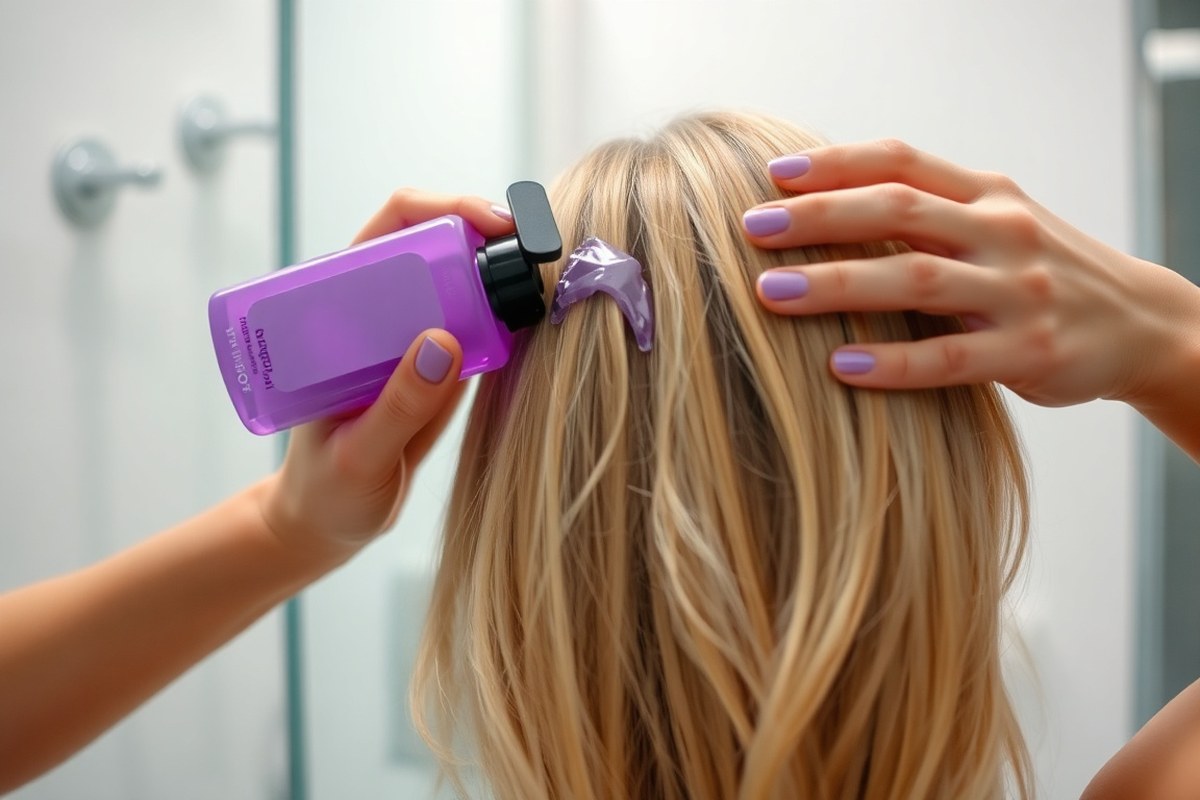
- Apply evenly from roots to ends, focusing on brassy areas.
- Leave it on for 1 to 5 minutes depending on your hair shade:
- Rinse hair completely until water runs clear.
- Use purple conditioner only if hair feels dry after shampoo.
- Repeat usage once a week for low porosity hair.
- Use purple shampoo every 1 to 2 weeks for high porosity hair.
Effectiveness of Purple Shampoo on Different Hair Colors
Purple shampoo works best on blonde or lightened hair. It balances out yellow or brassy tones by depositing a slight purple pigment. Leave it on for about 1 to 3 minutes.
This is important for very light hair. Platinum or silver hair needs this timing.
For gray or silver hair, purple shampoo can reduce yellowing and bring back a natural shine. Since these shades soak up purple pigment faster, shorter use prevents unwanted purple hues. Using it too long can give your hair a slight lavender tint.
You have natural blonde hair. Purple shampoo keeps your color bright. It doesn’t change your hair forever.
It works gently. So you can use it once or twice a week to refresh tones. Just rinse well to avoid build-up or dullness.
Purple shampoo can also work on darker blondes or highlighted brunettes. But the effect is subtle. It targets warm, brassy tones rather than changing your natural color.
On dark brown hair, benefits are minor. Warm undertones might soften a bit, but black hair shows no real difference.
Purple shampoo isn’t great for pastel or dark hair. The purple won’t work well on a dark base. It needs lighter hair to change tones.
Also, purple shampoo won’t lighten or bleach hair, so don’t expect dramatic color change. Think of it more as tone maintenance than a color treatment.
Purple shampoo costs about the same as regular shampoo. Prices range from $10 to $25 per bottle. You can use it like your usual shampoo.
Results usually appear after a few uses and improve hair brightness without extra damage. Don’t leave purple shampoo on too long.
This can cause a purple cast on light or gray hair. Follow the time on the label carefully.
Purple Shampoo vs Blue Shampoo: Which Should You Use?
Purple shampoo and blue shampoo have different pigments that target specific hair tones. Purple shampoo contains violet pigment that neutralizes yellow tones in blonde, bleached, or gray hair. Blue shampoo has blue pigments that help cancel out orange shades.
It works better on brunettes for reducing brassiness. This makes hair color look cooler and less warm.
Your hair turns yellowish a lot if it’s lightened or gray. Purple shampoo is the best choice to fix this. It helps prevent yellow tones from staying in your hair.
Blue shampoo helps brunettes with orange brassiness in their hair. It cools down the tone better than purple shampoo does.
This keeps dark hair looking more natural and balanced. Overusing purple shampoo on dark hair can leave an unwanted purple, pink, or blue tint.
Both shampoos don’t actually change your hair color permanently. They deposit temporary pigments that counteract brassiness. Using them 1 to 2 times a week usually keeps color fresh without buildup.
| Feature | Purple Shampoo | Blue Shampoo |
|---|---|---|
| Primary Pigment | Violet | Blue |
| Best Hair Color | Blonde, bleached, gray, lightened | Brunette, dark hair with orange brassiness |
| Neutralizes | Yellow tones | Orange tones |
| Use Frequency | 1, 2 times per week | 1, 2 times per week |
| Possible Side Effects | Purple or pink tint if overused | Blue tint if overused |
| Hair Porosity Effect | Slower pigment absorption in low porosity hair | Not specified |
Use purple shampoo gently on your hair. Don’t use too much product or leave it on too long. Overdoing it can cause a purple tint, especially on light hair.
Choose the right shampoo pigment for your hair color to avoid odd tones or buildup.
For brunettes, stick with blue shampoo to handle orange brassiness effectively. Purple shampoo suits blondes and grays better. Use purple or blue shampoo once or twice a week.
This keeps your hair fresh without any strange color buildup. Don’t overuse to avoid unwanted discoloration or dryness.
Common Purple Shampoo Mistakes and How to Fix Them
Purple shampoo can leave a purple tint on your hair. This usually happens if you leave it on too long. Be sure to watch your timing when using it.
Very light blonde, platinum, or gray hair soaks up color faster. This often causes purple tint to appear quickly. The color sticks more to these hair types.
First-time users should rinse after 2 to 3 minutes. This prevents dull or unnatural purple shades. Shorter time helps protect your natural hair color.
Not washing your hair evenly with purple shampoo can cause patchy tones. Some spots may turn cooler, while others hold yellow tones.
To fix this, apply the shampoo evenly, working from roots to tips in sections. Use a wide-tooth comb to spread the product and ensure full coverage.
Purple shampoo can stain your skin or nails if you don’t rinse quickly. Purple stains are temporary but annoying. Wash your hands well right after use and wipe your hairline with a damp cloth.
Stains on your skin can come from purple shampoo. Use rubbing alcohol or makeup remover to clean it gently. This helps remove the color without hurting skin.
- Don’t leave purple shampoo on longer than 5 minutes to avoid purple residue.
- Apply shampoo evenly and section your hair for full tone coverage.
- Rinse hair thoroughly to remove leftover product that causes buildup.
- Use gloves or wash hands quickly to prevent nail staining.
- Hair can feel dry or straw-like after purple shampoo use. Always follow with a moisturizing conditioner to restore softness. This keeps hair healthy and smooth.
- Avoid daily use; 1 to 3 times a week is enough for toning.
- Try a shorter rinse time on porous or very light hair for gentler toning.
Sometimes, hair looks dull or a bit purple after rinsing. This usually means the shampoo stayed on too long or wasn’t rinsed out fully. Washing again with regular shampoo and adding conditioner can clear the tint and soften strands.
Avoid using purple shampoo with too much frequency to prevent dryness. Your hair needs breaks.
Safety and Risks of Using Purple Shampoo
Purple shampoo does not damage your hair if you use it properly. It has violet pigments that neutralize yellow tones without harming the hair shaft. The key is following the manufacturer’s directions and not leaving it on too long.
Some purple shampoos can feel harsh because of their strong formulas. Avoid these shampoos if your hair is dry or damaged.
They might make damage worse. Instead, pick a gentle version designed for sensitive or delicate hair types.
Allergies to purple shampoo are uncommon but possible. You can check by doing a patch test. Put a small amount on your skin.
Wait 24 hours. Don’t use the shampoo if you see redness or irritation on your skin.
You should avoid purple shampoo if your scalp is irritated or broken. Applying any shampoo to an open wound can cause discomfort or infection. In such cases, consult a dermatologist or haircare professional before trying new products.
People with red hair can safely use purple shampoo too, as it won’t strip their color. Still, test a small section first to see how your shade reacts. Results can differ depending on the brand and your hair’s condition.
Dislike the color result after purple shampoo? Rinse hair with clear water or clarifying shampoo.
Leaving it on too long often causes a slight purple tint. Start with shorter times, like one minute, and adjust as needed.
Using purple shampoo once or twice a week usually avoids buildup or damage. Overuse can dry out hair or create a purple residue. Keep an eye on how your hair feels and looks between washes to find your balance.
Expert Tips to Maximize Purple Shampoo Benefits
Using purple shampoo right lets you tone and protect your lightened hair better. Match it with the right conditioner and keep up your color longer. Choose between bars or liquids based on what fits your routine and hair type best.
Using Purple Shampoo Bars vs Liquid
Purple shampoo bars have the same violet pigments as liquids but concentrate the ingredients. This makes the bar last longer than a typical shampoo bottle since it has less water. If you travel or want less packaging waste, bars are a smart pick.
Bars can be slightly harder to spread evenly on wet hair at first. Rub the bar directly on damp hair, then massage it like usual shampoo. Liquids give immediate lather and spread easily, which some people prefer for thick hair.
Rub the bar several times on wet hair before shampooing well to get even coverage.
Complementary Products to Improve Results
Use a purple conditioner after shampooing to add moisture and a light tone boost. Conditioners don’t tone as strongly but help prevent dryness from purple shampoo’s pigments and sometimes sulfates. Choose sulfate-free formulas if your hair is sensitive or very dry.
Some masks or deep conditioners come with a lilac tint that works in about 10 minutes. Apply them once or twice a week to refresh your tone while giving protein and hydration. This routine softens bleached hair and fights brassiness.
- Wash hair with purple shampoo, focusing on brassy areas.
- Rinse shampoo thoroughly.
- Apply purple conditioner evenly from mid-length to ends.
- Leave conditioner on for 2 to 5 minutes for best effect.
- Rinse out conditioner with cool water to seal cuticles.
- Use a purple-toned mask once a week, leaving it for 10 minutes.
- Dry hair gently and style as usual.
Maintaining Color Between Color Treatments
Use purple shampoo 1 to 3 times a week, depending on how much yellow you see. Too much can dry out hair, so always follow with a conditioner. This routine helps stretch your time between salon visits and reduces fading from over-bleaching.
Keep in mind that purple shampoo masks brassiness but doesn’t replace professional toning. For stubborn yellow or dullness, a gloss or silver highlights in the salon will last longer. Meanwhile, use your shampoo and conditioner to protect and maintain that fresh color look.
Your Quick-Start Action Plan for Using Purple Shampoo
Follow these simple steps to get the best from purple shampoo on lighter hair. Track the changes after each step to see how your hair responds.
- Before You Start: Choose a purple shampoo made for your hair type. Look for one without harsh sulfates to keep hair healthy.
- First Wash: Wet your hair with water. Apply purple shampoo evenly. Leave it on for 1 to 3 minutes. Rinse and check if yellow tones start fading.
- End of Week 1: Use purple shampoo twice this week if your hair feels dry. Add a conditioner to prevent stiffness and keep hair soft.
- After 2 Weeks: Adjust timing up to 5 minutes if brassiness remains visible. Try not to exceed this or hair may get a slight purple tint.
- Week 3: Use purple shampoo once a week if your hair is light blonde or bleached. This keeps tones balanced without extra drying.
- Week 4: Add a moisturizing mask once a week. This helps repair any damage or dryness from frequent shampooing.
- Monthly Check: Compare your hair color under natural light each month. Stop using purple shampoo if you see unwanted purple tones developing.
Frequently Asked Questions
Can Purple Shampoo Work on Natural Blonde Hair?
Yes, purple shampoo can neutralize yellow tones in natural blonde hair. It helps keep blonde shades looking cooler and fresher between color treatments.
Will Purple Shampoo Lighten My Hair?
No, purple shampoo will not lighten your hair. It only cancels out brassiness by adding violet pigments temporarily.
Can I Use Purple Shampoo on Colored Blondes Daily?
It’s best not to use purple shampoo daily. Using it once or twice a week prevents over-toning and dryness.
Does Purple Shampoo Dry Out Your Hair?
Purple shampoo can dry hair if used too often or left on too long. Use a good conditioner after for moisture.
Can Purple Shampoo Stain My Skin or Nails?
Yes, purple shampoo can temporarily tint your fingers or nails. Rinse hands quickly or wear gloves to avoid staining.
Is Purple Shampoo Safe for Sensitive Scalps?
Purple shampoo can irritate sensitive scalps due to its pigments. Test on a small patch before full use.
Wrapping Up
Purple shampoo helps keep blonde and bleached hair bright and fresh. Use it carefully to avoid too much drying or purple residue. Start with short washes and adjust based on the results you see in your hair.