How to Straighten Your Hair Perfectly: A Complete Guide for Smooth, Damage-Free Results
How to straighten your hair perfectly starts with using the right tools and temperature. Choose a flat iron that matches your hair type to avoid damage. Using the proper heat level keeps strands smooth without burning them.
Preparing your hair before heat styling is key to a flawless finish. Apply a heat protectant spray evenly to shield hair from high temperatures. Make sure your hair is completely dry before you begin straightening to prevent breakage.
Sectioning your hair helps you work in manageable parts and achieve even straightening. Brush each section carefully to detangle and smooth the strands. Start with small sections to give your flat iron full contact with every strand.
Key Takeaways
- Choose a flat iron temperature based on your hair texture and thickness.
- Apply heat protectant spray from 6 inches away on dry hair.
- Ensure hair is 100% dry before using any heat styling tools.
- Section hair into small parts for better control and even heat distribution.
- Brush each section smoothly, using a wide, natural bristle paddle brush.
- Use lower heat for fine or damaged hair to reduce risks of burning.
How to Straighten Your Hair Perfectly in Simple Steps

Start by dividing your hair into manageable parts before you use heat. Sectioning helps you straighten each part evenly and prevents missing spots. Use clips to hold hair in place as you work through it.
Brushing your hair smooth before you apply heat makes a big difference. Hold each section tightly while straightening to avoid kinks and achieve a neat finish. Small sections, about half an inch wide, make the straightener more effective.
- Divide your hair into four parts using clips. Put two clips at the front. Put two clips at the back.
- Brush each section thoroughly to remove tangles and smooth the strands before applying heat.
- Take a ½-inch piece of hair. Hold it tight between your fingers. This keeps the hair straight.
- Place the straightener near your scalp but don’t touch it. Close the plates and pull down slowly. Move from roots to ends.
- Repeat the stroke once if needed. But do not pass the straightener more than three times on the same section.
- Move systematically from the back sections to the front, straightening each ½-inch piece across the head.
- Apply a light hairspray or finishing product when all hair is straight. This helps stop frizz. It keeps your hair smooth.
Doing one small section at a time prevents heat buildup and damage. Holding hair tight stops creases from forming. You’ll notice your hair looks smoother and lasts straighter longer using these steps.
Choosing the Right Tools and Temperature for Your Hair
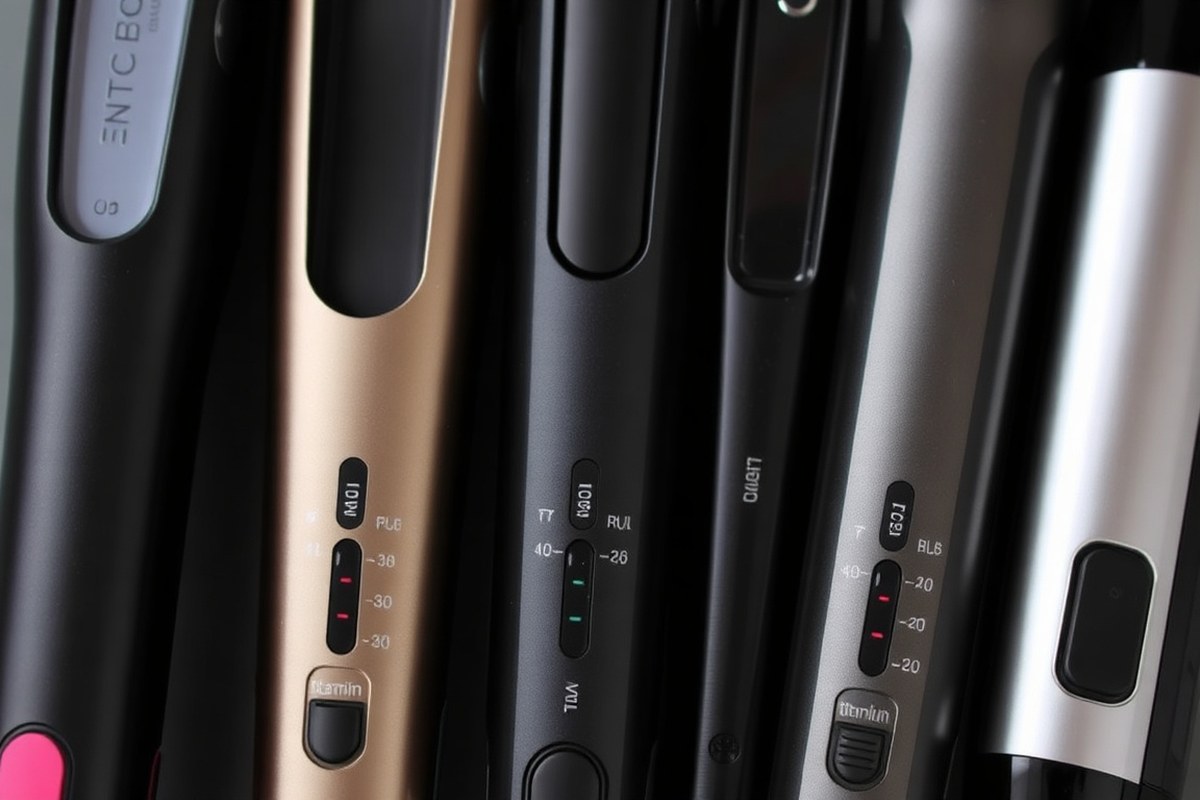
Choosing the right straightener depends on your hair type. How often you use it also matters. These two things help pick the correct heat setting.
Ceramic and tourmaline plates are good for most hair types. They spread heat evenly across the hair strands. This helps reduce damage while styling your hair.
Set the heat to fit your hair texture. This helps smooth your hair without causing burns. Avoid using too much heat to keep strands healthy.
Types of Straightening Plates
Ceramic plates are gentle and distribute heat evenly. They work best for fine or fragile hair because they reduce hot spots that cause breakage. Tourmaline plates emit negative ions, which help seal the hair cuticle and fight frizz.
Metal plates heat unevenly and often cause more damage. So avoid those for regular use.
Some straighteners combine ceramic and tourmaline for the best of both worlds. This combo smooths hair faster and protects it during styling.
Recommended Temperature Ranges by Hair Texture
Set your straightener’s heat based on your hair’s thickness and condition. Fine or color-treated hair needs the lowest temperature to prevent damage. Coarse or thick hair requires higher heat for effective straightening.
Here is a guideline for temperature settings that fits most needs:
| Hair Texture | Heat Range (°F) | Heat Range (°C) |
|---|---|---|
| Fine or damaged hair | 280 – 320 | 140 – 160 |
| Medium texture | 320 – 350 | 160 – 177 |
| Coarse, thick, or frizzy hair | 350 – 400 | 177 – 205 |
Keep the temperature on the lower side if you straighten hair frequently. Use higher heat only when needed and for quick passes. This protects moisture and reduces breakage.
Technology Features to Look for in a Straightener
Look for straighteners with adjustable temperature controls, ideally with 12 or more heat settings. This gives you precise control for your hair type. Some models have digital displays to show exact temperatures.
Advanced tech layers like tourmaline and negative ions help reduce frizz and seal your hair cuticle. Plates with smooth edges allow easy gliding and fewer creases or marks in your hair. These features lower styling time and damage risk.
Always use a heat protectant spray before straightening, even with advanced tools.
Preparing Your Hair to Protect It from Heat Damage
Protecting your hair before straightening means using the right shampoo, conditioner, and heat protectant. Avoid straightening while hair is wet to prevent damage. Dry your hair mostly before applying heat with a flat iron.
Step-By-Step Shower Prep Routine
Start with a shampoo that smooths and hydrates your hair. Choose formulas designed to reduce frizz or strengthen strands. Follow with a conditioner focused on moisture and detangling.
Rinse your hair thoroughly to avoid buildup that can weigh hair down. Use a wide-tooth comb to detangle gently while conditioning to prevent breakage. Avoid heavy products that feel greasy or sticky.
- Use smoothing or anti-frizz shampoo
- Apply moisturizing conditioner from mid-lengths to ends
- Rinse well with cool water to close cuticles
- Detangle with a wide-tooth comb while conditioner is in
- Pat hair dry with a towel; don’t rub
Patting your hair dry avoids roughing up the strands before styling. This routine creates a smooth base that stays healthier under heat.
When and How to Use Heat Protectant Sprays or Oils
Apply a heat protectant spray or oil once your hair is almost dry. Wait until hair is around 75% dry to avoid trapping moisture and causing damage. Sprays or light oils work best for even coverage.
Hold the spray about 6 inches from your hair and mist evenly, covering all strands. Focus on mid-lengths and ends where damage shows first. Don’t apply heat protectant to dripping wet hair.
Reapply a light mist if you touch up hair later. Good heat protectants form a barrier to lock in moisture and shield strands from high temperatures.
Drying Techniques: Air Drying vs Blow Drying
Start by letting your hair air dry about 65 to 70 percent. This avoids overheating your hair with a blow dryer. Once mostly dry, switch to a blow dryer on the lowest heat setting.
Hold the dryer about 15 cm away from your hair while drying. Use cold air when finishing to reduce damage compared to air drying alone. Cold air locks in moisture and keeps hair smooth.
- Air dry until hair is 65, 70% dry
- Blow dry on low heat setting after air drying
- Hold blow dryer 15 cm away from hair
- Use cold air or cool shot to finish drying
- Avoid using heat on soaking wet hair
Blow drying like this helps your hair get ready for straightening faster and with less damage. It also makes flat iron styling smoother and lasting longer.
How to Section and Brush Hair for the Smoothest Straightening
Divide your hair into sections about 1 to 2 inches wide. This size helps you work through hair evenly without missing spots. Use clips to hold layers you’re not straightening.
Start with the bottom layer. Clip it near your neck at the nape.
A boar bristle brush works best for smoothing hair under heat. It distributes heat evenly and reduces static and frizz. Hold the brush under a hair section.
Lift the hair from beneath. Pull your straightener down from root to tip.
Creating tension is key to sleek results. Pull the hair taut between the brush and straightener.
This tension straightens the strands better and keeps heat evenly spread. Aim for firm, but not painful, tension to avoid damage or pulling.
For fine or damaged hair, be gentle. Use larger sections. This reduces the time heat touches your hair.
Coarser or curlier hair benefits from smaller, tighter sections to fully straighten strands. Brush while blow-drying first to get the curl out before using a straightener.
Work one section at a time. Lift the hair section with your brush. Clamp it with the flatiron above.
Slowly glide it down the hair shaft. Repeat if needed, but avoid multiple passes to prevent damage. This method ensures each strand gets equal heat and tension for silky, smooth hair.
Finishing Products and Techniques to Lock in Shine and Reduce Frizz
After you straighten, put a pea-sized drop of shine serum on hair. Apply mainly on mid-lengths and ends where frizz shows most. This smooths flyaways and adds shine without feeling heavy.
Serums with silicone or argan oil work well to lock in moisture and seal the cuticle. Choose lightweight formulas if your hair is fine to avoid greasiness. Thick or curly hair works well with balms or oils.
Use heavier types for better control. Apply just a little to avoid buildup on your scalp.
Apply finishing products by gently patting or scrunching your hair downward. Avoid rubbing since that causes more frizz. Use your fingers to distribute the product evenly without disturbing your straight style.
Heat-free touch-ups like cold blow-drying on a low setting can reduce new frizz. Running a flat wrap overnight or using rollers also helps maintain smooth hair without damage. These methods take more time but keep the sleek look longer.
Use a silk pillowcase and wrap hair in silk overnight to cut friction. This helps keep your style neat for several days plus. Wrapping hair flat stops strands from bending while you sleep.
Only use a tiny bit of product at the end. Too much makes hair feel greasy or heavy. This ruins your smooth, sleek style.
Different hair types need different products to maintain straightness. Straight hair may only need a light anti-frizz spray.
Curly hair benefits from oil-based serums or balms. Experiment with products designed specifically for straight hair to find what suits your hair best.
Add a drop or two of essential oil after styling to boost shine. It can also help control frizz in a natural way. Use oils you like and don’t overdo it.
Oils like jojoba or coconut also moisturize and protect hair fibers. Just keep the amount small to prevent weighing hair down or making it look oily.
Finally, set your finished style with a cool blast from your hair dryer. This seals the cuticle and locks in your style without heat damage. Avoid prolonged drying that causes frizz; a quick cool shot after straightening works best.
Heatless Hair Straightening Methods That Really Work
You can straighten your hair without heat using rollers, wraps, and natural products. These methods take longer but reduce damage and suit various hair types. They usually last up to two days, unlike heat straightening that lasts longer.
Using Rollers and Wraps Overnight
Wrap your hair around your head tightly with a silk scarf to straighten it overnight. This method works best on medium to long hair.
It keeps hair smooth for a day or two. It’s gentle and keeps your hair healthy but needs some practice for a neat finish.
Large rollers also help straighten hair without heat. Put damp hair on the rollers. Let it dry fully.
Then, take the rollers out for soft, straight hair. Results hold better on wavy or loosely curly hair and last about a day.
Rollers and wraps take hours or overnight but keep hair damage-free. You may need to redo the process daily, especially with curly or frizzy hair.
Hair Straightening Products Without Heat
Some conditioners and serums smooth hair and reduce curl without heat. Products with ingredients like silicone create a sleeker look and tame frizz. Using natural straightening masks with coconut milk or aloe vera hydrate and soften hair gently.
Apply products evenly on damp hair, comb to spread them well, and air dry. Finish with a setting spray to lock in the straightened look for up to two days. Products work well combined with hair wraps or rollers for better effect.
These products cost $10 to $30 and require daily use for best results. They suit fine to medium hair but can weigh down thin strands if overused.
Natural Remedies and Manual Techniques
Brushing damp hair with a soft-bristle brush while it dries helps stretch curls flat naturally. Twist and pin long damp hair straight. This sets the style without heat.
It helps avoid damage. These methods take time but improve hair texture and reduce frizz.
For natural straightening masks, mix coconut milk and lemon juice and apply to your hair. Leave on for 30 minutes, then rinse for smoother strands. Aloe vera gel works the same way and adds shine.
The effects of manual and natural methods last about a day and require regular practice. They suit most hair types but show less dramatic results on very curly or coarse hair.
| Method | Time to Set | Duration | Best Hair Types | Pros | Cons |
|---|---|---|---|---|---|
| Hair Wrapping | Overnight | 1, 2 days | Medium to long | Protects hair, gentle | Needs practice, not for short hair |
| Large Rollers | Several hours | 1 day | Wavy, loose curls | Soft results, reduces damage | Time-consuming |
| Straightening Products | Minutes | 1, 2 days | Fine to medium | Easy to use, smooths frizz | Can weigh down thin hair |
| Natural Masks & Manual | 30 minutes to dry | Less than 1 day | Most types but less on curly | Hydrates, safe | Less dramatic effect |
- Use silk or satin scarves for hair wrapping to reduce friction.
- Rollers should be placed on damp hair for best hold.
- Natural masks need consistent use for noticeable smoothing.
- Comb products through hair evenly to avoid build-up and heaviness.
- Allow hair to dry completely before removing rollers or wraps.
- Try manual techniques during relaxed days when you can spend time styling.
- Setting sprays help keep straight styles longer without heat damage.
Common Straightening Mistakes and How to Fix Them
Many damage problems come from straightening hair while it’s wet or even damp. Wet hair is weaker and heats up too fast, causing breakage and frizz. Make sure your hair is completely bone dry before you start straightening.
Another big mistake is using too high a heat setting. Hair can burn easily above 400°F. Use the lowest temperature that still straightens your hair well. Fine or damaged hair usually does best at 280, 330°F. Thick or coarse hair needs about 350, 400°F.
Owning a good quality flat iron with temperature control helps. Using a cheap one without settings often means overheating and uneven results.
- Straighten dry hair only, never soak or damp hair
- Set your iron temperature based on your hair type
- Use a heat protectant spray every time
- Don’t hold the iron on one spot longer than 6 seconds
- Work in small sections for even heat and straightening
- Let hair cool before brushing or touching it
- Avoid daily heat styling to give hair time to recover
Heat damage shows early signs like dry ends, split hair, or dullness. You might also notice hair snapping easily during brushing. To repair, deep condition twice a week and trim split ends often.
Common habits that reduce straightening work include going over the same hair repeatedly. This causes extra damage without much extra straightening.
Also, skipping brushing before styling leads to uneven heat spread. Brushing and sectioning your hair well prevents this.
Maintaining Straight Hair and Caring for It Between Sessions
To maintain straight hair for several days, avoid moisture contact. Form a loose bun or wrap hair around your head gently. Fasten it with bobby pins and cover with a silk or satin scarf overnight to reduce friction and keep hair smooth.
Sleeping on a satin pillowcase also helps prevent frizz and breakage. Unlike cotton, satin doesn’t soak up your hair’s natural oils.
This method helps your hair stay hydrated longer. It works well in humid weather, which often causes curls to come back quickly.
You should avoid re-straightening your hair every day to prevent damage. Waiting two or three days between sessions lets your hair rest and reduces breakage. When your roots or waves reappear, use a flat iron or blow dryer.
Keep the heat moderate. Light touch-ups will freshen your style.
Keep your hair completely dry before re-straightening to avoid extra heat damage. Use a brush to smooth strands while drying. Rough dry your hair until about 80% moisture is gone.
This speeds up the drying process and sets a straighter base. It works well on mostly straight or wavy hair.
Moisturizing treatments are key between straightening sessions. Use a deep conditioner once a week to maintain softness and shine.
This care matters most if you use chemical retexturizers or heat styling often. Such treatments can dry out and damage your hair.
Before bed, wrap your hair with a satin scarf. It keeps your hair smooth and cuts down on frizz overnight.
Step-by-Step Action Plan to Straighten Your Hair Perfectly
Follow these clear steps to get smooth, shiny hair using heat or no heat. Check results after each step to see if you’re on the right track.
- Before you start: Wash and condition your hair with a moisturizing formula. Your hair should feel soft and detangled.
- Right after washing: Apply a heat protectant spray evenly through damp hair. You should not feel any sticky or heavy spots.
- After drying: Section your hair into 4 to 6 parts using clips. Each section should be easy to handle without tangles.
- During straightening: Use a ceramic flat iron set to 300°F to 375°F (148°C to 190°C). Keep the iron moving steadily and avoid going over the same spot multiple times.
- Post-straightening: Apply a lightweight serum to lock in shine and fight frizz. Your hair should look glossy, not greasy.
- If avoiding heat: Try overnight heatless methods like wrapping damp hair or using straightening bands. Hair should feel straighter and softer the next morning.
- Daily care: Sleep on a silk or satin pillowcase and avoid humidity. Your hair stays smoother longer and breaks less.
Frequently Asked Questions
Can I Straighten My Hair the Night Before and Keep It Straight?
Yes, you can straighten your hair the night before for longer hold. Wrap your hair tightly with a silk scarf to preserve the style overnight.
How Often Should I Deep Condition When Using Heat Straighteners?
Deep condition once or twice a week if you straighten hair often. This helps restore moisture and prevents damage from heat.
What’s the Best Way to Straighten Hair After Sweating or Exposure to Humidity?
Lightly dampen and blow-dry hair before straightening again for best results. Use anti-frizz serum to keep humidity at bay and avoid re-damaging your hair.
Does the Thickness of My Hair Affect How I Should Straighten It?
Yes, thicker hair needs higher heat and smaller sections for even straightening. Use a temperature that suits your hair’s thickest parts to avoid missed spots.
Can I Straighten Wet Hair Safely Without Causing Damage?
It’s risky to straighten soaking wet hair as it causes breakage. Toweling your hair or using heat on damp, not wet hair, reduces damage risks.
Should I Change My Straightening Routine Seasonally?
Yes, adjust your products and heat settings for summer and winter differences. Drier air in winter means more moisture care. Humidity in summer calls for anti-frizz products.
Key Points to Remember
Straightening your hair right means using care and the right tools. Start with protecting your hair from heat damage every time. Your next step is trying this plan tomorrow and seeing how smooth your hair gets.