Can U Put Mousse in Dry Hair: What Actually Works for Volume & Style
Can u put mousse in dry hair? Yes, you can, but you need the right kind first.
Use a level 1 or 2 mousse to avoid stiff, crunchy hair. Higher levels will make dry hair feel as hard as cables, which nobody wants.
Applying mousse to dry hair can boost volume and texture quickly. Start with just a small amount on your palm to control the hold and avoid clumping. This method works great if you want to refresh your style without washing your hair again.
Before you apply, make sure your hair feels healthy enough for styling. If your hair is extra dry, condition it first with products like Trader Joe’s Tea Tree Tingle or Aussie 3 Minute Miracle Curls. This will keep your hair soft and manageable after the mousse goes in.
Key Takeaways
- Use level 1 or 2 mousse for dry hair to keep it flexible and soft.
- Apply mousse sparingly to avoid crunchy or stiff hair.
- Condition very dry hair before using mousse for better results.
- Mousse on dry hair adds volume and texture fast, perfect for quick styling.
- Higher mousse levels will harden dry hair, so avoid level 3 or above.
- Using a small amount helps distribute mousse evenly and prevents clumping.
Can You Put Mousse in Dry Hair Without Damage?
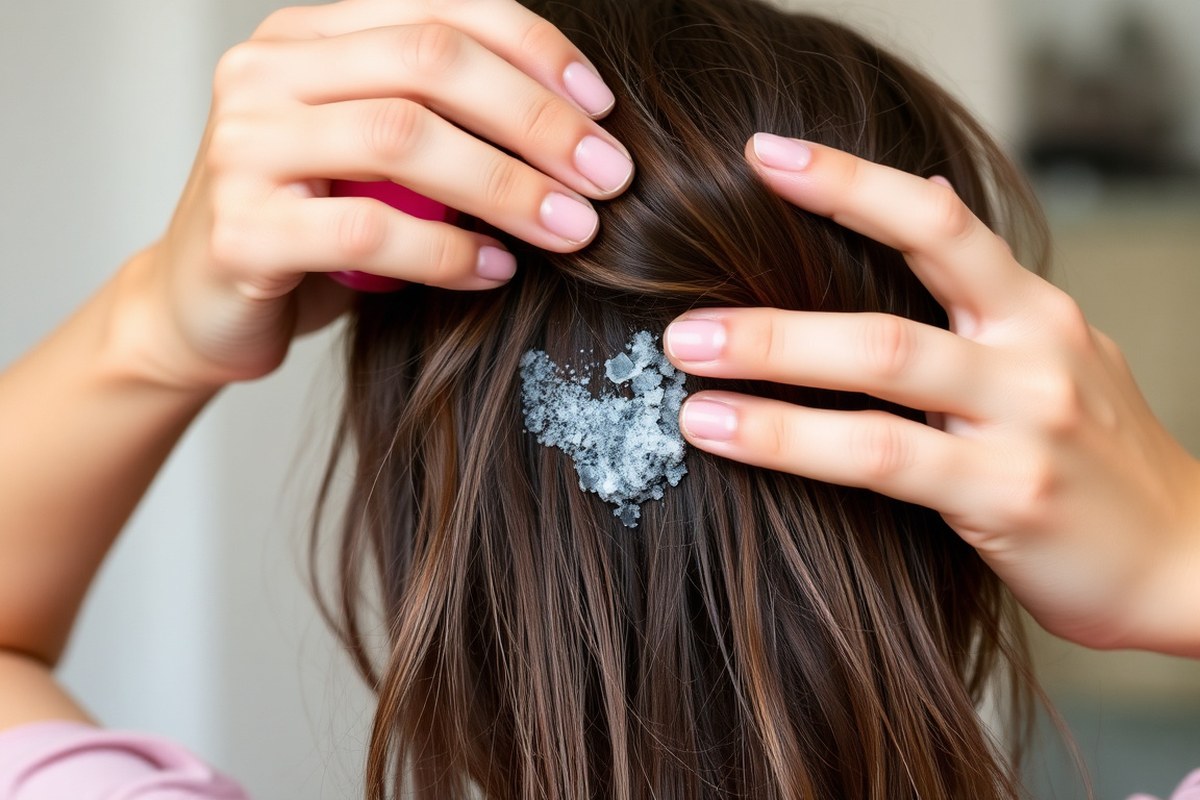
You can safely put mousse on dry hair if you use the right amount and type. A light to medium hold mousse adds volume without stiffness. It avoids making your hair crunchy.
This works best for most hair types. Strong hold mousse can make dry hair stiff.
It may also feel dry or brittle afterward. This is common with heavy products.
Mousse doesn’t usually cause damage if you apply it carefully and avoid heavy layers. Using too much mousse makes your hair sticky or gummy. This looks unhealthy and can weigh down hair.
Less mousse helps avoid these problems. To avoid this, use a golf-ball sized dollop near roots. This works well if your hair is short or thin.
Don’t overdo the amount. For layered or longer hair, increase to a tennis-ball sized amount, but no more.
Spread the mousse evenly through your hair quickly. Then comb or shape your style right away. Acting fast helps the mousse work better.
Leaving mousse on dry hair without styling can let it harden and create stiffness. Using mousse on dry hair is great for adding texture or boosting volume without washing.
Use mousse made for your hair type each time. Start with a small amount first. This helps prevent product buildup.
Fine or wavy hair does well with lighter mousses to avoid weighing hair down. Thicker or curly hair often needs a stronger mousse.
Apply it sparingly to avoid drying your hair out. Less product still gives good hold.
Strong hold mousse may dry hair if it has alcohol. Harsh chemicals can make already dry strands worse. Choose gentler mousses for sensitive hair.
Your hair feels dry after mousse use, try adding a light leave-in conditioner. Use mousse less often to reduce dryness.
These tips help restore moisture. Avoid applying mousse every day on dry hair to keep it healthy and hydrated.
How to Prepare Dry Hair Before Applying Mousse

Before applying mousse on dry hair, start with clean hair. Clean hair helps mousse spread evenly and work better. Dirt, oil, and product buildup can stop the mousse from working well.
You don’t need to condition your hair right before, as that might weigh it down. Instead, clean hair gives mousse a good base to add volume and shape.
Next, you want to remove any tangles. Knots block mousse from spreading evenly, which leads to uneven texture or clumps. Detangle gently with the right tool to avoid breakage.
Lightly mist dry hair if it is very dry or coarse. Misting helps the mousse spread more easily through your hair.
Get these tools: wide-tooth comb or detangling brush, a spray bottle with water, and a microfiber towel or cloth. Use the towel or cloth to blot if needed.
These tools prepare your hair for better mousse coverage. They also help avoid buildup that feels heavy or sticky.
- Wash your hair with a gentle shampoo to remove buildup without stripping moisture.
- Let your hair air dry or gently towel-dry it until it’s completely dry but not stiff.
- Use a wide-tooth comb or detangling brush to work through knots carefully.
- When your hair feels dry or rough, lightly mist it 5 to 10 times. This adds moisture to improve mousse application.
- Check for any remaining knots and smooth them out before starting mousse application.
- Section your hair for easier mousse application, especially if your hair is thick or dense.
- Make sure your tools and hands are clean to avoid adding oil or dirt back on.
Use only a light mist of water on dry hair before mousse. Too much can cause buildup and reduce hold.
Choosing the Right Mousse and Amount for Dry Hair
Choosing the right mousse and amount makes a big difference on dry hair. Use a low to medium hold mousse to avoid heaviness or crunchiness. Measure out a golf-ball size of mousse or less.
Adjust the amount based on your hair length. This helps keep your hair feeling light.
Mousse Intensity Levels Explained
Mousse hold levels range from light to strong. Light hold adds volume and gentle shaping without stiffness.
Medium hold supports curls and waves while still feeling soft. High hold is rarely needed on dry hair because it can make hair stiff and crunchy.
For dry hair, low to medium hold mousses work best. They give your hair some body without overloading it.
Choose light hold mousse for fine or thin hair. This prevents your hair from getting weighed down.
Recommended Amounts for Different Hair Lengths
Too much mousse causes flakes and stiffness. A fist-size amount is much too much for dry hair. Use less to keep hair soft and natural.
Here’s a quick guide for how much mousse to use:
- Short hair: about 10, 15 ml (roughly a teaspoon)
- Medium hair: 15, 30 ml (about a tablespoon)
- Long hair: 30, 45 ml (a golf ball size)
For hair that’s one or two days old, apply roughly 30 ml of mousse. Rub it evenly between your palms before working it through your hair. Run your fingers from the roots down to the tips to boost texture and volume.
Best Mousses for Dry Hair Styling
Look for mousses labeled “lightweight” or “volume” on dry hair. They add body without heaviness. Cream mousses can hydrate but may weigh hair down if used too much.
| Product Type | Best For | Pros | Cons |
|---|---|---|---|
| Mousse | Volume & Texture | Lightweight, adds body | Can dry hair if overused |
| Gel | Hold & Definition | Long-lasting hold, suitable for curls | Can cause crunchiness |
| Cream | Moisture & Control | Hydrating, soft styling | Can weigh hair down |
| Spray | Finishing Touch | Tames flyaways, adds shine | Possible stickiness |
Mousses offering volume and light texture suit dry hair best. Avoid gels and heavy creams unless you want a firmer hold or extra moisture. Always start with a small amount and add more if needed.
Step-by-Step Guide to Applying Mousse on Dry Hair
Applying mousse on dry hair needs a careful touch to avoid clumps or stiffness. You want to spread the mousse evenly and style it quickly so your hair looks natural. A wide-tooth comb or fingers will help you work the mousse through without making it sticky.
Dispense and Warm the Mousse
Squeeze the mousse into your palm, not directly on the hair. This warms the mousse slightly with your body heat, making it easier to spread evenly. Use an amount about the size of a golf ball for medium-length hair.
Rubbing your hands together breaks the mousse down so it applies smoothly. Avoid grabbing too much mousse at once to prevent buildup or stiffness. Starting with less lets you add more if needed.
Section Hair and Apply Product Evenly
Split your dry hair into sections to control where you apply mousse. Small sections ensure every strand gets some product and reduces clumps. This method works best using your fingers or a wide-tooth comb.
Press the mousse onto each section starting near the roots. Then comb through gently to spread the product evenly. Work on your hair in small sections.
This helps you cover every spot. It also prevents putting too much mousse in one place.
Style Hair Immediately to Avoid Stickiness
After spreading mousse, start styling right away. Use your fingers to scrunch curls or a wide-tooth comb to shape straight hair. Waiting too long allows mousse to dry stiff and form clumps that are hard to fix.
Massage the mousse into your hair for about 20 seconds to boost even coverage. This step adds volume and texture while preventing the mousse from sitting on top of strands. Quick styling locks your hair in place without a crunchy feel.
Finishing Touches for Natural Hold
Use a lightweight hairspray to finish if you want stronger hold. Mousse alone holds moderately but a fine mist helps style last longer. Spray evenly from 8, 10 inches away to avoid wet spots or stiffness.
Run your fingers through your hair one last time to soften the look. This loosens any spots where mousse might feel tight. The goal is hair that feels bouncy and natural, not sticky or crunchy.
- Dispense a golf ball, sized amount of mousse into your palm.
- Rub hands together to warm and spread the mousse.
- Section your dry hair into manageable parts.
- Apply mousse to one section near the roots.
- Use a wide-tooth comb or fingers to distribute mousse.
- Massage mousse through hair for about 20 seconds.
- Scrunch curls or comb straight hair immediately to style.
- Finish with light hairspray for extra hold if needed.
How Different Hair Types Respond to Mousse on Dry Hair
Mousse works differently depending on your hair type and texture. It adds volume and definition to curls and waves without wetting hair.
Fine hair gets lift without weight. But thick hair needs more moisture and hold for mousse to work well.
Curl Definition and Control
Curly hair responds well to mousse because it helps define each curl. Using a mousse made for curly hair gives springy ringlets and fights flyaways.
Apply mousse on dry hair by scrunching gently to shape curls. This avoids making hair stiff.
This method improve curls without needing water. Use a lightweight mousse to avoid crunchiness.
A good curl-specific mousse that hydrates costs about $10 to $20. You get hydration and curl care in one product.
Scrunch mousse into dry curls in small sections to boost definition and cut frizz.
Volume Boost for Straight Hair
Straight hair gets volume and shine from mousse without feeling sticky. Dry hair mousse adds lift at the roots and body through the lengths. Use your fingers to work a golf-ball sized amount at the roots and spread it evenly.
Because straight strands can look flat, mousse adds texture that lifts hair off the scalp. Avoid using too much, or hair looks oily or weighed down. Styling takes less than five minutes and works best with a light- to medium-hold mousse.
Light Hold for Fine or Thin Hair
Fine hair benefits from dry mousse since it avoids heavy products that flatten strands. Use a lightweight mousse spray or foam designed for fine hair. It gives volume without weighing hair down or leaving it greasy.
Start with a small amount, about a walnut-sized dollop, and add more if needed. Too much mousse will make fine hair stiff and unnatural. This approach costs just a few dollars for bottles lasting weeks.
Taming Thick or Coarse Hair
Thick, coarse hair is harder to style with mousse when dry because it needs more moisture. Mousse alone might not hold heavy strands or provide smooth control. Use mousse with other products like a leave-in conditioner or serum for better grip and shine.
For better shaping, apply mousse to damp hair first. Or, use lots if you add it on dry hair.
A blow dryer set on low can boost hold and volume after applying mousse. Thick hair styling may take 10 minutes or more to get right.
Thick hair may need extra moisture before mousse on dry strands. This helps stop frizz and loss of hold.
Common Mistakes When Applying Mousse to Dry Hair and Fixes
Putting too much mousse in dry hair causes crunchy, sticky strands. This happens because excess mousse creates buildup, making hair stiff and dull.
To fix this, use only a golf ball-sized amount for medium hair. Spread it evenly by warming mousse in your hands before applying.
Uneven product distribution leads to patchy styles and frizz. Applying mousse in chunks leaves some parts flat and others overloaded.
To avoid this, section your hair into smaller parts and apply mousse to each section. Distribute mousse from roots to ends with your fingers or a wide-tooth comb.
Your hair feels stiff or gummy when too much mousse stays in one spot. Lightly run your fingers through your hair to break clumps. You can also mist your hair with water and scrunch to soften stiffness.
- Use a small, measured amount of mousse to prevent overload.
- Warm mousse in your palms before applying for smoother spread.
- Divide hair into 4 to 6 sections for even coverage.
- Apply mousse from roots down to the ends for balance.
- Comb through your hair with a wide-tooth comb after applying.
- Fix stiffness by scrunching dampened hair or finger-styling.
- Regularly wash hair to remove buildup that dulls shine.
Mousse can cause buildup if used daily without clarifying shampoos. This buildup weighs hair down and dims its natural shine. Washing hair every 2 to 3 days with a gentle shampoo clears residue.
Use deep cleaning shampoo once a month if buildup is heavy. Choose mild shampoos for dry hair to avoid damage.
When to Use Mousse on Dry Hair vs Damp Hair
Mousse works differently on dry and damp hair. Applying mousse to damp hair usually gives longer-lasting volume and shape.
Damp hair holds mousse better as it dries. This locks your style for hours.
Dry hair mousse application, on the other hand, is good for touching up styles. You can add a light mist of mousse without washing or wetting your hair. This method gives a soft, tousled look without the stiffness that sometimes happens with damp-hair mousse.
Mist your hair before putting in mousse if it feels brittle. Dry hair doesn’t spread product well.
A little water makes the mousse distribute evenly, preventing clumps or crunchy spots. Use a spray bottle to add water lightly, then work in mousse evenly.
| Feature | Mousse on Damp Hair | Mousse on Dry Hair |
|---|---|---|
| Longevity | Style lasts longer, especially with heat tools | Style lasts shorter, more natural look |
| Volume | Stronger, fuller volume | Milder volume, more texture |
| Application | Even distribution, easy to spread | Might need light misting for even spread |
| Best for | Creating base for curled or styled hair | Refreshing messy or natural styles |
| Mousse type | Any mousse works well | Prefer spray mousse for better control |
Use mousse on damp hair for strong hold and volume. It lasts all day.
It’s perfect before curling or blow-drying. This method takes more time because you start styling immediately after applying mousse to wet strands.
Using mousse on dry hair fits when you want a quick boost or a soft texture. It’s faster, since you don’t have to wet or towel-dry first. Spray mousse works best here to avoid heavy build-up and keep hair light.
Choosing between dry or damp application depends on your hair goals. For full-bodied styles and hold, use damp hair mousse and heat styling.
Apply mousse on dry hair for casual, tousled looks. Use a light mist if needed.
Maintaining Hair Health While Styling with Mousse on Dry Hair
Mousse itself doesn’t hydrate hair; it mainly adds hold and volume. Some mousses include conditioning agents that help protect your hair from dryness. Choose a level 1 or 2 mousse for dry hair to avoid stiffness and potential damage.
Using mousse every day on dry hair risks product buildup on your scalp and strands. Wash your hair every two days to stop residue build-up. That stops your hair from feeling heavy and looking dull.
Using mousse often? Try a gentle clarifying shampoo once per week. It keeps your hair feeling fresh and light.
Hydrating your hair before mousse application improves its health and styling results. Apply a leave-in conditioner or light hair oil to dry hair, focusing on the ends. This step seals in moisture and reduces breakage caused by styling products.
Heat protectant sprays work well with mousse, especially if you use hot tools afterward. Spray evenly and let it dry before styling to shield hair from heat damage. Many mousses now have heat protection, but layering a separate spray adds extra defense.
Use only a pea-sized amount of mousse to keep shine. Spread it evenly throughout your hair. This stops buildup and keeps hair healthy.
Avoid applying mousse close to the scalp on dry hair to reduce greasiness. Proper washing and occasional deep conditioning treatments keep hair soft and glossy.
Applying mousse overnight can cause buildup that weighs hair down. Use mousse fresh daily and wash regularly to keep hair light.
Step-by-Step Action Plan for Using Mousse on Dry Hair
Follow these clear steps to style your dry hair with mousse. Avoid damaging or weighing down your hair by using the right amount. Learn how to apply mousse properly for the best results.
- Before you start: Choose a mousse made for your hair type, like lightweight for fine hair. Test a small amount to avoid build-up.
- Right before styling: Lightly brush hair to remove tangles. This ensures even mousse distribution and a smoother look.
- Application time: Squirt a golf-ball-sized amount into your palm. Rub hands together before applying starting at mid-lengths.
- While styling: Use your fingers or a wide comb to spread mousse evenly. Watch for any sticky or clumpy spots and smooth them out.
- After styling: Let hair air dry or use a diffuser on low heat. Your style will hold without stiffness.
- Daily care: Avoid applying mousse to hair that is very dry or damaged often. Use deep conditioning treatments weekly to keep hair healthy.
- After 1 week: Check how your hair feels and looks. Use less mousse when your hair feels stiff or oily. Try a different mousse product that suits your hair better. Adjusting your mousse can prevent buildup and heaviness.
Frequently Asked Questions
Can Mousse Make Dry Hair Look Greasy?
Mousse usually adds texture, not greasiness, to dry hair. Using too much can weigh hair down and make it look oily.
Use a small amount, especially if your hair is fine. This helps keep hair light and natural-looking.
Will Mousse Help Control Frizz on Dry Hair?
Yes, mousse can tame light frizz on dry hair by coating strands. Choose a light-hold mousse to avoid stiffness and apply sparingly to prevent crunchy hair.
Is It Bad to Put Mousse in Dry Hair Daily?
Daily mousse use on dry hair can cause buildup and dryness over time. Give your hair breaks and wash regularly to keep it healthy and prevent residue.
Can Mousse on Dry Hair Cause Scalp Irritation?
Sometimes, mousse formulas with alcohol or fragrance irritate sensitive scalps. Always test new mousse on a small scalp area before full use.
Does Mousse Protect Dry Hair from Heat Styling Damage?
Mousse is mainly a styling product and offers minimal heat protection. Use a separate heat protectant spray to shield dry hair from hot tools.
Can You Style Dry Hair with Mousse Without Combing It?
Yes, you can apply mousse with fingers to dry hair for a tousled, natural look. However, gently combing helps distribute the product evenly for better hold.
Wrapping Up
Applying mousse on dry hair can work well if you use the right product and method. Start small and adjust based on your hair’s reaction. Keep your hair healthy by moisturizing regularly.