What Is Dry Shampooing: How It Works, Uses, and Safe Tips
What is dry shampooing? It’s a way to freshen up your hair without using water.
Dry shampoo sprays a powder or foam that soaks up oil and sweat quickly. This helps your hair look cleaner, less greasy, and adds some volume instantly.
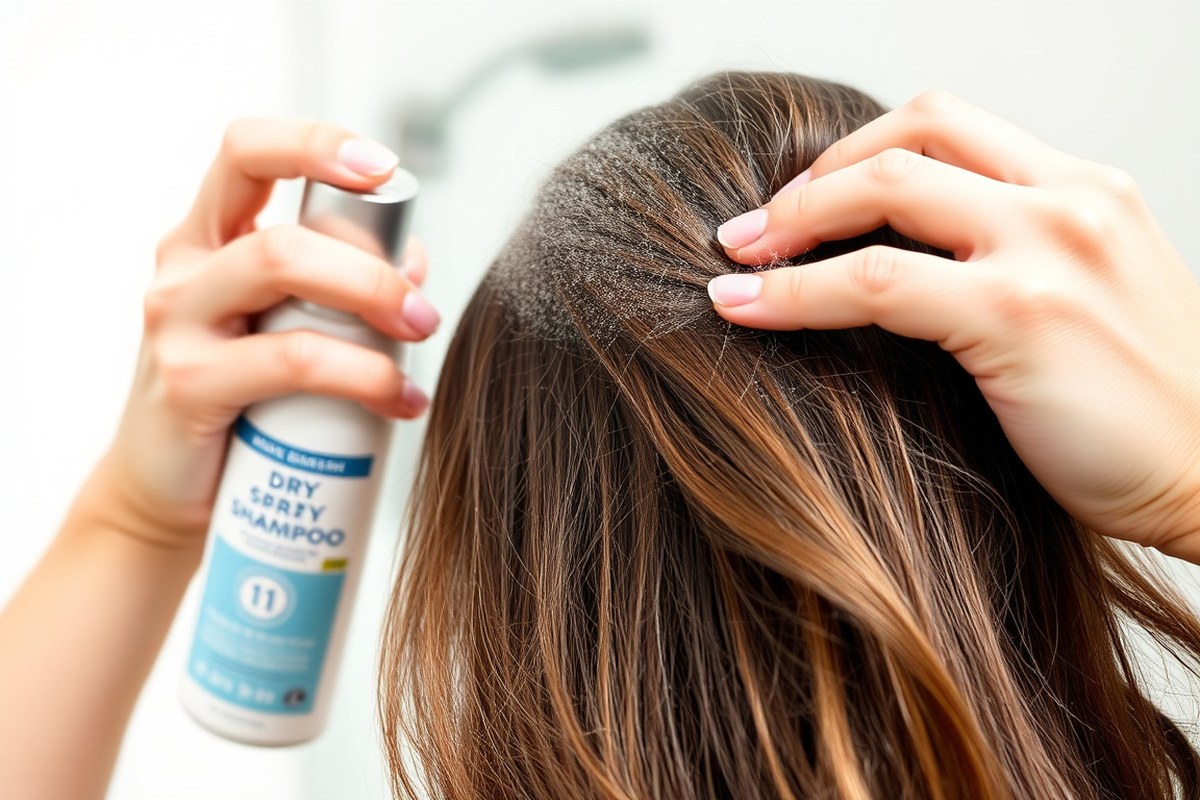
You start by spraying dry shampoo about six to ten inches from your scalp. Focus on the roots where oil usually builds up the most. Then wait about 30 seconds to let it absorb the grease before brushing or massaging it through evenly.
The main ingredients in dry shampoo trap and absorb excess oil and sweat. This makes it a real time saver when you need a quick fix for oily hair. Just remember, dry shampoo is best for occasional use and not a full substitute for regular washing with water and shampoo.
Key Takeaways
- Shake the dry shampoo can well before use for even spray.
- Hold the can 6 to 10 inches from your scalp for best results.
- Apply dry shampoo mainly to oil-prone roots, not ends of hair.
- Give the product 30 seconds to absorb oil before brushing or styling.
- Use dry shampoo no more than two days in a row to protect scalp.
- Limit continuous use to around three months to avoid scalp damage.
What Is Dry Shampoo and How Does It Work?
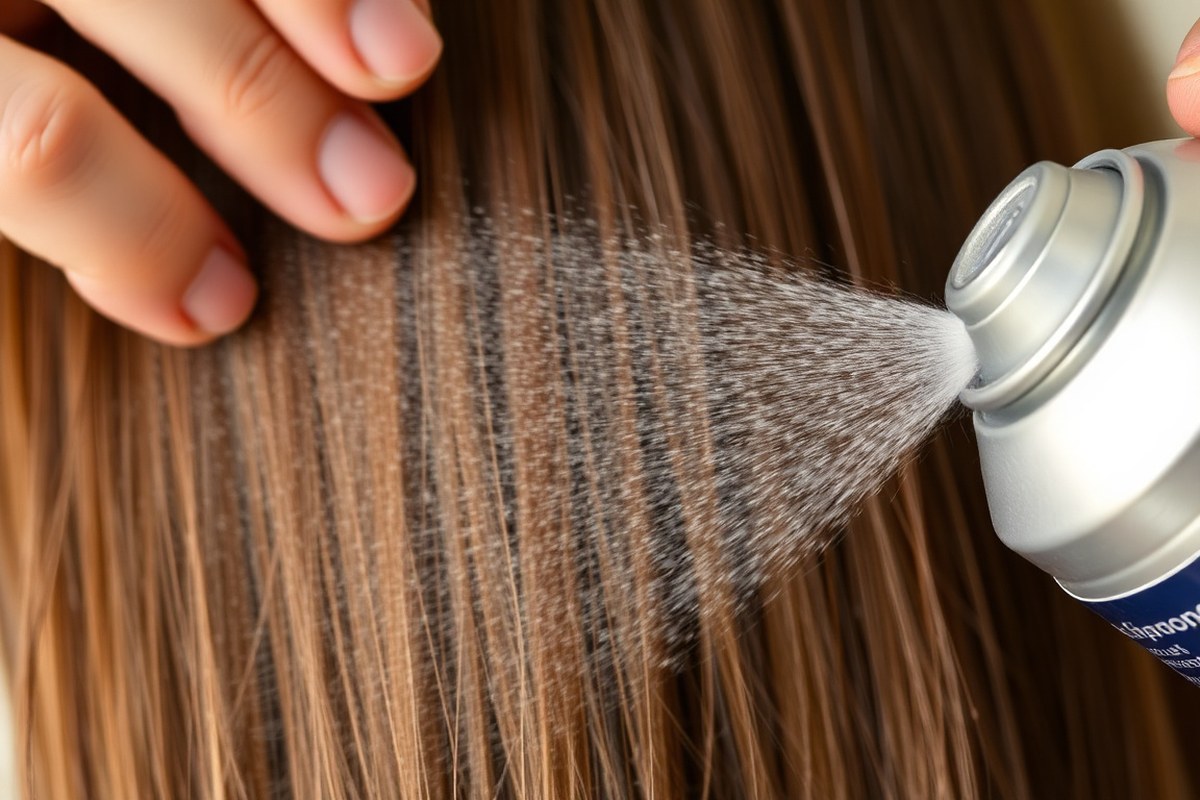
Dry shampoo is a product designed to refresh your hair without using water. Unlike regular shampoo, dry shampoo doesn’t use water to clean hair.
It mainly soaks up extra oil and bad smells. It doesn’t actually wash your hair but makes oily roots look cleaner for a short time.
This product uses powders or sprays to soak up oil from your hair and scalp. Spray or dust dry shampoo onto oily roots, keeping the can 6 to 10 inches away. The powder binds to the oil, making your hair look cleaner fast.
Dry shampoos come mainly in spray or powder forms. The spray version is quick to use and spreads evenly across roots. Powder dry shampoos can be dabbed onto hair with fingers or a brush.
But might leave a light residue, especially on dark hair. So some formulas add color to avoid that.
How to Apply Dry Shampoo Correctly for Best Results

Start by spraying dry shampoo on completely dry hair. Hold the can about 10 to 12 inches from your scalp. Let it sit for 5 minutes to absorb oils before massaging it in.
Preparing Hair and Sections Properly
Separate your hair into four sections for even coverage. This method helps target oilier spots without overloading any area. Work with dry hair only, as moisture stops dry shampoo from absorbing oil.
If your hair is curly, part it into smaller sections to reach roots better. Curly hair benefits from gentle application to avoid disrupting natural curl patterns. Avoid spraying on already damp or wet hair for best effect.
Correct Spraying Distance and Amount
Hold the dry shampoo can roughly 10 to 12 inches from your scalp. Spraying too close leads to buildup and visible powder spots. Aim for a light mist instead of a heavy spray.
Use less product on darker hair to avoid white residue. Choose a tinted dry shampoo if powder is a serious concern. Spray small pulses instead of one long spray to control the amount.
Avoid layering too much product quickly. More dry shampoo doesn’t mean fresher hair but can cause a dull, dusty look instead.
Massaging and Brushing Out Residue
Wait 5 minutes after spraying for the dry shampoo to soak up oil. Gently massage your scalp using your fingertips, not nails. This spreads the product and loosens buildup for a natural finish.
Brush through your hair with a boar bristle brush or a clean comb. This helps remove powder residue and adds volume at the roots. Using a cool hairdryer briefly can blow away excess powder.
- Shake the dry shampoo can well before use.
- Divide your hair into four sections.
- Hold the can 10 to 12 inches from your scalp.
- Spray lightly on each section’s roots with short bursts.
- Let the product absorb for 5 minutes without touching.
- Massage your scalp gently with fingertips.
- Brush or comb out powder residue to blend.
- Optionally, use cool air from a hairdryer to finish.
Try dry shampoo before your hair gets very oily. Applying too late can cause clumping and residue buildup.
Types of Dry Shampoo and Which One Suits Your Hair
Dry shampoo comes mainly as sprays, powders, foams, or pastes. Each type works differently and suits various hair textures and needs. Choosing the right kind can boost your hair’s look and feel.
Spray Dry Shampoos: Pros and Cons
Spray dry shampoos are the most popular choice and come in aerosol cans. They spread quickly over your roots and are easy to use on the go. Sprays usually absorb oil well and add volume.
However, spray formulas may leave white flakes, especially on dark hair. Some people find sprays harsh if their scalp is sensitive. Also, sprays often contain alcohol, which might dry out coarse or curly hair.
Powder and Foam Alternatives Explained
Powder dry shampoos are good for precise application. They absorb oil using ingredients like starch and talc. Powders can be better for light hair as they don’t leave color residue if applied carefully.
Foam or mousse dry shampoos offer a creamy formula that can add softness and shine. They suit dry or textured hair well because they avoid dryness. Foam types take a bit more time to apply but spread evenly without spraying.
Paste dry shampoos are less common but good if you want to avoid spray chemicals. Paste can shape hair and reduce environmental pollution concerns. They work well on short or thick hair for targeted oil control.
Color-Matched and Specialty Formulas
Some dry shampoos come tinted to match hair colors like blonde, brown, or black. This helps prevent the white or gray powder look on dark or dyed hair. Colored formulas blend right in and look more natural.
Some sprays are made for specific needs. For example, volumizing sprays help fine hair. Nourishing formulas work well for dry hair.
These include extra ingredients like chamomile or rice starch for scalp health. Choosing these helps get extra benefits besides oil absorption.
Here’s a simple table to help you pick the right kind of dry shampoo:
| Type | Best For | Main Ingredients | Pros | Cons |
|---|---|---|---|---|
| Spray | All hair types, quick use | Talc, starch, alcohol | Fast, volumizing, easy | Possible flakes on dark hair, drying |
| Powder | Light to medium hair, precise use | Starch, clay, talc | Good oil absorption, no spray | Harder to spread evenly |
| Foam | Dry, coarse, textured hair | Moisturizing agents, starch | Softens, adds shine | Longer application time |
| Paste | Short, thick hair, low spray use | Clay, starch | Shapes hair, eco-friendly | Can feel heavy if overused |
| Tinted Formulas | Colored, dark hair | Color pigments, starch | Masks flakes, natural look | May not match all shades perfectly |
Powders and foams work well if you want to avoid spray chemicals or need softness. Choose spray for speed and volume on most hair types. Matching tint helps dark or colored hair look fresh without chalkiness.
Who Can Use Dry Shampoo: Hair Types and Specific Needs
Dry shampoo can work for all hair types, including curly, natural, and textured hair. It comes in powders, sprays, and mousse. So you can pick one that suits your style.
People with thick or textured hair should split their hair into sections. This helps the dry shampoo reach the scalp better. Use a comb or your fingers to separate the strands evenly.
Curly and natural hair tends to be drier. So be careful not to use too much dry shampoo. That can cause buildup or dry out your scalp.
Look for formulas made for your hair type or darker shades if you have dark hair. Those are designed to blend in without leaving a white cast.
Use dry shampoo sparingly if your scalp is sensitive or dry. Avoid using it too often to prevent irritation. Applying it too often can cause irritation or dehydration.
Spray or apply only where you see oil, mainly on the roots and scalp. Avoid letting dry shampoo sit for days, it’s not a wash substitute but a quick fix.
Adjust the amount and placement of dry shampoo based on your hair’s needs. For example, hair that’s straight and fine might need less product and more frequent use.
Thicker hair often needs more product and time between washes. Stop using dry shampoo if your scalp feels itchy or flaky to prevent further issues.
While dry shampoo refreshes your hair without water, it doesn’t actually clean the scalp. You’ll still need to shampoo normally to remove buildup and dirt. Dry shampoo works best for busy days or special events.
It is not a full replacement for regular washing. Save regular hair washes for deep cleaning and scalp health.
Benefits and Limitations of Using Dry Shampoo
Dry shampoo saves time by letting you skip washing on busy days. It soaks up oils and refreshes your hair without water. This helps you wait one or two days before washing again.
It’s handy if styling took some effort. It also gives your hair a break from shampoo.
Besides saving time, dry shampoo adds volume and texture to limp hair. The powder or spray adds grip to your roots. This makes hair look fuller.
It also helps you style hair easier. Many use it to boost their look before going out. It also helps when hair feels flat after sleeping.
Dry shampoo isn’t a full cleaner, though. It won’t remove dirt, sweat, or product buildup like regular washing with water and shampoo does.
Using it without washing can cause residue to build up on your scalp and hair strands. This buildup can clog follicles and make your scalp dry or itchy.
Use dry shampoo to stretch out time between washes. It is not a full substitute for washing. Use it only as a temporary fix.
Your hair type and lifestyle affect how often you use it. Some use it once or twice before shampooing. Others might use it less or more.
People with oily scalps should be careful with dry shampoo. Overuse can cause scalp issues. Use it only when needed.
Hairstyles that last several days, such as blowouts, benefit from dry shampoo. It helps maintain volume and freshness without washing away the style. Dry shampoo won’t fix a greasy scalp.
You still need to wash hair fully every few days. It does not replace real shampooing.
Don’t use dry shampoo daily without washing. Buildup can cause scalp irritation and dandruff over time.
The best dry shampoo use balances convenience with scalp health. Use it to avoid washing every day.
But plan regular shampoo sessions to keep hair clean and healthy. This routine protects your scalp while giving you extra time and volume.
Safety Tips and How Often to Use Dry Shampoo
Dry shampoo is safe if you don’t overuse it or leave buildup on your scalp. Using it too often or not washing it off can dry and irritate your scalp. Don’t apply dry shampoo on your scalp for more than two days straight.
Scalp buildup happens when oils, product residue, and dry shampoo mix without washing. This buildup can make your scalp itchy or flaky, and sometimes looks like dandruff. Washing your hair regularly with water and shampoo clears this buildup and keeps your scalp healthy.
- Limit dry shampoo use to no more than two days in a row
- Wash your hair normally at least every two days
- Avoid dry shampoos with alcohol if you have a sensitive scalp
- Look for formulas without strong fragrances to reduce irritation
- Use dry shampoo on roots only, not all over the scalp
- Don’t layer dry shampoo with too many other styling products
Alcohols in dry shampoo help absorb oil but can dry out your scalp. People with sensitive skin should choose brands with natural or gentle ingredients. Stop using dry shampoo and wash your hair well when your scalp feels itchy or flaky.
Dry shampoo is great for saving time. But it can’t replace washing hair with real shampoo.
Keeping your hair clean with water and shampoo stops itchiness and product buildup. This approach helps your scalp stay comfortable and your hair look fresh longer.
Common Dry Shampoo Mistakes and How to Fix Them
Spraying dry shampoo too close to your scalp is a common mistake. It leads to thick, visible white patches that are hard to blend. Hold the can 8 to 12 inches away from your roots.
Spray to get an even mist that avoids heavy spots. This helps you cover the area without clumps.
People often use too much dry shampoo, causing buildup that looks dusty or flaky. Overuse can make your hair feel stiff or heavy instead of fresh. Start with two to three sprays on your roots.
Wait one minute for it to absorb oil. Add more only if your hair still feels greasy.
Not massaging dry shampoo leaves powder on top of hair. This can look dusty or unnatural. You want the product to soak into your roots.
This shows up as white residue, especially on dark hair. Use fingertips to gently rub dry shampoo into roots.
This helps soak up oils and spreads product evenly. Rubbing avoids white patches showing on your scalp.
- Choose a tinted dry shampoo for dark hair, like Batiste Divine Dark, to avoid white residue.
- Make sure hair is fully dry before spraying dry shampoo, especially after workouts.
- Use a paddle brush to distribute product and remove excess powder after applying.
- Don’t swap dry shampoo colors. Blonde hair needs a light formula, not one for brunettes.
- Limit dry shampoo use to a few times a week to prevent scalp buildup.
Removing buildup means washing with a gentle shampoo and massage to clear out powder and oil. Try rinsing with warm water and shampoo twice to remove residue. Focus washing on your scalp to clear leftover powder.
This helps your hair feel clean again. Avoid layering dry shampoo daily without washing because residual powder can cause irritation or dullness.
Visible residue often happens on dark hair because most dry shampoos leave a white cast. Using a tinted formula helps match your shade and hides the powder better. After applying and rubbing, brush your hair well.
Brushing breaks up any leftover dry shampoo residue. It also helps the powder blend with your natural hair color.
When to Wash Hair Instead of Using Dry Shampoo
You should wash your hair with water and shampoo sometimes. Dry shampoo works only until your roots feel fresh. When it no longer helps, it’s time to wash normally.
Greasy or heavy hair means you need a real wash. An itchy scalp is another sign to wash your hair.
These signs show dry shampoo isn’t enough anymore. Your scalp’s health needs real cleansing to remove buildup and soothe irritation.
Signs Oily Buildup Beyond Dry Shampoo Fix
Dry shampoo can mask oily roots for a day or two but doesn’t remove oil. When your roots feel gritty or coated, dry shampoo stops working. Another dose might make your hair feel heavier and not cleaner, a sure sign for washing.
Here’s a quick list of signs to switch from dry shampoo to regular shampoo:
- Roots feel sticky or weighed down
- Hair looks dull or matte, not fresh
- Dry shampoo leaves a visible powdery residue
- Frequent dry shampoo use causes buildup
- Oil seeps through after a short time
- Hair starts to smell unpleasant
Trying to hide heavy oil with dry shampoo will make hair look worse. Washing with water and shampoo cleans your scalp the right way.
Dry shampoo can’t remove buildup or oil properly. Use water and surfactants to get a real clean.
Scalp Irritation or Dandruff as Signals
An uncomfortable scalp or flakes suggest your skin needs a deep clean and care. Dry shampoo doesn’t remove sweat, dirt, or dead skin cells that cause irritation or flaking. Don’t use dry shampoo if your scalp itches or peels.
That shows your scalp needs a proper wash and care. Dry shampoo won’t fix these problems.
Look out for these warning signs your scalp needs shampoo and water:
- Persistent itching or burning sensation
- Visible dandruff flakes on hair and shoulders
- Redness or inflammation on the scalp
- Scalp feels dry or flaky despite dry shampoo use
Use a gentle shampoo chosen for your scalp type to reduce irritation and buildup.
Routine Washing Schedules by Hair Type
How often you wash depends on your hair’s oiliness and your lifestyle. People with dry hair can go longer without washing, using dry shampoo every few days. Wash oily hair two to three times a week for best results.
You can use dry shampoo on other days between washes. This helps control oil without over-washing.
Try sticking to these washing schedules:
- Dry hair: wash once or twice a week, use dry shampoo in between
- Normal hair: wash two to three times a week; dry shampoo on off days
- Oily hair: wash at least twice a week to control oil and buildup
- Active lifestyles: more frequent washing may be needed due to sweat
Regular washes clear oil and residue dry shampoo can’t remove. This keeps hair healthy and scalp less prone to irritation.
Step-by-Step Action Plan for Using Dry Shampoo
Follow these steps to use dry shampoo effectively and keep your hair fresh between washes.
- Before you start: Choose a dry shampoo that matches your hair type and color. This helps prevent residue and keeps your hair looking natural.
- Day 1, morning: Apply dry shampoo to dry hair at the roots. Spray or sprinkle evenly, about 8-10 inches away for sprays. You’ll know it worked when your roots feel less oily, not sticky.
- Day 1, after 5 minutes: Let the dry shampoo sit to absorb oil. When you’re short on time, 2 minutes helps, but 5 is best.
- Day 1, after sitting: Gently massage your scalp. Then brush your hair to spread the product. Your hair should feel lighter and less greasy.
- Day 2, if needed: Refresh your roots with a small amount of dry shampoo. Avoid overuse to stop buildup and scalp irritation.
- After 3 days: Wash your hair with water and shampoo to remove any leftover product. Washing resets your scalp and prevents dryness.
- Weekly check: Notice how your scalp feels. Cut back on dry shampoo and wash your hair more if itchy or flaky.
Frequently Asked Questions
What Exactly Does Dry Shampoo Do?
Dry shampoo absorbs oil and grease from your hair without water. It refreshes hair temporarily between regular washes to reduce oily appearance.
Is Dry Shampoo Safe to Use Every Day?
Using dry shampoo daily is not recommended for scalp health. It’s best to wash hair regularly with water and shampoo to avoid buildup that can irritate.
How Long Should You Wait After Applying Dry Shampoo?
Wait about 30 seconds after spraying for the product to activate. This gives it time to absorb oils and cleanse the roots before styling.
Can Dry Shampoo Clean Other Hair Areas Besides the Roots?
Dry shampoo mainly works on oily roots where grease builds up most. Applying it to other spots helps but is less effective on dry hair ends.
When Is Dry Shampoo Not a Good Idea?
Avoid dry shampoo when your scalp feels itchy or flakey. It can worsen scalp issues. So washing with water and proper shampoo is better then.
Does Dry Shampoo Work Differently on Men’s Hair?
Dry shampoo works similarly for both men and women to absorb oil. Men may find it convenient for quick freshening but still need regular washing.
Before You Go
Dry shampoo helps you skip washing while keeping hair fresh. Use it carefully to avoid buildup and scalp issues. Try it today and see how it fits your routine.