What Shampoo Should I Use? A Complete Guide to Picking the Right One
What shampoo should I use depends mostly on your hair and scalp type. Start by noticing if your roots get greasy quickly or your scalp feels dry. Picking the right shampoo means matching it to those needs for better hair health and shine.
Next, consider your hair concerns like damage, thinning, or color care. Some shampoos target these issues with special ingredients to improve your hair’s look and feel. Checking what the shampoo does helps you pick the right product.
Always smell the shampoo before buying, since scent matters a lot for daily use. It should feel fresh and pleasant, not overpowering or chemical-like. This small step makes your hair routine twice as enjoyable.
Key Takeaways
- Choose shampoo based on whether your scalp is oily, dry, or balanced first.
- Look for shampoos targeting your hair concerns: damage, thinning, or color-treated.
- Smell the shampoo to ensure its scent feels fresh and enjoyable.
- Consider ingredient lists and avoid harsh sulfates if you have sensitive scalp.
- Often, shampoos with tea tree or natural oils help flaky or itchy scalps.
- Use shampoo frequency based on hair type: oily scalps may need daily washing.
Which Shampoo Fits Your Hair and Scalp Type?
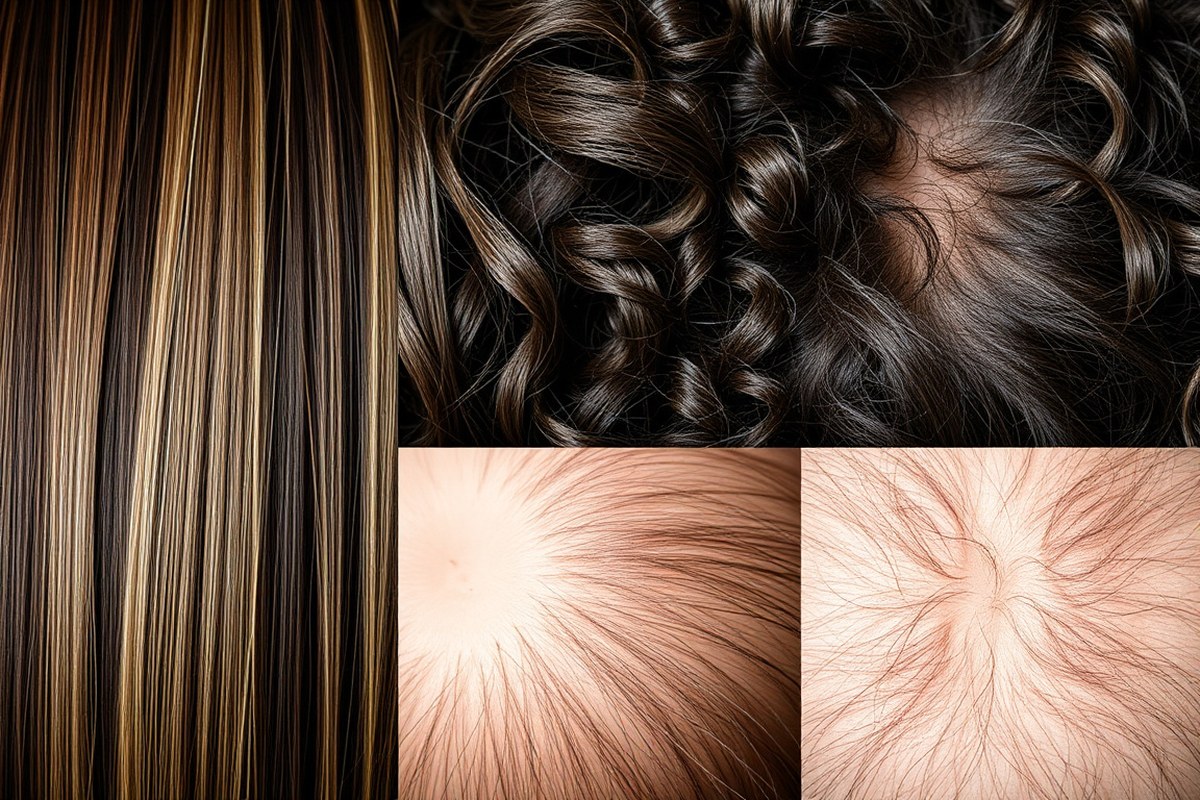
Knowing your hair and scalp type helps you pick the right shampoo. Hair type depends on texture and oil amount. Scalp types can be healthy, oily, or dry.
Others include sensitive and dandruff-prone scalp. Your shampoo should match these to avoid dryness, oil buildup, or irritation.
Start by washing your hair and letting it dry naturally for a day or two. Check how your scalp and hair feel. Your roots get greasy fast.
That means your scalp is oily. Your hair feels brittle. Or your scalp itches.
That means it might be dry or sensitive. Normal scalp feels balanced without oiliness or tightness.
Choose formulas that fit both hair and scalp needs. For oily scalp, look for balancing or clarifying shampoos that clean well but don’t over-strip.
Dry scalp benefits from hydrating shampoos with soothing ingredients like aloe vera or glycerin. Sensitive scalps respond best to gentle, fragrance-free shampoos that calm irritation.
Hair texture matters too. Fine or flat hair needs lightweight or volumizing shampoos that don’t weigh strands down.
Curly, dry hair often needs co-washes. Moisturizing shampoos help reduce frizz and damage.
Follow these steps to identify your type and find the right shampoo:
- Wash your hair and avoid styling products for 48 hours.
- Observe how oily or dry your scalp feels throughout the day.
- Notice if hair strands feel brittle, limp, or balanced.
- Check for scalp irritation, redness, or flakes.
- Match oily scalp with clarifying or balancing shampoos.
- Match dry or itchy scalp with hydrating, soothing formulas.
- Pick lightweight shampoos for fine hair; moisturizing for curly hair.
- Adjust shampoo choice based on how your hair and scalp respond over two weeks.
Good results mean your scalp feels clean but not tight or itchy. Hair should be manageable and not limp or greasy too soon.
Using the wrong shampoo can leave hair dry, oily, or irritated. So listen to how your scalp reacts and switch if needed.
How to Choose Shampoo Based on Hair Concerns

Choose shampoo that matches your biggest hair problem. Dryness, damage, color protection, thinning, and frizz need different care. Picking one designed for your concern helps fix your hair better.
Shampoos for Dry and Damaged Hair
Dry or damaged hair needs shampoos that nourish and restore moisture. Pick products with oils and butters to lock in hydration. Damage repair shampoos can remove minerals like calcium and strengthen strands.
Look for sulfate-free shampoos if your hair feels brittle or your scalp is sensitive. Sulfates can strip your hair’s natural oils. This causes dryness.
Dryness worsens if you bleach or use chemicals on your hair. Using a shampoo with nourishing ingredients can help keep your hair soft and manageable.
Choose gentle cleansing shampoos with oils to avoid extra dryness or damage.
- Use shampoos with argan oil or shea butter for moisture retention.
- Try a repair formula that targets hair breakage and split ends.
- Avoid sulfates if your hair is chemically processed or dry.
- Shampoo daily only if the formula is mild and hydrating.
- Follow with a matching conditioner for better repair results.
Options for Color-Treated and Chemically Processed Hair
Color-treated hair fades faster with harsh shampoos. Choose sulfate-free shampoos labeled “color-safe” to protect dye. Some shampoos add conditioners and antioxidants to keep colors bright longer.
Purple shampoos work well for blondes to reduce brassiness by balancing pH. Moderate use, about once a week, prevents dull tones without over-drying. Chemically processed hair also benefits from formulas that repair and nourish while gently cleansing.
Use color-protecting shampoos daily to slow down fade and dryness.
- Pick shampoos with sunflower extract or similar antioxidants.
- Avoid daily use of clarifying shampoos that strip color.
- Add purple shampoo once weekly for blondes and highlights.
- Use shampoos designed for chemical treatments to aid repair.
Solutions for Thinning, Frizz, and Volume Boosting
Thinning hair benefits from shampoos that add volume without weighing strands down. Look for ingredients that strengthen follicles and reduce hair fall. Some formulas include caffeine or biotin to support a fuller look.
Frizz control shampoos smooth strands by locking in moisture and reducing static. Especially helpful for curly or wavy hair, look for silicone-free options if you prefer lighter hold. Volume-boosting shampoos lift roots and add body for finer hair types.
Volume-boosting shampoos work best when paired with lighter conditioners.
- Choose hair thickening shampoos with natural proteins or caffeine.
- Use frizz control shampoos with moisturizing but lightweight oils.
- Avoid heavy formulas if you want more volume in fine hair.
- Apply shampoo twice if scalp buildup reduces volume.
Understanding Shampoo Ingredients and Their Effects
Shampoo ingredients work differently depending on your hair and scalp needs. Some add moisture and strength, while others cleanse deeply but might irritate sensitive skin. Knowing what to look for helps you pick what’s right for your hair type.
Common moisturizing ingredients include oils and creamy bases. Panthenol, also called Pro-Vitamin B5, strengthens hair and locks in moisture. For thick or frizzy hair, choose shampoos with nourishing oils.
These keep your strands soft. They also help lock in hydration. These usually avoid strong sulfates that can leave hair feeling dry or straw-like.
Sulfates are cleaning agents that create foam. They include sodium lauryl sulfate (SLS) and sodium laureth sulfate (SLES). While they remove oil well, sulfates may irritate sensitive scalps or strip moisture, making hair brittle.
Your scalp may itch or your hair may feel dry after washing. Try switching to sulfate-free shampoos. They can be gentler on your scalp.
Parabens are preservatives sometimes linked to irritation or allergies. So many people choose formulas without parabens to reduce risk.
Some ingredients improve how well shampoo spreads and foams, like cocodiethanolamide. This doesn’t affect cleaning power much but gives a fuller lather that feels satisfying. For oily scalps, use shampoos with stronger surfactants like sulfates.
Sulfosuccinates also work well. They control greasiness while keeping moisture if balanced right.
Here’s a list comparing common shampoo ingredients and their effects. It shows when to use or avoid each type.
| Ingredient | Effect | Best For | Watch Out For |
|---|---|---|---|
| Panthenol (Pro-Vitamin B5) | Strengthens, retains moisture | Dry, damaged, frizzy hair | Rare irritation in sensitive scalp |
| Oils (argan, coconut, vegetable oils) | Moisturize, soften, add shine | Coarse, thick, frizzy hair | May weigh down fine hair |
| Sulfates (SLS, SLES) | Strong cleanser, foam generator | Oily scalp, deep cleaning | Irritate sensitive scalp, dry hair |
| Parabens | Preservative to prevent bacteria | Long shelf life products | Allergies, irritation concerns |
| Cocodiethanolamide | Foam booster, helps spread shampoo | All hair types for lather | Minor skin sensitivity possible |
| Anionic surfactants (sulfoacetates, sulfosuccinates) | Control oil, clean oil well | Oily scalp, daily washing | Can dry very dry hair types |
Knowing your hair and scalp helps you decide which ingredients to seek or avoid. For example, oily scalp benefits from gentle sulfates or sulfosuccinates that won’t over-dry hair.
Thick or coarse hair often needs extra oils or creamy shampoos to prevent frizz. Sensitive scalps do better with sulfate and paraben-free shampoos to avoid itching and dryness.
Always try a patch test before switching shampoos, especially if you have a sensitive scalp. Your hair might feel dry, brittle, or itchy after washing. Check your shampoo’s ingredients for harsh chemicals.
Try options with more moisture or gentler formulas. You’ll see smoother, stronger hair when you match ingredients to your hair’s needs.
How Often Should You Use Shampoo for Best Results?
How often you shampoo should depend on your hair type and scalp condition. For oily hair, washing every day or every other day works best to control excess oil. Dry hair can handle washing just once or twice a week to avoid stripping natural oils.
Normal hair usually needs shampooing every two to three days. Avoid overwashing; it can damage your hair and scalp by drying them out. Overwashing makes the scalp produce more oil, creating a cycle of grease and dryness.
Clarifying shampoos can remove buildup from oily scalps or styling products. Use them once a week or every two weeks.
Do this especially if you swim often or use heavy products. These shampoos often contain stronger cleansers that reset your scalp without daily use.
- Oily hair: shampoo 3-4 times a week, more if you sweat or use product often
- Dry hair: shampoo 1-2 times a week with gentle, moisturizing shampoo
- Normal hair: shampoo every 2-3 days, balancing oil and cleanliness
- Use clarifying shampoo every 1-2 weeks for buildup or after swimming
- Skip shampoo on dry, sensitive scalps or use sulfate-free formulas
- Adjust frequency based on lifestyle, like daily workouts or swimming
How you shampoo matters, too. Use lukewarm water and massage gently to avoid scalp irritation. Following shampoo with conditioner on the ends helps keep hair hydrated.
Dry ends need extra care. Rotate your shampoo or add a hair mask once a week.
When and How to Switch or Rotate Your Shampoo
Switching or rotating your shampoo can keep your hair fresh and healthy. You’ll know it’s time to switch when your scalp feels itchy or your hair looks dull. Switching safely helps avoid irritation and maintains your hair’s best condition.
Signs Your Current Shampoo Isn’t Working
You might notice your hair looks greasy soon after washing or feels dry and brittle. Scalp irritation like redness, itching, or flaking can also signal your shampoo is causing issues. Build-up from shampoos with heavy ingredients sometimes leaves your hair weighed down and lifeless.
Another sign is difficulty styling your hair or when it loses volume. These changes mean the shampoo is not meeting your hair’s needs anymore. Regular check-ins help catch these problems early to avoid long-term damage.
Steps to Safely Switch Shampoo Formula
Changing shampoos takes care to avoid irritation or shock to your scalp. A gradual transition helps your scalp adjust to new ingredients and avoids striping natural oils. Follow these steps to switch safely between formulas.
- Choose a shampoo tailored to your current hair and scalp needs.
- Start by replacing one wash per week with the new shampoo.
- Observe how your scalp and hair respond during the first two weeks.
- Use a gentle, fragrance-free conditioner to support your scalp if irritation appears.
- If no problems arise, increase the new shampoo use to every wash over 2, 4 weeks.
- Consider using a clarifying shampoo once a month to remove build-up.
- Continue monitoring dryness, itchiness, or dullness for signs you need adjustment.
Switching shampoos too quickly can cause dryness or irritation. Take your time with the transition.
Benefits of Alternating Between Types
Alternating shampoos can balance different hair needs like moisture and deep cleaning. For example, switch between a hydrating shampoo and a clarifying shampoo every few washes. This approach prevents build-up and keeps hair feeling light and nourished.
People who use lots of styling products often need a deep-cleaning shampoo to remove residue. Pair it with a gentle formula on alternate days to avoid stripping oils. This method can help maintain scalp health and fresh-looking hair.
Choosing Shampoo for Special Hair Types and Conditions
Different hair types and scalp conditions need their own shampoo formulas to work well. Choosing the right one helps your hair stay healthy and looking great. Here’s advice for curly hair, dandruff, sensitive scalps, men’s hair, and gray hair.
Formulas Best for Curly and Textured Hair
Curly hair needs gentle cleansing that doesn’t dry it out. Sulfate-free shampoos with moisturizing ingredients keep curls hydrated and bouncy without stripping natural oils. For example, shampoos like Dove Amplified Textures Hydrating Cleanse gently clean while maintaining moisture and softness.
Keep in mind that rich, moisturizing shampoos can weigh down fine or thinning curly hair. Choose a shampoo that hydrates without weighing down fine hair. Avoid heavy creams and opt for lightweight cleansers that still support your curls.
Shampoos That Address Dandruff and Sensitive Scalps
Dandruff shampoos have pyrithione zinc or ketoconazole inside. These ingredients cut flakes gently. They also calm irritation on the scalp.
A shampoo’s pH should not exceed 5.5 to match the scalp’s natural acidity and avoid irritation. This keeps your scalp healthy and less itchy.
For sensitive scalps, use shampoos without sulfates and with soothing ingredients like aloe vera or chamomile. These formulas cleanse without causing dryness or redness. Use these shampoos regularly but not every day, as over-washing can worsen sensitivity.
Men’s and Gray Hair-Specific Shampoo Options
Men’s shampoos mix scalp care and thickening effects. They fit different hair types and thinning problems.
Many aim to clean well without stripping oil, supporting fresher and fuller-looking hair with ongoing use. You don’t need to have thinning hair to benefit from these formulas.
Gray hair tends to dry out and look dull. So shampoos rich in nourishing, moisturizing ingredients are best.
Color-safe and UV-protecting shampoos also help maintain brightness and prevent yellowing. Look for products that restore softness without weighing hair down or leaving residue.
How to Use Shampoo and Conditioner Together Effectively
Conditioner helps replace moisture shampoo washes away. Using both keeps hair soft and manageable. Conditioner reduces frizz and prevents breakage from styling or brushing.
Apply shampoo mainly to your scalp, where oils and buildup gather. Use conditioner mostly on your mid-lengths and ends, which dry out first. Avoid putting conditioner at your scalp to prevent weighing hair down or feeling greasy.
Two-in-one shampoo and conditioner products save time. They often don’t give the same moisture or smoothness. Separate products work better for hydration and softness.
Use two-in-one occasionally if you’re in a hurry. For your best look, follow shampoo with a dedicated conditioner suited for your hair type.
Follow these steps for the best shampoo and conditioner routine. This process helps clean your scalp and hydrate strands evenly without buildup or dryness.
- Wet your hair thoroughly with warm water, about 90°F (32°C), to open the cuticle slightly.
- Squeeze a quarter-size amount of shampoo into your palm. Massage it into your scalp using fingertips, not nails.
- Rinse shampoo out completely to avoid residue that irritates scalp or dulls hair.
- Squeeze out extra water gently with your hands before applying conditioner.
- Apply conditioner from mid-lengths to ends. Use about a nickel-size amount for medium hair.
- Leave conditioner on for 1 to 3 minutes to let it absorb. Comb through gently with fingers or a wide-tooth comb.
- Rinse conditioner fully with cool water. Cooler water helps close cuticles, adding shine.
This routine suits all hair types but adjust conditioner amount based on hair thickness and length. Thicker hair needs more conditioner; fine hair benefits from lighter formulas. Over-conditioning can weigh hair down or cause buildup, making hair look dull and lifeless.
Hair can feel dry after shampoos with clarifying or volumizing ingredients. Try applying conditioner twice to boost hydration.
Add a deep-conditioning treatment once a week for extra moisture. For oily hair, rinse conditioner out well and focus on ends only.
Lifestyle Factors That Impact Shampoo Choice
Exercise and swimming change what shampoo your scalp needs. Sweat, chlorine, and salt build up on your scalp. This buildup means you should choose your shampoo carefully.
You should wash hair soon after sweating to remove salt and oil, which trap dirt. After swimming, use a shampoo that targets chlorine to prevent dryness and damage.
Pollution and climate affect scalp and hair health by causing buildup and dryness. Dirt and smog clog scalp pores, leading to itchiness or flakiness.
Dry or humid climates change how much your scalp produces oil. Choose a shampoo that cleans well but protects your hair barrier.
Shampoos with niacin, caffeine, and biotin help your hair look healthier. Pollution can wear your hair down over time. Using these ingredients can support your hair’s strength.
You’ll find shampoos specially labeled to remove chlorine or pool chemicals. These usually have moisturizing elements to stop strands from feeling brittle.
- After intense workouts, shampoo within a few hours to avoid buildup
- Swimmers should use a clarifying or pool-specific shampoo 1 to 2 times a week
- Daily mild shampooing helps if you sweat a lot, but don’t over-wash dry hair
- Use shampoos with antioxidants or niacin to combat pollution damage
- For humid climates, a gentle shampoo that controls oil without stripping is best
- In dry climates, pick a hydrating shampoo to avoid scalp flaking
Look out for common mistakes like skipping shampoo after swimming or exercise. This lets chlorine or sweat sit on your scalp, causing irritation. Sometimes people pick harsh shampoos to fix buildup, but that dries hair out more.
Rinse your hair before swimming to reduce chlorine absorption and protect your scalp.
Step-by-Step Action Plan to Find Your Best Shampoo
Follow this simple plan to pick and test the right shampoo for your hair. Watch your hair and scalp closely to see what works.
- Day 1: Identify your hair and scalp type. Check if your scalp feels oily, dry, or balanced.
- Day 2: Pick a shampoo with ingredients for your main concern. Use a moisturizing one if your hair is dry. For oily hair, get a gentle cleansing shampoo.
- Week 1: Use the new shampoo as directed and avoid switching products. Notice if your hair feels cleaner or softer.
- Week 2: Add a matching conditioner to your routine to restore moisture and ease tangles.
- Week 3: Assess if your scalp feels healthy and hair looks good with the current shampoo. Look for less itchiness or buildup.
- After 1 month: If your hair or scalp feels off, change your shampoo. Rotate shampoos aimed at your hair type or issues. This may help improve your scalp health.
- Ongoing: Adjust shampoo choice based on lifestyle changes like more workouts or weather shifts. Monitor how these affect your hair.
Frequently Asked Questions
How Do I Choose the Right Shampoo for My Hair?
Start by identifying your hair type, scalp condition, and concerns you want to address. Using a hair care quiz helps you narrow down shampoo choices.
It finds the best match for your unique hair needs. It also fits your daily lifestyle.
What Is the Healthiest Shampoo to Use?
The healthiest shampoo cleans without harsh ingredients like sulfates or parabens. Look for gentle formulas that keep your scalp balanced and hair hydrated without stripping natural oils.
What Is No Poo?
No poo means you stop using regular shampoo. Instead, you wash with water or natural options.
Some use baking soda or conditioner instead. This method avoids harsh chemicals but takes time for your scalp to adjust.
What Is the Most Recommended Shampoo?
There isn’t one best shampoo for all, since hair types and needs differ. The best shampoos suit your hair’s natural texture.
They target your specific hair problems. They don’t follow short-term hair trends.
Can Shampoo Cause Hair Loss?
Shampoo alone rarely causes hair loss but harsh ingredients can irritate your scalp. Choose mild formulas and avoid overwashing to protect hair from breaking or falling out.
How Long Should I Leave Shampoo in My Hair?
Normally, rinse shampoo out immediately after massaging it into your scalp. Leaving it too long may dry your hair or scalp. So keep washing quick but thorough.
Before You Go
Picking the right shampoo depends on matching it to your hair and scalp needs. Start by testing one focused product and watch the results. Next, stick with what feels best and adjust as your hair or lifestyle changes.