How to Help Dandruff: 9 Proven Methods for Fast, Lasting Relief
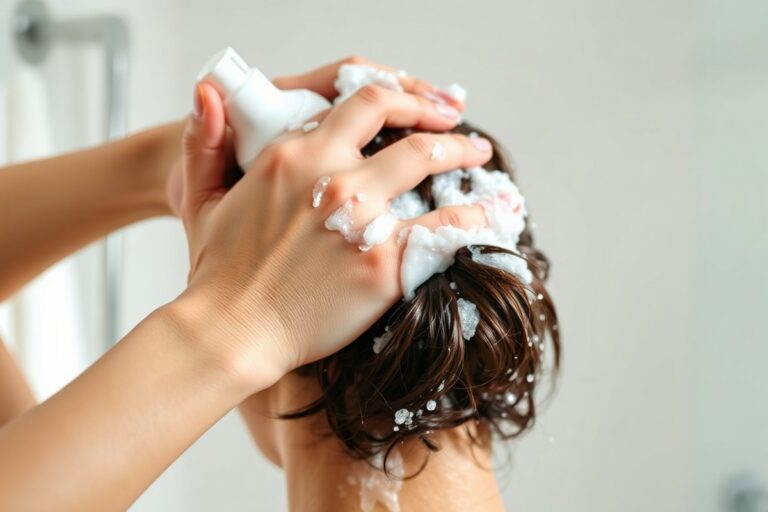
How to help dandruff starts with treating it correctly at home. You need to use the right anti-dandruff shampoo regularly. Let it sit for 5 to 10 minutes before rinsing so it can work well.
Adding a scalp massage with coconut oil twice weekly can improve your scalp health. This helps shift your scalp’s microbes closer to those on healthy scalps. Using natural oils like tea tree oil shampoo can also reduce flakes fast.
Washing your hair too often or with very hot water might worsen dandruff. Use lukewarm water and shampoo your scalp gently to avoid irritation. Avoid scratching, which can inflame your scalp and increase flakes.
Try a consistent routine for about 4 weeks to see real improvement. Watch for irritation or flakes that don’t go away. You might need stronger treatments or to see a doctor.
Key Takeaways
- Use anti-dandruff shampoo regularly and let it sit 5-10 minutes before rinsing.
- Massage coconut oil into your scalp twice a week to help reduce flakes.
- Try tea tree oil shampoo for natural dandruff relief over at least 4 weeks.
- Stick to the treatment routine for a full 4 weeks before judging results.
- Stop using products that irritate your scalp or cause more flaking.
- Dandruff lasting over a month calls for stronger treatments. You should see a doctor then.
1. How to Effectively Treat Dandruff at Home

Tackling dandruff fast takes the right steps at home. You want to clear flakes and calm your scalp without drying your hair.
Using the right shampoo and following a routine helps control oil and build-up. Some shampoos need to stay on your scalp for a while to work well.
- Wash your hair 2 to 3 times each week using an anti-dandruff shampoo. Avoid daily washing to prevent dryness. Focus the shampoo on your scalp, not the hair ends, to reduce flakes.
- Massage shampoo into your scalp gently for about 2 minutes. This helps loosen flakes and reach all areas. Let the shampoo sit for 5 to 10 minutes before rinsing for better effect.
- Rinse thoroughly with lukewarm water. Hot water can dry out your scalp more. Lukewarm water helps keep your scalp balanced and comfortable.
- Use a conditioner only on hair ends, not on the scalp. Conditioner on the scalp can cause oil build-up, worsening dandruff. Your scalp feels dry. Choose light formulas that work well with skin.
- Try combining shampoos with different active ingredients weekly.Use a shampoo with salicylic acid to exfoliate flakes. Then try ketoconazole shampoo to control fungus. This helps attack dandruff from multiple angles.
- Add a scalp mask or oil treatment once weekly. Applying a coconut oil mask can soothe inflammation and improve scalp health. Leave it on for 20 to 30 minutes, then wash as usual.
- Keep your scalp clean but avoid harsh products like dry shampoo. These can build up and trap oils, making dandruff worse. Stick to gentle, fragrance-light options to maintain scalp balance.
- Adjust frequency as your scalp improves. Once flakes reduce, use shampoo once weekly to maintain results. Over-treating may cause dryness or irritation.
2. Key Ingredients in Anti-Dandruff Shampoos and How They Work
Several active ingredients in dandruff shampoos fight flakes and itch in different ways. Ketoconazole, zinc pyrithione, selenium sulfide, salicylic acid, and tea tree oil are commonly used. Each ingredient tackles dandruff causes like yeast growth or scalp inflammation.
Some target skin buildup differently. All come with some risk of irritation.
Ketoconazole and Antifungal Agents
Ketoconazole is a strong antifungal treatment that targets the yeast Malassezia. This yeast can irritate your scalp, causing dandruff. You often find ketoconazole in medicated shampoos that reduce yeast growth and calm flakes.
It works by killing the fungus directly, which helps reduce itching and scaling quickly. Usually, you use ketoconazole shampoo two to three times a week. Overuse might dry out your scalp or cause redness.
Zinc Pyrithione and Selenium Sulfide
Zinc pyrithione and selenium sulfide fight dandruff by controlling yeast and reducing scalp inflammation. Both are common in over-the-counter shampoos for regular use. Zinc pyrithione also has antibacterial properties, which helps soothe the scalp.
Selenium sulfide slows skin cell death, cutting down flakes. It’s stronger than zinc pyrithione but may stain light hair or cause mild irritation for some. Use selenium sulfide products as directed, usually 2 times a week.
Salicylic Acid and Exfoliating Ingredients
Salicylic acid helps by breaking down dead skin cells on your scalp. It removes scales and buildup that can worsen dandruff. Shampoos with salicylic acid need to be followed by moisturizing to avoid dryness.
This ingredient doesn’t kill yeast but makes flaking less visible by clearing flakes away. Some people notice more scalp dryness or irritation.
So alternating with a gentle shampoo can help. Use once or twice a week and rinse well.
Natural Oils with Antimicrobial Properties
Tea tree oil is a natural ingredient with antifungal and anti-inflammatory effects. Shampoo with 5% tea tree oil has shown a 41% improvement in dandruff after a month. It helps reduce yeast and soothe itchy scalps.
While gentle, tea tree oil can irritate sensitive skin or cause allergic reactions. It works well with other dandruff treatments.
Test it first on a small skin patch. This helps avoid bad reactions.
Here’s a clear comparison of these ingredients, what they do, and possible side effects:
| Ingredient | How it works | Use frequency | Side effects |
|---|---|---|---|
| Ketoconazole | Kills yeast causing dandruff | 2-3 times weekly | Dryness, redness, irritation |
| Zinc Pyrithione | Controls yeast, reduces inflammation | Daily or regular use | Rare irritation, mild dryness |
| Selenium Sulfide | Slows skin cell turnover, antifungal | Up to 2 times weekly | Hair staining, irritation |
| Salicylic Acid | Exfoliates flakes, removes buildup | 1-2 times weekly | Dryness, scalp irritation |
| Tea Tree Oil (5%) | Antifungal, anti-inflammatory | Daily or as shampoo base | Allergic reactions, irritation |
Choosing a shampoo depends on your scalp’s needs and tolerance. Sometimes alternating between types helps avoid irritation. Look for more redness or itching.
If these happen, stop using it. Try a milder product instead.
Don’t use dandruff shampoos every day unless directed; overuse may worsen dryness. Test new ingredients on a small scalp spot first.
3. Common Causes and Triggers of Dandruff
Dandruff happens mainly because of a yeast called Malassezia that lives naturally on your scalp. When this yeast grows too much, it feeds on the oils your scalp produces. This feeding releases fatty acids that irritate your scalp.
It causes your scalp to shed skin faster than usual. This is why your scalp flakes and it feels itchy.
Too much oil on your scalp helps Malassezia grow more. Oily scalps usually have worse dandruff because of this.
Washing your hair daily or every other day removes extra oil and dead skin that yeast feeds on. Harsh scrubbing won’t fix dandruff and may hurt your scalp.
Other triggers make dandruff symptoms worse. Cold and dry weather often makes flakes more visible and the scalp drier. Stress can also increase oil production and yeast growth, causing flare-ups.
Hormonal changes can upset your scalp’s balance. Some medical problems might cause the yeast to grow too much. This can make dandruff worse.
Diet and lifestyle play a role as well. A poor diet might affect your scalp’s health and oil balance. Massaging coconut oil on your scalp twice a week helped in a study.
140 women with dandruff showed improvements after 12 weeks. The oil was applied before shampooing each time. Coconut oil feeds your scalp and helps it stay healthy.
It may lower yeast effects by changing scalp microbes. The oil supports better scalp health overall.
Understanding these causes helps you manage dandruff better. Don’t blame hygiene alone or skip treatments because of that. Balancing scalp oil and lowering stress can ease dandruff symptoms.
Protect your scalp from cold, dry air too. These steps help reduce flakes and itching. Using gentle dandruff shampoos helps control Malassezia.
Proper scalp care stops harsh flakes from forming. This keeps your scalp healthier and flake-free longer.
4. Natural Remedies and Oils Supported by Research
Natural products like tea tree oil, coconut oil, and aloe vera can help. Apple cider vinegar may also reduce dandruff. Use them correctly for best results.
Each one targets scalp issues differently, such as fungus, dryness, or irritation. Using safe dilutions and consistent routines boosts their effectiveness while avoiding side effects.
Tea Tree Oil Applications and Benefits
Tea tree oil has strong antifungal properties that fight the yeast linked to dandruff. Studies show a 5% tea tree oil shampoo can reduce scaliness by 41% in four weeks. It also soothes irritation, making it a good natural option.
Pure tea tree oil is powerful and should never be applied directly to the scalp. Use shampoo with 5% tea tree oil for dandruff.
Or dilute tea tree oil in a carrier oil before applying. Avoid using pure tea tree oil directly on skin.
- Mix 5 drops of tea tree oil with 1 ounce of carrier oil. Carrier oils can be coconut oil or jojoba oil. Shake well before applying it on your scalp.
- Massage the blend gently into your scalp.
- Leave it on for 15 to 30 minutes to let it work.
- Rinse well and shampoo as usual.
- Repeat up to twice a week to avoid irritation.
Coconut Oil as a Scalp Pre-Wash Treatment
Coconut oil helps moisturize your scalp without feeling greasy or heavy. Its compounds also boost the effects of other natural dandruff remedies. Using it before shampooing can hydrate your skin and reduce dryness.
Apply coconut oil to a dry scalp as a pre-wash treatment. Let it absorb well so your scalp is nourished before cleansing. This method helps keep your scalp balanced, reducing flakes over time.
- Warm 1 to 2 tablespoons of fractionated coconut oil until it’s liquid.
- Part your hair and apply the oil directly to the scalp.
- Massage gently with your fingertips for about 5 minutes.
- Leave the oil on for 30 minutes, or overnight wearing a shower cap.
- Wash your hair with a gentle shampoo to remove the oil.
- Use this treatment 2 to 3 times per week for best results.
How to Use Aloe Vera and Apple Cider Vinegar Safely
Aloe vera offers antibacterial and antifungal benefits, which can calm your scalp. It soothes inflammation and helps ease itching linked to dandruff. Use pure aloe vera gel as a mask or leave-in treatment after washing.
Apple cider vinegar (ACV) must be diluted before touching your scalp. It reduces itchiness and balances the scalp’s pH. An ACV rinse works well as a shampoo alternative or a post-wash treatment.
- Mix 1 part apple cider vinegar with 2 to 4 parts water to dilute well.
- After shampooing, pour this mixture onto your scalp slowly.
- Massage the scalp gently for 1 to 2 minutes.
- Rinse your hair with cool water to avoid dryness.
- Use once or twice a week to avoid irritation.
- Apply pure aloe vera gel by parting your hair and massaging it into your scalp.
- Leave aloe vera on for 20 minutes, then rinse with warm water.
- Repeat aloe treatments 2 to 3 times weekly for improvement.
5. How to Differentiate Dandruff from Similar Scalp Conditions
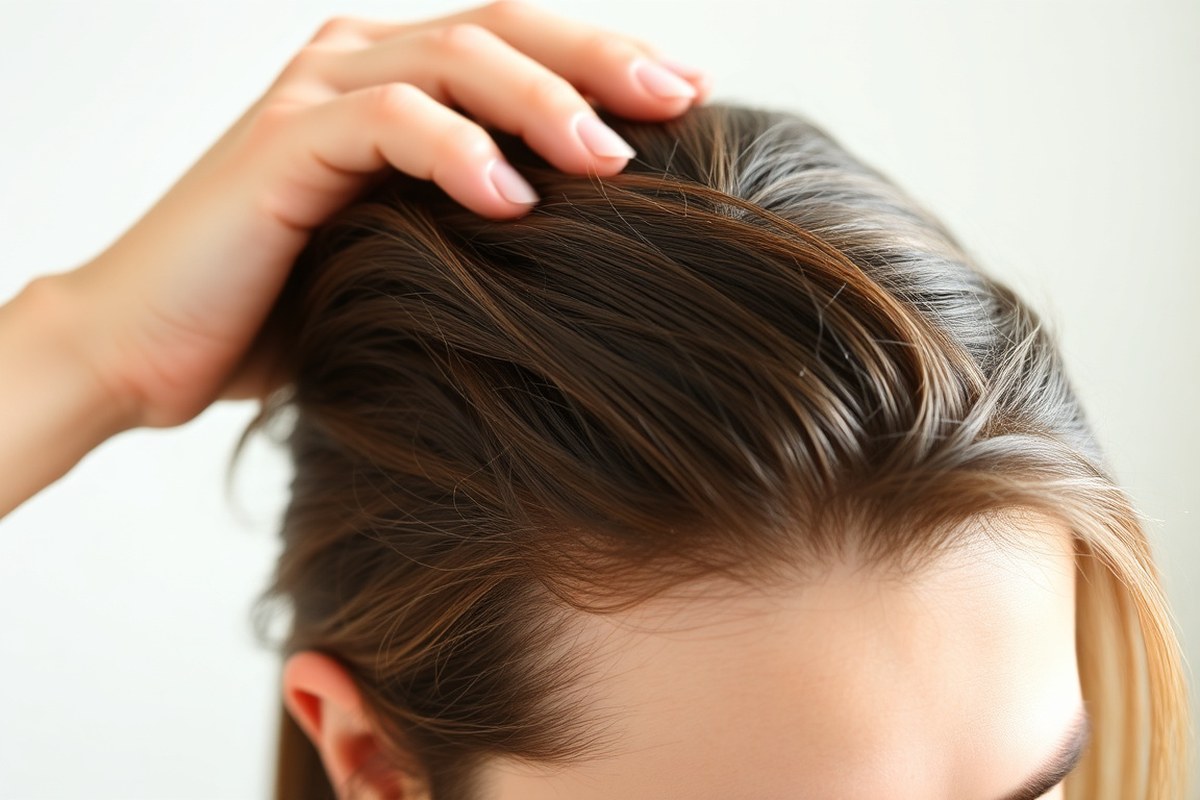
Dandruff shows up as white flakes and mild itchiness on your scalp. It is a mild form of seborrheic dermatitis, usually with little redness or irritation. Your scalp might have psoriasis or eczema if it is very itchy.
It may also show thick, red, or silver patches. These signs suggest something other than regular dandruff.
Some scalp conditions need a doctor’s diagnosis because they may require stronger medicines. Look for signs like hair loss, severe redness, blisters, or crusty patches. These signs often show you have a different scalp issue.
You might have a fungal infection or psoriasis instead of dandruff. These conditions need their own treatment.
Here’s a table to help you spot the differences between common scalp issues:
| Symptoms | Possible Causes |
|---|---|
| Scaly, itchy, red patches on scalp, face, and other skin | Seborrheic dermatitis |
| Red or silver rash on scalp, patchy hair loss | Psoriasis |
| Dry, red, flaky, very itchy skin on areas of body | Eczema |
| Red, irritated skin with blisters and cracked skin | Contact dermatitis |
| Red, flaky, crusty, sore patches with silvery scales | Psoriasis |
| Greasy, yellowish crusts on baby’s scalp and face | Infant seborrheic dermatitis |
| Red or scaly patches with hair loss | Fungal scalp infection (ringworm) |
Dandruff is mainly white flakes and mild itchiness without hair loss. Yellow flaky scalp or thick red scales may mean another scalp issue. Crusty flakes also point to a problem beyond dandruff.
You can start treating dandruff with over-the-counter shampoos. But stronger treatments need a doctor’s care.
Don’t scratch your scalp, even if it itches badly; scratching makes symptoms worse.
Getting a professional diagnosis helps you avoid using the wrong products. A dermatologist can tell if you have psoriasis, fungal infections, or severe seborrheic dermatitis. Doctors might give you medicine or special shampoos not at stores.
These help you feel better faster and lower side effects. They work better than regular dandruff shampoos.
6. How Lifestyle and Diet Changes Can Support Scalp Health
Eating foods high in zinc, B vitamins, and healthy fats helps your scalp. These nutrients may lower dandruff symptoms. They support scalp health effectively.
These nutrients help your scalp fight inflammation and yeast growth, which causes itching and flaking. Avoid processed foods and excess sugar, as they might trigger skin flare-ups and worsen dandruff.
Stress often makes dandruff worse by disrupting your scalp’s protective barrier. Managing stress through mindfulness, regular exercise, or calming activities helps keep dandruff under control. Tracking your stress and dandruff flare-ups can show helpful patterns.
You can then change your habits. This helps manage dandruff better.
- Eat zinc-rich foods like nuts, seeds, and lean meats daily.
- Add fermented foods such as yogurt or sauerkraut to meals.
- Limit sugar and processed foods to reduce scalp inflammation.
- Practice stress relief through breathing exercises or light walks.
- Drink 8 to 10 cups of water daily to keep your scalp hydrated.
- Get moderate sun exposure but protect your scalp if using coal tar shampoos.
- Maintain steady sleep schedules to support immune health and scalp repair.
Staying hydrated helps your scalp stay moisturized and less prone to dryness. Drink at least 64 ounces of water daily for healthy skin. That’s about eight cups.
Staying hydrated supports skin health well. Some sun exposure helps your body make vitamin D. Avoid long sun times if you use certain anti-dandruff shampoos. These shampoos can make your skin more sensitive to the sun.
7. Common Dandruff Treatment Mistakes and How to Avoid Them
Washing your hair too often with harsh shampoos can make dandruff worse. It strips the scalp’s natural oils, causing dryness and irritation. Wash your hair every two or three days.
Use gentle anti-dandruff shampoo. Avoid shampoos with heavy fragrances or sulfates.
On the flip side, washing too little lets oil and dead skin pile up. That buildup feeds dandruff and makes flakes more visible. Clean your scalp enough to remove buildup.
Don’t overwash or dry out your scalp. Too much washing causes flares.
Using the wrong products or skipping treatment can prolong dandruff. Some people shampoo too little. They don’t leave shampoo on the scalp long enough.
This under-treats dandruff. Medicated shampoos need about 5 minutes on your scalp to work properly.
- Don’t overwash your hair; use medicated shampoo every 2, 3 days.
- Avoid shampoos with harsh sulfates, heavy fragrances, or drying alcohols.
- Let dandruff shampoo stay on your scalp for 4 to 5 minutes before rinsing.
- Skip using multiple styling products that build up and worsen flaking.
- Try a milder shampoo if irritation starts. You can also use anti-itch treatments like fluocinolone.
- Be patient; dandruff products take several weeks to show steady results.
Using strong shampoos daily may irritate your scalp. Avoid harsh conditioners right after shampooing.
You want to protect your scalp that acts like a barrier. Using products that strip oils can lead to more itching and flaking.
Don’t use home remedies or shampoos that dry your hair out or cause redness. Stop using any product that burns or causes a rash. When you see worsening redness or swelling, pause treatments and talk to a doctor.
8. When to See a Dermatologist for Stubborn Dandruff
Dandruff often improves with consistent home treatment in about four weeks. When flakes don’t improve or itching gets worse, see a dermatologist. Watch for redness, swelling, or oozing on your scalp.
These signs could mean an infection or another issue. Get medical care if you notice them.
Your doctor may prescribe stronger treatments if over-the-counter shampoos fail. Options include antifungal creams or shampoos with ketoconazole, which fights the yeast causing some dandruff. For severe irritation, topical steroids or non-steroid creams like pimecrolimus may calm inflammation and itching.
Use shampoos with tea tree oil for about 4 weeks. Try this home remedy before switching to medical options. Dandruff that won’t go away or gets worse needs a dermatologist’s check.
They can find skin conditions or infections linked to it. A dermatologist will customize treatment for your scalp’s specific needs. This helps avoid side effects and speeds up healing.
Check your scalp after 4 weeks of steady treatment. Persistent flakes or redness means see a doctor.
9. Preventing Dandruff Recurrence After Treatment
To keep dandruff away, follow a gentle hair washing routine. Use medicated shampoos occasionally to help prevent flakes. Avoid harsh products that can dry out your scalp.
Adding scalp moisturizers and sun protection helps maintain balance and prevents irritation. Adjust your care based on the seasons and your scalp’s needs.
Maintaining a Regular Washing Routine
Washing your hair regularly removes oils that the yeast feeding dandruff needs. Use a gentle shampoo to avoid drying or irritating your scalp.
You don’t have to shampoo every day. But aim for at least two to three times weekly.
Overwashing can strip natural oils and cause your scalp to produce more oil. Your scalp may feel dry or itchy sometimes. Cut down washing to every other day or less.
This helps keep your scalp balanced and less irritated. Focus on massaging thoroughly to lift flakes and buildup without harsh scrubbing.
Using Medicated Shampoos Preventatively
Apply medicated shampoo once weekly or several times monthly. Carefully follow the package directions to prevent irritation. Switch between shampoos occasionally to stop resistance from developing.
Shampoo needs can change with the seasons. Dry, cold air in winter can dry your scalp more. Sweaty summer days might mean you wash more often.
You might need more frequent shampooing in warm months and less in dry months. Listen to your scalp’s signals to decide.
Incorporating Scalp Moisturizers and Sun Protection
Using a lightweight scalp moisturizer helps keep your skin hydrated and less irritated. Avoid thick or oil-heavy products that might worsen dandruff. Apply moisturizers after washing to lock in moisture without clogging pores.
Sun exposure can dry out your scalp and trigger flaking. Wear a hat or use a scalp sunscreen spray if you spend long hours outside. Protecting your scalp also helps reduce redness and sensitivity.
Follow these steps to maintain a dandruff-free scalp after treatment:
- Wash hair gently 2 to 3 times a week using a non-irritating shampoo.
- Use medicated shampoo once weekly or a few times each month as needed.
- Rotate between different medicated shampoos every few weeks to keep effectiveness.
- Adjust the shampoo frequency based on seasonal changes and scalp condition.
- Apply a lightweight, non-comedogenic scalp moisturizer after washing.
- Use a hat or scalp-specific sunscreen when exposed to the sun for long periods.
- Avoid scratching or picking your scalp to prevent irritation or infection.
Your Step-by-Step Dandruff Care Plan
Follow this simple plan to reduce dandruff and keep your scalp healthy. Check your scalp regularly to see how it’s improving.
- Day 1: Choose an anti-dandruff shampoo with active ingredients like zinc pyrithione. Use it as directed and observe if flakes reduce after one week.
- Week 1: Massage the shampoo gently into your scalp for 3 to 5 minutes each wash. This helps the medicine reach your scalp and reduces flakes.
- Week 2: Add natural oils like tea tree or coconut oil once or twice a week. These oils can calm irritation and support scalp health.
- Week 3: Adjust your diet by adding foods rich in omega-3s and reducing sugar intake. Watch for less itching and improved scalp condition.
- Week 4: Avoid scratching and use a soft brush to remove loose flakes. Notice if your scalp feels less dry and irritated.
- After 4 weeks: If flakes continue, try alternating shampoos with different active ingredients. Track any further improvements.
- Month 2: Maintain a regular shampoo routine and scalp care even after dandruff improves. Prevention is key to avoid recurrence.
- Month 3: If dandruff persists or worsens, book an appointment with a dermatologist. They can check for other scalp conditions.
Frequently Asked Questions
How Long Does It Take to See Improvements After Starting Dandruff Treatment?
You can see some improvement in about 2 to 4 weeks. Consistent use of treatment like shampoo or natural remedies is key to reduce flakes. Sticking to the routine helps prevent dandruff from coming back.
Can Stress Make Dandruff Worse?
Yes, stress can cause dandruff to flare up or become more severe. Tracking your stress and flares might help you spot patterns. Managing stress often helps keep dandruff under better control.
Is It Okay to Use Dandruff Shampoo Every Day?
Using dandruff shampoo every day isn’t usually necessary or recommended. Most products work well when used 2 or 3 times weekly. Overuse can dry out or irritate your scalp.
Can Dandruff Cause Hair Loss?
Dandruff itself rarely causes hair loss, but scratching may damage hair follicles. Gentle scalp care helps avoid this problem. If you notice thinning hair, see a dermatologist.
Are There Medical Conditions That Look Like Dandruff?
Yes, scalp psoriasis and seborrheic dermatitis can resemble dandruff. A dermatologist can help tell the difference and prescribe the right treatment. Proper diagnosis avoids treatment mistakes.
Can I Mix Natural Oils with Dandruff Shampoo?
Yes, mixing oils like coconut or tea tree oil with shampoo can boost effectiveness. Use oils as a pre-wash treatment to improve scalp health. Avoid overdoing it to prevent buildup or irritation.
Before You Go
Managing dandruff takes patience and a mix of good care and the right products. Start treating your scalp today with a proven shampoo. Keep watching for lasting improvement and consider a doctor if the problem stays stubborn.