What to Do for Dry Scalp: 8 Effective Treatments and Prevention Tips
What to do for dry scalp is to start with gentle cleansing and moisturizing. Use mild shampoos and avoid hot water that strips your scalp’s natural oils. Next, add a nourishing oil treatment like jojoba or coconut oil for deep hydration.
Apply these oils and let them sit for 30 minutes or more. This helps soften flakes. It also reduces itching on your scalp.
Massage your scalp for a few minutes to boost circulation and improve product absorption. Remember to rinse thoroughly with a gentle shampoo to avoid buildup.
Watch out for any redness or painful irritation while treating your scalp. Symptoms lasting longer or getting worse need a doctor’s check.
They can give a proper diagnosis and care. Keeping consistent with these simple steps often brings fast relief from dryness.
Key Takeaways
- Use a gentle shampoo and avoid hot water when washing your scalp.
- Use 1 teaspoon of jojoba oil and rub it into your scalp. Let it stay there for 30 minutes.
- Try coconut oil, leaving it on for 10 to 15 minutes before rinsing.
- Massage your scalp with fingers for 2, 3 minutes during treatments.
- Rinse scalp treatments thoroughly to prevent residue and itching.
- Stop treatments and see a doctor if irritation or redness appears.
1. How to Treat Dry Scalp Effectively at Home

You can ease dry scalp at home using simple steps and the right products. Starting with a gentle hair care routine saves your scalp from more dryness and irritation. Natural oils and moisturizing shampoos lock in hydration and reduce flaking.
Use lukewarm water when washing your hair. Hot water strips away natural oils, making dryness worse.
Don’t shampoo every day. Two to three times a week is enough for most people.
- Choose a moisturizing shampoo that’s sulfate-free and designed for dry scalp. These shampoos clean without stripping natural oils. Look for products labeled for dry or sensitive scalp.
- Apply conditioner on your hair ends, not your scalp. Conditioners can build up and cause itching if left on the scalp too long. Rinse thoroughly with cool or lukewarm water to close hair cuticles and help seal moisture.
- Use natural oils like coconut oil once or twice a week. Warm a small amount, then massage it gently into your scalp. Leave it on for 20 to 30 minutes before washing out. Coconut oil soothes and hydrates well without clogging pores.
- Try aloe vera gel as a scalp moisturizer. Apply it directly and leave for 10 minutes before rinsing. Aloe soothes irritation and adds moisture without grease.
- Avoid harsh chemical treatments and excessive heat. Dyes, perms, and blow dryers can worsen dryness by damaging your scalp’s skin barrier. Let your scalp rest between such treatments.
- Keep your scalp protected in extreme weather. Use hats in cold or windy conditions to prevent moisture loss. Dry air outside can strip oils from the scalp quickly.
- Pat your hair dry with a towel instead of rubbing. Rubbing roughens the scalp and irritates skin. Let your hair air-dry when possible.
- Watch for product buildup. Sometimes conditioners or oils cause flakes if not fully washed out. Clarify with a gentle shampoo once a week to keep build-up away.
Natural oils like coconut oil are safe and affordable. They usually cost under $10 for a jar. One jar lasts for months.
Moisturizing shampoos cost between $10 and $40. They work well on dry scalp. Use them as directed for best results.
Use oils and moisturizers no more than twice a week. Overuse can make your scalp greasy and clog pores. Give your scalp time to balance its natural oils between treatments.
Common mistakes include washing with hot water, shampooing daily, and leaving conditioner on your scalp. These increase dryness and itchiness. Sticking to a mild routine lets your scalp recover and stay healthy.
2. Common Causes Behind a Dry Scalp and How They Affect Treatment

Dry scalp happens for many reasons. Common causes include product buildup and skin problems like eczema. Psoriasis can also trigger scalp dryness.
Sometimes, the scalp skin is really dry on its own. Weather affects your scalp too.
Cold air or indoor heat dries your scalp skin. This can make dryness worse.
Harsh hair products can strip moisture away, especially those with sulfates, surfactants, or strong fragrances. Chemicals from hair dye often irritate and dry your scalp. Washing hair too often removes protective oils.
Not washing enough lets buildup grow. Both can lead to a drier scalp.
You might confuse dry scalp with dandruff, but they need different care. Dandruff usually shows as larger, yellowish flakes and comes with oiliness or skin inflammation. Dry scalp flakes are smaller, dry, and cause itching from skin dryness alone.
Knowing the cause helps you choose the right care. Anti-dandruff shampoos don’t fix dry scalp. They might even cause more irritation.
What you eat and drink affects how dry your scalp feels. Dehydration and poor diet can reduce natural scalp oils. Foods rich in vitamins help your scalp.
Potassium and oils in bananas keep your scalp moist and healthy. Eating these can support scalp health. Drinking enough water every day also supports scalp hydration from the inside out.
Use gentle, sulfate-free shampoos for your hair. Wash your hair two or three times a week. This keeps your scalp’s natural oils safe.
3. Best Natural Oils for Dry Scalp and How to Use Them
Natural oils like coconut, jojoba, and tea tree oil can help soothe a dry scalp. They moisturize your skin while calming itchiness and flakiness. Using these oils correctly reduces irritation without causing bad reactions.
Coconut Oil Benefits and Usage
Coconut oil helps hydrate and feed a dry, peeling scalp. It creates a layer that keeps moisture trapped to prevent dryness.
Apply one teaspoon to your scalp and wait 10 to 15 minutes. This method usually eases flaky skin and improves softness.
After applying, rinse gently with a mild shampoo to avoid buildup. Using lukewarm water prevents further irritation. Use only a small amount of coconut oil.
Don’t leave it on too long. Too much can make your scalp greasy.
Jojoba Oil Application Tips
Jojoba oil resembles your skin’s natural oils, so it absorbs easily into the scalp. Apply 1 teaspoon of coconut oil to your scalp. Let it sit for at least 30 minutes.
This helps restore moisture well. This longer leave-in time helps soothe tight and itchy skin.
You don’t need a lot of jojoba oil. Start small to see how your scalp reacts.
You can put it on before bed for better hydration. Wash your hair in the morning to rinse it out.
Tea Tree Oil for Itchy Scalp
Tea tree oil fights dryness by killing fungi and bacteria on your scalp. Mix it with coconut or olive oil before use. Using pure tea tree oil alone can irritate your skin.
Put a few drops of tea tree oil into 1 tablespoon of carrier oil. Stir well and massage it onto your scalp. Let the oil mixture sit for 15 to 20 minutes before washing it off.
You can also use shampoo that contains 5% tea tree oil. Stop use if irritation or rash develops.
Here is a comparison of these best natural oils and how they should be used:
| Oil | Key Benefit | How Much to Use | Leave On Time | Precautions |
|---|---|---|---|---|
| Coconut Oil | Moisturizes and softens scalp | 1 teaspoon | 10-15 minutes | Use lukewarm water, avoid greasy buildup |
| Jojoba Oil | Mimics natural scalp oils | 1 teaspoon | At least 30 minutes, up to overnight | Start with small amounts, watch for reactions |
| Tea Tree Oil | Antifungal and antibacterial | Few drops mixed with 1 tablespoon carrier oil | 15-20 minutes | Never apply pure; stop if irritation occurs |
Picking pure oils or blends depends on your scalp sensitivity. Pure oils offer controlled dosage but blends can feel gentler. Always patch test new oils before full use to catch allergies.
Mixing essential oils with carrier oils lowers risk of irritation while improving spread. Use oils in moderation for the best scalp comfort.
4. How to Identify When Your Dry Scalp Needs Medical Attention
Persistent dry scalp lasting more than a few weeks needs checking. Try home care first. If it doesn’t get better, see a doctor.
Book an appointment with a board-certified dermatologist for ongoing scalp issues. This includes redness, swelling, or thick, scaly patches. Don’t ignore these symptoms.
These symptoms could mean a skin condition like psoriasis or seborrheic dermatitis. Both cause dry scalp and need treatment. A doctor can diagnose them.
Severe itchiness that disrupts sleep or daily life also calls for medical advice. Hair loss with dryness and flakes is another sign to visit a doctor. It may mean a more serious scalp problem.
Don’t wait to get checked. Scalp psoriasis often comes with bright red patches and silvery scales. Seborrheic dermatitis may show as greasy, yellowish flakes.
Doctors usually diagnose these conditions by examining your scalp closely. They might take a small skin sample for lab testing to rule out infections. Treatment usually includes prescription shampoos with salicylic acid.
Medicated creams can reduce inflammation and help healing. Follow your doctor’s directions closely.
Use this checklist to see if you need medical care. Has your dry scalp lasted more than four weeks? Are you moisturizing regularly without improvement?
Second, check for thick scales, redness, or open sores. Third, note if your scalp itches intensely or causes hair loss.
Delaying professional care risks worsening symptoms or skin infections from scratching. Untreated scalp psoriasis can spread and cause more hair loss. Eczema and other dermatitis types may get inflamed and uncomfortable without targeted treatment.
Remember, a doctor’s visit often takes one short appointment, costing about $100 to $300 without insurance. Prescription treatments can cost a few dollars per bottle but usually clear symptoms within weeks. Early diagnosis and treatment save you from long-term discomfort and scalp damage.
5. How Scalp Massage Supports Dry Scalp Relief and How to Do It
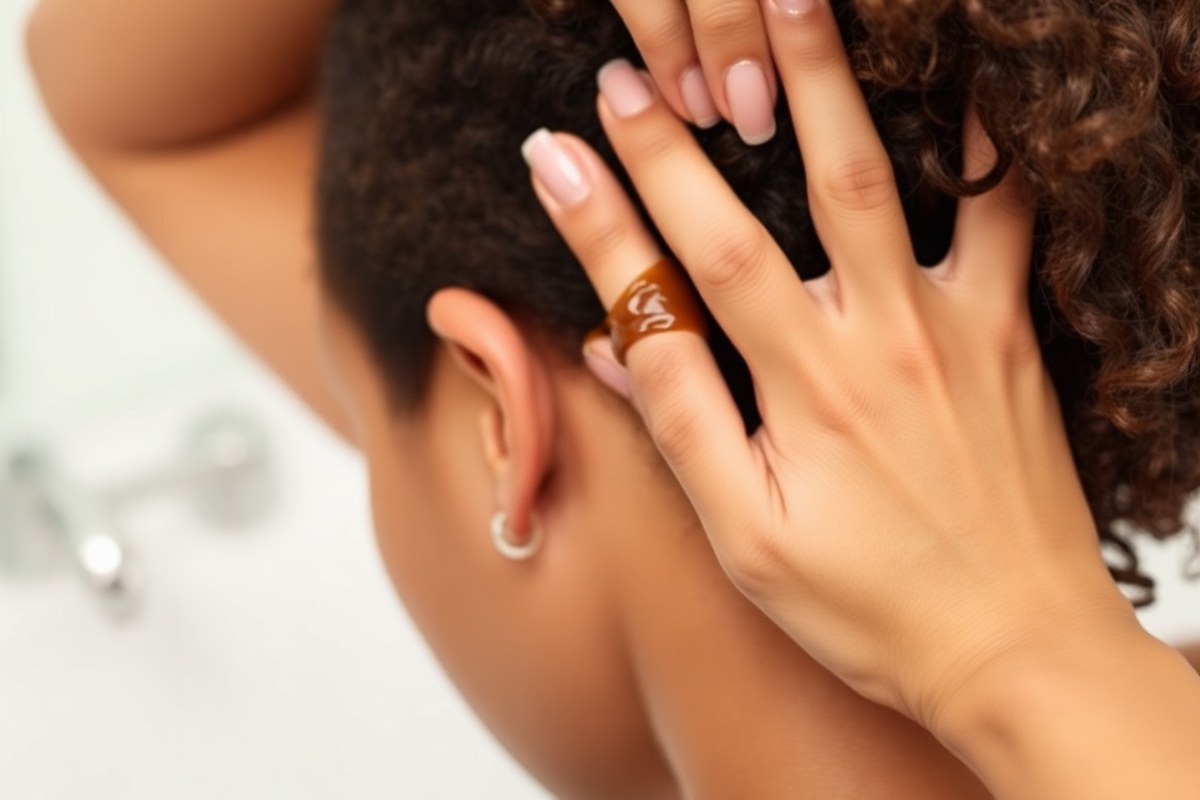
Scalp massage helps relieve dry scalp by boosting blood flow and spreading natural oils. Doing it regularly soothes itchiness and improves scalp hydration. It can also support hair growth by stimulating follicles.
Benefits of Regular Scalp Massage
Massaging your scalp gently promotes better blood circulation to skin and hair roots. This increased flow brings more nutrients, which helps repair and hydrate dry scalp skin. It also helps distribute your scalp’s natural oils evenly, easing flakes and itchiness.
Besides soothing dryness, scalp massage may encourage hair growth by stimulating follicles. The gentle pressure can reduce tension and improve scalp health over time. It’s a relaxing way to care for both your scalp and hair.
Step-by-Step Scalp Massage Guide
Use your fingertips to massage your scalp for at least 5 minutes. Doing it up to three times a week fits well with washing schedules that avoid over-cleansing. Start with clean or slightly damp hair for best results.
- Apply a small amount of your chosen oil or moisturizer to your fingertips.
- Place your fingertips at your hairline and press gently but firmly.
- Make small circular motions, covering the entire scalp area.
- Move your fingers slowly, focusing on any dry or itchy spots.
- Increase pressure gradually but avoid scratching or using your nails.
- Work your way to the back of your head and around your ears.
- Finish by lightly stroking your scalp from the front to back several times.
- Leave the oil on for about 20 minutes to let it absorb before washing or styling.
Use fingertips, not nails, to avoid irritating and scratching your scalp.
Best Oils to Use During Massage
Aloe vera gel soothes itching. Mix it with carrier oil. Use jojoba or coconut oil for best results.
These oils hydrate without clogging pores and help restore moisture balance. Essential oils, diluted with carrier oils, can add extra relief and a nice scent.
Try diluted tea tree or rosemary oils for their effects. They fight microbes and boost circulation. Use proper dilution to avoid irritation.
Avoid strong essential oils without mixing since they can irritate sensitive scalp skin. Warm the oil slightly before use to help penetration and comfort.
6. Diet, Supplements, and Lifestyle Changes for Scalp Health
Adding certain vitamins and nutrients to your diet can help improve dry scalp. Omega-3 fatty acids, found in fish like salmon or in supplements, support scalp moisture. Vitamins A, B, and C help keep your scalp healthy.
They hydrate your skin. These vitamins support a balanced scalp environment.
Foods rich in these nutrients include leafy greens, nuts, and citrus. Eating them boosts your scalp’s moisture levels. This works from the inside out.
Taking about 1,000 mg of Omega-3 daily helps if you lack fish. This supplement supports scalp health. It fills nutritional gaps in your diet.
Alongside diet, drinking enough water matters. Aim to drink at least eight 8-ounce glasses of water daily to keep your scalp hydrated.
Some lifestyle habits protect your scalp from drying out. A humidifier adds moisture to dry or cold air in your home. This stops your scalp from losing natural oils.
It keeps your skin hydrated. Wearing a hat outdoors when it’s cold shields your scalp from harsh, drying winds. Reducing stress also helps, as high stress can worsen scalp irritation and dryness.
On the other hand, avoid too many sugary or processed foods. These can encourage inflammation, which may worsen dry scalp symptoms.
Also, harsh hair care products strip natural oils and should be avoided for better scalp health. Washing your hair regularly with a gentle shampoo cleans your scalp without causing dryness.
Changing your diet alone won’t fix dry scalp overnight. You usually see scalp improvements in a few weeks. This happens once you add supplements and eat well.
Stick with the routine during this time. Results look like less itchiness, fewer flakes, and a healthier scalp feel. Dry scalp that doesn’t improve needs a healthcare checkup.
A doctor can find the cause. They can suggest treatments for lasting relief.
7. Choosing the Right Hair Care Products for Dry Scalp
Choose hair care products that soothe and hydrate your scalp. Pick shampoos with gentle, moisturizing ingredients and avoid harsh chemicals. Medicated shampoos can help when dryness comes with dandruff or irritation.
Moisturizing Shampoos for Dry Scalp
Look for shampoos made specifically for dry scalp with hydrating ingredients. These shampoos help calm irritation and add moisture back to your scalp. Avoid shampoos that contain sulfates, alcohol, or strong fragrances, which can dry your scalp further.
Wash your hair often enough to prevent buildup. But not so much it strips oils. Usually, washing 2 to 3 times a week fits most dry scalp needs.
Overwashing can worsen dryness. Under-washing can cause dead skin and oil buildup, making problems worse.
Medicated Shampoo Options
Medicated shampoos often contain ingredients like ketoconazole or zinc pyrithione to fight dandruff. They can reduce scaling and inflammation linked with dry, flaky scalps. Use these shampoos 2 to 3 times a week or as directed on the label.
Your doctor might suggest stronger treatments or scalp creams if these don’t help. Some medicated shampoos include ingredients like selenium sulfide or coal tar to tackle stubborn flakes. Start with over-the-counter options before moving to prescriptions.
Scalp Scrubs: When and How to Use
Scalp scrubs gently remove dead skin and product buildup, allowing shampoos to work better. Use scrubs once a week or less to avoid irritating sensitive skin. A scalp exfoliator with alpha and beta hydroxy acids works well.
It clears flakes effectively. It doesn’t dry out your scalp.
Apply the scrub before shampooing. Massage it gently into your scalp, then rinse well. Using scrubs too often or harshly can cause redness or worsen dryness.
Here’s a quick overview of product types and tips for dry scalp care:
| Product Type | Key Ingredients | Use Frequency | Why It Helps | Precautions |
|---|---|---|---|---|
| Moisturizing Shampoo | Glycerin, Aloe Vera, Mild Surfactants | 2-3 times per week | Hydrates and soothes dry scalp | Avoid sulfates, alcohol, strong fragrance |
| Medicated Shampoo | Ketoconazole, Zinc Pyrithione, Selenium Sulfide | 2-3 times per week or label directions | Reduces dandruff and scalp inflammation | May need doctor recommendation if persistent |
| Scalp Scrub/Exfoliator | Alpha Hydroxy Acids, Beta Hydroxy Acids | Once weekly or less | Removes buildup, improves shampoo effectiveness | Use gently to avoid irritation |
Keep in mind, the right shampoo can calm your scalp and improve your hair’s look. Choosing the wrong one or skipping regular washing can lead to more dryness or irritation. Adjust product use based on your scalp’s reaction and comfort level.
8. Seasonal and Environmental Effects on Dry Scalp Management
Cold, dry air in winter often dries out your scalp’s natural oils. When humidity drops below 30%, your scalp can start feeling itchy or flaky. Heat from indoor heaters worsens this by pulling moisture from your skin.
Summer sun and sweat can dry and irritate your scalp. UV rays make this worse. Keep your scalp cool and shaded.
Change your care routine based on the season to keep your scalp balanced. In winter, wash your hair less often, two to three times per week is enough. Use a gentle, moisturizing shampoo and add a deep-conditioning treatment once a week.
Rinse your hair more often in summer if you sweat a lot. Use cool water when rinsing. It helps protect your scalp’s moisture.
Humidity controls can help a lot. A humidifier at home can raise dry indoor air to 40%-60%. This keeps your scalp from cracking and flaking.
In humid climates or summer, a dehumidifier reduces sweat and fungal irritations that worsen dryness. Adjust these devices based on your local weather and indoor comfort.
Protect your scalp from weather damage. Wear a hat or scarf on cold, windy days. You can also apply a light, non-greasy scalp moisturizer before going outside.
For sun exposure, use hair products with SPF or wear wide-brimmed hats. Avoid heavy oils in summer as they can trap heat and sweat, causing irritation.
Check on your scalp weekly to decide if your routine needs tweaking. When your scalp feels tight or itchy, add more moisturizer. Wash your hair less often.
When your scalp feels oily, wash your hair more often. Use lighter conditioners that won’t weigh hair down. This simple decision rule helps maintain moisture without overloading your scalp with products.
Wear hats in winter to protect your scalp from dryness. Use SPF products in summer to prevent irritation.
Step-by-Step Action Plan for Tackling Dry Scalp
Follow these simple steps over the next few weeks. They help clear up your dry scalp and keep it healthy.
- Day 1: Choose a gentle, sulfate-free shampoo to avoid stripping oils. Check if your scalp feels less tight after washing.
- Week 1: Moisturize your scalp with natural oils like coconut or jojoba two to three times. Notice if itchiness or flaking reduces.
- Week 2: Add a weekly scalp massage using your fingertips for about five minutes. See if your scalp feels less dry and more relaxed.
- Week 3: Introduce a balanced diet with omega-3s, vitamins A and E. Observe if your scalp looks shinier and healthier.
- Week 4: Reduce heat styling and harsh treatments. Watch for fewer signs of irritation or dryness.
- After 4 weeks: Assess your progress. Dryness that lasts or gets worse means you need a dermatologist’s care.
Frequently Asked Questions
Can Shampooing Too Often Cause a Dry Scalp?
Yes, shampooing too often can strip natural oils, leading to dry scalp. Try washing your hair every other day or less to keep your scalp balanced.
Is It Normal for Dry Scalp to Cause Hair Loss?
Mild hair shedding can happen with dry scalp irritation but is usually temporary. Nourishing your scalp and treating dryness helps reduce hair loss over time.
Can Stress Make My Dry Scalp Worse?
Yes, stress can worsen scalp dryness and itchiness by affecting skin health. Managing stress with sleep and relaxation helps support a healthier scalp.
Should I Avoid Hot Water on a Dry Scalp?
Hot water can dry out your scalp further and cause irritation. Use lukewarm water to wash your hair for better moisture retention.
Do Hats Cause or Worsen Dry Scalp?
Wearing hats doesn’t cause dry scalp but can trap sweat and oil. Make sure to clean hats regularly and allow your scalp to breathe.
Is Drinking More Water Helpful for a Dry Scalp?
Drinking water supports overall skin hydration but alone won’t fix dry scalp. Combine it with topical treatments and proper hair care for best results.
The Bottom Line
Dry scalp needs consistent care and the right products to truly improve. Try these steps patiently over several weeks. Pick a gentle shampoo today.
Choose a nourishing oil too. Start using both now.