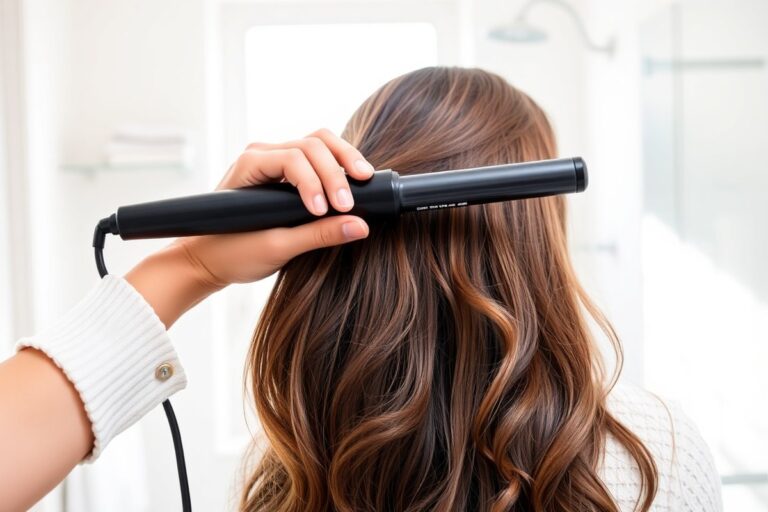
How to Straighten Straight Hair: 8 Proven Methods That Work Safely
How to straighten straight hair starts with drying your hair the right way. Rough dry it until about 80% done by shaking the dryer back and forth. This method speeds up drying and keeps hair from frizzing.
Next, switch to a wide, natural bristle paddle brush when your hair is about 75% dry. Brush your strands straight and finish the drying process to polish the look. Brushing in the direction of your hair helps it lay flat and smooth.
Using heat carefully matters to avoid damage while still getting a sleek finish. Always make sure hair is mostly dry before adding heat.
Use the temperature suited to your hair type. This will help you keep your hair healthy while straightening it well.
Key Takeaways
- Rough dry your hair until 80% dry to reduce frizz and speed drying.
- When hair is 75% dry, brush straight with a large natural bristle paddle brush.
- Finish drying with the brush to polish your straight hair.
- Use heat only on mostly dry hair to prevent damage.
- Pick a heat setting based on your hair texture and color.
- Brush in the hair’s natural direction for a smoother finish.
1. The Best Ways to Straighten Straight Hair Quickly

Your hair is already straight or just a bit wavy. You can quickly make it sleeker. A flat iron smooths strands by sealing the hair cuticle with heat.
Use a blow dryer with a round or paddle brush. It stretches your hair.
It also smooths hair while drying. Both tools help remove slight waves or frizz quickly.
Products also matter. Apply a lightweight smoothing serum or cream to damp hair to help keep strands sleek. Avoid heavy products near the roots.
They can weigh hair down and make it look flat. Using a heat protectant spray reduces damage from styling tools and helps the straightening last longer.
Another easy method is twisting hair into a bun after drying. This gentle pressure smooths natural waves down. It keeps hair straight for hours.
Sometimes, it lasts all day. It’s a quick fix when you want fresher hair without more heat.
Follow these simple steps for quick, smooth hair. This works best with mostly straight or slightly wavy hair.
- Apply a heat protectant spray evenly on damp hair to prevent damage.
- Use a smoothing serum or cream on the mid-lengths and ends, avoiding roots.
- Blow dry hair using a paddle or round brush, pulling hair taut as you dry.
- Set your flat iron to an appropriate temperature, between 300°F and 370°F, for your hair type.
- Separate hair into small sections for even straightening with the flat iron.
- Run the flat iron slowly along each section, one or two passes to avoid heat stress.
- For a non-heat option, twist damp hair into a low bun and let it dry completely.
- Finish by applying a light glossing serum to tame any flyaways and add shine.
2. How to Protect Hair from Heat Damage When Straightening

The best way to protect your hair is to use a heat protectant spray. Also, lower your styling tool’s temperature. This helps reduce heat damage.
These steps help keep your hair hydrated and prevent breakage while you straighten. You want to apply the product evenly and use a moderate heat setting for your straightener.
Why Heat Protectants Matter
Heat protectants create a shield on your hair strands. This shield stops heat from stripping moisture and damaging the hair cuticle.
Without protection, heat styling dries your hair and makes it prone to split ends and breakage. Using a heat protectant reduces these risks.
Choosing the Right Heat Protection Product
Look for a heat protectant specifically made for flat ironing or heat styling. Sprays are the easiest to apply evenly and usually cost $10 to $20.
Some popular options include Aussie Total Miracle Heat Protectant Spray and silicone-based formulas. These sprays coat your hair without weighing it down.
Applying Heat Protectant Correctly
Spray the product from about 6 inches away on fully dry hair. Make sure you cover all sections evenly before heating.
Use a comb or your fingers to spread the spray from roots to ends. Do this gently to avoid tangles or damage.
Safe Temperature Settings for Straight Hair
Keep your flat iron between 300°F and 350°F for straight or slightly wavy hair. Higher heat increases damage risk without adding straightening power.
Choose lower temperatures if your hair is fine or fragile. Thick or coarse hair can tolerate slightly higher heat but avoid going over 365°F.
Checklist to Protect Hair While Straightening
- Always start with completely dry hair
- Apply heat protectant spray evenly from roots to ends
- Comb hair gently to spread product
- Set flat iron between 300°F and 350°F
- Straighten each section max two to three times
- Give hair breaks between passes to avoid overheating
- Use a polishing serum after straightening to seal moisture
Do not skip the heat protectant spray even if you are in a rush. It saves your hair from long-term damage.
3. Prepping Straight Hair for the Best Straightening Results
Prepping your hair well sets the stage for smooth, straight results. Washing with the right products, drying gently, and detangling carefully can prevent frizz and damage. These steps help make the straightening process quicker and more effective.
Using the Right Shampoo and Conditioner
Choose a gentle, sulfate-free shampoo paired with a hydrating conditioner. These products keep your hair clean without stripping natural oils or leaving it dry. Look for products labeled “smoothing.”
They add moisture and reduce frizz. This helps strands lie flat for straightening.
After shampooing, apply conditioner mainly to the mid-lengths and ends of your hair. Avoid heavy conditioners near the scalp to prevent greasiness. Use a nourishing hair mask once a week.
It boosts softness and manageability. This works well if your hair feels dry.
Drying Hair for Straightening Success
Start drying by blotting your hair gently with a towel. Avoid rubbing as it causes frizz and breakage.
Let your hair air-dry for 5 to 10 minutes before brushing or styling. This step cuts down on heat damage by minimizing blow-dry time.
Use a blow-dryer with a nozzle attachment set to medium heat and low speed. Aim the airflow downward and brush your hair straight as you dry to smooth the cuticles. Keep the dryer about 6 inches away to protect your strands from overheating.
Detangling and Sectioning Tips
Detangle your hair before drying to avoid breakage and make straightening easier. Use a wide-tooth comb or detangling brush. Start combing at the ends.
Work your way up gently. Wet hair is more fragile, so be gentle during this step.
Once your hair is dry, part it into sections before straightening. Use clips to hold sections apart for even heat distribution. Smaller sections help you get each strand straight without repeating strokes, reducing heat exposure.
- Wash hair with a gentle, sulfate-free shampoo to clean without drying.
- Apply a smoothing conditioner mainly on mid-lengths and ends.
- Gently towel-blot hair to remove excess water without creating frizz.
- Let hair air-dry for about 5 to 10 minutes before brushing.
- Blow-dry with a nozzle on medium heat, brushing hair straight downward.
- Detangle hair using a wide-tooth comb, starting from the tips.
- Section dry hair into manageable parts and clip each section separately.
- Ready your straightening tool for use on prepared, smooth hair sections.
4. Heat-Free Techniques to Straighten Hair at Home
Heat-free straightening methods gently smooth hair without causing damage. Wrapping, rolling, and banding stretch hair, reducing waves and curls. These methods take time but keep your hair healthy and frizz-free for a day or two.
The Hair Wrapping Method
Hair wrapping smooths hair by wrapping it flat around your head. It uses the hair’s own weight to keep strands straight overnight. This method works best on medium to long straight or slightly wavy hair.
Start with freshly washed, damp hair. Use a light leave-in conditioner or smoothing serum to reduce frizz. You’ll need a wide-tooth comb and bobby pins or hair clips.
- Comb hair thoroughly to remove tangles and create a smooth base.
- Part hair down the middle, then begin wrapping one side flat against your scalp.
- Hold strands tight but gentle and pin them to your head near the nape.
- Repeat on the other side, keeping the hair snug to avoid bumps.
- Cover with a silk or satin scarf to protect the style while you sleep.
Hair must be fully dry before unwrapping to avoid waves reforming. Wrapping can keep hair straight for a full day but will relax if exposed to moisture. Avoid wrapping too tight to prevent breakage or discomfort.
Using Large Rollers for Straightness
Large rollers stretch hair to reduce curls and waves overnight. Velcro or foam rollers are best for gentle straightening without heat. They work well for medium to long hair that holds shape when dried.
To get smooth results, apply a natural smoothing mask or conditioner before rolling. Make sure hair is damp but not soaking. Roll large sections starting near the scalp, then secure with clips if needed.
- Divide damp hair into large, even sections using clips.
- Roll each section tightly on a large roller from ends to roots.
- Secure rollers with clips or pins to hold tension.
- Allow hair to air dry completely or sleep overnight with rollers in place.
- Carefully remove rollers and finger-comb strands to smooth them out.
This method reduces curl intensity and adds volume without heat. Results last a day or two unless exposed to humidity. Rollers gently stretch hair but won’t create pin-straight looks like flat irons.
Hair Banding and Setting Sprays
Banding straightens hair by wrapping elastic bands around sections. It stretches curls and waves, especially for thicker hair types. Use soft fabric bands to avoid dents or breakage in your hair.
Start with slightly damp hair and a light leave-in product or anti-frizz spray. Divide hair into several horizontal sections for easier banding. Don’t wrap bands too tight; they should hold hair snug but not painfully.
- Section hair horizontally from nape to crown depending on thickness.
- Place a soft band around a section near the roots.
- Wrap the band down the hair length, twisting it gently 2-3 times.
- Repeat for each section until all hair is banded smoothly.
- Let hair air dry fully or sleep with bands in place overnight.
- Remove bands gently and run fingers through hair for a smooth finish.
Adding a heatless setting spray helps hold straightness longer without stiffness. The effect usually lasts one to two days. Avoid bands that are too tight to prevent scalp discomfort or hair stress.
5. Choosing the Right Tools and Products for Straight Hair
Good flat irons for straight hair heat evenly and let you adjust the temperature. Low-quality tools create hot spots that can scorch your hair. Look for titanium or ceramic plates for smooth gliding without pulling or snagging.
Adjustable heat up to 350°F is good for your hair type. Straight or slightly wavy hair doesn’t need very high heat. Use this setting to avoid damage.
Use a straightening brush with a flat iron to save time. It helps detangle hair and smooth it all at once. This combo works well for your hair.
A boar bristle brush or ceramic straightening brush helps distribute heat without damaging hair strands. These brushes work best if your hair is mostly straight, as they won’t fight strong curls.
Heat protectants are a must to prevent damage during straightening. Pick sprays or creams that form a thin barrier against heat up to 450°F. Apply to damp hair before drying or before flat ironing.
Lightweight serums reduce frizz and add shine after styling without weighing your strands down. Avoid heavy oils that can make hair greasy or limp.
| Tool/Product | Best For | Key Feature | Price Range |
|---|---|---|---|
| Ceramic Flat Iron | Straight and slightly wavy hair | Even heat, smooth plates, adjustable temp to 350°F | $50-$150 |
| Titanium Flat Iron | Thicker hair needing faster heat | Lighter, heats quickly, durable plates to 450°F | $100-$200 |
| Ceramic Straightening Brush | Slightly wavy or straight hair | Heated bristles detangle and smooth in one pass | $40-$100 |
| Heat Protectant Spray | All hair types | Protects up to 450°F, lightweight, no buildup | $15-$35 |
| Styling Serum | Frizz control for dry or humid climates | Adds shine, smooths flyaways, won’t weigh hair down | $15-$40 |
These tools and products help you get smooth strands without extra damage. You can keep your flat iron temperature lower for straight hair, which reduces heat stress. Using the right heat protectant adds an essential safety layer.
Lighter serums are best for straight hair. They prevent buildup and keep hair light and bouncy. Avoid heavy products to maintain your hair’s natural feel.
Don’t hold the flat iron too long on one spot. This prevents burning or damaging your hair strands. Move the iron smoothly for best results.
Flat ironing is best after blow-drying with a round brush. This step helps fine or slightly wavy hair look extra smooth. It’s a good finishing touch for straight styles.
This combo reduces overall heat exposure. A straightening brush can save time but may not fully straighten thicker waves.
Heat protectants should be your first styling product on damp hair. Then finish with a serum to lock in smoothness and cut down frizz through the day.
6. Common Straightening Mistakes and How to Fix Them
Frizz after straightening usually comes from moisture or heat damage. Your hair must be fully dry before using a flat iron.
Steam inside damp strands causes frizz and weak spots. Always let your hair air dry or blow dry it completely before straightening.
Using too much heat can cause uneven straightening. Passing the iron over thick sections many times also causes flat iron marks. Try working with smaller sections, no bigger than one inch wide.
This makes your styling faster and helps avoid going back repeatedly over the same hair. Also, keep your flat iron set between 300°F and 350°F for straight hair to prevent scorching.
Heat damage and dryness show as brittle strands and split ends. Don’t straighten hair every day if you can avoid it.
Using a heat protectant spray before straightening adds a barrier against damage. Drink water and use deep conditioners weekly to maintain moisture and repair dryness.
Hair that reverts quickly often needs better prepping or product support. Applying a smoothing serum or light oil after straightening locks the style in place longer.
Also, cool your hair with a blast of cold air after straightening. This helps close the hair cuticle and makes your style last.
- Always dry hair completely before any heat styling.
- Use one-inch sections to avoid uneven heat distribution.
- Set flat iron temperature to 300, 350°F for straight hair.
- Apply heat protectant spray before straightening.
- Limit straightening to a few times per week to prevent damage.
- Use finishing serums or oils to keep hair sleek and frizz-free.
- Cool hair with cold air after straightening to seal cuticles.
Running your flat iron repeatedly over the same spot can burn your hair. Instead, hold the flat iron steady and glide it slowly down each section once.
Marks appear when the iron is too hot or moves too slowly. Adjust your speed or temperature until the hair looks smooth and shiny, not scorched.
Fixing dry, damaged hair means cutting back on heat and moisturizing regularly. You should trim split ends before straightening again if hair snaps. Rough hair means damaged ends need cutting.
Apply a leave-in conditioner every day. Use a deep treatment once a week to bring back softness.
7. How to Maintain Straight Hair Longer and Keep It Frizz-Free
Using the right styling products can keep your straight hair sleek all day. AVEDA Smooth Infusion™ Style-Prep Smoother is a plant-based option that helps fight frizz and humidity.
Use a small amount on damp hair before drying or straightening. Focus on the mid-lengths and ends.
Humidity makes straight hair frizz by adding moisture that causes strands to swell. Keeping your hair covered and sealed helps stop this.
Sleeping on a silk pillowcase reduces friction and prevents your hair from becoming fuzzy overnight. Wrapping your hair in a silk or satin scarf at night also protects the style.
For quick touch-ups without restyling, use a light serum or smoothing spray on dry hair. Take a pea-sized amount and rub your palms together.
Smooth it over top layers and ends gently. Avoid heavy oils, as they can weigh hair down and cause buildup over time.
- Use a silk pillowcase or satin scarf while sleeping
- Apply AVEDA Smooth Infusion™ Style-Prep Smoother to damp hair
- Use a light smoothing spray or serum for midday touch-ups
- Keep a travel-size anti-frizz spray in your bag for humidity
- Avoid heavy oils that damage hair long-term
- Wrap hair in a loose clip or scrunchie to maintain shape
You can tame frizz throughout the day with a soft-bristle brush. Run it lightly over your hair’s surface. Puffing near your face needs a quick mist of anti-frizz spray.
Or apply a few drops of lightweight serum. For stubborn flyaways, a dry shampoo or hairspray can add hold without crushing volume.
Keeping your hair straight longer also means avoiding excess moisture. Stay out of steamy bathrooms and avoid getting caught in rain. Dry your hair right away with low heat if it gets damp.
This stops waves or curls from forming. These habits help your straight style last well beyond the morning.
8. When to Seek Professional Help for Hair Straightening
Look for signs like excessive breakage, constant dryness, or frizz that won’t smooth out. These usually mean your hair is damaged and needs a professional’s care to avoid worsening.
Your hair may feel rough or look dull after heat styling. Pause home treatments and see a stylist for advice.
Permanently straightening hair often calls for a salon visit. Products like chemical relaxers offer long-lasting straightness but can harm fragile hair without expert handling.
Professionals manage risks and apply treatments safely. They use lower heat settings between 250°F and 320°F. This protects fine, color-treated, or damaged hair.
You should get routine touch-ups for permanent straightening every 6 to 12 weeks. The schedule depends on how fast your hair grows. This keeps roots and new growth straight without over-processing the rest.
A licensed stylist knows when it’s time for your next session. They give advice based on your hair type and health.
Your fine or color-treated hair may feel weak or chemically treated. A stylist will choose gentler options like smoothing creams or light relaxers. These treatments are less harsh than full chemical straightening.
They keep your hair shiny and soft while maintaining straightness. Trying these at home risks uneven results or damage.
Never attempt permanent straightening on hair showing lots of split ends or recent chemical damage. Let a professional assess first.
Step-by-Step Action Plan for Perfectly Straight Hair
Follow these steps to straighten your straight hair safely and keep it looking smooth longer.
- Before you start: Wash your hair with a smoothing shampoo. Check that hair feels clean but not dry.
- Right after washing: Apply a heat protectant spray evenly over damp hair. Hair should feel slightly damp, never wet.
- Within 30 minutes: Blow-dry your hair using a brush, aiming for straight strands. You’ll know it’s ready when all sections feel dry and smooth.
- Immediately after drying: Use a flat iron set to a medium temperature, around 300°F. Run it through small sections once or twice until perfectly straight.
- Daily maintenance: Use a light serum or anti-frizz spray. Apply it on dry hair. This helps keep moisture in and stops frizz.
- Every few days: Give your hair a break from heat styling. Try heat-free straightening instead. You can wrap your hair overnight.
- Weekly: Use a deep conditioning treatment to repair and strengthen your hair. You’ll notice less breakage and smoother hair.
- Monthly: Check your hair tools for wear or damage. Replace any that don’t heat evenly to prevent hair damage.
Frequently Asked Questions
Can I Straighten My Hair Better by Wrapping It While Air-Drying?
Yes, wrapping your hair while air-drying can help it stay very straight. Use bobby pins to hold your hair in place for the wrapping method to work best.
Does Rough Drying Help Straighten Naturally Straight Hair?
Rough drying helps by shaking the hair with a dryer until it’s mostly dry. This stops frizz and keeps straight hair smooth without extra heat.
Can I Use Retexturizing Creams for Straight Hair at Home?
Retexturizing creams can break keratin bonds to make your hair smoother. Use them carefully as they chemically alter the hair for a straighter look.
Why Should I Spray Hairspray Before Straightening Hair?
A light mist of hairspray before straightening controls frizz and keeps hair straight longer. Avoid heavy sprays to prevent stiffness or buildup.
Does Twisting Hair into a Bun Make It Straighter?
Twisting hair into a bun temporarily smooths and straightens slightly wavy hair. It helps maintain a straight look without heat or chemicals.
How Often Should I Part and Brush Hair During Straightening?
Part and brush your hair multiple times while drying to keep it straight. This repeated action ensures even straightness and reduces leftover waves.
Key Points to Remember
Straightening your already straight hair works best with care and the right steps. Protect your strands to avoid damage while keeping your look sleek. Start by picking a good heat protectant and see the difference immediately.