How to Repair Thinning Hair: 8 Proven Methods That Really Work
How to repair thinning hair starts with treating the scalp and hair gently. Use proven methods like topical treatments, scalp massage, and good nutrition.
These work by stimulating growth and preventing more loss. So hair can get thicker again.
Start by choosing the right topical treatment or natural oil that fits your needs. Rosemary oil, for example, has shown to be as effective as some minoxidil formulas. Keep your scalp healthy and avoid harsh chemicals or heat styles that damage hair.
Patience matters because hair growth can take months to show changes. Consistency with your routine gives your hair the best chance to recover and thicken. Avoid stopping treatments early since hair loss can come back quickly without ongoing care.
Key Takeaways
- Choose gentle, evidence-based topical treatments like rosemary oil or minoxidil.
- Massage your scalp daily to boost blood flow and encourage hair growth.
- Use mild shampoos and avoid harsh heat or chemical damage.
- Eat a balanced diet rich in vitamins and minerals for hair health.
- Be patient, hair growth improvements need at least 6 to 12 months.
- Stick to your hair care routine without skipping treatments.
1. How to Repair Thinning Hair: Proven Methods That Work
Repairing thinning hair works best when you start early and stick to proven methods. Medical treatments like minoxidil have strong scientific backing and are often the most effective. Natural options like rosemary oil may help with hair thinning.
It offers a gentle alternative or adds to medical treatments. Many people use it alongside other treatments for better results.
Home remedies can improve your hair’s strength, but don’t expect quick fixes. Combining treatments like a targeted shampoo, conditioner, and hair thickening treatment daily supports healthier hair. An experienced hairdresser can also suggest styles that hide thinning and make your hair look fuller.
Here are practical steps to help repair thinning hair. Follow these to give your hair the best chance to grow back thicker and stronger.
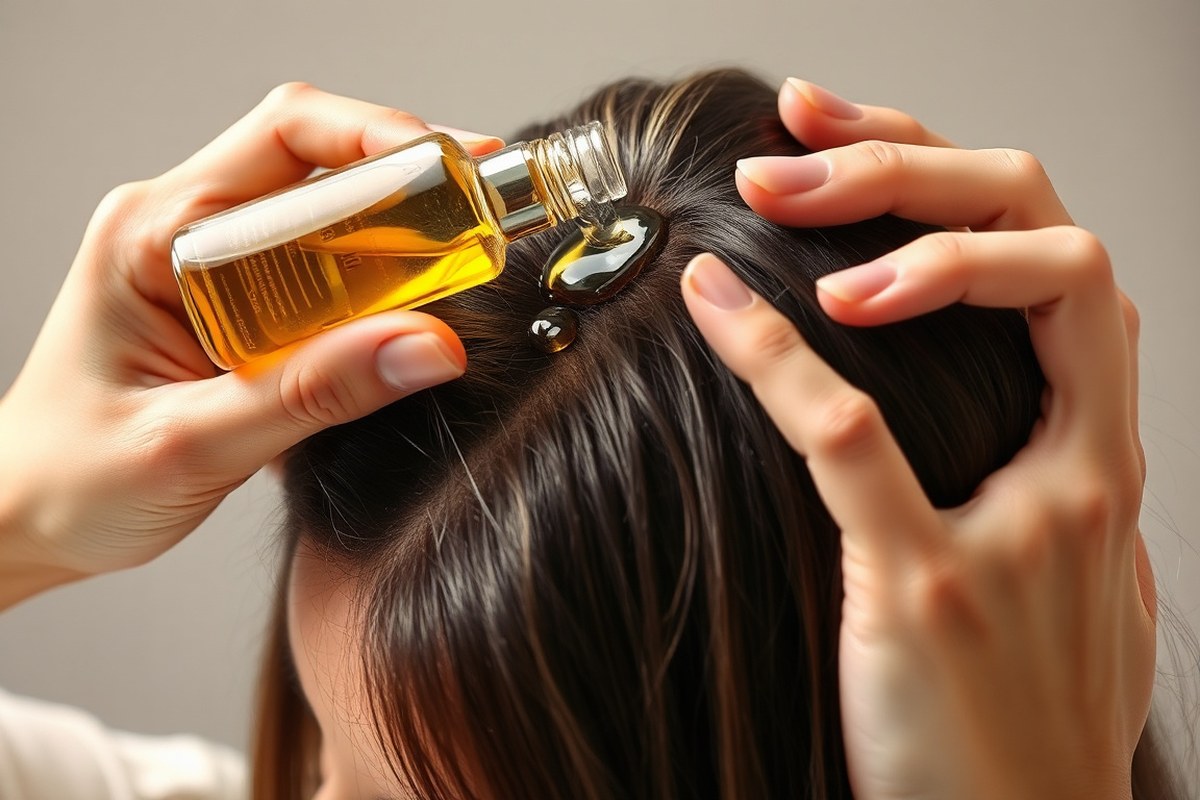
- Use a proven topical treatment. Apply minoxidil or rosemary oil twice daily. Minoxidil is the most effective and can cost about $30 to $40 per month. Rosemary oil offers a natural option and is less likely to cause irritation.
- Choose a shampoo and conditioner designed for thinning hair. Look for kits that include these products, like System 1 kits. Use them daily to reduce hair loss and nourish your scalp.
- Incorporate hair masks once or twice a week. They provide deep nourishment and repair dry, weak hair. Masks usually take 10 to 20 minutes and help improve hair texture.
- Massage your scalp regularly. Spending 5 minutes daily on scalp massage boosts blood flow and supports hair growth.
- Consult a dermatologist if thinning continues. A professional diagnosis ensures treatments fit your specific cause. Some medical conditions need tailored care for better results.
- Avoid harsh hairstyling and heat tools. Overuse can worsen thinning. Keep styles simple and let hair air-dry when possible.
- Be patient and consistent. Hair regrowth usually takes 3 to 6 months to show. Stopping treatments too soon limits progress.
| Method | Effectiveness | Time to See Results | Cost (Monthly) | Notes |
|---|---|---|---|---|
| Minoxidil (Topical) | High | 3, 6 months | $30, $40 | FDA-approved, can cause scalp irritation |
| Rosemary Oil (Natural) | Moderate | 3, 6 months | $10, $20 | Comparable to low-strength minoxidil, gentle |
| Hair Thickening Shampoo Set | Moderate | 1, 3 months | $20, $50 | Supports scalp health and hair volume |
| Scalp Massage | Supportive | Ongoing | Free | Improves blood flow, helps other treatments |
2. Common Causes of Thinning Hair You Need to Know

Genetics is the leading cause behind thinning hair for both men and women. Hair loss happens slowly and follows certain patterns.
Men often thin at the crown or temples. This hereditary type of thinning is called androgenetic alopecia and affects millions in the U.S.
Hormonal changes also trigger thinning hair, especially during life events like postpartum or menopause. Many women shed hair after birth. This usually stops in a few months.
Hormone levels balance out during this time. Menopause causes estrogen levels to drop.
This can thin hair over time. Targeted treatment might help improve it.
Temporary thinning often appears suddenly and spreads widely, unlike genetic thinning, which is slow and patterned. Stress, extreme weight loss, and harsh environmental factors like pollution can cause this sudden thinning.
When you fix the stress or health issue, hair might grow back. This usually takes several months.
Doctors often identify causes by examining hair loss patterns and personal history. They distinguish genetic loss from temporary shedding by these differences.
For example, genetic thinning is steady and patterned. Stress-related loss appears suddenly and all over.
Environmental damage and lifestyle play a big role too. Constant exposure to pollutants and heavy stress speeds up thinning. Reducing exposure and managing stress can slow hair loss even if genetics are involved.
Track recent weight loss or stress and tell your doctor if hair thins all over suddenly.
3. Best Topical Treatments: Medications and Oils Compared
Minoxidil and essential oils like rosemary both support hair growth. But minoxidil has stronger evidence and FDA approval. Minoxidil works faster than many other treatments.
It is the only medication proven to slow hair thinning. Many people also see hair regrow with it. Essential oils come from natural plants and soothe your scalp.
They do not have enough proof to treat serious thinning. You should not rely on them alone.
FDA-approved Topical Medications
Minoxidil is the most common FDA-approved topical medication for hair thinning. Minoxidil comes in 2% and 5% solutions or foam. Both men and women can use these forms.
You can choose the one that suits you. Apply minoxidil twice a day to a dry scalp near thin areas.
This can slow hair loss. Hair may start to regrow after 4 to 6 months.
Typical side effects include scalp irritation and unwanted facial hair if it spreads beyond the scalp. Other medications like finasteride require a prescription and are often combined with minoxidil for better results. Both medications cost around $30 to $60 per month, depending on brand and strength.
Popular Essential Oils Backed by Research
Rosemary oil helped hair grow like 2% minoxidil in a 2015 study. The study had 100 participants and lasted six months. Peppermint, lavender, and cedarwood oils show promise for scalp health.
They may also stimulate hair growth. Always dilute essential oils in carrier oils like jojoba first. This prevents skin irritation.
Essential oils are widely available and less expensive than medications but lack FDA approval. They may help reduce scalp inflammation and boost circulation. However, they aren’t a replacement for proven medications if you’re experiencing advanced hair thinning or baldness.
| Feature | Minoxidil | Rosemary Oil |
|---|---|---|
| FDA Approved | Yes | No |
| Usage Frequency | Twice daily | Once or twice daily |
| Application Area | Scalp only | Scalp with carrier oil |
| Onset of Results | 4 to 6 months | 6 months (less certain) |
| Costs | $30 to $60 per month | Under $20 per month |
| Common Side Effects | Scalp irritation, unwanted hair growth | Scalp irritation if undiluted |
Correct Application Techniques for Best Results
For minoxidil, use a half capful of foam or 1 ml of liquid per application. Apply it directly to the dry scalp, focusing on thinning areas. Let it dry fully before using other hair products or going to bed.
Essential oils must be diluted first. Mix about 3 to 5 drops of rosemary oil with 1 tablespoon of carrier oil. Massage it gently into the scalp twice daily to improve circulation and reduce inflammation.
Avoid applying oils or medications on wet hair or scalp. Consistency matters: regular application for at least six months is needed for noticeable results.
Stop using if you get irritation or a rash. Talk to a healthcare professional right away.
4. How Scalp Massage Supports Hair Regrowth
Massaging your scalp regularly can help improve blood flow to your hair follicles. This boost in circulation supports hair growth and can even reactivate dormant follicles. A daily 10- to 20-minute scalp massage is often enough to see benefits over several months.
Benefits of Scalp Massage for Hair Health
Scalp massage stimulates blood flow, which brings oxygen and nutrients to hair follicles. This nourishment helps strengthen hair and may extend the growing phase of each strand. Massage can also reduce stress, a common trigger of hair thinning.
Research shows scalp massages can slow hair loss. They also help new hair grow. Doing them regularly gives the most benefit.
For example, nearly 70% saw thicker hair. They massaged daily for 11 to 20 minutes.
This lasted up to 14 months. This simple habit supports overall scalp health and may complement other treatments.
Step-By-Step Massage Routine
Follow these steps to give a proper scalp massage. Use your fingertips to avoid scratching or irritating the scalp. You can massage dry hair or add light oil.
Oil helps your fingers glide without pulling. Both ways work for scalp massage.
- Part your hair into sections using your fingertips to access all scalp areas.
- Press your fingertips gently against your scalp, avoiding nails.
- Move your fingertips in small circular motions for 3 to 5 minutes per section.
- Cover the top, sides, and back of your head, making sure each area gets attention.
- Apply gentle upward strokes along the hairline and temples to stimulate circulation.
- Focus on any areas where your hair thins the most.
- Repeat this daily for 10 to 20 minutes, adjusting time to your comfort.
Choosing the Best Oils to Use
Adding oils can improve massage benefits by boosting scalp health and circulation. Peppermint oil is popular because it stimulates blood flow and feels refreshing on the scalp. Use it diluted to avoid irritation.
Oils rich in omega-3s and vitamin E, like jojoba or argan oil, also nourish your scalp. Mix a few drops of essential oils into carrier oil. Rosemary or lavender oils are good choices.
This blend feels nice on the scalp. Massage these blends in twice daily for better results.
5. Role of Supplements and Nutrition in Hair Health
Your diet directly affects hair follicle health because hair cells regenerate fast. Lack of proteins, fatty acids, iron, and vitamins can weaken hair and cause thinning. Making sure you get enough of these nutrients supports hair growth and reduces breakage.
Some supplements show promise for improving thinning hair. Biotin, collagen, and B-complex vitamins help strengthen hair strands. Iron and folic acid help your hair follicles work well.
They stop hair loss caused by missing nutrients. These minerals are very important for healthy hair. Fish oil and other omega-3 fatty acids help fight scalp inflammation, which can slow hair growth.
- Biotin supports keratin production and hair strength.
- Collagen promotes scalp skin health and hair elasticity.
- Iron improves oxygen delivery to hair follicles.
- Folic acid aids in cell regeneration in follicles.
- Omega-3 fatty acids reduce inflammation and promote growth.
- Vitamin D helps with the hair growth cycle regulation.
- Zinc supports hair tissue repair and growth.
Adding supplements usually helps if your diet lacks these nutrients or if blood tests show deficiencies. Keep in mind supplements take 3 to 6 months to show effects. Eating a balanced diet helps reduce the need for pills.
Include lots of protein, vegetables, and healthy fats. Good food supports your hair naturally every day.
Don’t go overboard with supplements. Too much iron or vitamin A can cause hair loss instead of preventing it.
Regularly updating your diet is easier than relying solely on supplements. Foods rich in iron include spinach and legumes, while salmon and walnuts provide omega-3s. Protein sources like chicken, eggs, and dairy help keep hair follicles strong.
The cost of supplements varies but many good options start around $10 to $20 per month. Before starting, talk to a healthcare provider to avoid excess intake or interactions.
6. Understanding Hair Thinning Treatments: Devices and Procedures
Advanced options for thinning hair include laser therapy, PRP injections, and corticosteroids. Each works differently and suits different needs. These treatments have benefits and some risks you need to understand before trying them.
Low-Level Laser Therapy Options
Low-level lasers target hair follicles to boost growth. You can buy laser caps or combs for use at home. These often require daily use for several months.
Prices usually fall between $200 and $900. Success depends on steady use and your hair loss cause.
Laser therapy is painless and considered safe. But it won’t fix hair thinning caused by medical problems. It helps best with mild to moderate thinning.
Major hair loss may reduce its effectiveness. Always talk to your dermatologist before starting laser treatment to check if it’s right for you.
Platelet-Rich Plasma (PRP) Overview
PRP uses your blood’s own platelets to promote hair growth. Doctors draw your blood, process it to concentrate platelets, and inject it into your scalp.
This can help especially if topical treatments haven’t worked. But you’ll likely need several sessions spaced weeks apart.
Some studies say PRP might increase hair thickness. Research is ongoing, and treatment costs can be high. Each PRP session can cost from $500 to $2,500.
You may need repeat visits every few months. Side effects are rare but may include mild pain or swelling at the injection site.
Corticosteroid Treatment Explanations
Corticosteroids reduce inflammation that harms hair follicles. Doctors usually inject these steroids into the scalp for conditions like alopecia areata. This approach can help regrow hair in patches but is not typically used for general thinning.
Topical corticosteroids are also available but tend to be less effective than injections. Overuse or improper use may cause thinning skin or irritation. Always use corticosteroids under medical supervision, as misuse can worsen hair loss rather than improve it.
7. Common Mistakes When Treating Thinning Hair and How to Avoid Them
Many people make mistakes when treating thinning hair that slow progress or cause more damage. One common error is overusing products like oils or serums. Using too much product can weigh down your hair.
It may also irritate your scalp. Both can make hair look thinner and slow regrowth. Use only the recommended amount of product.
For example, a dime-sized drop of oil once a day. This helps avoid buildup.
Harsh styling habits also harm thinning hair. Using excessive heat tools or tight hairstyles weakens follicles and leads to breakage. Stay below 350°F with flat irons or curling wands.
Use these tools no more than twice a week. This helps prevent hair damage. Skip hairstyles that pull tightly, like high ponytails or braids, to reduce strain on roots.
- Don’t use too many products at once; keep your routine simple.
- Choose mild, glycerin-based styling products to maintain hydration.
- Cut back on heat styling to protect fragile hair shafts.
- Wear loose hairstyles to avoid pulling on roots.
- Follow the instructions for all topical treatments strictly.
- Set realistic goals: expect slow, gradual improvements over months.
- Track progress monthly with photos to stay motivated.
It’s easy to expect quick fixes and get discouraged. Hair regrowth often takes 3 to 6 months of consistent care to show visible results. Stick to your hair treatment routine for the long term.
Don’t quit treatments early. Otherwise, you risk losing progress. Avoid changing products too frequently, since that disrupts your scalp’s balance.
Be patient but watch for signs of irritation like redness or itching. Notice irritation or buildup? Cut back on the product you use.
Take breaks from applying it. Healthy scalp care and avoiding damage are key. They help stop thinning hair.
This encourages hair to look fuller over time. A slow, steady approach works better than trying every new treatment at once.
8. When to Consult a Dermatologist for Hair Thinning
New or sudden hair thinning needs a medical checkup. Spot bald patches or quick shedding? Book a visit with a dermatologist.
They can check if a health problem causes your hair loss. They also see if other things might be the cause.
Write down your hair care habits and any recent changes before the appointment. Jot simple questions like: What’s causing my hair loss? Are there treatments with good success?
Which side effects should I watch for? This helps use the limited time well.
Doctors often check the scalp for inflammation or pattern. They may run blood tests to measure iron, thyroid, or hormone levels. Sometimes, a scalp biopsy uncovers hidden conditions.
Lab fees vary but can start around $50 to $200. Treatment might include prescription drugs, topical medicine, or advice on lifestyle and nutrition.
Expect a realistic timeline, hair growth is slow. It can take 3 to 6 months to notice changes. A dermatologist may suggest minoxidil or finasteride.
Use them regularly for months to see results. Stopping treatments too soon might cause hair loss to return. Your doctor will monitor progress and adjust plans accordingly.
Consider scheduling a follow-up after three months. This ensures treatments work or need changing. Some causes of hair loss need more complex care.
So a professional’s early review is wise. Don’t wait too long. Catching problems early gives the best chance to protect your hair.
Notice any scalp pain, itching, or rapid hair loss. Write these down before your visit. Share them with your doctor.
Your First 30 Days: A Quick-Start Plan
Follow these steps to begin repairing your thinning hair safely and effectively. Track your progress to adjust as needed.
- Before you start: Assess your hair health and note thinning areas. Take photos to compare later.
- Day 1: Choose a gentle shampoo and conditioner made for thinning hair. Use daily and watch for less breakage.
- Week 1: Add a scalp massage routine. Spend 5 minutes daily, noticing any change in scalp feeling or sensitivity.
- Week 2: Begin applying a topical treatment like minoxidil or natural oils. Track hair shedding or growth in photos weekly.
- Week 3: Start taking a multivitamin with biotin or zinc if your diet lacks these. Notice overall hair strength over the month.
- Week 4: Evaluate your hair care habits: avoid heat styling and harsh chemicals. See if your hair feels less dry or damaged.
- After 4 weeks: Review your photos for signs of new growth or less thinning. Keep treatments as directed or consult a dermatologist.
Frequently Asked Questions
Can Frequent Shampooing Cause or Worsen Thinning Hair?
Frequent shampooing usually does not cause thinning hair. Gentle shampoos keep your scalp clean and healthy. Avoid harsh ingredients that dry out your scalp, as dry scalp can lead to breakage.
Are There Specific Hairstyles That Prevent or Worsen Hair Thinning?
Tight hairstyles like ponytails or braids can worsen thinning. They pull on hair and damage follicles over time. Choose loose styles to avoid unnecessary stress on your scalp.
Can Stress Affect the Rate of Hair Thinning?
Yes, stress can speed up hair thinning through a condition called telogen effluvium. Managing stress with exercise or relaxation techniques may slow hair loss and improve hair health.
Does Using Hot Tools Like Straighteners Impact Hair Thinning?
Heat styling tools do not directly cause thinning but can weaken hair strands. Frequent heat can make hair brittle, leading to breakage that looks like thinning. Use heat protectant sprays and keep temps moderate.
Is Hair Thinning Reversible If Caught Early?
Hair thinning can be slowed or partly reversed if you act early. Treatments work best before follicles are permanently damaged. Early diagnosis and care improve chances of regrowth.
Are Natural Oils Safer Than Medications for Treating Thinning Hair?
Natural oils like rosemary are safer but usually work slower than meds. They help improve scalp health and circulation. Medications may be stronger, but oils offer fewer side effects.
The Bottom Line
Repairing thinning hair takes time and consistent care. Focus on gentle treatments and healthy habits. Start your plan today and watch your progress grow.