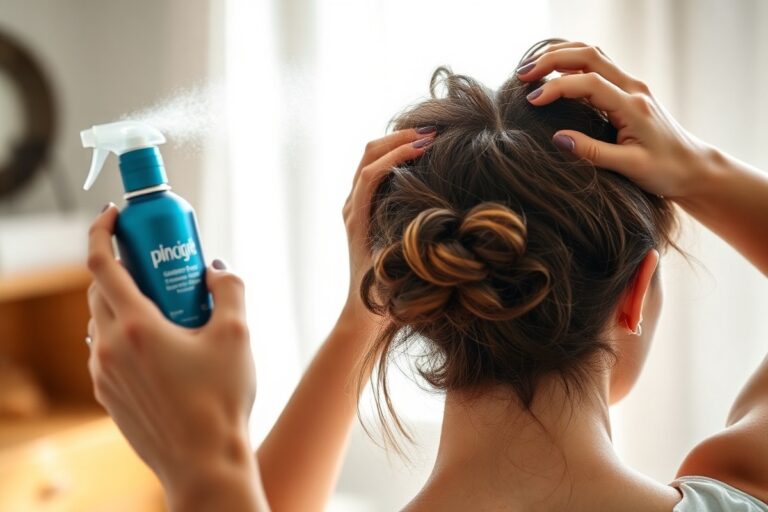
What Happens If You Use Purple Shampoo on Brown Hair? A Complete Practical Guide
Using purple shampoo on brown hair depends on your hair’s undertone. This shampoo mostly works on yellow or brassy shades. Dark natural brown hair usually stays the same after using it.
It works best on lightened brown hair with highlights or balayage. Those lighter parts show brassiness, and purple shampoo can neutralize that by about 24%. For pure brown hair without lightening, expect little or no visible effect.
Only apply purple shampoo to damp hair. Keep it on for 2 to 3 minutes. Then rinse it out thoroughly.
Leaving purple shampoo on too long may cause unwanted violet tones. This effect shows up more on lighter hair strands.
Wash it off as soon as the brassy tone fades. Start with a short application and see how your hair reacts.
Key Takeaways
- Purple shampoo targets yellow tones, not overall brown hair color.
- It reduces brassiness by roughly 24% on lightened brown hair.
- Natural dark brown hair won’t show much change after use.
- Apply purple shampoo to damp hair, leave for 2 to 3 minutes.
- Don’t leave it on over 5 minutes to avoid purple tinting.
- Avoid using purple shampoo right after bleaching. Wait two to three days before applying it. This helps protect your hair from damage.
What Happens If You Use Purple Shampoo on Brown Hair?

Purple shampoo does not lighten brown hair because it does not have bleaching agents. It works by neutralizing yellow and brassy tones, especially in lightened or highlighted sections. Your natural brown hair usually won’t change color much with purple shampoo.
Purple shampoo helps reduce brassiness on lightened brown hair. It works well on balayage or highlights. Studies show it cuts gold tones by about 24%.
This makes lighter parts look cooler and fresher. The purple pigment cancels out yellow and gold tones. These often appear after sun or heat styling.
Applying purple shampoo to dark natural brown hair may leave a slight purple or blue tint. This happens if the shampoo sits too long or is used too often.
Purple pigment deposits on very dark cuticles that can’t lighten. This creates a faint cool hue, not full neutralization.
Brown hair with orange undertones reacts better to blue shampoo than purple. Blue tones neutralize orange and red hues better.
If your brown hair looks more fiery or coppery than yellow, purple shampoo may not help much. Blue shampoo might work better.
To get best results, wash your brown hair with warm water first. This opens the cuticles for better pigment absorption. Then apply the purple shampoo mostly on lightened or brassy areas.
Leave it on for 2 to 5 minutes depending on how brassy your hair feels. Rinsing with cooler water helps close the cuticles and lock in the toned color.
Using purple shampoo too often or leaving it on too long may cause a visible purple tint. Reduce purple shampoo use to once a week if you see blue or purple tones on your hair.
Choose a milder formula made for brown hair. It prevents over-toning and keeps your hair bright and natural.
How Purple Shampoo Works on Different Brown Hair Tones

Purple shampoo works by depositing violet pigments that cancel out yellow and warm undertones. It struggles to change fully natural brown hair. The pigment is too dark for violet to show.
This limits its effect on untreated hair. The shampoo works better on lighter brown hair.
It also helps hair with highlights. It targets yellows and brassiness well.
Brown hair with caramel or lighter highlights often shows the best results. Violet pigment neutralizes the yellow cast in those lighter sections, leaving a cooler, more balanced tone. Dark brown hair with warm undertones may see subtle shifts but rarely a strong violet tint.
Brassiness removal depends on how much yellow pigment is present. More lightness means more visible toning. Natural brunette hair without lightened strands tends to resist changing color at all.
| Hair Type | Effect of Purple Shampoo | Typical Use |
|---|---|---|
| Natural dark brown | Minimal tonal change, little brassiness removed | Rarely needed |
| Dark brown with warm tones | Subtle tone cool down, slight brassiness reduction | Occasional use, short application |
| Brown with caramel highlights | Noticeable neutralizing of yellows on highlights | Regular use, leave on 2-5 minutes |
| Light brown or mushroom brown | Effective brassiness removal, cooler tone improve | Frequent use, up to 5 minutes |
| Black hair | No tone change, acts like regular shampoo | Not recommended for toning |
Using purple shampoo on brown hair with lightened pieces lets violet bind to yellow pigments efficiently. Darker brown or natural hair has less pigment space. The violet pigment cannot attach well.
Changes are usually not visible. Leave the shampoo on 3 to 5 minutes.
This helps pigment soak into highlights. It won’t dry out dark hair.
Avoid leaving purple shampoo on natural dark brown hair too long. It rarely helps and can dry out hair.
Choosing the Right Purple Shampoo for Your Brown Hair
Choosing the right purple shampoo depends on your hair undertones. The strength of the purple pigment also matters. Your hair’s health plays a role too.
Using the right type helps neutralize unwanted brass without causing purple or gray tinting. Different brown shades and hair conditions need different products and routines to get the best results.
Match Shampoo to Hair Undertones
Look closely at your brown hair’s undertones before picking purple shampoo. Purple pigment fights yellow tones, so it works best on cool-toned, lightened brunettes.
Your brown hair has orange or copper undertones. Blue shampoo cancels those warmer tones better.
Check your hair in natural light. You see yellow brass in your hair. Purple shampoo helps freshen the color and tone.
For orange-leaning brass, try blue shampoo for roughly 31% better correction. Your hair shows mixed tones and colors.
Use purple shampoo on blonde highlights. Use blue shampoo on darker parts.
Select Pigment Strength Based on Hair Lightness
Strong purple pigments can cause noticeable violet tint on dark hair. Choose a shampoo with 0.5% to 1.5% violet pigment for dark or virgin brown hair. Lighter or previously lightened brown hair might handle stronger purple formulas for more clear toning.
Use less shampoo or shorten the contact time if you want a gentler tone. You can wash twice with a mild purple shampoo instead of one heavy use. Don’t leave purple shampoo on dark brunette hair longer than 3 to 5 minutes.
This prevents a purple tint. Wash it out well after.
Consider Hair Condition and Porosity
Porous or damaged hair soaks up pigment quickly. Leaving purple shampoo on too long may turn it purple. Rinse sooner if your hair feels dry.
Shorten your rinsing time to 1-3 minutes for fragile hair. Deeply damaged hair might need a gentler formula or a weekly treatment instead of frequent use.
Healthy hair tolerates longer use and stronger pigment better. Also, cut back on shampoo frequency if your hair dries out. Purple shampoo is a toner, not a cleanser.
Keep using your regular shampoo along with purple shampoo. It helps keep your hair clean. It also keeps your hair fresh.
Follow these steps to pick and use purple shampoo correctly:
- Identify your hair’s undertone by checking for yellow or orange brass.
- Choose purple shampoo for yellow tones and blue shampoo for orange tones.
- Pick a purple shampoo with 0.5% to 1.5% pigment if you have dark or natural brown hair.
- Test the purple shampoo on one section before full use to see the effect.
- Reduce contact time to 1-3 minutes if your hair feels dry or fragile.
- Use purple shampoo once or twice a week, not daily, to avoid buildup.
- Follow with a moisturizing conditioner to keep hair soft and healthy.
How to Safely Use Purple Shampoo on Brown Hair
Use purple shampoo on brown hair carefully to avoid over-toning or stains. Apply it mostly on damp mid-lengths and ends. Rinse within 3 to 5 minutes.
Use it once weekly. This routine helps keep brassiness down without damaging your hair.
Apply on Damp Hair, Mid-Lengths to Ends
Apply purple shampoo only to damp hair, skipping your roots. Roots often don’t need toning and can pick up the purple pigments too much. Focus on mid-lengths and ends where brassiness is usually strongest.
This approach limits uneven colouring and keeps the natural brown tones near your scalp fresh. Using damp hair makes the shampoo spread and work evenly without needing heavy application.
Rinse Within Recommended Time by Hair Shade
Rinse the shampoo out after 3 to 5 minutes, depending on your hair tone. Darker brown hair should stay closer to 3 minutes to avoid any purple tint. Lightened brown hair may tolerate up to 5 minutes for better brass removal.
Leaving purple shampoo on longer can cause a gray or lilac cast, especially on lighter strands. Always rinse thoroughly with cool water to lock in the tone and remove any excess pigment.
Limit Frequency to Prevent Dryness and Build-Up
Use purple shampoo about once a week for best results without over-toning. Too frequent use risks dryness and a grayish tint. Between uses, shampoo with your regular gentle cleanser to keep hair healthy.
Notice purple residue or dryness? Skip purple shampoo for one or two washes.
You can fix over-toning by using clarifying shampoo and then a copper-toned conditioner. This helps rebalance your hair color and moisture.
The exact steps for safe purple shampoo use are:
- Wet your hair thoroughly with warm water.
- Squeeze out excess water so hair is damp, not dripping.
- Apply a small amount of purple shampoo from mid-lengths to ends.
- Massage shampoo gently for 1 minute to spread pigments.
- Leave shampoo on for 3, 5 minutes, timing by your hair shade.
- Rinse thoroughly with cool water until all shampoo is gone.
- Follow with conditioner, avoiding roots if you want to keep volume.
- Use purple shampoo only once a week to maintain tone safely.
Common Purple Shampoo Mistakes and How to Fix Them
Leaving purple shampoo on brown hair too long can cause a faint purple or blue tint. This happens because the purple pigments in the shampoo sit on porous spots and deposit color. Usually, this tint fades after a few washes as you shampoo normally.
Rinse your hair well with warm water when there’s unwanted purple or blue tint. Wash again with a clarifying shampoo designed to strip buildup. Sometimes a gentle vinegar rinse helps break down the temporary pigment faster.
Dryness is another issue from using purple shampoo too often or with harsh formulas. Purple shampoos with low pH like Biolage Color Last smell nice. They are more moisturizing.
They are safer to use on dry or damaged hair. Switch to a moisturizing purple shampoo or use good conditioner if hair feels brittle.
Test the purple shampoo on a small hair section to avoid surprise tints or dryness.
- Leave purple shampoo on brown hair for just 2 to 5 minutes
- Rinse thoroughly to avoid leftover purple or blue pigments
- Use a moisturizing purple shampoo if your hair is dry or damaged
- Shampoo with a clarifying product within 24 hours to remove any tint that appears.
- Apply a deep conditioner or hair mask after washing
- Avoid daily use; try purple shampoo once a week or less
- Check the pH level on the label, aiming for lower pH formulas
Overusing purple shampoo can cause more buildup, leading to dullness instead of brightening. Give your hair a break and use a gentle shampoo if it feels stiff or coated. Pay attention to how your hair reacts and adjust how often you apply the product.
Moisture and tint control go hand in hand for the best results. Always condition your hair after purple shampoo to keep it soft.
Mix purple shampoo with your regular shampoo to reduce pigment strength. This helps brown hair that gets subtle tinting.
Purple Shampoo vs Blue Shampoo: Which Is Best for Brown Hair?
Purple and blue shampoos serve different purposes for brown hair. Purple shampoo adds violet pigment to cancel yellow tones. Blue shampoo works better to neutralize orange or red tones in brunette hair.
Brunettes often see orange brass from sun or heat styling. Blue shampoo coats the hair with blue pigment to reduce that orange cast. Purple shampoo mainly targets yellower brass that can appear dull or washed-out on brown hair.
| Shampoo Type | Pigment Deposited | Best For Hair Undertones | Ideal Hair Tones | Effect on Brown Hair |
|---|---|---|---|---|
| Purple Shampoo | Violet | Yellow brass | Lightened brown, blonde, gray | Brightens, cancels yellow without darkening |
| Blue Shampoo | Blue | Orange brass | Natural and dark brown | Neutralizes orange, keeps brown vibrant |
Using blue shampoo when your brown hair shows orange undertones cleans the brass better than purple. If you have yellow or pale brass, purple shampoo is more effective. The pigment difference matters because violet and blue cancel different colors on the hair color wheel.
Applying shampoo also affects results. Leave purple shampoo on for 3 to 5 minutes to deposit enough violet pigment.
Blue shampoos often require similar timing but some brunettes find shorter times prevent over-toning. Failing to rinse out enough purple pigment can leave hair dull instead of brightened.
When and Why to Use Purple Shampoo on Highlights or Balayage
Purple shampoo works best on lightened brown hair like highlights or balayage. It removes brassiness without changing your natural dark roots. Focus the shampoo only on the lighter sections to keep your hair color balanced.
Focus Application on Lightened Hair Only
Apply purple shampoo directly where the hair is lightened, such as blonde highlights or balayage strands. These parts usually have more warmth and brassiness. Your natural brown hair won’t see much change using purple shampoo.
It targets yellow and orange tones in lightened hair. So, it’s mostly for lightened hair with those tones.
Purple shampoo won’t hurt your natural brown hair. But it won’t fix copper tones much. It works best on lightened hair with unwanted brassiness.
Concentrate on the ends or mid-lengths where the highlights sit. This keeps your roots natural and prevents over-toning.
Avoid Roots to Prevent Over-Toning
Avoid rubbing purple shampoo directly into the dark roots. Purple shampoo can make roots look dull or slightly gray if used too much there. Use purple shampoo only on highlights or balayage.
These should be lightened to level 8 or higher. It won’t help darker brown hair.
Start your shampoo in the mid-length area, gently work down to the ends, then rinse. Leaving roots out preserves your natural color glow. This technique also avoids patchy or uneven tones when toning sections separately.
Adjust Contact Time Based on Highlight Level
Leave purple shampoo on lightened parts for one to three minutes. Time depends on how brassy or damaged your hair is. Shorter time for less brass, longer for more.
Very light balayage might need three minutes for full toning. Darker or slightly highlighted sections may only need one minute.
Check your hair every minute during your first try. Over toning can cause a cool lavender hue, which most brunettes want to avoid. Shorter contact time prevents purple buildup on already balanced highlights.
Applying purple shampoo two times per week can keep highlights fresh. Avoid daily use to reduce dryness since toning shampoos can be slightly drying on lightened hair.
- Wet hair thoroughly with warm water.
- Apply purple shampoo starting from mid-lengths to ends.
- Gently massage only the highlighted or balayage sections.
- Leave shampoo on for 1 to 3 minutes based on your highlight lightness.
- Rinse hair fully with cool water to seal the cuticle.
- Condition lightened hair well to combat dryness.
- Use purple shampoo 1-2 times a week for brass control.
Maintaining and improving Cool Tones Between Treatments
Maintaining purple shampoo results means using the right products regularly but not too often. Use purple shampoo once or twice a week to keep cool tones fresh and prevent brassiness. Overusing it can leave your hair with a slight purple tint, especially on lighter brown shades.
Adding a purple conditioner can help lock in the tone and keep your hair moisturized. Choose a conditioner with gentle pigments and nourishing ingredients. This extra step seals the cuticle for smoother, shinier hair that reflects cool tones better.
Your hair’s condition and porosity affect how well purple shampoo and conditioners work. Dry or damaged hair might soak up pigment unevenly, causing blotchy results. Porous hair can build up too much color from purple shampoo, so use it less.
- Use purple shampoo 1-2 times weekly, no more than 3 times
- Apply purple conditioner after shampoo for extra tone and shine
- Adjust frequency based on your hair’s dryness and porosity
- Use a deep conditioner once a week to keep hair healthy
- Rinse with cool water to help seal cuticles
- Avoid daily use to prevent purple buildup or dullness
- Use a hair mask if your ends feel dry or brittle
Only use purple shampoo after regular shampoo to avoid washing out tone.
More moisture means better tone retention, so pick conditioners rich in oils or proteins. Lightened brown hair tends to need hydration more.
So adding a weekly mask helps maintain smoothness and vibrance. Healthy hair shows color better and fades slower.
Color Fanatic Top Coat Tone and Glaze in Purple adds shine while neutralizing brassiness. Apply it after washing instead of shampoo to prevent hair dryness. Perfect for mild toning and improving your hair’s look.
Step-by-Step Action Plan for Using Purple Shampoo on Brown Hair
Follow this plan to brighten your brown hair safely and keep cool tones fresh.
- Before you start: Check your hair tone and porosity. This helps pick the right purple shampoo.
- First wash: Use purple shampoo for 3 minutes. Rinse and check if the brassiness lightened.
- After 3 days: Use purple shampoo again if brassiness remains. Avoid daily use to prevent dullness.
- Week 2: Add a deep conditioner after purple shampoo to keep hair soft and hydrated.
- Weekly routine: Use purple shampoo once a week. This helps if your hair gets warm tones fast.
- Between treatments: Use color-safe, sulfate-free shampoo and conditioner daily to protect your tone.
- After 4 weeks: Assess your hair color. Cool tones fading? Use purple shampoo again. For warmer browns, try blue shampoo.
Frequently Asked Questions
Can Purple Shampoo Darken Brown Hair?
Purple shampoo won’t darken brown hair. It mainly cancels out yellow tones on lightened hair. So true brown shades stay the same.
Will Purple Shampoo Damage Brown Hair?
Purple shampoo is gentle and won’t harm brown hair. Overuse might dry hair, so use it sparingly.
How Long Should You Leave Purple Shampoo on Brown Hair?
Leave it on for 1 to 3 minutes. Longer can cause a slight purple tint, especially on untreated brown hair.
Can Purple Shampoo Make Brown Hair Look Dull?
Using purple shampoo too often can dull brown hair. Stick to once a week to keep hair shiny.
Is Purple Shampoo Good for Red Undertones in Brown Hair?
Purple shampoo doesn’t affect red tones much. It targets yellow, so if your brown hair has red, it won’t neutralize that.
Can Purple Shampoo Change Your Natural Brown Hair Color?
Purple shampoo won’t change your natural brown color. It only helps remove unwanted brassy tones on lightened parts.
Final Thoughts
Purple shampoo tones down brassiness in brown hair safely when used right. Try it on your next wash and watch your color brighten. Keep an eye on your hair to know when to use it again.