What Is a Good Shampoo for Hair Loss: A Complete Guide with Proven Options
A good shampoo for hair loss has the right ingredients. These ingredients support hair growth and improve scalp health. Choose shampoos with ketoconazole or zinc pyrithione.
They reduce scalp inflammation and might help hair grow. A good shampoo limits damage and gently cleanses without stripping natural oils.
These shampoos work by improving scalp condition and lowering dandruff, which can stress hair follicles. They can’t fully stop hair loss but can slow shedding and create a healthier scalp environment. Pair shampoo use with treatments like minoxidil for better results.
Start by choosing a shampoo that fits your scalp type, whether oily, dry, or sensitive. Consistent use over months is needed to see changes.
Be patient and avoid harsh styling products. A gentle shampoo with proven ingredients makes a strong first step.
Key Takeaways
- Choose shampoos with 2% ketoconazole for stronger support against hair thinning.
- Zinc pyrithione in shampoos helps reduce dandruff and may aid hair growth.
- Hair loss shampoos improve scalp health but won’t fully stop hair loss alone.
- Use hair loss shampoo regularly for at least 3 to 6 months to see results.
- Select shampoo based on your scalp condition to avoid irritation and dryness.
- Combining shampoo with treatments like minoxidil often improves hair growth effects.
What Shampoo Ingredients Effectively Support Hair Growth?
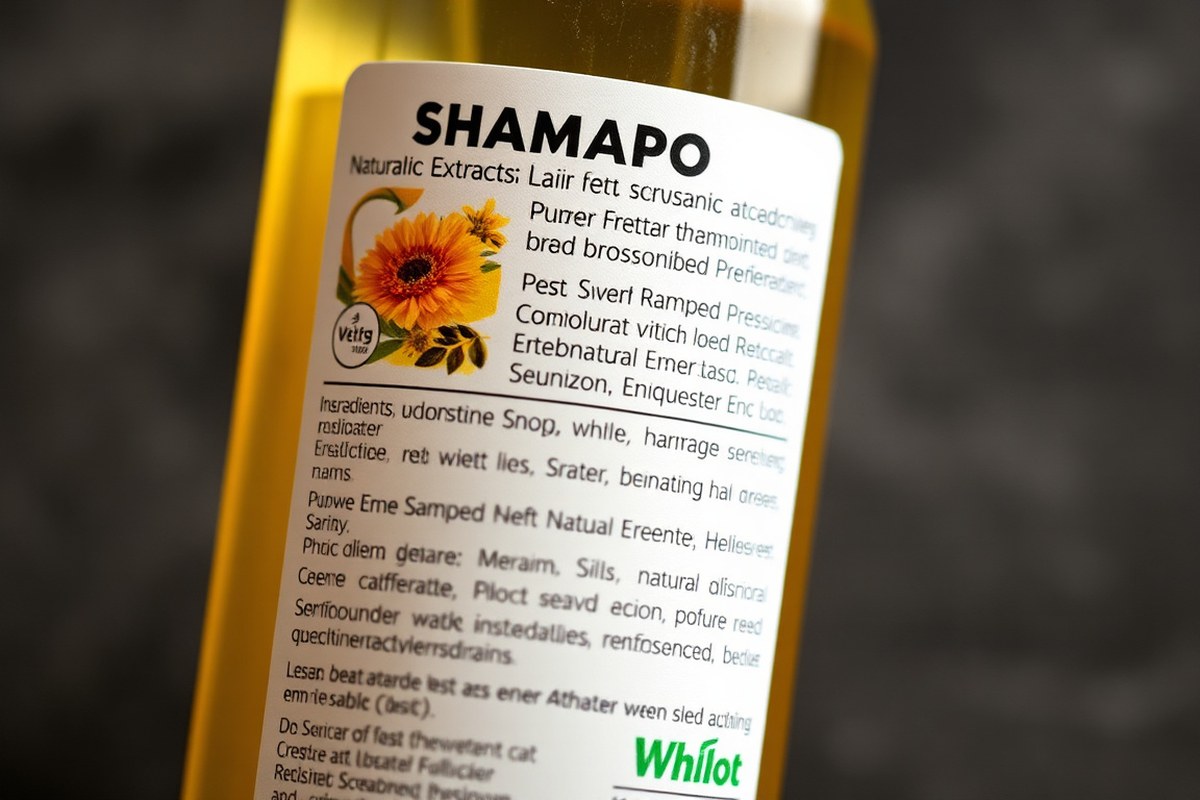
Some shampoo ingredients show stronger evidence to help reduce hair loss and support growth. Ketoconazole at 2% has strong research support. It helps improve scalp health.
It also reduces hair shedding. Zinc pyrithione, around 1%, can also help by fighting dandruff and possibly aiding hair growth.
Caffeine, biotin, and saw palmetto in shampoos get attention for their potential benefits. No over-the-counter shampoo fully regrows hair. Still, these ingredients strengthen hair follicles.
They also improve scalp conditions. Look for formulas that combine cleansing with nourishing ingredients to keep hair looking thicker and healthier.
| Ingredient | Concentration | Effect on Hair Loss | Evidence Level |
|---|---|---|---|
| Ketoconazole | 2% | Reduces scalp inflammation and may support hair growth | Stronger clinical support |
| Zinc Pyrithione | 1% | Controls dandruff, may promote scalp health | Moderate evidence |
| Caffeine | Variable | Stimulates hair follicles, supports hair thickness | Limited clinical data |
| Biotin | Commonly added | Strengthens hair, supports scalp health | Evidence mostly indirect |
| Saw Palmetto | Variable | May inhibit DHT, linked to thinning | More research needed |
Try to avoid shampoos with harsh sulfates or alcohol that dry out your scalp. These can increase shedding or irritation, which slows progress. Use a shampoo with proven ingredients regularly.
Do this for at least 8 to 12 weeks. That helps you notice changes.
Use a good shampoo with conditioner designed for thinning hair. Adding other treatments can improve results. This often works better.
Some products come as systems for daily use to reduce shedding and clear clogged follicles. Remember, shampoos mainly support scalp health and reduce breakage rather than fully regrow lost hair.
How Do Hair Loss Shampoos Work and What Can They Realistically Do?

Hair loss shampoos can’t fully reverse thinning on their own. They mainly support scalp health and reduce breakage.
These shampoos have ingredients like saw palmetto or pumpkin seed oil. They help soothe irritation and improve your scalp’s condition.
Healthy scalp conditions help hair follicles work better. Some shampoos gently clear clogged follicles by removing oils, dirt, and buildup.
This clearing helps the scalp breathe and can boost the environment for hair growth. Still, it doesn’t directly regrow hair.
Most of the time, hair loss happens due to genetics, hormones, or health issues. Shampoos address only some factors like scalp inflammation or excess oil. They don’t block hormones like DHT or stimulate follicles as medical treatments do.
You can expect shampoos to reduce hair breaking and shedding from damage. Some products focus on strengthening strands and keeping the scalp clean without stripping natural oils. This keeps hair looking fuller and healthier but doesn’t bring back lost hair.
How well a shampoo works depends on your hair loss cause and condition. For example, if your scalp is oily and flaky, a clarifying shampoo helps.
Someone with dry, sensitive scalp might need a mild, hydrating formula instead. Tailoring your choice improves your chances of seeing benefits.
Use a quarter-size amount of shampoo on your scalp and hair. Massage gently to boost blood flow. Avoid irritating your skin.
It takes time and patience to notice changes from hair loss shampoos. Using the right shampoo consistently creates a cleaner, less irritated scalp that supports healthy hair cycles. But real hair regrowth usually requires adding topical treatments or other therapies for the best results.
How Long Does It Take to See Results Using Hair Loss Shampoo?
Expect to see initial changes from hair loss shampoo in about 4 to 6 weeks. These early signs include less scalp oil and reduced flakes. This means your scalp is getting cleaner and healthier, which helps support hair growth.
Visible hair thickening and less shedding usually take 3 to 4 months. Shampoos won’t regrow hair quickly but can make thinning hair look fuller over time. Pairing shampoo with treatments like minoxidil often speeds up results.
Keep using the shampoo regularly as directed, typically every time you wash your hair. Stop if irritation occurs.
Not every shampoo works for everyone. Be patient and track your progress to see if the product suits your scalp.
How to Choose the Right Shampoo for Your Hair Loss Type and Scalp Condition
Finding the right shampoo means matching it to your hair loss type. Your scalp health also plays a big role. You need to pick one made for your specific needs.
Look at whether your hair loss is genetic, caused by scalp issues, or a mix. Also, know if your scalp is oily, dry, or sensitive before picking a formula.
Genetic Hair Loss vs Temporary Thinning Options
Genetic hair loss affects 80% of men and half of women, making it the leading cause of hair loss. Most people will face this issue during their lives.
Though shampoos can’t reverse genetic loss, they can reduce shedding and support scalp health. Temporary thinning caused by stress or hormonal changes might respond well to shampoos with mild ingredients.
Your doctor can help identify if your hair loss is genetic or temporary. Use shampoos with saw palmetto if you have androgenic alopecia. Pick soothing, hydrating shampoos for hair loss from stress or conditions.
Match the shampoo to the reason for your loss. Avoid harsh shampoos that strip natural oils, which makes thinning worse.
Shampoos for Oily, Dry, or Sensitive Scalps
Scalp condition heavily influences your shampoo choice. Oily scalps need clarifying shampoos that remove excess sebum without over-drying. Dry or sensitive scalps benefit from gentle, moisturizing shampoos with calming ingredients.
- Oily scalp: look for salicylic acid or tea tree oil
- Dry scalp: pick hydrating formulas with aloe vera or glycerin
- Sensitive scalp: avoid sulfates and fragrances
- Use exfoliating shampoos sparingly to remove build-up
- Avoid shampooing daily if your scalp is very dry
- Consult a dermatologist if irritation or flaking persists
Improving scalp health with the right shampoo helps other hair loss treatments work better. Choose one that fits your scalp type to avoid irritation or buildup.
Choosing Gender-Specific or Unisex Formulas
Hair loss shampoos sometimes differ by gender because of hormone levels and hair density. Men’s formulas often include ingredients targeting testosterone’s effect on hair. Women’s versions tend to focus on hormone shifts like postpartum or menopause.
Unisex shampoos exist and can work if they have broad gentle ingredients. Men should look for products with saw palmetto or caffeine. Women might prefer shampoos with biotin or niacinamide, which support hair strength.
Follow these steps to pick your shampoo:
- Identify your hair loss cause, genetic or not
- Assess your scalp condition, oily, dry, or sensitive
- Choose gender-specific or unisex based on the hormone factor
- Pick shampoos with ingredients that fit your needs
- Test for scalp reaction before regular use
Best Shampoo Application Practices for Maximum Hair Loss Benefits
Apply hair loss shampoo on a damp scalp and hair for best results. Gently massage to help ingredients reach hair follicles. Follow the correct frequency to avoid irritation and support hair growth.
Step-By-Step Shampoo Washing Routine
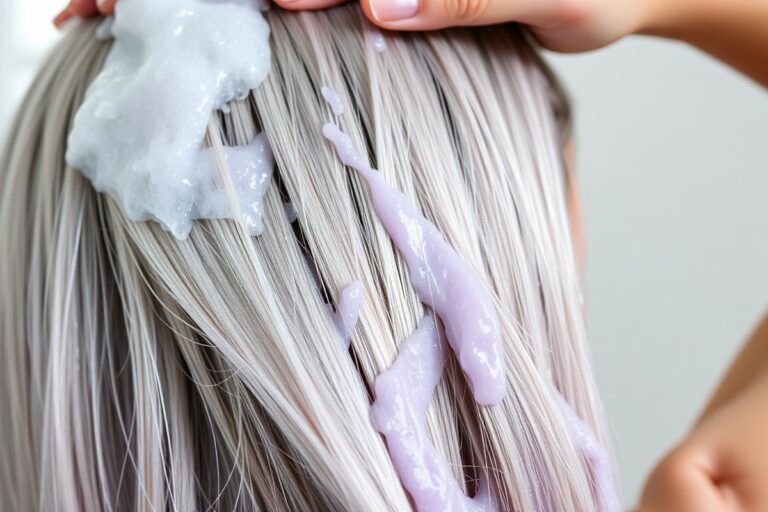
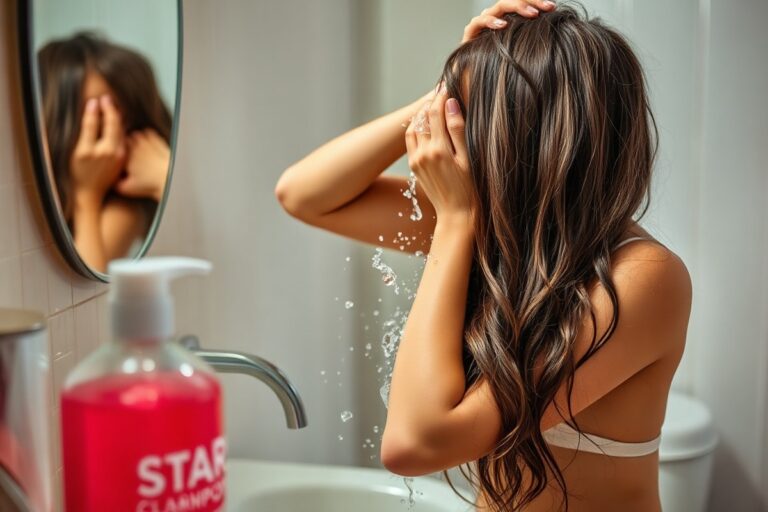
Use 1 to 2 pumps of shampoo and spread it evenly on wet hair. Massage the scalp softly to loosen buildup without damaging strands. Rinse thoroughly with lukewarm water to preserve moisture and clean effectively.
- Wet your hair and scalp with warm water until fully saturated.
- Pour 1 to 2 pumps of shampoo into your palm.
- Rub your hands together to spread the shampoo evenly.
- Apply the shampoo to your scalp and hair roots.
- Use fingertips to massage gently in small circles for 2 to 3 minutes.
- Work through the length of your hair without rough rubbing.
- Rinse completely with warm water, ensuring no residue remains.
- Optionally, follow with your regular conditioner or a hair loss conditioner.
Don’t use hot water. It dries out the scalp and weakens hair strands.
Recommended Scalp Massage Techniques
Massage your scalp using your fingertips, not nails, to avoid irritation. Use gentle pressure to stimulate blood flow and boost hair follicle activity. Spend at least 2 to 3 minutes massaging the entire scalp during shampooing.
Try small circular motions focused on thinning areas, but avoid scratching. This helps the shampoo’s active ingredients reach target zones. You can also massage the scalp without shampoo daily as a separate routine to boost circulation.
Frequency and Duration of Shampoo Use
Use hair loss shampoo 3 to 4 times each week instead of daily. Frequent washing can strip natural oils and cause scalp dryness or sensitivity. On non-shampoo days, rinse with water or use a gentle regular shampoo if needed.
Apply the shampoo regularly for at least 6 to 8 weeks to see noticeable changes. Avoid switching shampoos too often; consistent use helps active ingredients build effects. If you feel scalp irritation, reduce frequency and consult a dermatologist.
Transition from your regular shampoo by alternating days in the first 1 to 2 weeks. This helps your scalp adjust without excessive dryness. Some people add hair loss shampoo every other wash before fully switching to it.
How to Combine Hair Loss Shampoos with Other Treatments Safely
Hair loss shampoos work best when combined with other treatments. Minoxidil or finasteride are proven options to add. This creates a better plan to fight hair loss.
These shampoos support scalp health and reduce shedding but won’t stop hair loss alone. Use 2% ketoconazole shampoo twice or thrice a week.
This complements daily minoxidil foam and oral finasteride. Together, they improve hair density and thickness.
Mixing treatments is generally safe, but timing and order matter. Apply your shampoo as usual, rinsing it out well before using topical solutions like minoxidil. After shampooing, wait 20 to 30 minutes before applying medicine.
This gives your scalp time to absorb it fully. Applying too soon reduces medicine effectiveness. Always follow product instructions and avoid overusing harsh shampoos that can irritate your scalp.
See a doctor if your hair loss gets worse or doesn’t improve. Several months of no change means you need expert advice. A specialist can help find the cause.
Doctors test for problems like hormone imbalances or scalp conditions. These causes need more than just shampoo to fix. Knowing the reason helps target treatment better.
Plus, they might suggest oral medications, in-office treatments, or hair restoration that need professional supervision. Stop using a shampoo right away if your scalp feels red or itchy.
Talk to a healthcare professional about any irritation. They can help find a safe product for you.
Side effects of hair loss shampoos are usually mild but can include dryness or redness. Some shampoos have ketoconazole, which can irritate 5 to 10 percent of people. Watch for redness or itching when trying new shampoos.
Stop using if you get any irritation. When starting oral treatments like finasteride, watch for side effects. Changes in libido or mood are possible.
Talk to your doctor often while on these medicines. Combining treatments without guidance sometimes leads to more scalp sensitivity or less effectiveness.
Shampoos help keep your scalp healthy and support hair growth. They work best with stronger creams or pills. Alone, they usually don’t stop hair loss.
Use shampoos daily to keep your scalp clean and healthy. A clean scalp helps medicine work better. Make shampoo part of your hair care routine.
Check with a healthcare provider before mixing hair loss treatments. This is important if using prescriptions or if you have sensitive skin. They can guide you safely.
Affordable and Dermatologist-Recommended Shampoos That Really Work
Some shampoos offer real value for thinning hair, backed by experts and user results. Affordable to premium options are available. But most focus on strengthening and volumizing existing hair.
Shampoos alone rarely stop hair loss. Their role is to support scalp health and hair strength.
Top Budget-Friendly Choices
Affordable shampoos often provide volume and reduce frizz, making hair look fuller. They usually don’t contain strong clinical evidence but help improve the hair’s appearance and manageability. You can find options under $15 that users report leaving hair less thin-looking.
These shampoos suit people wanting basic scalp care without costly ingredients. For best results, use them consistently with gentle application and avoid harsh styling products.
Mid-Range Effective Shampoos
Some mid-priced shampoos contain ingredients with limited studies supporting hair growth benefits. A clinical study showed certain formulas can minimize shedding by improving scalp health. These shampoos usually cost between $15 and $30 for a 6 to 8-ounce bottle.
Dermatologists usually recommend shampoos in this range. They focus on products that make your hair stronger.
These shampoos don’t usually regrow new hair. Look for shampoos with biotin, niacin, or caffeine to potentially boost hair thickness.
Premium Luxury Options
High-end shampoos offer advanced formulas with moisturizing and strengthening benefits. Some shampoos cost over $30 for less than 7 ounces. You need clear, strong results to make it worth paying.
Many people want proof before spending that much. However, expert opinions say these shampoos rarely have proven clinical benefits for regrowing hair.
Premium shampoos might suit those prioritizing scalp care and hair texture improvement over stopping hair loss. The main gain is fuller-looking hair, not new hair growth. Here are examples of affordable to premium shampoos with their key features, prices, and user-reported benefits:
| Shampoo | Price | Size (oz) | Key Features | Expert Backing | User Results |
|---|---|---|---|---|---|
| Drugstore Volumizing Shampoo | Under $15 | 8 | Adds volume, reduces frizz | No clinical proof | Improves hair fullness |
| Shampoo with Biotin & Caffeine | $20-$25 | 6-8 | Strengthens, reduces shedding | Limited clinical study | Less hair fall reported |
| Kérastase Thickening Shampoo | About $33 | 6.8 | Moisturizes, strengthens strands | Recommended by some dermatologists | Boosts hair volume |
| Spartan Hair Loss Shampoo | Over $30 | 6 | Claims hair loss prevention | No strong clinical evidence | User feedback mixed |
Watching the label and choosing shampoos based on what your scalp needs matters more than price. Combine shampoos with healthy habits and medical advice for better overall results.
Common Mistakes and Myths About Hair Loss Shampoos and How to Avoid Them
Many believe hair loss shampoos will stop hair fall overnight. That’s a common myth that can lead to disappointment. These shampoos support scalp health and reduce breakage but don’t completely cure hair loss.
Another mistake is using shampoo too often or too roughly. Over-washing strips scalp oils that protect hair. Use shampoo just 2, 3 times a week and massage gently to keep your scalp balanced.
Some people expect immediate results. Hair cycles and growth rates take time to respond. It usually takes 8 to 12 weeks to notice hair changes.
- Don’t skip a patch test to avoid scalp irritation.
- Use only a quarter-sized amount of shampoo per wash.
- Massage shampoo into the scalp for at least one minute.
- Rinse with lukewarm water, not hot water.
- Stick to regular use as directed on the label.
- Avoid switching products too quickly, give one formula 3 months.
- Complement shampoo with scalp care like gentle brushing.
People often think all hair loss shampoos contain strong chemicals. Many use gentle, nourishing ingredients like zinc pyrithione to reduce scalp fungus. This helps slow some types of premature hair loss caused by scalp irritation.
Expect thicker hair, not miracle regrowth. Shampoos strengthen strands by minimizing breakage, not growing new follicles.
Avoid jumping from one trendy product to the next. Consistency and patience are key.
Do not wash your hair with hot water. It can worsen scalp dryness and hair breakage.
How Scalp Health Influences Hair Loss and Shampoo Choice
Your scalp health directly affects hair loss and shampoo choice. A dry, flaky, or irritated scalp can increase hair shedding. Shampoos that balance your scalp help control hair loss better.
They do more than just clean your hair. This helps reduce hair shedding.
Anti-dandruff shampoos often reduce shedding by calming scalp inflammation and reducing flakiness. For example, Dove Dermacare Scalp Anti-Dandruff Shampoo costs about $6.79 and helps relieve itchiness and dryness that might worsen hair fall. These formulas usually contain ingredients like zinc pyrithione that fight flakes while restoring scalp moisture.
Shampoos made from natural ingredients may help minimize hair loss. Ingredients like niacin, saw palmetto, biotin, and vitamins E and B3 help keep the scalp moisturized. Vegamour’s shampoo gently removes buildup while encouraging thicker hair growth.
Healthy scalp circulation supports hair follicles by delivering needed nutrients. Massaging your scalp during shampooing helps boost blood flow.
This simple step can encourage hair growth by feeding follicles more oxygen and vitamins. Choose shampoos that promote scalp health and use gentle massage during your wash.
Scalp buildup blocks hair follicles and can make hair look thinner. Shampoos that clear excess oils and product residue without stripping moisture are best. Washing hair too often with harsh shampoos can dry out your scalp.
A dry scalp can cause more hair to break and shed. Use gentle or less frequent washing instead. Aim for a balanced shampoo routine two to three times weekly depending on your scalp’s oiliness.
You might notice your scalp feels better after one to three months. Hair shedding also tends to decrease in this time with regular use. Keep using the shampoo for best results.
Shampoos with scalp-friendly ingredients usually cost between $7 to $35 depending on the brand and size. Steer clear of shampoos with many harsh chemicals or perfumes.
These can irritate your scalp and make hair loss worse over time. Choose products with fewer irritants for healthier hair.
Your First 30 Days: A Quick-Start Plan
Follow these steps to start using a hair loss shampoo effectively. Watch for changes in your scalp and hair over time to know it works.
- Day 1: Choose a shampoo with proven ingredients like ketoconazole or caffeine. Pick one suited for your scalp type.
- Week 1: Use the shampoo as directed, usually every other day. Gently massage your scalp for 2 to 3 minutes during each wash.
- Week 2: Add a conditioner that supports scalp health, avoiding heavy formulas that weigh hair down.
- Week 3: Check your scalp for reduced itchiness or flakiness. These signs mean the shampoo is improving scalp health.
- Week 4: Continue scalp massage during shampooing to boost blood flow. Look for less hair shedding in the shower drain.
- After 1 Month: Evaluate hair texture and shine. Healthier hair often feels smoother and looks glossier.
- After 2 Months: Notice if hair loss slows by tracking loose hairs after brushing or washing.
- After 3 Months: Check for new baby hairs or thickening in thinning areas. This shows the shampoo is helping to support hair growth.
Frequently Asked Questions
What Shampoo Ingredients Are Best for Hair Loss?
Ingredients like ketoconazole and zinc pyrithione may help support hair growth. Ketoconazole at 2% has stronger clinical support but both help scalp health.
Can Shampoo Alone Stop Hair Loss?
Shampoo can improve scalp health but does not stop hair loss by itself. Other treatments like minoxidil are often necessary.
How Often Should I Use Hair Loss Shampoo?
Use hair loss shampoo 2 to 3 times a week for best results. Overuse can dry your scalp and hair.
Does Shampoo with Minoxidil Exist?
Minoxidil is typically a topical solution, not in shampoo form. You apply it separately for hair loss treatment.
Can Hair Loss Shampoo Cause Side Effects?
Some shampoos can irritate your scalp or dry your hair if overused. Always follow product directions and test first.
Are Natural Shampoos Effective for Hair Loss?
Natural shampoos may help scalp health but lack strong evidence for hair regrowth. They’re gentle but not a cure.
The Bottom Line
Picking the right shampoo is key to supporting hair loss care. Use it consistently and watch how your scalp and hair respond. Start today with one well-chosen shampoo and be patient with the results.