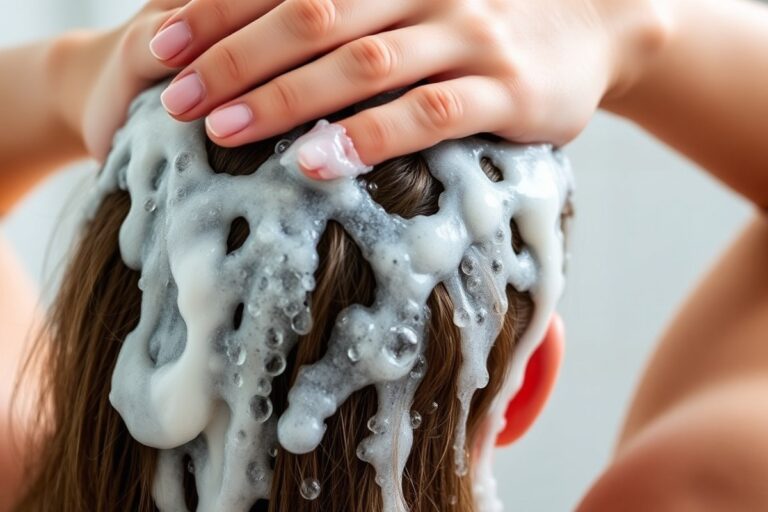
How to Fix Oily Hair: 8 Proven Strategies for Lasting Freshness
How to fix oily hair starts with adjusting how often you wash it. Too frequent washing can make your scalp produce more oil, making hair greasier. Aim to wash your hair every 2 to 3 days.
Let your scalp get used to this routine first. Then stick to this schedule regularly.
Picking the right shampoo and conditioner plays a big role in controlling oil. Look for gentle, clarifying shampoos that remove buildup without stripping your scalp. Conditioner should be light and applied mostly to your hair ends to avoid adding extra oil.
Dry shampoo helps in a pinch when you don’t have time to wash. Hold the spray 6 to 10 inches from your roots. Wait 30 seconds after spraying.
Then massage your scalp and brush your hair through. This helps soak up oil and gives your hair a fresh look between washes.
Key Takeaways
- Wash your hair every 2 to 3 days to balance scalp oil production.
- Use a gentle clarifying shampoo once or twice a week to remove buildup.
- Apply conditioner only to hair ends to prevent weighing hair down.
- Spray dry shampoo from 6 to 10 inches away on dry roots.
- Wait 30 seconds after applying dry shampoo before massaging it in.
- Adjust washing frequency based on scalp comfort, not trends.
1. How to Fix Oily Hair with Effective Washing Habits

You should wash oily hair every 2 to 3 days for the best results. Washing more often might strip natural oils and cause your scalp to overproduce oil. Washing less often risks buildup from sweat and dirt, which adds to greasiness.
Choose a shampoo designed specifically for oily hair to reduce oil buildup. Look for products with Dandrilys or clarifying ingredients.
Adding a few drops of tea tree oil soothes your scalp. It also helps remove extra oil from your hair.
Use lukewarm water when washing your hair. Hot water can strip your scalp’s natural oil balance and trigger more oil production. Cold water might not remove oil and dirt effectively.
- Wash hair every 2-3 days to balance oil production
- Use clarifying or dandruff shampoo with ingredients like Dandrilys
- Add tea tree oil drops to shampoo for scalp soothing
- Rinse hair with lukewarm water to avoid over-stripping oils
- Minimize conditioner or avoid it on the scalp to prevent greasy feel
- Try slowly stretching wash days if you have dry or itchy scalp
- Use dry shampoo between washes to absorb excess oil
When washing, focus shampoo on your scalp and roots where oil collects the most. Spend about 2 minutes massaging your scalp to help break oil down. Rinse thoroughly to remove all shampoo and dirt.
Good oil control feels light and clean without dryness or itchiness. Try a clarifying shampoo when your hair feels greasy after washing.
Adjust your washing routine too. Avoid hot water and heavy conditioners that can weigh hair down or irritate your scalp.
2. Choosing the Right Shampoo and Conditioner for Oily Scalp

Choosing shampoos and conditioners for oily hair means picking products that clean well without leaving buildup. Look for shampoos that balance oil and conditioners that moisturize without weighing hair down. How you apply conditioner also matters, you want to avoid making roots greasy.
Top Ingredients to Control Oil
Shampoos that help with oily hair often include ingredients like salicylic acid. It exfoliates the scalp and removes excess oil and buildup gently.
Look for labels with words like “balancing,” “clarifying (gentle),” or “oil control.” These help keep your scalp clean without stripping too much oil.
Avoid heavy butters and oils listed high on the ingredients list. These can make fine hair look greasy faster. Lightweight formulas work best and don’t weigh down your hair.
Application Techniques for Conditioner
Put conditioner on the middle and ends of your hair only. Avoid putting conditioner on your scalp because it can make hair oily. Choose a light conditioner made for oily scalps, like Dove Scalp + Hair Therapy Strengthening Conditioner.
Rinse conditioner out thoroughly to prevent residue buildup. This stops fine hair from greasing up quickly.
You can also try leave-in conditioners designed for oily hair. But keep use light and focused away from the scalp.
Shampoos to Avoid with Oily Hair
Stay away from shampoos labeled “intensive” or for dry hair. These often contain added oils and heavy moisturizers that cause oily hair to look greasy fast. Moisturizing shampoos can leave a residue that clogs pores and leads to more oil production.
Use clarifying shampoo once every 1 to 2 weeks. This helps clean off product buildup.
Do not use clarifying shampoo too often. Over-cleansing strips oil from your scalp, causing it to produce even more oil.
| Shampoo/Conditioner Feature | Why It Matters | Example or Tip |
|---|---|---|
| Salicylic Acid | Exfoliates scalp, removes excess oil and buildup | Look for shampoos with this ingredient |
| Balancing/Clarifying (Gentle) Labels | Helps control oil without stripping scalp | Works well for oily hair |
| Lightweight Conditioners | Moisturize hair without weighing it down | Dove Scalp + Hair Therapy Strengthening Conditioner is a good example |
| Avoid Heavy Butters/Oils | Prevents causing greasy, weighed down look | Check ingredients list carefully |
| Clarifying Shampoo Use | Removes buildup but can overdry if used too often | Use once every 1-2 weeks |
| Avoid Intensive or Dry Hair Shampoos | These add moisture not suited to oily scalp | Leads to faster greasiness |
Use shampoo designed specifically for oily scalps to keep hair feeling fresh. Match your conditioner to hair strands’ needs, not your scalp, to avoid oil buildup. This approach helps balance oil control and hair hydration.
Only apply conditioner from mid-lengths down to avoid greasy roots and flattening your hair.
3. How to Use Dry Shampoo and Other Quick Fixes
Dry shampoo is a quick way to freshen oily hair without washing. Use it carefully to avoid buildup and scalp issues. Other easy fixes include styling tricks and simple tools to mask oiliness instantly.
Proper Dry Shampoo Application
Apply dry shampoo the right way for best results and minimal buildup. Start with clean hands and ensure your hair is dry. Use only a small amount to avoid a dusty look.
Follow these steps to use dry shampoo effectively:
- Section your hair to expose the oily roots evenly.
- Hold the dry shampoo can about 6 inches from your scalp.
- Spray lightly along the roots, focusing on oily spots.
- Wait 2 to 3 minutes to let it absorb excess oil.
- Massage the product gently into your scalp using fingertips.
- Brush or style your hair as usual to blend the product.
- Repeat sparingly only if needed, avoiding overuse.
Doing this refreshes your scalp and adds volume without greasy residue. Use minimal product, especially on day two after washing. Applying it nightly in small amounts helps keep hair fresh longer.
When to Use Quick Hairstyling Tricks
Sometimes dry shampoo alone isn’t enough or you want an instant style change. Blow-drying roots with a round brush separates oily strands and boosts volume. Use it after spraying a bit of dry shampoo for a fuller look.
Try these quick fixes to hide oily roots fast:
- Press oil-absorbing blotting papers along your part line.
- Pull your hair up into a bun, braid, or a neat knot on top.
These approaches mask greasiness and give your hair a polished finish. They work well for busy mornings or when washing isn’t an option.
Limitations of Dry Shampoo
Dry shampoo isn’t safe for daily use because it can buildup and irritate the scalp. Avoid using it several days in a row. Shampoo your hair regularly, at least every couple of days, to wash out residue.
Excessive use might make hair feel dull or clogged. Noticing flakes or itchiness?
Use less product or try other ways to freshen. Dry shampoo helps mask oil but doesn’t replace washing for healthy hair and scalp.
4. Scalp Care and Hygiene to Reduce Excess Oil
Keeping your scalp healthy reduces excess oil naturally. Dirt, product buildup, and dead skin cells can block follicles.
This leads to more oil and greasier hair over time. Regular deep cleansing and exfoliation help clear these blockages and improve scalp condition.
Cleaning your hair tools is key to preventing extra oil. Brushes and combs collect dirt, oil, and residue daily.
Using dirty tools puts all that back on your scalp, adding to greasiness. Wash your brushes with warm water and gentle shampoo every one to two weeks.
- Rinse brushes in warm water thoroughly to remove residue
- Use a soft toothbrush to clean between bristles
- Let brushes air dry completely before use
- Exfoliate your scalp weekly with a gentle scrub or brush
- Massage your scalp during shampooing to remove buildup
- Remove product residue by occasionally using a clarifying treatment
- Apply natural astringents like witch hazel for quick oil control
Exfoliation clears away dead skin cells and loose residue on your scalp. It also promotes better blood flow, supporting healthier hair follicles.
Use a gentle scalp scrub or a soft brush designed for exfoliation once a week. Avoid harsh scrubbing, which can irritate and cause more oil production.
Removing product buildup requires extra attention during washing. Clarifying shampoos or treatments can lift stubborn residue and oily patches.
These usually involve applying the product, massaging gently, and rinsing well. Limit clarifying treatments to once or twice a month to avoid stripping natural oils excessively.
Keeping scalp tools and your scalp clean helps hair stay lighter and less oily. Consistent scalp massage during washing loosens buildup and encourages oil balance.
Follow a simple routine. Your oily hair will feel fresh longer with less daily greasiness.
5. Natural Remedies and Lifestyle Tips for Oily Hair
Tea tree oil and apple cider vinegar work well to treat an oily scalp naturally. Dilute one part apple cider vinegar with three parts water. After shampooing, rinse your hair with this mix to restore scalp pH and cut down grease without drying out natural oils.
Add a few drops of tea tree oil directly into your shampoo. Alternatively, blend it with coconut oil and massage your scalp to apply the oil softly.
Mixing baking soda with water to form a paste is another simple option. Apply this paste to your scalp gently before washing. Baking soda can absorb excess oil but avoid using it too often.
Overuse might irritate or dry out your scalp, making oil production worse. Try it once a week and watch for signs of sensitivity.
Your diet plays a role in how oily your hair gets. Eating healthy fats like avocados and nuts can help balance oil production. Cutting back on sugary or overly processed foods may reduce oil spikes, too.
Stress is also a factor because it can increase hormones that boost oil production. Exercise, proper sleep, and meditation can help reduce oily scalp.
Managing stress this way improves your scalp health over time. Try making these part of your daily routine.
Home treatments can be safe and effective if you follow basic rules. Always do a patch test before using oils or homemade scrubs to avoid allergic reactions. Applying natural remedies gently is key; harsh scrubbing or heavy oils might backfire.
Stop using a remedy if your scalp itches or feels inflamed. Rinse your hair thoroughly to remove the product. Seek medical advice if irritation continues.
Be patient: natural fixes take a few weeks before you notice real changes in oiliness.
You can also support oil control through small lifestyle changes. Avoid touching your hair often because it spreads oil from your scalp down the strands.
Choose breathable hats and avoid tight hairstyles that trap sweat and grease. Drinking plenty of water helps keep your scalp hydrated and balanced, which limits extra oil production.
6. Common Mistakes That Make Hair Greasier and How to Avoid Them
Washing your hair too often can cause your scalp to pump out more oil. This backfires if you shampoo daily or multiple times a day.
Instead, try washing every one to three days for fine hair. Thicker hair can last three to seven days between washes.
Heavy styling products weigh hair down and trap oil at the scalp. Choose lightweight gels or sprays made for oily hair types.
Use just a small amount; a pea-size for most styles works well. This keeps your hair looking fresh and less greasy.
Touching or brushing your hair often spreads oils from your fingers and wakes up oil glands. Try to keep your hands off your roots. Use a brush just to style, no more than twice daily, to stop this.
- Cut back on washing to prevent scalp oil overdrive
- Pick lightweight styling products made for oily hair
- Use a small amount of styling product each time
- Limit touching your hair to reduce oil transfer
- Brush hair only when needed, no more than twice a day
- Rinse hair thoroughly to avoid buildup of oils and products
Skipping washing too long lets oils and residues build up, too. Rinse hair well with warm water to wash all the product out. Following these steps helps your hair stay cleaner longer without extra effort.
7. When to See a Dermatologist for Oily Hair Issues
Oily hair with itching or redness may signal a scalp problem. You might also notice flaking or a bad scalp smell. These can mean seborrheic dermatitis.
You should also pay attention if you notice inflammation or unusual hair shedding. These signs suggest you might need a professional evaluation rather than just home treatments.
To check if treatment works, watch for less itching. You should also see fewer flakes within weeks. Your scalp may still hurt or hair fall out.
Time to see a dermatologist after using the right shampoos. Professionals use targeted treatments such as medicated shampoos and topical creams that you can’t get over-the-counter.
Doctors can test for scalp infections, hormonal imbalances, or inflammatory issues that cause excess oil. Treatments often include antifungal or anti-inflammatory medications, which may come as shampoos or ointments. Seeing a dermatologist costs vary but expect $100 to $200.
This is without insurance coverage. Early care helps avoid worsening scalp problems and hair loss linked to oily scalps.
Seek help if oily hair has lasting itching or flakes. Also, get a checkup if hair loss lasts two weeks. A professional stylist can suggest effective over-the-counter treatments.
But a dermatologist is your best bet if symptoms don’t improve. Acting on these signs prevents long-term scalp damage and keeps hair healthier.
8. Building a Personalized Oily Hair Care Routine That Works
You can create a personal oily hair care routine. Use the right wash frequency and products. Add styling habits that suit your hair.
It’s about balance to cut oil without drying your scalp or hair out. Change your routine based on hair type and oil level. This keeps your hair fresh and healthy.
Assessing Your Hair Type and Oiliness
Identify if your hair is fine, thick, curly, or straight. Hair type affects how oil spreads and sticks.
Also, notice how fast your hair gets oily after washing. That tells you how often to wash.
Oily scalps might need washing every day or every other day. Drier or thicker hair may only need washing twice a week. Hair that feels heavy or looks shiny within a day usually needs a quicker wash routine.
Look at how your scalp feels, itchy or flaky might mean over-washing or product buildup. Knowing this helps you avoid making oily hair worse.
Daily and Weekly Haircare Steps
Create a basic routine for daily and weekly care. Use gentle products that control oil but don’t strip natural moisture. Follow these steps every time you wash to keep oil balanced and reduce buildup.
- Choose a shampoo made for oily hair or scalp. Avoid heavy conditioners near your roots.
- Wash hair with lukewarm water, not hot, to avoid stimulating oil glands.
- Massage shampoo gently into your scalp to clean, then rinse thoroughly.
- Apply a light conditioner only to hair ends, not scalp or roots.
- Rinse with cool water to help close hair cuticles and reduce oil shine.
- Use dry shampoo or oil-absorbing hair spray between washes, not daily.
- Style hair simply; avoid heavy gels or oils that add to greasiness.
- Brush hair daily with a clean brush to spread natural oils from roots to tips.
Overwashing can confuse your scalp and boost oil production, so stick to your routine.
Adjusting Routine Based on Results
Track how your hair looks and feels after a week or two on your new routine. Notice if oiliness decreases or if hair feels dry, brittle, or itchy. Those clues tell you if you need to change anything.
Try washing more often or using stronger oil-control shampoo when hair looks greasy. Reduce washing or use a gentler product if your scalp feels dry or irritated.
Be patient; it can take a few weeks for your scalp to balance oil production. Tweak your routine slightly every week, noting which steps help the most.
Step-by-Step Action Plan for Managing Oily Hair
Use this plan to start fixing oily hair right away. Track your progress by noticing less greasiness and fresher hair.
- Day 1: Switch to a shampoo for oily hair. Wash your hair as usual and check if it feels less oily by evening.
- Week 1: Adjust washing frequency to every other day or as needed. Watch for less scalp itchiness and oil buildup.
- Week 2: Start using dry shampoo on non-wash days. Notice if your hair looks fresher and less greasy midday.
- Week 3: Avoid touching your hair frequently. Pay attention to how often your hair feels greasy or dirty.
- Week 4: Add a gentle scalp scrub once a week. See if scalp oiliness reduces over the next few days.
- After 1 Month: Evaluate your routine. Keep what works and drop any step that doesn’t reduce oiliness.
Frequently Asked Questions
Can Oily Hair Fix Itself over Time?
Yes, your scalp can adjust by washing less often. Try washing your hair every 2 to 3 days for best results. Let your scalp balance oil production naturally.
Is It Okay to Skip Conditioner If My Hair Is Oily?
You should still use conditioner but pick a light formula. Focus conditioner on your hair ends, not the scalp, to avoid extra oil buildup.
Can Diet Changes Reduce Oily Hair?
Eating less greasy and processed foods can help reduce oiliness. Drink more water and eat fresh fruits and veggies for a healthier scalp.
Does Brushing Hair Cause More Oiliness?
Brushing distributes natural oils from the scalp down the hair strands. Gentle brushing helps but avoid overdoing it, which can stimulate more oil production.
Are Hair Masks Good for Oily Hair?
Yes, but make sure to use masks designed for oily hair. Clay masks with fuller’s earth can absorb excess oil and improve scalp health.
How Often Should I Wash Oily Hair with Shampoo?
Washing every day is often too harsh. So 2 to 3 times a week is ideal. Use a gentle shampoo made for oily hair to avoid stripping moisture.
Final Thoughts
Greasy hair can be controlled with the right habits and products. Start with simple steps today and give your scalp time to adjust. If oiliness continues, a dermatologist can offer extra help and treatments.