What Does Purple Conditioner Do? A Complete Guide for Blonde Hair Care
What does purple conditioner do? It tones down unwanted brassy or yellow hues in blonde and gray hair.
The purple pigment cancels out these warm tones, leaving your hair looking cooler and fresher. This makes your color appear more natural and vibrant.
It also helps maintain shine and prevents your hair from looking dull. Purple conditioner can soften hair strands, making them easier to manage. Using it regularly can extend the life of your color between salon visits and reduce fading.
Apply it after shampooing on damp hair. Leave it on based on your hair’s tone and porosity. Hair that is more porous may absorb pigment faster, so adjust timing accordingly.
Watch the time carefully to avoid adding a purple tint. Rinse as soon as the recommended time is up for the best results.
Key Takeaways
- Purple conditioner helps cancel out brassiness in blonde or gray hair. It refreshes your hair color and keeps it cool-toned. Use it regularly for best results.
- Leave purple conditioner on your hair for 1 to 3 minutes for the best effect.
- Adjust time depending on hair porosity and brass levels; less for damaged hair.
- Apply purple conditioner after shampooing for more effective toning and moisture.
- Rinse with cool water to help seal the cuticle and lock in color.
- Avoid leaving purple conditioner longer than recommended to prevent purple staining.
What Purple Conditioner Does to Blonde and Gray Hair

Purple conditioner helps neutralize yellow and brassy tones in blonde or gray hair. The purple pigments in the conditioner sit opposite yellow on the color wheel. This means the purple deposits counteract unwanted warm tones, leaving your hair looking cooler and fresher.
Besides toning, purple conditioner adds moisture and nourishment to your hair. Unlike purple shampoo, which mainly cleanses and tones, the conditioner hydrates strands while maintaining your color. This keeps your hair softer and less dry.
It’s very important for bleached or color-treated hair. These types often become fragile without extra care.
You usually leave purple conditioner on your hair for a few minutes after shampooing. This gives the pigments time to settle and balance out brassiness. A gentle formula lets you use it often.
It does not dry out your hair. Stronger shampoos tend to strip natural oils.
For very porous gray or blonde hair, purple conditioner may be lighter in pigment. This helps avoid over-toning. It still freshens up dull tones.
It might not totally remove deep orange or strong brassy tones. But it helps prevent new yellowing between treatments. It also strengthens and smooths hair, which helps maintain overall color quality.
How to Choose the Right Purple Conditioner for Your Hair
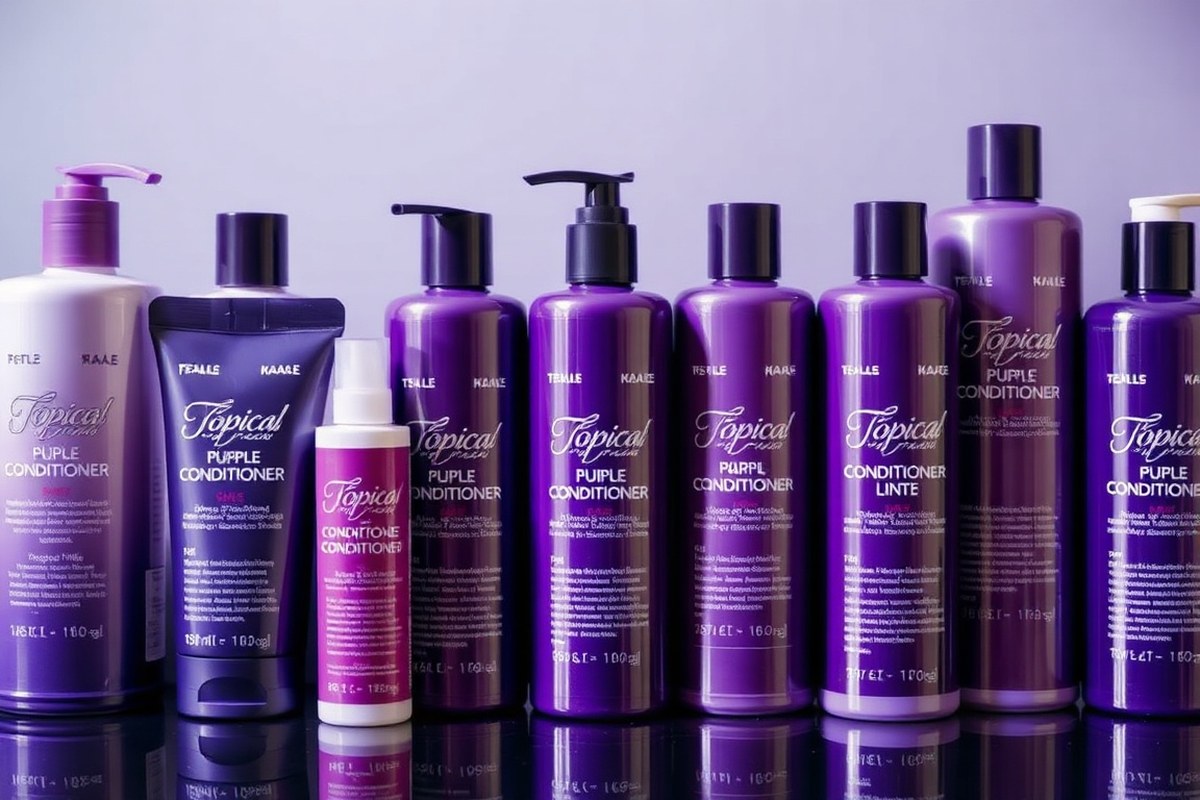
Choose a purple conditioner based on your hair’s lightness, brassiness level, and type. Purple conditioner works best on hair at level 8 or lighter. Look for formulas with nourishing ingredients that fit your values and hair’s needs.
Match Your Hair Shade and Brassiness
Purple conditioner suits blonde or lightened hair, especially levels 8 and above. Darker hair may not get rid of brassiness with purple conditioner. Check your hair in natural light before buying to see how brassy your hair looks.
Use purple conditioner gently to avoid over-toning. Overuse can leave hair dull, gray, or flat. Use a conditioner with less pigment for mild brassiness.
Apply it only on your hair ends. Keep it light to avoid over-toning.
Look for Moisturizing and Nourishing Ingredients
Besides toner, purple conditioners include oils, butters, or antioxidants. These help soften and repair your hair while fighting brassiness. Ingredients like shea butter, argan oil, and vitamin E work well for dry, bleached hair.
Steer clear of purple conditioners with harsh sulfates, which can dry hair out. A good purple conditioner supports moisture and shine without stripping natural oils.
Choose Vegan and Cruelty-Free Options
Many brands offer 100% vegan and cruelty-free purple conditioners. Look for those labels if that’s important to you. These products avoid animal testing and animal-derived components.
Vegan purple conditioners often use plant-based oils and natural pigments. They are safe for sensitive scalps and tend to feel lighter on fine hair.
Consider Your Hair Type and Porosity
Dry or damaged hair needs a purple conditioner that adds moisture. This prevents further dryness that purple shampoo may cause. Fine hair types should use lighter formulas to avoid buildup.
High porosity hair needs richer, more nourishing conditioners. Low porosity hair can get clogged easily, so choose lightweight conditioners with purple pigment.
How to Pick the Right Purple Conditioner: Key Points
- Choose conditioner designed for level 8 or lighter hair
- Check the pigment strength based on how brassy your hair is
- Look for moisturizing oils, butters, or antioxidants
- Use sulfate-free formulas to avoid drying out your hair
- Pick vegan and cruelty-free options if you prefer ethical products
- Select a formula suited for your hair type and porosity
- Test shade and effect under natural light before buying
Making the right pick keeps your blonde fresh without dryness or dullness. It helps you maintain soft, shiny hair that resists unwanted warmth.
Don’t overdo purple conditioner; too much can turn hair gray or flat.
How to Use Purple Conditioner Correctly for Best Results
To get the best results from purple conditioner, start with clean, damp hair. Spread the conditioner evenly through your hair strands. Leave it on for 3 to 5 minutes.
Then rinse with cool water. Using it after shampooing helps neutralize yellow tones while keeping your hair moisturized.
Preparing Hair Before Application
Rinse your hair with warm water to open the cuticles and remove dirt. Use a gentle, sulfate-free shampoo to clean your hair first. This prevents build-up and helps the purple conditioner work better.
After rinsing shampoo, gently squeeze excess water from your hair. Your hair should feel damp but not dripping wet. Damp hair absorbs conditioner best, so avoid drying it completely before applying.
Applying Conditioner Evenly
Take a generous amount of purple conditioner, about a quarter-sized dollop for medium hair. Your hair is longer or thicker.
Use more conditioner to cover all strands. Focus on mid-lengths to ends, where brassiness usually shows up and hair is drier.
Distribute the conditioner thoroughly using your fingers or a wide-tooth comb. Make sure every section of your hair gets coated. Avoid applying too much at the roots, as this can make hair look greasy.
Recommended Leave-In Time and Rinsing Tips
Keep the purple conditioner in your hair for 3 to 5 minutes. This lets the violet pigments work. For stronger toning, leave the conditioner on for up to 10 minutes.
Don’t go over 15 minutes. Leaving it too long might tint your hair purple.
Rinse your hair with cool or lukewarm water to seal the cuticles. Cold water locks in moisture and helps maintain the hair’s smooth surface. Avoid hot water because it can strip moisture and reduce the conditioner’s effectiveness.
Post-Application Care
After rinsing, gently squeeze out excess water and pat your hair with a towel. Avoid rough rubbing to prevent frizz and damage. Your hair feels dry.
Put a little regular hydrating conditioner on the ends. Rinse gently afterward.
Style your hair as usual using heat protection products if needed. Use purple conditioner once or twice a week to maintain tone without overloading your hair. Regular use will keep brassiness away and hair soft without heaviness.
- Shampoo your hair with a gentle, sulfate-free shampoo and rinse with warm water.
- Squeeze out excess water until your hair is damp, not dripping.
- Apply a quarter-sized amount of purple conditioner, focusing on mid-lengths and ends.
- Comb through hair with fingers or a wide-tooth comb to spread the product.
- Leave the conditioner on for 3 to 5 minutes, up to 10 minutes for stronger toning.
- Rinse thoroughly with cool or lukewarm water to close cuticles and lock moisture.
- Gently towel dry your hair and apply regular conditioner on ends if needed.
- Style hair as usual with heat protectant if using heat tools.
How Often to Use Purple Conditioner Without Overdoing It
You can use purple conditioner quite often, even every time you wash your hair, without damage. Its gentle formula tones hair and adds moisture when used regularly. Just avoid leaving it on for too long.
Don’t apply purple shampoo every wash. This helps prevent over-toning.
Daily Use for Softening and Managing Blonde Hair
Purple conditioner is designed to be mild enough for frequent use. Applying it every wash keeps blonde or gray hair from looking brassy. It smooths and hydrates your hair while neutralizing yellow tones, which shampoos alone don’t always do.
Your hair gets dry or brittle after shampooing. This conditioner adds softness.
Using it often helps maintain silkiness without stripping natural oils. You don’t need to worry about damage when you condition after every wash.
How Long Should You Leave Purple Conditioner On?
The best results come from leaving purple conditioner on for 2 to 5 minutes. This is enough time for the purple pigments to tone yellowish hair.
Some people leave it on longer. But doing that regularly can cause a slight purple or gray tint to develop.
You notice unusual color. Cut back to one or two minutes. Use the conditioner less often.
Avoid leaving it on over 10 minutes, since the purple pigment is stronger than in shampoo. Follow the bottle instructions for your product.
Alternating Purple Conditioner and Shampoo
Using purple shampoo and conditioner during the same wash might be too much. Purple shampoo has stronger toning action but can dry out hair. Use purple shampoo every few washes for a deeper toner and purple conditioner on other days.
Shampoo with purple every three to four washes. Use the purple conditioner most other days.
This balance keeps hair hydrated and toned without overdoing it. Over-toning happens when purple products build up pigment too fast.
Adjusting Frequency Based on Hair Condition
Dry or porous hair can take purple conditioner more often. It helps by moisturizing. Your hair is healthy and not very brassy.
Use it every other wash or a few times a week. This prevents a dull or unnatural tone.
Super-dry hair benefits most from regular conditioning with purple products. Avoid purple shampoo or conditioner use every day if your hair feels fragile or thin. Pay attention to color changes as signs your routine needs adjusting.
Signs You’re Using Too Much Purple Conditioner
Noticeable purple or grayish hues in your hair mean you overdid it. Too much purple pigment can make blondes look ashy or dull instead of bright. Also, hair may feel heavy or slightly sticky if pigment builds up on strands.
You spot these signs. Skip purple conditioner for a few washes. Reset your hair’s tone.
Use a regular hydrating conditioner until brassy tones come back, then reintroduce purple conditioner gradually. Keeping an eye on your hair’s response is key to avoiding over-toning.
Differences Between Purple Conditioner and Purple Shampoo
Purple shampoo has stronger purple pigment than purple conditioner. It’s meant to neutralize brassiness quickly. Purple conditioner adds a lighter touch of purple pigment while conditioning your hair.
It deposits small pigment amounts, creating a cooler, balanced tone. That makes conditioner better for regular use and dry or damaged hair.
Purple shampoo can dry out hair because of its pigment concentration. Conditioner often contains moisturizing ingredients, but some formulas lack enough moisture.
If you use a low-moisture purple conditioner too often, your hair might feel dry. Using a hydrating conditioner alongside purple products helps keep moisture up while toning.
Both products work well for all hair types when used correctly. Purple conditioner can replace your regular conditioner if it has good hydration.
Shampoo frequency needs adjusting based on how cool you want your blonde or gray. Conditioner, with less pigment, allows you to tone often without dryness.
| Feature | Purple Shampoo | Purple Conditioner |
|---|---|---|
| Pigment Strength | High, deposits intense purple pigment | Light, deposits small amounts of pigment |
| Usage Frequency | Use less often, based on brassiness level | Can use more often, can replace regular conditioner |
| Moisture Impact | Tends to dry hair with frequent use | Usually adds moisture; some may be drying without proper hydrating ingredients |
| Hair Type Suitability | Works for all hair types but can dry dry or damaged hair | Safe for all, especially good for dry, damaged hair |
| Best For | Quick brassiness neutralizing, stronger toning | Color maintenance, extra conditioning, daily toning |
Using purple conditioner after purple shampoo helps maintain cool tones longer. It adds softness and moisture often missing after shampooing.
You can apply purple conditioner on damp or dry hair depending on your needs. Skipping hydrating conditioner and relying on purple conditioner alone may still leave hair dry.
Make sure your purple conditioner contains hydrating ingredients to avoid drying out your hair.
Adjust purple shampoo use when your blonde shifts to warmer tones. Conditioner can tone daily if it doesn’t cause dryness.
Avoid overusing low-moisture purple conditioner on brittle or very dry hair. Pair it with a hydrating conditioner like Oribe Bright Blonde for balanced care.
Signs Your Hair Needs Less or More Purple Conditioner
Purple conditioner helps fight brassiness but can cause purple staining if left too long. Rinse it off within the recommended time to avoid purple tones. Usually, this takes 1 to 3 minutes.
Stick to this timing for best results. Very porous or platinum hair should get no more than 1 minute. Over-using it or skipping rinsing often causes purple staining or a darker tint.
Brassiness that persists despite frequent purple conditioner use probably isn’t about how much you use. Hard water often blocks the pigment, making some strands look uneven or dull. You might need a clarifying wash to fix your hair’s surface.
This helps the purple conditioner work better. It “resets” your hair for the next use. Consider a professional gloss treatment when brass stays despite your efforts.
It can smooth and tone your hair gently. A stylist knows what your hair needs.
- Use purple conditioner 1 to 3 times weekly, not daily.
- Let it sit only 1 minute for porous or very light blonde hair.
- Wait up to 3 minutes for stubborn brass when hair is less porous.
- Rinse thoroughly to avoid purple staining.
- Skip purple conditioner if hair feels dry, brittle, or unevenly toned.
- Try a clarifying shampoo when purple pigment isn’t working.
- Consult a salon professional if over-toning or stains persist.
Don’t panic if your hair turns purple or looks darker than expected. It’s usually fixable with special shampoos. Wait a day or two for it to fade.
This usually happens from leaving purple conditioner on too long or when hair is very porous. Wash your hair quickly with a gentle shampoo to pull out excess pigment.
Avoid doing another purple treatment immediately. Instead, give your hair a break to recover.
Seek professional advice when your hair feels dry or damage signs grow after using purple conditioner. Uneven results that home products can’t fix also show it’s time for a salon visit. Professionals may suggest glossing or special toning treatments to fix brass.
These methods work safely on stubborn color problems. A stylist can tailor the treatment to your hair.
How Hair Porosity and External Factors Affect Purple Conditioner Results
Hair porosity affects how purple conditioner works because it controls pigment absorption. High-porosity hair soaks up conditioner fast, but the color may fade quickly.
Low-porosity hair resists soaking in pigment. So you might need to leave the conditioner on longer for visible results.
Damage increases porosity by opening the hair cuticle. Over-processed or heat-damaged blonde hair often shows uneven toner absorption.
You may notice some spots look purple while others appear dull or brassy. Treating damage with moisturizing masks before purple conditioner helps even out the tone.
Using purple conditioner on damp hair is key since soaking wet hair dilutes the pigment. After shampooing, gently squeeze out excess water.
Apply conditioner and leave it on for about 3 to 5 minutes. Check your hair frequently to avoid unwanted purple tones, especially if your hair has high porosity.
Hard water makes a difference too. Minerals like calcium build up on hair, creating a barrier that blocks conditioner pigments.
Living in a hard water area means you should use chelating shampoo weekly. This removes buildup, letting the purple conditioner work better and your hair feel softer.
Dry or brittle hair could mean purple conditioner does not moisturize well. Adding a deep conditioner or leave-in treatment can boost softness. Sometimes, simply rinsing with cooler water helps close the cuticle and lock in the pigment longer.
Integrating Purple Conditioner into Your Blonde Hair Care Routine
Use a purple conditioner after shampooing, never during washing. First, clean your hair with regular shampoo to clear oils and dirt.
Then apply purple conditioner on wet hair and rinse after 2 to 5 minutes. This stops brassiness without making your hair dry.
Some people switch purple conditioner with regular conditioner on different days. Use a nourishing conditioner after purple conditioner once or twice weekly.
This helps if your hair starts feeling dry or rough. Avoid layering heavy conditioners together, which can weigh down fine blonde hair or leave it greasy.
Purple conditioner blends well with other blonde maintenance products like leave-in treatments or heat protectants. Apply treatments only after rinsing out purple conditioner thoroughly. This keeps your hair soft and protects your color from heat styling or sun exposure.
Store purple conditioner in a cool, dry place away from strong sunlight. Heat and light can degrade the pigments and reduce effectiveness. Most bottles last six months to a year after opening, depending on brand and storage.
Don’t leave purple conditioner on much longer than 5 minutes. Too long can cause unwanted dull or violet undertones.
Use purple conditioner two to three times a week to keep tone fresh without overdoing it. Using it daily may dry out hair or cause slight purple tint buildup. Adjust based on how your hair responds and your hairdresser’s advice.
Purple conditioner might not change the look if your hair is darker than medium blonde. It suits lighter blondes, silver, or gray hair best.
Brassiness shows more on these tones. That makes it easier to neutralize the yellow shades.
Step-by-Step Action Plan for Using Purple Conditioner
Follow these steps to keep your blonde or gray hair fresh. Use purple conditioner to maintain its tone. These tips help your hair look great longer.
- Before your first use: Choose a purple conditioner suited for your hair type. Pick a purple conditioner made for blondes if your hair is light. Choose one for gray hair if your hair is silver. This helps the product work best.
- Week 1: Use purple conditioner once after shampooing to test for the right amount of toning. Your hair should look less brassy and have a cooler tone without any purple cast.
- Week 2: Adjust application time. Leave the conditioner on 3 to 5 minutes before rinsing. Check if your hair feels soft and the brassiness reduces further without turning gray or purple.
- Week 3: Assess hair porosity and hydration. Dry hair means cut purple conditioner use to twice weekly. Use a regular hydrating conditioner on the other days. This helps keep your hair moisturized.
- After 1 month: Add purple conditioner once or twice weekly, balancing with your regular conditioner. Your hair’s brassiness should stay under control and the tone bright and even.
- Ongoing: Watch for signs of overuse like dryness or a dull purple tint. Cut back or space out applications, or try a softer purple conditioner formula.
- Seasonal check: In summer, use purple conditioner more often due to sun exposure fading tone. In winter, reduce frequency to avoid dryness.
Frequently Asked Questions
Can Purple Conditioner Cause Hair Dryness?
Purple conditioner usually hydrates, not dries out hair. It’s gentler than purple shampoo and best for fine or fragile hair.
Is Purple Conditioner Safe for Colored Brunettes?
It’s mainly for blonde or light hair at level 8 or lighter. Dark hair won’t show much effect and may not need it.
Can I Mix Purple Conditioner with Other Hair Products?
It’s best to avoid mixing to keep pigment and moisture balance. Use it as directed for best toning and hydration.
Does Purple Conditioner Protect Hair from Sun Damage?
No, purple conditioner tones and hydrates but doesn’t block UV rays. Use a separate sunscreen product for hair protection.
Will Purple Conditioner Lighten My Hair?
It tones down brassiness but doesn’t bleach or lighten hair. It refreshes color rather than changing hair shade.
Can Purple Conditioner Help with Dry Scalp?
It mainly targets hair tone and moisture, not scalp health. Use soothing scalp treatments if dryness or irritation occurs.
Before You Go
Purple conditioner helps keep blondes and grays bright by reducing brassiness. Use it carefully based on your hair’s needs and condition. Start with one use a week, then adjust as your hair shows how it responds.