How to Fix Broken Hair: 8 Proven Steps for Strong, Healthy Strands
How to fix broken hair starts by treating it gently and choosing the right products. Broken hair shows as split ends, frizziness, and weak strands that snap easily. Use shampoos and conditioners made for repair to strengthen your hair and reduce breakage.
Trim broken hair regularly to remove damaged ends and keep it healthy. Avoid harsh chemicals and limit heat styling to prevent more damage. These simple steps rebuild your hair’s strength and improve its look.
Start by handling wet hair carefully since it’s more fragile when damp. Use a microfiber towel instead of rubbing with a regular towel to lessen breakage. Small changes in how you treat your hair make a big difference over time.
Key Takeaways
- Trim broken ends every 8 to 12 weeks to keep hair healthy and smooth.
- Use repair shampoos and conditioners to lower breakage and smooth hair.
- Limit heat styling and keep flat irons below 350°F to protect keratin bonds.
- Handle wet hair gently with a microfiber towel and avoid rough rubbing.
- Space out chemical treatments, like dye, by 10 to 12 weeks to reduce damage.
- Avoid tight ponytails and braids that can pull and break fragile hair.
1. What Broken Hair Means and How to Identify It
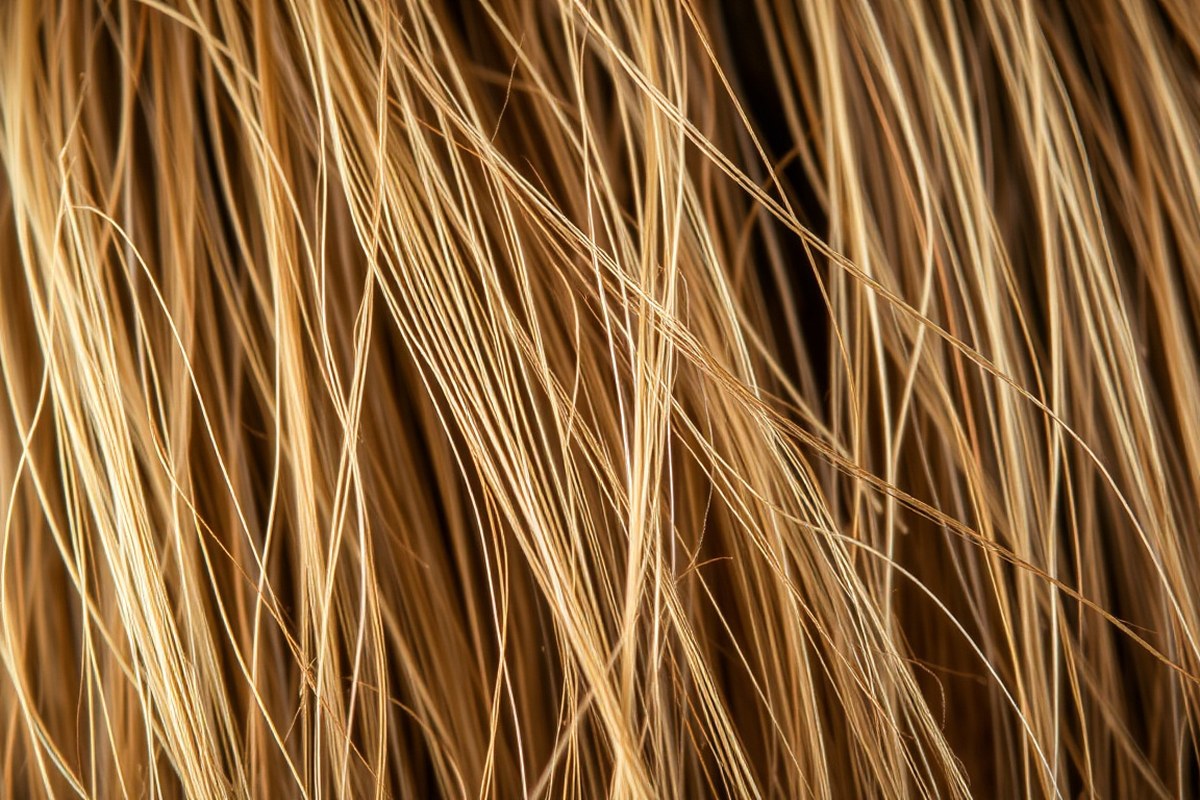
Broken hair means strands that are dry, brittle, and prone to snap. It looks dull and rough with lots of tiny broken pieces. This is different from split ends.
Split ends happen only at tips. They split hair strands into two or more parts.
Split ends appear as frayed or feathery ends you can see and feel easily. Broken hair can break anywhere along the strand, not just the ends. Both indicate damage but broken hair shows more widespread fragility.
Dry hair feels rough to touch but still keeps its full length. Broken hair feels weak and shorter pieces may fall out. You notice more flyaways and uneven strands rather than just dullness.
Check your hair for breakage signs. Look for uneven lengths and lots of short hairs.
Your hair may feel rough, not smooth. Hair that snaps off when brushing more than usual also signals breakage.
Split ends will never heal and need trimming to stop damage from spreading higher up. Broken hair can improve with good care but cutting damaged ends helps a lot. Regular trims about every 8 to 12 weeks keep hair healthier and stop breakage from worsening.
Using fine-tooth combs or small brushes can make breakage worse. Instead, choose wide-tooth combs or gentle brushes that reduce pulling. This lowers the chances of your hair breaking as you style or detangle.
2. Common Causes Behind Hair Breakage

Heat styling and chemical treatments are major reasons hair breaks easily. Tools like flat irons or curling wands get very hot. They reach 400 to 450°F. This heat dries out and weakens your hair strands.
Chemical processes, such as coloring, relaxing, or perming, change the hair’s internal bonds. These weaken the strand and make it more likely to snap under stress.
Running heat styling tools too often without protection causes small cracks in the hair’s shaft. These cracks let moisture escape and make hair brittle. Using heat protectant sprays helps.
But reducing the number of heat styling sessions is key. Chemical treatments without proper care strip moisture. So always ask your stylist to add bond rebuilding products during color or perm services.
Environmental factors like sun exposure and pollution harm your hair too. UV rays from the sun break down hair proteins, weakening strands and causing color fade. Pollutants from city air build up on hair, drying it out and making it rough.
Leave-in conditioners with UV filters and antioxidants can block some of this damage. Wearing hats, scarves, or washing hair soon after exposure also helps protect it.
Tight hairstyles and friction from rough towel drying also cause breakage. Hair stretched too much by ponytails or braids breaks at the tension points. Towel drying aggressively lifts the hair’s outer layer, making strands prone to snap.
Use a microfiber towel or a soft cotton T-shirt instead. Gently squeeze your hair to dry it. Avoid rough rubbing to reduce stress.
Avoid brushing wet hair or styling it right after washing. Hair is weakest when wet and breaks more easily then.
3. How to Handle Wet Hair Safely to Reduce Breakage
Wet hair breaks more easily, so handle it gently to avoid damage. Towel-dry hair until it’s damp, then use the right comb and detangle softly. Follow these steps to protect strands and reduce breakage.
Choose the Right Comb or Brush
A wide-tooth comb is best for wet hair. It reduces tension and stops strands from snapping. Brushes with soft, flexible bristles also work if you prefer.
Stay away from fine-tooth combs and stiff brushes. They pull too hard and create breakage. Use tools designed for sensitive, wet hair instead.
Methods to Detangle Without Pulling
Start detangling at the ends, then work slowly toward the roots. This stops knots from tightening and cutting strands. Mist hair lightly with leave-in conditioner to ease combing.
Never tug or yank through tangles. If you hit a snag, gently loosen it with fingers first. Moving slowly protects fragile hair and lessens damage during combing.
Best Drying Techniques to Protect Strands
Blot hair with a soft towel instead of rubbing. Rubbing roughs up the surface and causes split ends.
Air-drying hair is safest. But if you use a dryer, keep it on low heat.
Use a heat protectant spray before blow-drying. It shields strands from high temperatures. Avoid tight hairstyles on wet hair to reduce stress and limit breakage.
Follow these steps to handle wet hair safely:
- Brush your hair gently before washing, if possible.
- After washing, blot excess water using a soft towel until hair is damp.
- Apply leave-in conditioner evenly from roots to ends to soften hair.
- Detangle gently using a wide-tooth comb, starting at the tips.
- Work progressively toward the roots, relaxing knots carefully.
- Blot hair again if needed, avoiding rubbing motions that roughen strands.
- Spray on heat protectant if you plan to use heat styling tools.
- Air dry hair or blow-dry on the lowest heat setting to finish.
4. Regular Trims: Why and How Often to Cut Broken Hair
Trimming broken hair is key to stopping damage from getting worse. Dead ends cannot heal on their own and keep splitting if left untreated.
Cutting off broken parts stops more breakage right away. It also helps your hair start to grow back stronger and healthier.
You should trim broken hair every 6 to 8 weeks. This schedule removes split ends before they travel up the strand. It also keeps hair looking fresh and smooth.
Your hair breaks easily or is very damaged. Trim it every 4 to 6 weeks to fix the problem faster.
For best results, use sharp hair scissors or professional shears. Snip just above the broken part, about 1/4 inch to 1/2 inch from damaged ends.
Avoid cutting too much at once because hair needs some length to look good. Steady, small trims prevent uneven or choppy appearance.
You may not want to trim your hair yourself. A professional hairstylist can cut it with better results.
They use techniques like point cutting to remove damaged tips without blunt edges. This method blends trimmed hair with healthy strands, reducing noticeable damage and split ends.
Trimming alone doesn’t fix weakened hair but creates a clean base for repairs. Pair cuts with moisturizing serums or bond-building products to strengthen strands further.
Over time, your hair will get smoother and stronger. You will see less frizz and fewer breaks.
Skipping trims lets broken ends scrape against each other, causing frizz and more splits. You might see uneven lengths and a thin, skinned look.
Trimming your hair regularly saves time and money. It prevents major damage that means big cuts later.
5. Bond-Building Treatments and Effective Repair Products
Bond-building treatments fix damaged hair by reconnecting broken protein bonds. Products like the k18 hair mask work deep inside the hair shaft. This helps restore strength, elasticity, and bounce after breakage.
Treatments with keratin, amino acids, and natural oils hydrate and rebuild hair fibres. These ingredients also protect hair during styling and color processes. Using bond repair products weekly can help you recover damaged hair over time.
| Product | Key Feature | Repair Effect | Use Frequency | Price Range |
|---|---|---|---|---|
| K18 Hair Mask | Reconnects broken keratin chains | Restores elasticity and strength | Weekly treatment | About $30 per mask |
| Olaplex No.3 Hair Repair | Bond repair technology | Repairs damaged protein bonds | 1, 2 times per week | About $28 per bottle |
| Amika The Kure Multi-Task | Bond-cure technology | Repairs 74% damage after 3 uses | Several uses per week | About $38 per treatment |
| Beauty Lab Color Formulas | Conditioning ingredients during dyeing | Protects and repairs color-treated hair | With each coloring session | Varies by product |
Bond-building treatments target the root damage inside your hair. Avoid products with harsh sulfates or alcohols that dry hair further. Stick to ones rich in proteins and oils for best results.
Hair masks and leave-in repair creams also support daily moisture. The Skin Cycling method alternates these products to maintain hair health without overloading it. Deep-conditioning masks once a week rebuild strength gradually.
Never attempt bleach or harsh treatments at home; professional care reduces damage risk.
Cost varies by brand but expect to spend $25, 40 per treatment for quality repair. Results usually appear after several weeks with consistent use. Watch for less frizz and more shine in your hair.
6. Protective Daily Habits to Support Hair Recovery
Protective daily habits guard your hair while it recovers. Simple choices can stop new breakage and let repair products work better. You mainly want to reduce friction, avoid heat damage, and handle hair gently.
Protective Hairstyles and Pillowcases
Sleeping on silk or satin pillowcases lowers hair breakage by cutting friction that happens on cotton. Wrapping your hair in a silk scarf at night does the same. These fabrics keep hair smooth and prevent strands from catching and snapping.
Choosing loose hairstyles during the day helps too. Tightly pulling your hair into ponytails or buns stresses the strands.
Try loose braids or soft scrunchies instead. They protect hair from tension while still keeping it styled.
Gentle Brushing and Combing Routines
Brushing hair roughly can cause tiny breaks you don’t see right away. Use a wide-tooth comb or a brush with soft bristles. Start combing from the ends and work your way up slowly to remove tangles.
Avoid yanking hair or tugging on knots. Try detangling sprays or protective leave-in creams that soften hair and ease brushing. These cuts down mechanical damage that adds to breakage.
- Use wide-tooth combs or soft bristle brushes
- Comb hair starting from the ends
- Work gently upward toward roots
- Apply leave-in treatments before brushing
- Don’t over-brush; once or twice daily is enough
Avoid brushing hair when it’s soaking wet. Wet hair is weaker and breaks more easily.
Pat hair dry with a towel instead of rubbing hard. Blot gently to remove water.
Avoiding Damaging Chemical and Heat Styling
Heat tools like flat irons and blow dryers can cause new breakage if not used carefully. Use heat protectant sprays before styling. Keep tool settings at lower temperatures, ideally below 350°F.
Limit how often you apply chemical treatments like dyes or relaxers. These weaken hair fibers and worsen breakage. Give hair time to recover by spacing treatments several weeks apart and using repair products regularly.
Overdoing styling makes hair brittle and dry. Save heat styling for special occasions only.
Skip it on regular days. This helps your hair heal faster.
7. Optimizing Diet and Supplements for Stronger Hair
Your diet directly affects how strong your hair is and how fast it repairs. Hair needs enough protein, vitamins, and minerals to stay healthy and avoid breaking. When your body lacks nutrients, hair becomes thin and dry.
This causes hair to break more over time. Brittle hair breaks easily and looks weak.
Vitamins like biotin, vitamin E, and vitamin D are especially helpful for hair strength and growth. Biotin supports the structure of hair keratin, making strands less likely to snap. Vitamin E improves scalp circulation, which helps hair follicles get the nutrients they need.
Vitamin D plays a role in hair follicle cycling. So low levels can cause hair loss or thinning.
Iron and vitamin C are important too, because vitamin C helps your body absorb iron better. Iron deficiency often causes hair thinning or loss.
So eating iron-rich foods like lean meats, spinach, or beans can help. Pair these foods with vitamin C sources like citrus fruits or bell peppers for best results.
You can try supplements if your diet is not enough. A doctor can check if you have nutrient deficiencies. Supplements help only when you really need them.
A typical biotin dose is 2,500 to 5,000 micrograms daily. But avoid taking too much Vitamin A as it can worsen breakage.
Getting your vitamins from food is safer and usually enough. But supplements help when needed.
Remember, changes in your hair will take time. It usually takes at least three months of better nutrition before new hair looks stronger. Eat a better diet and drink lots of water every day.
Avoid crash diets that cut out important nutrients. These habits help keep your hair strong. Eating balanced meals every day costs little but affects your hair’s health a lot.
8. When to Seek Professional Help for Hair Breakage
Seeing a professional about hair breakage can save your hair from further damage. You should act if breakage is severe or home care doesn’t help. Professionals can offer treatments that go beyond what you can safely do at home.
Warning Signs That Require Professional Evaluation
Seek a professional if your hair breaks easily despite gentle home care. Watch for bright white spots on hair strands, which mean damage reaches the inner cortex.
Your scalp feels itchy, painful, or irritated. An expert can check for infection or scalp issues.
Other warning signs include extreme hair thinning or large patches of breakage. These might signal nutritional or hormonal problems needing more than simple fixes. Let a professional evaluate if your hair feels dry and brittle despite using deep conditioners regularly.
- Severe or worsening hair breakage despite care
- White spots visible along hair strands
- Scalp itching, pain, or unusual flaking
- Large patches of thinning or bare spots
- Hair feels extremely dry and brittle after treatments
Ignoring these signs can lead to permanent hair loss or scalp damage. Getting a clear diagnosis helps target the treatment right away.
Overview of Salon and Clinical Repair Treatments
Professionals offer several treatments to stop hair breakage and improve strength. Some common options include protein-based bonding treatments and deep moisturizing masks. These can rebuild hair structure better than most store products.
Specialized treatments like keratin smoothing or scalp therapies relieve damaged cuticles and promote healthy growth. Clinical options might include laser therapy or prescription topicals for underlying scalp issues. Costs for salon treatments usually start around $50 and can go above $200 per session.
Follow-up visits happen every 4 to 6 weeks. They keep your results steady.
Care gets adjusted as your hair improves. Professionals also advise safe styling and product use to protect your hair long-term.
Safe Transition from Home to Professional Care
Before your appointment, avoid harsh chemicals, heat styling, or tight hairstyles for a week. This prevents extra breakage and makes your hair easier to treat. Bring a list of products you use, including homemade remedies or oils.
Ask your stylist or dermatologist clear questions about what treatments they recommend and why. Don’t agree to services you don’t understand or that promise quick fixes. Good professionals explain risks, costs, and realistic timelines for hair recovery.
Stop home treatments that cause irritation or worsen breakage until you talk with a professional.
After treatment, follow their advice carefully. Use gentle shampoos and wait to wash your hair for 48 hours if directed.
Avoid heat tools. Schedule follow-ups as recommended to keep your hair on track to heal.
Step-by-Step Action Plan to Fix Broken Hair
Follow this plan to repair your broken hair and improve its strength. Each step helps you track progress and adjust as needed.
- Day 1: Trim your hair to remove the worst broken ends. Look for smoother ends and less frizz.
- Week 1: Switch to a gentle shampoo and conditioner for damaged hair. Your hair should feel softer and less tangled.
- Week 2: Start using a bond-building treatment once or twice a week. You’ll notice less breakage during combing and styling.
- Week 3: Apply leave-in conditioner daily to protect strands. Hair will feel smoother and easier to manage.
- Week 4: Protect your hair from heat by reducing styling tools use. Hair should show fewer split ends and less dryness.
- Month 2: Add a vitamin supplement with biotin or keratin after checking with a healthcare provider. Hair may grow stronger and thicker gradually.
- Ongoing: Keep trimming damaged ends every 6 to 8 weeks to maintain healthy hair. Watch for reduced breakage and healthier look.
Frequently Asked Questions
How Can I Tell If My Hair Is Broken or Just Dry?
Broken hair is brittle, dull, and prone to snapping easily. Dry hair may feel rough but doesn’t always break as easily. Check for short, uneven strands or split ends near the scalp as signs of breakage.
Is It Okay to Brush Broken Hair When It’s Wet?
Wet hair breaks easily, so handle it with care. Use a wide-tooth comb or fingers for detangling. Begin at the ends and move upward to avoid snapping.
Can Protein Treatments Repair Broken Hair?
Protein treatments help strengthen hair but won’t fix already broken strands. They rebuild weak spots by adding keratin, making hair less prone to break. Use them as part of your routine, but trims remain essential.
How Often Should I Trim to Manage Broken Hair?
Trim broken ends every 8 to 12 weeks to stop damage spread. Regular cuts keep hair looking healthier and reduce splitting. You can trim more often if damage is severe to encourage growth.
Does Changing Shampoo Help Fix Broken Hair?
Switching to a repairing shampoo can reduce breakage over time. Look for products with strengthening ingredients like keratin and moisture boosters. Avoid harsh sulfates and overly drying formulas.
Are Hair Masks Effective for Fixing Broken Hair?
Hair masks nourish and strengthen but can’t fully fix broken strands. They improve elasticity and restore moisture, which helps reduce future break. Use a bond-building mask once or twice a week for best results.
Key Points to Remember
Fixing broken hair takes consistent care and patience. Start by trimming damaged ends and using gentle products. Take one step today and your hair will thank you over time.