Are Shampoo Bars Good for Hair? A Complete Guide to Benefits and Use
Are shampoo bars good for hair? Yes, they can work well for many hair types.
They clean without harsh chemicals and often include natural ingredients. These bars may help your hair stay soft and healthy if you pick the right one.
Start by choosing bars with nourishing ingredients like manuka honey or biotin. You want bars that suit your hair’s needs, dry, oily, curly, or fine. Use shampoo bars properly by lathering well and rinsing thoroughly to avoid residue buildup.
Be patient during the first few weeks, as your hair adjusts to fewer detergents. You might notice less frizz or improved softness after regular use. Keep your bar dry between washes to make it last longer and stay fresh.
Key Takeaways
- Pick shampoo bars with natural, hydrating ingredients like manuka honey or coconut water.
- Use the bar twice a week for about two months before it expires.
- Choose the bar that fits your hair type. Pick biotin if hair thins. Use volumizing for fine strands.
- Lather the bar well in your hands or directly on hair before massaging your scalp.
- Rinse thoroughly to prevent any leftover shampoo from weighing hair down.
- Store your shampoo bar dry between uses to keep it firm and lasting longer.
Are Shampoo Bars Good for Hair? What Science and Experts Say
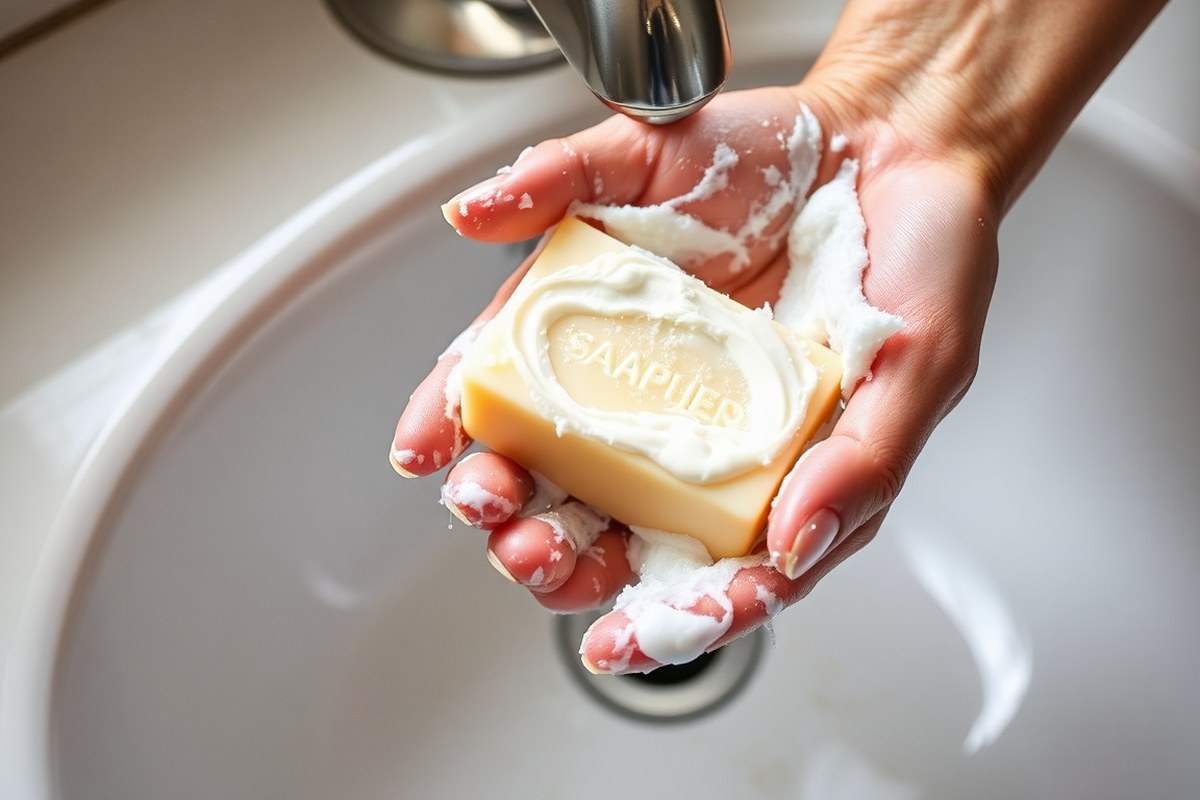
Shampoo bars can be good for hair, especially when made with natural ingredients. They usually avoid harsh chemicals like parabens, sulfates, and synthetic fragrances. These ingredients often found in liquid shampoos can dry hair out or cause irritation.
The main difference is shampoo bars come in a solid, dehydrated form. You rub the bar to create lather, then apply it to your scalp and hair. Liquid shampoos apply directly as a liquid.
Bars tend to be more alkaline. So some people use an apple cider vinegar rinse afterward to balance pH.
Experts say shampoo bars often feel gentler because they contain fewer detergents. Many are free from synthetic ingredients, which can make hair stronger and improve texture over time. Your scalp and hair may need a few weeks to adjust.
This is common when switching from harsh liquid shampoos. Give your hair time to get used to the new product.
Some shampoo bars include nourishing oils and glycerin, which help maintain moisture and reduce frizz. That’s helpful for curly or dry hair.
Yet not every bar has these. So checking ingredients is key to avoid dryness or damage.
People with sensitive scalps usually tolerate shampoo bars well. Many bars avoid common allergens and irritants found in liquids. This makes them easier on sensitive skin.
However, if you’re allergic to fragrances or preservatives, look closely at the labels. Some bars clearly state which scalp types they’re best for.
Concerns about shampoo bars causing hair loss mostly come from bars with drying agents. Avoid bars with sulfates or parabens, as these can damage hair and scalp health. Using bars without these harsh chemicals reduces risk of hair loss or irritation.
Both shampoo bars and liquids cleanse hair effectively, but bars offer an eco-friendly alternative. They limit plastic waste and often have simpler formulas. For some, the tradeoff is an adjustment phase and needing to balance hair pH after washing.
Shampoo bars are safer if you want a natural and gentle cleaner. They often contain fewer harsh chemicals than liquid shampoos. This makes them a softer option for your hair.
They can improve scalp health by avoiding irritants and supporting moisture with plant-based oils. Choose a bar made for your hair type.
Watch how your scalp feels during the first few weeks. Adjust your routine if you notice any irritation or dryness.
Which Hair Types Benefit Most from Shampoo Bars?
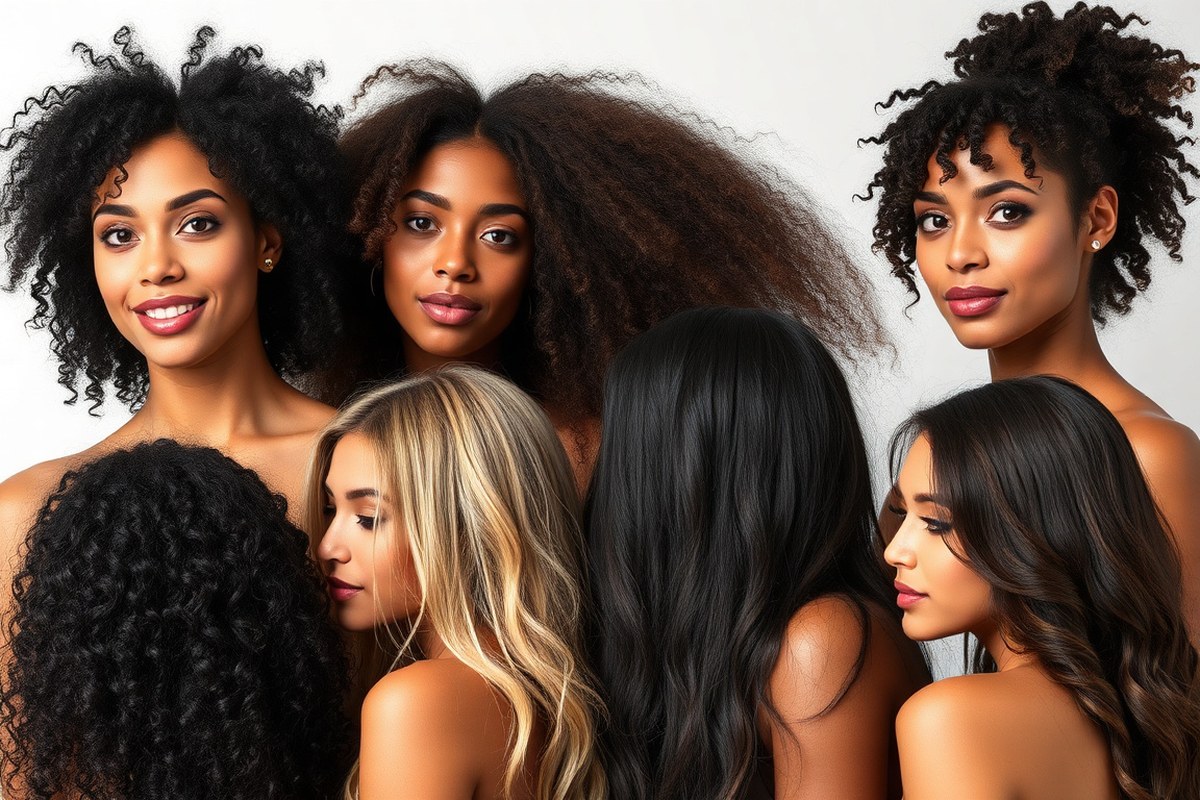
Best Hair Types for Shampoo Bars
Shampoo bars suit normal to slightly oily hair. They clean gently using natural ingredients and avoid stripping your hair. Dry or color-treated hair needs more moisture with leave-in treatments or weekly masks.
People with oily hair appreciate shampoo bars because solid surfactant bars offer a deep clean. This helps remove excess oil and buildup without harsh chemicals. Fine hair types also respond well, especially with bars designed to add volume and strength.
Shampoo Bars and Curly Hair
Shampoo bars can be gentle and nourishing to curly hair. They often contain natural oils and butters, which lock in moisture and define curls. Curly hair benefits from bars with hydrating ingredients since curls tend to be dry by nature.
Look for bars specifically made for curls, such as Ethique Curl Defining Solid Shampoo Bar. These contain ingredients that help reduce frizz and maintain bounce. Avoid bars with overly strong surfactants that can dry out curls.
Choosing Shampoo Bars for Dry, Oily, or Fine Hair
Pick a shampoo bar based on your hair’s main need. Dry hair requires bars rich in moisture, like the Hibar Moisturize Shampoo Bar. These bars use natural butters and oils that soothe dryness and improve softness.
Oily hair thrives with bars that provide a thorough, refreshing clean. They usually include ingredients that balance sebum without stripping the scalp. Fine hair needs light bars that add volume and strength.
Try the Lush New Shampoo Bar for best results. It won’t weigh your hair down.
Thinning hair can benefit from specialized bars with scalp support ingredients. Kitsch Rosemary &. Biotin Shampoo Bar offers this with biotin and rosemary to help strengthen strands and support scalp health.
Seasonal and Texture Considerations
Seasonal changes affect your hair and scalp needs, which influences your choice of shampoo bar. Winter often dries hair and scalp, so switch to a moisturizing bar. Summer heat and humidity might require a balancing bar to prevent oil build-up or frizz.
Hair texture also guides your choice. Thick or coarse hair needs extra hydration and cleansing power. Medium and fine hair do better with lightweight formulas that add volume without residue.
Straight and wavy hair usually needs simple care. Use gentle cleansing to protect your scalp. These hair types often respond well to mild products.
Checklist for Selecting Shampoo Bars by Hair Type
Check these factors when picking your shampoo bar. They help you avoid dryness or excess oil and keep your hair healthy.
- For dry hair: bars with nourishing butters and oils
- For oily hair: bars with strong cleansing surfactants
- For curly hair: moisturizing bars with frizz-control oils
- For fine hair: lightweight bars that add volume
- For thinning hair: bars with scalp-strengthening ingredients
- Seasonal changes: switch between hydrating and balancing bars
- Look for sulfate-free options to avoid harsh stripping
Adjust your routine if your scalp feels irritated or hair looks dull. Use a gentle, hydrating conditioner or mask to balance your shampoo bar’s effect.
Switch shampoo bars carefully with regular shampoos to avoid scalp dryness or buildup. Always test the new bar on a small hair section first.
How to Use Shampoo Bars Properly for Best Results
Using a shampoo bar well means prepping your hair first. Apply the bar properly and rinse right.
Store the bar correctly to keep it good. Good technique helps your hair get cleaner and avoids common issues like buildup or dryness.
Preparing Your Hair and Shampoo Bar
Start with wet hair. Make sure your hair is completely soaked to help the shampoo bar spread evenly. Let the bar also get wet; this softens it for better lather.
Wet hair opens the cuticles, making it easier to remove dirt and oils. A damp shampoo bar produces more foam, improving coverage.
Applying the Shampoo Bar Correctly
To clean your hair, rub the bar on your scalp gently. You can also rub it between your hands.
This helps create a good lather. Focus on the scalp more than the hair strands.
Applying shampoo to the scalp lifts oils and buildup, which rinses out well. Using your hands avoids tangling and drying.
- Wet your hair thoroughly with warm water.
- Wet the shampoo bar briefly under water to soften it.
- Rub the bar directly onto your scalp in small sections or lather in your hands.
- Massage your scalp with fingertips for about 30 seconds to spread the shampoo.
- Add more water if needed to work up a foam.
- Rinse your hands and repeat if you feel your hair needs extra cleaning.
Rinsing Techniques and Conditioning
Rinse your hair thoroughly with warm water to remove all shampoo. Leftover shampoo can weigh hair down or cause itchiness. After rinsing, use a conditioner bar or liquid conditioner to smooth hair cuticles and lock moisture.
Conditioning after shampooing helps keep hair soft and easier to manage. Focus on the mid-lengths and ends. Avoid applying conditioner on the scalp to prevent oil buildup.
Storage Tips to Extend Bar Lifespan
Keep shampoo bars dry between uses. Store them on a well-drained soap dish away from water pools. This prevents the bar from melting or becoming mushy, extending its life.
A dry bar can last several months, making it cost-effective compared to liquid shampoo bottles. Avoid storing bars in humid places like showers if possible.
Avoiding Common User Mistakes
Don’t expect the same lather as liquid shampoo. Some bars create less foam but clean just as well. Avoid overusing shampoo bars, as it can dry out your scalp.
Avoid storing shampoo bars in the shower floor or a soap saver that holds water. Also, don’t rub the bar too aggressively on hair to prevent tangles and breakage.
What to Expect: Adjustment Period and Hair Response Timeline
Switching to shampoo bars usually triggers a transition lasting about a few days to a month. During this time, your hair adjusts from synthetic detergents.
It learns to handle the natural ingredients found in shampoo bars. You might notice your hair feels more coated or less squeaky clean than before.
This coating feels different because shampoo bars often leave less residue and use gentler cleansers. Some people say their hair feels waxy or heavy at first.
Try rinsing your hair with cooler water near 70 to 75 degrees Fahrenheit. This helps remove leftover product.
Hair texture and length also affect adjustment. Longer or curly hair may take longer to fully respond.
For example, thick curly hair often needs three to four weeks before it feels balanced. Shorter hair tends to adjust faster, usually under two weeks.
You’ll know the switch works when your hair feels clean but not dried out. It should have a soft, natural shine. Hair should rinse out easily without residue.
Some users wash their hair less often, about every three to four days. They don’t wash daily anymore.
Signs of problems include persistent heaviness, itchiness, or buildup after a month. These may mean the shampoo bar isn’t a good fit or you need a different formula.
Seeing these issues for a long time means you should talk to a hairstylist or dermatologist. They can suggest a product better suited for your scalp and hair type.
To smooth the transition, massage the shampoo bar gently into wet hair instead of scrubbing hard. Let the lather sit two to five minutes before rinsing.
Avoid cold water, which can tighten cuticles and trap residue; lukewarm water is best. Also, give your hair a weekly clarifying rinse with diluted apple cider vinegar or lemon juice.
Preparation costs little. A shampoo bar often lasts up to 100 washes, making it cost-effective. Adjusting to the new feel might seem odd at first.
With patience and proper rinsing, most people notice their hair becomes healthier. The hair also feels cleaner after this first phase.
Pros and Cons of Shampoo Bars Compared to Liquid Shampoos
Shampoo bars offer several benefits over liquid shampoos, especially if you want to cut down waste. They come without plastic packaging and weigh less. This means fewer carbon emissions when shipped.
Some bars last longer than a bottle of liquid shampoo. They might cost more at first but save money over time.
The concentration in shampoo bars means a little goes a long way. This saves money in the long run.
However, shampoo bars are not perfect for everyone. Some leave a waxy or rough residue that can make hair feel greasy or weighed down. These bars might also dry out hair or not mix well with your hair type.
| Feature | Shampoo Bars | Liquid Shampoos |
|---|---|---|
| Packaging | No plastic, solid bar | Plastic bottles, liquid |
| Environmental Impact | Lower CO2 emissions, less waste | More plastic, higher CO2 emission |
| Cost | Higher upfront, lasts longer | Lower upfront, use faster |
| Residue Build-Up | Some leave waxy build-up | Usually less residue, more conditioning |
| Hair Health | May dry or irritate some hair types | Often better for damaged or color-treated hair |
| Formula Concentration | More concentrated surfactants, fewer preservatives | Water-based, consistent dispersion |
Performance varies with the shampoo bar you pick. Bars with natural ingredients and essential oils can do well, leaving hair shiny and clean. Some combine cleansing and conditioning, but most still need a separate conditioner for smoothness.
Try a small shampoo bar first to test hair response before fully switching from liquid.
Watch out for bars that feel too alkaline. They can make hair rough or tangled. Rinse well to avoid residue and itchy scalp.
Try a clarifying rinse once a week for buildup. Conditioner bars or liquid conditioners help keep hair healthy. They work well for dry or damaged hair.
How Water Quality Affects Shampoo Bar Performance
Hard water contains minerals like calcium and magnesium that affect shampoo bar performance. These minerals react with soap in the bar.
They cause a waxy, soap scum residue on your hair. It can make hair feel sticky, heavy, or dry even after washing.
Soft water has fewer minerals. It lets shampoo bars lather better. It also rinses cleaner.
You will likely notice a smoother, lighter feel in your hair. Your water is soft. Shampoo bars usually work well without changing your routine.
You have hard water at home. Rub the shampoo bar between your wet hands first. This creates lather.
Then apply the foam to your hair, rather than rubbing the bar directly on your scalp. This helps spread lather more evenly and reduces waxy buildup.
Rinsing hair with distilled or filtered water helps cut hard water effects. Do this after shampooing. It removes mineral buildup.
Using a water softener can also help but might cost a few hundred dollars upfront. You use a vinegar rinse (1 tablespoon vinegar to 1 cup water).
This breaks down minerals. It smooths the hair surface.
Watch out for soap-based or cold process shampoo bars. They leave more residue in hard water areas. This can cause buildup.
Look for bars made to work with all water types. Check for nourishing ingredients like rice water.
They prevent residue. These bars can help protect your hair from drying out and improve softness.
These extra steps take only a few more minutes. They cost little besides vinegar. Filters need replacing occasionally.
You’ll know it’s working when your hair feels clean, not coated or straw-like. Residue remains? Try switching shampoo bars.
Add a clarifying rinse once a week. These tweaks help you enjoy shampoo bars even with hard water.
Choosing the Right Shampoo Bar: Ingredients, Brands, and Features
Choose a shampoo bar that fits your hair and values. Look at the ingredients carefully. Trust the brand you pick.
Check labels carefully to avoid harsh soaps and find gentle, effective formulas. Look for bars designed for your hair type and consider sustainability and ethics. So you get good care with less waste.
Key Beneficial Ingredients to Choose
Look for natural fats and oils like coconut oil or shea butter. They moisturize and smooth hair without heavy residue. Mild cleansing agents such as sodium cocoyl isethionate offer foam without stripping natural oils.
Plant extracts like aloe vera and chamomile soothe the scalp and seal moisture. Lightweight proteins can strengthen thin or fragile hair. Ingredients such as glycerin naturally hydrate hair throughout the day.
- Coconut oil or shea butter for moisture
- Sodium cocoyl isethionate as a gentle cleanser
- Aloe vera or chamomile for scalp soothing
- Hydrolyzed proteins for strengthening
- Glycerin for ongoing hydration
Harmful Ingredients to Avoid
Steer clear of shampoo bars based on soap. Soap can disrupt your hair’s pH and make it dry or frizzy. Try to avoid harsh detergents like sulfates that might strip oils and cause irritation.
Artificial fragrances often cause allergies or scalp sensitivity. Avoid non-biodegradable ingredients that harm the environment. For a sensitive scalp, avoid bars with colorants or harsh preservatives.
Top Brands and Best Sellers
Look for brands known for transparency and good customer reviews. Plastic-free packaging often means the brand cares about sustainability. Many brands make bars for specific hair types.
Volumizing bars help thin hair. Smoothing bars work for frizzy hair.
Brands such as Ethique and Lush are popular for clean, vegan shampoo bars. Some bars cost around $10 to $15 and last several months, making them cost-effective. Check user feedback to find a bar that works well with your hair texture and scalp.
Sustainability and Ethical Considerations
Choose shampoo bars that clearly list their ingredients to avoid greenwashing. Look for fully vegan, cruelty-free options with organic ingredients. Plastic-free, compostable packaging reduces environmental waste.
Many brands offer bars made with sustainably sourced oils and avoid palm oil. Deciding on a truly sustainable option means checking certifications and researching brand claims. Supporting companies with good ethics helps protect ecosystems while caring for your hair.
Tips to Maximize Shampoo Bar Benefits and Avoid Problems
Switching to shampoo bars can seem tricky at first. Some people expect lots of foam, but many bars don’t create much lather.
This can make you think the product isn’t working. But that’s normal and doesn’t mean your hair isn’t getting clean.
Residue, dryness, or waxy buildup often happen because the shampoo bar isn’t rinsed out well. Use lukewarm water and rinse for at least one minute, focusing on your scalp and roots.
Avoid using too much shampoo bar at once. A little usually goes a long way, especially if your hair is fine.
- Store your shampoo bar in a dry, well-ventilated soap dish between uses.
- Use a gentle scrubbing motion on your scalp with the bar, not just your hair ends.
- Rinse twice if you notice any residue or heaviness after the first wash.
- Adjust how often you wash based on your hair type and scalp needs.
- Try switching bars if your current one causes dryness or itchiness.
- Give your hair a break from styling products to avoid buildup alongside the bar.
Hair responds differently to shampoo bars depending on its type and condition. For example, curly hair might need a bar richer in oils. Oily scalps prefer a lighter formula.
Spot flakes, itchiness, or dry hair lasting weeks? See a hairstylist or dermatologist.
Rinse the shampoo bar well into your scalp. Otherwise, it may leave buildup. This buildup can make your hair feel waxy or dull.
Sometimes dryness happens because some bars strip natural oils more than liquid shampoos. Use a conditioner or soothing scalp bar like Superzero’s. They help hydrate your scalp.
This can also reduce flakes. Adjust how often you wash your hair.
Try every other day or less. This helps keep your scalp balanced.
Step-by-Step Action Plan to Start Using Shampoo Bars Successfully
Follow this plan to switch to shampoo bars smoothly. It helps you get the best results. Your hair will thank you for this routine.
- Before you start: Choose a shampoo bar suited for your hair type and water quality. Look for gentle, natural ingredients and avoid harsh sulfates.
- Day 1: Wet your hair nicely. Rub the bar on your scalp or hands. Make a good lather before applying. Rinse thoroughly to prevent residue.
- Week 1: Use the shampoo bar as your only cleanser. Expect some adjustment as your scalp balances oils. Avoid switching back and forth with liquid shampoo.
- After 2 weeks: Check if your hair feels clean without buildup or dryness. Apply a conditioner after shampooing. This helps if your hair feels too dry. Choose one focused on moisture.
- Week 3: Try different amounts of lather. Check how often you should use the bar. Adjust based on your hair’s needs. Reduce use if hair gets dry or brittle.
- Week 4: Start comparing how your hair looks and feels to before using the bar. Note more shine or less oiliness as signs of improvement.
- After 1 month: Adjust your shampoo bar routine for your hair’s needs. Choose a new bar if irritation or buildup occurs.
Frequently Asked Questions
Can Shampoo Bars Cause Dryness or Damage?
Yes, some shampoo bars can dry out hair if they lack moisturizing ingredients. Look for bars with oils or glycerin to avoid dryness and keep hair soft.
Are Shampoo Bars Effective for Treating Dandruff?
Some shampoo bars contain ingredients that can help with dandruff. Choose one with tea tree oil or other anti-fungal ingredients for best results.
How Often Should You Wash Hair with Shampoo Bars?
You can wash your hair as often with bars as with liquid shampoo. Frequency depends on your hair type and scalp needs.
Can Shampoo Bars Help Color-Treated Hair Last Longer?
Yes, shampoo bars with gentle, sulfate-free formulas can preserve hair color better. Avoid bars with harsh detergents that strip color.
Do Shampoo Bars Leave a Residue or Film on Hair?
Properly rinsing shampoo bars usually prevents residue build-up. If you notice film, try an apple cider vinegar rinse to remove it.
Are Shampoo Bars Travel-Friendly and Easy to Carry?
Yes, shampoo bars are compact and solid, making them great for travel. They avoid liquid restrictions and reduce spill risks in luggage.
Wrapping Up
Shampoo bars can be great for many hair types when used right. Try switching slowly to see how your hair adapts. Start today by picking a well-reviewed bar that matches your hair and water type.