How to Relieve Itchy Scalp Fast: 8 Effective Methods That Work
How to relieve itchy scalp quickly starts with stopping the scratching. Rubbing or scratching only makes the irritation worse and can cause infection. Use a cool compress or rinse your scalp with water to calm the itch fast.
Next, try applying a mild, soothing treatment like coconut oil. It helps hydrate and reduce inflammation gently within 15 to 20 minutes. Avoid harsh shampoos or products with alcohol since they dry out your scalp further.
Keeping your scalp clean but not over-washed also matters a lot. Wash your hair two or three times a week. Use a gentle shampoo.
Make sure it suits sensitive skin. This balances oil without stripping moisture, which keeps the itch at bay over time.
Key Takeaways
- Use a cool compress on your scalp to relieve itch quickly.
- Apply coconut oil and leave on for 15 to 20 minutes before washing.
- Avoid products with alcohol that dry out your scalp further.
- Wash hair 2 to 3 times weekly with a gentle shampoo.
- Stop scratching immediately to prevent worsening and infection.
- Hydrating your scalp regularly helps reduce chronic itchiness.
1. How to Relieve an Itchy Scalp Quickly and Safely
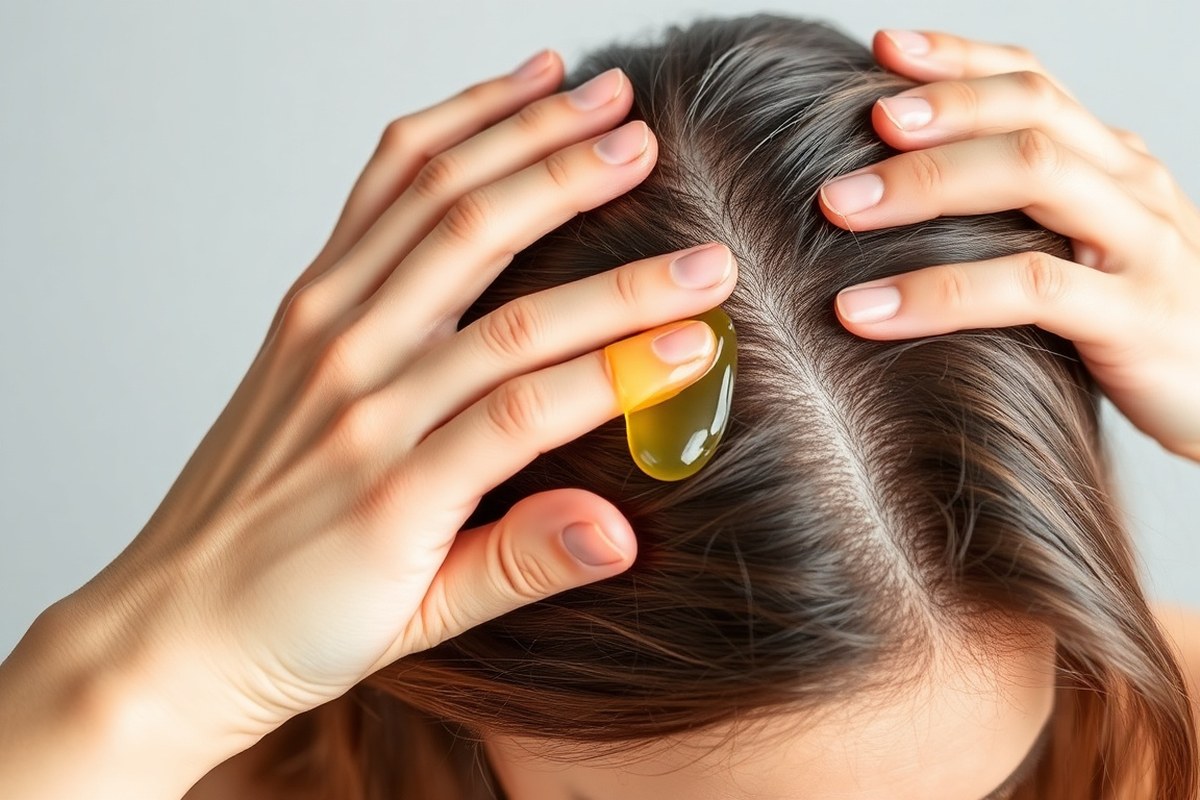
Relieving an itchy scalp fast means calming irritation and reducing dryness right away. You can use gentle home remedies or over-the-counter products that don’t harm your skin or hair. Applying the right treatment safely is key to quick relief without extra irritation.
Start by washing your scalp with a mild shampoo to remove dirt and oil. Using oils or hair rinses with natural antifungal or antibacterial properties can soothe itchiness efficiently.
Always patch test oils first to avoid reactions. Apply products gently to your scalp without scratching.
- Wet your hair with lukewarm water, not hot, to avoid drying your scalp more.
- Massage a gentle, fragrance-free shampoo into your scalp for about 1 minute.
- Rinse thoroughly to clear away shampoo and buildup that can worsen itching.
- Use 2 to 3 drops of tea tree oil mixed in your shampoo. Apply the shampoo as usual after mixing it well.
- Apply aloe vera gel or a thin layer of jojoba oil directly to itchy areas.
- Leave oils or aloe on for 15 to 20 minutes, then rinse if preferred.
- Pat your scalp dry with a towel, avoid rubbing, which can increase irritation.
- Repeat this routine two or three times a week to manage itchiness effectively.
This method cools the scalp, controls bacteria, and reduces inflammation fast. Tea tree oil fights fungal and bacterial buildup. Use it diluted.
This prevents burns and irritation. Aloe vera and jojoba oil hydrate your skin and calm redness without clogging pores.
Try to identify triggers like harsh shampoos or hair dyes that worsen your scalp. Avoid scratching, which breaks skin and can cause infection. Your scalp may still itch after a week of treatment.
See a healthcare provider. They can suggest stronger options.
2. Common Causes of Itchy Scalp and How to Identify Them

Itchy scalp often comes from dandruff, dry skin, or allergies. These are common causes of scalp itchiness. Most people experience one of these problems.
Dandruff often looks like flaky white or yellow scales on the scalp with itching. You may notice oily areas or red patches on your scalp.
This suggests seborrheic dermatitis. It is the main cause of dandruff symptoms.
Psoriasis on the scalp shows thick, silvery scales and red patches that might crack or bleed. Unlike dandruff, scalp psoriasis often extends beyond the hairline. Lice cause intense itching from bites.
Tiny white eggs may stick near your hair roots. You could also feel small crawling bugs. These signs point to a lice infestation.
- Dandruff: flaky, oily scalp with itching and white flakes
- Dry scalp: rough, tight feeling with small flakes but no oil
- Psoriasis: red patches with thick, silvery scales that may bleed
- Lice: intense itching with visible nits or bugs on hair strands
- Allergic reaction: sudden itch and redness after using new products
- Scalp ringworm: round, scaly patches with hair loss
Knowing these signs helps pin down what’s causing the itch. Dandruff and seborrheic dermatitis often respond to over-the-counter shampoos with selenium sulfide or salicylic acid.
For lice, special medicated shampoos are key to clearing the infestation. Dry scalp usually improves with more moisture and gentle care.
Seeing a healthcare provider is smart if itching doesn’t improve. This is important when home care fails to help. Don’t wait if your symptoms get worse.
Some scalp issues need prescription treatments, such as scalp psoriasis or fungal infections. Don’t ignore symptoms like bleeding patches or hair loss because they need careful management.
Always test new hair products on a small skin patch first. This helps avoid allergic reactions on your scalp. Apply to a hidden spot and wait 24 hours.
3. Natural Oils and Remedies for Soothing Scalp Itch
Natural oils like tea tree, coconut, and jojoba can soothe an itchy scalp. Aloe vera and peppermint oil also calm irritation without harsh chemicals. Use these oils carefully by diluting and applying gently to avoid reactions.
Tea Tree Oil Benefits and Use
Tea tree oil is popular for itchy scalps because it fights fungus and bacteria. It can reduce inflammation and help with scalp conditions like dandruff or psoriasis. Diluting tea tree oil is essential to avoid burning or irritation.
Mix a few drops of tea tree oil with a carrier oil like coconut or jojoba. You can apply this blend directly to the scalp or add it to your shampoo. Always do a patch test first.
Apply a small amount on your wrist. You can also test behind your ear.
- Measure 3 to 5 drops of tea tree oil into 1 tablespoon of carrier oil.
- Mix well to combine the oils completely.
- Part your hair in sections to expose the scalp.
- Apply the diluted oil onto the scalp with your fingertips or a cotton ball.
- Massage gently for 5 minutes to boost circulation and absorption.
- Leave it on for 20 to 30 minutes, then rinse with a mild shampoo.
- Repeat twice a week to ease itching and inflammation.
- Stop use if you notice redness, burning, or increased irritation.
Applying Coconut and Jojoba Oil
Coconut oil locks in moisture and has mild antifungal qualities, helping dry, flaky scalps. Jojoba oil resembles natural scalp oils, balancing sebum without clogging pores. Both oils are safe to use pure.
You can mix them for spot treatment. They also work for a full scalp mask.
Start with one or two tablespoons for your scalp and hair length. Warm the oil slightly before applying. Warming helps the oil spread better and may feel soothing on irritated skin.
- Pour 1 or 2 tablespoons of coconut or jojoba oil into a small bowl.
- Heat the oil gently by placing the bowl in warm water for a few minutes.
- Section your hair and use your fingertips to apply the oil directly on the scalp.
- Massage slowly for 5 to 7 minutes to stimulate blood flow.
- Cover your head with a warm towel or shower cap for 30 minutes.
- Rinse with shampoo, focusing on completely removing oil residue.
- Repeat 1 to 2 times per week to improve scalp hydration.
Soothing Aloe Vera and Peppermint Oil
Aloe vera gel hydrates the scalp and reduces redness and itchiness. Peppermint oil creates a cooling effect and may relieve itching by calming nerves and reducing inflammation. Always dilute peppermint oil since pure essential oils are strong and may irritate sensitive skin.
Mix aloe vera gel with a few drops of peppermint oil. This makes a fast-acting scalp refresher. It works simply and quickly.
You can apply this after washing your hair or on dry scalp areas needing relief. Avoid contact with eyes and broken skin.
- Scoop 2 tablespoons of fresh aloe vera gel into a bowl.
- Add 3 drops of peppermint essential oil to the aloe vera gel.
- Mix the ingredients until you get a uniform gel-like texture.
- Using fingers or a cotton pad, apply the mixture to the itchy areas.
- Leave it on without rinsing or wash off after 15 minutes if preferred.
- Repeat daily, especially before bedtime, for ongoing itch relief.
- Discontinue use if you experience stinging or worsening itchiness.
4. Choosing the Right Medicated Shampoos for Itchy Scalp
Different medicated shampoos target specific causes of an itchy scalp. Choosing the right one depends on the scalp condition, such as dandruff, psoriasis, or seborrheic dermatitis. The active ingredient in the shampoo guides how it works and how often to use it.
Zinc Pyrithione and Selenium Sulfide Shampoos
Zinc pyrithione and selenium sulfide shampoos help fight fungal growth on the scalp. They reduce scalp inflammation and itchiness caused by dandruff and seborrheic dermatitis. Zinc pyrithione can decrease histamine, which triggers itching and inflammation.
Selenium sulfide slows down yeast growth on the scalp. It’s an anti-infective that treats seborrheic dermatitis effectively. Both shampoos can be used two to three times a week for best results.
Salicylic Acid and Coal Tar Options
Salicylic acid shampoos soften scalp buildup by peeling away dead skin cells. This helps control psoriasis, seborrheic dermatitis, and dandruff-related itching. Coal tar shampoos calm inflammation.
They also slow down skin cell growth. These shampoos help with psoriasis and seborrheic dermatitis.
Salicylic acid strength is often around 3%. Use these shampoos as directed, usually two or three times weekly. Overuse may dry or irritate your scalp, so follow label instructions carefully.
Ketoconazole and Antifungal Treatments
Ketoconazole is a strong antifungal ingredient often used for dandruff and seborrheic dermatitis. It works by killing fungus that causes scalp irritation and itching. This shampoo is safe to use two times per week or as your doctor advises.
It’s a good option if zinc pyrithione or selenium sulfide shampoos don’t clear your scalp itch. Ketoconazole contains a different antifungal mechanism that targets stubborn cases. Watch for any scalp dryness and use a gentle conditioner if needed.
Here is a quick guide to common medicated shampoos and their key uses:
| Type | Active Ingredient | Target Conditions | Usage Frequency |
|---|---|---|---|
| Zinc Pyrithione | Zinc Pyrithione | Dandruff, Seborrheic Dermatitis, Psoriasis | 2-3 times per week |
| Selenium Sulfide | Selenium Sulfide | Seborrheic Dermatitis | 2-3 times per week |
| Salicylic Acid | 3% Salicylic Acid | Psoriasis, Seborrheic Dermatitis, Dandruff | 2-3 times per week |
| Coal Tar | Coal Tar | Psoriasis, Seborrheic Dermatitis | As directed, usually 2-3 times weekly |
| Ketoconazole | Ketoconazole | Dandruff, Seborrheic Dermatitis | Twice weekly or as advised |
Use medicated shampoos as directed by product labels or your doctor. Overusing can cause scalp drying or irritation. Inconsistent use may fail to control your scalp condition.
5. Lifestyle Factors That Affect Scalp Itch and How to Adjust Them
Drinking enough water helps reduce dry scalp and dandruff. When you’re dehydrated, your skin lacks moisture, making scalp flakes and itch worse.
Aim for 8 cups (64 ounces) of water daily. This supports skin health from the inside out.
What you eat affects your scalp too. Foods rich in omega-3s, like salmon and walnuts, reduce inflammation that causes itch.
Vitamins B6 and E also help. Bananas offer B6 and nuts provide vitamin E. Cut back on sugary or oily foods as they can worsen scalp irritation and dandruff.
How you care for your hair influences scalp itch. Using harsh shampoos or not rinsing them well leaves irritating buildup.
Wash hair with a gentle shampoo every two to three days or as needed. Be sure to rinse fully to avoid residue that triggers itching.
- Massage coconut or olive oil on your scalp before shampooing to soothe dryness.
- Choose shampoos with selenium sulfide for dandruff relief.
- Avoid overwashing, which strips natural oils and dries out your scalp.
- Keep hair care products minimal if you notice flare-ups from certain ingredients.
- Trim hair regularly to prevent scalp oils buildup that causes itch.
Stress makes scalp itch worse by increasing inflammation and skin sensitivity. Relaxation techniques like deep breathing or short walks can lower stress levels.
Also, avoid scratching even if your scalp feels very itchy. Scratching worsens irritation and may cause infection.
Rinse hair thoroughly after shampooing to prevent leftover product from irritating your scalp.
6. When to See a Doctor for Persistent or Severe Itchy Scalp
When your itchy scalp lasts beyond two weeks with home care, see a doctor. Persistent itchiness can signal underlying issues that require medical care. Waiting too long can allow conditions like psoriasis or infections to worsen.
Seek urgent medical help if you notice swelling, painful sores, or open wounds on your scalp. These symptoms might indicate infections or allergic reactions needing prompt treatment. Also watch for fever or spreading redness, which require immediate attention.
Your doctor or dermatologist might perform a scalp exam and ask about your symptoms and history. They could take skin scrapings or swabs to check for fungal or bacterial infections. Blood tests may help identify allergies or autoimmune conditions causing the itch.
Treatments include prescription shampoos with stronger antifungal or anti-inflammatory ingredients. Your doctor may prescribe topical corticosteroids to reduce inflammation and itching. Oral medications can also treat internal causes like severe allergies or infections.
Doctors tailor treatments to fit your condition and scalp sensitivity. Prescription options tend to cost $20 to $50, depending on strength and brand. Follow your doctor’s instructions carefully; overuse or misuse can irritate your scalp further.
You should report a worsening or no change after weeks on prescribed treatment. Sometimes changes in medication or additional tests are needed. Regular follow-up visits may ensure your scalp heals properly and stays healthy.
7. Common Mistakes in Treating Itchy Scalp and How to Avoid Them
Using harsh shampoos or products with strong fragrances can make an itchy scalp worse. Many people don’t realize allergic contact dermatitis often comes from preservatives or dyes in hair products. Avoid products with para-phenylenediamine (PPD) if you’ve noticed redness or increased itching after hair dyeing.
Washing your hair too often can strip your scalp of natural oils. Hot water also worsens irritation by drying the skin. Wash your hair two to three times each week.
Use lukewarm water. This helps keep your scalp balanced and reduce itchiness.
- Switch to fragrance-free or hypoallergenic shampoos and conditioners
- Limit hair washing to every other day or every third day
- Use lukewarm water, not hot, when washing your scalp
- Avoid scratching or harsh scrubs to prevent skin damage
- Patch test new products before full use to spot allergies
- Rinse hair thoroughly to remove all shampoo and conditioner residue
- Be cautious with hair dyes, especially those containing PPD
Scratching the scalp can cause tiny wounds and make irritation last longer. Instead, try gently massaging the scalp to relieve discomfort.
Overuse of scalp scrubs is another common mistake. Use gentle exfoliation once a week at most to clear buildup without causing harm.
Some who try natural remedies go overboard with home treatments like yogurt masks or salt scrubs. While these can help, too much can disrupt your scalp’s natural barrier.
Keep treatments short, about 10 to 15 minutes, and rinse well. Watch how your scalp responds before trying more often or stronger remedies.
8. How to Maintain a Healthy Scalp and Prevent Itchiness
Keeping your scalp healthy needs gentle cleansing, regular care, and good habits. Avoid over-washing or harsh products that strip natural oils.
Use light treatments like serums. Drink plenty of water to prevent itch flare-ups long term.
Regular Cleansing and Scalp Exfoliation
Wash your scalp two to three times a week with a gentle, sulfate-free shampoo. This keeps oil and buildup in check without drying out your scalp. Using detox shampoos every 4 to 5 washes can help maintain a balanced scalp microbiome.
Exfoliating removes dead skin and product residue. A light scrub once every one or two weeks can clear clogged pores and stop itchiness. Don’t scrub too hard; a gentle circular motion with your fingertips is best.
- Use lukewarm water to avoid irritation and dryness
- Choose gentle shampoos without sulfates or strong fragrances
- Include a detox shampoo every 4-5 washes on oily or flaky scalps
- Exfoliate scalp gently once every 1 or 2 weeks to remove buildup
- Rinse thoroughly to avoid leftover product causing irritation
Over-washing with harsh shampoos can cause more dryness and itchiness.
Using Serums and Oils for Scalp Health
Scalp serums and oils can moisturize and soothe dry, itchy areas. Use them sparingly, focusing on dry patches after washing your hair. Oils rich in omega-3s or vitamin E help nourish the scalp without clogging pores.
Massaging your scalp with serum promotes blood flow and helps spread oils evenly. Spend 5 minutes gently pressing your fingertips in circular motions. This supports hair follicles and relaxes scalp muscles, reducing itch triggers.
- Apply lightweight scalp oils 1-2 times per week after shampooing
- Do a massage for 5 minutes with fingertips to boost circulation
- Choose serums with natural oils like jojoba, argan, or tea tree
- Avoid heavy or greasy products that cause buildup
- Stop using any product that causes redness or worsening itchiness
Stress Reduction and Hydration Tips
Stress can worsen scalp itch by increasing inflammation and dryness. Regular relaxation techniques, like deep breathing or light exercise, can reduce flare-ups. Keep your scalp balanced and calm by managing stress daily.
Drinking plenty of water keeps your skin hydrated from the inside out. Aim for around 8 cups (64 ounces) of water daily. A well-hydrated scalp stays moist and less prone to flaking or itching.
- Practice stress reduction exercises 10-15 minutes daily
- Drink at least 64 ounces of water every day
- Eat foods high in omega-3s, protein, and vitamins for scalp nourishment
- Get enough sleep to allow scalp and skin to repair overnight
- Limit exposure to scalp irritants like harsh chemicals or hot water
Step-by-Step Action Plan for Relieving an Itchy Scalp
Start with simple steps to calm your scalp quickly and prevent future itch. Follow this plan to notice real relief within days.
- Day 1: Use a gentle medicated shampoo with ingredients like ketoconazole or coal tar. Look for reduced itch after your first wash.
- Day 2: Apply natural oils like coconut or tea tree oil to soothe irritation. Check for less redness or flakes the next morning.
- Week 1: Cut back on heat styling and harsh hair products. Your scalp should feel less dry and irritated after several days.
- Week 2: Adjust your diet to include omega-3 fatty acids and stay hydrated. Notice if your scalp itch decreases during this time.
- After 2 weeks: Avoid scratching and use a soft brush to gently stimulate blood flow. See if the scalp feels calmer and heals better.
- Week 3: Track any improvements or flare-ups. If problems persist, plan a visit to a dermatologist for further help.
Frequently Asked Questions
Can Frequent Scratching Make an Itchy Scalp Worse?
Yes, scratching can irritate your scalp more. It may lead to inflammation and increase itchiness. Try to avoid scratching for quicker relief and faster healing.
How Does Stress Affect an Itchy Scalp?
Stress can trigger or worsen scalp itchiness. It may cause hormonal changes that increase scalp sensitivity. Managing stress through relaxation can help reduce your scalp discomfort.
Can Diet Impact Itchy Scalp Symptoms?
Yes, your diet can affect your scalp health. Nutrient deficiencies might make your scalp dry and itchy. Eat a balanced diet rich in vitamins to support scalp health.
Is It Harmful to Use Hot Water on an Itchy Scalp?
Hot water can dry out your scalp and worsen itchiness. Use lukewarm water instead to avoid stripping natural oils. This helps maintain moisture and soothe your scalp.
Can Changing Hair Products Help Stop Scalp Itching?
Switching to gentle, fragrance-free shampoos may reduce irritation. Harsh products can cause or worsen itchy scalp. Testing new products carefully can prevent adding to the problem.
Does Wearing Hats Cause or Worsen an Itchy Scalp?
Wearing tight or non-breathable hats may trap sweat and dirt. This can irritate your scalp and cause itching. Choose loose, breathable hats and keep your scalp clean.
Wrapping Up
Dealing with an itchy scalp takes clear action and some patience. Start by using the right shampoo and soothing oils today. Watch your scalp for changes and reach out to a doctor if it keeps bothering you.