How to Remove Dry Scalp: 8 Effective Ways for Fast Relief and Prevention
Knowing how to remove dry scalp quickly helps stop itching and flaking fast. Start by using gentle scalp treatments with moisturizing oils or medicated shampoos. These reduce dryness and restore your scalp’s natural balance without causing irritation.
Look for shampoos with ingredients like tea tree oil or aloe vera, which soothe irritation. Avoid products containing sulfates or alcohol, as they can dry out your scalp further. Use lukewarm water when washing to prevent stripping natural oils.
Massage your scalp gently to improve circulation and help oils absorb better. Use a soft brush or your fingertips to avoid irritation. Avoid harsh shampoos and over-washing since they strip away natural oils and worsen dryness.
Consistent care with the right products brings relief and prevents flare-ups. Applying a deep conditioning treatment once a week can boost moisture. Keep your scalp hydrated by drinking water and protecting it from extreme weather.
Key Takeaways
- Use moisturizing oils on your scalp and massage for 5-10 minutes.
- Choose mild shampoos designed to soothe dry scalp and reduce flakes.
- Avoid washing hair more than 2-3 times a week to maintain scalp oils.
- Rinse your hair with lukewarm water, not hot, to avoid drying out skin.
- Apply treatments like yogurt or natural oils and leave for 20-30 minutes.
- Massage scalp daily to boost blood flow and improve skin health.
1. How to Remove Dry Scalp Quickly and Safely

Dry scalp needs a gentle but effective routine to ease flakes and itching fast. Moisture is key because dryness happens when your scalp lacks oil. Avoid harsh shampoos and use hydrating products that help your scalp feel soft and soothed quickly.
Oils like jojoba or coconut help restore moisture safely. Apply them lightly without soaking your scalp. Leave them on for at least 20 minutes.
Then wash your scalp well. This avoids greasiness and lets the oil heal dry patches.
Switch to a gentle shampoo and wash hair less often. Use a scalp brush too.
These simple changes can help with dryness fast. Below is a step-by-step plan you can follow to tackle dry scalp right away.
- Choose a sulfate-free, hydrating shampoo. Use this to wash your hair 2-3 times a week. Too much washing can dry your scalp more.
- Apply jojoba or coconut oil to your scalp. Use about 1 tablespoon, massage gently, and leave for 20-30 minutes before shampooing.
- Use a soft scalp brush during shampoo. Brush in small circles to spread oils evenly and remove flaky skin without irritation.
- Rinse with lukewarm water. Hot water strips natural oils, which can worsen dryness and itching.
- Pat your scalp dry with a towel. Avoid rubbing vigorously to protect delicate skin and stop flakes from spreading.
- Apply a moisturizing leave-in scalp treatment if desired. Products with hyaluronic acid or niacinamide can soothe and hydrate further.
- Limit heat styling and harsh chemicals. These damage your scalp and delay healing from dryness.
This routine costs little but takes commitment to keep up. You’ll see less flaking and itching usually after a few days.
But full improvement may take a week or two. Watch out for signs of irritation or persistent flakes, which might need a doctor’s help.
2. How to Tell If You Have Dry Scalp or Dandruff
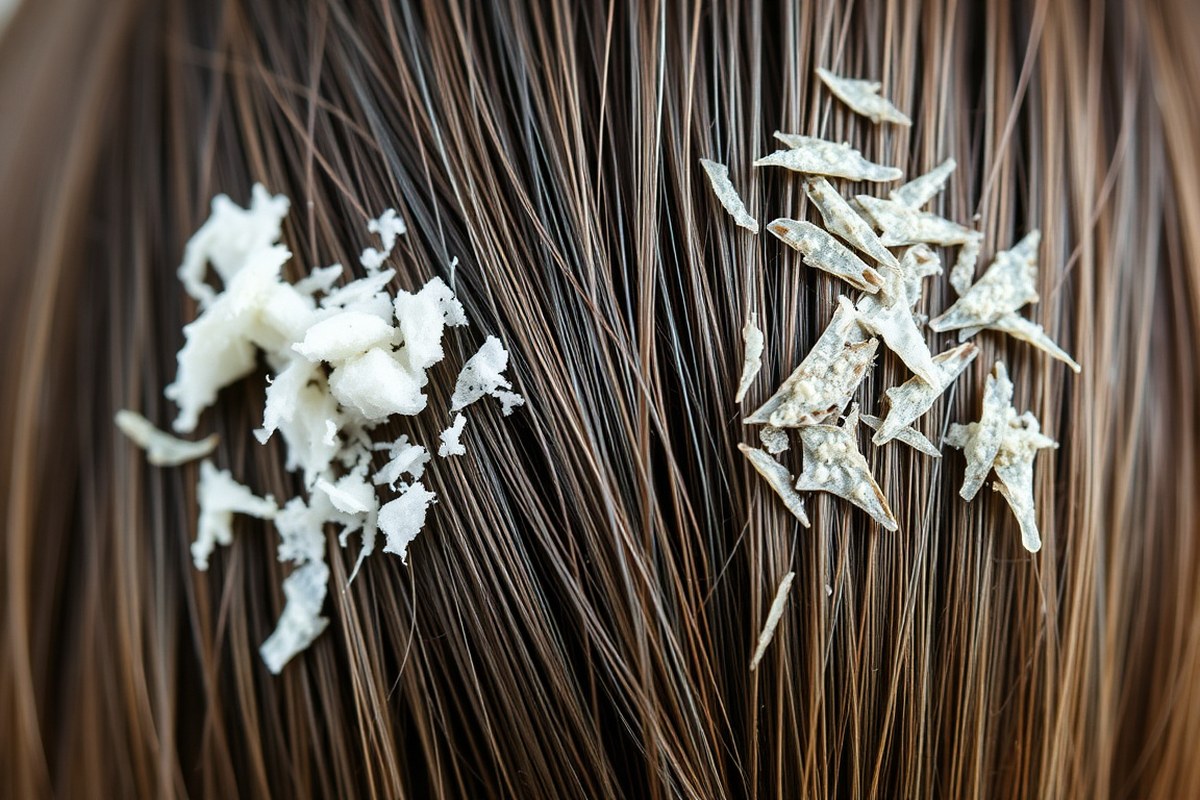
Dry scalp and dandruff both cause flakes and itching. They feel and look different, though. Knowing which one you have helps pick the right treatment.
Signs of Dry Scalp
The scalp feels tight and itchy when dry. Flakes are small, dry, and white.
Skin often looks tight and rough without redness. Dry scalp often happens in cold weather or low humidity.
Signs of Dandruff
Dandruff causes larger flakes that can be yellowish or oily. The scalp may be itchy and have red, irritated spots.
This condition often comes from yeast overgrowth or oily skin. Stress and certain hair products can trigger dandruff too.
When to Suspect Other Scalp Conditions
Look for severe redness, swelling, or soreness beyond simple flakes. If you notice joint pain with scalp issues, it could be psoriasis.
Eczema or allergic reactions may also cause flaky scalp with redness and discomfort. Persistent flare-ups should get checked by a dermatologist. Here is a simple table to help you tell dry scalp and dandruff apart:
| Sign | Dry Scalp | Dandruff |
|---|---|---|
| Flake Size and Color | Small, dry, white | Larger, oily, yellow |
| Scalp Condition | Tight, itchy, dry | Oily, itchy, red in spots |
| Common Triggers | Cold air, low humidity, harsh shampoo | Yeast overgrowth, oily skin, stress |
| First Fix to Try | Mild, sulfate-free, hydrating shampoo | Medicated dandruff shampoo |
This table shows key differences that guide treatment. Starting with the right shampoo can ease symptoms fast.
Persistent scalp issues should be checked by a dermatologist to rule out other conditions.
3. Common Causes and Triggers of Dry Scalp
Dry scalp often comes from several common causes you might overlook. Cold air and strong sun dry out your scalp. These weather conditions pull away your scalp’s natural oils.
This leaves your scalp dry and tight. Central heating inside your home zaps moisture.
Hot showers also dry out your scalp. This can cause flakes and itching.
Your daily choices matter too. Washing hair too often with sulfate-based shampoos strips away protective oils, leading to dryness.
Using hair products with chemicals or fragrances that irritate can worsen the scalp’s condition. Even drinking too little water affects scalp moisture since dehydration reduces skin hydration overall.
Some health issues can cause or worsen dry scalp. Conditions like eczema, psoriasis, and seborrheic dermatitis create irritation and scaling that feels dry. Fungal infections may also change scalp balance, leaving it itchy and flaky.
Not getting enough omega-3s, zinc, vitamins A and E hurts scalp health. These nutrients keep your scalp strong. Without them, your scalp gets weaker.
- Cold, dry weather reduces scalp moisture quickly
- Overwashing or shampoos with sulfates strip oils
- Harsh chemicals and fragrances cause irritation
- Dehydration lowers skin and scalp hydration
- Conditions like eczema, psoriasis, and dandruff trigger dryness
- Poor nutrition affects scalp oil and skin repair
- Exposure to sun or central heating dries scalp further
Recognizing these factors helps you avoid or treat dry scalp effectively. Avoid frequent washing and harsh products. Protect your scalp from cold air by wearing a hat or using a humidifier indoors.
Have a skin condition? Talk to your healthcare provider for treatment.
They can help you handle scalp problems safely. Staying hydrated and eating a balanced diet supports natural scalp oils and skin health.
4. Best Oils and Natural Remedies for Dry Scalp
Natural oils and home remedies can soothe dry scalp and add moisture safely. Oils like coconut, jojoba, and argan hydrate deeply. Tea tree and aloe vera calm irritation.
Homemade masks combine nourishing ingredients for extra relief. But use them gently to avoid buildup or irritation.
Coconut, Jojoba, and Argan Oils
Coconut oil nourishes the scalp and can ease inflammation. Heat one tablespoon slightly.
Rub it gently over your scalp. Leave it on for 30 minutes or overnight, then wash with mild shampoo.
Jojoba oil mimics your scalp’s natural oils and absorbs well without feeling greasy. Use this treatment once or twice weekly. Apply 10 to 15 drops to your scalp.
Massage it in, then let it sit for 15 to 30 minutes. Argan oil shares similar benefits and works well for dry, flaky scalps.
Avoid applying too much oil, as it can clog pores and cause acne or irritation. People with fine or oily hair should use light oils like jojoba carefully. Use only a little to avoid making your hair greasy.
Tea Tree and Aloe Vera Gels
Tea tree oil fights fungi and bacteria on the scalp. Add 5 to 10 drops to 30 ml (2 tablespoons) of a carrier oil.
Rub this mix onto your scalp and wait 15 minutes. Rinse with a gentle shampoo and use once or twice a week.
Aloe vera gel soothes itchiness and hydrates deeply. Put pure aloe vera gel right on your scalp. Leave it for 20 minutes.
Rinse it off using cool water. Its natural enzymes reduce inflammation and promote healing without causing buildup.
Never put tea tree oil on your scalp without mixing it first. It can cause redness or a burning feeling. Patch testing new products is a good habit to avoid allergic reactions.
Homemade Moisturizing Masks
Mixing natural ingredients can deliver strong moisturizing benefits. For example, an avocado and honey mask provides deep moisture and nourishment. Mix half an avocado and two tablespoons honey into a smooth paste.
Spread it evenly on your scalp. Let it sit for 20 to 30 minutes, then rinse with warm water.
Oatmeal masks calm irritation and lock moisture in the scalp. Mix half a cup of ground oatmeal with water or aloe vera gel to make a paste.
Spread it on your scalp and wait 15 to 20 minutes. Rinse well afterward.
Use moisturizing masks once a week for best results. Avoid masks with lemon or vinegar if your scalp feels sensitive or irritated.
Here’s a quick guide to natural dry scalp remedies. Learn why they work and how to use them correctly.
| Remedy | Why It Works | How to Use It |
|---|---|---|
| Coconut Oil Massage | Deeply hydrates and reduces inflammation | Warm oil, massage into scalp, leave 30 min or overnight |
| Apple Cider Vinegar Rinse | Balances pH, removes buildup, soothes irritation | Combine 1 part apple cider vinegar with 2 parts water. Pour the mix onto your scalp. Leave it for a few minutes before rinsing it out. |
| Aloe Vera Gel | Soothes itchiness and deeply hydrates | Apply gel directly, leave 20 min, rinse with cool water |
| Avocado & Honey Mask | Provides deep moisture and nourishment | Blend avocado and honey, apply, leave 20-30 min, rinse |
| Tea Tree Oil Mix | Antiseptic, antifungal, reduces dryness and itch | Mix 5-10 drops tea tree with 30 ml carrier oil, massage scalp, leave 15 min, rinse |
These remedies work well on their own or combined in your routine. Consistency helps your scalp rebuild moisture naturally without harsh chemicals. Don’t use too much oil or mask on your scalp.
It might cause oily buildup or clogged pores. This is especially true if your skin is sensitive.
5. How to Adjust Hair Care Habits to Prevent Dry Scalp
Washing your hair too often can dry out your scalp. Most people with dry scalp should wash their hair about two to three times a week. This keeps oils on your scalp that protect moisture and avoid stripping natural hydration.
Use lukewarm water, not hot, when you wash your hair. Hot water removes natural oils, causing more dryness and irritation.
Lukewarm water is warm enough to clean but gentle enough to keep moisture intact. Avoid cold water since it won’t clean your scalp properly.
Picking the right shampoo is key. Look for moisturizing shampoos without sulfates, which can strip oils and worsen dryness. Mild, sulfate-free shampoos soothe your scalp.
Look for hydrating ingredients. Niacinamide, hyaluronic acid, and urea work well. Avoid shampoos with strong medicated chemicals unless a doctor recommends them.
- Use moisturizing shampoo and conditioner
- Wash hair two to three times a week
- Rinse with lukewarm water, not hot or cold
- Massage shampoo into dry hair first then rinse
- Limit heat styling and blow dryers with warm air
- Moisturize scalp regularly with oils or treatments
Try massaging shampoo into your scalp before showering to loosen oil and dirt without stripping moisture.
Heat styling tools make dry scalp worse by increasing damage. Cut back on blow drying and hot tools to keep your scalp healthier. Use cool air on your hair if you must use a blow dryer.
Use scalp moisturizing treatments once or twice weekly. Leave them on for 20 to 30 minutes. Apply these only to your scalp if your hair is fine.
This prevents greasy roots. Regularly nourishing and protecting your scalp helps prevent dryness and flaking over time.
6. Diet, Hydration, and Supplements for Scalp Health
Eating the right foods helps keep your scalp moist and healthy. Vitamins A, B, and C support skin hydration.
Zinc promotes cell repair and can reduce dryness on your scalp. Omega-3 fatty acids from fish like salmon and walnuts boost scalp moisture and fight inflammation.
You can also improve your scalp condition by drinking enough water daily. Proper hydration affects all your skin, including the scalp.
Aim for about eight 8-ounce glasses of water each day. But adjust if you exercise or live somewhere hot.
- Take omega-3 supplements, such as fish oil capsules, 1,000 mg daily
- Eat vitamin-rich foods like carrots, spinach, and citrus fruits
- Include zinc-rich foods like pumpkin seeds and lean meats in meals
- Drink 64 to 96 ounces of water every day to stay hydrated
- Try bananas for scalp moisture by eating them or using banana oil topically
- Consider vitamin B complex supplements for skin and hair health
Adding these changes can take a few weeks before your scalp feels less dry. Scalp skin usually renews over 28 days, so hydration benefits show gradually. Avoid relying only on supplements without eating balanced meals.
Too much vitamin A, for example, can cause side effects. So stick to dose recommendations on labels.
Besides eating nutrient-rich foods, avoid excessive caffeine and alcohol. These can dry out your skin and scalp. Staying hydrated supports a balanced scalp microbiome, which reduces flaking and itching.
Sometimes dry scalp signals other skin issues. You should see a doctor if dryness worsens despite good diet and hydration habits.
7. Common Dry Scalp Treatment Mistakes and How to Fix Them
One common mistake is washing your hair too often. This strips natural oils, making your scalp drier. Washing every other day with lukewarm water is better for preserving moisture.
Overusing oils can also worsen dryness by clogging pores or creating buildup. Use a small amount of oil, like one teaspoon, and apply it only to dry areas. Avoid heavy products if your scalp feels greasy.
Ignoring an itchy or flaky scalp often hides an underlying issue like eczema or psoriasis. If home care doesn’t help after two weeks, check with a dermatologist for a proper diagnosis.
- Wash hair every 2-3 days with mild shampoo and warm water
- Apply a light natural oil, like jojoba, sparingly, once or twice a week
- Avoid harsh chemicals and heat styling tools that dry the scalp further
- Use moisturizing masks or treatments only once a week to prevent buildup
- Pat scalp dry gently after washing instead of rubbing vigorously
- Switch products slowly to monitor skin reactions and avoid irritation
- See a specialist if scalp redness, severe itching, or flaking persists beyond two weeks
Combining treatments safely means spacing out shampoos, oils, and masks. For example, shampoo one day, apply oil the next, then a moisturizing mask four days later. This prevents overload and scalp irritation.
You should avoid strong chemical treatments like perms or relaxers while treating a dry scalp. These damage skin and hair, increasing dryness and sensitivity. Stick to gentle care routines until your scalp recovers.
8. When to See a Dermatologist for Dry Scalp Issues
Try home remedies for about two weeks to see if your dry scalp improves. When symptoms don’t improve or get worse, see a dermatologist. They can diagnose any serious issues and may prescribe stronger treatments to help.
When Symptoms Worsen or Don’t Improve
Give home treatments at least 14 days to work before making a doctor’s appointment. Your scalp is still itchy, flaky, or painful after that time. It means you should get professional advice.
Notice hair loss or open sores on your scalp. Don’t wait to get help. See a doctor soon.
Persistent dryness that limits your daily comfort or sleep calls for a dermatologist visit. They can check for underlying causes your home remedies missed. Waiting too long may let the problem worsen or cause infection.
Recognizing Signs of Scalp Psoriasis or Infection
Scalp psoriasis might cause thick, silvery scales with redness and irritation. These patches may bleed or crack when scratched. Large areas like this or warm, tender skin could mean infection.
Other concerning symptoms include pus, swelling, or intense pain in the scalp. Quickly getting a professional diagnosis helps prevent more damage. Sometimes infections or conditions need prescription medication to heal safely.
Overview of Medical Treatment Options
Dermatologists can prescribe shampoos with stronger ingredients than what you buy over the counter. These may include medicated antifungals, corticosteroids, or vitamin D analogs for conditions like psoriasis. You’ll often use these treatments for several weeks under doctor guidance.
For eczema or skin problems causing dry scalp, doctors may suggest creams. They might also recommend oral medicines.
These steps reduce inflammation and help your scalp heal properly. Follow all instructions carefully and keep appointments to monitor progress.
Don’t ignore worsening symptoms or new scalp pain, as early treatment prevents serious complications.
Step-by-Step Action Plan for Soothing Dry Scalp
Follow these simple steps to ease dry scalp and check your progress along the way.
- Day 1: Switch to a gentle, moisturizing shampoo free from harsh sulfates. Notice if your scalp feels less irritated after washing.
- Day 3: Start applying natural oils like coconut or jojoba once after washing. Watch for reduced flaking and softer skin.
- Week 1: Avoid hot water and limit hair washing to 2 or 3 times per week. Your scalp should feel less itchy and dry.
- Week 2: Drink at least eight cups of water every day. Add foods rich in omega-3s to your diet too. These help improve your scalp’s moisture. Check if dryness improves noticeably.
- After 2 weeks: Use a weekly gentle scalp scrub or exfoliant to remove flakes. Look for a smoother scalp with fewer flakes.
- Week 3: Adjust hair styling to avoid tight hairstyles and reduce heat tools. Notice if irritation and dryness continue to decrease.
- Week 4: Evaluate the overall scalp condition. Severe dryness or flaking means you should see a dermatologist. They can provide care tailored just for you.
Frequently Asked Questions
Can Dry Scalp Lead to Hair Loss?
Yes, dry scalp can cause hair loss by irritating follicles. Keeping your scalp moisturized helps reduce this risk over time.
Is Scalp Exfoliation Safe for Dry Scalp?
Scalp exfoliation can be safe if done gently once a week. Overdoing it can worsen dryness and irritation.
Can Stress Make Dry Scalp Worse?
Stress can worsen dry scalp by triggering inflammation and oil imbalances. Managing stress helps improve scalp health.
Does Shampoo Frequency Affect Dry Scalp?
Washing too often strips natural oils, increasing dryness. Aim to shampoo 2-3 times per week with gentle formulas.
Are Sunscreens Needed for the Scalp?
Yes, scalp skin can burn and get dry from sun exposure. Use spray sunscreens or wear hats outside.
Can Air Conditioning Cause Dry Scalp?
Air conditioning lowers humidity and can dry out your scalp skin. Using a humidifier indoors may help reduce dryness.
Key Points to Remember
Dry scalp needs steady care and gentle treatment to improve safely. Start by making small changes in your shampoo and scalp routine. Seeing a specialist when problems stay can give you the right care faster.