Does Texture Powder Damage Your Hair? What Actually Works to Protect It
Does texture powder damage your hair? The simple answer is usually no, if you use it right.
Most experts agree that occasional use won’t harm healthy hair or cause permanent hair loss. The key is to avoid overuse and to keep a good hair care routine.
Texture powder works instantly to add volume and a matte finish. But it can dry out hair if layered too much or rubbed too harshly.
You should also wait at least 48 hours after coloring your hair before using texture powder. This wait lets the cuticle seal, protecting more fragile, treated hair.
Always choose a gentle formula and limit how often you use texture powder. Using it once or twice a week keeps your hair fresh. Proper washing and conditioning afterward will keep your hair healthy and strong.
Key Takeaways
- Use texture powder only once or twice weekly to protect your hair cuticle.
- Wait at least 48 hours after coloring hair before applying texture powder.
- Choose a conditioning texture powder formula for treated or porous hair.
- Be gentle when applying texture powder to avoid rubbing or damaging strands.
- Wash your hair regularly to prevent product buildup and scalp irritation.
- Texture powder does not cause permanent hair loss or pattern baldness.
Can Texture Powder Damage Hair or Cause Hair Loss?

Texture powder on its own does not directly damage hair or cause permanent hair loss. There is no clear clinical proof linking it to conditions like pattern baldness or alopecia. Its particles usually sit on the hair surface and scalp without blocking hair follicles deeply.
Damage can happen from using too much texture powder. Not washing your hair well adds risk. Using it too often also causes damage.
Residue can build up on the scalp and cause inflammation or mild irritation. This might cause temporary hair shedding called telogen effluvium.
It can reverse with proper care. You just need to treat your hair gently.
Rubbing texture powder hard can break fragile hair strands. Dry hair is especially at risk. Be gentle to avoid breakage.
Avoid rough handling and over-application to keep your hair healthy. Use it sparingly and wash your hair regularly to clear out any buildup.
Keeping your scalp clean is key to avoiding any unwanted effects from texture powder. Washing your hair at least every other day helps prevent blocked follicles and scalp irritation. Some use clarifying shampoo once a week to remove residue.
It helps clean the scalp and refresh it. This can reduce buildup from texture powder.
Most hairstylists and dermatologists agree occasional use of texture powder poses little risk for healthy hair. But not washing it out daily or layering lots of products can increase risks. Notice itching, redness, or more shedding?
Stop using the powder. Then see a hair care professional for advice.
The damage caused by improper use is generally temporary and reversible. Hair usually grows back once the scalp heals and inflammation eases. Staying consistent with scalp hygiene and gentle styling helps protect and restore your hair over time.
How Texture Powder Works to Add Volume and Texture
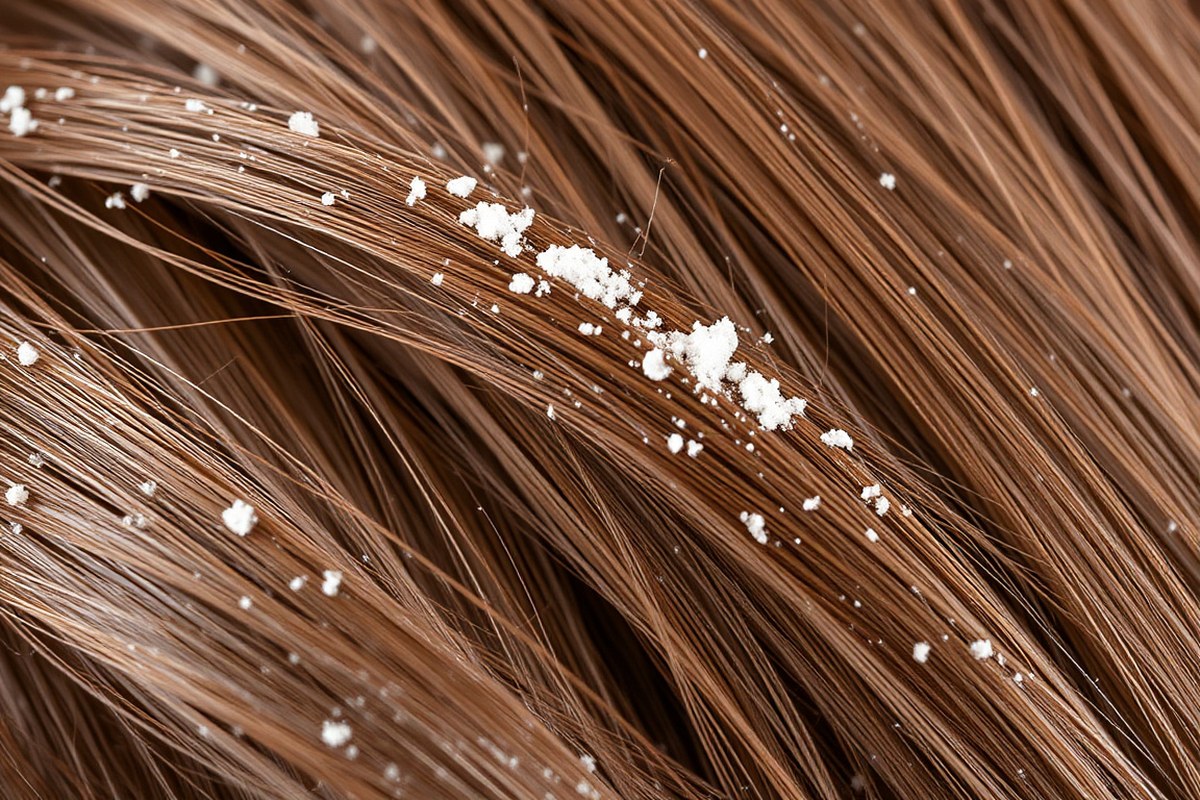
Texture powder is a fine, lightweight powder that adds volume and grip to hair. It creates subtle friction between hair strands, which lifts roots and separates strands. This friction keeps hair from falling flat, giving it an instant, natural-looking boost.
When you sprinkle texture powder near the roots, it increases roughness and holds strands apart. This roughness adds resistance against slipping, making styles last longer without heaviness. The powder’s matte finish stops shine.
It suits a casual, textured look. The light catches it softly.
The effect usually lasts several hours, depending on hair type and activity level. Fine or flat hair gains lift and texture. The volume stays all day.
It makes a big difference. Coarse or naturally textured hair feels more grip and definition. But the change is less dramatic since these strands already have natural body.
Applying texture powder is simple and quick. Use a small pinch of powder. Tap it on roots or fingers.
Then gently tousle your hair. Avoid piling it on, it only takes a little to create enough grip. Too much powder can make hair stiff or dusty in appearance.
The powder works best on dry hair. Use it after washing and drying. Or to refresh second-day styles.
It adds volume at the roots without weight. Great for messy looks or loose spikes.
It keeps hair light. While it lifts the hair by roughening the surface, it does not soften or smooth strands.
Texture powder keeps volume all day. It doesn’t replace hairspray or wax hold. Use those for extra hold.
It adds light to medium lift, acting as a base that other products can build on. It’s lightweight and adds body without weight.
It won’t make your hair greasy. That’s why it’s popular.
Start with a small amount of texture powder and add more only if needed. Too much can weigh hair down or look powdery.
Common Ingredients in Texture Powders and Their Effects
Texture powders usually contain ingredients that absorb oil and add grip to hair strands. Common active ingredients include silica silylate and kaolin clay. These absorb natural oils, giving hair volume and a matte finish.
Some powders also add polymers for hold and friction. These coat each strand without weighing hair down, making styles last longer. However, powders with high alcohol content can dry hair, causing breakage over time.
Parabens are less common. But synthetic fragrances and preservatives like isothiazolinones may cause scalp irritation in sensitive users. For that reason, many people look for formulas without parabens, alcohol, or harsh additives.
| Ingredient | Role | Potential Impact |
|---|---|---|
| Silica silylate | Oil absorption, texture boost | Dries hair if overused, adds volume |
| Kaolin clay | Oil control, lightweight hold | May build up if not washed off |
| Polymers | Hold and grip | Can stiffen hair or cause buildup |
| Alcohol | Fast drying agent | Dries hair, can weaken strands |
| Parabens | Preservative | Possible scalp irritation |
| Oils (in some formulas) | Hydration and softness | Helps counter dryness from powders |
Choosing a powder with light oils can reduce dryness. Oils balance drying agents and keep hair soft. They cost a little more but help prevent damage.
Look for products listing absorbents like silica or clay first, followed by conditioning ingredients. Avoid powders with alcohol near the top of the list. High-quality formulas skip strong chemicals and additives.
Using texture powder occasionally is safer for your scalp and hair health. Remove buildup regularly with a gentle shampoo. This practice keeps hair from becoming brittle and your scalp comfortable.
How Different Hair Types Are Affected by Texture Powder
Texture powder reacts differently across hair types and needs careful use. Fine or oily hair often handles it well but needs washing before buildup forms. Curly or dry hair should see powder near roots only to avoid extra dryness or tangles.
Chemically treated hair, like bleached locks, takes texture powder lightly. After washing, add moisture to keep hair smooth and soft.
Thinning hair can look fuller with powder. But avoid harsh rubbing to protect fragile strands.
| Hair Type or Situation | Powder Use | Care Tip |
|---|---|---|
| Fine, oily roots | Often works well in small doses | Wash before residue builds |
| Bleached hair | Use lightly | Add moisture after washing |
| Curly or coily hair | Use near roots only | Detangle before applying |
| Dry scalp | Use with care | Stop if flakes or itch appear |
| Thinning hair | Can add visual fullness | Avoid harsh rubbing |
For oily hair, texture powder absorbs excess oil, helping your style last longer. Fine hair and chemically treated hair break easier. So use less powder and avoid daily doses.
Curly hair can get dry or tangled. So detangle well before applying and limit powder to roots only.
Bleached or heat-stressed hair doesn’t handle powder well if overused. Keep the amounts small and add conditioner after washing.
When you have thinning hair, powder works best on mid-lengths, not the scalp. Clean hair thoroughly after use to avoid extra stress or buildup.
Safe and Effective Application Techniques for Texture Powder
Apply texture powder only to dry hair in small amounts, focusing on the roots. Distribute it gently to avoid buildup and damage. Following careful steps helps you get volume without breaking strands or irritating your scalp.
Preparing Hair Before Application
Make sure your hair is clean and completely dry before adding texture powder. Wet hair causes clumping and uneven powder distribution. Washing your hair within a day before styling helps prevent buildup and keeps scalp healthy.
Condition your hair regularly but avoid skipping conditioner on style days. Conditioner protects strands from dryness often caused by powders. Lightly towel-dry hair and brush gently to detangle and prepare for powder.
Step-By-Step Powder Application
Use only a small amount of powder to start. Less is more with texture powders, which are very fine and potent. Too much makes hair rough and dry, risking breakage and irritation.
Follow these steps for the best results:
- Hold the bottle or container a few inches from your roots.
- Sprinkle a small pinch or 1-2 shakes on the roots of dry hair.
- Use your fingertips to lightly lift and distribute the powder around the roots.
- Focus on the crown and flat areas needing volume.
- Add more powder in small amounts only if needed.
- Tap hair gently to shake off excess powder that rests on top.
Always start with a small pinch of powder. Adding more is easier than removing excess.
Avoiding Common Mistakes Like Rubbing Roots Harshly
Never rub the powder into your roots harshly. Vigorous rubbing can break hairs and irritate your scalp. Use a gentle lifting motion with your fingertips instead of scrubbing.
Do not apply powder over old residue without washing first. Powder buildup causes gritty tangles and scalp discomfort. Wash your hair between powder uses to avoid buildup and damage.
Post-Application Styling Tips
Use your fingers or a wide-tooth comb to shape your hair after powder application. Brushing can tug at powder deposits and cause split ends or crown breakage. Finger styling allows for more control without stress on your strands.
Avoid applying heat immediately after using powder. Wait a few minutes, as heat can dry out your hair more if powder is present. Gentle lifting and styling help maintain volume and reduce breakage risk.
Risks of Overuse and Product Buildup with Texture Powder
Overusing texture powder often leads to product buildup on your scalp and hair. This buildup can clog pores, causing irritation, itching, or even scalp inflammation. Extra buildup makes your hair look dull and weighs it down, hiding the volume you want.
Not washing your hair regularly after using texture powder causes dryness and brittleness. The powder absorbs oils, but too much absorption strips away natural moisture. It dries out both your scalp and hair strands.
This raises the chance of breakage. It also makes hair feel rough.
- Wash your hair every 2-3 days to remove texture powder residue.
- Avoid layering powder multiple times without shampooing in between.
- Use a gentle cleanser designed to remove styling product buildup.
- Moisturize hair and scalp with lightweight conditioners after cleansing.
- Limit texture powder to daily use only if you keep up with washing.
- Check your scalp for signs of dryness, redness, or itching regularly.
Extensions and weaves need special care because buildup near roots damages their attachment points. That buildup can shorten the style’s lifespan and stress the natural hair.
Using it daily without good cleaning may cause hair shedding called telogen effluvium. This usually goes away once buildup clears.
Your hair powder itself won’t clog follicles directly. The real culprit is buildup from infrequent washing and overuse. When powder layers mix with oils and dead skin, they block pores and irritate your scalp.
This buildup can cause more breakage and hair thinning. It may look like hair loss but is often temporary.
Hair Care Routines to Protect Hair When Using Texture Powder
You should wash your hair often enough to clear texture powder residue. Using a clarifying shampoo occasionally helps remove build-up without drying hair. Consistent conditioning prevents dryness caused by frequent washing and powders.
Recommended Washing Frequency
Washing your hair every two to three days works well if you use texture powder regularly. This schedule clears residue before build-up causes scalp issues. Your scalp feels itchy or oily fast; wash it more often.
Skip daily washing unless you combine powder with heavy styling or sweating. Overwashing strips natural oils, leading to dryness and breakage. Balance is key: clear residue but don’t overclean.
Choosing Gentle and Clarifying Products
Pick shampoos without harsh sulfates to protect hair’s moisture. Sulphate-free options like Hair Folli’s Hair Growth Shampoo remove styling product residue gently.
Use a clarifying shampoo once every one to two weeks. It helps reset your scalp if you use powder a lot.
Clarifying shampoos clear stubborn build-up but can dry sensitive scalps. Watch for dryness or irritation after use and reduce frequency if needed. Pair clarifying shampoos with moisturizing ones to keep hair balanced.
Moisturizing and Repairing Treatments
Texture powders absorb oils and dry out hair, so use conditioner every wash. Focus on mid-lengths and ends where dryness shows first. Pick conditioners rich in hydrating ingredients like argan oil or shea butter.
Your hair is damaged or treated chemically. Add deep conditioning treatments once a week.
This helps repair damage powder use can worsen. Avoid heavy powders if your hair is brittle or breaking.
Scalp Care Tips Alongside Powder Use
Massage your scalp gently during shampooing to boost circulation and remove flakes. Choose soothing products with natural ingredients like aloe vera to calm irritation. A healthy scalp supports strong hair and fewer issues from product use.
Maintain a balanced diet with vitamins like biotin and zinc to support scalp health. Avoid layering many products on your scalp to reduce irritation risks. Cleanse hair and scalp well after each powder use to prevent build-up.
How to Recognize and React to Scalp or Hair Reactions
Texture powder can cause scalp or hair reactions like itchiness or redness. It’s important to spot these early and stop using the product if needed. Knowing when to get professional advice helps keep your hair and scalp healthy.
Common Symptoms of Sensitivity
You might notice an itchy, sore, or red scalp after using texture powder. Flaking or persistent dryness can also appear. Your hair may look dull, tangle more, or feel rough even after washing.
Some people get small bumps or a rash where the powder touched the scalp. Increased hair shedding or breakage can also signal irritation. These signs mean your scalp isn’t happy with the product.
Patch Testing New Products
Before using texture powder all over, try a patch test. Apply a tiny bit behind your ear.
Wait 24 to 48 hours before washing it off. Watch for any redness, swelling, or itchiness in that spot.
This quick test catches allergic reactions early so you avoid bigger problems. It doesn’t replace a dermatologist’s patch test but is good for home safety checks.
The test area looks fine. You can try the product on your hair.
Steps to Soothe Irritated Scalp
Your scalp feels irritated. Stop using the texture powder right away.
Gently wash your hair with a mild, fragrance-free shampoo to remove residue. Avoid scratching, which can worsen irritation or cause infection.
Try applying a cool compress to reduce redness and soothe itching. You can also use over-the-counter calming scalp treatments with ingredients like aloe or chamomile. Avoid other styling products until your scalp heals.
Focus powder on mid-lengths and ends to avoid direct scalp contact if you have sensitive skin.
When Professional Help Is Needed
See a dermatologist if your scalp stays red, itchy, or flaky for over a week. Immediate advice is needed if you notice severe swelling, pain, or pus. Increased hair loss alongside irritation should prompt a doctor’s visit.
Professionals can do patch testing to find exact allergies and recommend safe products. They might suggest medicated shampoos or treatments to heal your scalp. Never try to treat severe reactions on your own for safety.
Step-by-Step Action Plan for Using Texture Powder Safely
Use this plan to enjoy texture powder without harming your hair. Follow these steps to add volume safely and keep your scalp healthy.
- Before you start: Choose a texture powder with gentle ingredients and no harsh chemicals. Check labels for no alcohol or heavy silicones.
- Day 1: Apply a small amount to dry hair, focusing on roots. Your hair may feel gritty or dry when using too much powder.
- Week 1: Limit texture powder use to two or three times weekly. Check your scalp for dryness or itchiness during this period.
- After styling: Massage your scalp gently to get rid of powder residue. This helps prevent buildup and keeps hair follicles clear.
- Weekly: Use a gentle clarifying shampoo once a week. It removes product buildup without stripping hair moisture.
- Monthly: Deep condition your hair to restore hydration. It keeps hair strong and less likely to break.
- Anytime you notice irritation: Stop using the powder immediately. Wash hair thoroughly and see a dermatologist if needed.
- Ongoing: Adjust use based on how your hair and scalp react. Less is usually better for long-term health.
Frequently Asked Questions
Can Texture Powder Cause Dry Scalp?
Yes, overuse may dry your scalp. Use a gentle shampoo and moisturize to prevent dryness.
Is Texture Powder Safe for Colored Hair?
It can be safe if it’s free from harsh chemicals. Always test a small area and follow with deep conditioning.
How Often Should I Wash Hair When Using Texture Powder?
Washing every 2-3 days helps prevent buildup and scalp irritation. This keeps hair healthy and styles fresh.
Does Texture Powder Affect Hair Thickness over Time?
It usually doesn’t change hair thickness if used moderately. Avoid overuse to keep hair from feeling heavy or brittle.
Can Texture Powder Replace Dry Shampoo?
No, texture powder adds volume but doesn’t absorb oil like dry shampoo. Use each product for its specific purpose.
Will Texture Powder Help Oily Hair?
It may help absorb some oil but won’t control scalp oiliness fully. Combine with regular washing for best results.
Wrapping Up
Texture powder can add volume without damage if used carefully. Start small, listen to your hair, and don’t overuse. Protect your scalp and hair with good habits for the best results.