

How Long Do You Leave Hair Dye: A Complete Guide for Perfect Color
How long do you leave hair dye on? Most permanent hair dyes work best between 30 and 45 minutes. This timing allows the color to develop fully without causing damage to your hair.
For gray hair, you usually need to leave the dye on for about 45 minutes to ensure full coverage. If your hair feels dry or porous, aim for the shorter end, around 20 to 30 minutes, to reduce extra damage.
Semi-permanent colors generally require less time, often around 15 to 20 minutes, since they don’t penetrate as deeply. Rinsing too early can lead to uneven color. Leaving dye too long can cause irritation or dryness.
Always follow the instructions on your dye package first. Use a timer and check your hair closely to get even color without dryness or irritation.
Key Takeaways
- Leave permanent dye on for 30 to 45 minutes to get best color results.
- For mostly gray hair, keep the dye on for about 45 minutes.
- Porous or damaged hair needs only 20 to 30 minutes for safe processing.
- Set a timer to avoid leaving dye on too long and damaging hair.
- Start with the recommended time on the dye box for your chosen shade.
- Don’t rinse too early; it can cause faster fading and less vibrant color.
How Long Should You Leave Hair Dye in for Best Results?
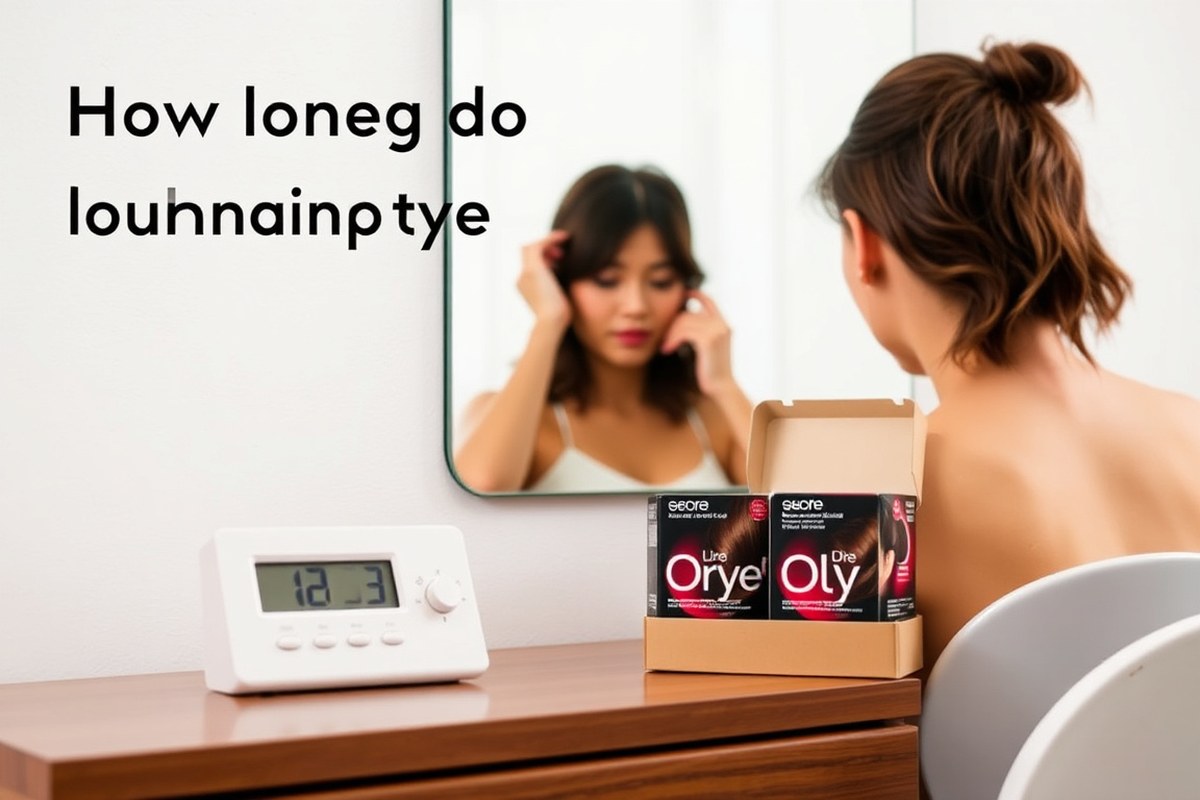
Permanent hair dye usually needs 30 to 45 minutes to work well. For full gray coverage or touching roots, wait 45 minutes. Semi-permanent dye acts faster, usually 15 to 30 minutes to refresh color.
Demi-permanent dyes strike a middle ground. They usually take 20 to 40 minutes, perfect for blending grays or adding subtle tones. Temporary colors only sit on the hair surface.
They wash out fast. You need to leave them on just 5 to 15 minutes. Bleach timing can be quite different.
It ranges from 15 to 45 minutes. The exact time depends on the strength of the developer and your hair’s starting color.
Your hair color goal also affects timing. To cover gray hair well, permanent dye should stay 45 minutes. This time helps fully cover tough white or gray strands.
Root touch-ups generally follow the same timing. Dye on natural hair often needs less time, about 30 to 40 minutes. Hair thickness and porosity affect how long to leave it.
| Type of Hair Colour | Processing Time | Details |
|---|---|---|
| Permanent Hair Dye | 30, 45 minutes | For long-lasting color and gray coverage. Lifts natural color. |
| Semi-Permanent Hair Dye | 20, 30 minutes | Adds tones and subtle color without ammonia. |
| Demi-Permanent Hair Dye | 20, 40 minutes | Blends grays gently. Lasts several weeks. No ammonia. |
| Temporary Hair Colour | 5, 15 minutes | Sits on top of hair. Washes out after 1 or 2 shampoos. |
| Bleach (Lightener) | 15, 45 minutes | Time varies by developer strength and starting hair color. |
To get the best outcome, follow your product’s recommended time closely. Use a timer and check color development as you near the end. Going beyond the max time doesn’t improve color and may damage hair or cause uneven tone.
Only leave permanent dye on longer for stubborn gray or white hair. This helps ensure full and even coverage.
For semi or demi dyes used to refresh or tone, shorter time frames work best. Always adjust for your hair’s condition and the dye manufacturer’s instructions.
How Hair Type and Porosity Affect Dye Processing Time
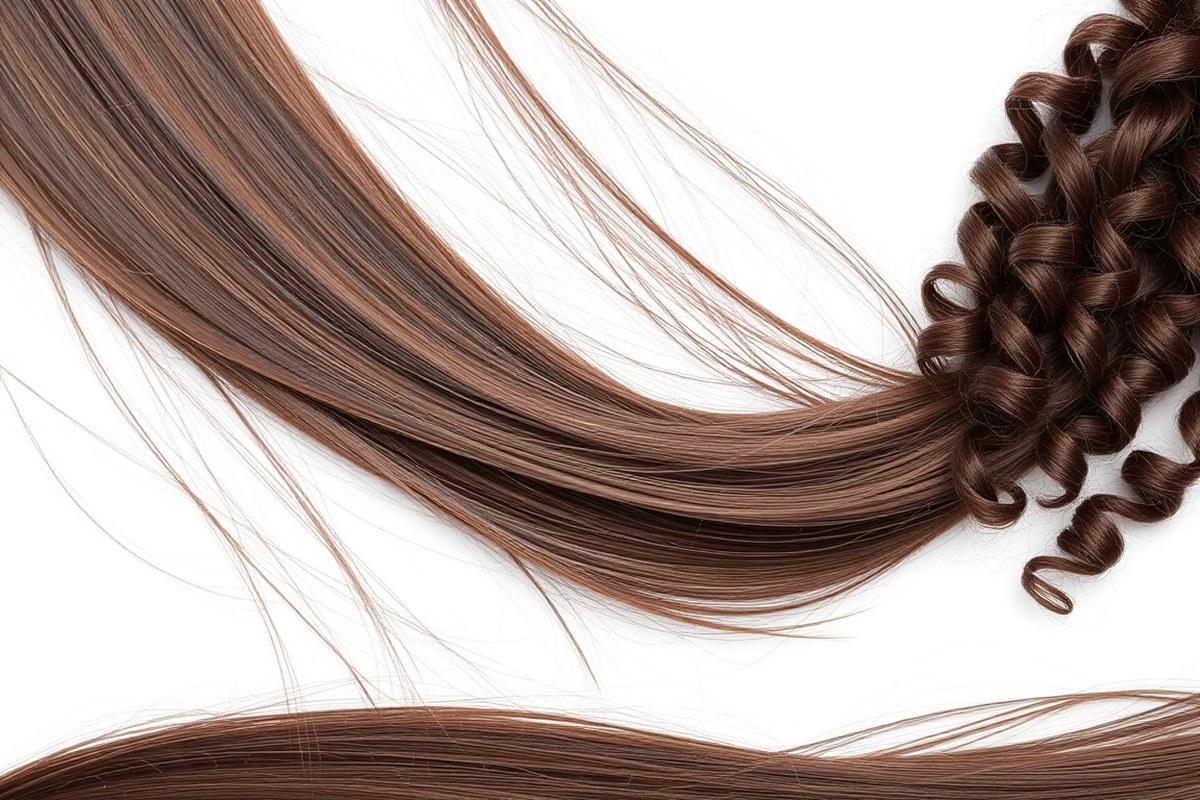
Your hair’s porosity and texture change how fast dye takes effect. High-porosity or fine hair absorbs color faster, so you leave dye on less time. Coarse or low-porosity hair needs longer, up to 45 minutes, to get even color.
Understanding Hair Porosity
Hair porosity is how well your hair absorbs and holds moisture and dye. High-porosity hair has open cuticles.
So color soaks in quickly, usually in 10 to 15 minutes. Low-porosity hair has tightly closed cuticles that slow down dye absorption, needing 25 to 30 minutes.
Porosity matters more than texture because it controls dye penetration. High porosity risks over-processing if left too long, causing damage. Low porosity risks uneven color if the dye doesn’t stay on long enough to penetrate.
Testing Your Hair Porosity
You can test porosity easily with a cup of water at home. Drop a clean strand of hair in the water and watch.
When it sinks in under 2 minutes, your porosity is high. When it floats 4 minutes or more, your porosity is low.
Here’s a quick checklist to test your porosity:
- Use a clean, dry hair strand from your brush or comb
- Fill a glass with room-temperature water
- Place the strand gently on the water surface
- Time how long the strand takes to sink
- Quick sink (under 2 minutes) means high porosity
- Slow sink or floating means low porosity
- Medium sink (2-4 minutes) means medium porosity
Knowing your porosity helps adjust dye time so it penetrates properly. Test once to guide your timing on future dye jobs.
Adjusting Dye Time by Hair Texture
Your hair texture also changes processing times. Fine or thin hair takes dye in faster, around 10 to 20 minutes.
You should watch closely to avoid damage or color that’s too dark. Coarse or thick hair needs longer, typically 35 to 45 minutes.
Curly hair often has higher porosity but can be coarse or fine. Curly coarse hair might need the full 40 to 45 minutes to get even color. Fine curly hair usually needs less than 30 minutes to avoid drying out.
Here’s a quick decision rule for dye time:
- Fine, low-porosity hair: 10 to 15 minutes
- Fine, high-porosity hair: 10 to 20 minutes
- Coarse, low-porosity hair: 30 to 35 minutes
- Coarse, high-porosity hair: 35 to 45 minutes
- Curly fine hair: 15 to 25 minutes
- Curly coarse hair: 35 to 45 minutes
Leaving dye in longer than needed for your hair type risks breakage and uneven color.
What Happens If You Leave Hair Dye on Too Long?
Leaving hair dye on for too long can seriously damage your hair. It may become dry, brittle, and lose up to 45% of its strength. Over-processing causes the hair cuticle to break down, making hair feel rough and look dull.
Your scalp can also suffer if you leave dye on beyond the recommended time. Around 6.8% of users report irritation like burning, redness, or itching. Prolonged exposure increases your chance of allergic reactions and scalp burns, which might require medical care.
Many people think leaving dye on longer deepens color, but that’s not true. The color hits its peak within the instructions’ time frame, usually 20 to 45 minutes. Going past this can turn your color darker, muddier, or unnatural without improving vibrancy.
Rinsing too early means less pigment stays in the hair. You’ll end up with color that fades after just 1 to 3 shampoos. Leaving dye on too long dries your hair out.
This causes breakage. It won’t make the color any better. The sweet spot is following the time on the box for your hair type.
To avoid damage or irritation, always perform a strand test before dyeing. Note how your hair reacts and adhere strictly to the recommended processing time.
Your hair should be healthy and used to coloring. Use permanent dye for about 30 to 45 minutes.
For sensitive scalps or first-timers, reduce that time slightly and watch closely during dyeing. Never leave dye on overnight or past 45 minutes. This can cause serious over-processing.
It also risks scalp problems. Stop dyeing and rinse with cool water right away. This helps if your scalp burns or itches.
How to Time Hair Dye for Different Hair Colors and Situations
Timing hair dye depends on your hair’s history and the specific area you’re coloring. Virgin hair processes differently from previously colored hair. Gray hair and root touch-ups also need special timing to get an even color.
Timing for Virgin Hair
Virgin hair has never been dyed before, so it usually processes faster. You typically leave permanent hair dye in for 20 to 30 minutes on natural hair. Dye needs less time because the hair is healthy and can absorb color quickly.
Don’t rush the timing, but don’t leave it in longer than 30 minutes. Overprocessing can cause damage or uneven color. Stick to the recommended range on your dye’s instructions for the best results.
Timing for Previously Colored Hair
Hair already dyed often needs longer processing for color to penetrate properly. Start by applying the dye at your roots first. Leave the dye on for about 20 minutes.
This helps you get a fresh color change. Then work the dye through the ends to even out the tone.
Previously colored hair can take up to 45 to 60 minutes total to process fully. The hair cuticle is more resistant.
So the dye needs extra time to settle in right. Be careful not to exceed 60 minutes to avoid damage or over-coloring.
- Start timing after you finish applying dye everywhere
- Apply first at roots for 20 minutes
- Spread dye through ends after roots start processing
- Keep total time between 45 and 60 minutes
- Don’t leave dye on more than 60 minutes
Longer timing helps cover uneven tones and refresh faded color. Watch for signs like itching or burning to stop early if needed.
Timing for Gray Hair and Root Touch-Ups
Gray hair often requires longer processing to cover stubborn strands fully. Plan for 30 to 45 minutes to ensure the dye gets deep into the gray hairs. The new hair growth at roots also takes a bit more time to absorb color.
Root touch-ups usually take less time overall because the dye only covers a small area. You should leave dye on roots for about 20 to 30 minutes max. This prevents an obvious line between new and colored hair.
- Gray hair: 30 to 45 minutes processing time
- Root touch-ups: 20 to 30 minutes max
- Apply dye first on roots during touch-ups
- Check roots before rinsing to avoid uneven coloring
Don’t leave root touch-ups in longer than full dye jobs. Overprocessing roots can create a harsh or uneven finish.
Differences Between Permanent, Semi-Permanent, and Demi-Permanent Dyes
Permanent dyes usually take the longest because they chemically change your hair. They open the hair cuticle and deposit color inside, which takes about 30 to 45 minutes. The process works best for noticeable color changes like lightening or darkening.
Semi-permanent dyes do not change your hair’s structure much. They coat the hair with color and last only through 6 to 12 washes.
So they only need 15 to 30 minutes. These dyes are good for subtle color shifts or trying out a shade temporarily.
Demi-permanent dyes fall between the two. They partially penetrate the hair and last up to 24 shampoos. Processing time ranges from 20 to 40 minutes.
These dyes change your hair tone naturally. They don’t use harsh chemicals. This makes them ideal for a less damaging, longer-lasting option.
| Dye Type | Processing Time | Longevity |
|---|---|---|
| Permanent | 30-45 minutes | 6-8 weeks |
| Demi-Permanent | 20-40 minutes | 24 shampoos |
| Semi-Permanent | 15-30 minutes | 6-12 washes |
Permanent dyes take longer for root touch-ups. This helps blend new color well. Avoid over-processing the older ends.
Semi-permanent dyes dry hair if left too long. So stick close to the time limit. Demi-permanent dyes offer flexibility with timing but aim not to exceed 40 minutes.
Choose your dye type based on how big a color change you want. Permanent gives strong, long-lasting results but needs more patience and hair care. Semi and demi options work with less damage and shorter sessions but fade faster.
Don’t leave semi-permanent dye in past its time. It can dry out your hair quickly.
Signs Your Hair Dye Is Done Processing and Ready to Rinse
You’ll know your hair dye is ready when the color is even. The color should look bright across your hair. Check for no patches or streaks.
Uneven spots mean the dye hasn’t processed fully. Check the texture too. Hair should feel slightly soft but not slimy or overloaded with product.
Watch for these signs during the processing time to avoid rinsing too soon or too late. Don’t rinse before 30 minutes; it wastes dye and ruins the expected shade. Leaving it longer than the recommended time won’t darken the color and can weaken hair.
- Color looks uniform without patchy or dull spots
- Hair feels soft but not sticky or overly wet
- No strong chemical smell lingering
- Processing time has reached at least 30 minutes for permanent dyes
- Temporary dyes may require less time, check instructions
When unsure, follow the timing on the product’s label closely. Check your hair every 5 minutes after the minimum time to see how the color develops. Using a timer helps to avoid guessing and prevents damage from over-processing.
Color development varies by hair type and previous dye jobs, so results differ. You might notice a subtle shade change or texture shift as the dye works. Stick to the safe minimum time when you’re unsure.
Rinse your hair after that time. Check the color in natural light to judge better.
Safety Tips and Precautions When Leaving Hair Dye In
Protecting your scalp during hair dyeing prevents burns and irritation. Always wear gloves and avoid applying dye directly to your scalp when possible. Use a gentle touch to spread the dye near sensitive spots.
Be careful around the hairline and behind your ears. Take your time to avoid irritation.
Perform a patch test at least 48 hours before dyeing your hair. Apply a small amount of dye on your inner elbow or behind your ear. Watch for redness, itching, swelling, or pain to spot potential allergic reactions.
Keep an eye on your hair while dyeing it to avoid damage from over-processing. Reduce processing time by 10 to 15 minutes if your hair is damaged or highly porous. High temperatures can speed up dye activation but raise the risk of burns without careful control.
- Do a patch test 48 hours before dyeing
- Wear gloves to protect your hands
- Avoid scalp contact when applying dye
- Check processing time based on hair condition
- Use a timer to prevent over-processing
- Rinse thoroughly with cool water after processing
Set a timer to stick to the recommended processing time. Too long can cause scalp burns or hair damage. When rinsing, use cool water to close the hair cuticle and soothe your scalp.
Listen to your scalp’s signals like itching or burning and rinse immediately if they appear. Remember to do a patch test before applying dye. Rushing the process can increase allergy risks.
Skipping tests may cause injury or reactions. Always follow the dye package instructions and local regulations closely. Unsure about dyeing your hair safely?
Talk to a professional first. They can help protect your scalp and hair.
Professional Stylist Tips for Perfect Hair Dye Timing
You can start with the box instructions. But tweaking the timing usually gives better results.
Hair type and past dye jobs impact how long to leave the dye. Avoid common timing mistakes to keep your color vivid and even.
When to Customize Timing Beyond Instructions
Box directions fit a wide range of hair types, but your hair is unique. Use the lower end of the timing range for healthy, fine hair to avoid over-processing. Thicker or damaged hair often needs the full recommended time for good color penetration.
The box might say 30 to 40 minutes. Leave dye on for 30 minutes if your hair is thin. This helps avoid damage.
Coarse and porous hair usually needs 40 minutes. Watch how your scalp feels during that time.
Stop if it feels uncomfortable. Always stick within the box limits to avoid damage.
Adjusting Dye Time for Challenging Hair
Gray hair can resist dye, so use the full processing time for better coverage. Timing closer to the maximum helps the dye grab on. Avoid going over time to keep hair healthy and prevent irritation.
Resistant hair types like coarse, curly, or heavily processed hair will often need longer dye time. After 35 to 40 minutes, do a strand test before rinsing. Color can look uneven sometimes.
Add 5 more minutes carefully to fix this. Keep a close eye on the results. Keep scalp checks frequent during this to avoid burns.
Common Hair Dye Timing Mistakes and Fixes
One common error is leaving dye on too long, which can dry hair and dull color. Hair feeling brittle or scalp itching means stop now. Rinse the dye out immediately.
Don’t wait or use more product. Quick fixes include deep conditioning after dyeing to restore moisture and shine.
Another misstep is washing out dye too soon, leading to patchy color. When in doubt, follow the shortest recommended time and check strands often.
You can always rerun the dye if color is too light. But fixing over-processed hair takes longer and costlier care.
Test a small strand a few minutes before the timer ends to avoid surprises.
Step-by-Step Action Plan for Perfect Hair Dye Timing
Follow this simple plan to get the best hair color results without damage.
- Before you start: Check your hair type and porosity to pick correct dye and timing. Use a strand test for best result.
- Mix dye: Prepare hair dye exactly as the instructions say for your dye type.
- Apply dye: Put dye on dry hair starting from roots, then tips. Cover evenly for consistent color.
- Processing time: Leave dye on for 20 to 45 minutes. The time depends on your hair color and the dye type. Check your specific dye instructions too. Use a timer to avoid leaving it too long.
- Check midway: Look at a small section after 20 minutes to see color development. Stop if it looks right or wait longer if needed.
- Rinse out: Wash hair thoroughly with cool water once time is up. Don’t use shampoo unless label says so.
- Condition hair: Use a conditioner designed for color-treated hair to lock in moisture and color.
- Aftercare: Avoid washing hair for at least 48 hours to let color set. Use color-safe shampoo going forward.
Frequently Asked Questions
What Is the Safest Way to Test How Long to Leave Dye On?
Do a strand test on a small hair section first. It helps you avoid scalp irritation.
It also shows the ideal processing time. This keeps unexpected colors from appearing.
Can You Speed Up Hair Dye Processing Time Safely?
Use heat only if the dye instructions allow it. Heat speeds up color absorption.
But it can cause scalp burns. It may also cause uneven color.
Does Hair Length Affect How Long You Leave Dye In?
Hair length doesn’t change dye timing much, but thicker hair might need more time. Focus on your hair’s texture and porosity instead, as those matter more for absorption.
Is It Bad to Leave Hair Dye on After the Recommended Time?
Yes, it can cause scalp burns and weaken your hair by up to 45%. Always rinse dye off once time is up.
This protects your scalp. It also keeps your hair strong.
Can Frequent Dyeing Change How Long You Should Leave It In?
Yes, over-processed hair may absorb dye faster or become sensitive. Dyeing often means shorter processing times. This helps prevent damage and uneven color.
What Is the Typical Processing Time for Gray Hair Dye?
Gray hair often needs longer, usually around 45 minutes for permanent dye. This ensures full coverage since gray hair is more resistant to dye.
Final Thoughts
Leaving hair dye on the right amount of time gets you better, longer-lasting color. Use a timer and strand test to avoid mistakes. Start with one step today, try a strand test before your next dye session.


