How to Get Rid of Frizz: 8 Proven Strategies for Smooth Hair
How to get rid of frizz starts with keeping your hair moisturized and protected. Frizz happens when hair is dry or damaged.
So adding moisture helps smooth strands fast. Use a leave-in conditioner or frizz-control cream right after washing to lock in hydration.
Next, avoid rough towel drying that roughs up the hair cuticle. Instead, gently pat your hair with a microfiber towel or a soft T-shirt to reduce frizz.
Using slightly warm water while washing helps close your hair cuticle. This makes your hair less likely to have flyaways.
Regular trims every 8 to 10 weeks stop split ends, which can worsen frizz. Healthy ends mean smoother hair that’s easier to manage day to day. These simple steps make a noticeable difference in controlling frizz quickly and effectively.
Key Takeaways
- Use a leave-in cream like Redken’s Frizz Dismiss Rebel Tame to lock moisture.
- Pat hair dry with a microfiber towel instead of rubbing it roughly.
- Wash hair with slightly warm water, about 101°F to 102.5°F, to seal cuticles.
- Get hair trimmed regularly every 8 to 10 weeks to avoid split ends.
- Limit shampooing dry hair to once every three days to prevent dryness.
- Choose sulfate-free shampoos to avoid stripping natural oils from hair.
1. How to Get Rid of Frizz Quickly and Effectively

Smoothing frizz fast means tackling tangles and locking in moisture quickly. Spritzing a lightweight leave-in conditioner or serum can calm flyaways right before you head out. These products create a barrier to keep humidity out and shine in.
For quick results, focus on smoothing your hair in small sections. Target the driest spots, especially around the ends and the crown, where frizz appears first. Use only a dime-sized amount of serum.
This amount stops weighing your hair down. It also prevents your hair from looking greasy.
Here’s a fast, 5-minute routine to get rid of frizz before going out. This works for most hair types, including thick, wavy, and curly hair.
- Detangle gently. Use a wide-tooth comb or your fingers to remove knots. This step cuts down frizz caused by tangles.
- Spray leave-in conditioner. Lightly mist your hair with a moisturizing leave-in spray. It helps smooth the cuticle and adds hydration.
- Apply smoothing serum. Rub a small amount between your hands, then run fingers through dry or damp hair. Focus on frizzy ends and the top layer.
- Use a flat brush or comb. Comb your hair to evenly distribute products and smooth out flyaways.
- Apply a light hairspray or anti-frizz spray.Hold the bottle 8 to 10 inches from your hair. Spray evenly to lock in moisture. This helps prevent humidity from ruining your smooth finish.
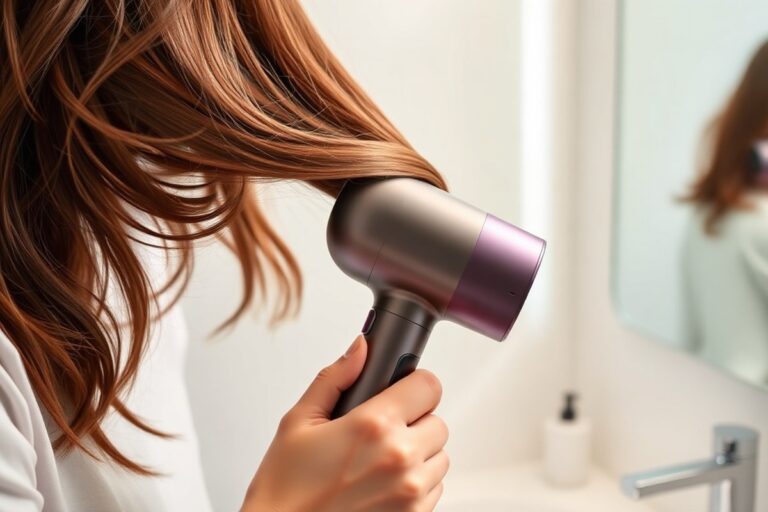
- Optional quick heat trick.Use a blow dryer on low heat. Attach a concentrator nozzle for better control. Gently smooth your hair after applying styling products. Keep it brief, about 1 to 2 minutes.
Products with conditioning ingredients work fastest to smooth hair that’s already dry and frizzy. Avoid those with short-chain alcohols because they can dry hair further. A good serum or anti-frizz spray usually costs $10 to $25.
These products provide visible and fast frizz control. They are worth the investment.
Applying styling products to slightly damp hair works best. Your hair can get wet frizz if it is too wet. Avoid applying frizz products on soaking wet hair.
Wait until your hair is damp instead. Too dry, and they won’t spread well. Adjust product amount based on your hair thickness and length for balanced coverage.
2. What Causes Frizzy Hair and Why It Persists

Frizzy hair starts when the outer layer of strands gets rough. This outer layer is called the cuticle. Raised cuticles make hair look frizzy.
This happens if your hair is dry or damaged. Damage comes from harsh styling or chemical treatments.
Split ends also let moisture escape. This causes breakage and frizz.
Humidity plays a big role because hair is thirsty for moisture. When the air is humid, water molecules push into the hair shaft, swelling it.
This makes the cuticles lift, causing hair to look frizzy and feel rough. You may notice your hair looks puffier and harder to smooth out on muggy days.
Your natural hair type also matters. Curly and wavy hair has cuticles that are uneven and lifted more than straight hair. This makes curls prone to frizz even without extra damage.
Genetics decide how your hair’s cuticles lie and how much moisture your strands can hold. Some people’s hair just traps humidity more easily.
Regular heat styling adds to the problem. Using a flat iron or blow dryer can harm your cuticles. Doing this without heat protectant weakens or cracks them.
That damage dries hair out, which encourages more frizz. Use heat styling only moderately.
Always spray on heat protection first. It creates a barrier that lowers frizz.
Dryness is a common thread among frizz causes. Hot water when washing also lifts cuticles. So rinsing with cooler water helps keep hair smooth.
Get trims every 6 to 8 weeks. This removes damaged ends and split ends. It helps prevent frizz from worsening.
Always apply a heat protectant before styling with heat to reduce damage and frizz.
To spot what’s causing your frizz, check if your hair feels brittle or breaks easily. Notice if frizz gets worse on humid days or after heat styling. Knowing your hair type helps too, curly hair naturally needs more moisture and care against humidity.
3. Choosing the Right Products for Frizz Control
Choosing the right products depends on your hair type and how much frizz you have. For example, fine hair needs lightweight leave-ins.
Thicker curls benefit from oils and creams. Look for ingredients that lock in moisture and shield your hair from humidity.
Shampoos for frizzy hair should gently cleanse without stripping natural oils. Conditioners want to add moisture and smooth the cuticle.
Using a leave-in conditioner right after showering helps create a barrier against frizz. Serums and oils keep your hair hydrated and prevent flyaways throughout the day.
Here’s a simple table comparing key ingredients and product types that fight frizz. Use it as a guide to pick what suits your hair texture and frizz level.
| Product Type | Key Ingredients | Hair Type or Use | Effect on Frizz |
|---|---|---|---|
| Shampoo & Conditioner | Moisturizers, gentle surfactants | All types, especially curly/coily | Cleanse gently, add hydration |
| Leave-In Conditioner | Keratin, jojoba oil, avocado oil | Fine to medium, curly to wavy | Strengthens, adds moisture |
| Hair Serum | Silicone-based, moisture locking | All hair types | Prevents swelling, keeps moisture in |
| Hair Oils | Argan, jojoba, coconut oil | Curly, coarse, or dry hair | Seals moisture, controls flyaways |
| Styling Gel | Polyquaternium-69 | Curly hair needing hold | Forms humidity barrier, defines curls |
Apply leave-in treatments on damp hair within minutes after showering. This locks moisture before frizz can start. Oils can be added after leave-in conditioners to seal the hair shaft and reduce flyaways.
Strong-hold gels with ingredients like Polyquaternium-69 also help keep curls defined by fighting humidity. For heat styling, pick products offering protection up to 450°F to avoid adding frizz through damage.
4. Daily Habits and Styling Tips to Prevent Frizz
Washing your hair less often helps keep its natural oils, which fight frizz. Shampooing every two to three days works well if your hair feels dry. Use lukewarm water and a gentle, sulfate-free shampoo to avoid stripping moisture from your strands.
Dry your hair softly by patting with a microfiber towel instead of rough rubbing. A towel turban style reduces friction and prevents frizz caused by breakage. Avoid touching your hair a lot while it dries.
This helps keep your strands smooth. Air drying works best with little handling.
- Shampoo 2-3 times per week with lukewarm water
- Pat dry hair gently with a microfiber towel or towel turban
- Use sulfate-free shampoo to protect moisture
- Let hair air dry when possible, avoid windy or humid conditions
- Limit heat styling to prevent moisture loss
- Apply styling products evenly on damp hair
- Touch hair minimally during drying and styling
Heat styling dries out your hair, causing frizz and damage over time. Keep flat irons and curling wands under 350°F to limit dryness. Use a heat protectant spray each time you style to lock in moisture and shield strands.
Try heat-free styles like braids, buns, or twists to give your hair extra rest. Protective styles reduce breakage and help maintain smoothness between washes. Even small daily changes like these gradually lower frizz and boost shine.
5. Deep Conditioning and Treatments for Lasting Smoothness
Deep conditioning and oil treatments restore moisture and strengthen hair, which cuts down on frizz. Deep conditioners open hair cuticles to soak in nutrients. Oils seal the cuticles and lock in that moisture for longer-lasting smoothness.
How to Apply Deep Conditioning Treatments
Applying deep conditioners right is key to getting the most hydration. Use these steps to treat your hair properly and avoid waste or buildup.
- Start with clean, damp hair after shampooing. Squeeze out excess water with a towel.
- Apply a generous amount of deep conditioner evenly from mid-lengths to ends.
- Use a wide-tooth comb to distribute the product and detangle gently.
- Cover your hair with a plastic cap to trap heat and boost absorption.
- Leave the treatment on for 15 to 30 minutes, depending on product instructions.
- Rinse thoroughly with lukewarm water to close the hair cuticles.
- Finish with a cool water rinse to help seal moisture inside the strands.
Overusing deep conditioners can weigh hair down. Stick to weekly or biweekly treatments.
Best Natural Oils for Hair Moisture
Oils like coconut, argan, and jojoba help lock in moisture and smooth frizz. They mimic your scalp’s natural oils but can penetrate and protect hair better.
Coconut oil works well to reduce dryness because it absorbs into the hair shaft. Argan oil adds shine and tames flyaways with a lightweight feel. Jojoba oil balances scalp oils without clogging pores, making it great for all hair types.
Timing and Frequency Recommendations
Oil treatments fit well into your routine before styling or as a weekly deep treatment. Apply a small amount to damp hair after washing to seal moisture.
For a deep oil treatment, apply it generously to your hair. Keep your hair warm or cover with a shower cap. Leave the oil in for 20 to 40 minutes.
Rinse or shampoo out afterward if hair feels heavy. Frequency depends on hair dryness but usually once a week is enough to avoid buildup.
Too much oil can attract dirt and weigh hair down, so use sparingly.
6. How to Manage Frizzy Curly and Wavy Hair Specifically
Managing frizz with curly and wavy hair means keeping the natural texture while controlling the puffiness. Moisture retention, gentle handling, and the right products are your best tools. Each step helps your curls stay defined and lively without going wild.
Curl-Specific Anti-Frizz Products
Choose products made for curls to keep frizz down and shape up waves and curls. Look for anti-frizz creams, serums, or oils with moisturizing ingredients that smooth cuticles. These will hold your curls without making them stiff or greasy.
Applying products while hair is damp locks in moisture and sets the curl pattern. Start by applying a leave-in conditioner to your hair. Next, put on a curl cream.
Finish with a light oil or serum for shine. Experiment to find the right balance. Too much product weighs curls down, too little leaves frizz unchecked.
Gentle Styling Techniques for Curls
Avoid brushes which disrupt the curl pattern and create more frizz. Use your fingers or a wide-tooth comb when detangling gently from the ends up. This keeps curls intact and less likely to puff out.
Finger-raking styling products through damp hair helps coat each curl evenly without breakage. Let hair air-dry or diffuse on low heat to avoid aggression from high temperatures. Once dry, avoid touching or fluffing too much to keep frizz down.
- Detangle hair with fingers or a wide-tooth comb only
- Apply products while hair is about 70% damp
- Use a microfibre towel or cotton T-shirt to blot excess water
- Air-dry or use a diffuser on low heat and speed settings
- Avoid over-touching curls once set to reduce frizz
- Sleep on a satin or silk pillowcase to prevent disruption
Following these tips maintains your curls’ natural shape and minimizes frizz for longer.
Maintaining Moisture in Curly Hair
Curly hair tends to be drier because natural oils don’t travel down the hair shaft well. Keeping curls hydrated reduces cuticle lift, which causes frizz. Regular use of hydrating conditioners and deep treatments helps lock in moisture.
Try leave-in conditioners or moisturizing sprays throughout the day if your hair feels dry. Protective styles and minimizing heat styling also prevent hair from drying out. Well-moisturized curls feel softer, look shinier, and hold their pattern better.
7. Natural Remedies That Help Reduce Frizz Safely
Natural remedies like coconut oil, aloe vera, and apple cider vinegar can reduce frizz safely. They hydrate your hair and smooth the cuticle, which helps control frizz. Using these at home is affordable and gentle compared to some commercial products.
Using Coconut Oil Treatments
Coconut oil is a strong moisturizer that smooths hair and reduces frizz. Apply it as a mask before washing your hair for deeper hydration. Warm about 2 tablespoons of coconut oil until liquid, then massage it into damp hair.
Leave the oil on for 30 to 60 minutes, then shampoo twice to remove it. You can do this treatment once or twice a week. Avoid using too much oil daily because it can weigh hair down or make it greasy.
- Use virgin or extra-virgin coconut oil for the best quality.
- Warm the oil slightly for easier application.
- Massage gently from mid-lengths to ends.
- Cover your hair with a shower cap to trap heat.
- Rinse with lukewarm water to avoid stripping oils.
Coconut oil works well on dry, coarse, or curly hair types. It can make fine hair look oily, so use less if needed. This natural method hydrates without harsh chemicals found in some products.
Benefits of Aloe Vera Gel
Aloe vera gel smooths frizz and adds shine by hydrating hair and sealing the cuticle. Use fresh aloe vera gel directly on damp hair to calm flyaways. You can apply 2 to 3 tablespoons evenly through your hair after washing.
Let the gel air dry or style your hair as usual. Aloe vera is lightweight and won’t leave your hair greasy, unlike heavy oils. It also soothes the scalp, which might reduce dryness that causes frizz.
- Extract gel from aloe leaves or buy pure aloe vera gel.
- Apply to hair roots and lengths for full coverage.
- Use as a leave-in treatment or mix with your conditioner.
- Use regularly for consistent frizz control results.
- Works well for most hair types, especially fine or oily hair.
Aloe vera’s natural ingredients hydrate without buildup, making it a good alternative to heavier commercial serums. It also has minimal risk of irritation when used correctly.
Apple Cider Vinegar Rinses
Apple cider vinegar (ACV) rinses help remove product buildup and smooth hair cuticles. Mix 1 to 2 tablespoons of ACV with 1 cup of water. Use this rinse after shampooing and before conditioning your hair.
This rinse balances your hair’s pH and can increase shine and reduce frizz. Rinse it out thoroughly with cool water. Use ACV rinses once a week to avoid dryness or irritation.
- Always dilute ACV before applying to avoid scalp burns.
- Use cool or lukewarm water to rinse after ACV treatment.
- Avoid use on color-treated hair without testing first.
- Stop if you notice itchiness or excessive dryness.
- ACV can also boost hair manageability for styling.
Commercial products mix ACV with other hair-friendly ingredients. It is less moisturizing than oils but good for removing residue that traps moisture out.
8. Common Mistakes That Cause Frizz and How to Fix Them
Over-washing hair strips natural oils, causing dryness and frizz. Wash hair 2 to 3 times weekly to keep moisture.
Using the wrong products also worsens frizz. Pick shampoos and conditioners made for your hair type, with plenty of hydrating ingredients.
Drying hair roughly with a regular towel creates friction that roughs up strands. Swap your cotton towel for a microfiber one. Gently blot or squeeze water out.
Avoid brushing hair when dry. It breaks strands and lifts the cuticle, leading to frizz.
- Limit heat styling; use lower temperatures under 350°F with ceramic tools
- Trim split ends every 6 to 8 weeks to stop damage from spreading
- Brush hair only when wet with a wide-tooth comb
- Pat dry hair with microfiber towels instead of rubbing
- Choose lightweight, frizz-control hair products for your hair type
Heat damage opens the cuticle, letting moisture in and creating frizz. Use heat tools sparingly, and always apply a heat protectant first.
Split ends travel up the hair shaft, making frizz worse. Trim your hair once you spot fraying or rough ends to stop this.
Tight hats or rough towel drying increase friction, damaging hair’s cuticle and causing frizz. Loosen hats and handle your hair gently after washing. Getting a professional trim every 6 to 8 weeks helps your hair.
It removes damaged ends. This keeps hair smooth and looking healthier.
Avoid rough towel drying; gently blot hair with a microfiber towel to reduce frizz.
Your Step-by-Step Plan to Beat Frizz
Follow these simple steps to see smoother hair fast. Track your progress by checking how your hair feels and looks.
- Before you start: Switch to a sulfate-free shampoo and silicone-free conditioner. Your hair should begin feeling softer after the first wash.
- Day 1: Apply a leave-in conditioner on damp hair to lock in moisture. Notice how your hair feels less dry and rough.
- Day 2: Use a wide-tooth comb instead of a brush on wet hair. Fewer tangles mean less frizz the next day.
- Week 1: Add a weekly deep conditioning treatment focusing on dry ends. Your hair should feel more hydrated and manageable by week’s end.
- Week 2: Change your styling routine by air-drying or using a diffuser on low heat. Frizz should reduce as you avoid high heat damage.
- After 2 weeks: Try a natural oil, like argan or coconut, on dry ends each night. Watch for smoother, shinier hair in the mirror.
- After 3 weeks: Assess how your hair responds. Adjust product use or add a haircut to remove split ends that cause frizz.
Frequently Asked Questions
How Do I Get Rid of Frizz in 5 Minutes?
Use a smoothing serum or anti-frizz spray on dry hair to tame frizz fast. Then, gently brush or smooth down flyaways for a quick fix.
How Can I Fix Frizzy Barbie Hair?
Treat Barbie hair by washing with moisturizing shampoo, then add a leave-in conditioner for softness. Using a detangling spray helps smooth tangled strands and reduce frizz.
What Is Frizzy Hair Lacking?
Frizzy hair often lacks moisture and can have damaged cuticles. Hydrating products and regular deep conditioning help restore smoothness and reduce frizz.
What Is the Root Cause of Frizzy Hair?
The root cause is damaged or raised hair cuticles. They let in humidity and cause your strands to swell. Avoiding harsh heat and using smoothing treatments help control it.
How Does Vitamin E Affect Hair?
Vitamin E nourishes the scalp and strengthens hair shafts, which reduces breakage and frizz. Using oils or supplements with vitamin E supports healthier-looking hair.
Can Weather Changes Really Cause Frizz?
Yes, humidity makes hair strands absorb water and swell, leading to frizz. Using anti-humidity products or protective styles helps keep frizz down in damp weather.
Final Thoughts
Frizz becomes manageable when you treat hair gently and keep it well moisturized. Start by updating your shampoo and conditioner now. Your smoother hair will follow as you stick to simple care steps.