What Shampoo Helps Regrow Hair: 12 Proven Tips and Top Picks That Work
What shampoo helps regrow hair? You want one that boosts scalp health and strengthens follicles.
Look for products with proven ingredients like minoxidil or vitamin B5. These help reduce hair loss and support new growth over time.
Not all shampoos work the same. So pick one fitting your hair type and concerns.
For example, soothing dandruff shampoos clear flakes that block follicles. Let the shampoo sit for a few minutes on your scalp to absorb active ingredients well.
Expect patience; hair grows about half an inch per month. Shampoos can improve hair density significantly but need consistent use. Choose formulas that nourish without weighing hair down to keep it looking bouncy and healthy.
Key Takeaways
- Pick shampoos with minoxidil or vitamin B5 for best regrowth support.
- Choose a shampoo suited for your hair type and scalp needs.
- Let shampoo sit 1 to 5 minutes on your scalp before rinsing.
- Use hair growth shampoos regularly for several months to see results.
- Avoid heavy formulas that can weigh your hair down and dull shine.
- Treat dandruff first to keep follicles clear and healthy for growth.
1. Which Shampoo Helps Regrow Hair Effectively?

Shampoos that support hair regrowth usually focus on strengthening thinning hair and improving scalp health. Rosemary Biotin Shampoo for Thinning Hair is a popular vegan and sulfate-free option.
It supports natural hair regrowth while protecting sensitive scalps. Its key ingredients help reduce shedding and stimulate blood flow, which supports thicker, fuller hair.
Other shampoos rich in biotin and vitamins help build up keratin in your hair. This makes hair strands stronger and less prone to breakage.
Products with zinc, Serenoa serrulata fruit extract, and ceramides also protect and nourish the scalp. Using these shampoos consistently is important, as visible results take several weeks or months.
The cost of shampoos ranges widely. Quality options can be under $10 per bottle.
Premium choices like L’Oréal Professionnel Absolut Repair Molecular Shampoo usually cost around $46 each. Using these shampoos with their specific conditioners often boosts hair protection and strength.
| Shampoo | Key Ingredients | Price | Best Features | Notes |
|---|---|---|---|---|
| Rosemary Biotin Shampoo for Thinning Hair | Rosemary oil, biotin, ceramides | Under $10 | Reduces shedding, stimulates scalp blood flow | Vegan, sulfate-free, gentle for sensitive scalps |
| L’Oréal Professionnel Absolut Repair Molecular Shampoo | Keratin, repairing molecules | $46 | Best for colored hair, strengthens hair shafts | Works best with matching conditioner as system |
| Kerastase Densifique Densité Shampoo | Biotin, vitamins | High-end | Moisturizes without weighing hair down | Keeps hair bouncy with shine |
The shampoo labeled Rosemary Biotin works well if you want something affordable and gentle. Its ingredients help nourish your scalp without leaving a greasy feel.
More expensive choices can offer added benefits but require system use to get full protection. Applying these shampoos regularly for several months gives your hair the best chance to grow stronger.
Keep in mind, shampoos mainly improve scalp and hair strength rather than instantly regrowing lost hair. Complementing shampoo choice with good scalp care habits increases your chances. You’ll notice improvements like less hair fall, thicker feel, and healthier-looking hair over time.
2. How Do Hair Growth Shampoos Stimulate Scalp and Follicles?
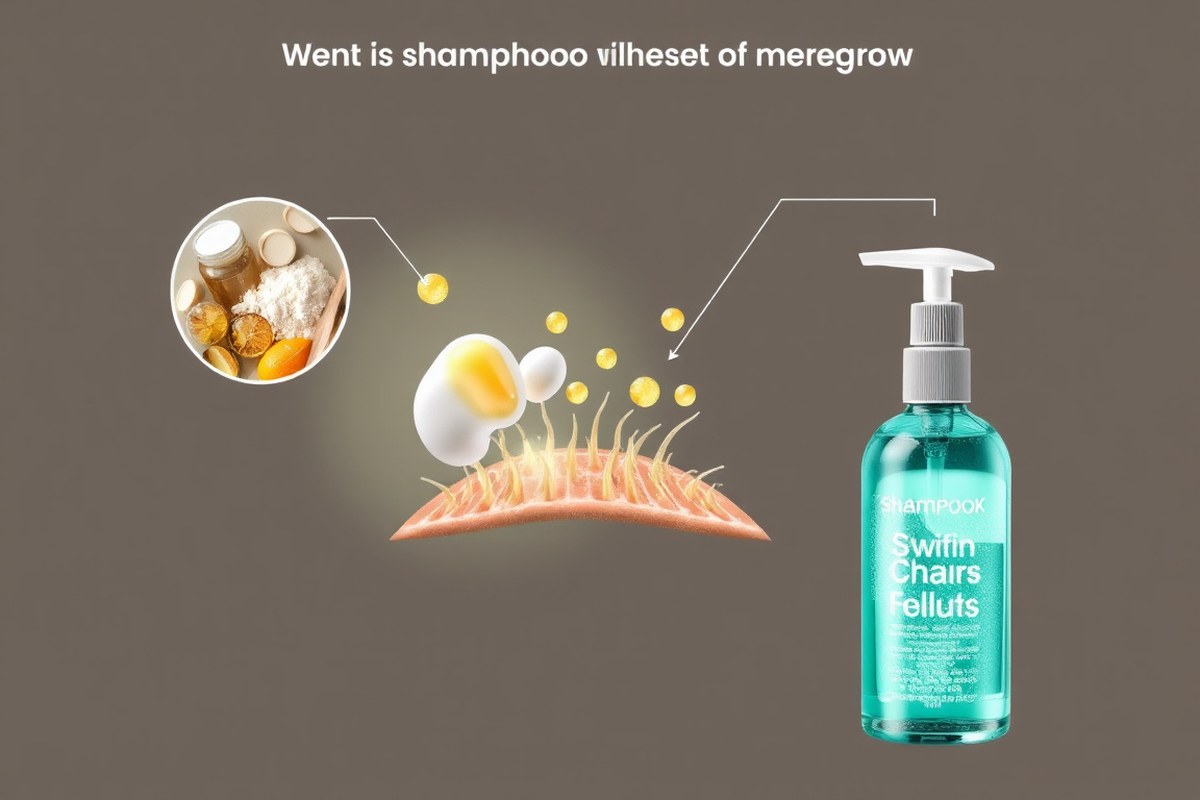
Hair growth shampoos work by improving scalp health and stimulating hair follicles. They deliver active ingredients that nourish, protect, and activate biological processes essential for regrowth. These shampoos boost circulation, reduce inflammation, and strengthen hair to reduce shedding.
Stimulating Follicle Activity
Many shampoos for hair regrowth include caffeine and biomimetic peptides. Caffeine helps open blood vessels in the scalp, increasing circulation. This delivers more oxygen and nutrients to hair follicles, encouraging them to enter the growth phase.
Biomimetic peptides mimic natural proteins that promote cell communication. They signal scalp cells to behave like healthy, active follicles. This process can revitalize dormant hair follicles and support new hair development.
Promoting Scalp Health
Healthy hair starts with a healthy scalp. Shampoos often include prebiotics to balance scalp microbes. This reduces dryness and irritation, which can block follicles and slow hair growth.
Vegan proteins and ingredients like rosemary and biotin strengthen the scalp’s natural barrier. A nourished scalp maintains the right environment for follicles to grow strong strands. This also lessens breakage and hair loss.
Reducing Hair Breakage and Shedding
Some active ingredients prevent hair from breaking prematurely. Panthenol and black cumin oil coat the hair shaft, making strands less brittle. Stronger hair reduces visible thinning and supports longer growth periods.
By protecting existing hair, these shampoos indirectly help maintain scalp density. This lets new hair grow in healthier, fuller patterns without being overshadowed by damaged hair.
How to Use Shampoo for Best Results
Rub shampoo into your scalp for at least two to three minutes. This helps active ingredients penetrate and stimulate follicles. Use hair regrowth shampoos two to four times per week for steady benefit.
Letting the shampoo sit on your scalp for 1 to 5 minutes also improves absorption. Consistency is key; irregular use slows down biological changes needed for regrowth.
Variations Based on Scalp Condition
Oily or flaky scalps may need shampoos with clarifying agents plus growth stimulants. Dry scalps benefit from formulas rich in moisture and barrier repair ingredients. Choose shampoos designed to suit your scalp type to maximize follicle stimulation.
People with sensitive skin should test new shampoos on a small area first. Harsh or irritating formulas can worsen scalp issues and stall hair growth.
Massaging your scalp while shampooing boosts blood flow and aids ingredient absorption.
3. Key Ingredients to Look for in Hair Regrowth Shampoos
Look for shampoos with ingredients proven to support hair regrowth and scalp health. Biotin strengthens hair strands and may reduce breakage.
Caffeine stimulates follicles by boosting circulation, helping more strands grow. Rosemary oil improves scalp blood flow and eases inflammation, creating a better environment for growth.
Natural oils like castor oil moisturize the scalp well. Tea tree oil helps prevent scalp infections. Both oils support healthier hair growth.
Keratin can rebuild damaged hair shafts, making hair thicker and less prone to shedding. Peptides promote cell repair and follicle health, encouraging stronger hair roots.
- Biotin, strengthens hair and prevents breakage
- Caffeine, improves blood flow to hair follicles
- Rosemary oil, boosts circulation and reduces scalp inflammation
- Keratin, rebuilds damaged hair strands for thickness
- Tea tree oil, fights scalp microbes and soothes irritation
- Peptides, support hair follicle repair and growth
- Castor oil, deep moisturization to prevent dryness
Choose biotin or caffeine if you want a science-backed jumpstart for weak hair. Choose shampoos with tea tree or castor oil when your scalp itches. These oils soothe dry and irritated skin.
They give your scalp gentle care. Rosemary oil suits almost every hair type. It naturally helps hair grow faster.
It also improves the overall health of your scalp. Products with multiple of these ingredients are often more effective than those relying on just one.
4. How Long Until Hair Growth Shampoos Show Visible Results?
You should expect visible results from hair growth shampoos after 8 weeks. Keep using it consistently for up to 12 weeks. Hair growth takes time to show noticeable changes.
This timeline lets the shampoo’s active ingredients do their work. Ingredients like biotin or ketoconazole help stimulate follicles.
They also improve scalp health over this period. Early changes usually include less hair shedding and a healthier scalp texture.
After three months, new hair strands might start to appear around thinning areas. These new hairs are often finer and lighter at first. So they can be easy to miss.
Keep using the shampoo because hair grows slowly. Hair grows about half an inch per month. Gradual improvement happens with continued use.
You might not see changes after four months. This could mean the shampoo isn’t enough on its own. Consider other treatments if growth stalls.
Factors like genetics, hormone imbalances, or nutritional issues can slow or limit regrowth. In those cases, seeing a professional or adding other treatments might help speed things up.
5. Which Hair Loss Causes Can Shampoos Address Effectively?
Shampoos for hair loss mainly help with temporary thinning or scalp conditions. They can slow down hair fall by cleaning sebum build-up and reducing inflammation. However, shampoo alone usually can’t regrow hair if the loss is genetic or due to scarring.
Genetic hair loss comes from sensitivity to a hormone called DHT. Male or female pattern baldness happens because of this hormone. It affects hair follicles and causes hair to thin.
Shampoos with ingredients like saw palmetto or pumpkin seed oil can block DHT a bit. But they won’t reverse genetic loss fully. People with early signs or family history might see some benefit from these shampoos.
Temporary hair loss caused by stress, poor nutrition, or scalp issues can respond better to shampoos. Nourishing shampoos contain vitamins, amino acids, or plant extracts. They help strengthen weak hair strands and soothe your scalp.
These ingredients support healthier-looking hair and less irritation. Still, correcting the underlying cause, like diet or health, is key.
- Use shampoos with saw palmetto or pumpkin seed oil to block DHT.
- Choose products with panthenol, tea tree oil, or peptides for scalp and hair health.
- Look for anti-inflammatory and antimicrobial agents like piroctone olamine or menthol.
- Try shampoos that improve circulation, such as those with caffeine or peppermint oil.
- Select high-protein shampoos to strengthen brittle or breaking hair.
- Target excess oil and buildup to keep follicles unblocked.
- Follow a healthy diet to support lasting hair growth.
Hair loss shampoos can prepare your scalp for treatment by calming inflammation. They set a healthier stage but usually don’t trigger new growth alone. Scarring or severe genetic hair loss limits shampoo benefits.
These shampoos can’t fully stop heavy or permanent hair loss. You might need other treatments for these conditions.
Don’t expect quick fixes from shampoo alone. Consult a dermatologist for ongoing or severe hair loss.
6. How to Choose the Right Shampoo for Your Hair Type and Needs
You need a shampoo that matches your hair texture, scalp health, and hair loss type. Choosing one without these factors risks more dryness, irritation, or little regrowth help. Targeted selection helps support your hair and scalp while encouraging new growth.
Hair Type Considerations
Fine hair needs gentle formulas that don’t weigh it down. Look for volumizing shampoos with light thickening agents to boost fullness. Avoid heavy oils or silicones that can make fine hair greasy and limp.
Coarse or curly hair benefits from richer moisturizers and conditioners. These help reduce frizz and breakage while nourishing each strand. A shampoo with biotin or keratin can strengthen thick or curly hair.
Oily hair requires a shampoo that controls excess sebum without drying out the scalp. Ingredients like rosemary and tea tree oil gently cleanse and maintain natural moisture balance. Use these shampoos 3-4 times weekly to avoid over-stripping.
Scalp Condition Factors
Scalp health affects hair regrowth more than hair type alone. An irritated or flaky scalp needs calming ingredients like tea tree oil or aloe vera. These reduce inflammation and clear buildup that blocks follicles.
If you have dandruff or fungal issues, look for antifungal shampoos with ketoconazole. These combat scalp infections that can cause shedding or thinning. Using medicated shampoo 2-3 times a week typically helps improve scalp health.
Dry scalps should be treated with hydrating shampoos that avoid harsh sulfates. These maintain the skin barrier and prevent flaking. Shampooing less often and using conditioner can also reduce dryness.
Hair Loss Patterns and Needs
Thinning all over calls for a shampoo that thickens strands and strengthens roots. Nanogen Women 7-in-1 and XUJECT Rosemary & Biotin shampoos work well here. They support growth phases and add volume.
Patchy or stress-related loss responds best to gentle, soothing shampoos. These calm the scalp and reduce shedding triggered by irritation. Aim for formulas that include vitamins and plant extracts to nourish follicles.
- Shampoos with minoxidil aren’t common but can be effective under doctor guidance
- Look for strengthening peptides or caffeine for stimulating roots
- Avoid overly harsh shampoos that dry or damage hair
- Use consistent routines for at least 3 months to see results
- Pair shampoo with scalp massages to improve blood flow
- Daily shampooing suits oily scalps; less frequent suits dry scalps
- Monitor progress to adjust shampoo type if needed
Temporary hair loss from treatments or hormones needs milder shampoos. Focus your choice on scalp comfort and moisture support during recovery.
Chemical Treatment Compatibility
Color-treated or chemically processed hair needs shampoo that protects chemical bonds. Sulfate-free options prevent color fading and reduce damage. Some hair regrowth shampoos come in gentle versions for treated hair.
Permed or relaxed hair benefits from shampoos with protein and moisture balance. These help hair remain flexible and less prone to breakage. Avoid aggressive cleansers that strip essential oils.
Check product labels for compatibility with your specific treatment. This protects your investment while helping hair grow stronger underneath.
7. How to Use Hair Growth Shampoo for Maximum Effectiveness
Use hair growth shampoo gently and consistently to help stimulate your scalp and hair follicles. Follow simple steps when applying it and give it time to work on your scalp. Regular scalp massage also boosts blood flow and improves shampoo effectiveness.
Proper Scalp Cleansing Steps
Clean scalp follicles need gentle but thorough cleansing to remove dirt and excess oil. Avoid harsh scrubbing that can irritate your scalp and damage hair roots. Follow these basic steps to wash your scalp correctly:
- Wet your hair with warm water to open pores and loosen debris.
- Apply a small amount of shampoo (about a quarter-sized drop) directly on your scalp.
- Use your fingertips, not nails, to gently massage the shampoo into your scalp.
- Work from front to back, covering all areas where thinning shows.
- Rinse thoroughly with warm water, ensuring no shampoo is left behind.
- Repeat the shampooing process if your scalp feels oily or very dirty.
Proper cleansing reduces blockage around follicles and prepares scalp for regrowth.
Recommended Frequency of Use
Most hair growth shampoos suggest using them daily or every other day. Using them too often might dry out your scalp and hair.
Stick to the frequency on your shampoo label. If you notice dryness or irritation, reduce use to every two or three days. This routine keeps your follicles stimulated but prevents stripping away natural oils your scalp needs.
Why Letting Shampoo Sit Matters
Letting shampoo sit on your scalp for a short time improve its active ingredients’ impact. Most formulas work best when left on 2 to 5 minutes.
This pause allows ingredients to reach hair follicles and improve scalp health. Rinsing too quickly limits their benefit.
After massaging, wait 3 minutes before rinsing. Use this time to gently massage your scalp again with your fingertips.
Combining Shampoo with Conditioners
Follow shampoo with a conditioner suited for hair thinning or scalp care. Conditioner helps balance moisture without weighing hair down.
Apply conditioner only to hair strands, avoiding the scalp to prevent clogging pores. Let it sit for 1 to 3 minutes before rinsing. Regular use of both keeps hair smooth and improves the overall environment for healthy growth.
8. Can Shampoos Alone Cure Hair Loss or Is Extra Treatment Needed?
Shampoos alone usually can’t fully regrow hair, especially if you face serious thinning or genetic loss. Their role mainly focuses on cleaning the scalp, nourishing follicles, and reducing hair fallout. For actual regrowth, you often need extra treatments like minoxidil or other medicines.
Minoxidil is an FDA-approved topical solution for hair loss. It stimulates hair follicles directly. This can slow or reverse genetic hair loss.
It usually costs about $20 to $40 per month. Results might show within four months. Shampoos with jojoba oil and vitamin B5 help scalp health.
They lack strong proof to regrow hair on their own. These ingredients support but don’t cause hair regrowth.
Choose shampoos without harsh surfactants or parabens. This is especially important if you use minoxidil. Avoiding harsh chemicals protects your scalp and treatment.
That helps prevent scalp irritation or reduced effectiveness. Shampoos boost scalp health and hair strength.
Minoxidil and prescription meds work deeper to reactivate follicles. They help regrow hair rather than just improve condition.
| Aspect | Hair Growth Shampoo | Minoxidil |
|---|---|---|
| Primary Function | Strengthens and nourishes scalp and hair strands | Direct stimulation of hair follicles to regrow hair |
| Ingredients | Natural oils (jojoba), vitamins (B5), mild surfactants | Active chemical minoxidil in solution or foam form |
| Usage | Used during hair washing, 2-3 times per week | Applied daily to the scalp, twice a day |
| Cost | $10 to $30 per bottle (16 fl oz size) | $20 to $40 per month supply |
| Result Timeline | Improves scalp health, slows shedding over weeks | Visible regrowth in about 4 months, varies |
| Suitable For | Mild thinning, scalp care, sensitive scalps | Moderate to severe genetic hair loss cases |
| Side Effects | Rare scalp irritation if using harsh formulas | Possible scalp redness, itching, unwanted facial hair |
Using a shampoo that supports scalp health can prepare your hair for minoxidil or supplements. This combo improves your scalp’s environment, which helps those treatments work better. Some people need stronger hair loss treatments.
This includes transplants or prescription meds. These are for advanced or stubborn hair loss cases.
Use shampoos that are gentle when combined with minoxidil. Avoid harsh chemicals to prevent scalp irritation. This helps your treatment work better.
9. Myths and Common Mistakes Using Hair Growth Shampoos
Many people believe that just using a hair growth shampoo will instantly regrow lost hair. That’s not true.
Shampoos only stay on your scalp for a short time. So their impact is limited compared to leave-in treatments.
Another common misconception is that more ingredients mean better results. Doctors warn against being fooled by long ingredient lists or fancy marketing. The key is ingredients like ketoconazole or caffeine.
These help reduce hair loss. They also promote hair growth.
Using the shampoo incorrectly is a big mistake. Rushing through washing or not massaging the scalp can prevent active ingredients from working.
Also, washing too often can dry out your scalp. Washing too little leaves buildup that blocks hair follicles.
- Don’t expect shampoos alone to cure hair loss completely.
- Massage the shampoo into your scalp for at least 2 minutes.
- Use shampoo 3-4 times a week to balance cleanliness and scalp health.
- Choose shampoos with proven ingredients like ketoconazole or caffeine.
- Avoid shampoos with heavy silicones that can build up and block follicles.
- Be patient, visible results usually take at least 3 months.
- Use conditioner only on hair ends to avoid scalp buildup.
Many expect shampoo to regrow hair fast, but it usually slows hair loss first. Shampoos with ketoconazole help reduce scalp sensitivity to DHT, which prolongs existing hair life.
Caffeine in shampoos can promote fuller hair and reduce breakage. But it’s not a quick fix.
Some people wash daily thinking it improves results. It actually strips natural oils, making hair brittle and scalp irritated.
Others skip scalp massages, missing the chance to improve blood flow and boost absorption of ingredients. Simple habits matter more than fancy shampoos.
10. Safety Considerations and Side Effects of Hair Regrowth Shampoos
Hair regrowth shampoos are generally safe but can cause side effects for some people. Your scalp might feel itchy or dry, especially if you have sensitive skin.
These shampoos often contain active ingredients that boost hair growth by stimulating follicles. But they can irritate scalps that react to new products or harsh chemicals.
People with colored or chemically treated hair should be cautious. Some shampoos can strip color or dry out the hair. Always check if the shampoo states it’s color-safe.
Reading customer reviews helps you avoid products that damage your dye job. Some shampoos can make your hair dry or brittle. Checking reviews helps you pick safer options.
- Start with a patch test before using new products. Put a small amount on your inner wrist or behind your ear. Leave it there for 24 hours to check for reactions.
- Use shampoos labeled for sensitive skin or hypoallergenic if you notice irritation.
- Avoid shampoos with strong fragrances if you have a sensitive scalp or smell aversions.
- Look for products marked as color-safe to protect dyed hair from fading.
- Follow the manufacturer’s instructions for how often to wash; overuse can worsen irritation.
- Stop use immediately if you develop redness, swelling, or burning sensations.
- Consult a dermatologist if side effects persist or worsen after stopping.
Some common side effects include mild redness, dryness, and flaking. These usually improve after a few uses or when using less often. It helps to switch to a moisturizing conditioner or scalp treatment alongside your shampoo.
Also, mixing hair growth shampoos with other treatments, like minoxidil, might increase irritation. Check with your doctor if you use multiple products.
11. How to Identify When to See a Professional for Hair Loss
Hair loss that needs a professional’s attention often shows clear signs. You should see a board-certified dermatologist if hair keeps falling out steadily for several months.
Persistent shedding may mean your loss is not caused by shampoo or simple stress. It might be a medical condition or genetic pattern requiring treatment beyond shampoo use. Look for these signs that mean a professional evaluation is necessary:
- Hair loss lasting over six months without improvement
- Sudden or patchy bald spots appearing
- Scalp irritation, redness, or pain
- Excessive shedding more than 100 hairs daily
- Family history of male or female pattern baldness
- Visible scalp thinning or widening part lines
- Hair loss accompanied by other symptoms like fatigue or weight loss
These signs can show if your hair loss is permanent or temporary. Permanent loss usually links to genetics or scarring conditions and needs early diagnosis for best options.
Don’t wait over six months to get medical help for hair loss. If it gets worse or won’t stop, see a doctor sooner. Early checks can catch problems before they get worse.
A professional can do tests like blood work and scalp biopsy. These tests help find the exact cause of your hair loss.
Knowing the cause guides the right treatment plan. This matters because different causes need different treatments.
Treatment may include prescription medicines, light therapy, or even surgery. These steps cost $100 to $300 per visit or more, depending on your location and tests.
Try to keep hair loss records like photos and notes about when it started. This helps your doctor see if the problem is getting worse or better. Quick action can slow or stop loss before it becomes permanent.
12. Budget and Value: Cost Considerations for Hair Growth Shampoos
Hair growth shampoos have prices that vary a lot. Some cost about $8 while others can go over $40. The cost difference depends on the brand and size.
Comparing cost per ounce makes more sense than just looking at the total bottle price. A small, expensive bottle may cost more per ounce.
A larger, cheaper one can be more affordable overall. Check the price per ounce to compare.
Choosing an expensive shampoo doesn’t always mean better results. The key is to check for active ingredients that are proven to help with hair thinning. Dermatologists say look for ingredients that actually work.
Brand names and fancy bottles don’t guarantee effectiveness. Focus on what’s inside the formula instead.
| Price Range | Approximate Cost/Ounce | Active Ingredients Commonly Found |
|---|---|---|
| $8 – $15 | $0.50 – $1.50 | Biotin, caffeine, saw palmetto extracts |
| $16 – $25 | $1.25 – $2.50 | Ketoconazole, rosemary oil, niacin |
| $26 – $40+ | $2.00 – $4.00 | Minoxidil (in some shampoos), peptides, specialized botanical blends |
Cost per ounce differs by bottle size and concentrate of the active ingredients. Look for shampoos that balance cost with ingredients that target your specific hair loss cause. Avoid skipping ingredients just to save money, especially if your hair loss has medical reasons.
Trial size bottles or smaller sizes can help test results before committing to full-sized, costly products. Remember, consistent use over several weeks is necessary to see changes. When money is tight, choose products with key ingredients only.
Skip luxury extras that don’t add much benefit. This saves money and still helps your hair.
Step-by-Step Action Plan for Using Hair Growth Shampoo
Follow these steps to get the most from your hair regrowth shampoo. Track your progress to see real changes.
- Before you start: Choose a shampoo with proven ingredients like biotin or caffeine. Check for your hair type and scalp needs.
- Day 1: Wash your hair with lukewarm water to open scalp pores. Apply shampoo gently and leave it on for 2-3 minutes to work.
- Week 1: Stick to washing 3 times per week. Avoid harsh chemicals and hot water that dry out your scalp.
- Week 4: Assess scalp feel, look for less itchiness and oiliness. These signs mean your scalp is responding well.
- Month 2: Check hair strands. Look for improved thickness or less breakage as early progress signs.
- Month 3: Take photos of your scalp and hairline. Compare to see visible regrowth or new baby hairs.
- Monthly from here: Continue use if you see improvement. If not, consider seeing a hair specialist for extra options.
- After 6 months: Evaluate overall hair health and density. Keep using shampoo or combine with other treatments if needed.
Frequently Asked Questions
Can Hair Growth Shampoos Work for All Types of Hair Loss?
Hair growth shampoos mainly help with mild to moderate thinning. They don’t fix genetic baldness or severe medical issues. Knowing what causes your hair loss helps you choose the right product.
Shampoos alone may or may not help depending on the cause. Knowing this early saves time and money.
Are Natural Shampoos as Effective as Medicated Ones for Hair Regrowth?
Natural shampoos like rosemary can reduce shedding and boost scalp health. These shampoos tend to be gentler on your scalp. They usually work slower than medicated ones with strong ingredients.
Ingredients like biotin or caffeine are proven to help hair growth. Choose based on your scalp sensitivity and hair goals.
Do Hair Regrowth Shampoos Also Improve Hair Strength and Quality?
Yes, many shampoos with ceramides, oils, and vitamins also restore scalp barrier and strengthen hair strands. This helps prevent breakage while promoting growth. So your hair looks fuller and healthier overall.
Is It Okay to Switch Between Different Hair Growth Shampoos?
Switching shampoos is fine but give each enough time (at least 2-3 months) to see results. Consistency matters because hair grows slowly. Rotating too often can confuse your scalp or limit benefits.
Can Hair Growth Shampoos Cause Scalp Irritation or Allergies?
Some ingredients, especially essential oils or additives, can irritate sensitive scalps. Patch test a small skin area before full use. Stop use if redness or itching appears and consult a dermatologist if needed.
How Do Shampoo Costs Relate to Their Effectiveness in Regrowing Hair?
Price ranges vary widely, from $5 to $50+. Cost doesn’t guarantee better results since effectiveness depends on ingredients and your scalp condition. Find a quality shampoo within your budget that targets your specific hair loss needs.
Wrapping Up
Hair growth shampoos can help but results take patience. Start using one with active, safe ingredients today. Watch your progress closely and get expert help if your hair loss continues.