How Can You Style Curly Hair: 12 Proven Methods for Best Curls
How can you style curly hair to get the best curl definition? Start by using the right products to boost moisture and reduce frizz.
Then, prep your hair carefully to keep curls healthy and bouncy. That means applying oils or leave-in conditioners before styling.
Drying curly hair well makes a big difference. Air drying helps avoid frizz.
But you can also use clips at the roots for extra lift. Avoid touching your curls while drying to keep them defined and shaped.
Knowing which products to choose matters too. Lightweight gels and natural oils work well without weighing curls down. Remember to apply styling products evenly, from roots to ends, for consistent curl formation.
Key Takeaways
- Use moisturizing products to improve curl definition and lessen frizz.
- Apply hair oil or leave-in conditioner on damp curls before styling.
- Let curls air dry partially to reduce frizz and boost shape.
- Use root-lifting curl clips to add volume while drying.
- Avoid touching your curls during drying to prevent disruption.
- Choose lightweight gels or natural oils to avoid weighing curls down.
1. How Can You Style Curly Hair to Maximize Curl Definition?

Maximizing curl definition starts with careful styling that respects your natural curl pattern. Drying methods that reduce friction and avoid frizz play a big part. Getting your hair wet before styling helps products soak in and locks in moisture.
Lightly detangle your hair when it’s wet to keep curls intact. Avoid rough towels like traditional or turban cloths, which disrupt curls and cause frizz. Wrapping your curls gently in a soft cotton T-shirt or microfiber towel works better.
- Wash and condition your hair. Use a conditioner made for curly hair to hydrate and soften strands. Let the conditioner sit two to five minutes.
- Apply a curl defining cream on wet hair. This seals moisture and shapes your curls without weighing them down. Spread it evenly by raking your fingers through your hair.
- Use a wide-tooth comb or your fingers to detangle. Do this gently when the hair is still wet to avoid breakage and frizz. Avoid brushing once dry.
- Try plopping with a microfiber towel or cotton T-shirt. Lay the towel flat, bend over, and wrap your curls inside. Leave it on for about 20 to 30 minutes to absorb water without friction.
- Let your hair air dry or use a diffuser on low heat. Air drying preserves natural curl shape better. But a diffuser can help speed things up. Keep the diffuser moving to avoid heat damage.
- Minimize touching your hair while it dries. Frequent manipulation causes frizz and breaks curl form. Let your curls set on their own for the best definition.
Following these steps means curls are moisturized, clumped well, and frizz stays low. Avoid tying your wet hair in tight styles to prevent dents and flattening.
For extra lift, place root-lifting clips near your scalp before drying. Your curls should look springy, shiny, and separate without fuzz.
2. Which Products Should You Use for Styling Curly Hair?

Finding the right styling products depends on your curl type. Think about what style you want to achieve. This helps you choose the best product.
For more defined curls, gels and curl creams with moisturizing properties work best. Styling products lock in curl shape and reduce frizz.
They do this by sealing moisture in your hair. Apply them while your hair is still damp.
Frizz control products often contain ingredients like shea butter, coconut oil, or aloe vera. These keep hair hydrated and smooth the cuticle.
Lightweight leave-in conditioners suit finer curls. Thicker creams benefit coarser, tightly coiled hair types.
Pick styling products when your hair is wet for best results. Water helps lock in curl definition. This step is key for your style.
Applying cream or gel on dry hair causes flyaways. It also weakens the curl shape.
Always use products on damp hair instead. Also, knowing your hair’s porosity helps you select products that absorb well without buildup.
- Use light leave-in conditioners on wavy, finer curls to avoid weighing down hair.
- Choose richer creams or butters for thick, dense curls to add moisture and hold.
- Gels offer stronger hold, ideal for defined ringlets or controlling frizz in humid climates.
- Anti-frizz serums smooth hair surface and add shine, use sparingly to avoid greasiness.
- Try different product sizes or samples to find what works without wasting money.
- Products marketed for curls often suit curls best but some straight hair items might also work.
Always apply styling products on damp hair to lock in moisture and curl shape.
Layering products helps many people with curls. Start with a leave-in conditioner. Then add cream and finish with gel if needed.
This layering keeps curls hydrated and shaped all day. Products cost anywhere from $10 to $30. So testing samples before buying full sizes saves money and effort.
Matching your product strength to your curl pattern matters. Fine, loose curls need lighter products to keep bounce without limpness. Tighter curls need heavier creams or gels for lasting definition and frizz control.
Learning what your curls like takes time. But results show in softness, shine, and less frizz.
3. How Should You Prep Curly Hair for Styling?
- Choose to wash or co-wash based on your hair’s dryness.
- Use a gentle shampoo or hydrating conditioner to cleanse your curls.
- Apply a deep conditioner if your hair feels dry or brittle.
- Saturate hair with a quality detangler while still wet.
- Rake through curls gently with a wide-tooth comb or detangling brush.
- Gently squeeze out excess water without rubbing your curls.
- Wrap curls in a soft microfiber towel or cotton T-shirt to dry.
Washing curly hair depends mostly on your hair type. If your curls feel dry, especially type 4 hair, try co-washing once a week.
Co-washing means washing with conditioner or a special formula instead of shampoo. This helps keep moisture in without stripping natural oils.
When it’s time to wash with shampoo, pick products built for curls. They should be gentle and deeply hydrating to support your hair’s health. Avoid harsh shampoos that leave curls dry or frizzy.
After shampooing, deep condition your curls if they seem brittle or lack bounce. Applying a rich deep conditioner once a week restores strength and softness.
Detangling is key before styling but must be done carefully. Drench your hair in a good detangler while still soaking wet. A wide-tooth comb or detangling brush with spaced teeth works best.
Start from the ends, working up to your roots to avoid breakage. Never detangle dry curls because they break easily.
After detangling, press or squeeze curls gently with your hands or a soft microfiber towel. Avoid rubbing or rough towel drying. This prevents fuzz and damaged curls.
Let your hair partly air dry or wrap with cotton to keep curls intact. These prep steps protect your curls, making styling easier and longer lasting.
4. What Are the Best Drying Methods for Curly Hair?
Drying curly hair the right way keeps your curls defined and frizz-free. Air drying is the gentlest way to dry your curls. It can take an hour or more.
Time depends on your hair’s thickness and length. Diffusing helps dry curls faster with a special hair dryer attachment.
It adds volume without hurting curl patterns. This tool speeds up drying time.
Towels can cause frizz if you rub your hair harshly. Try plopping or micro-plopping to dry curls gently. Wrap your curls in a cotton T-shirt or towel.
This keeps your hairstyles softer and happier. Plopping helps curls form naturally and dries hair faster.
It usually takes 15 to 30 minutes. The time depends on your hair type.
| Drying Method | Impact on Curl Shape | Frizz Level | Drying Time | Volume |
|---|---|---|---|---|
| Air Drying | Maintains natural curls best | Minimal frizz if not disturbed | 1 hour or more | Moderate volume |
| Diffusing | Keeps curls intact, may loosen some | Low frizz if used on cool/medium heat | 15 to 30 minutes | High volume |
| Plopping/Micro-plopping | Improve curl formation | Very low frizz | 15 to 30 minutes | Moderate to high volume |
| Rough Towel Drying | Disrupts curl pattern | High frizz | 5 to 15 minutes | Low to moderate volume |
For best results, avoid rubbing with a towel. Instead, blot or gently squeeze water out. Use a diffuser on low to medium heat for gentle drying.
Lift hair from your scalp using your fingers while drying. This helps keep curls bouncy and alive. This technique helps give your curls volume without frizz or drying out the hair.
Air drying works great if you’re not in a hurry. It preserves each curl’s natural spiral shape and keeps your hair shiny. Using a diffuser speeds up your routine and adds bounce.
But using too much heat risks damage or frizz. So it’s best to use it sparingly.
5. How to Refresh Curls on a Non-Wash Day?
Refreshing curls on a non-wash day keeps your style fresh without extra damage. Light products and gentle methods help reduce frizz and bring back bounce. Heatless styles like twists or pineapple updos protect curls and look great.
To refresh curls, use a spray bottle with water. Add a bit of leave-in conditioner. This avoids heavy buildup on your hair.
Mist your hair lightly, focusing on dry or frizzy areas. Avoid soaking hair, which can disrupt curls and cause frizz if not styled again promptly.
- Spray a mix of water and leave-in conditioner lightly onto your curls.
- Scrunch your hair gently from ends to roots with your hands to reactivate curls.
- Apply a small amount of curl cream or lightweight gel to tame frizz and redefine curls.
- Finger comb or use a wide-tooth comb on areas needing detangling without breaking curls.
- Use a satin or silk bonnet or pillowcase to protect curls overnight and maintain shape.
- Try a loose twist or the pineapple style. Pull hair loosely to the top of your head. This helps keep curls and cuts frizz.
- Refresh mid-day by spritzing curls with water or curl refresher spray if needed.
Using too much product adds weight and causes buildup, making curls limp. It can also make curls sticky and harder to reshape. Light, frequent refreshing works better than heavy application after curls dry.
Protect curls during sleep with a satin pillowcase or bonnet to avoid morning frizz and tangles.
6. Which Popular Styling Techniques Work Best for Different Curl Patterns?
The LOC Method Explained
The LOC method stands for Liquid, Oil, and Cream. It’s a layering technique to lock moisture into curly hair and reduce frizz. You start with soaking wet hair to keep curls hydrated and defined.
Begin by spritzing or applying water to your curls if they aren’t wet enough. Next, use your favorite oil like jojoba or coconut oil to seal the moisture. Finish with a cream or styling gel to hold everything in place without crunchiness.
Applying products with wet hands using the praying hands method helps keep curls intact. This means smoothing the product over your hair.
Avoid rough scrunching or finger combing. Those can break the curl pattern.
Finger Coiling and Raking Techniques
Finger coiling means twisting each curl strand around your finger to define it. It works well for tighter curls needing extra shape. Raking means spreading product evenly through your hair with fingers.
It helps loosen curls. It also adds volume.
Finger coiling takes more time but shapes curls into neat spirals. Raking is faster but may create a fluffier look with softer hold. You can mix these techniques depending on your style and time available.
- Finger coil on damp hair for neat, clumped curls
- Rake product through soaking wet hair to spread styling cream
- Use finger coiling for curls that want more definition and control
- Rake for curls needing less precise shaping and more volume
- Combine both on different sections for varied texture
- Apply products with wet hands to avoid disturbing curls
- Let curls air dry or use a diffuser on low heat after
Both work best when hair is fully saturated with product. That way, curls stay frizz-free and hold their shape longer.
Stylings for Loose to Tight Curls
Loose curls like 3A benefit from lighter products and gentle definition. Use raking or praying hands to smooth product on without weighing curls. Avoid heavy creams that can drag curls down.
Tighter curls like 4B or 4C need thicker creams and oils to lock in moisture. Finger coiling each curl strand works well for clumping and keeping curls springy. The LOC method helps these curls stay hydrated without frizz.
Mid-texture curls like 3B or 3C often respond well to a mix of methods. Rake to spread product evenly, then finger coil sections that want more shape. This creates a natural, defined look with bounce.
Choosing a Technique by Curl Pattern
Different curl patterns react best to certain styling methods. You can try applying these tips to find what suits your hair.
- 3A curls: Use lighter creams and raking for soft, loose waves
- 3B curls: Combine raking and finger coiling to improve curl shape
- 3C curls: Favor finger coiling for bounce with the LOC method
- 4A curls: Use rich creams with finger coiling to keep tight curls clumped
- 4B curls: Apply more oil and cream, finger coil for curl control
- 4C curls: Heavier oils and creams with finger coiling or praying hands seal moisture
Try the LOC method on all curl types. It keeps hair moisturized and cuts down on frizz. Adjust product type and amounts based on your curl pattern’s thickness and needs.
7. How to Protect Curly Hair from Damage During Styling?
Protecting curly hair during styling means minimizing heat, breakage, and dryness. Heat tools should stay at 300°F or below to avoid frying your curls. Always spray a thermal heat protectant on your hair first.
Spray it evenly on damp or dry hair before using heat. This step protects your hair from heat damage.
Detangling curly hair gently prevents damage and keeps curls intact. Use a wide-tooth comb or your fingers when hair is wet and coated with conditioner. Avoid harsh brushing or pulling, which causes breakage and frizz.
- Apply a leave-in conditioner or protective oil to damp hair before styling
- Use heat tools no hotter than 300°F and limit use to once or twice a week
- Section hair to work in smaller parts for even product coverage and less tangling
- Comb detangle gently with a wide-tooth comb, always starting from ends upward
- Use microfiber towels or old t-shirts to dry curls and prevent friction damage
- Regular trims keep split ends at bay and reduce breakage
- Flip hair upside down and scrunch to maintain curl shape while drying
Products with vitamins and oils add moisture and protect curls from drying out. Protective oils seal cuticles and reduce friction and breakage during styling. Avoid heavy products that weigh curls down or cause buildup.
Following these steps reduces damage and preserves your natural curl pattern. Over time, you’ll see stronger, shinier curls with less frizz and split ends. Skipping heat protection or rough detangling leads to dry, brittle curls that break easily.
8. Which Haircuts and Styles Make Curly Hair Easier to Manage?
Short curly hair looks great with classic shapes like a bob or a tapered cut. These haircuts keep curls springy and reduce bulk, so styling takes less time. You want your curls to fall naturally.
Avoid weighing down hair ends too much. Too much hair at the ends can weigh curls down.
Layering changes how curls behave by removing extra weight and helping curls bounce. Long, heavy layers can pull curls down and make hair appear flat. Short layers add volume and shape to your curls.
They work best with tight curls like 3B or 3C. This helps curls look fuller and defined.
Regular trims stop curls from losing their shape and prevent split ends. For short curls, trimming every 6 to 8 weeks keeps hair looking fresh and manageable. Skipping trims can lead to unruly curls that are harder to define and style.
- Ask for a dry cut to see your natural curl shape clearly.
- Talk with your stylist about your curl pattern and how much volume you want.
- For short hair, bobs and pixie cuts keep curls controlled yet full.
- Use layering sparingly, just enough to avoid flatness without causing frizz.
- Trim every 6 to 8 weeks to keep curls looking their best.
- For longer curls, minimal layers prevent curls from stretching out too much.
- Avoid straight cuts on tight curls, they cause unwanted bulk and shape loss.
Cutting curly hair dry lets your stylist shape curls exactly how they fall.
Mid-length curls benefit from longer layers that let curls coil without weight pulling them down. Thicker curls also need minimal layering to keep shape intact. The right cut depends on your curl tightness, thickness, and how much time you spend styling.
By choosing a haircut that respects your curl type, you make everyday styling easier. Less time spent fighting your hair means more fun with your curls. Always share your styling routine and curl goals with your stylist to get the best results.
9. What Common Mistakes Should You Avoid When Styling Curly Hair?
Brushing curly hair when dry often leads to frizz and breakage. Brush curls only when wet or damp. Use a wide-tooth comb or fingers.
Move gently to avoid damage. To get more volume, lightly finger-comb dry curls. Be careful to avoid tearing through tangles.
Applying products in the wrong order can cause buildup and weighed-down curls. To avoid product buildup, start with lighter leave-in conditioners, then thicker creams or gels.
Use a small amount, about the size of a nickel or dime. Add more only if needed.
Styling curly hair works best when your hair is damp, not soaking wet or fully dry. Damp curls absorb styling products better and set with more definition.
After washing, gently squeeze out water with a microfiber towel or cotton T-shirt. This helps reduce water before putting in products.
- Don’t brush dry curls; detangle when wet with fingers or a wide-tooth comb.
- Apply lightweight products first, then heavier creams or gels to prevent buildup.
- Use a small amount of product and add more only if necessary.
- Style curls when hair is damp for better product absorption and shape.
- Wait until hair is completely dry before adding oils to soften your cast.
- Refresh curls on dry days by spritzing water or a curl refresher spray.
Fix dry and brittle curls by adding hydration with leave-in conditioners or masks. Once curls are fully dry, use a drop of hair oil.
It softens stiffness without making hair flat. Avoid heavy brushing tools like paddle brushes that break curls and cause frizz.
Regularly clarifying your scalp with a gentle shampoo stops buildup but don’t overdo it. Too much clarifying strips natural oils and makes curls dry.
Most curly hair needs clarifying only once a week or less. This depends on your products and environment.
10. How to Apply Products Strategically for the Best Curl Results?
Apply styling products to damp hair in sections for the best curl look. Start with a leave-in, then a cream, and finish with gel or mousse. Sectioning lets you spread products evenly without flattening curls.
Sectioning Hair for Even Application
Dividing your hair into sections makes styling simpler and more precise. It lets you focus on small areas, so each strand gets enough product. Sectioning also helps keep curls intact and avoids missing spots.
Use clips or hair ties to separate hair into 4 to 6 parts, depending on thickness. Work on one section at a time to prevent tangling and uneven styling.
Order of Products to Use
Start with a leave-in conditioner to hydrate curls and provide a smooth base. Follow with a cream or butter for moisture and definition. Seal it with a gel or mousse to lock in hold and fight frizz.
This order layers products from lightest to heaviest. It prevents buildup and keeps curls bouncy instead of weighed down. You can adjust the amount based on your curl density and porosity.
Techniques to Apply Without Disrupting Curl Pattern
Use your fingers or a wide-tooth comb to apply product gently. Glide your hands over each section from roots to ends to distribute the product evenly. Avoid rough rubbing or scrunching until after product application to keep curls tight.
Apply products in small amounts, building up slowly if needed. Raking product through strands helps with coverage without breaking curls apart.
Avoiding Product Overload
Too much product makes curls heavy and greasy, so start with less. Add more only if curls need extra moisture or hold. Focus product mostly on mid-lengths and ends, not roots.
Check your curl bounce after styling; limp curls mean too much product. Wash and reset if you feel buildup, as it can weigh curls down over time.
- Divide hair into 4-6 sections using clips or ties.
- Apply leave-in conditioner to one section, starting at roots, moving to ends.
- Apply styling cream or curl butter evenly over the same section.
- Seal with gel or mousse by gliding fingers gently through curls.
- Repeat steps 2 to 4 for each section, working one at a time.
- Let hair air dry or use a diffuser on low heat setting.
- Avoid touching hair as it dries to maintain curl shape.
11. What Tools Help Style Curly Hair and Which to Avoid?
Using the right tools protects curly hair and keeps curls defined. Brushes with wide, flexible bristles or a wide-tooth comb work best. They detangle gently without breaking or disrupting the curl pattern.
Brushes with stiff or narrow bristles can pull on curls and cause frizz. Avoid brushing dry curls to stop damage and breakage. Instead, detangle your hair when it’s wet and coated with conditioner using a wide-tooth comb.
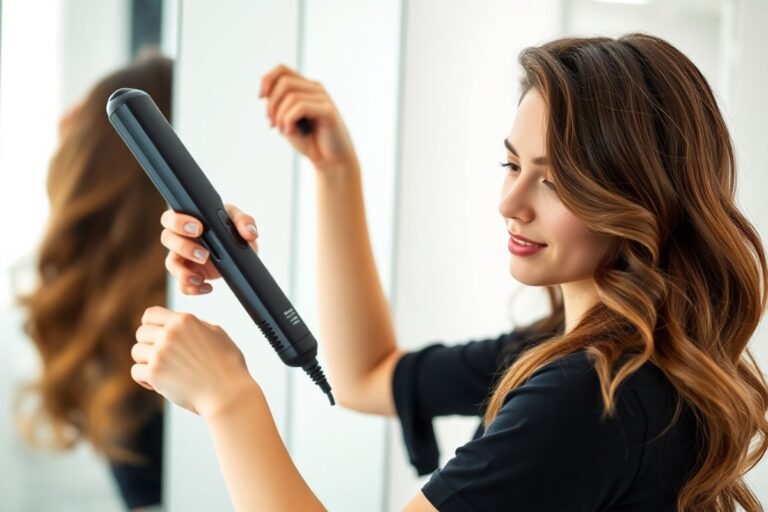
Heat styling tools like flat irons and curling irons often damage curls. These tools dry out hair and break the curl structure. Try to skip heat styling or use heat protectant products and keep the temperature under 300°F.
| Tool | Effect on Curly Hair | Recommended Use |
|---|---|---|
| Wide-tooth comb | Detangles without breaking curls | Use on wet hair during conditioning |
| Denman brush (flexible bristles) | Separates and defines curls | Use on damp hair, avoid on dry hair |
| Boar bristle brush | Not recommended, can cause frizz | Avoid for curly hair styling |
| Flat iron or curling iron | Heat can damage curls and cause dryness | Use sparingly with heat protectant, below 300°F |
| Satin bonnet or pillowcase | Reduces friction, prevents frizz and breakage | Wear bonnet or use pillowcase while sleeping |
Sleeping with a satin bonnet or pillowcase is a simple way to guard curls. Satin reduces friction that leads to frizz and split ends. It also helps curls keep their moisture and shape overnight.
Cotton pillowcases absorb the natural oils from curly hair, leading to dryness. A satin pillowcase, such as the Slip Pure Silk Pillowcase ($89), helps keep curls healthy. Satin bonnets offer a budget-friendly alternative that guards curls just as effectively.
Never sleep with wet hair; always dry your curls before bedtime.
12. How to Tailor Styling Techniques for Short Versus Long Curly Hair?
Curly hair styling changes with length because short and long curls behave differently. You use less product and focus on shaping volume with short curls. Long curls need more product to keep moisture and defined shape without weighing down.
Styling Short Curly Hair
Short curly hair benefits from a light hold to keep the curls bouncy and full. Use a curl cream or mousse to shape volume without heaviness. Try scrunching curls upward when drying to boost natural body.
A diffuser on low heat helps dry curls evenly without frizz. Avoid overloading your scalp with product to prevent flattening. Part curls slightly off center or to your “best side” to add shape and interest.
Techniques for Long Curly Hair
Long curly hair needs more moisture-focused products to fight dryness and frizz. Use a leave-in conditioner or curl gel to keep strands hydrated and curls defined. Section hair when applying products for even coverage from roots to ends.
Dry hair gently with a diffuser using medium heat. Stop drying when hair is about half dry. Let the rest air dry to keep curls intact.
Long curls benefit from gentle finger detangling to prevent breakage. Try styling with a side part that follows your curl’s natural flow for volume control.
Product Differences by Length
Short curls usually work best with lighter products that won’t weigh hair down. Long curls need richer creams or gels that provide longer-lasting hold and moisture. Applying lighter products on long hair can cause frizz and loss of definition.
Here’s a simple comparison of product and styling choices based on hair length:
| Factor | Short Curly Hair | Long Curly Hair |
|---|---|---|
| Product Amount | 1 to 2 teaspoons | 2 to 4 teaspoons |
| Product Type | Light curl cream or mousse | Leave-in conditioner or gel |
| Drying Method | Diffuser on low heat | Diffuser medium or partial air dry |
| Styling Focus | Volume at roots, curl shape | Moisture, curl definition, detangling |
| Part Style | Off-center side part for shape | Side part to control volume |
Choosing products by hair length helps keep curls healthy. Too much product on short curls weighs them down. Too little on long curls leaves them dry and frizzy.
Step-by-Step Action Plan to Style Your Curly Hair
This plan will help you start styling your curly hair the right way. Follow each step and check for more defined, healthy curls.
- Before styling: Wash your hair with a sulfate-free cleanser and use a hydrating conditioner. Your curls should feel soft and detangled.
- Right after washing: Apply a leave-in conditioner while hair is damp. Curls will feel moisturized and easier to shape.
- Within 5 minutes after: Apply a curl cream or gel. Spread it from roots to ends evenly. Check if curls clump nicely together.
- Drying phase: Use a microfiber towel or cotton T-shirt to dry gently. Avoid rubbing for less frizz.
- Dry completely: Air dry or use a diffuser on low heat until hair is fully dry. Curls should look defined and bouncy.
- Non-wash days: Refresh curls by spritzing water mixed with leave-in spray. Scrunch curls gently and avoid touching too much.
- Weekly: Trim split ends or get a haircut suited for curly hair. Hair feels healthier and styling gets simpler.
Frequently Asked Questions
How Can You Style Curly Hair to Create Volume Without Frizz?
Use a lightweight mousse or curl cream on damp hair. Avoid over-touching curls while they dry to reduce frizz and keep volume natural.
Can You Style Curly Hair with Heat Without Causing Damage?
Minimize heat styling and always use a heat protectant spray. Limit heat use to avoid drying and breaking delicate curls.
What’s the Best Way to Style Curly Hair for Humid Climates?
Use anti-humidity serums or gels that seal the cuticle. These help curls stay defined and reduce frizz in damp air.
How Can You Maintain Curls’ Bounce Throughout the Day?
Refresh curls with a light spritz of water mixed with curl cream. Gently scrunch curls to revive their shape without weighing them down.
How Do You Style Curly Hair for Professional or Formal Events?
Define curls with styling cream and use pins or accessories to shape hair. A defined but controlled look works best for polished events.
What Is the Easiest Protective Style for Curly Hair at Night?
Braiding curls before bed locks in moisture and reduces tangles. This low-maintenance style helps curls stay fresh and ready for the morning.
Key Points to Remember
Curly hair styling takes practice, but care and the right moves make it easier. Try refreshing your curls today with light water and scrunching. Notice the difference in shape and shine after each step.