How Do Foil Shavers Work? A Complete Guide to Their Mechanism and Use
How do foil shavers work? They cut hair using a thin metal foil that covers oscillating blades. The foil picks up hair through tiny holes.
The blades move back and forth, trimming the hairs close to the skin. This design helps provide a smooth shave with less irritation for many men.
The blades in a foil shaver move back and forth very fast, around 10,000 to 14,000 strokes each minute. This quick motion delivers a smooth and even trim over your face or scalp. The foil covers the blades, which helps shield your skin from nicks and irritation.
For best results, use short, gentle strokes with foil shavers. Replacing the foil and blades every 12 to 18 months keeps the shaver sharp and comfortable. Watch for roughness while shaving; it often means it’s time for new parts.
Key Takeaways
- Foil shavers use a perforated metal foil to capture hairs for cutting.
- Blades oscillate quickly underneath the foil, trimming hair safely and closely.
- Use short, gentle strokes to avoid skin irritation and get an even shave.
- Replace foil and blades every 12 to 18 months to maintain shave quality.
- Look out for rough or pulling sensations as signs you need new parts.
- Foil shavers are best for straight, precise shaving on face and head.
How Foil Shavers Cut Hair: The Mechanism Explained
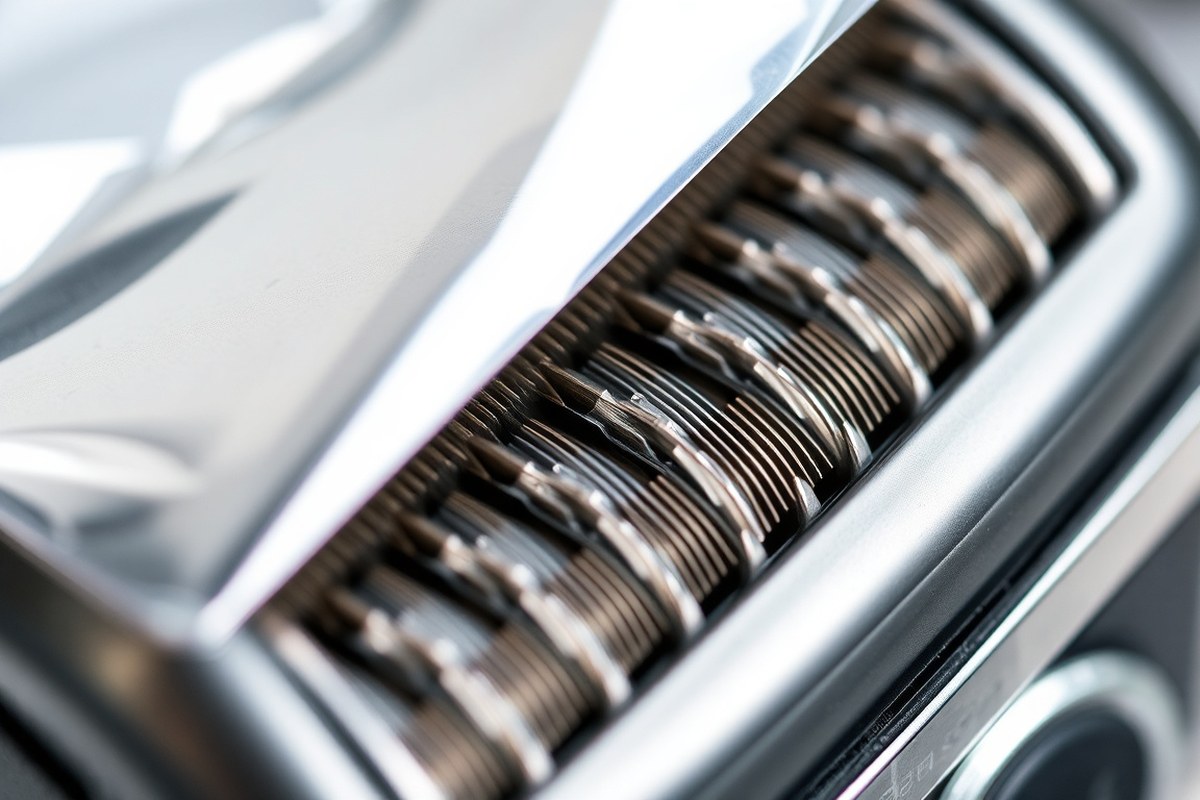
Foil shavers cut hair by using straight blades that move side to side. These blades sit just under a thin, perforated metal foil. The foil traps hairs and guides them into small holes.
The blades move back and forth beneath the foil. They cut hair very close to your skin.
The blades move fast, about 10,000 to 14,000 strokes each minute. This speed trims hairs quickly while the foil blocks your skin. This design helps you shave smoothly without cuts or irritation like normal razors.
Foil shavers work best on flat surfaces like cheeks or necks. The straight, thin foil and linear blade movement provide precision and control. Foil shavers use straight strokes, unlike rotary shavers that spin in circles.
This helps give a closer shave. It works well especially on straight or fine hair.
This shaver type is best for cutting short stubble. Many men first trim with clippers and then use a foil shaver to finish. It helps achieve a neat, close shave.
Hairs need to be short enough to fit into the foil’s holes for a clean cut. Foil shavers may struggle to cut thick or curly hair well.
Other shavers might do better on that kind of hair. The foil design suits finer hair more.
The foil also serves as a guard, keeping blades from touching skin directly. This reduces razor burn and cuts. The foil is fragile and can break if dropped.
Pressing too hard while shaving or cleaning can also damage it. Handle the shaver gently to avoid issues.
Hair and skin oils collect under the foil, so cleaning is key. Dirty blades don’t cut well and can feel uncomfortable. Most shavers include brushes or can be rinsed to remove buildup for a smooth shave.
Key Parts Inside a Foil Shaver and Their Roles
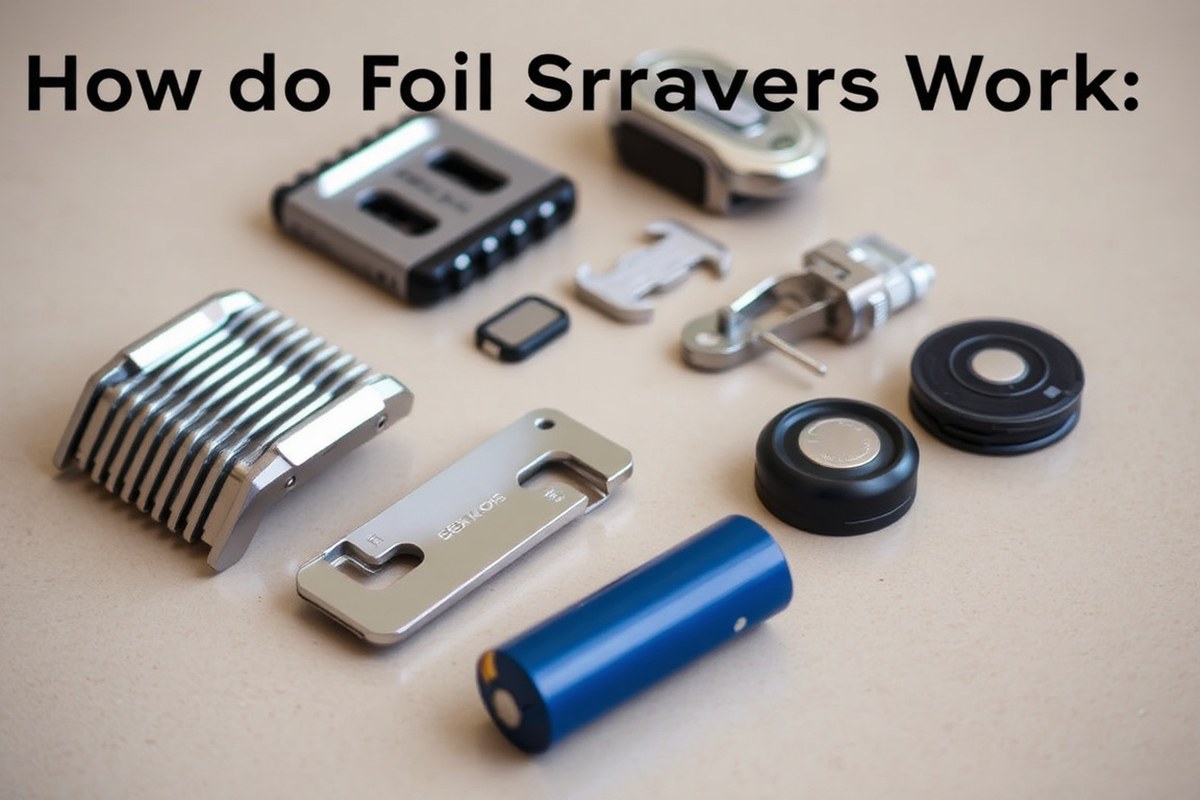
Your foil shaver has a few key parts working together for a smooth shave. The foil, a thin metal mesh, covers the cutter blades underneath. This foil keeps your skin safe while hairs go into tiny holes.
The blades then cut the hairs very close. It helps to avoid skin irritation during shaving.
Inside, the cutter assembly moves side-to-side rapidly under the foil, slicing hair without pulling. The motor powers these cutters, and a stable frame holds everything tightly in place. Some models have waterproof seals around the motor.
This lets you use them wet or dry. The seals stop water from damaging the inside parts.
Keeping these parts clean and intact matters. A clogged foil blocks hairs and slows the motor. Dropping or pressing hard can tear a foil.
A torn foil may cause cuts or skin irritation. Handle it carefully to keep it safe. Handle your shaver gently to avoid damage.
Replace the foil and cutter every 12 to 18 months. This is especially true if you shave every day.
- Foil: thin mesh that protects skin and guides hairs to blades
- Cutter blades: rapidly move side-to-side beneath the foil to cut hairs
- Motor: powers the cutters and determines cutting speed
- Frame: holds parts stable and aligned for precise cutting
- Waterproof seals: allow wet shaving by blocking moisture from the motor
- Foil and cutter replacement parts: worn parts reduce shave quality
Those thin foils need careful care to stay intact and sharp. Avoid pressing too hard or dropping the shaver. The more gentle your grip and shaving strokes, the less risk of foil damage.
Your foil or cutters wear down after a while. Shaves feel rougher and may pull hairs. Replace parts to get a smooth, clean shave again.
Always wait for the foil shaver to fully dry before storing to avoid corrosion and rust.
Foil vs Rotary Shavers: Which Is Better for You?
Foil and rotary shavers differ in design and shaving style. Each fits certain skin types and hair lengths better. Foil shavers give a clean, close shave with less irritation.
They work well every day. They suit sensitive skin. Rotary shavers work well on longer hair and in different directions.
They follow your face’s curves better. They are good for thick or patchy beards.
Differences in Blade Motion and Design
Foil shavers have blades that move side to side beneath thin metal covers. These covers protect your skin and pull hair into the cutters. This style works best on flat areas like cheeks and neck.
Rotary shavers feature circular heads with spinning blades that cut hair from multiple directions. They adjust better to curved areas such as jawlines and chin. Rotary shavers cut longer hair nicely.
They might not trim short stubble very close. They work better for thick or uneven growth.
Each shaver’s blade system affects how you move it over your face. Foils require straight, back-and-forth strokes.
Rotaries work best with gentle circular motions. This difference impacts your technique and comfort.
Best Hair and Skin Types for Each Shaver
Foil shavers suit all hair types but especially excel with short, flat-lying facial hair. They feel gentle on sensitive skin since the foil reduces blade contact and irritation. That makes them a great choice if you shave daily and want a smooth finish.
Rotary shavers handle thicker, coarser, or patchy beards better. They grab hair growing in different directions without needing multiple passes.
However, they can cause more skin irritation for some users. So those with sensitive skin should test carefully.
Choosing the right shaver also depends on your shaving area. Foil shavers work well on the face and flatter scalp parts. Rotary heads glide smoothly on curved contours but might be less precise on edges.
Typical Maintenance and Replacement Needs
Foil shavers often cost more to buy and maintain than rotary models. Foil shavers have delicate parts that wear out. You should replace foils and blades often.
This keeps the shave close and lowers skin irritation. Expect to swap foils every 12 to 18 months with normal use.
Rotary shavers have fewer replacement parts, and heads usually last longer before dullness appears. Cleaning a foil shaver requires careful rinsing under water and occasional foil brushing. Both shaver types need charging, but motor speed and battery life vary by model.
Here is a table listing main differences between shaver types. It helps you pick the right shaver. Look for what best fits your grooming habits.
| Feature | Foil Shavers | Rotary Shavers |
|---|---|---|
| Blade Design | Straight oscillating blades under a protective foil | Circular spinning blades in rotating heads |
| Shaving Motion | Back-and-forth linear strokes | Circular, contour-following strokes |
| Best Hair Type | Short, flat-lying hairs and all facial hair | Longer, coarser, or multi-directional hair |
| Skin Sensitivity | Lower irritation, good for sensitive skin | Can cause irritation, less ideal for sensitive skin |
| Precision | Excellent edge and detail work | Less precise, better for general coverage |
| Maintenance Cost | Higher (foil and blades need regular replacement) | Lower (replacement heads last longer) |
| Ideal Use | Daily shaving, clean edges, flat areas | Irregular beard patterns, curved facial areas |
Look for features like a hypoallergenic titanium-coated foil for comfort with sensitive skin. A high-speed motor, such as 8,500 strokes per minute, boosts efficiency and smoothness. A sturdy metal body helps your shaver last through daily use and travel.
Preparing and Shaving: Best Techniques for Foil Shavers
Preparing and Shaving: Best Techniques for Foil Shavers
Start by trimming long hair to around stubble length before using your foil shaver. Use slow, short strokes against the hair growth grain. Keep the foil flat on your skin throughout the shave.
This helps you get a closer shave. Finish with gentle care to minimize irritation and get a close, comfortable shave.
Step 1: Skin and Hair Prep
Trim long hair with a trimmer or clippers first. Hair that’s too long slips under the foil without cutting properly. Your goal is short, even stubble so the foil can catch it well.
Clean and dry your skin if you prefer dry shaving. For sensitive skin or less friction, use a lubricating gel with a wet shave. This helps prevent pulling and skin irritation during shaving.
Gently pull your skin taut to provide a flat surface. This improves foil contact and reduces the risk of nicks and cuts.
Step 2: Choosing Shaving Direction and Strokes
Hold the shaver at 90 degrees against your skin. Start shaving with short, slow, straight strokes going against the hair growth. This direction gives the closest cut by lifting hair through the foil.
Use overlapping strokes, moving methodically across the area. Avoid pressing too hard; let the foil do the cutting. This technique helps avoid irritation and delivers an even shave.
Your skin might be sensitive. Try shaving first with the grain.
Then shave against it for a closer finish. This reduces tugging on hairs and makes shaving smoother.
Step 3: Handling Sensitive Areas and Problem Zones
Treat sensitive spots like the neck and jawline with extra care. Use shorter strokes and keep the foil flat on the skin. Stretch the skin lightly to flatten bumps.
Avoid going over the same spot repeatedly, which can cause redness and irritation. Patience with slow strokes often results in a cleaner shave with less discomfort.
Notice the foil sliding without cutting hair? Stop and check your hair length.
Too long hair needs trimming before shaving. It may need trimming again before you continue.
Step 4: Post-Shave Finishing
After shaving, rinse your skin with cool water to close pores. Apply an alcohol-free aftershave or moisturizer for hydration and soothing. This reduces irritation and keeps skin healthy.
Clean your foil shaver after each use. Remove hair clippings and rinse the head if it is waterproof. Keeping your shaver clean helps maintain performance and prevents skin problems.
Replace the foil head every 12 to 18 months. Dull foils cause pulling and less effective cutting, making your shave uncomfortable and less smooth.
- Trim longer hair to about stubble length before shaving.
- Wash and dry your face, or apply lubricating gel for wet shaving.
- Pull skin tight and hold the shaver flat at a 90-degree angle.
- Begin with slow, short strokes going against the hair grain.
- Overlap strokes slightly to cover the area evenly.
- Use gentle pressure, letting the foil cut the hair.
- Take extra care with sensitive zones by stretching the skin and using shorter strokes.
- Rinse face with cool water and apply a soothing aftershave or moisturizer.
Maintenance and Replacement: Keeping Your Foil Shaver Sharp
Maintenance and Replacement: Keeping Your Foil Shaver Sharp
Keep your foil shaver clean and replace its foil and blades on time. This stops less efficient cuts and prevents skin irritation. Regular care means sharper shaves and a longer lasting shaver.
Daily Cleaning After Each Use
Remove the foil and use the cleaning brush to clear hair from blades and foil. Rinse under warm water if your model says it’s safe. Regular cleaning fights buildup that can slow blade movement and cause skin pulling.
Many foil shavers offer a cleaning station for automatic maintenance. Yours might not have one, so use this checklist instead:
- Turn off and unplug the shaver
- Remove the shaving head gently
- Brush out all hair from foil and blades
- Rinse parts with warm water if possible
- Let all parts dry completely before reassembly
Cleaning this way should take a few minutes but keeps your shaver working like new.
When to Replace Foil and Blades
Change your foil and blades every 12 to 18 months with normal use. Heavy daily shaving may mean swapping them sooner. Old foils slow down cutting and increase skin irritation risk.
Check your shaver’s user manual for specifics and replacement kits. Most replacements cost around $20 to $40. Changing parts regularly keeps your shave smooth and quick.
Signs of Wear and Damage to Watch For
Pulling hair or discomfort means your foil or blades may be dull. Thinning or torn foil can cause nicks and skin cuts. Inspect your shaver’s parts monthly to catch these issues early.
Foil damage often happens if you press too hard or drop the shaver. Avoid dropping and store in a protective case. Keep these tips in mind:
- Check foil for dents, tears, or holes
- Notice if blade cutting sounds change or slow
- Feel for tugging instead of clean cutting
- Avoid pressing shaver hard on your skin
- Carry shaver in a padded case when traveling
Replacing parts promptly avoids skin irritation and keeps your shaves comfortable.
Using Foil Shavers on Different Areas: Face, Head, and Body
Foil shavers work best on short hair, which makes them a good pick for your face. Their straight cutting edge lets you get close on stubble and shape sideburns easily. The foil guards your skin.
This helps you avoid cuts. It works well under your nose and near your jawline.
You can use foil shavers on your head. This works if your hair is short. It also works if your hair is trimmed to stubble.
Long hair can get pulled or tugged. The foil is made to catch short hairs only. This can make shaving uncomfortable.
Clip your head hair to about 1/8 inch before shaving. This helps get the best shave with a foil shaver.
Short hair works much better. This helps the blades catch the hair evenly without strain.
You can use foil shavers on body hair. It depends on the hair’s location. Density also matters for how well it works.
Foil shavers work on thinner hair areas like chest or arms. It might take longer than using a trimmer. Still, it’s possible to use.
For coarse or long hair, trim first. A dedicated body groomer works better. This avoids pulling and gives a smoother result.
Curved body surfaces make it hard for a flat foil to stay in contact. This limits how close you can shave. It’s less effective on curves.
Foil shavers are often recommended for sensitive skin. The perforated foil protects your skin from direct blade contact, reducing irritation and razor bumps.
This lets many skip harsh aftershave products, which means less burning or redness after shaving. Still, shaving gently and not pressing hard on the skin helps keep irritation low.
To shave sensitive areas like your neck, move the shaver slowly. Use light pressure to avoid irritation. Take your time for a gentle shave.
Quick, rough strokes can irritate even with a foil. Many models allow you to shave against hair growth for a closer finish. On sensitive skin, shave with the grain.
This helps avoid rash and red spots. Going against the grain can irritate your skin.
Some foil shavers have special attachments or flexible heads. These fit your body’s curves better. They help improve shaving comfort and results.
These attachments add about $20 to $50 to the price. They are worth it if you use the shaver beyond your face. Think about your needs before buying.
These features keep steady contact with your skin. They reduce missed spots during shaving. This is helpful on tricky areas like the neck or chest.
Wet vs Dry Shaving with Foil Shavers: What You Need to Know
You can use many foil shavers on both wet and dry skin. Check your shaver’s instructions to make sure your model supports wet shaving. Models that allow wet use often can handle gel or foam for a smoother shave.
Dry shaving with a foil shaver feels quick and clean. It takes less time since you skip rinsing or applying foam.
The shaver cuts hair close to the skin. You usually get fewer nicks than with a manual razor.
Wet shaving adds moisture to your skin and hair, softening stubble for an even closer shave. Using gel or foam helps reduce irritation and makes the razor glide smoothly. Wet shaves with foil shavers often feel gentler, especially if your skin is sensitive.
Here’s a table comparing wet and dry shaving with foil shavers:
| Feature | Wet Shaving | Dry Shaving |
|---|---|---|
| Skin Type | Good for sensitive or dry skin | Works with all skin types |
| Time Needed | Longer; includes rinsing and prep | Short; no prep needed |
| Close Shave | Closer, softer finish | Close but slightly less smooth |
| Risk of Nicks | Lower due to lubrication | Low with quality shaver |
| Shaver Care | Needs rinse and drying | Wipe or brush off hair |
| Model Compatibility | Only waterproof or wet/dry models | All foil shavers |
To wet shave correctly, apply warm water and gel or foam to your face first. Turn on the foil shaver and move it gently against your hair growth. Rinse the shaver under water as you shave, then dry and store it after use.
Dry shaving requires dry skin and a clean, charged shaver. Hold the foil flat against your skin and shave using short, slow strokes.
You might feel a slight tug if the shaver isn’t sharp. That means it’s time for blade replacement.
Wet shaving can cost more time and effort. The tradeoff is often a smoother, less irritated finish. Dry shaving saves time and still gives a close cut, especially if your skin isn’t sensitive.
Either way, keep your foil sharp and clean. A dull foil shaver feels rough and irritates skin. Changing blades on schedule keeps your shaves comfortable and effective.
Understanding Battery Life and Runtime in Foil Shavers
Most foil shavers run on rechargeable batteries, usually lithium-ion or nickel-metal hydride. These batteries last about 45 minutes up to a few hours. This depends on the shaver model and usage.
You get enough time for regular shaves. Some shavers offer a quick charge feature.
It gives enough power for one shave. This only takes a few minutes to charge.
Charging time generally takes about one to three hours depending on the model and battery type. Charge your shaver fully before using it. This makes shaving easier and more convenient.
It prevents interruptions during your shave. Your shaver battery draining fast means it may need replacing. Or try a shaver with a longer battery life.
A foil shave usually takes about 5 to 10 minutes. This is often quicker than shaving with a manual razor.
This speed comes from the shaver’s oscillating blades moving quickly beneath the foil. It helps you cover larger areas like cheeks and jawlines easily while maintaining a close finish.
Battery-powered foil shavers can be very portable, perfect for travel or quick touch-ups. Some shavers use AA batteries. These can last up to five hours of use.
They’re good when you can’t recharge easily. Certain shavers have an auto-shutoff feature.
They turn off when you replace the foil cover. This saves battery and stops accidents.
Always keep your foil shaver charged. Change dull foils regularly to avoid pulling hair. This reduces skin irritation while shaving.
Step-by-Step Action Plan to Get Started with Your Foil Shaver
Follow these steps to use and care for your foil shaver effectively. This plan helps you get the best shave and keeps your shaver in good shape.
- Before you start: Charge your shaver fully. A full charge means it runs longer during use.
- Day 1: Clean your face with warm water to soften hair. This makes shaving easier and smoother.
- Day 1: Shave with light, gentle strokes against the hair growth. Check for smooth skin and no missed spots.
- After each shave: Rinse under water or remove the foil to clean the cutters. You’ll know it worked if no hairs or debris remain.
- Week 1: Lubricate the blades if your model requires it. Blades that move smoothly cut better and last longer.
- After 2 weeks: Inspect the foil and cutters for wear. Replace parts if you notice dullness or shaving pulling.
- Ongoing: Store your shaver in a dry spot. Avoiding moisture buildup prevents rust and damage.
Frequently Asked Questions
How Do Foil Shavers Handle Longer Hair?
Foil shavers work best when hair is short enough to enter the perforations. Longer hair may need trimming before shaving for a smoother finish.
Why Is a Light Touch Recommended with Foil Shavers?
Foil shavers work by gliding over the skin, not pressing hard. A light touch avoids irritation and lets blades do the cutting efficiently.
Can Foil Shavers Be Used for Detail Shaving?
Yes, foil shavers excel at precision work like shaping sideburns and trimming mustaches. Their design helps with controlled and close cuts.
How Often Should the Foil and Blades Be Replaced?
Replace blades and foil every 12 to 18 months, depending on use. This keeps the shaver sharp and prevents skin irritation.
Are Foil Shavers Suitable for Sensitive Skin?
Foil shavers tend to cause less irritation due to their straight, gentle cutting action. They’re a good choice for sensitive skin types.
Can Foil Shavers Be Used with Shaving Cream or Gel?
Some models support wet shaving with cream or gel. Check your shaver’s instructions to see if it’s water-resistant for wet use.
The Bottom Line
Foil shavers trap hair under thin metal foils. Blades quickly slice the hair strands. This is how they cut hair.
Using the right technique and care keeps your shaver sharp and effective. Try your shaver soon to feel the difference in comfort and closeness.