What Will Purple Shampoo Do to Brown Hair? A Complete Guide That Works
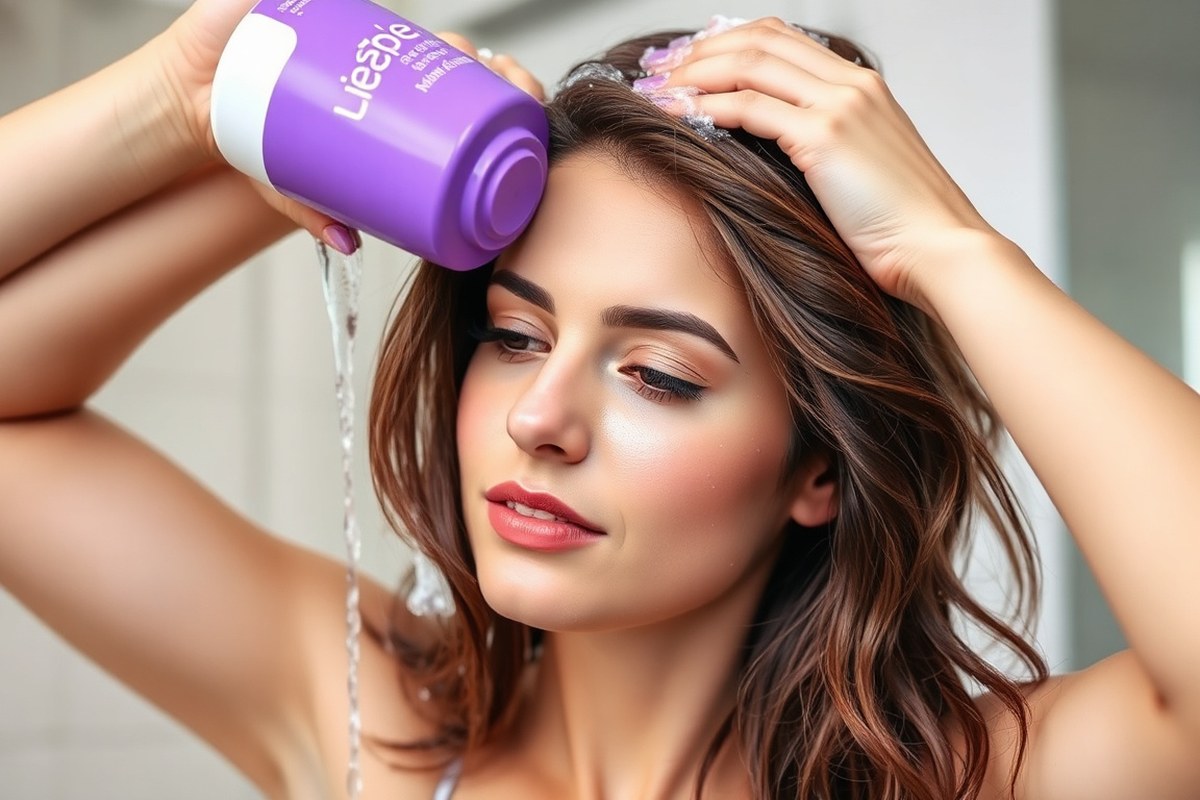
What will purple shampoo do to brown hair? It mainly targets yellow and gold tones. Your brown hair with brassiness will benefit from purple shampoo to reduce warm tones.
For natural or rich brown hair, purple shampoo often won’t show much change. That’s because it’s made to neutralize lighter, yellowish tints that brown hair usually lacks.
Color-treated or balayage brown hair stays balanced by using purple shampoo regularly. Highlighted brown hair can avoid orange or brassy hues with this shampoo.
Apply purple shampoo for 2 to 3 minutes first to check your hair’s reaction. Leave it on up to 5 minutes when warm tones are strong.
Using purple shampoo too often can dry out your hair. Use it no more than once or twice per week. After bleaching, wait 48 to 72 hours before applying purple shampoo for safer results.
Key Takeaways
- Purple shampoo mainly removes yellow and gold tones, not rich brown shades.
- Use purple shampoo on highlighted, balayaged, or color-treated brown hair for best results.
- Apply purple shampoo for 2 to 3 minutes on first use to test tolerance.
- Leave purple shampoo on for 3 to 5 minutes to neutralize brassiness effectively.
- Wait at least 48 hours after bleaching before using purple shampoo on your hair.
- Brown hair darker than level 7 should be toned with blue shampoo instead of purple.
What Will Purple Shampoo Do to Brown Hair?

Purple shampoo will not lighten or darken brown hair. Instead, it tones the hair by canceling out unwanted yellow or brassy shades.
Purple and yellow sit opposite each other on the color wheel. So the purple pigments neutralize those warmth tones.
Brown hair with highlights, balayage, or lightened strands benefits from purple shampoo. It stops yellow or golden tones from showing. The purple pigment gently cools those lighter parts without turning your brown hair purple.
Natural, untreated brown hair shows little change from purple shampoo. The deep brown color is too strong for purple to cover.
Applying purple shampoo to solid medium or dark brown hair usually won’t change its color much. Brown shades have more red or orange than yellow pigments.
Purple shampoo can’t effectively neutralize red or orange tones. For those with darker brown tones, a blue shampoo might work better to balance out warmth.
Purple shampoo works best on brown hair that has blond tones. Lightened hair shows clearer results from the product.
The shampoo removes brassiness and improve cool, ashy shades so your highlights pop. That keeps your brown hair from looking dull or faded over time.
Expect the toning effect to last only a few washes. Purple shampoo deposits color temporarily on the hair’s surface. So you need to use it regularly, usually once or twice a week.
Don’t leave purple shampoo on too long or use it too often. Doing so could leave a subtle purple tint on hair.
Using purple shampoo occasionally on natural brown hair softens warm tones. It reduces brassiness gently without heavy changes. Still, applying it to 100% brown hair rarely changes the base color.
Purple tones in shampoo rinse out after washing. They usually won’t stain or cause grime unless left on too long.
Knowing about hair pigments explains why purple shampoo works differently. Your brown hair’s tones affect how the color reacts. It tones but does not lighten or darken.
It only adds purple tint if overused. Purple shampoo keeps most brown hair clearer, brighter, and less yellow. It doesn’t create big color changes in your hair.
How Purple Shampoo Works on Different Brown Hair Types
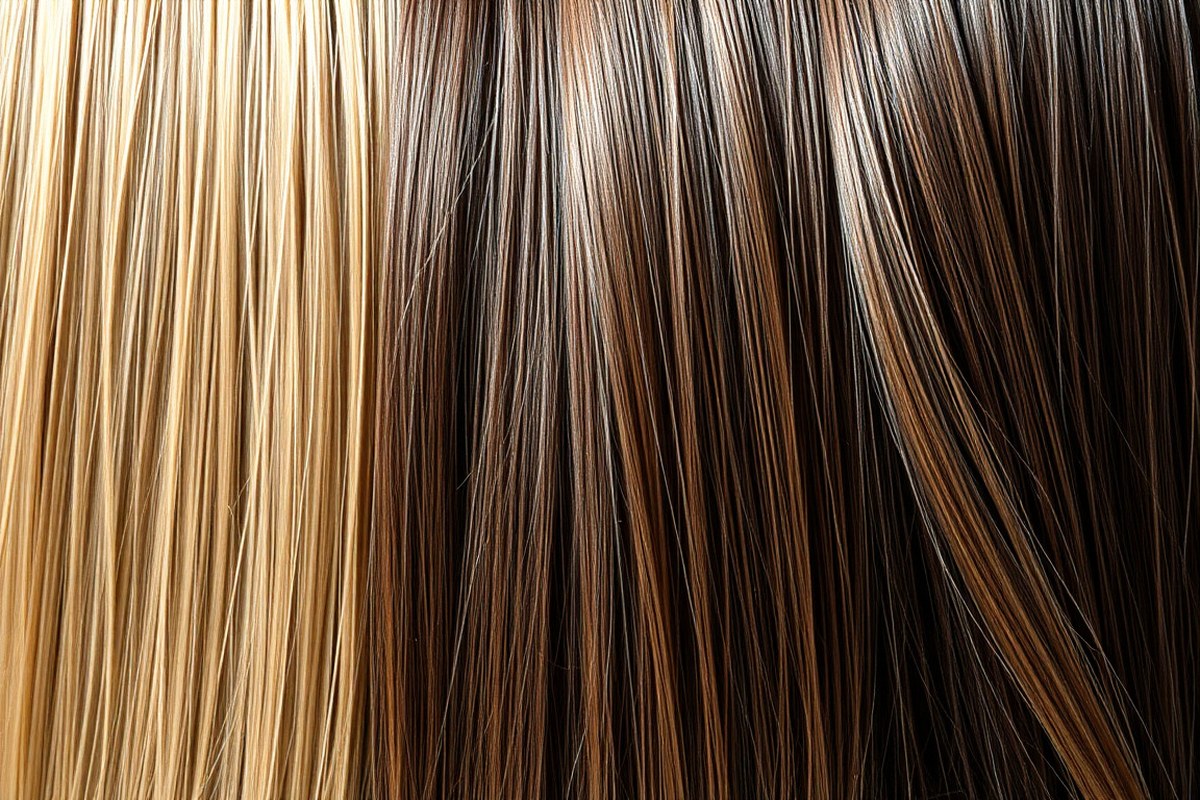
Purple shampoo impacts brown hair differently depending on the shade and treatment. On light brown hair, especially with highlights or balayage, it neutralizes yellow tones best.
Dark brown hair shows less change from purple shampoo use. The purple pigment doesn’t stand out well on dark strands.
Color-treated brown hair like highlights or balayage benefits the most from purple shampoo. These lighter sections often develop brassiness or unwanted warm tones. Applying purple shampoo helps tone these parts without changing the natural darker hues around them.
Here is a table comparing purple shampoo effects on brown hair. It covers different hair types and treatments.
| Hair Shade / Treatment | Effect of Purple Shampoo | Where to Focus |
|---|---|---|
| Light Brown (Natural or Color-Treated) | Neutralizes yellow tones; brightens lightened strands | All over or on lighter sections for even tone |
| Medium Brown (Natural with Highlights or Balayage) | Tones down brassiness in lightened areas; minimal on roots | Only on highlighted or lightened pieces |
| Dark Brown (Natural) | Minor effect; reduces subtle yellowing if present | Occasionally on strands showing warmth; avoid scalp |
| Dark Brown with Highlights/Balayage | Effectively tones lightened sections; no strong change on dark | Focus shampoo on highlights and balayage pieces |
For light brown hair, use purple shampoo once or twice a week. This helps keep the color fresh. For medium brown hair with highlights, use purple shampoo on the light parts.
Avoid applying it to natural brown areas. Use purple shampoo sparingly on dark natural brown hair. Too much can cause a dull or violet tint.
Applying purple shampoo right after salon color helps keep tone longer. It works between your appointments. Always rinse with warm water before applying to open hair cuticles.
Leave purple shampoo on highlighted or balayage parts for 2 to 5 minutes. Adjust time based on brassiness level.
Apply purple shampoo mostly on lightened parts of your brown hair. Leaving it too long on dark areas may cause a dull cast.
How to Safely Apply Purple Shampoo on Brown Hair
Use purple shampoo on brown hair carefully to tone without damage. Apply it for the right time and only as often as needed. Follow precise steps to avoid purple stains or uneven color.
Timing Guidelines by Hair Shade
Lighter brown hair needs less time than darker shades with purple shampoo. Leave purple shampoo on lighter brown hair for 1 to 3 minutes. Darker brown hair can handle up to 5 minutes to see toning effects.
Brown hair with highlights or balayage only needs a short application. Keep purple shampoo on highlighted sections for 1 minute to avoid dulling. Natural or uncolored brown hair may not need more than 2 minutes.
Leaving purple shampoo on too long risks purple or grayish tones. Start at the lower end of the time range to test results. Adjust timing over the first few uses based on your hair’s reaction.
Application Tips to Avoid Purple Staining
Prepare hair by thoroughly wetting it before applying purple shampoo. Use several capfuls depending on hair length and volume. Spread shampoo evenly from roots to ends for uniform toning.
Use gloves to prevent staining your hands or nails. Rinse thoroughly with cool water to lock color in and remove residue. Avoid applying purple shampoo on dry hair; wet strands absorb pigment more evenly.
Focus on areas that show brassiness or warmth, lightly massaging to avoid streaks. Avoid the scalp if it feels sensitive. Rinse immediately if any purple coloring remains on the scalp after washing.
Recommended Use Frequency for Brunettes
Brunettes can try purple shampoo about once per week or every two washes. This helps reduce brassiness while avoiding too much purple buildup. Using it more often might turn your hair purple or gray.
Adjust the frequency if your hair is very light brown or frequently color-treated. Purple shampoo in excess usually won’t harm natural dark brown hair. Still, you should use it in moderation.
This keeps your hair looking its best. A weekly routine fits most brunettes for fresh, neutral tones.
Follow these steps to safely use purple shampoo on brown hair:
- Wet hair completely with lukewarm water.
- Put several capfuls of purple shampoo in your palm.
- Glove your hands to avoid purple stains.
- Apply shampoo evenly from roots to tips.
- Massage gently, focusing on brassy spots.
- Leave shampoo on based on your hair shade: 1-3 minutes for lighter brown, 3-5 for darker.
- Rinse thoroughly with cool water.
- Repeat once a week or every other wash as needed.
When Purple Shampoo Might Not Benefit Brown Hair
Why Purple Shampoo Often Doesn’t Work on Very Dark Brown Hair
Purple shampoo is made to cancel out yellow and orange tones. Very dark natural brown hair usually doesn’t have these tones visibly showing. This makes purple shampoo less effective or unnecessary for that hair color.
In practice, you might not see any change after using purple shampoo on deep brown hair. The color pigments are too dark for the purple tones to neutralize. Instead, it may leave your hair looking slightly dull or ashy.
Conditions Unsuitable for Purple Shampoo Use
Avoid purple shampoo if your brown hair is untreated and natural without brassiness. It won’t brighten your natural shade or remove any redness. Also, skip it if your hair feels dry or damaged, since purple shampoos can be drying.
Overuse or wrong timing can cause buildup or unwanted color shift. Use it only 1 to 2 times a week if your hair is lightened.
Notice more dryness or a violet tint? Stop or try another shampoo.
- Natural, very dark brown hair without brass tones
- Uncolored or virgin hair with no discoloration
- Dry, brittle, or damaged hair prone to breakage
- Hair with excessive product buildup or waxes
- Daily use or leaving it on too long
- Hair with red or warm tones that purple shampoo can’t neutralize
Stopping use is key if your hair color turns grayish or dull. Look for dryness, rough texture, or scalp irritation too. These signs mean purple shampoo isn’t right for you.
Why Purple Shampoo Might Be Ineffective
Its formula targets yellow and orange tones common in blonde and light brown hair. Dark brown hair usually lacks these. So purple shampoo often shows no visible toning effect on dark natural browns.
Also, if your hair hasn’t been lightened or color treated, brassiness rarely appears. That means purple shampoo can’t really improve how your hair looks. Using it won’t fix other issues like fading or dullness unrelated to brass.
When to Switch Products or Seek Alternatives
Your brown hair has red or warm tones. Purple shampoo won’t fix that. Blue shampoo might work better for neutralizing orange tones in these cases.
For very dark brown hair, try shampoos designed to add shine or moisture. Color-depositing shampoos made for brunettes offer subtle tone refreshment without ashy results.
Also, avoid purple shampoo if your hair is sensitive or dry and use hydrating formulas instead. You might need a professional for tone fixes. Some problems go beyond home care.
Purple Shampoo vs. Blue Shampoo for Brown Hair Toning
Purple and blue shampoos serve to tone brown hair, but each targets different brassiness. Purple shampoo cancels out yellow tones, while blue shampoo neutralizes orange tones.
Choosing the right shampoo depends on your brown hair shade. You also need to know the type of brassiness you want removed.
Your hair reflects yellow or golden brassy hues, purple shampoo will brighten it. It works well for lightened or highlighted brown hair.
Blue shampoo works better on darker brown hair, darker than level 7. It helps fight orange tones in your hair.
| Feature | Purple Shampoo | Blue Shampoo |
|---|---|---|
| Tones Neutralized | Yellow, Golden Brassiness | Orange Brassiness |
| Best Hair Color Levels | Light to medium brown (level 7 or lighter) | Medium to dark brown (darker than level 7) |
| Typical Usage | Light highlights, balayage, brassy yellow strands | Deeper brown shades, redness, or orange brassiness |
| Effect on Hair Color | Brightens and keeps lightened hair vibrant | Reduces warmth and neutralizes orange tones |
| Risk of Overuse | Can give purple or pink tint | Can leave blue tints with excess use |
Start by checking your hair color level with a color chart if you have one. Apply purple shampoo if your hair is medium brown or lighter and shows yellow brassy tones. Use blue shampoo on darker brown or when the brassiness looks orange.
You don’t need to shampoo every day. 1, 2 times a week is enough for most people.
Leave the shampoo on for 2 to 5 minutes but watch closely. Leaving it too long might cause unwanted purple or blue hues.
Only use purple or blue shampoo as directed. Stop if your hair color shifts oddly.
Choosing correctly means your brown hair stays neutral without turning weird shades. You might need a toner from a stylist when shampoo alone can’t fix brassiness. These shampoos keep your color fresh between salon visits and stop brassiness from taking over.
Complementary Hair Care for Brown Hair Using Purple Shampoo
Use purple shampoo with matching conditioner or masks for soft hair. These products help keep your brown hair toned. They work best when used together regularly.
Using moisturizing treatments prevents dryness, a common effect of toning shampoos. After toning, use UV and heat protection on your hair.
This helps keep your color fresh and healthy. Protecting your hair adds extra care every day.
Using Purple Conditioner or Masks for Best Results
Purple conditioner helps extend toning effects and prevents brassiness from coming back fast. Choose conditioners that say brass off or contain violet pigments. Apply conditioner after shampooing, leave it for 2 to 3 minutes, then rinse thoroughly.
Deep conditioning masks with purple tint work once a week or biweekly. They add moisture and extra tone while fixing damage from coloring or lightening.
Moisturizing Treatments to Prevent Dryness
Purple shampoos can dry hair if used too often. Using hydrating treatments balances this by adding needed oils and proteins. Choose leave-in conditioners with ingredients like argan or jojoba oil for daily moisture.
Weekly hair masks with shea butter or keratin rebuild hair strands and lock in hydration. Apply after shampooing and conditioner, then rinse after 10 to 15 minutes.
Protecting Hair After Toning: UV and Heat Defense
Brown hair color can fade from sun exposure and heat styling tools. Use UV protection sprays or serums daily to block sun damage and keep tones vibrant. Products with SPF 15 or higher work well for this.
Heat protectants applied before blow-drying or straightening cut heat damage risks. Look for sprays or creams labeled up to 450°F tolerance.
Practical Routine Tips and Pairing Guidance
Start your routine with purple shampoo twice a week for balayage or color-treated brown hair. Follow with a purple or brass off conditioner. On other days, use a gentle moisturizing shampoo with no dyes.
Once or twice a week, apply a deep conditioning purple mask. Finish styling with UV and heat protection products daily.
- Use purple shampoo 1, 2 times weekly to avoid over-toning
- Apply conditioner immediately after shampoo, leave for 3 minutes
- Use deep conditioning masks once or twice a week for moisture
- Apply leave-in moisturizing treatments on damp hair after washing
- Spray UV protection daily before going outdoors
- Use heat protectant sprays before any heat styling
Following these steps balances tone control and hair health. Overusing toning products or skipping moisture treatments can cause dryness and dullness. Correct timing and combining products will keep your brown hair looking rich and shiny.
Common Mistakes with Purple Shampoo and How to Fix Them
Purple shampoo can stain or cause uneven color on dry hair. Letting it sit too long increases this risk. Always watch your timing carefully.
Purple pigment clings more to dry or damaged areas. You might see purple spots or streaks that look odd against brown hair.
Rinse the shampoo right after the recommended 3 to 5 minutes to avoid this. Check your hair while shampooing and stop if it turns too purple.
Orange or brassy tones sometimes stick around despite purple shampoo use. This happens if the brassiness is too strong or the shampoo isn’t on long enough. Try leaving it on 5 minutes maximum.
Use blue shampoo once a week to fight strong orange tones. It helps balance the warm colors better. Also, adding a weekly toner treatment at home can help fix stubborn brassiness.
Overusing purple shampoo can dry hair out because of the extra pigment and cleansing agents. Purple shampoo is best twice a week for most people. Daily use risks dry, brittle hair and can cause color to fade unevenly.
Use a good conditioner after each wash to restore moisture and prevent damage. Hair oils or masks once a week also help lock in hydration.
- Apply purple shampoo on wet hair only, not dry or damp.
- Leave shampoo on no more than 5 minutes, watching color changes.
- Limit purple shampoo use to 2 times per week to avoid dryness.
- Rinse thoroughly to remove all purple residue.
- Use a regular gentle shampoo on other wash days.
- Follow with moisturizing conditioner or hair mask after shampooing.
- Spot-test on a small hidden section before full use.
Wash out purple stains right away with clear water. Follow with a gentle shampoo to clear any residue. For tough purple spots, rub baking soda mixed with water gently.
Then rinse thoroughly to remove all traces. Avoid scrubbing too hard to prevent hair breakage.
Reduce how often you use purple shampoo if hair feels dry. Use more hydrating products until your hair feels healthy again.
Correct handling of purple shampoo reduces staining, controls brassiness, and keeps brown hair healthy. You can adjust use based on your hair’s color type and condition. Highlighted or colored brown hair needs less purple shampoo than natural brown.
This prevents your hair from drying out too much. Keep a close eye on results to find your right balance and avoid common mistakes.
When to Consult a Professional Instead of Using Purple Shampoo
Your brown hair has stubborn brassiness that purple shampoo can’t fix. Visit a salon for help.
A professional can apply a stronger toner or color correct more precisely. This often happens with heavily highlighted or color-treated hair where at-home products are too mild.
Look out for hair issues like uneven color patches or a yellow-orange tint that won’t fade. These need expert attention because DIY toning might make the problem worse.
Intense dryness, breakage, or frizz after using purple shampoo shows damage. It usually needs professional care.
You can spot damage by hair feeling rough, brittle, or looking dull and straw-like. Stop using purple shampoo if you see these problems.
Book a professional consultation soon. Hairdressers can recommend deep conditioning treatments or protein fixes that restore strength and shine.
Checking your hair’s response after two or three uses helps decide on professional help. When dullness or brassiness stays or gets worse, call a colorist for advice.
Professionals charge $50 to $150 for toning sessions. This includes shampoo, toner, and some treatments.
The right results show cool or neutral tones with smooth, shiny hair. Over-toning or using purple shampoo wrong can cause purple or gray stains. It may also increase hair damage.
Pros change timing and product strength based on your hair’s condition and color history. This helps avoid problems.
Stop purple shampoo if your hair feels dry or brittle. Then visit a stylist for a diagnosis.
Step-by-Step Action Plan for Using Purple Shampoo on Brown Hair
Use this plan to get the best tone without overdoing it. Track your hair’s color changes as you go.
- Before you start: Choose a purple shampoo made for brown hair. Check the label for mild formulas to avoid drying out your hair.
- Day 1: Apply purple shampoo to damp hair for 3 minutes. Rinse and see if your hair has a slight cool tone or less brassiness.
- Week 1: Use the shampoo two times this week. Leave it on for no more than 5 minutes each time. Note any tone change and how your scalp feels.
- Week 2: Increase use to three times a week if needed. Your hair should look less yellow, with a richer brown shade.
- After 3 weeks: Cut back to once a week to maintain tone. Watch for any purple tint; if it appears, reduce use or rinse sooner.
- Ongoing care: Follow with conditioner after every wash. Use moisturizing products to keep hair soft and prevent dryness.
- Monthly check: Reassess your hair color and texture. Adjust shampoo frequency if your hair feels dry or if brassiness returns.
Frequently Asked Questions
Why Do Hairdressers Sometimes Advise Against Purple Shampoo for Brown Hair?
Hairdressers warn purple shampoo can dry out brown hair if overused. It’s best for brown hair with blonde highlights, not solid brown. Using it too much may cause dryness or a slight purple tint.
When Should You Skip Purple Shampoo on Your Brown Hair?
Avoid purple shampoo if your brown hair has no blonde or light tones. Pure brown hair doesn’t need purple shampoo since it targets yellow tones. Using it unnecessarily could dry your hair or cause unwanted color shifts.
What Happens If I Leave Purple Shampoo in My Brown Hair Too Long?
Leaving purple shampoo on brown hair for 30 minutes can cause a faint purple cast. For most, 2 to 3 minutes is enough to tone brassiness. Longer use may dry hair and create uneven color, especially on darker brown shades.
Does Purple Shampoo Change Brown Hair Color Lighter or Darker?
Purple shampoo doesn’t lighten or darken brown hair. It cancels out yellow or brassy tones found mostly in lighter brown or highlighted hair. It only tones dullness, so it won’t lift color like bleach or dye.
How Can Purple Shampoo Benefit Brunette-Blonde Balayage Hair?
Purple shampoo neutralizes brassiness in light blonde sections of balayage hair. It keeps these lighter pieces cool without affecting the darker brown base much. Use it a couple of times a week to maintain brightness between salon visits.
Is Purple Shampoo Safe for Natural Brown Hair Without Highlights?
Yes, purple shampoo is safe but usually not needed for natural brown hair. It won’t harm your hair but won’t change color much either. Use it only if you notice yellow or warm tones developing.
Before You Go
Purple shampoo can soften brassiness and brighten brown hair without harsh dyes. Try it out with this simple routine, and watch your natural tones glow. Start with a gentle shampoo and see the change over your next few washes.