How to Tell If Your Hair Is Damaged: Clear Signs and Effective Fixes
How to tell if your hair is damaged starts with checking how it feels and looks. Damaged hair often feels dry, brittle, and may break easily when you brush it. Look for signs like split ends and frizz.
Check if your hair looks dull. Notice if it won’t shine no matter what.
One quick test is the stretch test: gently pull a strand. Healthy hair stretches about 30% before breaking, but damaged hair snaps quickly. Notice how your hair tangles or forms knots.
Textured hair like 4C tangles more when damaged. Watch for these signs carefully.
Start by cutting back on harsh heat styling and tight hairstyles that pull at your roots. These can wear down the hair cuticle over time, causing more damage. Moisturizing treatments, especially ones with olive oil, can help add moisture without weighing hair down.
Key Takeaways
- Look for dryness, frizz, and split ends as clear signs of damage.
- Do a stretch test: healthy hair stretches 30%; damaged hair breaks easily.
- Tangled or knotted hair often means damage, especially in 4C textures.
- Avoid heat styling tools above 345°F to prevent vaporizing moisture.
- Reduce tight hairstyles that strain your hair and cause breakage.
- Apply moisturizing treatments with pure olive oil for lightweight hydration.
How to Identify If Your Hair Is Damaged or Just Dry

Dry hair and damaged hair can look similar but feel different. Dry hair lacks moisture but is still strong enough to stretch without breaking. Damaged hair often breaks easily.
It has split ends. It feels rough and dry to touch.
You can check your hair’s health with simple tests at home. Start by pulling a single strand gently. It stretches about 20-30% and bounces back.
This means your hair is dry, not damaged. It breaks quickly or feels brittle. This shows your hair is damaged.
- Look for split ends or frayed tips, a sign of damage.
- Notice if your hair tangles easily; damaged cuticles cause knots.
- Feel the texture. Dry hair is rough but still flexible, damaged hair feels coarse and breaks.
- Check for shine; dry hair might be dull. But damaged hair often looks frizzy or lifeless.
- Test elasticity by stretching a single hair strand until it reaches 1.2 times its length.
- Observe moisture retention, damaged hair loses water quickly.
The elasticity test needs just your fingers and takes about five minutes. Pull a strand slowly from both ends to see how far it extends.
Healthy or dry hair stretches without snapping. But damaged hair breaks or doesn’t stretch much at all.
Moisture helps hair feel soft but doesn’t fix damage. To check moisture, run your fingers through your hair. It feels stiff or straw-like.
Your hair is harmed beyond dryness. Damaged hair might also split or have thinner ends compared to the roots.
Visible and Tangible Signs of Damaged Hair
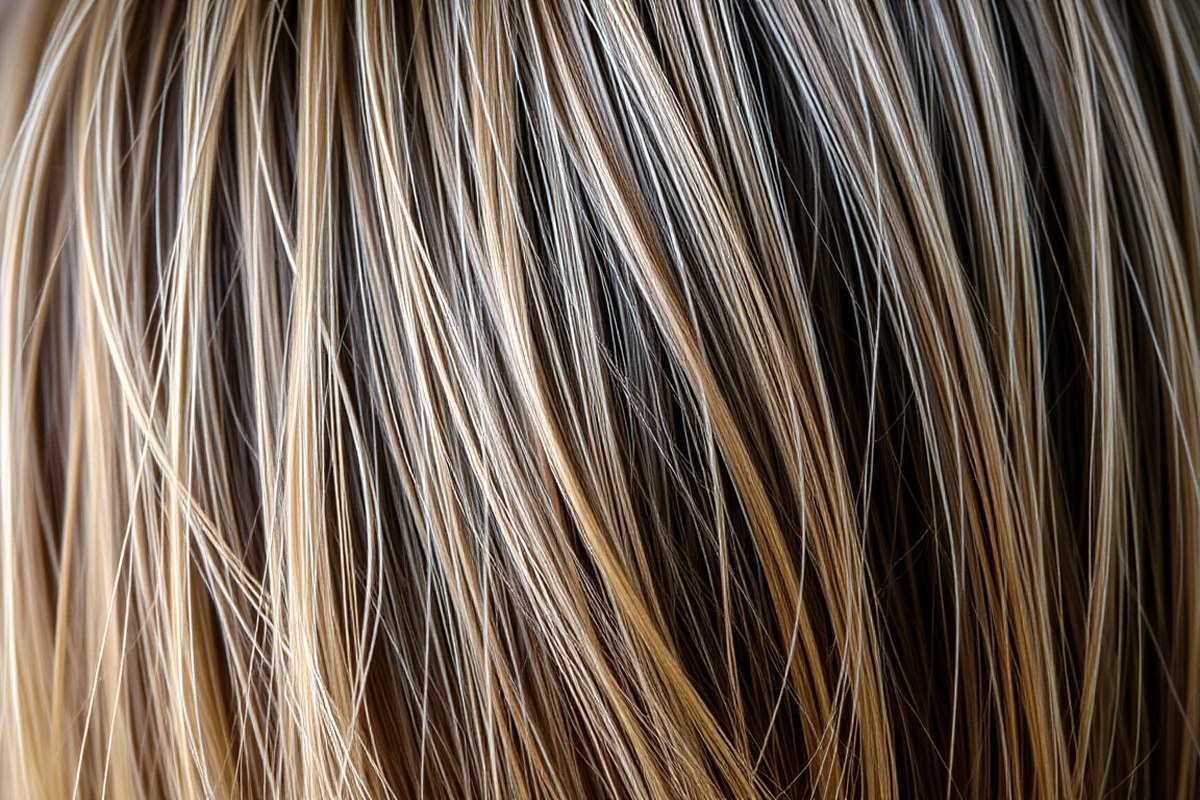
Look closely at the ends of your hair for split ends. These happen when your hair strands split into two or more parts. It means your hair shaft is getting weaker.
Split ends make your hair feel rough or look like tiny forks. This shows damage and makes hair more likely to break.
Frizz is another common sign. It happens because the hair cuticle, which protects each strand, lifts or wears away. This makes your hair lose moisture and become hard to control.
Run your fingers over your hair gently. If it catches or feels rough, damage may be under the surface.
Damaged hair often feels dry or brittle, like straw when you touch it. It breaks easily when brushing or styling, unlike healthy hair that feels smooth and elastic.
Test this by gently pulling a strand. Damaged hair might snap or stay stretched instead of bouncing back.
Dullness means your hair lacks shine and looks lifeless. This happens because damage wears down the outer layer, reflecting less light.
Look at your hair in natural light. Compare dull parts to healthier hair or recent photos.
Tangles and breakage also signal damage. Hair with many tangles usually has rough or cracked cuticles, which catch on each other.
Breakage looks like short broken pieces along your strands. These pieces don’t have white bulbs at the end.
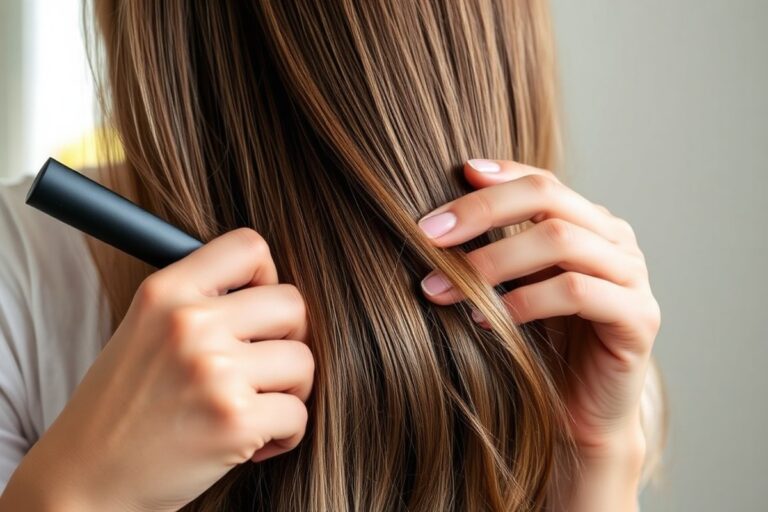
Here’s a quick tip: hold a small hair section. Slide your fingers slowly down the strand. It snags or splits when you slide your fingers down. Your hair needs extra care or a trim.
Each of these signs tells you something different but related about your hair’s health. Early detection helps you prevent worse damage.
Split ends or breakage happen often. Trimming is safest, especially for textured or chemically treated hair.
Remember, damaged hair can sometimes feel smooth when you use heavy conditioners that mask the problem. So, focus on close inspection and regular touch checks to catch trouble spots before they spread.
Major Causes of Hair Damage and How They Affect Your Hair
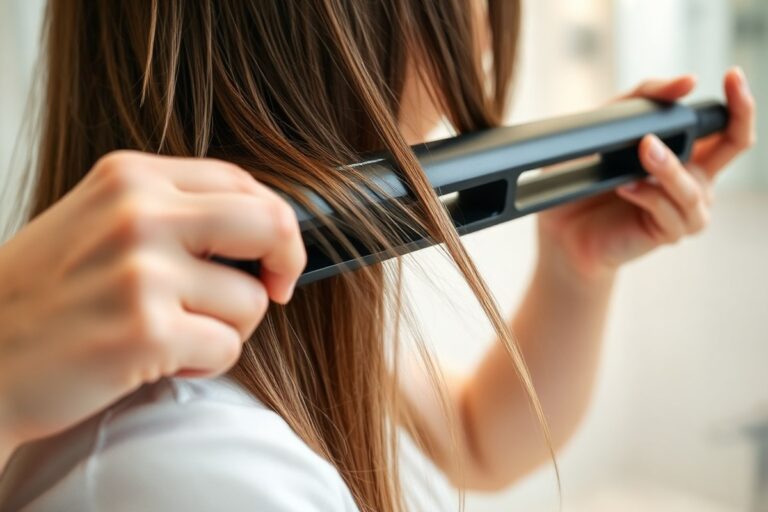
Heat styling is a top cause of hair damage. Using hot tools above 300°F breaks down the hair’s internal structure. It lifts the protective cuticle layer, leaving strands dry, brittle, and prone to frizz.
Frequent heat also fades hair color faster. You can reduce damage by using heat protectants before styling.
Chemical treatments like bleaching, coloring, and relaxing cause deep changes in hair fibers. They weaken and strip away natural oils and proteins.
Overprocessing from repeated chemical use often leads to frizzy, spongy, or very brittle hair. Some damage may be too severe to repair, so spacing out treatments is key.
Environmental factors also wear on your hair. UV rays from the sun break down the hair cuticle. This causes dryness.
It also fades hair color similar to heat. Pollution deposits particles on hair that can roughen the surface and clog pores on your scalp. Chlorine from pools strips moisture, making hair feel rough and tangled.
| Cause | How It Damages Hair | Common Effects |
|---|---|---|
| Heat Styling | Breaks internal layers, lifts cuticle | Frizz, dryness, brittleness, color fade |
| Chemical Treatments | Removes protein and oils, weakens fibers | Spongy texture, brittleness, breakage |
| Mechanical Stress | Rough brushing, combing, styling tension | Breakage, split ends, frizz |
| Environmental Factors | UV rays, pollution, chlorine exposure | Dryness, faded color, roughness |
People often blame chemicals as the main damage cause. But heat styling and daily rough handling matter as much. You might damage your hair even by brushing too hard or using harsh shampoos.
Not all dry hair is damaged. Brittle strands often mean damage, but dryness alone doesn’t always.
Keeping damage low means using protective products, avoiding too much heat, and being gentle when detangling. Wearing hats or using UV protection sprays reduces sun damage. Regular deep conditioning can combat environmental stress and restore moisture.
How Hair Type Influences Damage Signs and Care
Hair type shapes how damage appears and how you should care for it. Straight hair shows split ends and dryness differently than curly or 4C hair. Understanding your texture helps you spot damage and pick the best care routine.
Damage Patterns in Straight and Wavy Hair
Straight and wavy hair often show damage as split ends and dullness. These hair types might feel rough or look lifeless after heat or chemical damage. Breakage usually happens near the ends where the hair is weakest.
You might notice the hair feels coarse or develops a rough texture. Frizziness is also common and can happen when the cuticle lifts due to damage.
Challenges with Curly and Coily Hair Damage
Curly and coily hair, especially 4C textures, hide damage more easily. Breakage happens along the strands instead of just at the ends. This makes hair appear thinner or less full.
“Fairy knots,” tiny single-strand knots, are signs of dryness and cuticle damage in 4C hair. Damage can cause curls to lose their shape or become less defined. These textures also dry out faster, so damage tends to worsen without quick care.
Tailored Care Tips for Textured Hair
Textured hair needs extra moisture and gentle handling to prevent further damage. Use products rich in natural oils and humectants to keep curls hydrated. A wide-tooth comb helps detangle hair without causing breakage.
Try to avoid harsh shampoos and use sulfate-free cleansers instead. Protective styles can reduce stress on fragile curls but avoid tight braids that cause breakage. Regular deep conditioning treatments every 1-2 weeks restore moisture and strength.
- Use moisturizing curl creams with aloe vera as the first ingredient
- Comb hair only when wet with conditioner applied
- Limit heat styling or use heat protectant sprays
- Sleep on a silk or satin pillowcase to reduce friction
- Trim small amounts regularly to remove damaged ends
Following these tips helps maintain hair strength and curl pattern during repair. Textured hair responds well to hydration and low-manipulation care, preventing new damage.
How Long Does Hair Damage Take to Become Evident?
Hair damage does not show up immediately. It usually takes weeks of harsh treatments before you see damage. The damage appears after exposure to tough chemicals or sun.
Signs do not show immediately but develop over time. Early damage looks like dull or dry hair strands.
You might feel slight roughness when you run your fingers through. These signs show your hair needs extra care.
Within the first few weeks, you might notice your hair feels less smooth. The cuticle, or outer layer, begins to lift or crack, which lets moisture escape.
This stage is subtle. But the hair will respond less to hydration and care products than usual.
After about a month or more, damage often gets more obvious. You may see split ends, increased tangling, or a brittle texture that breaks easily.
This happens because proteins inside the strands start to wash away due to cuticle damage. Your hair may also feel thinner or weaker.
Long-term damage comes after months of heat, chemicals, or sun. It can cause breakage and even hair loss. Neglecting hair care makes the damage worse.
The hair shaft becomes so compromised that trims alone won’t fix it. Damaged areas often look frizzy and lifeless compared to healthy new growth near your scalp.
Watch how your hair reacts to moisturizers after damage. Your hair feels dry when damage is more serious than it seems. Dryness means you need better care and repair. Don’t ignore dry hair strands.
Patience pays off because new hair growth is healthy and unaffected by past damage. Stop damaging your hair to help it heal over time. Use gentle care to protect your new hair strands.
Your new hair will replace the damaged ones slowly. Hair grows about half an inch per month on average.
How fast you see repair depends on your hair growth rate. Growth speed changes how long damage healing takes.
Damage happens faster with harsh chemicals or frequent heat use. Fragile hair types like curly or treated hair break more easily. These factors speed up hair damage signs.
By checking regularly for dryness, roughness, breakage, and split ends, you can catch damage early. Early action makes repairing your hair easier and less costly.
Best Ways to Repair Damaged Hair at Home and Professionally
You can improve damaged hair with a mix of professional and at-home treatments. While full structural repair isn’t possible, these methods strengthen and restore moisture. Use the right treatments to slow damage and revive your hair’s look and feel.
Salon Treatments for Damaged Hair
Professional treatments like Olaplex target broken bonds inside the hair. These bond-building services rebuild strength and prevent further breakage. They usually cost $50 to $150 per session, depending on the salon.
Haircuts at a salon can remove split ends and damaged tips. This instantly improves hair’s appearance and stops damage from progressing. Tru-cut or dusting trims preserve length but get rid of damage.
Effective At-Home Repair Masks
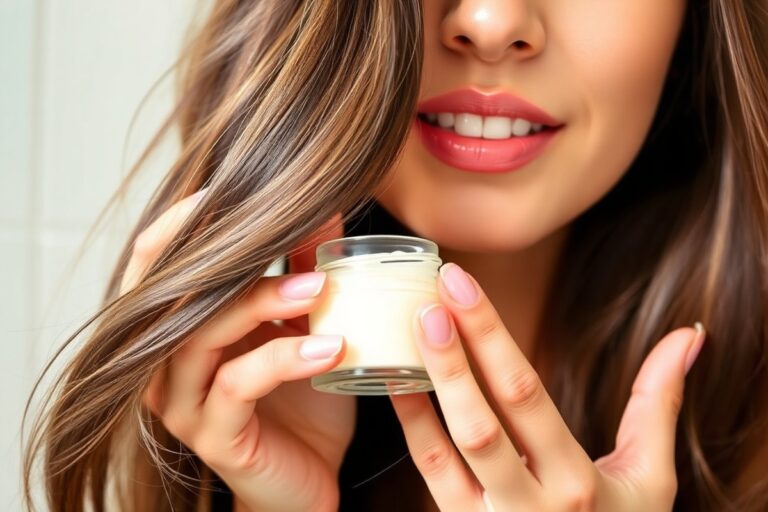
Weekly deep conditioning with masks rich in moisture and protein helps hair hold water. Look for masks containing ceramides and oils to seal the cuticle. Regular use smooths hair, eases tangles, and reduces breakage.
At-home treatments usually cost $10 to $40 and last several months. Mixing moisturizing masks with occasional protein masks balances softness and strength. Using the wrong products or too often might cause stiffness.
Using Protein and Moisture Treatments Wisely
Protein treatments fill gaps in damaged cuticles, strengthening hair and reducing breakage. Applying protein treatments every 4 to 6 weeks keeps hair resilient without making it brittle. Moisture masks can be used weekly to keep hair soft and hydrated.
Overloading hair with protein can make strands stiff and prone to snapping. If you notice dryness or hardness, cut back on protein and add more moisturizing products. Combining both types of treatments supports hair’s structure and flexibility.
Follow these steps for a deep conditioning treatment to repair your hair:
- Start with clean, damp hair by washing with a gentle shampoo.
- Apply a generous amount of moisturizing protein mask from roots to ends.
- Comb through to evenly distribute the product and detangle strands.
- Cover your hair with a shower cap to lock in heat and boost absorption.
- Leave the mask on for 20 to 40 minutes, depending on instructions.
- Rinse thoroughly with cool water to close the cuticle.
- Use a wide-tooth comb and air-dry or blow-dry on low heat.
- Repeat weekly or biweekly based on hair condition and product type.
| Treatment Type | Cost | Frequency | Benefits | Drawbacks |
|---|---|---|---|---|
| Professional Salon Bonding | $50, $150 per session | Every 4, 6 weeks | Rebuilds hair bonds, long-lasting strength | Higher cost, requires salon visit |
| Haircuts / Trims | $20, $60 | As needed to remove damage | Instant improvement, stops damage spread | Short-term fix, no repair of inner damage |
| At-Home Moisturizing Masks | $10, $40 per jar | Weekly | Keeps hair hydrated, seals cuticle | Needs consistent use, slower results |
| At-Home Protein Treatments | $10, $30 per treatment | Every 4, 6 weeks | Strengthens hair, reduces breakage | Overuse can cause stiffness |
Mistakes That Make Hair Damage Worse and How to Fix Them
Your daily hair habits can make damage worse even if you don’t notice it right away. Using hot tools above 345°F continuously weakens the hair’s outer layer. Moving the dryer or straightener closer to your hair increases the risk of burns and breakage.
Brushing wet hair roughly stretches and breaks fragile strands. Tight hairstyles like ponytails or braids put stress on your roots, causing hair to snap. Washing with sulfate shampoos every day strips natural oils, making hair brittle over time.
- Styling with tools hotter than 345°F; fix by lowering heat to 300°F or less
- Brushing wet hair hard; switch to finger detangling or a wide-tooth comb gently
- Wearing tight hairstyles regularly; choose looser styles or vary them often
- Washing daily with sulfate shampoos; clean hair every other day with gentle, sulfate-free shampoo
- Layering bleach and color treatments without breaks. Space out coloring by at least 4 to 6 weeks
Lower your heat styling temperature to 300°F or below to cause less damage. It will take more drying time, though.
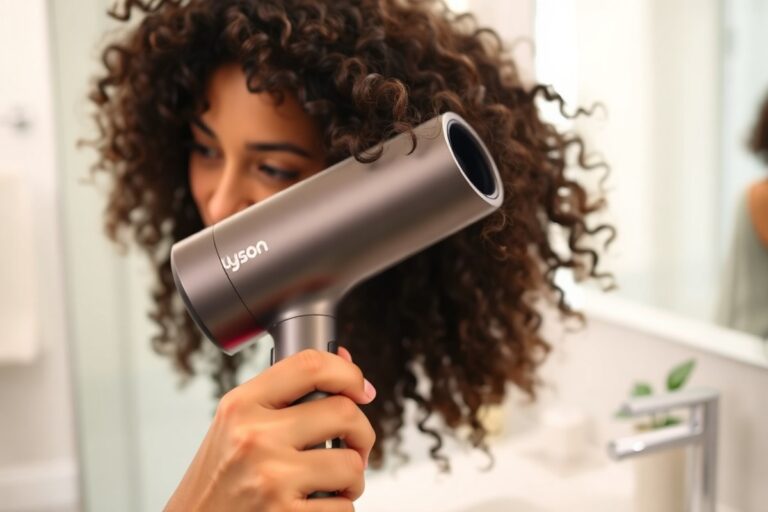
Let your hair air dry partially before using a blow dryer on a medium setting. Hold the dryer at least six inches away and keep it moving to avoid heat spots.
Switch to finger detangling or a wide-tooth comb after gently squeezing out excess water. This avoids pulling and breaking strands that are weakest when wet.
Avoid tight hairdos on the same sections every day. Give your scalp some relief by changing styles or wearing hair down.
Limit shampooing to every other day, especially with sulfate-free formulas that keep natural oils intact. This helps preserve your hair’s moisture barrier and improve shine and softness.
Color or bleach your hair, then wait four to six weeks between treatments. This lets your hair recover and stay strong.
Preventing Future Hair Damage After Repair
To prevent future hair damage after repair, focus on gentle care, regular trims, and protective products. Changing how you treat your hair each day makes a big difference. Adding good food for your hair and healthy habits supports long-term strength and shine.
Daily Practices to Protect Hair
Heat styling tools cause serious damage, so use them less. Always apply a heat protectant spray before blow drying or straightening. Look for ingredients like silicones or antioxidants to block heat up to at least 450°F.
Detangle hair gently using a wide-tooth comb or fingers while it’s wet. Use conditioners or leave-in treatments with natural oils to help smooth and protect strands. Oils like olive and avocado add moisture and help prevent frizz.
- Use sulfate-free shampoos plus hydrating conditioners daily.
- Apply a heat protectant spray before any heat styling.
- Avoid over-washing; aim for 2 to 3 times per week.
- Comb hair starting from the ends, working upward slowly.
- Use natural oil treatments weekly to seal moisture.
Always let your heat tools fully warm up before styling to ensure even protection.
Products chosen for your hair type matter. Pick formulas designed for dry or chemically treated hair. These usually contain extra moisturizing and repairing ingredients.
Trimming and Maintenance Schedule
Trimming damaged hair removes split ends and prevents further breakage. Experts suggest trimming every 6 to 8 weeks for most damaged hair. This keeps ends fresh and stops damage from traveling up the strand.
If damage is severe, trimming sooner may be needed. A professional stylist can help identify how much to cut. Regular trims also encourage healthy new growth to look its best.
- Trim every 6 to 8 weeks to remove split ends.
- For very damaged hair, visit a stylist every 4 weeks.
- Ask your stylist for a “dusting” trim to preserve length.
- Schedule trims consistently, not just when hair looks bad.
Keep in mind damaged strands can’t be fixed by products alone. Trimming is the only way to stop damage from worsening.
Diet and Lifestyle Factors for Healthy Hair
Your body needs good nutrition for strong hair growth. Foods rich in protein, healthy fats, and vitamins A, C, D, and E support hair health. Examples include fish, nuts, eggs, and leafy greens.
Staying hydrated also keeps hair hydrated from the inside out. Drinking 6 to 8 cups of water daily helps maintain moisture balance. Avoiding smoking and managing stress reduces hair follicles’ weakening.
- Eat a balanced diet with plenty of protein and healthy fats.
- Include antioxidants from fruits and vegetables daily.
- Drink enough water to stay well-hydrated throughout the day.
- Limit alcohol and tobacco use, as they can damage hair.
- Manage stress through exercise or relaxation techniques.
A healthy lifestyle supports your hair’s ability to recover and maintain shine. It works best when combined with good hair care routines.
Step-by-Step Action Plan to Restore Your Hair
Start healing your hair now with simple, clear steps. Track your progress by how your hair feels and looks.
- Before you start: Trim off split ends to stop damage spreading. Look for smoother ends after.
- Week 1: Use a mild, sulfate-free shampoo twice a week. Your scalp should feel clean but not dry.
- Week 2: Deep condition with a protein-rich mask once a week. Your hair will feel stronger and less brittle.
- Week 3: Cut back on heat styling. Test if your hair stays soft and smooth without dryers or straighteners.
- Week 4: Apply a leave-in conditioner daily. Notice if your hair feels moisturized and easier to detangle.
- After 6 weeks: Evaluate your hair’s shine, strength, and elasticity. These signs show real improvement.
- Every day: Protect hair with satin pillowcases and gentle hairstyles. Less friction reduces breakage over time.
Frequently Asked Questions
What Are the Key Signs of Hair Damage I Might Miss?
Look closely for unusual frizz, stretchiness, and tiny bumps along the strands. These subtle signs signal damage before you see breakage or split ends.
Can Damaged Hair Feel Different When Wet?
Yes, damaged hair tends to feel weaker and rougher when wet. You might notice more tangles or snapping when combing through it.
Does Scalp Health Affect How Hair Damage Shows?
A dry or itchy scalp can make hair damage look worse. Healthy follicles support stronger hair, so scalp care helps you spot early damage.
How Soon After Chemical Treatment Does Hair Damage Appear?
Damage can show within days to weeks after treatment. Your hair may feel brittle or look dull soon if treatments aren’t gentle.
Can Photo Damage from Sun Exposure Cause Hair Breakage?
Yes, UV rays break down hair proteins and fade color. This damage shows as dryness, roughness, and increased tangles.
Is It Possible for Hair to Repair Itself Naturally?
Hair doesn’t repair itself since it is dead tissue. Regular trims and good care help prevent worsening damage but won’t fix existing breakage.
Final Thoughts
Damaged hair shows clear signs you can spot and treat. Take one small step today, like a trim or deep conditioning. Your hair will thank you with stronger, healthier strands.