How to Repair Broken Hair: 9 Proven Ways to Restore Strength and Shine
Knowing how to repair broken hair starts with understanding it needs gentle care. The best way to fix broken strands is to rebuild their strength. Using bond-building treatments helps reconnect hair from the inside out, making it strong again.
First, avoid harsh chemicals and heat that cause more damage. Start with a shampoo and conditioner designed to reduce breakage and smooth hair. These essentials make hair easier to manage and less likely to snap when combing or styling.
Be careful with how you handle your hair when wet, as it’s weaker then. Always use a microfiber towel to blot dry instead of rubbing hard. This method protects strands from further breakage and helps your hair stay healthier over time.
Key Takeaways
- Apply bond-building treatments like K18 or Olaplex to restore hair strength.
- Use ULTIMATE REPAIR Shampoo and Conditioner to reduce breakage up to 99%.
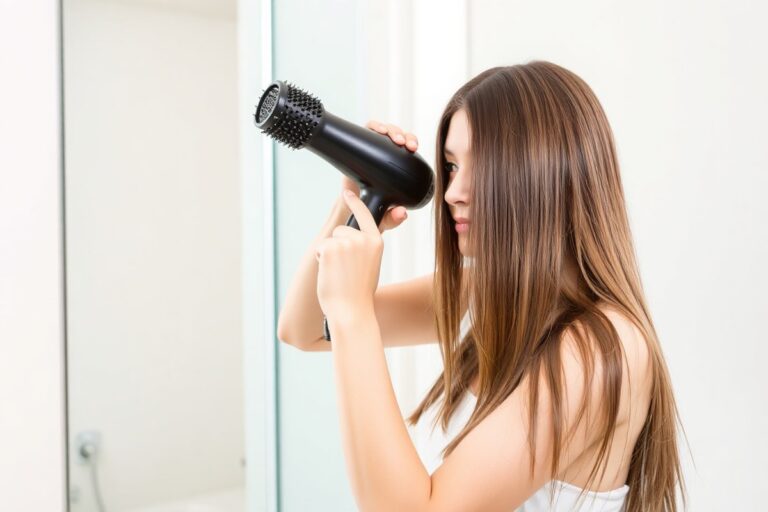
- Brow drying hair from at least 6 inches away prevents extra harm.
- Blot wet hair gently with a microfiber towel instead of rubbing it dry.
- Avoid dyeing hair too often; space color treatments at least 10 weeks apart.
- Trim split ends every 4 to 6 weeks to stop breakage spreading.
1. What Is Broken Hair and Can It Be Repaired?
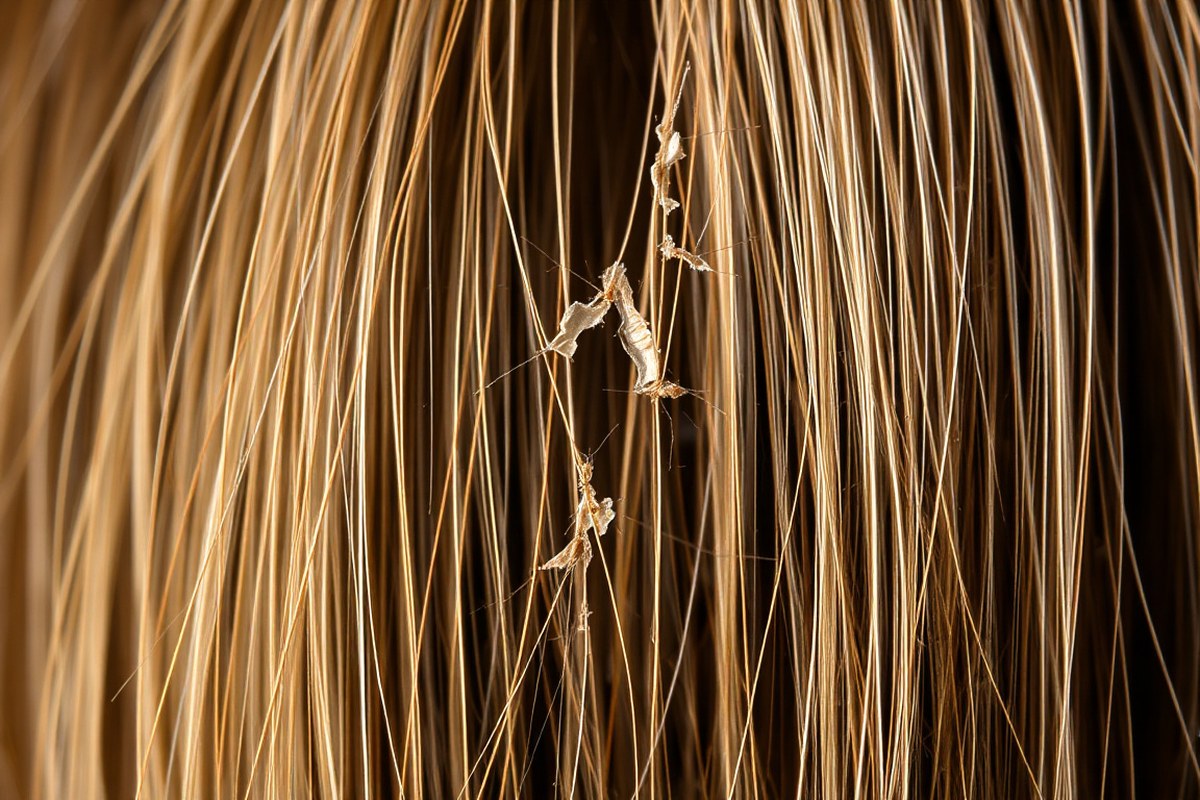
Broken hair means strands have weakened and snapped off at points, leaving rough, uneven ends. This happens when the hair cuticle cracks or the inner bonds break. You can spot broken hair as short, frayed pieces that won’t grow longer unless trimmed.
Hair itself is dead tissue. So once it’s broken or split, it can’t truly heal or “fuse” back together. According to Birnur Aral, Ph.D., you can’t permanently fix broken strands.
The goal is to stop more damage. It also boosts your hair’s strength. Over time, your hair will look better.
Hair on your scalp grows back healthy naturally. Protect it from heat, chemicals, and styling stress. This keeps your hair strong.
That means new strands won’t be brittle or broken if you improve care. Visible improvements take weeks to months, depending on your damage level and how consistent you are.
You speed up recovery by rebuilding broken bonds inside hair strands. Bond-building products like Olaplex or K18 work by reconnecting links in the hair shaft. Lock in moisture with deep conditioning masks.
Use them every few washes. This keeps hair hydrated and stronger.
Air drying and avoiding heat styling for 2 to 4 weeks reduces new damage. Use moisturizing treatments with keratin and oils, such as rosehip oil, to smooth and protect hair.
These treatments cost between $20 and $50 each. Some brands say they cut breakage by 99%.
To see results from severe damage, expect 6 to 12 months of good care. Your routine should replace harsh shampoos with gentle ones like Ultimate Repair Shampoo and Conditioner. These leave hair smoother and cut breakage dramatically over time.
Keep in mind damage near roots that pulls hair can cause permanent follicle loss. That kind of breakage means strands won’t regrow.
Most breakage affects hair length rather than scalp health. So treating hair gently is key to maintaining growth.
2. What Common Causes Lead to Hair Breakage?

Hair breakage happens from several common causes. Chemical treatments like bleach weaken hair strands.
Heat styling and environmental factors also wear hair down. Mechanical stress from brushing or styling adds to the damage.
Chemical Damage from Bleach and Dye
Bleach and hair dye often contain hydrogen peroxide or other agents that strip hair’s natural oils. These chemicals open the hair cuticle and break internal bonds, making strands fragile. Repeated bleaching thins hair, causing breakage and dry ends.
To reduce damage, space dye treatments at least 10 to 12 weeks apart. Dye only the roots during touch-ups to limit chemical exposure on lengths. Giving your hair breaks between sessions helps it regain strength gradually.
Heat Styling Causes Hair Weakness
Tools like flat irons and curling wands get very hot. They heat hair to temperatures between 300°F and 450°F. This intense heat can damage fragile hair strands.
Excessive heat damages keratin and dries strands. Over time, this leads to brittle hair that breaks easily.
Using heat protectants and keeping temperatures below 350°F can reduce harm. Use heat styling tools only a few times each week.
Avoid daily use to keep your hair healthier. This helps prevent hair from breaking and drying out.
Environmental Stressors That Increase Breakage
Sun exposure breaks down hair proteins and fades color. It also dries hair, making it more brittle. Chlorine from pools strips oils and raises the hair’s cuticle like bleach does.
Wearing hats or using UV hair protectant sprays blocks some sun damage. Rinsing hair with fresh water before and after swimming minimizes chlorine absorption. These steps keep strands stronger and less prone to breakage.
Mechanical Damage from Brushing and Styling
Brushing hair roughly, especially when wet, causes physical stress. This can lead to snap breaks and frizzy, damaged ends. Tight hairstyles pull on hair roots and make strands weak over time.
Use a wide-tooth comb or detangler after conditioning. Start combing at ends, then gradually move up to prevent tugging. Avoid ponytails or braids that pull hair tightly.
- Harsh chemical treatments that weaken hair fibers
- Excessive heat from styling tools that dries strands
- Environmental factors such as sun rays and pool chlorine
- Rough brushing and combing that breaks weak hair
- Tight hairstyles creating tension on the hair shaft
- Overwashing stripped oils, leading to dry, brittle hair
- Poor nutrition affecting overall hair strength
Wet hair is most fragile. Avoid forceful brushing when your hair is soaked to prevent breakage.
3. How to Use Bond-Building Treatments for Hair Repair
Bond-building treatments like K18 and Olaplex fix broken links inside your hair. They work on a deep level to bring strength back to damaged strands. Using them regularly and correctly speeds up hair repair and adds shine.
What Bond Builders Do Inside Hair
Hair breaks when its internal bonds snap from damage like heat or chemicals. Bond builders reconnect these broken bonds inside the hair shaft, restoring structure. This makes hair stronger, softer, and less prone to breakage over time.
K18 and Olaplex target the disulfide bonds, which keep hair fibers connected. These treatments rebuild links at the molecular level, unlike surface conditioners that only coat hair. Omega-9 fatty acids in some formulas also fill the cuticle, smoothing the outer layer.
Step-by-Step Application Guide
Follow these steps to get the best results from bond-building treatments. Start your repair with K18 Leave-In Repair Mask.
Then use a gentle shampoo. This helps maintain healthy hair care.
- Wash your hair with a sulfate-free shampoo, like Olaplex Bond Maintenance.
- Towel-dry your hair until it’s damp but not dripping wet.
- Apply K18 Leave-In Repair Mask evenly from roots to ends.
- Leave the mask on for 4 minutes without rinsing it out.
- Style hair as usual or let it air dry to avoid heat damage.
- Once a week, use a deep conditioning treatment for extra moisture.
When to Use Bond Builders for Best Results
Use bond-building treatments 1 to 2 times a week at home. Overusing won’t speed up repair and may weigh hair down. For severe damage, your stylist might apply salon-strength versions during visits.
Consistency matters most. Stick to your bond-building routine alongside gentle shampoos and avoiding excess heat. Within a few weeks, your hair should feel smoother, shinier, and break less often.
4. Best Hair Care Routines to Heal and Protect Broken Hair
Use a gentle, sulfate-free shampoo to wash broken hair twice or three times weekly. Hot water weakens strands, so wash with warm instead.
Massage the scalp gently to avoid extra breakage. Rinse thoroughly to remove all shampoo residues.
Condition right after shampooing. Choose a high-moisture conditioner designed for damaged hair. Apply from mid-length to ends, avoiding roots to prevent greasy buildup.
Let your conditioner sit for 2 to 5 minutes before rinsing with cool water. This helps seal the hair cuticle and lock in moisture.
Detangle hair carefully. Brush hair before washing to remove knots. If detangling after washing, towel-dry until hair is damp but not dripping.
Use a wide-tooth comb or a detangling brush to lower friction. Apply a leave-in conditioner to reduce snagging.
- Skip daily washes; reduce washing frequency by one day per week.
- Use ceramic styling tools set on low to medium heat.
- Hold blow dryer at least six inches away; keep air moving continuously.
- Tie hair loose with soft fabric scrunchies or from twisting styles.
- Protect hair from sun and chlorine by wearing hats or swimming caps.
- Avoid brushing when hair is soaking wet to limit breakage.
When styling, choose products with nourishing ingredients that soften hair fibers. Avoid tight hairstyles that pull on hair roots.
Daily habits like wearing hats outdoors protect hair cuticles from UV damage. Also, treat hair gently during towel drying; pat or squeeze hair instead of rubbing.
5. How to Repair Heat-Damaged Hair Safely at Home
Heat styling tools raise your hair’s temperature quickly. This high heat can dry your strands and strip away natural oils. Over time, your hair becomes brittle and may break easily.
You can’t fully reverse heat damage. But some treatments help restore your hair’s look and feel. Bond-building products rebuild strength and smoothness.
Deep moisture masks add hydration to brittle strands. Protective oils guard your hair during heat styling.
Styling with heat safely means using lower temperatures and protective steps. Giving your hair breaks from heat and harsh brushing keeps strands healthier longer. Follow these steps to repair heat damage and protect your hair:
- Cleanse gently: Use a mild shampoo free of sulfates to avoid extra dryness.
- Apply bond-building treatment: Use a protein-rich product according to package directions. This helps rebuild broken hair bonds.
- Moisturize deeply: After rinsing, use a hydrating mask once or twice a week. Leave it on for 10 to 20 minutes. Then rinse it out well.
- Use protective oils: Apply a heat protectant oil or serum before styling to lock in moisture.
- Lower heat settings: Set flat irons or curlers to under 350°F to reduce breakage risk.
- Limit styling frequency: Avoid daily heat styling. Give your hair at least one day off per week.
- Handle hair with care: Use a wide-tooth comb to detangle and avoid brushing wet hair harshly.
Put conditioner or oil in your hair before swimming. This helps protect against damage from chlorine and salt.
Skip coloring, bleaching, and heat styling for a few weeks when repairing heat damage. Your hair will regenerate better if it isn’t exposed to fresh chemical or thermal stress. Moisturized, stronger hair will break less and feel softer over time.
Don’t forget, hot water can also dry hair. Use lukewarm water when washing and rinsing. This small step protects your hair’s moisture and helps prevent more brittleness.
6. Natural Masks and Oils That Help Repair Broken Hair
Natural masks and oils can help repair broken hair by adding moisture and nourishment. Moisturizing ingredients keep strands soft and flexible, which reduces breakage. Using simple recipes at home can boost your hair’s health without harsh chemicals.
Avocado and Olive Oil Mask Recipe
Avocado and olive oil deeply hydrate damaged hair. Avocado provides natural oils and vitamins, while olive oil seals in moisture. This combination softens hair and helps prevent dryness and brittleness.
Follow these steps to make and apply the mask:
- Mash one half of a ripe avocado with a tablespoon of olive oil until creamy.
- Apply the mixture evenly to damp hair, focusing on broken and dry areas.
- Massage the mask gently into your scalp and strands for better absorption.
- Cover your hair with a shower cap or warm towel for 20 to 30 minutes.
- Rinse thoroughly with lukewarm water and shampoo lightly if needed.
Use this mask once a week to keep your hair hydrated and soft. Avoid hot water, which can strip moisture and weaken hair.
Honey and Egg Protein Treatment
Honey locks in moisture and adds shine, while eggs provide protein to strengthen hair. This treatment works well if you don’t use protein-heavy commercial products. Too much protein can stiffen already treated hair.
Here is how to prepare and use the honey and egg mask:
- Mix 1 tablespoon of honey with 1 whole egg until well combined.
- Apply the mixture to damp hair, concentrating on weak, broken sections.
- Cover your hair with plastic wrap or a shower cap to keep warmth.
- Leave on for 15 to 20 minutes to let the protein and moisture work.
- Rinse with cool or lukewarm water; use shampoo if hair feels greasy.
This treatment won’t replace other bond-building products but adds gentle nourishment. Avoid it if you already use strong protein treatments to prevent stiffness.
Best Oils for Hair Repair and How to Use Them
Olive, argan, and coconut oils help soften and protect broken hair. These oils add moisture and create a barrier to prevent further damage. Use a small amount, as too much can weigh hair down.
Apply oils after washing when hair is damp for best results. Rub a pea-sized amount between your hands, then smooth from mid-length to ends. Use argan oil especially after swimming to soothe harsh strands.
You can also turn coconut oil into a leave-in conditioner. Warm a tiny bit in your palms before applying. Avoid oils at the root to prevent greasiness and buildup.
7. Choosing the Right Products for Different Damage Types
Picking the right shampoo, conditioner, and treatment depends on the type of damage in your hair. Chemically damaged hair needs protein-rich and bond-building formulas. These products rebuild strength and prevent further breakage.
Brittle or dry hair benefits most from deep conditioners and moisturizing shampoos. Look for ingredients like shea butter, glycerin, and oils. These help add moisture, reduce frizz, and improve softness.
Leave-in conditioners work differently from deep conditioners. You apply leave-ins to damp hair to lock in moisture all day. Deep conditioners are rinsed out after 10 to 30 minutes and repair hair more intensely.
Use deep conditioning once or twice a week if your hair is very dry or damaged. Apply leave-in treatments after every wash to keep hair smooth and protected. Both types create a shield against heat and environmental damage.
| Hair Damage Type | Shampoo | Conditioner | Treatment |
|---|---|---|---|
| Chemically Damaged | Protein-infused, bond-building | Rich, strengthening | Bond-building mask, leave-in protein treatment |
| Brittle or Dry | Moisturizing, gentle cleansing | Deep hydrating, oil-rich | Leave-in conditioner, weekly deep mask |
| Normal to Slightly Damaged | Balanced cleansing | Light, smoothing | Light leave-in, occasional deep conditioner |
Choosing products this way helps you focus treatment where it’s needed most. Bond-building masks with keratin or amino acids work best for damaged hair. They usually cost about $15 to $30.
You can expect strong repair from these products. Deep moisturizing masks suit dry hair well and cost $10 to $25.
They work by staying on your hair for 15 to 30 minutes. Use them regularly for softer hair.
After washing, towel-dry hair gently. Apply leave-in conditioner starting from mid-length to ends.
Avoid the scalp to prevent buildup. Use a wide-tooth comb to spread product evenly and detangle.
Stick to this routine for several weeks. You’ll see smoother, stronger hair that breaks less. Skipping leave-ins or using harsh shampoos can undo progress and leave hair dry or brittle again.
8. When to Trim and How to Prevent Split Ends Effectively
Trimming your hair every 4 to 6 weeks helps prevent breakage and split ends. Split ends cannot heal on their own.
So cutting them off stops damage from spreading. Getting regular trims keeps your hair looking healthier and smoother.
You might need a trim if your hair feels brittle. It also helps if your hair looks dull. Split ends that you can see mean a trim is due.
Other signs are frequent tangles, rough texture, and more hair breakage than usual. Waiting too long allows split ends to move up the hair shaft, making the damage worse.
- Trim every 4 to 6 weeks, even if growing out your hair
- Watch for split ends or splits mid-shaft
- Look for dry, coarse, or frizzy strands
- Check for excessive hair tangling or breakage
- Trim as soon as visible splits appear to stop damage
Even if your hair feels healthy, small split ends can hide and lead to breakage. Trims remove these and help maintain hair strength. Using nourishing serums after trimming can smooth the hair cuticle and protect the ends.
Trim damaged ends regularly to prevent split ends from worsening and causing more breakage.
Trimming takes just a few minutes and can be done at home or in a salon. Regular trims support your hair care routine and make hair masks or treatments more effective. Don’t wait too long to trim your hair.
Trimming only damaged ends lets splits spread. Splits make your hair weaker over time.
9. Common Hair Repair Mistakes and How to Avoid Them
Overwashing strips natural oils from broken hair, making it dry and brittle. Cut washing to two or three times a week. Use a professional-grade shampoo and conditioner with repairing ingredients for better results.
Brushing wet hair is risky because hair stretches and breaks easily. Use a wide-tooth comb or a brush made for wet, fragile hair. Always apply a leave-in conditioner first to help detangle without snagging.
Overloading on protein treatments can make hair stiff and more prone to breakage. Balance protein with moisturizing products.
Pay attention to how your hair feels. If it gets dry or coarse, cut back on protein.
- Skip tight ponytails or buns to prevent tension and breakage.
- Dry hair gently by wrapping a microfiber towel instead of rough rubbing.
- Avoid shampoos with harsh sulfates that can strip moisture.
- Don’t apply heat protectant spray only on dry hair, put it on damp strands before styling.
- Use deep conditioning weekly to restore moisture and strength.
Rough towel-drying causes harmful friction, leading to more damage. Wrap hair in a microfiber towel and squeeze gently instead. Avoid shampoos and products with sulfates or alcohols that dry hair out further.
Applying heat protectant before every heat styling session keeps hair safer and reduces damage. Skipping it lets heat make breakage and split ends worse. Take extra care when brushing wet hair.
Use the right tools and products. This helps stop more breakage.
Step-by-Step Plan to Repair Broken Hair
Follow these steps to start fixing broken hair and see results soon. Track your hair’s feel and look to know if it’s improving.
- Day 1: Trim any obvious split ends to stop damage spreading. Hair looks cleaner and feels smoother.
- Week 1: Begin using a bond-building treatment twice a week. Hair should feel stronger and less sticky.
- Week 2: Swap harsh shampoos for gentle, sulfate-free ones. Hair feels less dry after washing.
- Week 3: Apply natural oil masks once a week, like coconut or argan oil. Hair gains softness and shininess.
- Week 4: Avoid heat styling or use a heat protectant when you do. Hair breaks less and looks healthier.
- After 6 Weeks: Assess hair strength and shine. Schedule a trim if needed to keep ends healthy.
- Ongoing: Stick to a routine with mild products and conditioning. Hair stays resilient over time.
Frequently Asked Questions
How Long Does It Take to See Results from Hair Bond-Building Treatments?
Results usually appear after three to four consistent treatments. These products rebuild hair bonds and strengthen strands over time. Stick with the routine for best effects.
Can Protein Treatments Make Broken Hair Worse?
Yes, too much protein can cause stiff, brittle hair. Balance protein with moisture treatments. Overdoing it may lead to more breakage.
Is Daily Shampooing Bad for Broken Hair?
Daily shampooing can strip moisture and worsen damage. Aim to wash hair two or three times a week instead. Use gentle, repair-focused shampoos when you wash.
Can Scalp Massages Help Repair Broken Hair?
They don’t repair hair directly but boost circulation and hair growth. Healthier scalp skin can support stronger hair over time. Massage gently for a few minutes daily.
Do Trims Accelerate Hair Repair for Breakage?
Trims remove damaged ends but don’t fix broken strands. Regular trimming stops split ends from traveling up the hair shaft. Cut every six to eight weeks for best upkeep.
Does Cold Water Help Seal Hair Cuticles and Reduce Breakage?
Cold water can help smooth the hair surface and reduce frizz. It won’t repair broken hair but makes strands look healthier temporarily. Follow cold rinsing with a good conditioner.
Before You Go
Broken hair can recover with steady, gentle care. Start with small steps that fit your schedule and hair type. Pick one product or habit from today’s plan and try it tonight.