What Makes Hair Frizzy: 8 Key Causes and Proven Solutions
What makes hair frizzy is mainly moisture imbalance and damaged hair cuticles. When your hair’s outer layer is rough or broken, it soaks up extra humidity. This causes strands to swell and stick out instead of lying smooth.
Your hair type also matters a lot here. Curly or wavy hair frizzes more than straight hair. Its twists cause gaps in the cuticle.
These gaps let moisture in and cause frizz. Straight hair usually stays smoother unless it’s damaged or dry.
To fight frizz, start by keeping hair hydrated with the right products. Avoid harsh washing and protect strands from heat. Fixing the hair’s surface helps lock moisture in and stop that fuzzy look.
Key Takeaways
- Use moisturizing shampoos and conditioners to keep hair balanced.
- Skip washing hair too often to prevent drying it out.
- Apply heat protectant spray before using hot styling tools.
- Limit heat styling to reduce damage and cuticle roughness.
- Choose products designed for your hair type and texture.
- Seal in moisture with lightweight oils or serums after styling.
1. What Actually Causes Hair to Become Frizzy
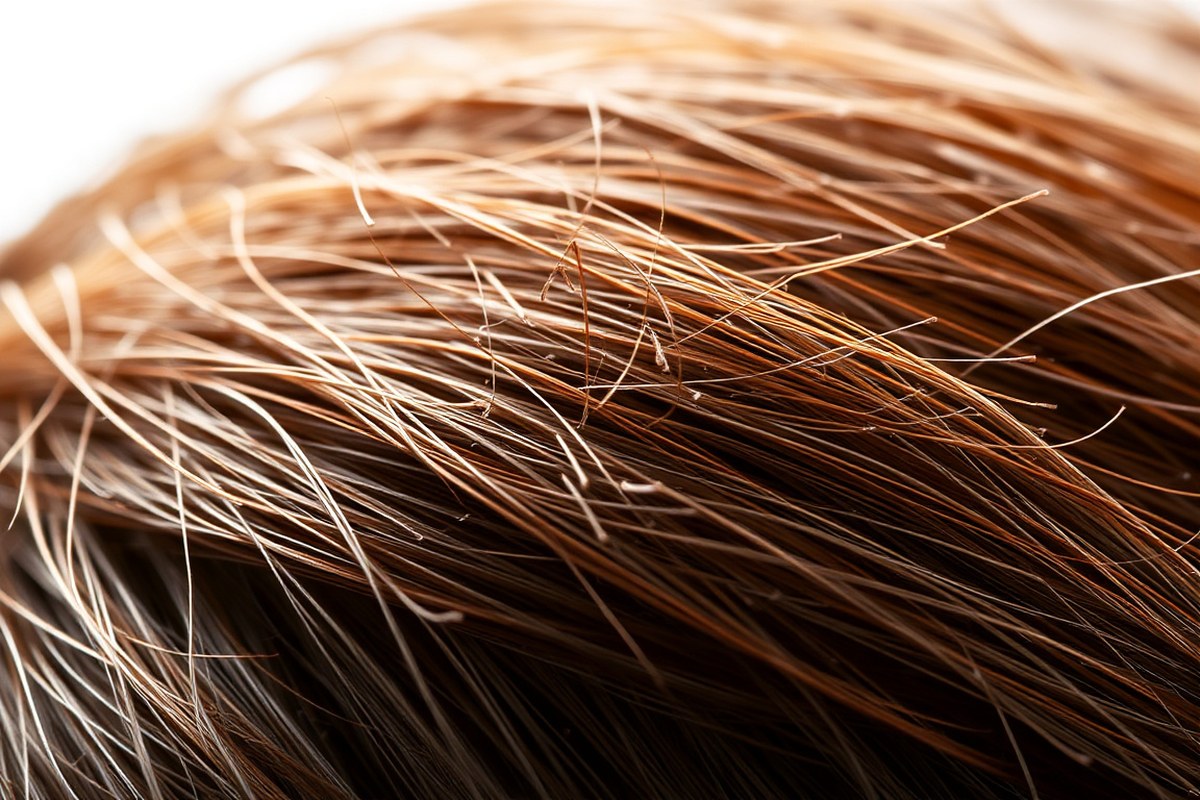
Hair frizz starts when the outer layer, called the cuticle, lifts or becomes damaged. This rough, raised cuticle lets moisture get inside the hair shaft unevenly. Your hair soaks up moisture from the air.
The strands swell and expand. They do this at different rates, which causes frizz.
When humidity increases, overdried or porous hair pulls water from the air. Moisture makes hair fibers swell under the cuticle. This swelling lifts the cuticle more.
That makes your hair more open to humidity. Your hair ends up looking puffy and fuzzy.
The strands swell unevenly. The hair surface also becomes rough.
Surface frizz shows up when the outside layer looks rough and fluffy. But the hair underneath is still smooth.
Internal frizz happens when swelling occurs inside the hair shaft, creating tension that lifts the cuticle. Both forms cause your hair to look dry and unruly.
Hair with high porosity has gaps in the cuticle, letting moisture enter and leave quickly. This type dries fast after washing but also forms a sharp frizzy halo.
Hair with low porosity has cuticles that sit too flat, so moisture barely penetrates. This can make your hair puff up when humidity hits because products stay on the surface.
The key to fighting frizz is keeping the cuticle smooth and sealed. When it’s sealed, moisture can’t flood in or escape, stopping hair strands from swelling unevenly. Protect your cuticle by controlling moisture intake.
This keeps your hair smooth. It stops your hair from looking puffy.
2. How Hair Type and Texture Affect Frizz Levels
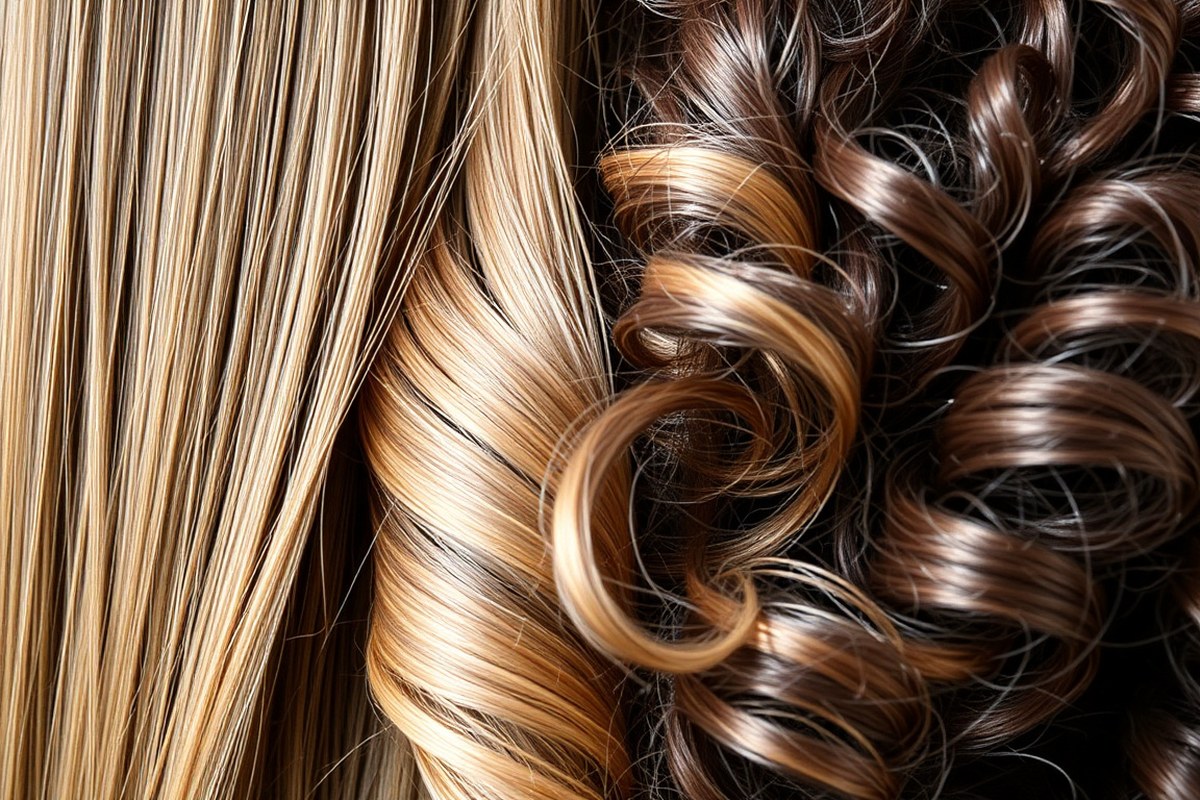
Your natural hair texture impacts how much frizz you get and how to manage it. Curly and coily hair frizz more since oils can’t move down as easily. Straight hair isn’t immune but deals with frizz differently.
Hair Type and Common Frizz Patterns
Hair types affect where frizz shows up and why it appears there. Thick curls tend to dry out between washes, causing frizz all over. Straight hair often gets frizzy near the roots from product buildup or humidity.
Here’s a table summarizing common frizz triggers and where frizz appears by hair type.
| Hair Type | Primary Frizz Trigger | Where It Shows Up |
|---|---|---|
| Type 1 (Straight) | Product buildup, humidity | Roots, crown |
| Type 2 (Wavy) | Dryness, wrong product weight | Mid-shaft, ends lose definition |
| Type 3 (Curly) | Moisture loss between washes | All over, worse on day 2+ |
| Type 4 (Coily) | Severe dryness, manipulation | Edges, perimeter, throughout |
With curly hair, frizz often worsens between washes due to moisture loss. Coily hair gets frizzy all over, mostly near the edges.
This happens because the hair is dry and delicate. Its texture makes it more prone to frizz.
Hair Porosity Impact on Frizz Behavior
How your hair absorbs and holds moisture also changes frizz levels. Higher porosity means hair lets moisture in and out quickly, leading to dryness and frizz. Low porosity hair resists moisture but may get product buildup, causing frizz too.
Hair with medium porosity holds moisture best and frizzes less. Checking your hair porosity helps you choose the right products and routines.
Test porosity by putting a strand in water; sinking fast means high porosity.
Recommended Care by Hair Texture
Curly and coily hair needs low-friction care that respects its shape. Using satin pillowcases and loose hairstyles reduces frizz caused by friction at night. Avoid tight styles that stress fragile curls and cause breakage.
Straight hair can fight frizz by cleaning product buildup regularly and protecting roots from humidity. Wavy hair benefits from light, moisture-balancing products that avoid weighing down curls. Adjust your routine based on your specific hair type and porosity for the best control.
3. 7 Everyday Habits That Cause or Worsen Frizzy Hair
Rough towel-drying can make your hair frizzy. The friction causes the hair cuticle to lift, leading to more frizz and breakage. Use a soft microfiber towel or old cotton T-shirt to dry hair.
Gently pat your hair to soak up water without rubbing. This method helps reduce frizz and damage.
Washing your hair too often strips away natural oils that keep hair smooth. Most people find washing every 2 to 3 days works well to reduce frizz. Your scalp gets oily quickly?
Try gentle shampoo with conditioner instead. It keeps moisture balanced without causing buildup or greasiness.
Harsh shampoos with strong sulfates can dry out hair and increase frizz. These shampoos remove natural oils that smooth your strands. Look for sulfate-free shampoos with added moisturizers or proteins like keratin to help protect your hair.
- Skip tight hairstyles on wet hair; they cause breakage and frizz.
- Use a wide-tooth comb to detangle gently, reducing breakage.
- Trim split ends every 8 to 12 weeks to prevent frizz buildup.
- Apply a leave-in serum or heat protectant to smooth hair after washing.
- Avoid brushing hair when dry to control flyaways and frizz.
- Conditioner with proteins helps close the hair cuticle and reduce frizz.
- Limit heat styling or use tools set below 450°F with protective products.
Regular trims keep ends healthy and prevent frizz from spreading. Using a protein-rich conditioner seals cuticles and detangles hair, making it less frizzy. Finally, adding a small amount of anti-frizz serum after drying smooths strands and blocks humidity.
4. How Humidity and Environmental Factors Trigger Frizz
Hair gets frizzier in humid environments because moisture in the air penetrates the hair shaft. When humidity reaches 70 percent, water vapor enters porous hair. The hair swells up to 14 percent from the moisture.
This swelling lifts the hair cuticle and causes frizz. Hydrogen bonds break and hair structure gets disrupted.
Temperature changes also affect hair moisture. Cold, dry air can strip away natural oils, leaving hair rough and prone to frizz.
Warmer, humid air causes the opposite: hair absorbs excess moisture and loses shape. This rapid shift between dry and wet conditions stresses hair and makes frizz worse.
Pollution and wind add to the problem by damaging hair’s outer layer, called the F-layer. Dirt and grime from pollution create buildup that roughens the cuticle.
Strong winds tangle and roughen hair strands, lifting the cuticle and making moisture absorption easier. Both factors increase hair’s vulnerability to frizz.
When hair’s protective outer layer is damaged by pollution or rough handling, it becomes more porous. Porous hair soaks up moisture rapidly, causing the shaft to swell unevenly.
Keratin treatments work by smoothing the cuticle, helping block humidity’s moisture and maintaining hair’s shape. This is especially useful in humid climates.
For better control, use moisturizing shampoos and conditioners that contain natural oils. These ingredients help lock in moisture and protect hair from humidity.
Some hydrating leave-in conditioners keep hair smooth all night. They help manage frizz the next day too.
People with curly hair see more frizz in humid weather. Curls trap more moisture because of their surface area. Straight hair can frizz too, but usually only when it’s dry or damaged.
Avoid pushing hair hard with heat or rough drying. This damages cuticles and worsens frizz in humidity.
5. How Damage from Heat Styling and Chemical Treatments Causes Frizz
Heat styling tools can cause frizz by damaging your hair’s cuticle layer. Temperatures above 300°F often start breaking down keratin, the protein that protects your strands. Flat irons or curling wands at 400°F or hotter can damage hair.
They lift and roughen the cuticle. This makes hair dry and prone to frizz.
Chemical treatments like coloring or relaxing hair also disrupt the cuticle. They change hair’s pH, which weakens the protective layer and strips natural oils. This damage leaves hair porous and fragile, causing strands to pull apart and look frizzy.
Keratin treatments can smooth hair and reduce frizz temporarily by filling gaps in the cuticle. Chemical treatments can dry out hair if done too often. Harsh chemicals add to damage.
Be cautious with frequent use. Choose treatments carefully and space them out to avoid worsening frizz over time.
Repairing heat and chemical damage takes patience and consistent care. Hair grows about half an inch per month.
So full recovery can take several months. Using protein-rich conditioners and limiting heat styling helps rebuild strength and seal the cuticle.
Applying a heat protectant before styling makes a big difference. These products create a flexible shield that guards against damage from tools heated up to 450°F. They help keep strands smooth and reduce breakage and frizz from daily blow-drying or straightening.
Cool water rinses close the cuticle after washing and help lock in moisture. Avoid rough towel drying to reduce friction on hair. Nylon brushes also lift the cuticle.
Less friction means less frizz. Regular trims stop split ends from traveling up strands, preventing more damage.
Always use a heat protectant spray when styling above 300°F to prevent cuticle damage and frizz.
6. Effective Drying and Styling Routines to Reduce Frizz
To reduce frizz, dry your hair gently and use the right products. Avoid rubbing with rough towels and high heat that can damage strands.
You can still style hair. But use protective products and moderate heat to keep it smooth.
Pre-Drying Hair Preparation
Start with clean, well-conditioned hair to prevent frizz from the start. Shampoo roots only and use conditioner along the lengths to lock in moisture. Apply a leave-in conditioner or anti-frizz serum before drying to protect your hair.
Instead of rubbing your hair with a towel, gently squeeze out excess water. Use a microfiber towel or a soft cotton T-shirt to wrap your hair in a turban. This reduces friction that pulls oils out and causes frizz.
Best Drying Techniques by Hair Type
For fine to medium hair, air-drying is usually best if you have time. It helps avoid heat damage and keeps hair smoother.
Use a low heat setting when blow-drying. Keep the dryer 6 to 8 inches away.
Thick or curly hair often needs a blow-dryer with a diffuser attachment. Set the dryer on low or medium heat to prevent drying out your hair. Move the diffuser gently around your head to avoid disturbing curls.
Use your fingers or a wide-tooth comb to detangle hair while damp, never a brush. This reduces breakage and frizz. Be gentle, especially with fragile or extremely dry hair.
Using Anti-Frizz Products Correctly
Apply a few drops of anti-frizz serum or oil evenly through damp hair before drying. Look for products marked anti-humidity or frizz control. These keep strands smooth and protect against moisture in the air.
When styling, avoid using heat tools above 350°F to prevent damage. Always use a heat protectant spray before any heat styling.
Lightly spray smoothing spray on dry hair to refresh frizz. Apply a small amount of serum to the ends.
- Towel-dry hair gently by squeezing excess water, no rubbing.
- Apply an anti-frizz serum or leave-in conditioner on damp hair.
- Detangle hair softly with a wide-tooth comb or fingers.
- Use low or medium heat when blow-drying. Hold the airflow 6-8 inches away.
- Use a diffuser for curly or thick hair on low heat only.
- Let air-dry when possible, especially for fine hair.
- Protect hair with heat spray before using flat irons or curling irons.
- Refresh dry hair frizz with a light mist of smoothing spray or a small serum amount.
7. What Ingredients and Products Actually Help Tame Frizzy Hair
Look for products that keep your hair moist and smooth. Avoid those with alcohol since they dry out hair and cause frizz. Ingredients like jojoba oil and argan oil help your hair stay shiny and control frizz.
Keratin is another helpful ingredient. It strengthens hair and fills gaps in the cuticle to cut down on frizz.
Using leave-in conditioners that contain keratin or natural oils adds a protective layer. This makes your hair easier to comb and less likely to frizz during the day.
Oils can be a good fix but pick the right ones for your hair type. Coconut and argan oils are popular for hair care. They soak in deeply and hydrate well.
These oils do not weigh hair down. You can apply these oils pure or choose products that have them mixed in safe amounts.
- Choose moisturizing shampoos and conditioners without alcohol
- Use products with keratin to rebuild hair strength
- Apply leave-in conditioners for daily frizz protection
- Try natural oils like jojoba, argan, or coconut oil as treatments
- Avoid heavy oils if your hair is fine or easily greasy
- Check product labels and pick ones marked for frizzy or dry hair
Steer clear of products with harsh sulfates or drying alcohols like isopropyl alcohol. These ingredients strip moisture and roughen the hair surface. That roughness lets humidity sneak in and create frizz.
For best results, add oils after washing while hair is damp. Use just a small amount to avoid greasy buildup. Using too much oil can make your hair limp.
It also attracts dirt to your hair. Dirt hides the shine and smoothness you want.
8. How Night Care and Lifestyle Habits Influence Daily Frizz Control
Both how you sleep and what you eat affect hair frizz over time. Sleeping on the wrong pillowcase can roughen hair strands. Daily habits like hydration and gentle handling also keep frizz down.
Choosing the Right Sleep Environment
Satin or 100% polyester satin pillowcases help reduce hair friction as you sleep. They create a smooth surface that cuts down on cuticle damage and frizz. Cotton pillowcases tend to absorb moisture and roughen strands.
Wrapping your hair in a silk or satin scarf before bed can also protect against breakage. This keeps hair hydrated and smooth overnight. Avoid tight hairstyles that create creases or tension while you rest.
Switching to a satin pillowcase can improve frizz by morning without needing new products.
Nutrition and Hydration for Hair Health
Drinking enough water daily helps keep hair hydrated from within. Aim for about 64 ounces each day, more if active or in dry climates. Dehydrated hair looks rough and dry, which makes frizz worse.
Eating omega-3 rich foods like salmon or walnuts helps your scalp and hair. These nutrients support healthy hair growth and reduce dryness. Including them regularly can make your hair stronger and less frizzy.
Vitamins A, C, and E also support moisture retention. A balanced diet supports smoother, shinier hair over weeks or months.
Daily Habits to Maintain Hair Smoothness
Use a lightweight leave-in serum to lock in moisture without weighing hair down. Apply it on damp hair to smooth the cuticle and reduce frizz. Avoid heavy creams that can cause buildup and make hair greasy.
Brushing your hair roughly can damage the outer layer or cuticle. Choose a wide-tooth comb or soft brush that suits your hair type. Use a microfiber towel or cotton T-shirt to gently dry hair, not rub it hard.
Step-by-Step Action Plan to Cut Down Frizz Starting Now
Follow this plan for smoother hair in just a few weeks. Each step builds on the last to keep frizz away.
- Day 1: Switch to a sulphate-free shampoo and conditioner. Look for softer, less tangled hair after washing.
- Week 1: Use a leave-in conditioner or anti-frizz serum every day. Notice your hair feels smoother and less flyaway.
- Week 2: Limit heat styling to twice a week maximum, always with a heat protectant. Your hair should appear less brittle and dry.
- After 3 Weeks: Sleep on a satin pillowcase or wrap your hair in a silk scarf. You’ll see fewer bedhead frizz streaks in the morning.
- Week 4: Add a weekly deep conditioning treatment or hair mask. Your hair texture will start to look healthier and softer.
- Ongoing: Avoid rubbing hair dry with a towel. Gently blot and air dry or diffuse on low heat. Your hair will feel less rough.
- Continuous: Keep your hair away from humidity. Wear a hat or use anti-humidity spray on damp or styled hair. Notice frizz stays controlled even in sticky weather.
Frequently Asked Questions
Can a Poor Diet Contribute to Frizzy Hair?
Yes, a lack of nutrients can weaken hair and cause frizz. Eating proteins and vitamins helps hair stay strong and smooth.
Why Does Using the Wrong Brush Make Hair More Frizzy?
Brushes with rough bristles can raise the cuticle and cause frizz. Use a wide-tooth comb or soft bristle brush to reduce damage.
Does Washing Hair Too Often Cause Frizz?
Yes, over-washing strips natural oils that keep hair smooth. Washing 2-3 times a week helps maintain moisture and reduce frizz.
Can Stress Affect the Amount of Frizz in Hair?
Stress can disrupt hormones and hair health, leading to more frizz. Managing stress supports better hair condition and less frizz.
How Does Water Temperature During Washing Impact Frizzy Hair?
Hot water can dry out hair and open cuticles causing frizz. Use lukewarm or cool water to keep hair cuticles smoother.
Are Towels a Factor in Causing Frizzy Hair?
Yes, rough towel drying can roughen your hair cuticles and cause frizz. Pat hair dry with a soft microfiber towel instead.
Before You Go
Frizz happens when your hair loses moisture and structure. Treat your hair gently and use the right products to keep it smooth. Start with your shampoo and conditioner choice today to see a real difference.