When Was Hair Conditioner Invented: A Complete Guide to Its History and Types
Wondering when was hair conditioner invented? The first hair conditioners appeared in the 19th century.
Macassar Oil, a popular product then, softened hair and added shine. It wasn’t a conditioner like today’s but laid the groundwork for better hair care.
Modern hair conditioner began around 1900 thanks to perfumer Edouard Pinaud. His products focused more on scalp health than hair softness. The real breakthrough happened in the 1950s.
Commercial conditioners first appeared then. They were made to fix and nourish hair after washing.
Conditioners work by smoothing the hair’s keratin protein, sealing it for softness and manageability. When you start using conditioner, pick one suited for your hair type. Avoid 2-in-1 shampoos if you need extra moisture, since they often contain detergents that strip oils.
Key Takeaways
- Macassar Oil was one of the earliest hair conditioning products in the 1800s.
- Edouard Pinaud’s early 1900s formulas focused more on scalp care than conditioning.
- The 1950s marked the real invention of commercial hair conditioners.
- Conditioners smooth keratin, the protein that makes up nearly all hair.
- Choose conditioner based on your hair type for the best results.
- Avoid 2-in-1 shampoo-conditioners for intensive conditioning needs.
When Was Hair Conditioner First Invented and by Whom?

Hair conditioner dates back to the 19th century. One early product was Macassar Oil. This oil, made from coconut, palm, and ylang-ylang oils, helped improve hair’s appearance and manageability.
People applied it after washing to add shine and soften hair. But it could leave an oily residue.
At the start of the 20th century, hair conditioner began to improve. Advances in chemistry made this possible. A known perfumer named Ed played a key role.
He helped create products for hair texture after washing. These early conditioners weren’t rinse-out like today’s. They aimed at protecting and softening hair surface.
Another key product was Brilliantine, invented for men to soften moustaches and beards. It was popular in the early 1900s and paved the way for commercial conditioning products. Macassar Oil and Brilliantine did more than clean hair.
They added conditioning to hair care. This changed how hair care developed.
In the 1950s, the first commercial rinse-out hair conditioners appeared. New formulas used ingredients like silicones and quaternary ammonium compounds. These made hair smooth and easier to comb.
Conditioning became a regular step after shampooing over time. It helped improve hair health and manageability.
How Did Hair Conditioner Develop Through the 20th Century?
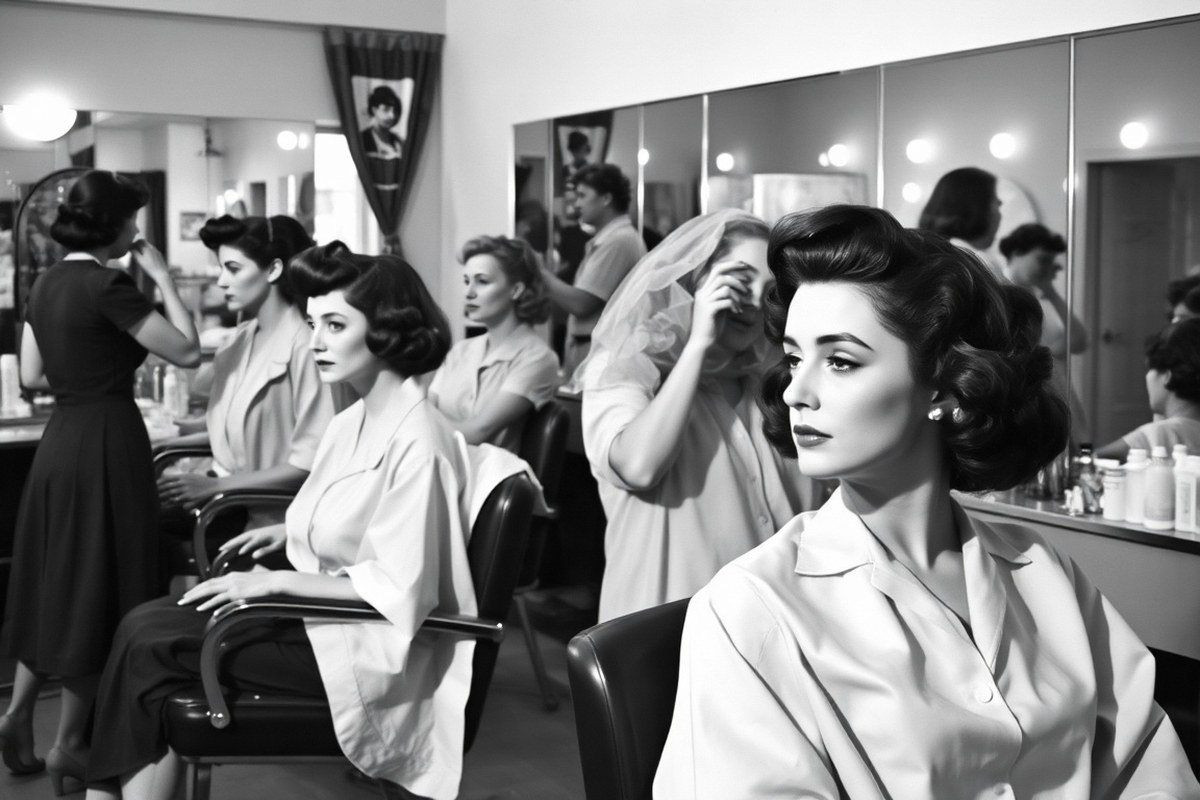
Early 20th Century Oils and Rinses
Hair conditioning started with oils and herbal rinses in the early 1900s. These were heavy and often greasy, made from natural oils mixed with herbs and essential oils. They helped make hair soft but weighed it down.
The shine they gave some people liked. Others did not like the heavy, shiny look.
Brilliantine was introduced early in the 20th century as a lighter grooming product. It added shine and tamed hair without the thickness of oils. This was a step toward more manageable and stylish hair care.
Impact of Shampoo on Conditioning Products
The arrival of modern shampoos in the early 1900s changed hair care. Shampoos focused on cleaning by removing oils and dirt from hair and scalp. Oils wore off during washing.
This made it needed to add oils back. It created a new need for conditioners.
Early 2-in-1 shampoo and conditioner products tried to solve this. These products cleaned and conditioned hair. But shampoos took oils away.
Conditioners tried to give oils back, which often did not work well. This led to development of separate conditioning products for better results.
The Rise of Rinse-Out Conditioners
Rinse-out conditioners appeared mid-century as shampoos became more popular. They were applied after washing to replace lost oils and smooth hair. Procter & Gamble launched a notable system in the 1950s with “Drene” shampoo followed by a separate conditioning rinse.
This two-step method worked better than early combos. Conditioner formulas now contained cationic surfactants and silicones to reduce static and boost shine. Rinse-out conditioners became essential for managing texture and appearance after shampooing.
Introduction of Leave-In Conditioners
Leave-in conditioners came later as styling needs evolved. Designed to stay on hair after washing, they add moisture without weighing hair down. These are thinner and use mild soaps.
They protect hair all day long. They also make hair easier to manage.
Leave-in formulas suit dry or damaged hair and daily styling. You apply a small amount to towel-dried hair, focusing on the ends. They cost more on average because of specialized ingredients but last longer per use.
Pick a conditioner for how often you wash. This helps stop buildup on hair. It also keeps hair from getting dry.
What Are the Main Types of Hair Conditioners and Their Uses?
You will find four main types of hair conditioners: rinse-out, leave-in, deep, and co-washing. Each serves different hair needs and textures. Knowing how they differ helps you pick the right product for your hair.
Rinse-Out Conditioners
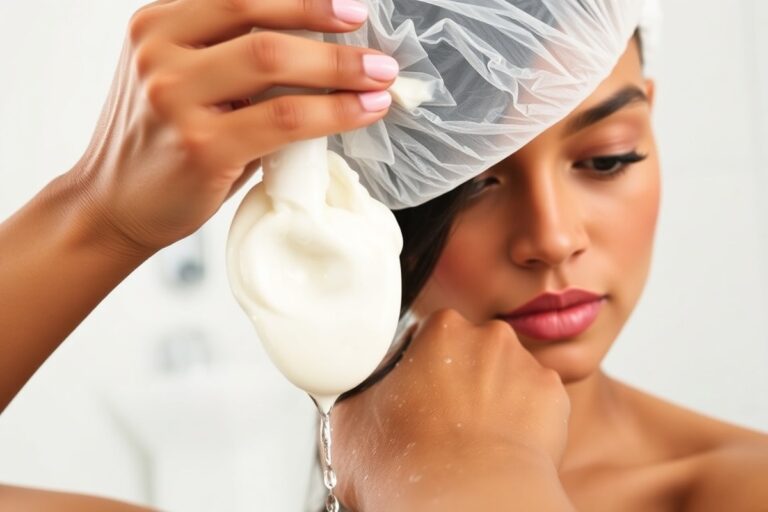
Rinse-out conditioners are the most common type. You apply them after shampooing and rinse them out after a few minutes. They smooth hair cuticles and reduce tangles, making hair softer and easier to manage.
These conditioners work especially well for normal to oily hair types. People with fine hair benefit from lightweight formulas to avoid weighing hair down. Richer versions suit dry or color-treated strands better.
Leave-In Conditioners
Leave-in conditioners stay on the hair without rinsing. They provide continuous hydration and extra protection throughout the day. These are great for dry, curly, or frizzy hair because they help lock in moisture.
You use just a small amount after washing and comb through damp hair. They help reduce breakage during styling and keep hair soft and smooth. Leave-in conditioners with light formulas prevent oily buildup.
Deep and Specialty Conditioners
Deep conditioners or hair masks provide intense repair for damaged hair. These conditioners have strong ingredients. You leave them on your hair 10 to 30 minutes.
After that, rinse them out well. This makes them ideal after heat styling or chemical treatments.
Protein conditioners fit damaged or weak hair that needs strengthening. Moisturizing deep conditioners work best for dry or color-treated hair. Choose one based on your hair’s porosity and condition to see the best results.
Co-Washing Explained
Co-washing means cleaning hair with only conditioner, skipping shampoo. It’s popular among people with curly hair who want to keep natural oils and reduce frizz. This method helps preserve your hair’s moisture balance.
Use a silicone-free conditioner for co-washing to avoid buildup. It’s good for dry or brittle hair but not ideal for oily hair or scalp issues. Co-washing requires occasional shampooing to remove residue and keep scalp healthy.
Here is a table that compares conditioner types. It shows what each type does. You can see who each type helps most.
| Type | Use | Best For | Application Time |
|---|---|---|---|
| Rinse-Out | Smooths and detangles, lightweight hydration | Normal, oily, fine, dry, color-treated | 1, 5 minutes, then rinse |
| Leave-In | Hydrates all day, protects, reduces breakage | Dry, curly, frizzy, damaged, fine with light formulas | No rinse, leave on hair |
| Deep Conditioning | Intensive repair, restores moisture and protein | Damaged, dry, chemically treated, weak hair | 10, 30 minutes before rinsing |
| Co-Washing | Cleans hair with conditioner only, preserves oils | Curly, dry, brittle hair | Apply and massage like shampoo; rinse |
For curly hair, leave-in and co-washing help maintain natural texture and moisture. Fine hair thrives with rinse-out and light leave-in products to avoid flatness. Damage calls for deep conditioners rich in proteins or moisturizers.
How Does Hair Conditioner Work on the Hair and Scalp?
Hair conditioners smooth the hair cuticle by coating it with a thin layer. This layer helps close the surface scales, making hair feel softer and look shinier.
When you apply conditioner, cationic surfactants in it stick to the negatively charged keratin in hair. This binding keeps the hair coated even after rinsing.
The hair cuticle is made of overlapping scales of keratin protein. When hair gets washed or damaged, these scales lift and roughen, causing frizz and tangling. Conditioners contain ingredients that “glue” these lifted scales back down.
Pack conditioners are thick and rich in surfactants. These surfactants bond tightly to your hair. They also help flatten the hair cuticles for smoothness.
Conditioners also replace natural oils, or sebum, that washing removes from hair and scalp. Without these oils, hair feels dry and brittle. Oils like argan and jojoba add moisture to your hair.
They create a protective layer on each strand. This helps reduce damage and dryness. They help reduce water loss and shield hair from damage caused by sun or heat styling.
Besides surfactants and oils, many conditioners have proteins like hydrolyzed keratin or ceramides. These ingredients penetrate the hair shaft and rebuild damaged keratin.
They strengthen hair by reconnecting the broken bonds between keratin fibers. This polymer crosslinking improves hair elasticity and reduces breakage over time.
Conditioners are usually acidic, which means they have a low pH. This acidity protonates amino acids on keratin, making hair fibers carry a positive charge.
Positively charged hair forms more hydrogen bonds between keratin scales, tightening the hair structure. This makes hair less prone to swelling in humidity and helps control frizz.
Scalp health also benefits from conditioner ingredients like niacinamide or caffeine. These actives improve circulation and balance scalp oils. Healthy scalp conditions support strong hair growth and prevent dryness or itching.
Some conditioners include UV filters for sun protection. These protect your hair from damage in long sun exposure. They help keep hair healthy outdoors.
What Ingredients Have Shaped Conditioner Formulas over Time?
Early hair conditioners used natural oils like Macassar Oil for shine and softness. These oils coated the hair, making it smoother and easier to comb. They also provided some protection against dryness and damage.
Silicones became popular in conditioners in the 1980s. Ingredients like dimethicone and amodimethicone gave hair better slip, extra shine, and heat protection. These compounds coat the hair shaft with a smooth, thin layer.
They do not weigh the hair down too much. This helps keep hair light and soft.
Modern conditioners often combine natural oils with synthetic polymers and silicones. This mix helps improve hair texture, manageability, and overall health. Actives like hydrolyzed proteins, panthenol (vitamin B5), and botanical extracts boost strength and moisture retention.
- Natural oils such as coconut and argan nourish and reduce frizz.
- Silicones provide heat protection and reduce split ends.
- Hydrolyzed proteins repair damaged hair cuticles.
- Panthenol locks in moisture and improves elasticity.
- Botanical extracts add antioxidants and soothe the scalp.
- Conditioning polymers improve smoothness and manageability.
- Deep conditioners deliver intense hydration for dry, brittle hair.
Spray conditioners often rely on lighter polymers for easy application without buildup. Deep conditioners, by contrast, focus more on nourishing oils and protein blends. You can pick a conditioner based on your hair type.
Some add more shine. Others give more moisture to your hair.
Use silicone conditioners sparingly if your hair builds up easily. Always rinse your hair well after conditioning. This helps prevent product buildup.
Conditioners coat the hair cuticle to reduce tangles and protect strands. The right mix of ingredients depends on hair needs, like moisture or heat defense.
Natural oils tend to penetrate well but can feel heavy. Silicones seal moisture and boost shine quickly.
How to Choose the Right Conditioner for Your Hair Type and Needs?
Choosing the right conditioner starts with knowing your hair type and what it needs most. You want a product that suits your hair texture and damage. Also, consider any special needs, like color treatment.
Choose a conditioner that fits these details well. Use a clear decision guide to avoid wasting money or leaving hair greasy or dry.
Assessing Your Hair Type
Your natural hair type influences how well a conditioner works. First, check if your hair is straight, wavy, curly, or coily. Texture ranges from fine to coarse and thick to thin, which affects moisture and oil balance.
Look for these signs to decide your type:
- Fine hair feels soft and looks thin.
- Coarse hair feels rough and looks thick.
- Curly or coily hair tends to be drier and frizzier.
- Oily hair feels greasy within a day or two after washing.
- Dry hair feels brittle or breaks easily.
This checklist helps pick the right conditioner for your hair. It avoids products that weigh hair down or make it dry. Follow it to get the support your hair needs.
Matching Conditioner Goals to Hair Needs
Choose conditioners based on what your hair needs right now. Dry hair benefits from moisturizing conditioners with ingredients like shea butter or oils. These add softness and reduce breakage.
Oily hair needs a lighter conditioner that won’t add extra grease. Water-based or volumizing products work well here. Curly hair thrives with rich, creamy conditioners that fight frizz and keep curls defined.
Color-treated hair requires conditioners designed to protect color and repair chemical damage. Protein-rich conditioners help strengthen hair with lots of styling or heat damage. Use these products once a week to avoid build-up.
Avoiding Common Mismatches
Using the wrong conditioner can cause limp, greasy, or weighed-down hair. Dry hair needs moisture, so avoid lightweight conditioners that won’t hydrate enough. Oily hair gets limp from heavy creams, so skip those.
Protein treatments shouldn’t be used too often on already strong, healthy hair. Too much protein can make hair stiff and brittle. Pick deep or protein conditioners only if your hair feels weak or breaks easily.
Try a simple routine first. Use your chosen conditioner on clean hair, focusing on ends unless scalp hydration is needed. Rinse with cool water to seal cuticles, making hair shinier and smoother.
What Common Mistakes Affect Conditioner Effectiveness?
Using too much conditioner can weigh your hair down and make it look greasy. Usually, a nickel-sized amount works for short to medium hair. For long or thick hair, use a quarter-sized amount.
Spread it evenly through your hair. Avoid using more than needed.
Applying conditioner directly to the scalp can cause buildup and make hair feel oily. Focus on the mid-lengths and ends where hair is driest. These areas soak up conditioner better, leaving hair soft without clogging pores.
Rinsing conditioner properly is key. Leaving it in causes hair to feel heavy and sticky. Rinse with lukewarm water.
Keep rinsing for at least 30 seconds. Make sure no residue is left or felt. Cooler water at the end can help seal the hair cuticle for shine.
- Use a small amount based on hair length and thickness.
- Apply conditioner from mid-length to ends, avoid the scalp.
- Leave conditioner in for 1 to 3 minutes, avoid over-waiting.
- Rinse thoroughly with lukewarm water for 30 seconds or more.
- End with a cool water rinse to smooth hair cuticles.
- Use heat like a warm towel or shower steam to help absorption.
- Incorporate conditioning after shampooing to restore hair pH balance.
Proper use takes just a few extra minutes after shampooing. Heat helps soften hair shafts to absorb conditioner better.
Rinsing well removes buildup that blocks follicles and dulls hair. Following these steps makes hair smoother, easier to comb, and healthier looking without weighing it down.
What Are Emerging Trends and Environmental Considerations in Conditioning?
Brands use natural and biodegradable ingredients to cut down waste and pollution. Ingredients like plant oils and biodegradable surfactants replace silicones and plastics. These natural options break down faster, reducing harm in water systems.
Silicones can coat hair well but build up on surfaces in oceans and rivers. Plastics, often microbeads or packaging, pollute waterways and harm wildlife. Avoid conditioners with non-biodegradable silicones like cyclopentasiloxane if you want to limit environmental damage.
New technologies focus on sustainability with personalized formulas and minimal packaging. Apps now analyze your hair type to suggest exact conditioner blends, reducing overuse and waste. Some brands use refillable or compostable containers.
These containers are made from plant-based plastics. They cost more but help reduce long-term impact.
In daily use, pick a conditioner that suits your hair and has natural ingredients. For example, curly hair needs extra hydration. Look for conditioners with shea butter or aloe vera.
Straight hair does well with lighter formulas that avoid heavy silicones. For sensitive scalp, seek fragrance-free options with mild plant extracts.
Switching to sustainable conditioner might cost about $1 to $3 more per bottle. But it supports cleaner water and ecosystems.
Check ingredient lists for terms ending in “-cone,” “-xane,” or “-siloxane” to spot silicones. Choose brands transparent about sourcing and ingredient breakdown.
Try diluting concentrate conditioners if you want to stretch use and lower packaging waste.
Step-by-Step Action Plan to Use Hair Conditioner Effectively
Follow these steps to see real improvements from your conditioner. Watch how your hair feels at each stage.
- Before washing: Choose a conditioner that matches your hair type and needs. Check for labels like “moisturizing” or “volumizing.”
- During shampooing: Rinse hair completely to remove shampoo. Conditioners work best on clean hair without residue.
- Right after you shampoo: Apply conditioner from mid-length to ends. Avoid the scalp unless it’s a scalp treatment to prevent greasiness.
- After applying conditioner: Leave it on for 2, 5 minutes. You should feel softness but not heaviness when rinsing out.
- After rinsing: Use cool water to close hair cuticles. This helps your hair look shiny and smooth.
- Once a week: Try a deep conditioner or hair mask for added moisture. Your hair should feel stronger and less frizzy.
- Daily care: Use a leave-in conditioner or detangler if hair feels dry or tangles easily. It keeps hair manageable and healthy-looking.
Frequently Asked Questions
When Was Hair Conditioner First Used Before the 20th Century?
Hair conditioner started in the 1800s with Macassar Oil, used to soften hair and bring out its shine before today’s products appeared.
Who Invented the First Commercial Hair Conditioner?
The first commercial hair conditioner was invented in the 1950s. It changed haircare by making conditioning products widely available and easy to use.
Why Did Hair Conditioner Become Popular in the 20th Century?
Hair conditioner became popular because it restored moisture and softness after frequent shampooing. This helped prevent dry, damaged hair in a growing hygiene-conscious world.
How Is Modern Hair Conditioner Different from Earlier Types?
Modern conditioners use advanced ingredients for specific hair needs. Earlier products like Macassar Oil mainly added shine and made hair manageable.
What Role Did Perfumers Play in Creating Conditioner?
Perfumers like Ed played a role by adding pleasant scents and smooth textures. Their work helped shape conditioners into appealing beauty products.
What Innovation Did Leave-In Conditioners Bring?
Leave-in conditioners let you condition without rinsing, saving time. They are less intense than wash-out types but help manage dry hair easily.
Before You Go
The first hair conditioner was made over 100 years ago. It helped make hair softer. It also made hair easier to manage.
Using the right type for your hair helps it stay healthy and smooth. Try the steps above and notice how your hair responds in just a few washes.