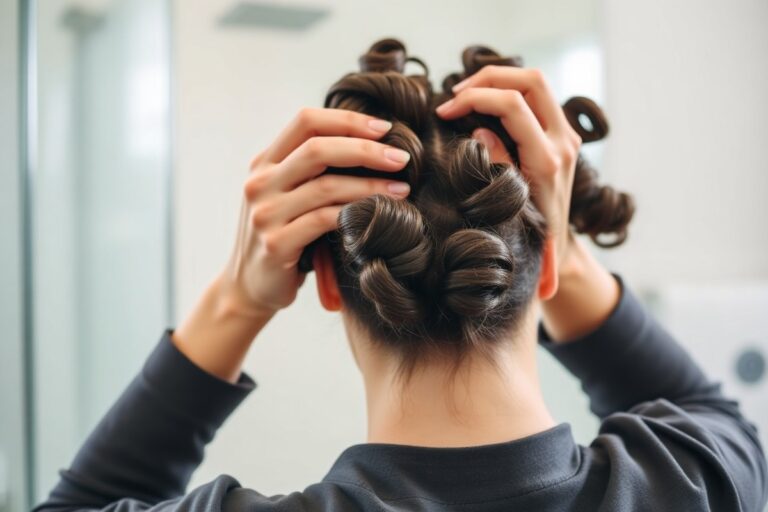
How to Deep Condition with Conditioner: Simple Steps for Fast, Lasting Results
Deep conditioning with conditioner adds moisture and shine to your hair. Start by shampooing, then apply conditioner from the ends upward.
Cover your hair with a plastic cap and leave it for 20 to 30 minutes. This helps the conditioner penetrate deep into the hair shaft.
Begin with damp hair to improve conditioner absorption. The plastic cap traps moisture and heat, making the treatment more effective. Use just enough conditioner to avoid greasy hair while keeping it soft.
Adjust conditioning time based on how damaged your hair is. Less damaged hair only needs 5 to 10 minutes of treatment. Heavily damaged hair benefits from 20 to 30 minutes to restore moisture and strength.
Key Takeaways
- Always shampoo your hair before applying deep conditioner to clear away oils.
- Apply conditioner starting from the ends and work upward toward the roots.
- Use a plastic cap to trap heat and boost conditioner absorption.
- Leave conditioner on for 20 to 30 minutes for best deep conditioning results.
- Adjust deep conditioning time if your hair is very damaged or fragile.
- Use simple, affordable conditioners or natural oils like shea butter for deep conditioning.
What Does Deep Conditioning with Conditioner Mean?

Deep conditioning uses a stronger product on your hair. It stays on longer to help your hair’s health. This gives your hair a bigger boost.
Deep conditioners have more agents than regular conditioners. They stay on your hair for 20 to 45 minutes. This is longer than usual conditioner use.
Keeping conditioner on longer lets nutrients sink deeper. It hydrates the hair shaft well. Your hair gets softer and stronger this way.
Regular conditioners work in just 1 to 5 minutes to give daily slip and basic moisture. Heat and time help open the hair cuticle. This lets the conditioner reach deeper inside.
It improves the effect of deep conditioning. Using heat like a warm towel helps the treatment.
A blow-dryer-warmed cap also works well. Heat makes hair more elastic and shiny.
Put deep conditioner on clean, damp hair first. Cover it with a cap or towel. Let it stay for 30 to 45 minutes under heat.
Follow the package directions if it says 20 minutes. Some deep conditioners need less or more time. This keeps your hair safe and cared for.
Deep conditioning takes longer than regular conditioning. It can replace your usual conditioner sometimes. The moisture it gives is deeper and lasts longer.
How to Deep Condition Hair with Conditioner at Home
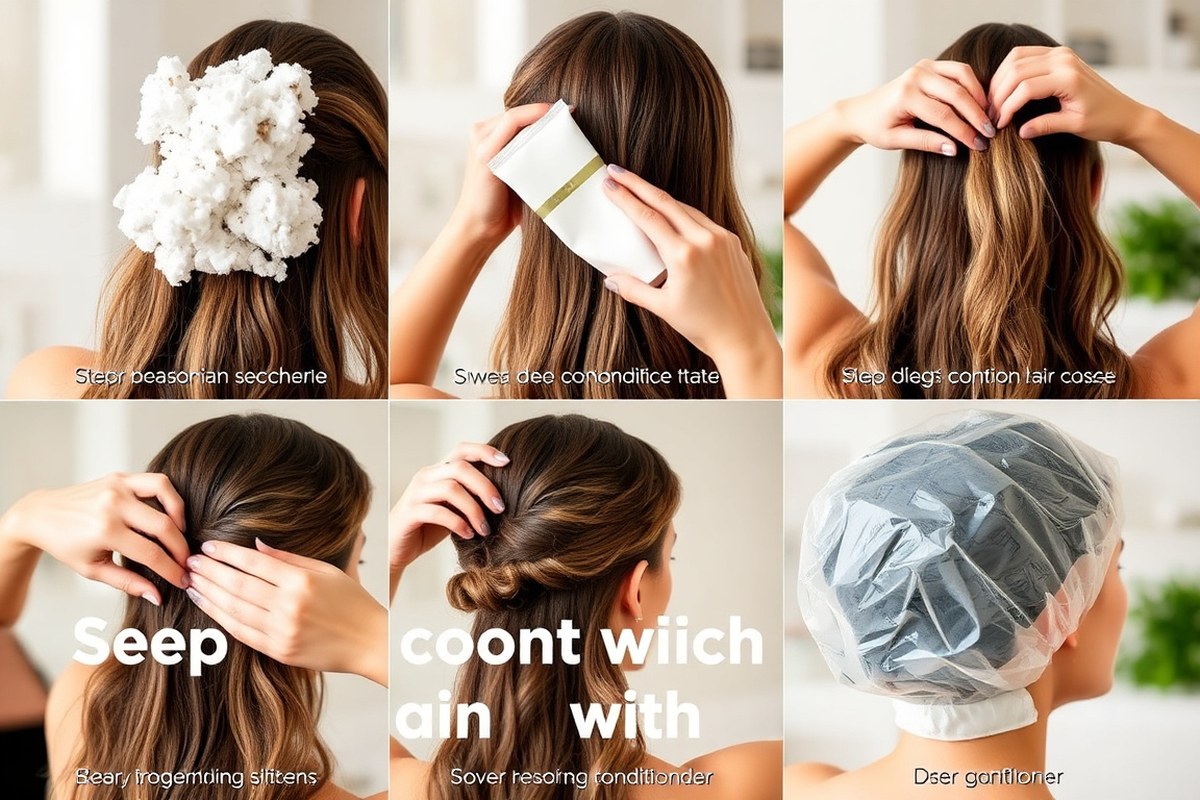
Start by washing your hair with shampoo and detangle it. Section your hair to make sure the conditioner gets applied evenly. Apply the deep conditioner mainly from the ends upward.
Cover your hair and wait 20 to 30 minutes. Rinse your hair with cool water.
Step 1: Shampoo and Detangle First
Begin by shampooing your hair to remove dirt and product buildup. This clears the hair and lets the conditioner work better underneath. After rinsing, gently detangle your hair with a wide-tooth comb to prevent breakage.
Detangling at this stage helps the conditioner spread evenly and prevents knots later. Use a gentle touch to keep hair smooth and avoid stress on wet strands.
Step 2: Section Hair into Manageable Parts
Squeeze out excess water so hair is damp but not dripping. Divide your hair into 3 to 4 sections using clips or hair ties. This makes it easier to apply conditioner evenly and thoroughly.
Working on smaller sections ensures each strand gets coated. You won’t miss spots or overload certain areas with product.
Step 3: Apply Conditioner Evenly from Ends Up
Start applying the deep conditioner at the ends of each section. These parts tend to be the driest and need the most moisture. Slowly work your way up toward the mid-lengths, avoiding the scalp.
Use enough conditioner to saturate the hair without weighing it down. A generous amount helps improve softness and shine after treatment.
Step 4: Cover Hair and Retain Heat for 20-30 Minutes
Once fully applied, gather your hair and cover it with a shower cap or plastic bag. The cover traps moisture and heat, helping the conditioner penetrate. Wrap a warm, damp towel over the cap to add gentle heat if you want.
Keep the treatment on for 20 to 30 minutes. This timing ensures deep moisture absorption without risking scalp irritation or product buildup.
Step 5: Rinse Thoroughly with Cool Water
Rinse the deep conditioner out with cool water to close the hair cuticles. This step locks in moisture and keeps hair smooth. Avoid hot water, which can dry out hair and reverse conditioning effects.
Make sure to rinse well to avoid leftover residue. Your hair may get oily, so shampoo lightly after rinsing. This removes any extra product.
- Shampoo and rinse hair to remove buildup.
- Detangle hair gently with a wide-tooth comb.
- Divide hair into 3-4 sections for easier application.
- Apply deep conditioner starting at ends, moving upward.
- Cover hair with plastic cap and optionally add heat.
- Leave on 20 to 30 minutes for best absorption.
- Rinse thoroughly with cool water, removing all product.
Use a wide-tooth comb when detangling after shampoo to reduce breakage and help lotion spread better.
How Long to Leave Conditioner in for Deep Conditioning
Leave deep conditioner in your hair for about 20 to 30 minutes. This time frame lets the product penetrate and work well. Check the label because some products need shorter or longer times.
Your hair’s damage level changes how long to leave the conditioner on. More damaged hair benefits from closer to 30 minutes. For less damage, 20 minutes is usually enough.
Color-treated hair needs gentle care, so use a sulfate-free deep conditioner. Stick to the recommended timing to protect your color. Going over time can weigh hair down or make it feel greasy.
Natural or curly hair often absorbs deep conditioner better, especially if it is dry. You might want to leave the conditioner near the roots for up to 30 minutes. Fine or virgin hair needs less time, around 15 to 20 minutes, to avoid heaviness.
Don’t leave the product in longer than advised just to speed results. Too long and your hair can feel limp or oily. Set a timer to keep track so accident-free conditioning happens every time.
Here’s a simple rule: start with the label instructions. Add 5 to 10 minutes if your hair is very dry or damaged. Stick to 20 minutes for normal hair and less for fine strands.
Keep your hair warm during deep conditioning. Cover your hair with a plastic cap or towel. The warmth helps ingredients soak in, so the timing feels just right.
Good results mean hair feels soft, smooth, and easier to comb. If your hair feels heavy or greasy, cut back on how long you leave in the conditioner next time. Proper timing helps your hair look healthier without weighing it down.
Choosing the Right Conditioner and Additives for Deep Conditioning
You don’t need a special conditioner to start deep conditioning. Regular conditioners work, but different types serve various needs and hair damage levels. Picking the right conditioner and additives boosts your results, making deep conditioning more effective.
Rinse-Out vs. Deep Conditioning Products
Regular rinse-out conditioners offer light moisture for daily care. Deep conditioning products are richer and thicker for more intensive repair. Using the proper type depends on your hair’s condition and damage.
Deep conditioners usually contain more oils and proteins that penetrate hair. They help seal the cuticle and lock in moisture better than typical conditioners.
For severely damaged hair, a rich cream formula gives the best results. Light conditioners suit everyday needs and fine hair.
| Product | Key Benefit | Ideal For | Texture / Weight | Not Ideal If… |
|---|---|---|---|---|
| L’Oréal Paris Elvive Total Repair 5 Damage Erasing Balm targets damaged hair types. It works on five major signs of hair breakage. After application, hair feels softer and looks more vibrant. | Deep restoration and cuticle smoothing | Severely damaged, over-processed hair | Rich cream | Extremely fine hair |
| L’Oréal Paris Elvive Total Repair 5 Power Restore Multi-Use serves multiple functions. It repairs visible damage while strengthening each strand. This product can be applied to both dry and wet hair. | Protein + moisture balance; versatile repair | Everyday damaged hair; all textures | Medium | Hair needing ultra-light hydration only |
Choosing the right conditioner prevents problems like limp hair or protein overload. Deep conditioners work best after shampooing on clean hair.
Popular Natural Additives and Their Benefits
Adding natural ingredients to your conditioner can boost its effect. Oils like coconut, olive, and avocado penetrate hair and deeply nourish it. These oils help your hair hold moisture and feel softer.
Another popular additive is plain Greek yogurt. It’s a natural source of protein that can strengthen hair when mixed with conditioner. Avoid additives without fatty acids if you want true deep conditioning benefits.
Natural honey blended with olive oil is a simple DIY treatment. It helps fight dryness and adds shine, though it takes 20, 40 minutes to work well.
Protein vs. Moisture Balance in Conditioners
Balancing moisture and protein is key for healthy hair. Dry, brittle hair usually needs moisture-rich products. Protein-based treatments are best for hair with damage or breakage.
Use protein conditioners every 4, 6 weeks to avoid overload. More frequent use of moisturizing conditioners suits dry hair, about once a week. Change your routine when hair feels limp or mushy.
That means you likely use too much protein or conditioner. Use less to keep hair healthy and strong.
Does Applying Heat Improve Deep Conditioning Results?
Heat helps conditioner soak deeper into your hair strands. It relaxes the cuticle, making your hair more open to absorb moisture. This means your hair can get more nourishment and stay softer longer.
You have a few affordable ways to add heat during deep conditioning. Use a warm towel wrapped around your head after applying conditioner. You can try a shower cap to trap heat on your hair.
Sit under a hooded dryer for 10 to 20 minutes. This helps soften the deep conditioner for better absorption. Room temperature heat from your body and bathroom steam also helps, but less intensely.
Microwaving a damp towel for about 30 seconds works well for towel warmth. Make sure the towel is warm, not hot, to avoid burning your scalp. Heated caps or thermal hair masks work well for steady heat.
You can find these products online. They apply heat without overheating or risks.
Keep heat use safe to avoid damage. Do not leave your hair under strong heat for more than 20 minutes. Too much heat can dry out your hair quickly.
It can also cause breakage. This is worse if your hair is damaged or treated. Always test any heating method on a small section first.
Applying moderate heat improves how conditioner reaches the hair’s inner layers. A warm towel can raise your scalp temperature to about 98°F. This temperature is gentle on your scalp.
It works well to help deep conditioners soak in. Hooded dryers often reach about 110-130°F, which improve penetration but needs careful timing.
Never use heat that feels uncomfortably hot on your scalp. Stick to warm to prevent scalp burns or hair damage.
How Often Should You Deep Condition Your Hair?
Deep conditioning once a week works well for most hair types. Your hair is healthy or slightly dry. This schedule keeps it soft and hydrated.
Those with straight or loose curls may like this as a baseline. It helps keep hair shiny and strong.
Hair that’s severely damaged or very dry needs more frequent care. Deep conditioning twice a week helps protect and repair breakage or split ends. Color-treated hair also benefits from this increased attention due to extra fragility and dryness.
You can overdo deep conditioning, which may leave hair limp or greasy. Avoid treatments longer than 30 minutes.
Don’t deep condition more than twice a week. The goal is to nourish without weighing hair down or causing buildup.
- Normal or low-damage hair: deep condition once per week
- Severely damaged, dry, or color-treated hair: twice weekly deep conditioning
- Use 20-30 minute treatment times for damaged hair
- Tight curls may need deep conditioning more often, depending on dryness
- Avoid leaving deep conditioner in overnight to prevent breakage
- Consistency is key: regular treatments improve hair texture and shine
Deep conditioning treatments cost about $2 to $5 for a small bottle of good conditioner. A shower cap can speed up results by locking in heat and moisture. This simple routine brings life back to dry or damaged hair.
You do it often to get good results. It won’t cost much or take long.
Signs Your Deep Conditioning Treatment Worked Well
After deep conditioning, your hair should feel noticeably softer and smoother. Run your fingers through it to check for fewer tangles and less roughness. Your hair might need more conditioning or a new product when dry.
Look closely at your hair’s shine and bounce. Healthy deep conditioning adds a natural sheen without making hair greasy or heavy. Dull, heavy hair can mean too much conditioner or long wait times.
Try styling your hair as you normally do to test its manageability. Well-conditioned hair is easier to comb, style, and holds curls better if you have them. Mushy, limp, or oily hair often means you’ve used too much conditioner.
Check the ends of your hair carefully since they often show the most damage. They should feel smooth and show less breakage after treatment. Dry, brittle ends need deeper conditioning more often.
Try richer oils too. Shea butter or avocado oil help strengthen and moisturize them.
To see clear improvement, deep condition weekly for two months. This schedule helps your hair gradually regain moisture and strength. Deep condition dry hair once or twice weekly.
This keeps moisture balanced. Avoid overloading your scalp with products.
Wear a shower cap or wrap your hair to keep the conditioner warm and active. This helps the product penetrate better, improving results in 5 to 30 minutes. Avoid leaving it too long as excess time can cause buildup and heaviness.
A good deep conditioning session leaves hair soft, shiny, and manageable. It should have no leftover residue.
You’ll notice fewer tangles, less breakage, and better bounce. Any sign of dryness, stiffness, or limpness means adjusting your routine or product choice.
Common Mistakes When Deep Conditioning with Conditioner and How to Fix Them
Deep conditioning with conditioner often goes wrong because of timing and product amount. Leaving conditioner on too short or too long can harm your hair. Follow the recommended contact time of 20 to 30 minutes for most hair.
Use 30 minutes for low porosity hair. This helps you get the best results.
Many people put conditioner on the scalp by mistake. They should apply it to mid-lengths and ends. That way, conditioner works better.
The roots usually don’t need heavy conditioning, which can make hair greasy and limp. Focus on nourishing the stressed parts, like dry tips, to avoid weighing your hair down.
Using too much product can cause buildup. Heavy, butter-based conditioners especially do this on fine or low porosity hair. Use less to avoid it.
That leaves your hair feeling coated and greasy instead of soft and light. Rinse well, but not with hot water as it can strip moisture and trigger more oiliness. Lukewarm water is best.
- Apply conditioner on wet, not soaking hair, for better absorption.
- Use a plastic cap or warm towel to keep heat in during the treatment.
- Pick lightweight, water-based conditioner for thin or fine hair.
- Skip heavy butters at least once a month if your hair is low porosity.
- Rinse thoroughly, making sure no residue is left behind.
- Note your hair texture before and after to track improvement or issues.
Don’t deep condition your scalp unless the product says it’s safe to avoid buildup and irritation.
Heavy, greasy feeling hair after deep conditioning usually means too much product or the wrong type. Cut back on the amount and switch to a lighter formula. Try spacing out treatments for better results.
Deep condition once or twice a month if you don’t clean hair often. This prevents product buildup.
Watch for coating or limpness as signs your routine needs adjustment. Skipping deep conditioner on roots can fix some problems. Use a smaller amount overall too.
This helps hair feel lighter and cleaner. Changing your timing and product can improve deep conditioning.
Adding gentle heat may also help. These steps avoid common mistakes and boost results.
Adjusting Deep Conditioning Routine by Hair Type and Condition
Deep conditioning needs change based on your hair type and condition. You can adjust how often you do it and what kind of conditioner to use. This helps fix problems like dryness, oiliness, or damage from coloring.
Deep Conditioning for Dry or Damaged Hair
Use a thick, creamy deep conditioner that includes oils and humectants. Apply it on damp hair after shampooing to lock in moisture better. Leave the conditioner on for 20 to 30 minutes.
Cover your hair with a shower cap to trap heat. This helps the treatment work better.
Doing this once a week can restore softness and reduce breakage. Avoid heavy silicones that weigh hair down and cause buildup. Also, try to detangle gently while the conditioner is in to stop further damage.
Best Practices for Oily Scalps
Focus on scalp health by choosing lightweight, non-greasy deep conditioners. You can apply yogurt or similar natural options to exfoliate and reduce excess oil. Apply mainly from mid-length to ends, not at the roots.
Rinse or shampoo first only if your scalp feels oily or dirty for better product absorption. Limit deep conditioning to once every two weeks to prevent more oil buildup. Avoid products with heavy oils or waxes that block pores.
Care Tips for Color-Treated Hair
Pick color-safe deep conditioners free from sulfates and parabens to protect your color. Use rich conditioners with antioxidants or UV protectors to guard against fading. Apply right after shampooing and leave on 15 to 20 minutes to boost hydration.
Deep condition once or twice a week to fix damage from chemicals and heat styling. Warm the conditioner slightly before use; this helps it penetrate color-treated hair better. Rinse with cool water to seal the cuticles and keep shine.
Protein and Moisture Balance
Your hair needs the right amount of protein and moisture to stay healthy. Dry, brittle hair benefits from protein-rich deep treatments.
But oily hair needs more moisture-focused products. For curly or coily hair, moisture is key to prevent frizz and breakage.
Adjust your routine based on how your hair feels after treatments. Switch to more moisturizing conditioners when your hair feels stiff or breaks easily.
Use protein treatments once every 3 to 4 weeks if your hair is damaged. Follow with moisture treatments to keep hair balanced.
Step-by-Step Action Plan for Deep Conditioning with Conditioner
Follow this simple plan to deep condition your hair well. Check your results as you go. Adjust if needed to improve effects.
- Before You Start: Choose a conditioner suited for deep conditioning and your hair type. Pick one with moisturizing or protein benefits depending on your hair needs.
- Day 1: Apply the conditioner evenly on damp hair after shampooing. Comb through to spread it well and cover all strands.
- After Application: Leave the conditioner on for 20 to 30 minutes. Use a shower cap or plastic wrap to trap heat. This warmth helps the conditioner work better. It’s a natural way to boost your treatment.
- After Rinsing: Rinse hair with lukewarm water to remove all conditioner. Your hair should feel softer and easier to detangle.
- Day 3: Try your usual styling routine. Notice if your hair feels smoother or less frizzy than before the treatment.
- Week 1: Do deep conditioning one or two times. Base it on how dry or damaged your hair feels. Adjust your timing if you see better results with longer or shorter times.
- Week 2: Evaluate if your hair feels stronger or more flexible. Next time, try adding heat with a warm towel. This can improve results if your hair still feels dry.
- After One Month: Decide if your routine needs changing. For oily hair, reduce frequency; for very dry or damaged hair, keep conditioning weekly.
Frequently Asked Questions
Can I Deep Condition Colored Hair Without Losing the Color?
Yes, use a color-safe deep conditioner to avoid fading. Choose one made for color-treated hair to keep your shade vibrant longer.
Is It Okay to Deep Condition Hair Every Day?
No, deep conditioning daily can lead to buildup and weigh hair down. Twice a week is usually enough for most hair types.
How Do I Know If My Deep Conditioner Is Working While on My Hair?
Your hair will feel softer and less tangled after rinsing. You might also notice a smoother texture and shinier strands.
Can I Use a Homemade Deep Conditioner Instead of a Store-Bought One?
Yes, natural ingredients like avocado and honey can nourish hair. Just be sure to rinse thoroughly and test for any scalp reactions.
Should I Deep Condition Before or After Using a Protein Treatment?
Deep condition after protein treatments to add moisture and prevent stiffness. It helps balance hair’s protein and hydration levels effectively.
Is It Necessary to Use a Plastic Cap When Deep Conditioning?
It helps trap heat and boosts conditioner absorption. Using a plastic cap can make your treatment more effective but isn’t mandatory.
Wrapping Up
Deep conditioning with the right conditioner helps your hair feel healthier and look better. Try starting with one treatment this week and watch how your hair reacts. Adjust as you go to find what your hair truly needs.