How to Straighten African Hair: 8 Effective Methods for Safe, Long-Lasting Results
How to straighten African hair safely starts with gentle care and the right tools. Deep condition your hair 2 or 3 days before with olive or coconut oil treatments.
They help keep your strands strong and hydrated. Always work on damp hair that’s not soaking wet to reduce breakage during straightening.
Choose the right temperature for your hair type. Coarse hair can handle higher heat but never above 400°F to avoid damage.
Tight coils take longer to style, so don’t push the heat too high. Apply heat protectant before straightening and use a good straightening cream afterward to keep hair sleek.
To make straightening last longer, wrap your hair in cling wrap. Then sit under a hooded dryer for 10 to 15 minutes.
This seals the style and protects your hair. No method makes hair perfectly straight every time, but these steps help avoid damage.
Key Takeaways
- Deep condition with olive or coconut oil 2-3 days before straightening.
- Use heat protectant and straightening cream to keep hair smooth and hydrated.
- Work on damp hair, not soaking wet, to prevent breakage.
- Do not exceed 400°F when using heat on coarse or tightly coiled hair.
- Cover hair in cling wrap and use a hooded dryer after treatment to seal results.
- Tight coils may need more effort but avoid pushing heat too high.
1. How to Straighten African Hair Safely at Home
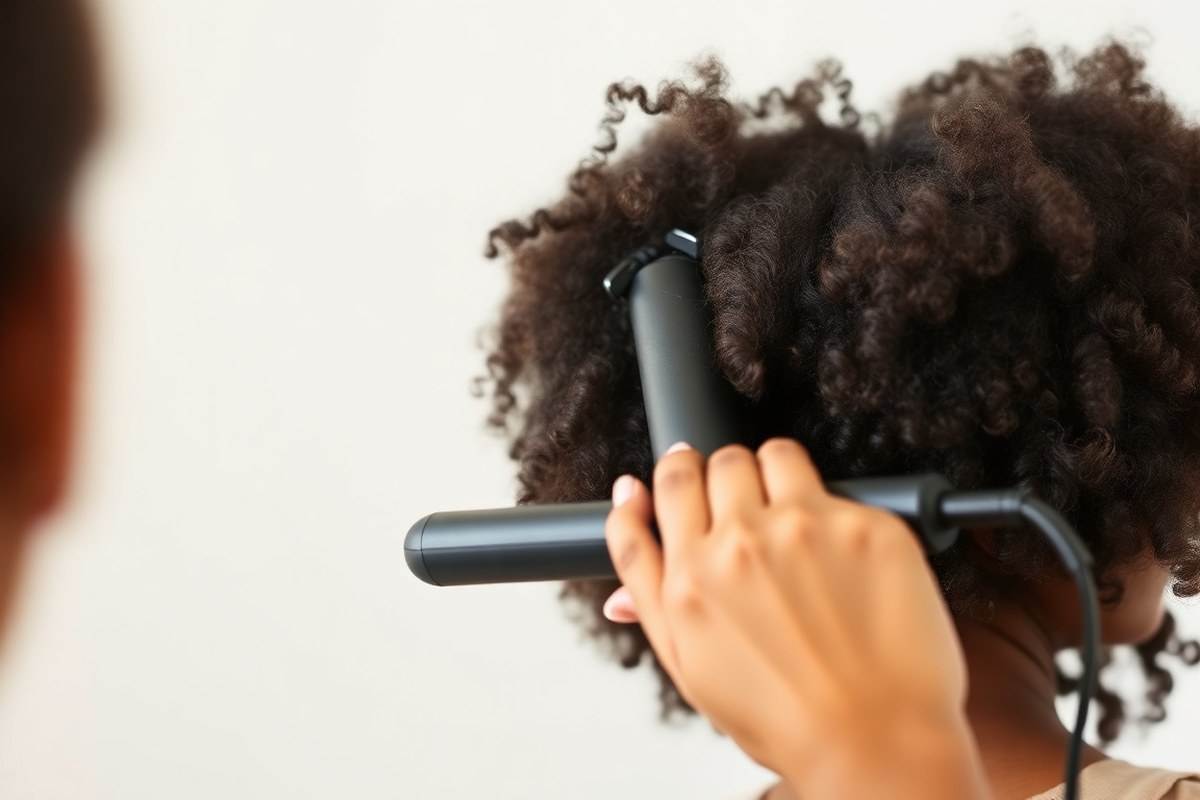
Straightening African hair at home means using heat tools carefully to avoid damage. You need to prep your hair before using heat. Use tools set at safe temperatures.
Follow with aftercare to keep hair smooth and strong. Follow specific steps to get straight hair that looks healthy without breaking or drying out.
Essential Hair Preparation Steps
Start by washing your hair with a moisturizing shampoo and conditioner. This adds necessary moisture, so hair won’t dry out under heat.
Use a deep conditioner several days before straightening. Dry heat makes hair weak and prone to break. Conditioner guards against damage.
Use a wide-tooth comb to detangle gently while your hair is damp. Avoid pulling or rough combing; this minimizes breakage before heat styling.
- Wash hair with moisturizing products and rinse thoroughly.
- Apply a deep conditioner and leave on for 20, 30 minutes.
- Rinse and towel-dry without rubbing.
- Spray a heat protectant evenly from roots to tips.
- Comb through hair to spread product and remove tangles.
- Blow-dry hair on a medium heat setting until fully dry.
Choosing and Using Heat Tools Correctly
Pick a flat iron or blow dryer with adjustable heat controls. African hair straightening works best between 300°F and 375°F. Higher heat risks damage, especially for finer or fragile strands.
Avoid using pure oils as heat protectants; they can fry hair. Instead, choose silicone-based protectants containing dimethicone or argan oil. These create a barrier that reduces heat damage and leaves hair shiny.
Work in small sections to allow even heat exposure. Slowly pass the flat iron once or twice per section to reduce stress. Don’t go over the same area repeatedly.
Post-Straightening Hair Care Tips
After straightening, apply a light oil or serum to seal moisture in. Products with Moroccan or argan oil work well for smooth, shiny hair.
Sleep on a satin or silk pillowcase to prevent friction that causes frizz and breakage. Wrap your hair loosely with a silk scarf if you want extra protection.
Limit heat styling to once or twice a week to reduce long-term damage. On other days, try heatless styling methods or let your hair rest.
2. Effective Heatless Methods to Straighten African Hair

Banding Method for Heat-Free Straightening
The banding method stretches natural hair without heat. It’s simple and keeps your curls elongated for days. This method can take about 30 minutes to one hour, depending on your hair length.
Start by dividing your hair into sections. Wrap elastic bands or hair ties along each section from root to tip. This will help keep your hair stretched.
Use several bands spaced evenly for best hold. Sleeping with the bands overnight helps lock in the straightened look.
- Wash and detangle your hair.
- Section your hair into 4 to 6 parts depending on thickness.
- Take a small section and place a hair band near the root.
- Add more bands spaced evenly down the length of the section.
- Repeat on all sections.
- Allow hair to dry completely before removing bands.
- Gently remove bands and style as desired.
The bands should not be too tight to avoid breakage and scalp pain.
African Threading Technique Explained
African threading straightens hair using thread wrapped around sections. This method is especially good for hair types 3C to 4A. It can take a few hours but leaves your hair stretched without heat damage.
The process tightens the hair in a stretched position. You can sleep with the threads in your hair overnight. Keep them on up to 24 hours for best results.
Remove gently when you take them out. It smooths curls while preserving hair health.
- Wash and lightly dampen your hair.
- Divide hair into small to medium sections.
- Take a piece of cotton thread and tie it at the root.
- Wrap the thread down the length of the hair, keeping it snug but not tight.
- Tie off the thread at the ends.
- Repeat on all sections.
- Let hair dry fully before unwrapping the threads.
Use soft cotton thread to prevent pulling and scalp irritation.
Roller Sets and Hair Wrapping Approaches
Roller sets shape hair while stretching it straight. You wrap your hair around rollers or your head and secure it. This method works well for creating volume with a stretched look.
Hair wrapping means combing wet hair flat against your scalp. Secure it with pins or a scarf. This helps keep your hair stretched and smooth.
Both methods take 1 to 3 hours to dry, or you can leave them overnight. They smooth the hair without heat.
- Start with clean, damp hair.
- For roller sets, section hair and roll each on a large roller.
- Secure with clips or pins.
- For wrapping, part dry hair to one side and comb it flat across the head.
- Tuck ends under and pin or tie with a satin scarf.
- Allow hair to dry completely.
- Remove rollers or scarf and gently style.
Dry hair fully to avoid frizz and maintain the stretched effect.
3. Comparing Straightening Methods: Heat, Chemical, and Natural
You can straighten African hair using heat, chemicals, or natural methods. Each way differs in cost, damage risk, duration, and upkeep needs. Knowing these differences helps you pick what fits your hair and budget.
| Method | How It Works | Cost | Damage Risk | Duration | Maintenance |
|---|---|---|---|---|---|
| Heat Styling | Uses flat irons or blow dryers to stretch hair | Low to moderate ($20-$100 for tools/products) | Moderate; frequent use weakens hair, causing breakage | 1 day to 1 week, depending on humidity | Use heat protectant; hydrating treatments after styling |
| Chemical Treatments | Softens keratin in hair shaft, permanently changing texture | High (about $800 to $1000 per salon visit) | High; scalp damage and breakage risk, permanent loss possible | Semi-permanent; lasts until new hair grows out | Salon touch-ups needed for new growth every few months |
| Natural Methods | Stretching, moisturizing, and mineral solutions without heat or chemicals | Low (cost of moisturizing products and time investment) | Low; gentle on hair and scalp | Temporary; lasts until next wash | Regular moisturizing and protective styling |
Heat styling is the most common fast method. It costs less but weakens your hair when used often.
Always use a heat protectant before styling your hair. Avoid very high temperatures above 350°F. This helps reduce damage to your hair.
Chemical straightening offers longer results but comes at a higher price. It changes hair texture permanently and can cause serious scalp and hair damage if misused.
Professional application is safest. You must plan for regular salon visits to touch up new growth.
Natural methods require patience and daily care but are safer overall. Using stretching techniques, moisturizing well, and avoiding heat protect your hair better in the long run. These methods can keep your hair healthy while temporarily reducing shrinkage and curl tightness.
4. How Hair Type Affects Your Straightening Method Choice
Your hair type shapes how you straighten natural African hair. Types 3a and 3b have loose curls that straighten easier. You can use moderate heat settings around 300°F with a flat iron.
Use lighter creams to protect your strands while straightening. This helps keep your hair safe from heat damage. For 3c hair, the curls are tighter, so the chase method is useful.
Comb each small section before running the flat iron over it. This avoids heat damage and helps smooth your hair. Taking this step makes a big difference in your results.
Types 4a, 4b, and 4c have very tight coils and need gentle handling. Use lower heat settings, around 280°F or less, with a ceramic flat iron. Protective products like blow-dry creams and anti-humidity sprays keep hair smooth and hydrated.
Bunning can stretch and straighten shoulder-length hair before applying heat to reduce exposure time. Thick and dense hair often needs two straightening passes.
Avoid using heat repeatedly on the same section. This helps prevent breakage and keeps your hair healthy.
Porosity affects how well your hair responds to straightening. High-porosity hair absorbs moisture quickly but loses it fast, requiring heavier moisturizing products before straightening. Low-porosity hair resists moisture.
Start with light leave-in conditioners on your hair. Heat helps open the hair cuticle for better product absorption. This improves how your hair absorbs the product.
Thickness also matters. Thick hair needs more time per section but use smaller sections for even heat distribution. Different textures require adjusting your technique to protect your hair while getting smooth, lasting straight styles.
5. Preparation and Protection to Minimize Hair Damage
Preparing your hair before straightening is key to preventing breakage and dryness. Start by washing your hair with a gentle shampoo, then apply a rich deep conditioner. Use a deep conditioner with olive or coconut oil.
Apply it 2 to 3 days before straightening. This softens your hair and helps protect it.
This timing gives your hair extra moisture and strength. Coarse or thick hair especially benefits from this to keep strands strong and flexible.
Before using any heat, make sure your hair is completely dry. Air dry or use the cool setting on your blow dryer. Wet or damp hair can suffer serious damage with hot tools.
After drying, apply a heat protectant spray, cream, or serum evenly on your strands. These products form a shield, cutting down protein loss and split ends from the straightener’s heat.
- Deep condition 2-3 days prior to straightening
- Use oil-based deep conditioners like coconut or olive oil
- Ensure hair is 100% dry before using heat tools
- Apply a heat protectant product evenly on hair
- Pre-stretch hair by gently blow-drying or banding
- Handle hair gently to avoid unnecessary breakage
Pre-stretching your hair before straightening helps too. Blow-dry your hair loosely on low heat. Or use the banding method to stretch your hair.
Both ways prepare your hair for straightening. This step reduces the amount of heat needed to straighten. Remember, high heat levels increase drying and breakage.
Don’t skip deep conditioning or heat protectant steps; they make a big difference.
Investing in good products might cost between $10 to $30 each. But they often last many uses. Pay attention to how your hair feels after prepping.
It should feel soft, strong, and smooth, not brittle or rough. Skip straightening if your hair feels dry or weak to prevent damage.
6. Maintaining Straightened African Hair for Longer Results
Keeping your hair straight between washes means you need good moisture and less friction. Use a lightweight leave-in moisturizer or smoothing serum right after straightening. A small amount, about a quarter-sized dollop, helps your hair stay hydrated without weighing it down.
Wrapping your hair at night stops your style from reverting. Grab a satin or silk scarf and wrap your straightened hair every night before bed. This protects the strands from rubbing against cotton pillowcases, which causes frizz and breakage.
Protective styles like low buns or loose braids keep your hair stretched longer. Don’t pull too tight; tension might cause breakage or leave dents. Try twisting your hair sections loosely.
Pin them up with soft clips. This locks in your straight style easily.
Use anti-frizz products to keep your hair smooth all day. For type 3 hair, which frizzes more, an anti-frizz cream designed for curls works well. Thicker hair benefits from heavier serums or pomades that smooth flyaways without making hair stiff.
Reapply a light heat protectant before touch-ups with a flat iron. Set your iron to medium heat, around 350°F to 375°F. So the hair doesn’t burn. Limit touch-ups to avoid damage while maintaining the sleek look.
Not washing your hair too often helps hold the style. Shampooing every 5 to 7 days keeps natural oils and moisture in your scalp.
Refresh your straight hair between washes by misting water lightly. Then use a smoothing product to seal it in.
7. Common Straightening Mistakes and How to Fix Them
Signs of heat damage on African hair include dryness, frizz, and split ends. Over-straightening can leave hair weak and prone to breakage. You might notice uneven texture or a loss of natural curl pattern too.
Burns from hot tools cause redness on your scalp or scalp pain. To avoid burns, keep the flat iron moving, never resting it on one spot. Hold the iron around 350°F for fine hair.
Use up to 400°F for coarse hair. Don’t set it any higher than 400°F. Use a heat protectant spray every time you straighten.
Breakage often happens when hair is brittle or stretched too much. Don’t brush wet hair hard before straightening; instead, gently detangle with a wide-tooth comb. Avoid straightening more than once or twice a week to give hair time to recover.
- Use a heat protectant before styling
- Set flat iron between 350°F to 400°F
- Work in small sections for even heat
- Keep the flat iron moving, never hold too long
- Limit straightening frequency to 1, 2 times weekly
- Keep hair moisturized and avoid tight pulling
- Detangle gently with a wide-tooth comb before heat
Start deep conditioning every week when your hair gets damaged. Look for products with proteins and natural oils like shea butter or coconut oil. Trim split ends to prevent further damage.
Give your hair a break from heat for a few weeks. You can also use moisturizing leave-in treatments to help restore softness. Severe damage or scalp pain needs advice from a licensed hairstylist.
8. When to Seek Professional Help for Straightening African Hair
Booking a professional is best for chemical straightening or advanced heat techniques. These methods need skill to avoid damage or uneven results. Knowing when to seek help keeps your hair healthy and looking great.
Professional vs. DIY Straightening
Chemical relaxers and keratin treatments can permanently change hair structure. Applying these at home risks burns, breakage, or uneven texture. Professionals have training to test your scalp, pick proper products, and control timing.
Heat tools like flat irons are safer for home use if you protect your hair well. Techniques like a silk press need careful sectioning by a stylist. Heat control is also important.
Final styling completes the look. Most home tools don’t achieve the same sleekness or shine.
Choose a pro if you want quick, even results with minimal risk. Avoid doing complex chemical treatments yourself, especially if you lack experience or knowledge.
Choosing a Skilled Salon Specialist
Start by searching salons with experience in natural and afro-textured hair. Ask about stylists who specialize in chemical treatments for Black hair. Look for reviews mentioning smooth, damage-free results.
Call ahead to discuss your hair type and the service you want. A good stylist will recommend tailored treatments and show you before-and-after photos. Prices usually range from $70 to $200 depending on the service and location.
Before the appointment, test with a strand or patch to check for sensitivity or reaction. A skilled specialist always does a consultation first.
They also do a patch test. This protects your scalp and hair.
Safety Tips for Chemical Treatments
Never apply chemical relaxers or straighteners without patch testing first. Watch for burning, itching, or redness. Stop immediately if any discomfort happens during or after application.
Follow product instructions exactly, especially timing on the scalp and hair. Professionals use protective cream and timing controls to limit scalp burns and over-processing. Chemicals left on too long cause permanent damage or hair loss.
After chemical straightening, moisturize and avoid heat for several days. Protein treatments help rebuild hair strength. Don’t repeat chemical treatments more than every 6 to 8 weeks to prevent breakage.
Always do a patch test before any chemical straightening to spot allergic reactions early.
Your Straightening Routine: Step-by-Step Action Plan
Follow these steps to straighten your African hair safely and keep it healthy.
- Before You Start: Wash and deep condition your hair. Healthy hair handles straightening better.
- Day of Straightening: Apply a heat protectant evenly. You’ll see less breakage and dryness later.
- Straightening Session: Use a ceramic flat iron on medium heat. Straighten small sections slowly to avoid damage.
- After Straightening: Seal moisture with a light oil or serum. Your hair will stay smooth and shiny.
- Night Routine: Wrap your hair in a satin scarf or bonnet. It helps reduce frizz and keeps hair straight.
- After One Week: Refresh your hair with a light mist of water and leave-in conditioner. This helps maintain softness.
- After Two Weeks: Avoid heat. Try heatless styling to give your hair a break.
- Weekly Care: Deep condition once a week. It repairs any damage and keeps hair strong.
Frequently Asked Questions
What Is the Best Way to Prep African Hair Before Straightening?
Wash your hair thoroughly and deep condition 2-3 days before. Using olive or coconut oil-based conditioners helps protect and soften hair strands for better straightening results.
Can I Straighten African Hair Without Using Flat Irons or Heat?
Yes, you can use heatless methods like wrapping, braiding, or bunning. These styles stretch your natural curls and reduce shrinkage. They keep your hair healthy and avoid heat damage.
How Often Should I Deep Condition African Hair When Straightening Regularly?
Deep condition at least once a week if you straighten often. This keeps hair moisturized, reduces dryness, and helps prevent breakage caused by repeated heat exposure.
What Are the Signs That My Hair Is Too Damaged to Straighten Safely?
Your hair may be too damaged if it feels brittle. It often breaks easily or has split ends. In those cases, rest and repair your hair before heat styling again to avoid more harm.
How Can I Keep My Straightened African Hair Looking Smooth Longer?
Wrap your hair with a silk or satin scarf at night. This helps reduce frizz and protects against moisture loss. Your straightened style lasts longer without constant heat touch-ups.
Is It Possible to Safely Straighten 4C Hair at Home Without Professional Help?
Yes, but take time to learn your hair type and prep carefully. Using proper heat settings and protection helps avoid damage when straightening 4C hair on your own.
Before You Go
Straightening African hair needs care and patience to stay healthy. Start with protection and gentle techniques. Your next step is to pick the method that fits your hair type and lifestyle best.