Can Dry Shampoo Cause Dandruff? What You Need to Know to Avoid Flakes
Can dry shampoo cause dandruff? The short answer is no.
Dry shampoo doesn’t directly cause dandruff but can create conditions that encourage flakes. Overusing it may leave buildup that irritates your scalp over time.
Dandruff happens when extra oil and skin flakes mix on your scalp. A fungus named Malassezia also plays a role in this. These things together cause dandruff.
Dry shampoo absorbs oils but lacks antifungal ingredients to control this fungus. Using it too often can trap oil and dead skin rather than wash them away.
To avoid flakes, spray your dry shampoo 6 to 10 inches away. Use a light hand when spraying. This helps keep flakes away.
Let it absorb for at least two minutes before brushing or styling. Don’t use dry shampoo more than two days in a row.
Key Takeaways
- Hold the spray at least 6 inches from your scalp for even coverage.
- Use dry shampoo no more than two days consecutively to avoid irritation.
- Massage dry shampoo gently into roots to help oil absorption.
- Let dry shampoo sit for two minutes before brushing out.
- Remember dry shampoo doesn’t contain antifungal agents to fight dandruff.
- Regularly wash your hair to remove buildup dry shampoo can cause.
Does Dry Shampoo Directly Cause Dandruff?

Dry shampoo does not directly cause dandruff. Dandruff comes from a skin condition often linked to a yeast overgrowth on your scalp. Dry shampoo only absorbs oil and doesn’t treat this underlying cause.
What often trips people up is the white powder that dry shampoo leaves behind. This residue can look like dandruff flakes. It happens if you spray too much.
Not blending it in well also causes this. These flakes are just leftover product, not true dandruff.
True dandruff flakes come from dead skin cells. Sometimes they come from fungus. Dry shampoo does not cause these flakes.
However, using dry shampoo without washing your scalp regularly can lead to product buildup. This buildup can irritate your scalp and might make actual dandruff or flaking worse.
You can tell the difference by how your scalp feels and flakes behave. Dry shampoo flakes usually brush off easily and don’t itch much. Real dandruff flakes tend to be smaller, sometimes oily, and often cause scalp itchiness or redness.
Leaving dry shampoo on too long can dry your scalp. Using it every day without washing also causes dryness. Dry scalp can cause flakes like dandruff.
These flakes come from dryness. It is not the same fungal problem.
Dandruff shampoos work by loosening flakes and controlling fungal growth. But dry shampoo lacks these effects.
Use dry shampoo only sometimes. Wash your hair fully every few days. This helps avoid confusion about flakes.
This keeps residue from building up and stops irritation. Washing also clears away oil and dead skin that cause true dandruff.
Knowing these differences helps you spot if flakes come from dry shampoo or actual dandruff. This matters because the treatments differ.
Flakes from dry shampoo need cleansing. True dandruff might need specialized shampoos and care.
What Exactly Is Dandruff and How Does It Form?

Dandruff is a common scalp condition causing flakes and itchiness. It forms when the scalp sheds skin cells faster than usual. This accelerated shedding often results from irritation, oil buildup, or specific fungi.
A key factor in dandruff is the Malassezia fungus. This yeast-like fungus naturally lives on your scalp. When it grows too much, it irritates skin cells.
This causes the cells to shed in clumps. You then see visible flakes on the scalp.
This fungus lives on scalp oil, called sebum. It breaks sebum down into substances. These substances irritate your scalp.
That irritation speeds up skin cell shedding, showing up as dandruff flakes. Shampooing habits influence this process by affecting oil levels and buildup.
Dandruff differs from dry scalp in its cause and appearance. Dry scalp results from lack of moisture and feels tight or rough without much oil.
Dandruff often looks oily or greasy with larger, white or yellow flakes. Dry scalp flakes are usually smaller and less oily.
Dandruff involves fungal activity on your scalp. Shampoos with antifungal ingredients like ketoconazole help. Zinc pyrithione also works to control dandruff.
Dry shampoo doesn’t have these ingredients, so it won’t treat or prevent dandruff. Overusing dry shampoo may trap oil on your scalp.
This causes buildup that can irritate your scalp. The irritation looks like dandruff symptoms.
Use dry shampoo only on a clean, dry scalp. Avoid using it every day. This stops buildup and scalp irritation.
How Dry Shampoo Interacts with Your Scalp
Dry shampoo works by soaking up oil on your scalp and hair. It doesn’t actually wash your scalp. This can lead to residue buildup and sometimes irritation.
How Dry Shampoo Absorbs Oil
Dry shampoo usually comes as a spray or powder. It uses ingredients like starches or clays to soak up sweat and oil. This leaves hair looking less greasy without water.
Dry shampoo soaks up the oil instead of rinsing it away. It leaves a thin layer of powder on your scalp. This powder stays behind after you use it.
This layer can sit on your scalp and hair until you wash it out. That residue can change how your scalp feels and behaves.
Common Irritating Ingredients to Watch
Some dry shampoos contain chemicals like butane, propane, or synthetic fragrances. These can dry out or irritate your scalp. Alcohols and preservatives in foams also risk causing dandruff or flaking.
Look for gentle, natural absorbents if you have a sensitive scalp. Ingredients like rice starch or kaolin clay absorb oil without much irritation. Avoid products with harsh chemicals if your scalp often feels itchy or flaky.
Why Buildup Happens and Its Impact
Frequent dry shampoo use can lead to buildup. Oil and powder residue collect on your scalp and hair strands. This buildup can clog follicles and trap sweat and dirt.
When follicles clog, it creates an environment where yeast like Malassezia can grow. This yeast is linked to dandruff and scalp irritation. Buildup also changes your scalp’s balance and may cause itching or flaking.
You need to clean your scalp regularly to prevent buildup. Letting buildup sit can make dandruff worse and cause sensitivity. To reduce buildup and irritation, follow these steps when using dry shampoo:
- Spray or apply dry shampoo only on your roots where oil collects.
- Use just enough product; don’t over-apply or saturate your scalp.
- Massage the product gently into your scalp to distribute it evenly.
- Brush your hair after a few minutes to remove excess powder.
- Limit dry shampoo use to no more than twice a week for most people.
- Wash your hair with a gentle scalp shampoo every few days.
- Avoid dry shampoo if your scalp feels inflamed or itchy until it heals.
Safe Usage Guidelines to Prevent Dandruff from Dry Shampoo
Using dry shampoo the right way helps keep your scalp healthy and free from dandruff. Stick to the recommended limits for using dry shampoo. Use the right way to apply it.
Always remove any leftover residue afterward. These steps reduce flake buildup and scalp irritation.
Recommended Frequency and Time Limits
Limit dry shampoo use to a few times a week to avoid scalp problems. Using it daily or without washing your hair regularly can cause buildup and irritation. Dermatologists usually suggest not exceeding three months of continuous dry shampoo use.
Taking breaks from dry shampoo helps your scalp breathe and recover naturally. Overuse can dry out your scalp and hair shafts, causing flakiness and itchiness. Regular shampoos with gentle formulas are better for cleaning and maintaining scalp health.
Proper Spray Distance and Application Technique
Hold the dry shampoo can 6 to 10 inches away from your scalp before spraying. Spraying too close can lead to overly thick deposits that irritate your skin. Aim for an even mist over your hair roots, especially on oily spots.
Gently massage your scalp after spraying to distribute the product evenly. Don’t rub hard to avoid damaging hair follicles. Let the dry shampoo sit for a few minutes to absorb oils before styling.
How to Blend and Remove Residue
Use your fingers or a brush to blend dry shampoo into your hair well. This prevents visible white flakes that can look like dandruff. Make sure you reach all areas with buildup, focusing on roots and hairline.
Thoroughly wash your hair every few days to remove dry shampoo residue. Skipping regular washes leads to product buildup, irritation, and possible dandruff. Use a gentle shampoo that does not strip moisture to keep your scalp balanced.
Follow these steps to apply dry shampoo without harming your scalp:
- Shake the dry shampoo can well before use to mix ingredients.
- Spray from 6 to 10 inches away, targeting oily areas on your roots.
- Let the product sit for 2 to 3 minutes to absorb excess oil.
- Gently massage your scalp with fingertips to spread the powder.
- Use a brush or comb to work the dry shampoo through your hair evenly.
- Avoid applying dry shampoo more than 2 or 3 times per week.
- Wash your hair with a gentle shampoo at least every 2 to 3 days.
- Give your scalp breaks from dry shampoo for a month after 3 months of regular use.
Identifying and Managing Dry Shampoo Buildup Versus True Dandruff
Flakes from dry shampoo buildup usually look powdery and white. Dandruff flakes tend to be yellowish or oily and stick to the scalp.
You can test this by gently rubbing flakes between your fingers. Buildup feels dry and chalky, while dandruff feels greasy or oily.
Buildup happens when dry shampoo dust mixes with sebum and dead skin. This can block hair follicles and irritate your scalp. Over time, this irritation may worsen dandruff or scalp inflammation.
- Brush your hair thoroughly to remove loose flakes.
- Use a gentle shampoo to cleanse scalp twice a week.
- Apply a scalp scrub once weekly to dissolve buildup.
- Rinse with warm water, about 90°F, to open pores.
- Avoid dry shampoo for several days if buildup feels heavy.
- Pat your scalp dry with a soft towel, don’t rub.
- Use a medicated shampoo if flakes persist after clearing buildup.
When washing, focus on massaging your scalp with fingertips. This helps lift buildup without irritating skin. Using too hot water or harsh brushes can worsen irritation and flakes.
True dandruff usually requires medicated shampoos or treatments to control. Removing buildup properly gives those treatments a better chance to work well. You should clear buildup before using dandruff products.
Buildup can block dandruff products from reaching your scalp. It might also make your scalp drier than usual.
Keep your scalp clean and avoid overusing dry shampoo to prevent irritation and worsening flakes.
Best Dry Shampoo Types and Ingredients for Sensitive or Dandruff-Prone Scalps
Not all dry shampoos are equal when it comes to sensitive or dandruff-prone scalps. Some can cause irritation, making flakes worse instead of better. Choosing one with gentle, safe ingredients reduces this risk and can even soothe your scalp.
Dry shampoos with talc, alcohol, or artificial fragrances often irritate scalp skin. They strip natural oils or dry out your scalp, which leads to more flakes. Switching to sulfate-free, fragrance-free options may help stop scalp irritation over time.
Some dry shampoos include ingredients that calm your scalp. These can also help control flaking. They aim to reduce dandruff symptoms.
Still, most dry shampoos focus on oil absorption. So picking the right product and using it lightly matters a lot. Trying a few dry shampoo brands might help you avoid flakes.
Some products cause irritation or buildup that triggers flaking. Switching brands could reduce this issue.
| Dry Shampoo Type | Key Ingredients to Look For | Ingredients to Avoid | Best For | Typical Cost Range |
|---|---|---|---|---|
| Sulfate-Free Powder | Rice starch, arrowroot powder | Talc, alcohol, synthetic fragrance | Sensitive scalp, mild dandruff | $8, $15 per bottle |
| Botanical Extract Sprays | Green tea, chamomile, aloe vera | Alcohol, silicone, fragrance | Scalp soothing, dry scalp relief | $10, $20 per bottle |
| Medicated Dry Shampoo | Pyrithione zinc, salicylic acid | Fragrance, talc | Dandruff control, itchy scalp | $12, $25 per bottle |
| Basic Oil Absorbers | Silica, starch | Alcohol, fragrance, talc | Oil control, normal scalp | $5, $12 per bottle |
Look for dry shampoos with fewer chemicals and no drying alcohol. They cause less irritation and keep your scalp calm. Using a medicated dry shampoo with zinc pyrithione can help.
This ingredient is common in dandruff shampoos. It fights flakes tied to scalp conditions.
To reduce flakes, try switching brands if you notice worsening scalp issues. A gentler formula or different ingredients often make a difference. Massaging your scalp when applying dry shampoo also helps avoid buildup and improve scalp health.
Natural Home Remedies for Flakes Linked to Dry Shampoo Use
Natural remedies can help reduce flakes and soothe scalp irritation from dry shampoo. They often balance scalp oils and fight mild fungal issues. Using these treatments gently and regularly gives the best chance to clear flakes without harsh chemicals.
Coconut Oil for Scalp Moisturizing
Coconut oil locks in moisture and softens dry patches on your scalp. It helps prevent dryness that dry shampoo can cause, which leads to flakes. Applying it as an overnight treatment lets it deeply nourish your skin.
Take 1 to 2 teaspoons of coconut oil and massage it into your scalp. Put on a shower cap to cover your hair and wait 6 to 8 hours or sleep with it overnight.
Use your normal shampoo to wash it out fully. So you don’t get dandruff buildup.
- Use pure, cold-pressed coconut oil for best quality
- Apply twice a week but skip if your hair gets very oily
- Massage gently to stimulate blood flow and loosen flakes
- Comb hair after application to spread the oil evenly
- Avoid leaving oil on the scalp for more than 12 hours
Watch for any irritation or excess greasiness. Remove oil fully to prevent clogged pores and flake buildup.
Apple Cider Vinegar Rinse Benefits
Apple cider vinegar (ACV) helps balance your scalp’s pH and reduce dandruff symptoms. It clears leftover dry shampoo and oil that flakes cling to. ACV’s acidity fights yeast growth, a common dandruff trigger.
Mix 1 part ACV with 3 parts water after shampooing. Pour the mixture evenly over your scalp. Let it sit for 5 minutes.
Rinse thoroughly with cool water. Repeat this once or twice a week for relief.
- Always dilute ACV to prevent scalp burns
- Avoid rinsing daily if you have very sensitive skin
- Use a spray bottle for easy application without mess
- Follow with a mild conditioner to avoid dryness
- Stop use if you feel itching or redness increase
ACV can sting slightly at first but usually calms irritation fast. Don’t use undiluted vinegar directly on your scalp.
Lemon Juice as a Natural Astringent
Lemon juice tightens pores and reduces excess oil, helping fight flakes. Its natural acidity can remove buildup from dry shampoo and soothe scaling. It works best for oily scalps prone to dandruff flare-ups.
Rub 2 teaspoons of fresh lemon juice gently onto your scalp. Let it sit for about 5 minutes, then rinse well with lukewarm water. Use this treatment once a week to avoid overdrying.
- Use fresh lemon juice, not bottled for better potency
- Apply lightly, too much can dry or irritate your scalp
- Avoid sun exposure immediately after treatment to prevent burns
- Combine with honey for an extra soothing effect
- Skip if you have open sores or very sensitive skin
Lemon juice can brighten your scalp but watch for stinging or redness. It’s a strong astringent best used with care.
Essential Oils to Soothe Irritation
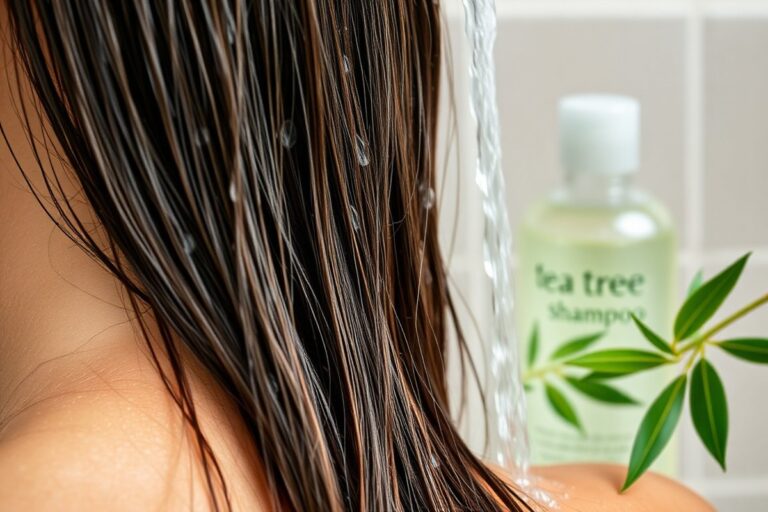
Some essential oils reduce scalp inflammation and fight fungus softly. Tea tree oil has antibiotic and antifungal properties. Green tea extract nourishes the scalp and can reduce oiliness linked to dandruff.
Mix 3 to 5 drops of tea tree or green tea oil with 2 tablespoons of jojoba oil. Stir well before applying to your scalp.
Massage it into your scalp and wait 20 minutes before washing. Use once or twice a week to calm irritation.
- Always dilute essential oils to prevent skin irritation
- Test on a small skin patch before full application
- Do not use essential oils if you’re pregnant or nursing without advice
- Store oils in a cool, dark place to keep potency
- Discontinue if scalp becomes red or itchy
Essential oils can be powerful and must be used carefully. Dilution keeps your scalp safe while you get relief.
When to See a Dermatologist for Scalp Issues Related to Dry Shampoo
Notice if your dandruff worsens after using dry shampoo for more than two weeks. Check for increased redness, itching, or visible flakes that don’t improve with regular shampooing. These signs suggest your scalp may have seborrheic dermatitis or folliculitis instead of simple dandruff.
True dandruff often causes flakes and mild itchiness. But seborrheic dermatitis brings inflammation and greasy patches.
Folliculitis shows small red bumps or pimples around hair follicles. Keep track of these symptoms as you use dry shampoo to spot a problem early.
Stop using dry shampoo immediately if your scalp becomes red, swollen, or painful.
See a dermatologist if scalp problems don’t improve after weeks. Come back if your scalp issues get worse over time. They can diagnose and suggest treatments for your scalp.
They can confirm the diagnosis by examining your scalp and possibly taking a skin sample. Professional treatments may include medicated shampoos, topical steroids, or antifungal creams, depending on the problem.
Here’s what to watch for to decide if it’s time to see a doctor:
- Persistent dandruff that lasts more than four weeks
- Scalp redness, swelling, or pain
- Hair loss or thinning around irritated areas
- Severe itching that disrupts daily activities
- Appearance of sores, bumps, or pus-filled lesions
- Flakes that look oily or yellowish instead of dry and white
A dermatologist can suggest prescription treatments not available over the counter. A dermatologist visit may cost $100 to $300 without insurance. It could save you time and stop frustration.
This cost varies by location and the doctor’s fees. Good treatment usually stops symptoms from getting worse in 2 to 4 weeks.
This helps your scalp heal properly and hair to regrow. Patience matters as hair growth takes time after healing.
Step-by-Step Action Plan to Prevent Dandruff from Dry Shampoo
Follow this plan to keep your scalp healthy while using dry shampoo. Track each step to spot any scalp changes early.
- Before You Start: Check the ingredients of your dry shampoo for irritants. Pick one with gentle, natural oils and no alcohol.
- Day 1: Apply dry shampoo sparingly to oily areas only. Notice if your scalp feels itchy or dry.
- Week 1: Shampoo your hair at least twice a week to remove buildup. Your scalp should feel cleaner without flakes.
- Week 2: Use a scalp brush gently while shampooing to lift residue. Your scalp should feel less tight and irritated.
- Week 3: Test a gentle natural remedy, like aloe vera gel, after dry shampoo use. Check if flakes reduce or scalp soothes.
- After 1 Month: Assess how often you use dry shampoo and adjust if flakes return. Aim for no more than twice a week.
- Ongoing: Monitor your scalp for redness or pus, which may signal infection. See a dermatologist if these appear.
Frequently Asked Questions
Can Dry Shampoo Buildup Be Mistaken for Dandruff?
Yes, dry shampoo buildup often looks like dandruff but is from product residue. Proper washing can clear it up, unlike dandruff, which needs scalp treatment.
Does Dry Shampoo Affect Scalp Oil Production?
Dry shampoo absorbs oil but can cause your scalp to produce more oil later. This rebound oil might encourage flakiness if you use dry shampoo too often.
Can Dry Shampoo Worsen Existing Dandruff?
Yes, using dry shampoo on an already flaky scalp can worsen dandruff. Buildup blocks moisture, so cleanse your scalp regularly if you use dry shampoo.
Is Frequent Dry Shampoo Use Linked to Scalp Irritation?
Using dry shampoo too often can irritate your scalp and cause dryness or itching. This irritation might look like or trigger dandruff.
Do Dry Shampoos with Natural Ingredients Reduce Dandruff Risk?
Natural ingredients may be gentler but don’t stop dandruff fully. They still need proper scalp care and washing to prevent flakes.
Can Switching Dry Shampoo Brands Help with Flaky Scalp Issues?
Changing brands can help if your current one clogs your scalp or causes dryness. Look for formulas designed for sensitive scalps.
The Bottom Line
Dry shampoo can cause scalp flakes if overused or if your scalp is sensitive. Using it carefully with breaks helps most people avoid dandruff. Try adjusting your routine today to give your scalp a better chance to stay healthy.