What Does Mousse Do for Hair? A Complete Guide to Volume, Hold & Style
What does mousse do for hair? It adds volume, hold, and control to your style.
Mousse helps lift your roots and keeps strands in place without feeling hard or sticky. It also tames frizz and makes hair easier to manage throughout the day.
This product works best when you apply it to damp hair first. That way, it distributes evenly and locks in moisture as your hair dries. Always pick a mousse that fits your hair needs.
Choose moisturizing or thickening types. Use the one that suits your hair best.
Mousse is lighter than gels and creams. It gives a soft hold. It won’t weigh your hair down.
You can use it on most hair types for a natural look. But applying too much can cause buildup. Start small and add more only where needed for the best results.
Key Takeaways
- Apply mousse to damp hair for even distribution and long-lasting volume.
- Use mousse sparingly to avoid sticky buildup or weighed-down hair.
- Choose alcohol-free mousse formulas to prevent dryness and damage.
- Thicker mousses work well for fine or thin hair needing extra density.
- Mousse smooths frizz and helps define curls without stiffness.
- Let mousse dry fully before styling with heat tools like rollers.
What Does Mousse Do for Your Hair and How Does It Work?

Hair mousse is a lightweight foam designed to add volume, hold, and curl definition. It lifts hair at the roots, making it appear fuller without weighing it down. The foam spreads easily through your hair.
It dries in place. It gives a natural, flexible hold without stiffness or crunch.
The volume comes from mousse’s airy foam that coats hair strands evenly. This coating creates space between strands, which adds body and bounce.
Polymers in mousse form a thin film on hair that supports shape and curl without heaviness. So your hair feels light and moves naturally.
Mousse can also tame frizz and define curls by smoothing hair cuticles. It slows moisture exchange with the air, reducing the puffiness caused by humidity.
For curls, mousse helps hold the drying pattern so curls stay separated and defined after styling. Using a diffuser to dry hair after mousse application improve this effect.
This product works well on all hair types but especially on fine or curly hair. Fine hair benefits because mousse adds root lift without flattening. Curly hair feels softer with frizz control and curl shaping.
It holds your style well enough to last all day. It peels away softly. That way, you can restyle without trouble.
The cost of mousse varies from around $5 to $15, which is reasonable for the benefits. Using about a golf-ball-sized amount is typical, adjusting for hair length.
Overuse can leave hair feeling sticky or coated and dull the bounce. So apply in moderation and distribute evenly by scrunching or lifting at roots as you style.
How to Properly Apply Mousse for Best Results by Hair Type
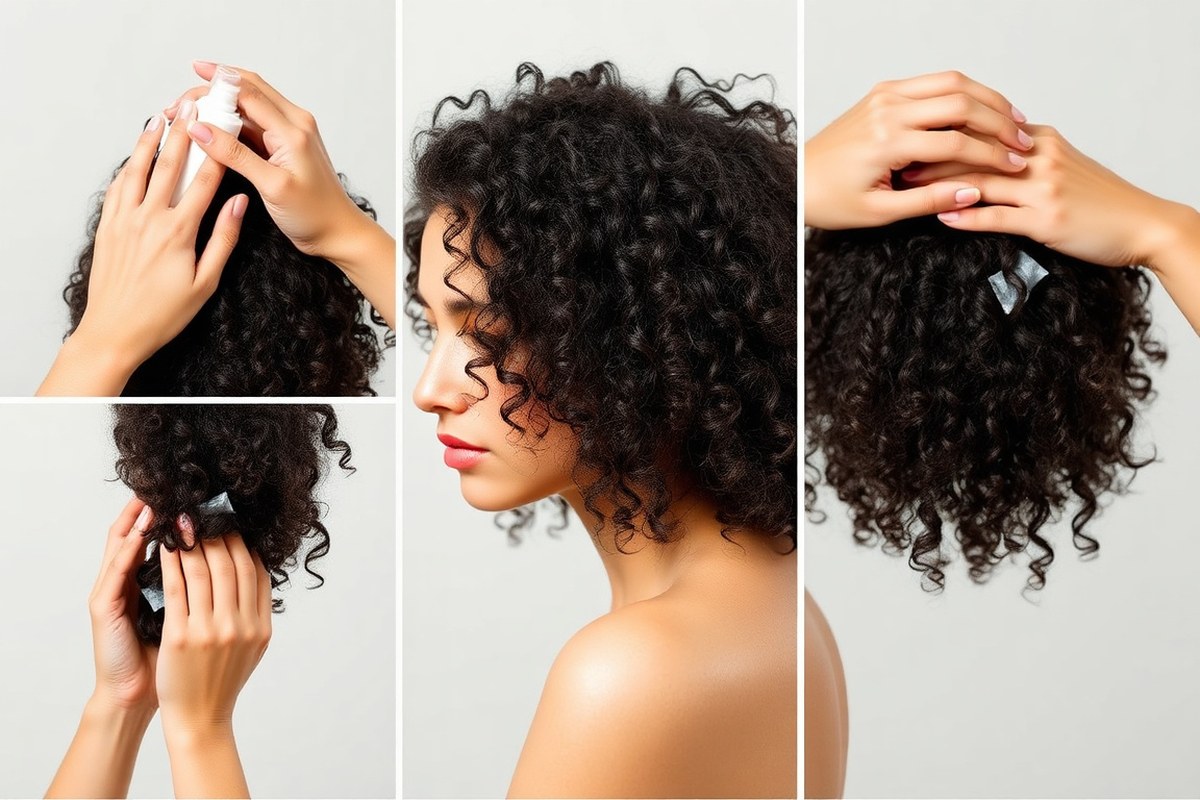
Apply mousse to damp hair for the best hold and volume. Use less mousse on fine hair and more on thicker or curly hair. Adjust your technique based on hair type for natural results.
Applying Mousse on Damp Hair
Start with clean, towel-dried hair that is damp but not soaking wet. Mousse works best when it soaks into the hair shaft.
Avoid too much water, or it gets diluted. Apply mousse immediately after drying your hair gently with a towel.
Divide your damp hair into small sections to ensure even mousse coverage. Take a small amount of mousse on your palm.
Use about the size of an egg for medium-length hair. Work the mousse through each section from roots to tips using your fingers.
- Wash and towel-dry your hair until damp.
- Divide hair into small sections for even application.
- Dispense a small amount of mousse on your palm.
- Run fingers through hair sections from root to tip.
- Lightly scrunch hair if it’s curly or wavy.
- Allow mousse to set a few minutes before styling.
- Blow-dry or air-dry depending on your preferred style.
Never apply mousse to completely dry hair; it won’t spread evenly or hold well.
Techniques for Fine and Straight Hair
Use a light-hold mousse focused mainly at the roots to add volume. Start with a small amount, about a quarter-sized dollop for short fine hair. Too much product weighs hair down and makes it look greasy.
Lift hair sections at the roots. Apply mousse evenly with your fingertips.
Blow-dry with a round brush to lift the roots while drying. This technique helps create body without stiffness or stickiness.
Tips for Curly and Textured Hair
After your leave-in conditioner, apply mousse section by section to your damp hair. Use a good amount of mousse, about an egg-sized dollop for curls.
This helps hold and define your curls. Scrunch the mousse into your curls firmly upward to improve texture.
Avoid combing after mousse application to prevent frizz. Let hair air dry or use a diffuser on low heat. This preserves the curl pattern and prevents puffiness or damage.
Using Tools: Diffusers, Blow Dryers, and Fingers
Blow dryers with diffusers work best for curly or wavy hair. They help reduce frizz and boost curl shape.
Use fingers or a wide-tooth comb to gently separate curls without breaking them up. For straight hair, a round brush with a blow dryer lifts the roots and smooths lengths.
Allow mousse to fully dry before applying heat styling tools like curling irons or straighteners. This locks in hold and prevents damage. Always start on a low heat setting and use heat protectant sprays for safety.
Which Hair Types Benefit Most from Mousse and Why?
Mousse suits almost every hair type but shines best with fine, curly, or wavy hair. It adds volume to limp strands and defines curls without weighing hair down. Choosing the right formula matters, especially for textured or damaged hair.
Mousse for Fine and Limp Hair
Fine and limp hair benefits the most from mousse’s volume boost. It lifts strands without adding heaviness, so your hair looks fuller. Use a lightweight mousse to keep hair bouncy and avoid buildup that can flatten your style.
Apply about a golf ball, sized amount on damp hair. Focus on roots for extra lift, and gently comb through. Blow-dry your hair upside down to maximize volume and hold.
Mousse Benefits for Curly and Wavy Hair
Mousse helps curly and wavy hair keep shape and fight frizz. It improve your hair’s natural texture by holding waves and curls softly. Wavy hair needs mousse with medium hold to keep the pattern without stiffness.
For curly hair, use a hydrating mousse that tames frizz and defines curls. Work the mousse from roots to ends evenly, then scrunch your hair. Air-dry or use a diffuser on low heat to maintain bounce.
Using Mousse on Coarse or Damaged Hair
Coarse or damaged hair can benefit from mousse formulas with moisturizing ingredients. These mousses help reduce frizz and protect strands during styling. Avoid mousses with high alcohol content as they can dry out hair further.
Apply mousse sparingly on damp hair and spread it evenly. Use a wide-tooth comb to detangle and a diffuser if you blow-dry. Ideally, look for mousses with added hydration to support hair health.
Limitations for Very Straight or Oily Hair
People with very straight hair can use mousse but may not need much volume. Too much mousse can make straight hair feel stiff or sticky. For oily hair, mousse can add unwanted buildup and make hair greasy faster.
Use a small amount of lightweight mousse on damp hair only at the roots. Avoid heavy or oil-based mousses that weigh hair down. Washing hair regularly will help prevent residue and maintain a fresh look.
This table shows how mousse works for different hair types and what to watch out for.
| Hair Type | Main Benefit | Recommended Mousse Feature | Application Tip |
|---|---|---|---|
| Fine/Limp | Volume boost, lift | Lightweight, volumizing | Apply to roots, blow-dry upside down |
| Curly/Wavy | Define curls, reduce frizz | Hydrating, medium hold | Scrunch evenly, air-dry or diffuse |
| Coarse/Damaged | Frizz control, moisture | Moisturizing, low alcohol | Apply sparingly, use wide-tooth comb |
| Very Straight | Light hold, body | Lightweight, minimal product | Small amount at roots only |
| Oily | Volume without buildup | Oil-free, lightweight | Use sparingly, wash regularly |
The right mousse adds volume to your hair. It shapes curls softly. It also adds body without making hair heavy.
The secret is picking the right formula. Use the right amount for your hair’s texture. Match it to what your hair needs.
Watch for drying ingredients if your hair is coarse or damaged. Keep your amounts low if you have oily or straight hair.
Differences Between Mousse, Gel, and Cream Styling Products
You’ll find that mousse, gel, and cream styling products serve different roles. Mousse adds volume and light hold without weighing hair down. Gel delivers a firm, stiff hold but can feel crunchy or sticky.
Cream styling products smooth and control frizz. They don’t provide much hold but give softness and shine instead. Your hair type and style determine the best choice for volume or frizz control.
| Product | Texture | Hold Level | Best Use Cases | Hair Types Suited |
|---|---|---|---|---|
| Mousse | Light, airy foam | Medium hold without stiffness | Adding volume, shaping curls, controlling frizz | Fine to medium, curly to wavy hair |
| Gel | Thick, sticky liquid or cream | Strong, stiff hold | Sleek hairstyles, tight updos, defined styles | All hair types requiring firm hold |
| Cream | Rich, smooth lotion | Light hold or none | Smoothing, frizz control, adding shine | Dry, coarse, or thick hair |
Think of mousse as the middle ground between gel and cream. It gives shape and volume without that heavy or crunchy feel. Mousse works better than gel or cream for bouncy curls.
It also helps control frizz well. Use mousse to get both curl and smoothness.
You can mix mousse with gel or cream, but with care. Use mousse first to boost volume.
Then apply gel or cream sparingly for extra hold or smoothness. Overapplying can weigh hair down or create flakes.
Mousse shines in styles needing lift and bounce. For pulled-tight or slick looks, gel outperforms mousse at hold. Softness and shine matter most.
Cream is the best choice for that. Choose by your style goals and hair texture for best results.
Choosing the Right Mousse for Your Hair Type and Styling Needs
Start by knowing your hair texture: fine, thick, curly, or straight. Fine hair needs lightweight mousse with flexible hold to avoid weighing hair down. Thick or curly hair benefits from stronger hold mousse that adds moisture and controls frizz.
Look for mousses listing conditioners and nourishing oils like castor oil or marshmallow root. These ingredients protect and hydrate.
Avoid mousses with high alcohol content, as they dry out hair and cause damage over time. Alcohol-free or natural mousses are gentler and better for keeping hair healthy.
Decide what you want the mousse to do: boost volume, define curls, or tame frizz. For volume, pick a mousse with polymers geared for lift and body.
Curl definition requires mousses designed to lock in shape without stiffness. If controlling frizz is a priority, choose a moisturizing mousse with smoothing elements.
- Choose lightweight mousse for fine or limp hair
- Go for moisturizing and strong-hold mousse for curly or thick hair
- Pick alcohol-free mousse to protect hair health
- Target volume with polymers that add body
- Select curl-specific mousse for lasting definition
- Use mousse with frizz-fighting ingredients for smoothness
- Check ingredient list before buying to avoid drying agents
Applying too much mousse can weigh down hair and reduce volume. Start with a golf ball-sized amount and add more only if needed. Focus on roots for lift or ends and mid-length for curl definition and frizz control.
Use a small amount of mousse at first to avoid heavy, sticky hair that looks flat.
Common Mistakes When Using Mousse and How to Fix Them
Using too much mousse can weigh your hair down or make it stiff. This happens because excess mousse dries into a hard layer and traps moisture unevenly. It also makes hair feel sticky or crunchy, which most people want to avoid.
Applying mousse to completely dry hair often causes a sticky or stiff texture. The best way is to work mousse into hair when damp. Avoid using it on hair that is dripping wet.
It works better this way. This allows the product to spread evenly and activate its volume-boosting ingredients.
Sometimes mousse pills or rolls off hair during application. This usually signals silicone buildup from other products.
A clarifying shampoo before you use mousse can remove this buildup and help mousse hold better. Skipping this wash can also cause dryness or frizz, especially if your mousse has alcohol.
- Use a golf ball-sized amount for medium-length hair
- Apply mousse to damp, towel-dried hair only
- Distribute mousse evenly starting at the scalp to ends
- Scrunch hair gently after mousse dries to soften stiffness
- Clarify hair weekly to avoid buildup and improve mousse hold
- Choose mousse with conditioning agents for frizzy or dry hair
- Avoid daily mousse use if your scalp feels dry or itchy
Overusing mousse causes buildup that weighs hair down and dulls shine. Alcohol in mousse can dry hair out when overapplied. So limit how often you use it.
Your hair might feel dry or frizzy after using mousse. Try a hydrating shampoo and mousse made for frizzy hair. This can help manage dryness.
When hair feels stiff or crunchy after mousse dries, gently scrunch your hair with your hands. This breaks the hard layer mousse forms and returns softness. Avoid layering mousse on top of other heavy products to prevent this problem too.
How to Combine Mousse with Other Styling Products and Tools
You can use mousse together with hair oils or serums to get smoother, shinier strands. Apply mousse on damp hair first to add volume and hold.
Then apply a small amount of oil or serum to the ends. This helps prevent frizz without weighing your hair down.
Mousse works well before heat styling or air drying, especially if it contains heat protectants. Many mousses have special coatings to shield hair from blow dryers or flat irons.
Spray heat protectant if your mousse doesn’t have one. Next, dry your hair with a diffuser or brush and dryer.
Styling tools can boost mousse’s effects. A diffuser spreads heat evenly and keeps curls bouncy when blow-drying. Use a wide-tooth comb or round brush to shape hair.
Do this while drying for straight looks. Avoid heavy brushes that can flatten your volume.
- Apply mousse on damp hair from roots to ends
- Add serum or oil to hair ends after mousse
- Use heat-protectant mousse or spray before heat styling
- Dry hair with a diffuser for curls or volume
- Use a round brush for smooth, lifted styles
- Air dry mousse-treated hair for natural waves
- Avoid layering too many heavy products with mousse
Mousse is lightweight, so it doesn’t leave residue or make hair stiff. Use it alone for a soft hold or stack it under sprays for extra control. Keep in mind that too many products can weigh hair down.
So balance your routine accordingly. Air drying with mousse often brings out natural waves more naturally than blow drying.
Choose a mousse with proteins and conditioning oils if your hair needs moisture and protection. You can let your hair air dry after applying mousse. Or use a blow dryer for quicker styling.
The effects of mousse are temporary. You may need to refresh your style during the day. Use a little product or a light mist of water.
How to Maintain and Refresh Styled Hair with Mousse Throughout the Day
Mousse can hold your style for most of the day, typically 6 to 8 hours. You can refresh curls without adding a lot of mousse. Lightly dampen your hair.
Then scrunch it to bring back volume. Washing out mousse every 1 to 3 days keeps your scalp healthy and prevents buildup.
Signs Mousse Needs Refreshing
Your hair may start to lose volume or curls might look flat and lifeless. Frizz can begin to creep in, making your style less defined and more unruly.
When hair feels stiff or sticky, you likely used too much mousse. Sometimes, you just need to refresh it gently.
Your scalp may feel itchy or oily after days of mousse buildup. This is a common sign of product build-up. These signs show you should wash your hair soon.
Washing keeps your scalp healthy. It also gives you a fresh start styling your hair. Refreshing should feel like a light boost, not a full restyle.
Techniques to Revive Volume and Curls
Lightly mist your hair with water until it’s just damp, not soaking wet. After dampening, scrunch your hair upwards toward the scalp. This reshapes curls and brings back their bounce.
A tiny amount of mousse can be added if needed. But start with less than a teaspoon.
Use your fingers to gently separate and define curls without crushing volume. Avoid combs or brushes that can cause frizz or flatten your style.
- Spray water on hair evenly for gentle dampness
- Scrunch curls from the tips toward the roots
- Apply a pea-sized amount of mousse if curls need extra hold
- Use fingers to separate curls carefully
- Avoid heavy products that weigh hair down during refresh
- Let hair air dry or use a diffuser on low heat
These techniques revive curls and volume without the need for washing or heavy products. This approach also controls frizz and preserves your original styling effort.
Don’t over-moisturize when refreshing; too much water flattens volume and dulls curls.
When to Wash Out Mousse for Scalp Health
Washing your hair every 2 to 3 days prevents product buildup on the scalp. You sweat a lot or exercise often.
You might need to wash your hair sooner to avoid itchiness and buildup. Frequent washing preserves scalp health and prevents clogged pores.
Use a gentle shampoo that removes mousse without stripping natural oils. Avoid washing too often because this can dry out your hair and damage curls. Keeping a balanced routine helps your hair stay healthy and look its best with mousse styling.
Step-by-Step Action Plan for Using Mousse Effectively
Follow these steps to use mousse well. Know your hair type. Match styling needs with mousse techniques.
- Before Styling: Start with clean, towel-dried hair. This helps mousse spread evenly and work better.
- Immediately After Washing: Shake the mousse can. Squeeze a golf-ball size amount into your palm.
- Application: Spread mousse evenly from roots to ends. Use fingers or a wide-tooth comb to distribute it.
- For Fine Hair: Focus mousse at roots for volume without weighing hair down. You’ll notice instant lift at the scalp.
- For Curly or Thick Hair: Work mousse through mid-lengths to ends. It shapes curls and fights frizz. Curls should feel soft and springy after drying.
- Styling: Blow-dry hair using a diffuser or your fingers to shape your look. Mousse should give body and hold without stiffness.
- Finishing: Use a small amount of serum or hairspray. This adds shine and hold. It won’t cause crunchiness.
- Touch-ups During the Day: Dab mousse on dry spots. Scrunch hair to lift roots and tame flyaways.
Frequently Asked Questions
Can Mousse Add Volume to Thin Hair?
Yes, mousse can make thin hair appear fuller and thicker. It coats hair strands to add body.
It lifts hair from the roots. This gives the look of more volume.
Does Mousse Help Control Frizz?
Mousse smooths the hair shaft to reduce frizz, especially on coarse hair. It creates a light barrier that tames flyaways without weighing hair down.
Can You Use Mousse on Dry Hair?
You can apply mousse on dry hair. But damp hair gives better hold and results. On dry hair, mousse offers light control and helps refresh styles quickly.
Is Mousse Suitable for Curly Hair?
Mousse defines and improve curls without crunchiness. It helps curls keep their shape and reduces frizz while adding bounce.
How Long Does Mousse Hold a Hairstyle?
Mousse typically holds styles through a full day but isn’t as stiff as gels. Reapplying lightly can refresh and maintain shape if needed.
Does Mousse Damage Hair If Used Daily?
Mousse isn’t usually damaging if used properly and washed out regularly. Avoid heavy buildup by not over-applying and cleaning hair thoroughly.
The Bottom Line
Mousse adds volume, texture, and hold while keeping hair soft. Try applying mousse right after washing for best results. Watch how your hair feels and adjust the amount to find your perfect balance.