Is Kitsch a Clean Brand? Honest Facts About Its Cruelty-Free & Vegan Status
Kitsch is a clean brand that is cruelty-free but not fully vegan. Some of its products include animal ingredients, so it’s not 100% vegan. The brand focuses on clean beauty and ingredient transparency.
Kitsch holds certifications like Leaping Bunny and PETA cruelty-free. Their shampoo bars come in paper boxes, replacing two to three plastic bottles. This switch reduces plastic waste and pollution.
They partner with 4ocean to clean waterways. For each shampoo bar sold, they remove plastic equal to one bottle. This helps keep oceans and rivers cleaner and healthier.
The shampoo bars last up to 100 washes at about 16 cents per wash. Using them when hair is mostly dry gets the best use. Kitsch offers a solid option for cleaner, eco-friendly hair care.
Key Takeaways
- Kitsch is cruelty-free but some products contain animal-derived ingredients.
- One shampoo bar replaces two to three plastic shampoo bottles.
- Bars last up to 100 washes, costing about 16 cents per use.
- Use shampoo bars on mostly dry hair for best performance.
- Kitsch has Leaping Bunny and PETA cruelty-free certifications.
- Every shampoo bar sold supports 4ocean cleanup efforts.
Is Kitsch a Clean and Cruelty-Free Brand?
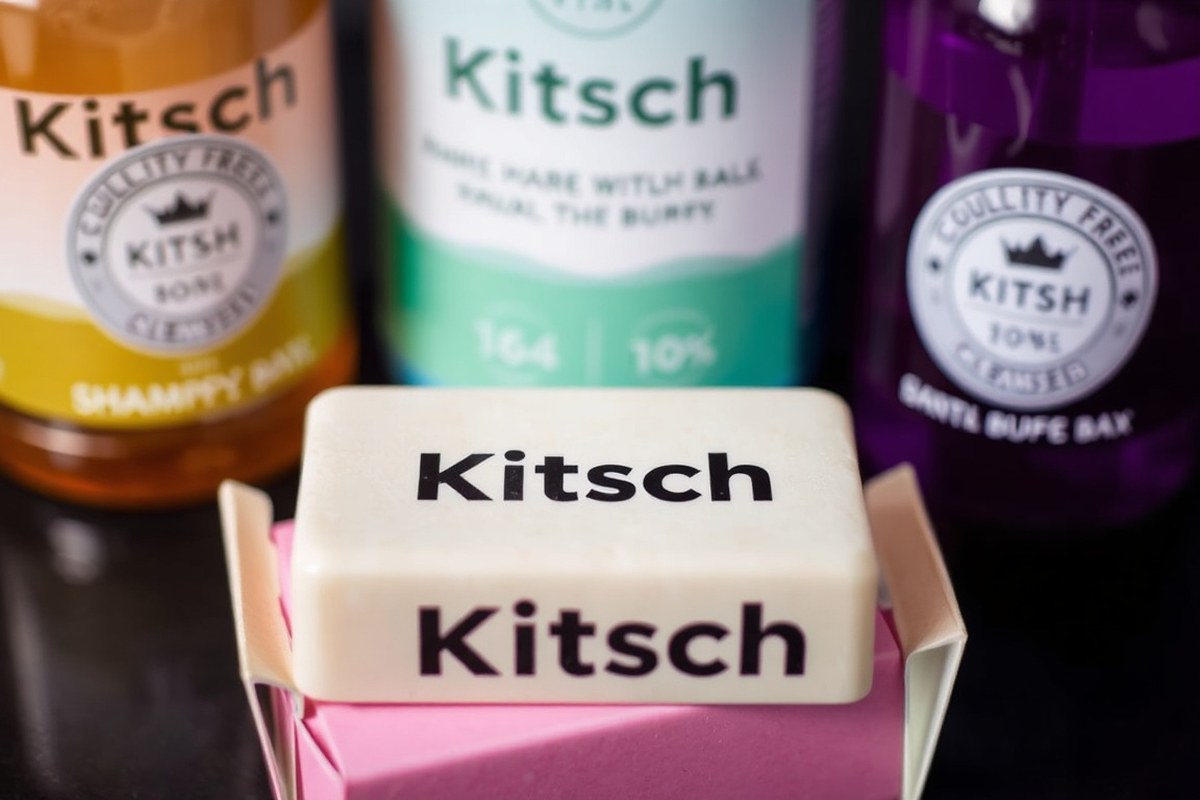
Kitsch is officially recognized as a cruelty-free brand. It holds certifications from Leaping Bunny and PETA, two highly trusted cruelty-free programs. These certifications mean Kitsch does not test its products or ingredients on animals at any stage.
Kitsch is not sold in countries that require animal testing by law, such as mainland China. Avoiding such markets helps maintain its cruelty-free status. This means you can trust their products are never tested on animals to meet regulatory demands.
The brand also supports environmental causes, evidenced by its partnership with 4Ocean Cleanup. This adds to Kitsch’s ethical appeal without affecting its cruelty-free credentials. However, it’s not a 100% vegan brand since some products contain animal-derived ingredients.
To check if Kitsch is cruelty-free, look for Leaping Bunny logos. You can also look for PETA logos on the packaging or website. These logos show no animal testing.
Check new Kitsch products by seeing where they sell them. Avoid buying if they sell in places that require animal testing.
That means those lines might not be cruelty-free. Avoid products available in markets requiring testing if you want to stick to cruelty-free.
Kitsch avoids many harmful ingredients, which supports its clean beauty image. Their shampoo bars lack parabens, phthalates, silicones, sulfates, colorants, and artificial fragrances. This aligns with the brand’s commitment to safer, cleaner formulations for personal care.
Using certified cruelty-free and clean beauty brands like Kitsch lowers your exposure to potentially toxic chemicals. The brand’s certifications show its verified cruelty-free status rather than just claims. This transparent approach gives you confidence when selecting cruelty-free beauty products.
Which Kitsch Products Are Vegan and Which Are Not?
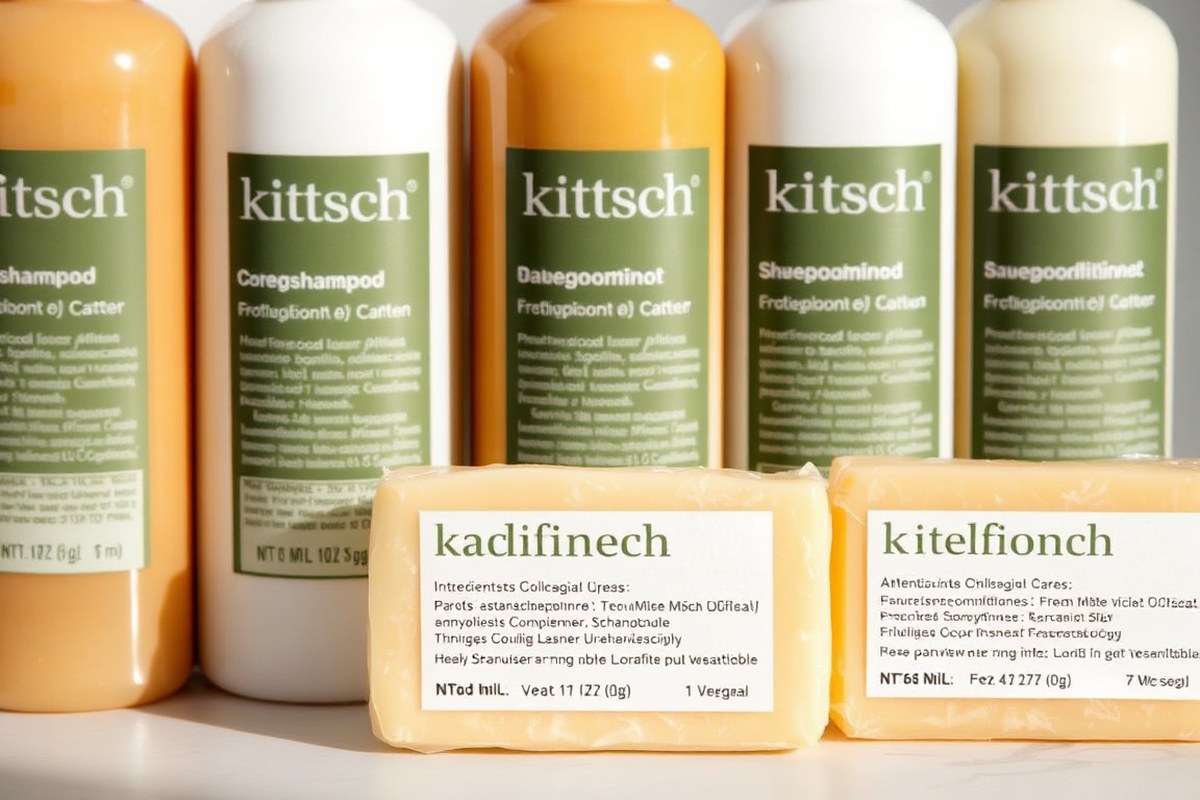
Not all Kitsch products are vegan, but many are. Their vegan items avoid animal-derived ingredients entirely. Knowing which products are vegan helps you pick items that fit your values and needs.
Overview of Vegan vs Non-Vegan Items
Kitsch offers a mix of vegan and non-vegan products. Vegan items exclude animal ingredients like beeswax or silk. Non-vegan options may include these if they help with texture or shine.
The brand clearly labels some of its vegan products, mainly their shampoo and conditioner bars. These are popular because they align with clean, cruelty-free, and vegan standards. Their vegan bars avoid sulfates and parabens, which appeals to many shoppers.
Shopping vegan in their range means focusing on the bars and some accessories. Other products often contain animal-derived ingredients or are not marked vegan on the packaging or website.
Common Animal-Derived Ingredients Used
Some Kitsch items list these animal-derived ingredients:
- Beeswax – used for texture or hold in hair accessories and some styling products
- Silk proteins – found in formulas for smoothness or shine
- Carmine – red pigment made from insects (less common)
- Honey or royal jelly – sometimes included in hair care products
- Cetyl alcohol (can be plant-based or animal-derived, check source)
Ingredients like cetyl alcohol need careful checking since their source varies. Always read the ingredient list to confirm. Vegan-friendly items replace these with plant-based alternatives like candelilla wax or synthetic proteins.
How to Identify Vegan Products on Kitsch’s Website
Kitsch’s website allows you to filter products with a vegan label. Use this feature to narrow your search quickly. Vegan products are often noted in the product description or on the ingredients tab.
Look for phrases like “100% vegan,” “plant-based ingredients,” or “no animal-derived ingredients.” If this info is missing, check the full ingredient list for animal products. You may need to look up some ingredients if you’re not familiar with their sources.
Only trust vegan claims listed on official product pages, not third-party reviews.
If you want to be sure, consult a free Vegan Ingredient Checker online. Enter the product name or ingredients for a quick review. Keep a checklist with you when shopping:
- Browse Kitsch’s official vegan product filter online
- Read ingredient lists carefully before buying
- Double-check any doubtful ingredients using a Vegan Ingredient Checker
- Avoid anything with beeswax, silk, or carmine if vegan matters to you
- Contact Kitsch customer service for questions on unclear products
What Ingredients and Formulations Make Kitsch Clean?
Kitsch shampoo bars avoid harmful ingredients like sulfates, parabens, silicones, and phthalates. They use gentle coconut-derived detergents such as sodium cocoyl isethionate and sodium methyl cocoyl taurate. These ingredients clean without stripping hair natural oils or causing scalp irritation.
The bars skip synthetic fragrances and artificial colorants. They do include fragrance (parfum) and mineral colorants. The Rice Water bar uses iron oxides as colorants.
Kitsch formulas focus on mild cleansing for your skin or hair. They include lightweight conditioners like glycerin and hydrolyzed rice protein. These ingredients help balance cleaning and moisture.
Here’s a quick checklist of what Kitsch shampoo bars contain and avoid:
| Ingredient Category | Included | Avoided |
|---|---|---|
| Cleansers | Sodium cocoyl isethionate, sodium methyl cocoyl taurate | Sulfates (SLS, SLES) |
| Conditioners | Glycerin, hydrolyzed rice protein | Silicones |
| Fragrance and Colorants | Fragrance (parfum), iron oxides | Artificial fragrance, synthetic colorants |
| Preservatives and Additives | Not specified | Parabens, phthalates |
Kitsch balances clean formulation with functionality. The bars avoid harsh petrochemicals that dry hair out or cause buildup. Using coconut-based surfactants helps keep texture creamy and lather gentle, perfect for sensitive scalps.
Each shampoo bar cleans like a liquid shampoo but with less packaging waste. They’re free from many controversial chemicals that others use, which can irritate or harm over time. The absence of silicones also means hair won’t feel weighed down or coated.
How Sustainable Is Kitsch Packaging and Environmental Impact?
Kitsch uses recyclable materials to reduce packaging waste. The shampoo bar comes in a printed paper box without any plastic wrap or bottles. You don’t have to peel off or throw away plastic parts when you open it.
Using this bar helps you avoid plastic bottles in your shower. One bar lasts up to 100 washes, assuming about 0.032 ounces per use. This means you can replace at least 100 plastic shampoo bottles with one Kitsch bar.
Kitsch also partners with groups that work to remove plastic waste from oceans and landfills. These partnerships support environmental causes by funding cleanups and promoting sustainability.
- Shampoo bar packaging is 100% paper and fully recyclable
- No plastic wrapping or pumps, reducing single-use plastic
- One bar replaces up to 100 plastic shampoo bottles
- Collaborates with organizations to remove plastic from oceans
- Supports educational campaigns on plastic waste reduction
- Uses materials that break down faster in recycling processes
Choosing the shampoo bar cuts down plastic waste directly in your home. You save money over time by buying less bottled shampoo.
To recycle, just toss the paper box with other paper products. Watch for local recycling rules if you want to be extra sure.
The bar suits people who want lower packaging waste and don’t mind sulfate shampoos. A naked shampoo bar with zero packaging offers even less waste but may use some sulfates. For plastic-free lovers, Kitsch’s bar provides a good middle ground with strong eco-friendly steps included.
How Does Kitsch Compare to Other Clean Beauty Brands?
Kitsch sets itself apart by adopting sustainability early without giving up style or performance. Its shampoo and conditioner bars feel chic and still work well. This helped raise awareness for sustainable haircare among clean beauty brands.
Comparing Kitsch to other popular clean brands shows how it balances ingredients, price, certifications, and performance. Some brands have stronger eco-certifications or more organic ingredients. But Kitsch focuses on making clean beauty affordable and functional, which matters to many people.
| Brand | Ingredient Quality | Sustainability Certification | Price per Shampoo Bar | Performance |
|---|---|---|---|---|
| Kitsch | Clean, cruelty-free, some natural extracts | No official certification but eco-friendly packaging | $12 | Good lather and scalp care, lasts ~40 washes |
| Ethique | 100% natural, organic ingredients | Certified B Corp, cruelty-free, plastic-free | $14-$16 | Rich lather, strong cleansing, long-lasting |
| HiBAR | Plant-based, sulfate-free | Certified cruelty-free, plastic neutral | $13 | Maintains hair moisture, good for sensitive scalp |
| Lush | Fresh, often natural but some synthetic | Cruelty-free, some ethical sourcing claims | $12-$15 | Varies widely, some excellent, others less effective |
| 4ocean (Haircare line) | Focus on eco ingredients and plastic removal | Certified plastic offsets, sustainable sourcing | $15 | Good cleansing, supports ocean cleanup efforts |
Kitsch charges about $12 per shampoo bar. This is affordable compared to others, especially given its style and function.
Performance holds up well, delivering a satisfying lather and lasting around 40 washes. That is a solid value for a clean product.
Brands with certifications like B Corp or plastic neutrality offer extra trust in sustainability. They sometimes cost more but support additional environmental efforts. For example, 4ocean links sales to removing plastic from oceans, offering broader eco impact.
Check the wash count on shampoo bars. Some bars last twice as many washes. This doubles your value.
Your choice depends on what matters most to you. Pick Kitsch for style and price. Go with certified brands if eco labels are your priority.
Test shampoo bars yourself to see real performance differences. Focus on your hair type and scalp sensitivity. This helps you choose the right one.
What Are the Real Cost and Practical Use of Kitsch Shampoo Bars?
A Kitsch shampoo bar weighs around 3.2 ounces and claims to last about 100 washes. This estimate means each wash uses roughly 0.032 ounces of shampoo. A 10-ounce $12 bottled shampoo lasts about 30 washes.
That costs around 40 cents per wash. The shampoo bar costs about 12 cents per wash, so it saves money.
The real lifespan of the shampoo bar depends on storage and usage. Leaving the bar to dry between washes prevents it from melting or dissolving too fast. People often make a mistake by storing the bar in a wet dish.
This causes it to get mushy. It also makes the bar wear out faster.
Using a slotted soap dish or a mesh bag helps the bar dry out properly. These allow air to circulate, which stops the bar from breaking down prematurely. Keeping the bar away from direct water flow helps it last longer.
It can reach up to 100 washes this way. This storage trick helps you save money.
How you wash matters too. Rubbing the bar directly on your hair uses less product than lathering in your hands first. Wet hair helps the bar glide better.
So adding water slowly can stretch each use further. Avoid pressing too hard, which can shave off excess product.
For people with hard water, shampoo bars might dissolve faster. The minerals bind with the soap and reduce effectiveness, requiring more product each wash. You can rinse your hair with filtered or bottled water after washing.
This protects the shampoo bar’s lifespan. It works especially well if your tap water is hard.
The scented bars contain synthetic fragrance and iron oxide. But they do not affect longevity much. Choose the fragrance-free ultra-sensitive bar for a cleaner formula.
It still gives you a full bottle-free shampoo routine. This option suits sensitive skin or allergies. The Rice Water bar gives a similar shampoo experience.
It is bottle-free and easy to use. This option is great for those avoiding plastic bottles.
Common Misconceptions and Critiques About Kitsch’s Clean Claims
Kitsch sometimes draws criticism for using plastic in some products, raising questions about its green claims. Its sustainability efforts mix with plastic use, confusing shoppers about true eco-friendliness. Sorting fact from fiction helps you shop smarter and avoid greenwashing.
Plastic and Sustainability Contradictions
Kitsch offers some products with plastic packaging or parts, even though it promotes sustainability. This can feel hypocritical if you expect zero plastic use in clean brands. Many beauty brands balance plastic use with recycled materials and reusable designs to reduce overall waste.
Kitsch uses recycled fabric for some items like their wide twist headbands, showing steps toward eco-consciousness. They still use single-use plastics in some products. Hair ties and applicators have these plastics.
This may annoy buyers who care about the environment. Understanding which products lean plastic is key to matching purchases with your values.
Ingredient and Environmental Impact Nuances
Kitsch’s clean claims focus on avoiding harmful chemicals like parabens and sulfates. Yet some ingredients can still impact the climate due to sourcing or production emissions. For example, some plant oils require lots of water or cause deforestation if poorly managed.
Carefully reading ingredient lists helps you avoid unintended environmental harms. Certifications alone don’t guarantee a product’s climate footprint is low. Some vegan ingredients can still have a big impact if grown or harvested unsustainably.
How to Shop Kitsch’s Clean Products Wisely
Focus on products labeled clearly vegan and cruelty-free to avoid hidden animal ingredients. Check packaging for recycled content or recyclability to minimize plastic waste. You can reduce confusion by following these steps:
- Look for third-party certifications on labels
- Read full ingredient lists for climate-impactful oils
- Choose products with recyclable or reusable packaging
- Avoid items with excessive plastic wrappers or applicators
- Watch for sustainability info on the brand’s website
- Research if a product lineup uses consistent eco-standards
Skipping these checks might lead to buying products that claim clean but aren’t fully sustainable. Research helps you pick items that match your values.
It takes time but prevents getting fooled. This is important for your clean beauty choices.
How to Verify and Track Kitsch’s Clean and Ethical Status Yourself
You can independently check if Kitsch meets clean and ethical beauty standards. Look for cruelty-free certifications, use online tools to verify vegan ingredients, and monitor brand transparency. These steps help you make sure their claims hold up over time.
Checking Official Cruelty-Free Certifications
Start with trusted cruelty-free certification sites like Leaping Bunny or PETA’s Beauty Without Bunnies. These groups audit brands to confirm no animal testing at any stage. You can search Kitsch by name on their websites for an official status.
Keep in mind some companies follow cruelty-free policies but lack certification. Certified status is a stronger proof but absence doesn’t always mean animal testing. Certifications typically update annually, so check dates to verify info is current.
Look for certifying logos on Kitsch’s packaging or website. Cross-check those claims on the certifiers’ official pages to avoid fake badges or outdated claims.
Using Online Vegan and Ingredient Checkers
Ingredient transparency matters. Use apps like INCI Beauty, Think Dirty, or EWG Skin Deep to scan Kitsch product ingredients. These tools rate ingredients based on safety, vegan status, and environmental impact.
Enter product names or manually input ingredient lists from Kitsch packaging. You’ll see flags on common animal-derived ingredients, helping you confirm vegan claims. Keep an eye on additives that sometimes hide animal parts, like stearic acid or glycerin.
- Check ingredient lists on official product pages or packaging
- Use multiple checkers for cross-verification
- Bookmark or save scans for future reference
- Pay attention to “may contain” warnings for allergens or animal derivatives
- Verify product batch or formulation date for accuracy
These tools are free and user-friendly. Results help you avoid hidden non-vegan ingredients, especially since brands may change formulas without notice.
Assessing Brand Transparency and Updates
Visit Kitsch’s official site and social media for honest updates on ethics and ingredients. Brands committed to clean beauty often post ingredient changes, certifications, and sustainability initiatives. Sign up for newsletters to get news directly.
Third-party sustainability trackers, like Good On You or Ethical Elephant, review Kitsch’s overall impact. They assess cruelty-free status, environmental practices, and worker conditions. Check these sites often, as reports get updated with new information.
Don’t rely only on brand websites. Keep checking certifiers and third-party sites for the latest info.
Not all brands disclose every detail. Use transparency gaps as a red flag, prompting direct questions to customer service. Many brands respond quickly when customers ask about certifications or ingredient sources.
Your First Week: A Quick-Start Plan to Choosing Kitsch Clean Products
Start by checking if Kitsch products meet your clean and ethical standards. Follow these steps to decide if their line fits your values and needs.
- Day 1: Review ingredient lists on Kitsch’s website. Look for familiar, non-toxic name-checked ingredients. Mark products you like.
- Day 2: Check for cruelty-free certifications or statements on packaging or site. Confirm no animal testing was done.
- Day 3: Identify vegan products by scanning for animal-derived ingredients. Avoid those with beeswax or keratin if vegan matters.
- Day 4: Inspect packaging materials and recycling info on Kitsch items you want. Choose ones with recyclable or minimal plastic.
- Day 5: Compare prices with other clean brands you know. Assess value and how products suit your routine.
- Day 6: Read recent customer reviews for product performance and packaging honesty. Note any issues or praises about clean claims.
- Day 7: Make a small order of your chosen Kitsch item. Test how it feels and fits your expectations for clean beauty products.
Frequently Asked Questions
Is Kitsch a Clean Brand Suitable for Sensitive Skin?
Yes, Kitsch offers the Ultra Sensitive Bar, which is clean and gentle for sensitive skin. It avoids harsh chemicals that often irritate.
Does Kitsch Use Any Synthetic Fragrances in Their Clean Products?
Kitsch shampoo bars are free from artificial fragrances. They rely on natural scent sources for cleaner formulas.
Are Kitsch Products Free from Plastic Packaging?
Some Kitsch products use minimal or recyclable packaging but not all are plastic-free. Check the label for details.
How Transparent Is Kitsch About Its Ingredient Sourcing?
Kitsch provides ingredient lists openly, helping you check for clean and ethical sourcing. Look for updates on their website for new info.
Can You Buy Fully Vegan Kitsch Products?
Yes, Kitsch offers several vegan options, though not all products meet this standard. Verify each product’s claim before buying.
Do Kitsch Shampoo Bars Work Well for Oily Hair?
Kitsch shampoo bars like the Rice Water Bar suit various hair types, including oily hair. They cleanse without harsh sulfates.
Before You Go
Kitsch offers mostly clean and cruelty-free options with some vegan choices. You can feel confident by checking labels and certifications yourself. Try one product to see if the brand really works for your style and values.