
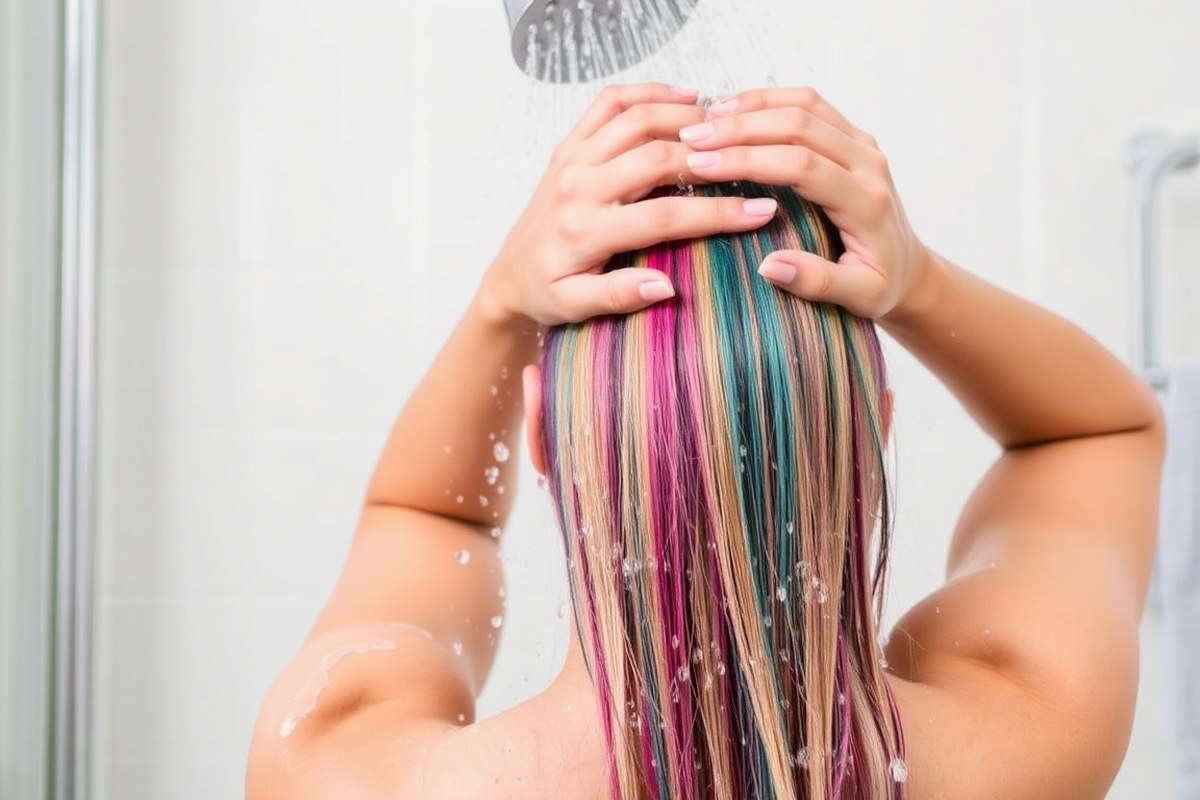
How to Rinse Out Hair Dye Properly: Simple Steps for Best Results
Knowing how to rinse out hair dye properly keeps your color fresh and your scalp safe. Start by rinsing your hair with cool to lukewarm water until the water runs clear.
It usually takes 10 to 15 minutes to wash out most dye. This removes residue without stripping the hair color.
Don’t rush this step. Dye molecules shrink inside the hair and re-oxidize when exposed to air. That process can darken your hair again if you rinse for just a few minutes.
Using gentle motions with your fingers helps remove excess dye without roughing up your scalp. Don’t use very hot water when rinsing your hair.
Hot water opens hair cuticles a lot. This makes hair color fade faster.
Key Takeaways
- Rinse hair dye with cool to lukewarm water until water runs clear, about 10-15 minutes.
- Rinse slowly to keep dye molecules inside the hair, locking in color longer.
- Avoid hot water; it opens hair cuticles and fades color quickly.
- Massage scalp gently to remove leftover dye without irritation.
- Wait 24 to 48 hours before shampooing your dyed hair again.
- Semi-permanent dyes fade faster; be extra gentle when rinsing them out.
How to Rinse Out Hair Dye for Best Color and Safety
Rinsing out hair dye properly helps you keep color vibrant and avoid stains. You need to rinse long enough so no dye remains. Leftover dye can dull your hair or irritate your scalp.
Rinse until water is mostly clear around your hair. Using just water isn’t enough.
Shampoo helps remove residue and locks in the right shade. Cold water keeps the hair cuticles closed, protecting color and hair health.
Here’s a detailed step-by-step guide on how to rinse your hair dye for best results. Follow these steps to avoid common rinsing mistakes.
Don’t stain your skin or wash out too little dye. Take care so the color stays even and bright.
- Prepare lukewarm water. Avoid hot water, as it can strip the color. Lukewarm helps rinse without damaging hair cuticles.
- Rinse hair thoroughly. Do this under the water stream for 10 to 15 minutes. Keep rinsing until the water runs clear to remove all excess dye.
- Protect your skin. Wet your hair away from your face and neck. Use a towel or gloves to avoid staining your skin during the rinse.
- Use shampoo after initial rinse. Apply a color-safe shampoo to eliminate residue that water alone can’t remove. Gently massage it in, then rinse with cool water again.
- Apply conditioner. Use a generous amount of conditioner designed for colored hair. Let it sit for a few minutes before rinsing out with cold water.
- Finish with a cool water rinse. This closes the hair cuticles and seals in color, helping your dye last longer.
- Dry gently. Pat your hair dry with a towel. Avoid rubbing hard, which can damage fragile dyed hair.
Rinse until the water runs clear, which takes 10 to 15 minutes. Use lukewarm to cool water during the rinse. This helps remove all excess dye safely.
That means you’re washing out all loose dye molecules. Stopping early can leave dye inside your hair strands.
That dye can oxidize and darken your hair again. Rinse fully to prevent this from happening.
Rinsing with just water won’t remove chemicals or color residue completely. Shampoo helps lock in color and avoids dullness. Keep water and dye away from your face and neck during rinsing.
This protects your skin from staining or irritation. Use your hands or a towel to shield your face.
When and How to Use Shampoo and Conditioner After Dyeing

You do need to use shampoo to rinse out hair dye properly to remove excess color. However, you must wait before shampooing again to protect your new color. Using a gentle shampoo made for dyed hair helps keep your hair healthy and vibrant longer.
Timing for Shampoo After Dyeing
Rinse your hair with water and shampoo immediately after dyeing, following the product’s instructions. This clears away extra dye and keeps your hair from looking dull. After this first wash, hold off on shampooing for 24 to 48 hours.
Let your color set by not washing too soon, which can remove pigment that’s still settling. Semi-permanent dyes need extra care since the color stays on the hair’s surface. Skip shampooing for two full days after dyeing to secure your color.
Types of Shampoo Ideal for Dyed Hair
Choose a color-safe shampoo that won’t strip your new color, preferably one labeled sulfate-free. Sulfates can be harsh and fade dye quickly by removing oils and color molecules. A gentle shampoo helps keep your hair soft and maintains brightness.
Look for shampoos specifically designed for dyed hair or those that say “color-protecting” on the label. These products contain ingredients that seal the cuticle and reduce color loss. You might also consider a color-depositing shampoo to refresh your shade between dye sessions.
Here is a useful checklist of shampoo features for dyed hair:
- Sulfate-free formula
- Color-safe or color-protecting label
- Gentle cleansing agents
- Added moisturizers or oils
- PH-balanced to maintain hair cuticle
- For color-depositing: matches your hair shade
Be careful not to scrub shampoo heavily into the hair. This can speed up fading.
Conditioner Use to Seal and Protect Color
Applying conditioner right after rinsing shampoo seals the hair cuticle and locks in moisture. This step prevents dryness and dullness often caused by dyeing. Use a conditioner made for dyed hair to extend your color’s life.
Apply conditioner mainly to the ends and mid-lengths to avoid weighing down roots. Leave it in for about two to five minutes, then rinse with cool or lukewarm water. Skipping conditioner or using one without color protection may cause your hair to fade faster.
Choosing the Right Water Temperature to Lock in Hair Color
Best water temperature for rinsing out hair dye is cool or lukewarm. Hot water opens the hair cuticle, letting color escape and fade quicker. Cold water helps seal the cuticle, locking the dye inside for longer-lasting color.
Effects of Hot Water on Hair Dye
Hot water opens your hair’s cuticle, a protective outer layer. This also makes dye molecules escape more easily. While hot water can set some dyes, it generally causes faster color fading over time.
Opening the cuticle means your new color can bleed out during washing. You might see the water turn pink, red, or another dye shade. The result is less vibrant hair after just a few washes.
Benefits of Cool and Cold Water Rinses
Cool or cold water closes the cuticle and locks in the dye better. It improves your hair’s shine and makes it easier to manage. Ending with cold water helps seal the cuticle for a smooth finish.
Cool water rinsing reduces color bleeding and fading. It keeps your hair looking fresh much longer. Most stylists recommend rinsing with cold water immediately after dyeing and during future washes.
Salon Practices and Their Reasons
Hair salons usually rinse dye with the coldest water you can handle. This stops excess dye from washing out. Stylists aim to lock in color and protect hair health during rinsing.
Salons may use lukewarm water first, then finish with cold. This approach cleans hair without opening the cuticle too much. The key is to avoid hot water to keep that color from fading.
Here’s a comparison of how different water temperatures affect dyed hair:
| Water Temperature | Effect on Hair Cuticle | Impact on Hair Dye | Result on Hair Appearance | When to Use |
|---|---|---|---|---|
| Hot (Above 100°F/38°C) | Opens cuticle wide | Causes dye molecules to escape faster | Faster color fading, dullness | Occasionally for stubborn dye removal (20-minute rinse) |
| Lukewarm (Around 85°F/29°C) | Mildly opens cuticle | Removes excess dye without heavy fading | Clean hair, moderate color retention | Initial rinsing after dyeing, gentle cleansing |
| Cool (60-75°F/15-24°C) | Closes cuticle gradually | Locks in dye and moisture | Shiny, vibrant hair, longer-lasting color | Final rinse after dyeing, regular washing |
| Cold (Below 60°F/15°C) | Seals cuticle tightly | Prevents color bleeding and fading | Maximum shine, smooth texture | Final rinse after all washing and conditioning |
Use lukewarm water to rinse initially if you want to avoid shock from cold water. Always finish with cold water to seal the hair cuticle. Avoid hot water rinses except for special cases where professionals recommend it.
Differences in Rinsing Semi-Permanent vs Permanent Hair Dye
Semi-permanent and permanent hair dyes need different rinsing steps to keep color fresh and hair healthy. Semi-permanent dyes rinse out faster and need gentler care. Permanent dyes need time to set before you wash your hair.
Use shampoo to rinse with care and help the color stay. This routine locks in the dye for a longer-lasting look.
Rinsing Process for Semi-Permanent Dyes
Semi-permanent dyes go on damp hair and last around 4 to 6 weeks. After the set time, usually 10 to 20 minutes, rinse gently with cool water only. Hold off on shampooing for 24 to 48 hours to keep the color vibrant.
Rinsing with cool or lukewarm water helps keep these dyes from fading too fast. You can use a clarifying shampoo later to remove excess color. But it speeds up fading.
Some people use baking soda paste or vitamin C treatments to fade color faster. But these have a medium damage risk and take longer.
Rinsing and Waiting Times for Permanent Dyes
Permanent dyes need rinsing with warm water after the processing time, usually 30 to 45 minutes. Right after coloring, rinse thoroughly until the water runs clear.
Then shampoo gently to remove leftover dye from the hair and scalp. This step helps seal the hair cuticle and set the color deep inside.
Shampoo immediately after rinsing permanent dye; unlike semi-permanent, it won’t cause fading. Follow washing with conditioner to soften your hair. Using warm water helps the cuticle close after rinsing, which locks your color in.
Recommended Aftercare by Dye Type
Semi-permanent dyes need gentle aftercare to delay fading. Use sulfate-free shampoos and cool water washes. Avoid harsh clarifying shampoos unless you want faster color removal.
Moisturizing masks keep hair healthy without stripping dye. You can repeat gentle rinsing to freshen color when needed.
Permanent dye aftercare focuses on moisture and color protection. Conditioners and hair masks made specifically for color-treated hair help maintain vibrancy.
Using products with UV protection is smart, too. Heat styling should be limited right after dyeing to prevent damage and color loss.
Here’s a breakdown of various rinsing and removal options by dye type:
| Removal Method | Speed of Results | Damage Risk | Best Used For |
|---|---|---|---|
| Clarifying Shampoo | Fast | Low to Medium | Semi-permanent & demi-permanent dyes |
| Baking Soda Paste | Moderate | Medium | Semi-permanent dyes |
| Vinegar Rinse | Slow | Low | Gentle, gradual fading over time |
| Vitamin C Treatment | Fast | Medium | Semi-permanent & fresh demi-permanent |
| Olive Oil Treatment | Slow | Very Low | Recently applied permanent dye (softening) |
| Lemon Juice Rinse | Moderate | High (Drying) | Subtle lightening effect |
Choosing the right rinsing and care steps for your dye type makes your color last longer. Gentle methods slow fading and keep hair healthier.
Be careful with treatments that speed color removal. They increase damage risks, especially with permanent dyes.
Techniques to Remove Excess or Stubborn Hair Dye at Home
You can try some home treatments to clear leftover hair dye. They also help lighten a stubborn stain on your hair. Clarifying shampoos and vitamin C are popular because they gently pull out color without harsh chemicals.
Natural rinses like vinegar or lemon juice offer a mild acid to help fade dye. But they work slower and need extra care to avoid drying hair.
Clarifying shampoo targets excess dye by breaking it down and washing it out. Vitamin C speeds this up when mixed into a paste, breaking down dye molecules. Acid rinses with vinegar or lemon tone hair and lift color.
They rarely remove deep stains by themselves. Baking soda mixed with shampoo acts as a gentle scrub to fade vivid semi-permanent hues.
Try this timed vitamin C and clarifying shampoo paste method if you want faster removal. It’s best for hair dyed in the past 48 hours. This treatment won’t strip your hair like bleach.
But frequent use can dry your strands. Test a small section first to check how your hair reacts.
- Crush 10 to 15 Vitamin C tablets into a fine powder.
- Mix the powder with 2 tablespoons of clarifying shampoo to form a paste.
- Apply the paste evenly to damp hair, focusing on dyed areas.
- Cover your hair with a shower cap to keep moisture in.
- Leave the paste on for 30 to 45 minutes, checking if it dries out.
- Rinse thoroughly with lukewarm water, avoiding hot water which can open cuticles.
- Follow up with a deep conditioner to restore moisture.
Mix 1 part apple cider vinegar with 3 parts water. Pour it over your hair after shampooing. Let it sit for a few minutes before rinsing with cool water.
Use lemon juice the same way as vinegar. Avoid sun afterward to prevent uneven hair lightening.
Don’t overuse clarifying shampoo or vitamin C treatments. They can dry out hair if done too often.
Practical Tips to Avoid and Remove Hair Dye Stains on Skin
Start by protecting your skin before you rinse your dyed hair. Put a thin layer of petroleum jelly or thick moisturizer around hairline. Cover your ears and neck too.
This helps stop dye from staining your skin. This creates a barrier that helps stop the dye from soaking into your skin during rinsing.
Adjust your water temperature to lukewarm. Hot water can open pores and make staining worse. Be gentle when rinsing.
Gently massage your scalp and hair using your fingertips. Avoid scrubbing hard, which can spread the dye. Keep pressure light and slow.
- Put petroleum jelly or moisturizer on your hairline and ears before rinsing.
- Wear an old towel or use a cape to protect your neck and clothes.
- Use lukewarm water to rinse your hair, not hot water.
- Massage hair and scalp gently to avoid spreading dye on skin.
- Keep a damp cotton ball nearby to wipe away any drips during rinsing.
- Rinse out dye thoroughly to reduce leftover residue on skin.
- Avoid rubbing shampoo on skin right after dyeing to prevent stains.
Act fast to clean hair dye off your skin if it happens. Use a gentle remover right away for best results. Dab gently with a cotton ball soaked in a mix of baking soda and water.
Baking soda helps break down semi-permanent dyes you might find on your skin. Let it sit for 1 to 2 minutes, then wipe off gently with a wet cloth.
Try makeup remover, rubbing alcohol, or hand sanitizer on a cotton pad. Dab the stained skin gently. Rinse well after to avoid irritation.
Test these products on a small skin area first to avoid irritation. Avoid scrubbing hard, as this can irritate or damage your skin. After removing stains, rinse the area with warm water and apply a moisturizer to soothe it.
Common Rinsing Mistakes and How to Fix Them Quickly
Rinsing mistakes can mess up your hair dye and the way it looks. One common error is under-rinsing, which leaves dye residue and can stain skin or clothes.
Another is using water that’s too hot. It opens hair cuticles and lets color fade faster.
Rinsing too soon after dyeing also causes problems. The dye needs time to set, usually 20 to 30 minutes. Washing it off right away may make the color patchy or dull.
- Under-rinsing: rinse with lukewarm water for a full 20 minutes.
- Using hot water: switch to lukewarm or cooler water to seal color in.
- Rinsing too early: wait the recommended time on the dye package first.
- Over-washing: avoid shampooing immediately; use color-safe shampoo later.
- Ignoring stubborn dye spots: use a 50/50 vinegar and water mix to help fade spots gently.
When dye won’t rinse out, rinse longer with lukewarm water. It takes time for excess color to flush out. Avoid shampoo until after the waiting period to stop stripping color too soon.
For stubborn stains, mix white vinegar and water and apply it briefly, then rinse thoroughly. It can lift color without harming your hair.
Color issues from rinsing mistakes can sometimes be fixed at home. For faded colors after hot water or early washing, use a color-depositing conditioner to boost vibrancy. For uneven patches or leftover dye, gentle vinegar rinses or color remover products may help.
Severe problems include strange color shades or patchy spots. Home fixes may not work.
It’s safer to visit a professional colorist. They can correct the color and minimize damage.
When to Consult a Professional for Color Correction
Home rinsing won’t fix every hair dye problem. See a professional if your color looks uneven after rinsing. It might be too dark.
Unwanted tones also call for expert help. Trying to fix these at home can cause more damage or patchy results.
Salons offer color correction services designed for tough cases like stubborn dye or drastic shade changes. They use bond-building lighteners that protect hair fibers while lifting or adjusting the color safely. These treatments aren’t available in regular at-home dyes and help prevent melting or breaking hair.
Professionals rinse dye differently by timing water temperature, water pressure, and product use carefully. They often start with lukewarm water and avoid hot water to protect color molecules. Plus, they use sulfate-free, nutrient-rich shampoos and conditioners that strengthen hair and lock in color.
Booking a color correction appointment usually costs $100 to $200, depending on hair length and complexity. The stylist will assess how much lifting or pigment adjustment you need. They may also recommend bond-building treatments or deep conditioning to restore hair health during the process.
Notice excessive dryness or scalp irritation after rinsing? Your color might look muddy or blotchy too. These signs mean you should get professional help.
Trying harsh at-home fixes, like bleaching or over-shampooing, can worsen damage. Professionals use salon-grade products and skill to avoid these risks.
Don’t fix uneven or damaged dye yourself. Your hair might feel brittle. Breaking hair is another sign to avoid DIY fixes.
Step-by-Step Action Plan for Rinsing Out Hair Dye
Follow these steps to rinse your hair dye properly and keep your color vibrant.
- Right after dyeing: Rinse with lukewarm water until the water runs clear to remove excess dye. You’ll know it’s done when your hair no longer releases color.
- Immediately after rinsing: Apply a color-safe conditioner and leave it on for 2-5 minutes. Your hair should feel softer and less tangled afterward.
- First shampoo after dyeing: Use a gentle, sulfate-free shampoo to wash your hair. Stop if you notice color fading or dryness.
- Next few washes: Wash with cool water to keep the dye locked in longer. Cooler water helps keep your color from fading faster.
- Daily care routine: Avoid hot water and use leave-in conditioners or serums with UV protection. This helps preserve your hair’s color and health.
- Spot check: Check your skin edges after rinsing. Use a gentle makeup remover or baby oil on any dye stains to avoid irritation.
- One week after dyeing: Evaluate your hair’s condition and color vibrancy. If you see issues, consider consulting a professional for advice.
- Regularly: Deep condition weekly to restore moisture and protect your color from fading.
Frequently Asked Questions
What Is the Easiest Way to Wash Out Hair Dye?
The easiest way is to rinse with lukewarm water until clear. Lukewarm water opens hair cuticles just enough to remove the dye gently. Avoid hot water as it strips color and cold water might not rinse well.
How Should I Rinse My Hair After Dying?
Rinse your hair with lukewarm water for about 10 to 15 minutes. This helps remove all the dye while protecting hair moisture. Finish with a cold-water rinse to seal the cuticles and lock in color.
Do I Rinse Hair Dye Until Water Is Clear?
Yes, rinse your hair until the water runs clear, usually 10 to 15 minutes. Clear water means excess dye is washed out, preventing dull or patchy spots. Stopping too soon can leave color uneven and fade faster.
How Do I Go Back to My Natural Hair Color After Dying It?
Use a sulfur-based color remover for about 20 minutes to shrink and flush out pigment. It works fastest on permanent dye by breaking down the color molecules. Follow up with deep conditioning to restore hair health after treatment.
Can Using Soap Affect Hair Dye Longevity?
Yes, soap can strip your hair’s natural oils, making color fade faster. Use mild shampoo formulated for color-treated hair instead. This keeps your hair moisturized and helps the dye last longer.
Should I Wash My Hair Before Dyeing If It’s Oily?
Don’t wash your hair on dye day if it’s only lightly oily. Keep washing for days with normal scalp feeling before dyeing. This helps the color hold better.
Natural oils protect your scalp during coloring and help the dye apply smoothly. Heavy buildup, however, should be washed off 12 to 24 hours before dyeing.
The Bottom Line
Rinsing your hair dye properly makes a big difference for color and hair health. Take your time with water temperature and conditioner. Try this plan today to keep your dyed hair looking fresh and vibrant longer.


