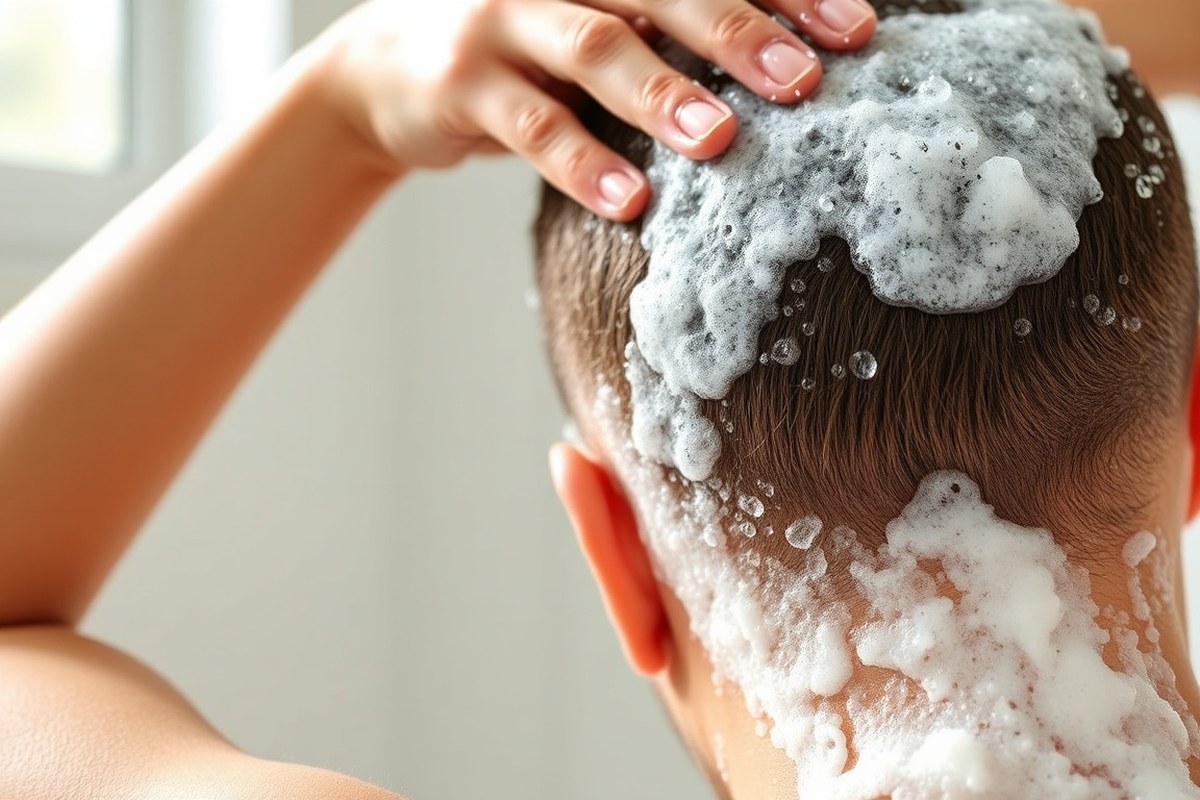
Is Clarifying Shampoo Good for Dandruff? What Actually Works and How to Use It
Is clarifying shampoo good for dandruff? The simple answer is no, clarifying shampoo alone won’t stop dandruff. It cleans away buildup but doesn’t fight the yeast that causes flakes.
Clarifying shampoo removes oils, dirt, and styling residue from your scalp. That helps reset your scalp but doesn’t target dandruff’s main cause: Malassezia yeast overgrowth. You need an anti-dandruff shampoo with active ingredients to kill that yeast, like zinc pyrithione or ketoconazole.
Use clarifying shampoo about once every one to two weeks to clear buildup that might block treatment. Then follow it with a shampoo designed to treat dandruff for best results. This two-step approach gives your scalp a fresh start and real dandruff relief.
Too much clarifying shampoo can dry out your scalp, which may worsen flaking. Stick to a gentle schedule and watch how your scalp reacts. Consistency with anti-dandruff ingredients is key to controlling flakes over time.
Key Takeaways
- Clarifying shampoo deep cleans buildup but doesn’t stop dandruff yeast growth.
- Use a clarifying shampoo every 1, 2 weeks to reset your scalp.
- Follow clarifying shampoo with an anti-dandruff shampoo that has active ingredients.
- Zinc pyrithione and ketoconazole are proven ingredients to fight dandruff.
- Don’t rely on clarifying shampoos alone for persistent scalp flaking.
- Some clarifying shampoos contain tea tree oil, which supports scalp health.
Can Clarifying Shampoo Actually Help with Dandruff?

Clarifying shampoo can help with dandruff only if your flakes come from oil and buildup. It strips away dirt, excess sebum, and leftover product on your scalp. This temporary cleanup may make your scalp look less flaky and feel fresher.
True dandruff often results from malassezia yeast growing on the scalp. A clarifying shampoo does not contain antifungal ingredients to stop this yeast. Only shampoos with actives like 1% zinc pyrithione or ketoconazole can reduce fungal dandruff effectively.
So, clarifying shampoo doesn’t treat dandruff caused by fungi or scalp health issues. But it can relieve flakes caused by oily scalps or product residue.
Your scalp is oily and flaky. Use clarifying shampoo once a week to clear buildup.
Keep in mind that clarifying shampoos can dry out your scalp if used too often. Overuse might cause more irritation or flaking. Use clarifying shampoo carefully.
Balance it with moisturizing or medicated shampoo. Choose based on what your scalp needs.
For oily scalp dandruff, a clarifying shampoo can support your routine by removing extra oil. Use it only as a supplement to anti-dandruff treatments, not as the main treatment. This way, you’ll address both oil buildup and the underlying condition causing dandruff.
How Clarifying Shampoo Works on Hair and Scalp Buildup
Clarifying shampoo works by using strong surfactants to remove buildup on your hair and scalp. These surfactants lift away dirt, oil, sweat, and leftover styling products. Unlike gentle shampoos, their goal is a deeper clean to reset your scalp’s condition.
Common ingredients in clarifying shampoos include sulfates and chelating agents. Some formulas add charcoal or peptides to improve dirt and oil removal. These ingredients remove stubborn buildup.
They don’t fight fungus or yeast. They won’t target dandruff directly.
Buildup matters because it traps oils and dead skin cells on your scalp. This layer blocks hair follicles and can cause irritation or itchiness, making dandruff symptoms worse. Removing buildup means your scalp can breathe better and your dandruff treatments can work more effectively.
To clear buildup safely, use a clarifying shampoo once every one to two weeks. Overusing can dry your hair since these shampoos strip oils aggressively. Follow with a moisturizing or anti-dandruff shampoo to soothe your scalp and keep flakes down.
Use clarifying shampoo once to remove buildup. Then apply medicated shampoo right after. Let the medicated shampoo sit 3 to 5 minutes before rinsing.
Some clarifying shampoos are color-safe and sulfate-free, designed to clean without over-drying. For example, certain brands remove up to 99% of buildup and 95% of scalp oil. Choosing such a formula helps balance deep cleansing with hair health.
Remember, clarifying shampoo clears the way but doesn’t fight dandruff causes like malassezia yeast. That’s why it’s best to pair it with an anti-dandruff shampoo containing zinc pyrithione or ketoconazole. This two-step approach removes buildup and controls flakes effectively.
When Clarifying Shampoo Can Worsen Dandruff or Dry Scalp
Clarifying shampoo can make dandruff worse if your flakes come from a dry scalp. It strips natural oils, which can cause more dryness and irritation. Overusing it often triggers rebound oiliness and scalp discomfort that looks like worsening dandruff.
This shampoo may cause scalp irritation and temporary shedding in some cases. But it won’t lead to permanent hair loss. You should watch for signs that your scalp is reacting negatively.
- Increased dry flakes and scalp redness
- Itchy or burning sensations after washing
- Hair feels dry, brittle, and dull
- More scalp oiliness between washes
- Temporary shedding or thinning spots
- Scaling that worsens despite shampoo use
Check your scalp a day or two after using clarifying shampoo. When you notice more flakes or irritation, use it less often.
Avoid using clarifying shampoo more than once a week on sensitive or dry scalps. Pair it with a gentle anti-dandruff shampoo that has antifungal ingredients instead.
Rinse your hair with lukewarm water. Use conditioner made for dry or sensitive scalps. This helps avoid problems.
Skip clarifying shampoos if your flakes come from diet or medical issues. When you do use one, use small amounts and rinse thoroughly to limit stripping. These small steps help avoid worsening your dandruff or scalp dryness.
Differences Between Clarifying and Anti-Dandruff Shampoos
Clarifying shampoo and anti-dandruff shampoo serve different purposes for your scalp and hair. Clarifying shampoos deeply clean buildup, while anti-dandruff shampoos target the underlying causes of flakes. Knowing their key ingredients and when to use each helps you manage scalp health effectively.
Key Ingredients in Clarifying vs. Anti-Dandruff Shampoos
Clarifying shampoos mainly focus on removing oil, dirt, and styling product residue. They usually contain strong detergents but no medicated components. Some formulas include natural oils like tea tree to soothe the scalp while clearing buildup.
Anti-dandruff shampoos contain active ingredients that fight flaking at the source. These include zinc pyrithione, selenium sulfide, ketoconazole, and salicylic acid. These agents target fungal growth or exfoliate dead skin to control dandruff symptoms.
| Shampoo Type | Main Ingredients | Purpose |
|---|---|---|
| Clarifying | Strong detergents, sometimes tea tree oil | Remove buildup, dirt, and product residue |
| Anti-Dandruff | Zinc pyrithione, selenium sulfide, ketoconazole, salicylic acid | Target fungal scalp issues and flaking skin |
Understanding the ingredient list helps you pick the right shampoo for your needs. Clarifying shampoos won’t stop dandruff yeast or treat scalp inflammation.
How Each Treats Scalp and Flaking
Clarifying shampoos clean the scalp surface deeply. They remove residues that can trap yeast and irritants. This can reduce some flaking caused by buildup but won’t cure dandruff itself.
Anti-dandruff shampoos stop dandruff by attacking fungal growth or softening flakes. Salicylic acid helps shed dead skin.
Ketoconazole kills the yeast often linked to dandruff. These treatments require regular use but should be limited to avoid drying out your scalp.
When to Prefer One over the Other
Use a clarifying shampoo when your scalp feels greasy or coated with styling products. It helps reset your scalp and can improve how well medicated shampoos work. These shampoos can be used more often, sometimes even daily.
Choose anti-dandruff shampoo when flakes are persistent and look like dry, greasy, or yellowish patches. This typically means fungal dandruff that needs medicated treatment. Anti-dandruff shampoos are harsh and should be used two to three times weekly.
Some people combine both by starting with a clarifying shampoo, then applying anti-dandruff shampoo. This routine improves ingredient absorption and scalp cleansing without overdrying.
How to Use Clarifying Shampoo Safely with Dandruff
Using clarifying shampoo with dandruff calls for a careful balance. You want to remove buildup without overdrying your scalp. Follow a clear routine to get the best results without irritation.
Frequency Recommendations and Timing
Clarifying shampoo should be used about once a week if you have dandruff. Using it more often can dry your scalp and make flakes worse. Stick to this schedule unless your scalp feels very oily or flaky between washes.
Watch your scalp’s reaction. If you notice more itching or dryness, cut back to once every two weeks. Clarifying shampoo is strong and not meant for daily use, especially on sensitive scalps.
Best Order in a Scalp Care Routine
Start your routine with the clarifying shampoo if you use it that day. This clears away buildup, making your scalp ready for other treatments. Follow with your medicated dandruff shampoo for the best effect.
Finish with a hydrating conditioner to replace moisture lost during cleansing. This keeps your hair soft and your scalp balanced. Use conditioners that suit your hair type to avoid weighing strands down.
Tips to Avoid Over-Stripping and Dryness
Apply the clarifying shampoo only on your scalp, avoiding the ends of your hair. This limits drying damage to your lengths and focuses on the buildup at the roots. Rinse with lukewarm water to protect your scalp’s natural oils.
Add a few drops of a hydrating serum or scalp oil after shampooing. This helps keep your scalp moisturized and reduces flaking and irritation. Avoid harsh scrubbing; gentle massage with fingertips is enough to clean your scalp.
Use the following steps to safely use clarifying shampoo with dandruff:
- Wet your hair with warm water to open pores gently.
- Apply clarifying shampoo to the scalp only, avoiding hair ends.
- Massage the scalp softly for 30 seconds to lift buildup.
- Rinse thoroughly with lukewarm water to wash away shampoo and flakes.
- Apply your medicated dandruff shampoo, massage, then rinse clean.
- Follow with a conditioner on hair lengths, avoiding the scalp.
- Use a scalp serum or lightweight oil to lock in moisture.
Using clarifying shampoo more than once a week risks drying your scalp and worsening dandruff. Stick to weekly or less frequent use.
The Best Clarifying Shampoos for Different Hair Types and Dandruff
Clarifying shampoos vary a lot depending on hair type and scalp needs. Some are gentle for dry or color-treated hair. Others focus on heavy buildup and oil removal.
Picking the right shampoo helps control dandruff without drying your scalp. It also keeps your hair color from fading.
For dry or color-treated hair, look for sulfate-free options with botanicals. These avoid stripping natural oils and keep your hair vibrant. If your dandruff is from product buildup and an oily scalp, try a stronger shampoo.
This helps clear away residue more effectively. But you should not use it too often.
| Shampoo Type | Hair Type | Features | Color Safe? | Use Frequency |
|---|---|---|---|---|
| Sulfate-Free Botanical | Dry, Color-Treated | Gentle deep clean, antioxidants for hair vibrance | Mostly yes, but check label | Once a month |
| Strong Clarifying | Oily, Product Buildup | Deep scalp cleanse, removes oil and residue | No | Once every 1-2 weeks |
| PH Balanced, Gentle | Dry, Sensitive | Maintains scalp balance, reduces irritation | Yes | Once a month |
| Salon-Quality Clarifying | All Hair Types | Effective oil removal, lasts longer between washes | Depends on product | Weekly or biweekly |
Clarifying shampoos that say “color-safe” usually avoid harsh sulfates. This helps your hair keep its dye longer. Dry hair types must limit use to once a month or less to avoid extra dryness.
Stronger clarifying shampoos work better for oily scalps with buildup. Use them no more than every week or two to avoid scalp irritation or dryness.
Gentle, pH-balanced shampoos help maintain scalp comfort. They are a good choice if you have sensitive skin and dandruff.
A Practical Routine Combining Clarifying and Anti-Dandruff Shampoos
You can build a dandruff-fighting routine by mixing clarifying and anti-dandruff shampoos. Use clarifying shampoo once a week to clear buildup and let medicated shampoos work better. This approach targets flakes while keeping your scalp clean and refreshed.
Weekly Schedule for Clarifying and Medicated Shampoo Use
Start by using anti-dandruff shampoo two to three times a week. Replace one wash a week with clarifying shampoo to remove residue. Make sure to massage gently and rinse thoroughly each time.
This weekly plan supports better penetration of active ingredients. Clarifying shampoo removes oils and styling products that block medicated shampoos. Follow these steps for the best routine:
- Wet your hair with warm water to open scalp pores.
- Apply anti-dandruff shampoo and work into your scalp.
- Rinse and repeat if needed on treatment days.
- Once a week, use clarifying shampoo instead of medicated shampoo.
- Massage clarifying shampoo into scalp and hair for one to two minutes.
- Rinse with cool water to close pores and seal cuticles.
- Air-dry or use a gentle towel to avoid irritation.
Signs of Improvement and When to Adjust Routine
Look for fewer flakes and reduced scalp itch after two to four weeks. Hair should feel lighter, and your scalp less oily.
When you see no change by week four, switch shampoo brands. You can also try using medicated shampoo more often.
Notice redness or excessive dryness? Cut back on clarifying washes or space shampoo days apart.
Your scalp might need gentler care if irritation appears. Keep track of symptom changes to guide your adjustments.
What to Do If Dandruff Doesn’t Improve
Persistent dandruff can mean your scalp condition is more complex. Stop clarifying shampoos if irritation worsens and focus on medicated options. Talk with a dermatologist or trichologist.
Do this if flakes or itching stay bad for over a month. Redness that lasts is also a sign to get help.
They can recommend stronger medicated shampoos or prescribe topical treatments. Avoid overusing harsh shampoos that dry out your scalp further. Professional advice helps avoid damage and address underlying problems correctly.
When to Consult a Professional About Persistent Dandruff
See a dermatologist if your dandruff stays after four to six weeks. Use clarifying or anti-dandruff shampoos first. Don’t wait too long to get help.
Persistent flakes, itching, or redness could mean an underlying condition like seborrheic dermatitis or psoriasis. You need proper diagnosis to get the right medicated shampoo or oral treatment.
Dandruff caused by a fungus usually shows thick, oily flakes with scalp inflammation. Notice these signs? Don’t rely only on clarifying shampoo.
Use other treatments or see a doctor. Medicated shampoos with ingredients like ketoconazole or selenium sulfide target fungal dandruff more effectively.
Clarifying shampoo can irritate sensitive scalps or cause dryness if overused. Some people may experience temporary hair thinning if their scalp barrier is damaged. Stop use if you see redness, burning, or increased hair shedding.
- Dandruff doesn’t improve after six weeks of consistent shampoo use
- Flakes are thick, yellowish, or oily, indicating fungal dandruff
- Scalp shows redness, swelling, or open sores
- Severe itching disrupts sleep or daily activities
- Any signs of hair loss worsen while using clarifying shampoo
Test new shampoo on a small scalp patch first. Check for irritation over three days. Only use fully if no issues appear.
Start by tracking your dandruff symptoms and shampoo habits in a journal for two weeks. Note if flakes or itch get worse or better.
Bring this record to your dermatologist visit. Diagnosis often includes a scalp exam and sometimes scraping skin for lab tests.
Consulting a dermatologist might cost $100 to $300 per visit without insurance, depending on your location. Prescription medicated shampoos vary but often cost $15 to $30 each bottle. Using the right treatment prevents scalp damage and hair loss in the long run.
Step-by-Step Action Plan for Using Clarifying Shampoo with Dandruff
Follow these simple steps to add clarifying shampoo safely into your dandruff care routine. Watch your scalp’s response to know it’s working.
- Before you start: Check your scalp for dryness or irritation. When your scalp is very sensitive, avoid clarifying shampoo or talk to a doctor first.
- Week 1: Use a clarifying shampoo once at the end of the first week. Look for less scalp buildup and flakes after rinsing.
- Week 2: Resume your anti-dandruff shampoo routine. See if your usual shampoo works better with less residue.
- Week 3: Add a clarifying shampoo treatment once more. But not closer than a week from the last one. Check if your scalp feels cleaner, not dry.
- Ongoing: Use clarifying shampoo no more than twice a month. Use a gentle anti-dandruff shampoo in between to keep flakes in check.
- When scalp dries out: Use clarifying shampoo less often or apply a light oil or conditioner made for sensitive scalps.
- After 4 weeks: Assess dandruff improvement. Continued flakes or itch need a visit to a dermatologist or trichologist.
Frequently Asked Questions
Can Clarifying Shampoo Remove Flakes Caused by Product Buildup?
Yes, clarifying shampoo can clear flakes from buildup. It removes oils and residue that cause visible flakes. But it won’t treat fungal dandruff itself.
Does Using Clarifying Shampoo Too Often Worsen Scalp Dryness?
Using it too often can dry your scalp out. Using it often removes natural oils.
This can cause more flaking. It may worsen dry scalp irritation you already have.
Can Clarifying Shampoo Replace Medicated Anti-Dandruff Treatments?
No, it can’t replace medicated shampoos. Clarifying shampoos reset the scalp but lack antifungal ingredients needed to fight dandruff caused by yeast.
Is Clarifying Shampoo Safe for Sensitive Scalps with Dandruff?
It may irritate sensitive scalps. Your scalp feels itchy or tight after use, reduce how often. Try gentler shampoos made for sensitive skin.
Should I Use Clarifying Shampoo Before or After Anti-Dandruff Shampoo?
Use clarifying shampoo before your anti-dandruff shampoo. It clears residue, letting the medicated shampoo work better on scalp flakes and yeast.
Can Clarifying Shampoo Help Dandruff Caused by Oily Scalp?
It can help if excess oil mixes with product buildup. Clarifying shampoo removes grime that traps oil, reducing flakiness linked to oily scalp conditions.
Final Thoughts
Clarifying shampoo can help reduce dandruff by removing buildup but works best combined with anti-dandruff products. Use it sparingly, no more than twice a month, to avoid drying your scalp. Try the steps above and watch your scalp’s health before making changes.