What Is a Good Shampoo and Conditioner? A Complete Guide for Any Hair Type
What is a good shampoo and conditioner? A good set cleans your hair properly and leaves it feeling soft.
It also suits your hair type, like dry, oily, or curly hair. The right products balance cleaning and moisturizing without stripping natural oils.
Shampoos with gentle cleansers and conditioners with nourishing ingredients work well together. You should pick products with ingredients that match your needs, such as hydration or volume. Avoid harsh chemicals like sulfates if your hair is sensitive or dry.
Start by checking your hair’s texture and scalp condition. Use a shampoo that cleans well but does not overdry your hair. Choose a conditioner that adds moisture without making your hair feel heavy.
This keeps your hair fresh and balanced. That simple approach helps you find a shampoo and conditioner that really work.
Key Takeaways
- Choose shampoo and conditioner based on your specific hair type and scalp condition.
- Gentle cleansers in shampoo protect your scalp’s natural oils better than harsh sulfates.
- Look for conditioners that add moisture but don’t leave hair greasy or heavy.
- Natural oils like sandalwood or balsam can offer gentle fragrance without irritation.
- A good shampoo removes buildup but should not strip hair’s natural moisture.
- Match shampoo and conditioner sets to support the same hair needs efficiently.
What Makes a Good Shampoo and Conditioner for Your Hair Type?
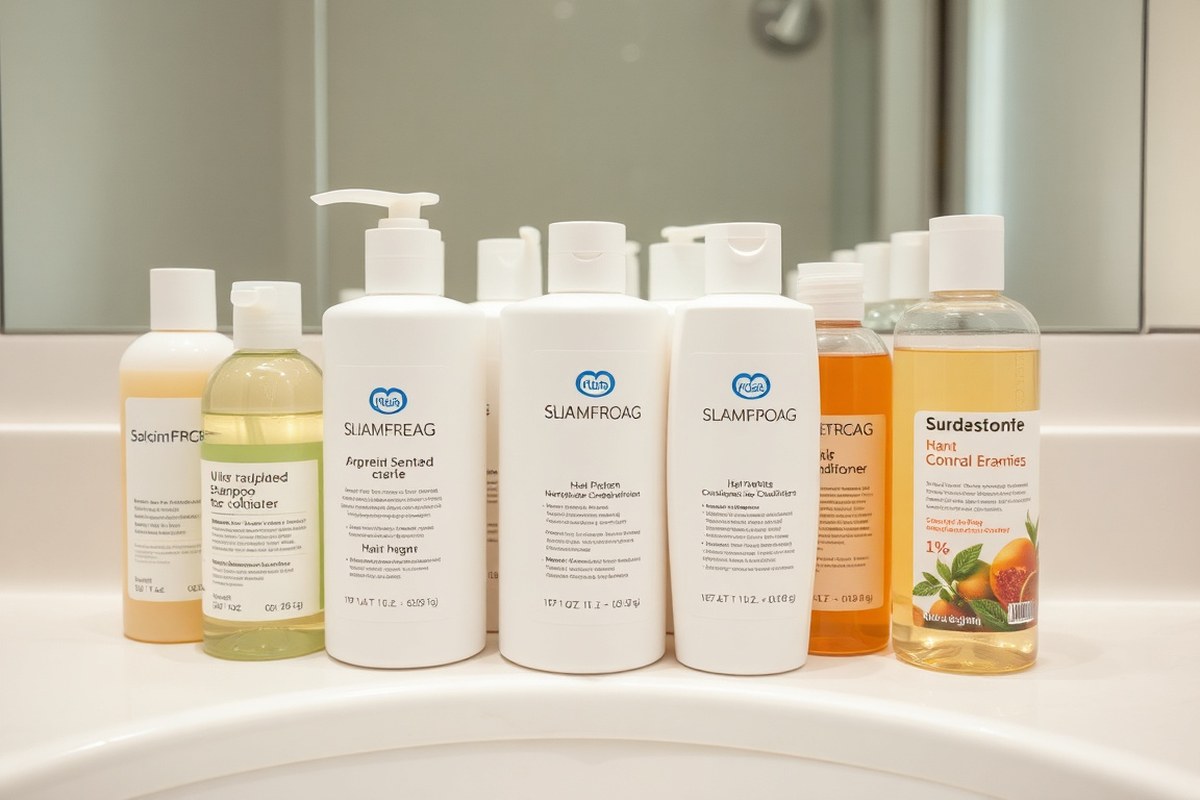
Good shampoo and conditioner match your hair type and specific needs. Fine hair needs lightweight, gentle formulas that add volume without weighing strands down. Thick, dry hair benefits from richer, hydrating products that help smooth rough, coarse texture.
Oily hair requires cleansers that remove excess sebum without stripping moisture. Dry hair needs extra hydration to prevent brittleness.
For color-treated hair, look for sulfate-free options that protect dye from fading and repair damage. Using the right products helps your hair feel soft, look shiny, and avoid buildup or dryness.
Here’s a checklist to select shampoo and conditioner for different hair types:
- Fine hair: choose volumizing, lightweight formulas with gentle cleansing agents
- Curly hair: moisturizing, curl-improving conditioners with ingredients like shea butter or coconut oil
- Oily hair: clarifying shampoos that balance oil without harsh sulfates
- Dry hair: rich, hydrating products with oils and humectants like glycerin or aloe vera
- Color-treated hair: sulfate-free, color-protecting sets with antioxidants and proteins
- Damaged hair: repairing shampoos with keratin or silk proteins to restore strength
Skin type matters for shampoo and conditioner choice, too. A hydrating shampoo works well on dry or normal hair. It may feel too heavy on oily hair.
Choose a lighter option if your hair gets greasy fast. Damaged or color-treated hair needs shampoos that reduce color fade and rebuild hair. But some formulas may stimulate oil production if used daily.
Prices range roughly from $8 for basic sets to $48 for premium or natural brands. You might spend more for products with special ingredients that claim to repair or protect better.
Results show in softness, shine, and hair that feels light yet manageable. Using the wrong type often causes dullness, breakage, or greasy buildup.
How Shampoo and Conditioner Work Together to Clean and Nourish

Different Roles of Shampoo and Conditioner
Shampoo and conditioner play separate but complementary roles in hair care. Shampoo cleans your scalp and hair by removing oil, dirt, and product buildup. Conditioner adds moisture, smooths strands, and helps detangle hair after shampooing.
Shampoo focuses on cleaning while conditioner nourishes and protects hair. Skipping conditioner can leave your hair dry and rough. Shampoo strips natural oils even if hair feels clean.
Conditioner helps bring back softness and moisture. Conditioner restores moisture balance and adds softness to your hair.
Condition Every Time You Shampoo?
Most people do best conditioning every time they shampoo. Shampoo removes oils and dirt but also strips moisture.
So conditioner helps replenish what you lose. This keeps hair smooth, manageable, and less prone to tangling.
Some with oily or fine hair skip conditioner sometimes. They do this to keep hair from feeling weighed down. Conditioner can add extra heaviness that they want to avoid.
Still, applying conditioner at least to the ends after every shampoo keeps strands hydrated and healthy. You’ll notice less frizz and better shine this way.
Where to Apply Conditioner
For most hair types, apply conditioner from mid-length to ends. These areas are drier and get damaged more easily. Avoid the roots to keep hair from getting greasy.
Applying conditioner directly on the scalp can sometimes cause buildup or oiliness. Focus on the lower two-thirds of your hair for best results.
If your scalp is very dry or textured, use a mild conditioner there. Gently massage it in to soothe flaking and irritation. This helps calm and hydrate the scalp.
Avoid heavy, rich formulas at the scalp to prevent clogged pores. Rinse well to avoid residue.
How to Use Them Correctly
Start by wetting hair with warm water, this opens the cuticle and helps shampoo work better. Use a quarter-sized amount of shampoo and massage it gently into your scalp, focusing on roots. This clears oils and buildup without harsh scrubbing.
Rinse shampoo thoroughly, then squeeze out excess water from hair before applying conditioner. Spread conditioner evenly on mid-lengths and ends. Leave conditioner on for 1 to 3 minutes for best hydration.
Rinse with cool water to close the hair cuticle. This helps lock in moisture and shine.
Applying conditioner only to your ends prevents oily scalp and keeps strands hydrated.
Key Ingredients to Look for and Avoid in Shampoo and Conditioner
You want to choose shampoos and conditioners with ingredients that support your hair type. Look for nourishing oils, moisturizers, and gentle cleansers to keep hair healthy without damage. Avoid sulfates and parabens because they strip natural hair oils.
These can cause dryness or irritation. Choose gentler ingredients instead.
Sulfate-free shampoos clean well but without the harsh scrubbing effect. They maintain your hair’s natural oils better and reduce frizz. These products are great for dry or curly hair.
They also work well if your hair is color-treated. Use them if your hair feels damaged.
Specific ingredients help with common hair problems. For example, aloe vera and shea butter add moisture and softness.
Amino acids and bond-building ingredients protect and repair hair from damage. Purple pigments balance brassy tones in color-treated blonde or gray hair.
| Ingredient | Effect | Best For |
|---|---|---|
| Aloe Vera | Soothes scalp, adds moisture | Dry, damaged hair |
| Shea Butter | Deep conditioning, reduces frizz | Thick, textured hair |
| Sulfates (SLS, SLES) | Harsh cleansing, strips oils | Avoid if dry, curly, or color-treated |
| Parabens | Preservatives to avoid | Everyone, for safer products |
| Amino Acids | Strengthens hair from inside | Damaged, brittle hair |
| Purple Pigments | Neutralize brassiness | Color-treated blonde, silver hair |
| Olive Oil | Moisturizes and smooths cuticles | Coarse or frizzy hair |
Check shampoo labels for sulfate-free claims if you want gentler washing. You can still get clean hair without that stripped feeling. Moisturizing ingredients cost a bit more but help hair feel softer and look shinier over time.
Using products with bond repair ingredients fixes damage caused by heat or coloring. Expect results in 2 to 4 weeks with regular use. Avoid sulfates and parabens for better scalp health and to prevent dryness or irritation.
How Often Should You Wash and Condition Your Hair?
How often you wash your hair depends on your hair type and scalp condition. People with oily scalps usually wash their hair two to four times a week. Dry or coarse hair needs washing once or twice a week.
This helps keep your natural oils from washing away. You avoid stripping your hair’s moisture by not washing it often.
Conditioning should happen every time you shampoo to keep your hair moisturized. Focus conditioner on the mid-lengths and ends, not the scalp, to prevent buildup. Clarifying shampoos are useful for deep cleaning but only need use once a week or less.
Here’s a simple routine to follow:
- Fine, oily hair: shampoo 3-4 times a week, condition every wash
- Normal hair: shampoo 2-3 times a week, condition every wash
- Dry or coarse hair: shampoo 1-2 times a week, condition every wash
- Scalp with dandruff: use anti-dandruff shampoo 2-3 times weekly
- Clarifying shampoo: use once a week or after heavy product use
Regular use of clarifying shampoos removes residue from dry shampoo or styling products. Suave offers a budget-friendly clarifying shampoo that cleans without overdrying. Bumble and bumble also makes a clarifying option that refreshes without stripping moisture.
Washing more often than your scalp needs can cause dryness or irritation. Using a shampoo designed for your hair type helps maintain natural balance and shine. Conditioning after every wash keeps hair soft and manageable, even if you wash less often.
Types of Shampoo and Conditioner: Moisturizing, Volumizing, Clarifying, and More
Shampoos and conditioners come in different types for specific hair needs. Moisturizing, volumizing, and clarifying formulas each target unique hair issues. Using the right one helps keep your hair healthy and looking good.
Moisturizing Shampoos and Conditioners
Moisturizing shampoos add oils and butters to restore dry hair’s natural moisture. They work well if you use heat styling or live in harsh weather. Conditioners help soften hair and detangle without weighing it down.
These products protect your hair from getting brittle and breaking. For example, Moroccanoil Hydrating Shampoo is rich in nutrients that keep hair soft. Use moisturizing shampoo and conditioner every time you wash if your hair feels dry or rough.
- Look for oils like argan or coconut in ingredients
- Best for dry, brittle, or chemically treated hair
- Use gently to avoid build-up
- Apply conditioner mostly to mid-length and ends
- Rinse with cool water to seal the hair cuticle
Volumizing Formulas
Volumizing shampoos lift flat hair by plumping strands and adding body. They usually contain light ingredients like fenugreek seeds or amla extract. These keep hair looking full without greasiness.
Try volumizing if your hair feels limp or gets oily quickly. Fable & Mane’s Volumizing Shampoo costs about $30 and works well for fine to medium hair types. Use this shampoo on roots and scalp to get best volume results.
- Ideal for fine, thin, or flat hair
- Avoid heavy oils or butters in these formulas
- Focus shampoo on root areas for lift
- Condition only ends if hair is prone to oiliness
- Use regularly for daily volume boost
Clarifying Treatments
Clarifying shampoos remove oil, product buildup, and residue like copper or lead. They clean deeper than regular shampoos but can be drying if used often. Milk_shake Deep Detox Shampoo is an example with green tea and milk protein.
Use clarifying shampoo once a week or less. This is important if you use dry shampoo often. It also helps if you use styling products a lot.
Follow with a moisturizing conditioner to avoid dryness. Overuse can strip away natural oils and cause scalp irritation.
- Use once a week for heavy buildup removal
- Good if you swim in chlorinated pools
- Avoid daily use to protect hair moisture
- Rinse thoroughly to prevent residue
- Balance with hydrating conditioner afterward
2-in-1 Shampoo and Conditioner Options
2-in-1 products combine shampoo and conditioner for quick, one-step use. They suit people who want to save time or travel light. However, these may not clean or hydrate as well as separate products.
They work best for normal hair without specific concerns. Avoid them if your hair needs lots of moisture, volume, or clarifying. Otherwise, stick to separate shampoo and conditioner to get the full benefits of each.
- Best for normal hair with minimal needs
- Convenient and travel-friendly
- Sometimes leave hair less clean or moisturized
- May cause buildup over time
- Not ideal for targeted hair concerns
Skipping separate conditioner can leave your hair tangled or dry. Use 2-in-1 sparingly for best results.
Best Shampoo and Conditioner Options for Common Hair Concerns
Damaged or color-treated hair needs shampoo and conditioner that both repair and protect. Look for products with moisturizing ingredients like aloe vera, which deeply hydrates dry hair.
Avoid shampoos with harsh sulfates, as they can strip color and weaken strands. Instead, choose sulfate-free formulas to keep your color vibrant longer.
Dandruff and sensitive scalps benefit from shampoos containing active ingredients that target scalp health. Zinc pyrithione fights dandruff-causing fungi, while salicylic acid helps with psoriasis and scalp buildup.
Fragrance-free or lightly scented options reduce irritation for sensitive scalps. A good conditioner will soothe and hydrate without weighing hair down.
- For damaged or color-treated hair: sulfate-free shampoo with musk rose oil and goji berry extract
- Shampoo and conditioner containing aloe vera for deep moisture
- Dandruff treatment: shampoo with zinc pyrithione or salicylic acid
- Sensitive scalps: fragrance-free or mild fragrance formulas
- Fine or thinning hair: shampoo with dimethicone to add moisture and body
- Reparative option: Olaplex No.4 Bond Maintenance Shampoo for broken bonds
- Essential oils and gentle cleansers for scalp balance and hair fall control
Thinning or fine hair needs products that build volume and moisture without heaviness. Ingredients like dimethicone provide body, making hair look fuller.
Some shampoos are designed to cleanse gently while supporting hair strength at the root. Prices vary; expect to pay $15 to $35 for quality options that combine these benefits.
Try each product consistently for at least four weeks to see if your hair improves. You might notice less breakage, better color retention, or reduced flakes. Stop use if irritation appears or results fall short to avoid worsening damage or scalp issues.
How to Tell If Your Shampoo and Conditioner Are Working
You can tell your shampoo and conditioner work if your hair feels clean without dryness. Your scalp should feel fresh and balanced, not itchy or irritated. Avoid tightness or flaking after washing your hair.
These signs mean your scalp needs a gentler shampoo. Choose a milder product to stop irritation.
Look for shine, softness, and manageable hair that does not feel heavy. Detangling can be easier right after shampooing your hair. Your hair feels lighter and bouncier, you’re likely using the right products.
Some shampoos let you comb your hair before conditioning. This spreads the conditioner better. It also helps improve your hair’s look.
Signs of product build-up include dull hair, scalp itchiness, or greasy roots soon after washing. Your scalp may feel heavy or flaky after washing. Usual shampoo might not remove buildup well if this happens.
Use a clarifying shampoo once or twice a month. It clears buildup without drying out your hair too much.
Scalp irritation or redness that persists after changing shampoo and conditioner is a red flag. See a dermatologist if scalp irritation gets worse.
Also go if you lose hair or get sores. A professional can test for allergies, infections, or scalp conditions and recommend tailored care.
New shampoo and conditioner take about four to six weeks. That’s how long it usually takes to see results. Avoid switching products too often; give your scalp and hair time to respond.
Think about your hair type before trying new products. Be careful if your scalp is sensitive or your hair feels brittle.
Common Shampoo and Conditioner Mistakes to Avoid
Washing your hair too often strips away natural oils and leads to dryness. Washing your scalp too much can cause irritation and frizz. Harsh shampoo ingredients like sodium lauryl sulfate make it worse.
So, use shampoo with gentler ingredients to avoid this. Shampoo and conditioner not made for your hair type cause problems.
They might leave your hair greasy, dry, or heavy. Pick products made for your exact hair needs.
Choosing the wrong product can cause build-up, dullness, or breakage over time. Fix these mistakes by spacing out washes to every two or three days. Choose a gentle shampoo with mild cleansers like sodium cocoyl isethionate.
This ingredient dries your hair less than strong sulfates. It keeps your scalp healthy while cleaning.
- Avoid daily shampooing unless you have very oily hair.
- Pick shampoo and conditioner made for your hair type, dry, oily, or curly.
- Rinse shampoo out thoroughly before applying conditioner only to mid-lengths and ends.
- Don’t pile on conditioner near the scalp to prevent buildup.
- Try co-washing (conditioner-only washing) if your hair is dry or curly.
- Use lukewarm water instead of hot water to prevent damage.
- Give each product a few weeks to work before switching.
Inconsistent routines or changing products too fast can confuse your scalp and hair. Adjusting slowly gives the scalp time to rebalance oils.
Using a high-quality product like Redken Frizz Dismiss or No.5 Bond Maintenance Conditioner can protect strands and reduce frizz. Also, applying conditioner lightly helps avoid weighed-down hair.
Rinsing shampoo fully before conditioning stops residue and scalp irritation.
Correcting your routine may take a few weeks. But your hair will feel healthier and look shinier. Avoid sharp changes to products or washing frequency to see steady improvement.
Dry or curly hair needs extra hydration. So pick moisturizing products and use conditioner regularly. For oily hair, clearer formulas and less frequent conditioning work better.
Adjusting Shampoo and Conditioner Use for Seasonal and Lifestyle Changes
Seasonal changes and lifestyle habits affect how your hair feels and looks. Cold weather often dries hair out.
Hot, humid air can make it greasy or frizzy. Switching your shampoo and conditioner to match the season helps keep hair balanced.
Exercise and swimming add sweat, chlorine, and salt buildup to your scalp. This dirt and chemicals require extra cleansing but too much washing dries hair. Knowing how often to shampoo and condition after workouts or swims matters for hair health.
In dry weather, use moisturizing shampoos with ingredients like shea butter or hydrolyzed quinoa. These nourish and protect dry, brittle strands.
In humid heat, lightweight conditioners smooth frizz without weighing hair down. Antioxidants such as green tea extract defend against damage from sun and pollution.
- Use a clarifying shampoo once a week to remove buildup from pools or sweat.
- Shampoo your hair every 2 to 3 days if you exercise regularly.
- Condition daily with a formula containing pro-vitamin B5 for moisture and strength.
- Avoid heavy oils or conditioners in hot, humid weather to prevent greasiness.
- Apply a leave-in conditioner or hair oil with UV protection before sun exposure.
- Rinse hair with fresh water right after swimming to reduce chlorine damage.
- Consider a deep conditioning treatment monthly during dry winter months.
Adjusting your hair care is not expensive but it does take attention. Most specialty shampoos and conditioners cost about $10 to $20 per bottle.
Using the right products regularly leads to softer, shinier hair and less breakage. Skipping switches can cause dullness, dryness, or buildup that dulls color and texture.
Choosing Natural, Sulfate-Free, and Cruelty-Free Hair Care Products
Natural and sulfate-free shampoos can clean your hair well. They often use coconut acid cleansers that create plenty of lather.
This foam rinses out easily without leaving buildup. Your scalp feels clean, and hair stays shiny.
Their cleaning strength sometimes feels milder than regular shampoos. It might take about a week for your hair to adjust.
During this time, natural oils begin balancing out. This adjustment is common with sulfate-free or silicone-free products.
Natural shampoos usually suit sensitive scalps better. They avoid harsh chemicals that cause irritation or dryness. Products with niacinamide and lactic acid help calm oily scalps.
They also control oil levels to reduce scalp trouble. These ingredients soothe your scalp while managing oils well. This helps reduce flaking and itchiness.
Look for brands that list clear, gentle ingredients, especially if your skin reacts easily. Many natural options are nontoxic and cruelty-free too. Choosing these supports ethical and sustainable practices in the beauty industry.
Brands like Nutrire and Act + Acre sell cruelty-free shampoos. These shampoos care for both your hair and scalp health. They focus on gentle and effective hair cleaning.
Nutrire’s S.3 Balance Shampoo costs about $36 and targets oily scalps with results-driven blends. Act + Acre’s formulas focus on natural ingredient absorption for healthier hair over time.
Choosing cruelty-free products means no animal testing during development. These companies often use sustainable packaging too. This reduces environmental impact while giving you a product you can trust.
Your hair type matters when picking natural and ethical products. People with relaxed or transitioning hair should choose shampoos for those types. These shampoos meet specific needs of treated hair.
Use products made to protect and nourish your hair condition. They provide moisture and gentle cleansing without stripping essential oils.
Always check how your hair responds in the first few weeks. Good signs include less scalp irritation, balanced oil, and hair that feels soft without heaviness. Avoid products causing dryness or excessive buildup, which might need switching to something else.
How to Incorporate Leave-In Treatments with Shampoo and Conditioner
Apply leave-in conditioners or treatments after washing and conditioning your hair. These products add extra moisture and protection without replacing your regular conditioner. Layering them correctly helps your hair stay soft and healthy.
When to Apply Leave-In Products
Use leave-in treatments right after towel-drying your hair. Hair is still damp but not dripping wet. This helps the product absorb better and locks in moisture.
You can also apply leave-in conditioner before heat styling. It protects hair from damage caused by blow dryers or straighteners. For example, Olaplex No. 5 is designed to be used before drying.
How to Layer with Shampoo and Conditioner
Follow these steps to use shampoo, conditioner, and leave-in treatment correctly:
- Wet your hair thoroughly with warm water.
- Apply shampoo, then massage your scalp gently for 30 seconds.
- Rinse out the shampoo completely.
- Apply conditioner from mid-length to ends, avoiding the scalp.
- Leave conditioner on for 2 to 5 minutes.
- Rinse conditioner thoroughly with cool water to seal the cuticle.
- Towel-dry your hair gently to remove excess water.
- Apply a small amount of leave-in conditioner evenly through damp hair.
Use about a quarter-sized amount of leave-in product for medium-length hair. Adjust amount based on hair thickness and length. Spread it evenly from mid-lengths to ends to avoid buildup near the roots.
Mistakes to Avoid
Don’t skip regular conditioner thinking leave-in treatments can replace it. Leave-in conditioners provide light moisture but don’t rinse out grime or detangle well. Your hair still needs shampoo and regular conditioner for thorough care.
Avoid using too much leave-in product. Excess weight can make hair look greasy and heavy. Start small, then add more only if needed.
Apply leave-in conditioner only on damp hair, never on dry hair, to avoid stickiness.
Understanding Shampoo and Conditioner Pricing and Value
Quality shampoos and conditioners usually cost between $8 and $30 per bottle. Drugstore brands lean toward the lower end, while salon-quality options often push past $20. The price difference reflects ingredients, concentration, and brand reputation.
Expensive shampoos can be worth it if they work well immediately. You get good results right away without extra effort. That makes the price easier to accept.
These usually contain higher quality ingredients and have a better scent. But paying more won’t always mean better results if your hair needs don’t match the formula.
Budget-friendly options can work well if you check the label and avoid overpriced packaging. Look for products that specifically target your hair type and concerns. Large salon-size bottles often give the same formula for less per ounce, which helps your budget.
| Price Range | What to Expect | Pros | Cons |
|---|---|---|---|
| $5, $10 | Basic cleansing and conditioning | Affordable, easy to find | Often contains more fillers, less lasting scent |
| $10, $20 | Better ingredient profiles, scent options | Good balance of cost and quality | Some products still focus on fancy packaging |
| $20, $35 | Salon-quality formulas and fragrances | More effective, better scent choices | Higher upfront cost, may exceed needs |
| Salon-size bottles (any price) | Standard formula in larger amount | Better value per ounce, fewer trips to store | Less convenient for travel |
Look for shampoos and conditioners that suit your hair needs rather than just eyeing price tags. Test scent first since it plays a big role in satisfaction.
Several top-rated no-fragrance shampoos also exist. So you’re not stuck with scent you don’t like.
A big bottle can save money over time if you find a formula you like. Trying a smaller size first avoids waste, especially with pricier brands. The best value matches what the product does and its price.
Don’t always choose the cheapest option or the most expensive one. Look for the right balance of cost and benefits.
Step-by-Step Action Plan for Using Shampoo and Conditioner
Start with a simple routine to find what works best for your hair. Watch how your hair responds as you adjust care.
- Day 1: Choose a shampoo and conditioner made for your hair type. Check for key ingredients that suit your needs.
- Week 1: Wash and condition your hair 2 to 3 times. Notice if your scalp feels clean and your hair soft, not dry.
- After 2 Weeks: Evaluate your hair’s look and feel. If it seems oily or heavy, try washing less often or use a lighter conditioner.
- Week 3: Add a leave-in treatment after washing if your hair needs extra moisture or protection. Look for lighter formulas if hair feels weighed down.
- Month 1: Adjust shampoo choice if scalp feels itchy or hair looks dull. Sometimes changing formulas helps with buildup and shine.
- After 6 Weeks: Try a clarifying shampoo once if your hair feels sticky or product-heavy. Use it sparingly to avoid dryness.
- Seasonal Change: Switch to more moisturizing products in colder months and lighter ones in warmer months. Your hair’s needs will shift with weather.
Frequently Asked Questions
What Is a Good Shampoo and Conditioner for Damaged Hair?
Look for products with nourishing ingredients like keratin or argan oil. They help repair and strengthen damaged strands over time. Avoid harsh chemicals that may worsen damage.
Can I Use the Same Shampoo and Conditioner Every Day?
You don’t have to wash hair daily unless it gets oily or dirty. Overwashing can strip natural oils, so choose products that fit your hair’s washing frequency.
Are Natural Shampoos Better for My Scalp Health?
Natural shampoos often lack synthetic fragrances and harsh chemicals. They can soothe sensitive scalps but might not suit severe dandruff or scalp conditions.
How Do I Know If My Shampoo Is Too Harsh?
Hair feels dry, brittle, or scalp gets irritated after washing. If these happen repeatedly, switch to a gentler shampoo with fewer sulfates.
Is Shampoo and Conditioner from the Same Brand Always the Best Match?
Not always. Some combos work well.
But mixing brands can offer better results for specific hair needs. Focus on ingredient compatibility.
What Role Does Fragrance Play in Shampoo and Conditioner Quality?
Fragrance mainly affects user experience, not hair health. Some sensitive scalps react to synthetic scents, so fragrance-free options can reduce irritation.
The Bottom Line
Good shampoo and conditioner match your hair and lifestyle needs. Pay attention to how your hair reacts and adjust as necessary. Start testing your new routine today for healthier hair tomorrow.