What’s the Best Purple Toning Shampoo: Complete Guide for Perfect Cool Blonde Hair
What’s the best purple toning shampoo to fix brassiness in blonde hair? Look for one with a strong violet pigment that balances warm tones effectively. Pick a formula that matches your hair type and condition for the best results.
Using shampoo with color-correcting ingredients helps your hair. Citric acid or brightening tech work to repair and protect. They keep your hair looking bright and healthy.
It also saves you time by reducing how often you need salon toning treatments. Start with a sulfate-free option to keep your hair hydrated and avoid dryness.
Watch how long you leave the shampoo on. Too long or too often can cause a purple tint, especially on lighter or porous hair. A little testing helps find the perfect balance for your cool blonde shade.
Key Takeaways
- Choose purple shampoos with strong violet pigments for effective brassiness control.
- Sulfate-free formulas prevent hair dryness while toning your blonde color.
- Password your hair type: damaged hair needs milder toning products.
- Use shampoos with citric acid to help repair bleached or highlighted hair.
- Apply purple shampoo 1-2 times a week to avoid unwanted purple hues.
- Test shampoo leave-in time on a small section before full application.
Which Purple Toning Shampoo Is Best for Your Hair Type?
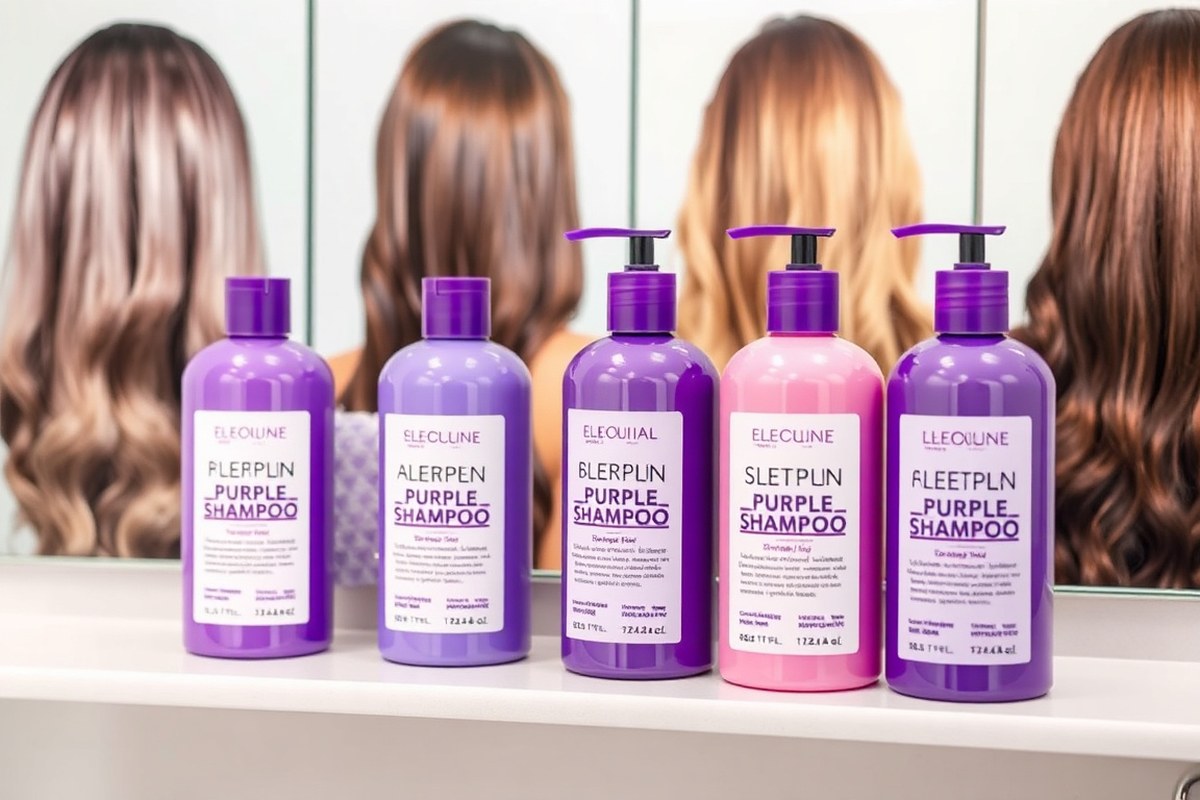
Choosing the best purple toning shampoo depends on your hair type and toning needs. For dry hair, pick one with hydrating ingredients to avoid extra dryness.
For fine or normal hair, choose a shampoo that tones gently. It should not weigh your hair down.
Gray or silver hair often needs a stronger pigment to fully cancel yellow tones. Blonde hair with heavy brassiness benefits from shampoos with very strong pigment. Everyday blonde hair does well with options having medium pigment.
Also, budget plays a role. You can find good results from affordable shampoos.
Luxury options often add hydration. They might also repair.
| Shampoo | Best For | Pigment Strength | Approx. Price (USD) |
|---|---|---|---|
| Fanola No Yellow | Serious brass, platinum hair | Very strong | $14 |
| Bold Uniq Purple Shampoo | Maintaining blonde, silver, or gray | Strong | $28 |
| L’Oréal Paris EverPure | Everyday blonde, sulfate-free | Medium | $11 |
| Clairol Shimmer Lights | Gray and silver on a budget | Strong | $6 |
| Kérastase Blond Absolu | Dry blonde or gray, luxury | Medium | $44 |
| Amika Bust Your Brass | Colour-treated hair | Medium | $28 |
Use Fanola No Yellow if your blonde hair has strong brassiness. It has strong pigment to fight yellow tones. But it can dry out fine or curly hair.
Bold Uniq works well on textured and chemically-treated hair. It controls brassiness without stripping moisture. For dry hair, Kérastase Blond Absolu and Moroccanoil Blonde Perfecting add hydration along with toning.
Clairol Shimmer Lights offers strong toning for silver or gray hair on a budget. Sachajuan Silver and Matrix So Silver both tone and repair bonds. They work well for extra care while toning.
L’Oréal Paris EverPure suits sulfate-free needs and daily use on color-treated blonde hair. Matching your choice to hair type and color means better results and healthier hair.
How Purple Shampoo Works to Neutralize Brassiness

Color Theory Behind Purple Shampoo
Purple shampoo works by using color theory to cancel out yellow tones. Purple is opposite yellow on the color wheel, so it neutralizes brassiness. This contrast reduces yellow and orange hues in blonde, silver, or gray hair.
When yellow tones form, the purple pigment bonds with hair to balance those unwanted shades. This quick fix refreshes your hair tone between salon visits. It’s a simple chemical reaction using violet pigments on the hair surface.
What Causes Brassiness and Yellow Tones
Brassy or yellow tones come from natural fading and buildup on color-treated hair. Sun exposure, hard water, and heat tools can speed this process. Pollution and shampoo residue also add unwanted warm hues over time.
Bleached or highlighted hair is most prone to yellow or orange shades showing up. Gray and silver hair can also develop dull or yellowish tones. These shifts make the hair look less fresh and vibrant.
Key Ingredients in Purple Shampoo
Look for violet or purple pigments listed as active colorants in purple shampoo. These pigments attach to hair and neutralize yellow and brassy shades immediately. For example, products often use a violet 2 colorant for this effect.
Many formulas also add moisturizers like fig, orchid, or botanical extracts. These nourish your hair while toning. You’ll find sulfate-free and vegan options that clean gently as they tone your hair.
How Purple Pigments Neutralize Brassiness
The violet pigments coat the hair strands and offset warm colors on the surface. This coating blocks yellow light reflections, shifting hair color toward cooler shades. It doesn’t dye your hair, but it massages out unwanted hues.
The toning effect lasts until the next wash because the pigments rinse out gradually. Using it too often may make hair look slightly purple. So apply carefully based on your hair’s warmth level.
Choosing Purple Shampoo for Best Results
Your choice depends on how strong the brassiness is and your hair type. A concentrated formula works well for tough yellow tones.
Milder ones suit regular maintenance. Some work better for dry or damaged hair by adding extra hydration.
Using purple shampoo consistently keeps your blonde, silver, or highlighted hair looking fresh. Expect to pay about $10 to $20 per bottle.
These prices are for quality purple shampoo sold on Amazon. The price may vary depending on the brand.
Beware of overusing purple shampoo. It can leave a subtle violet tint if left on too long.
How Often to Use Purple Shampoo Without Damaging Hair
Use purple shampoo 1 to 2 times weekly to tone brassiness without drying your hair. Keep the shampoo on for 2 to 5 minutes.
Follow your hair’s needs and product instructions. Overuse or leaving it on too long can dry hair or cause unwanted purple tones.
Why Limiting Frequency Matters
Purple shampoo deposits violet pigments on your hair to neutralize yellow hues. Using it too often builds up color, making hair look dull or purple-tinted. It also strips natural oils.
This leads to dryness and brittle hair. Chemically treated or porous hair is most affected.
Most people find 1 to 2 uses a week enough for toning. Adjust frequency if your hair shows brassiness faster or feels dry after use.
How Long to Leave Purple Shampoo On
Leave shampoo on your hair for 2 to 5 minutes. Time depends on shampoo strength and hair type.
Darker blondes or hair needing more toning may require closer to 5 minutes. Lighter, delicate, or dry hair benefits from shorter times around 2 minutes to avoid overtinting.
Don’t leave it on over 5 minutes. Long use dries out hair and may cause blue or purple tint.
Icy blondes are more prone. Always follow the brand’s maximum time recommendations.
Step-by-Step Purple Shampoo Use
Use this routine to avoid damage and get good toning results:
- Wet your hair thoroughly with warm water to open the cuticles.
- Apply a quarter-size amount of purple shampoo, focusing on brassy areas.
- Lather gently and spread evenly from roots to ends.
- Leave it on for 2 to 5 minutes depending on your hair condition.
- Rinse your hair well with cool water to close cuticles and lock color.
- Follow with a hydrating conditioner to restore moisture.
- Use the shampoo once or twice a week and skip it if your hair feels dry.
Signs You’re Overusing Purple Shampoo
Notice if the shampoo leaves a blue or purple tint instead of neutral tones. Hair that feels straw-like, rough, or brittle is a sign of overuse and damage.
Your hair looks dull or grayish. You’re likely using purple shampoo too often.
Cut back the frequency or leave-in time if you see these changes. Adding a moisturizing mask can help restore softness.
Adjusting Use for Hair Type and Condition
Dry, curly, or heavily highlighted hair should only use purple shampoo once a week. More use causes extra dryness.
Fine or oily hair might tolerate 2 times per week. For severely damaged hair, use sulfate-free formulas designed to be gentler.
If you live in sunny places or style with heat often, you may need more toning. Frequent use helps maintain color. Balance toning with conditioning treatments to keep hair healthy.
Choosing Purple Shampoo by Formula: Natural, Sulfate-Free, or Salon-Grade
Natural purple shampoos use plant-based ingredients that are gentle on hair. They don’t tone as aggressively, but they still reduce brassiness over regular use. Sulfate-free formulas are popular for cleaning without stripping moisture.
They also protect color. This helps color-treated blonde or silver hair stay healthy.
Sulfates can dry out strands. So a sulfate-free purple shampoo is wise if your hair feels brittle or fragile. Some formulas also skip parabens and silicones, which reduces buildup.
Salon-grade products often contain stronger violet pigments like Acid Violet 43, offering quicker, more noticeable toning. These might need less frequent use to avoid over-toning or dryness.
Choosing the right conditioner matters, too. Using a purple conditioner or a matching sulfate-free conditioner helps lock in color and adds smoothness.
It also prevents hair from feeling rough or tangled after shampooing. Some sets combine shampoo and conditioner to balance toning with hydration.
- Natural purple shampoos: mild toning, gentle on hair, gradual results
- Sulfate-free formulas: clean without damage, ideal for color-treated hair
- Salon-grade shampoos: stronger pigments, faster toning, use less often
- Look for Acid Violet 43 or Violet 2 pigments to neutralize brassiness
- Pair with a purple or color-safe conditioner to protect and soften strands
- Watch for no parabens and silicones for less buildup and irritation
- Price range varies from budget drugstore ($5) to higher-end ($20+)
Drugs tore finds like L’Oréal Paris Elvive offer strong toning on a budget. For a sulfate-free option, Kristin Ess The One Purple Shampoo balances toning without harsh sulfates. Fans praise the Fanola No Yellow Shampoo for everyday use.
Its formula is gentle. It is also effective.
Using a shampoo and conditioner set made for toning helps keep cool tones. It also helps maintain healthy hair.
How to Apply Purple Shampoo for Best Results and Avoid Staining
Purple shampoo tones brassiness by depositing a violet pigment on your hair. You need to apply it carefully to avoid purple stains or uneven color. Applying shampoo after wetting hair helps it spread evenly.
It stops hair from soaking up too much pigment. This makes toning more balanced.
Leave the shampoo on your hair just long enough. Usually, this time is between 2 to 5 minutes. This neutralizes yellow and orange hues.
Longer than that can make your hair look slightly purple, especially with stronger formulas. Rinse thoroughly with cool water to lock in the tone and remove residue.
Use purple shampoo with your usual hair routine. This includes conditioner and hair masks. Don’t use it every time you wash.
Use purple shampoo once or twice a week depending on your hair’s brassiness and condition. On other days, use gentle, sulfate-free shampoos to keep your hair healthy.
- Wet your hair completely with lukewarm water to open the cuticle.
- Apply a quarter-sized amount of purple shampoo evenly from roots to ends. Avoid dry hair.
- Gently massage the shampoo into your hair for about 30 seconds for even coverage.
- Leave it on for 2 to 5 minutes depending on your hair’s brassiness and sensitivity.
- Rinse thoroughly with cool or lukewarm water until the water runs clear and no residue remains.
- Follow with a conditioner or hair mask to restore moisture and smoothness.
- Repeat once or twice weekly or adjust based on how your hair responds to toning.
Test purple shampoo on a small hair strand first. Avoid leaving it longer than 5 minutes to prevent purple tints.
Best Purple Shampoos for Specific Hair Conditions and Colors
Purple shampoo works well on gray, silver, highlighted, and naturally blonde hair. It cuts yellow tones and brightens your hair in just one wash. Using it regularly can keep your hair fresh and salon-ready between appointments.
Gray and silver hair often need purple shampoo more often than blonde hair. This is because yellow brassiness shows easily on lighter shades. Purple shampoo for gray hair typically adds cool, ashy tones to prevent dullness.
Brunettes can use purple shampoo too, especially if they have blonde highlights. It helps neutralize brassiness where the blonde is and adds shine. However, purple shampoo won’t change the dark base color or work as a regular shampoo replacement.
| Hair Type | Recommended Product | Cost | Key Benefit | Usage Tips |
|---|---|---|---|---|
| Gray or Silver Hair | DpHue Cool Blonde Shampoo | $28 | Neutralizes yellow, adds ashy tone | Use 2-3 times a week for best results |
| Natural Blonde or Highlights | Many organic and sulfate-free options | $15-$30 | Fights brassiness without drying | Apply once or twice a week, leave 2-5 minutes |
| Brunette with Blonde Highlights | Standard purple shampoo | $10-$25 | Brightens blonde parts, adds shine | Focus on highlighted areas, rinse well |
Don’t replace your regular shampoo with purple shampoo. It’s designed as a toner, not a daily cleanser.
Purple shampoo can dry hair if left on too long or used too often. Stick to using it two to three times a week depending on your hair’s condition.
The best purple shampoos balance toning power and moisture. Natural and sulfate-free formulas work well on mature blonde or highlighted hair without harsh chemicals. Expect to pay between $15 and $30 for a shampoo that tones without damage.
Common Mistakes with Purple Shampoo and How to Fix Them
Overusing purple shampoo is a common mistake that causes hair to look slightly lilac. Hair that is porous or over-processed tends to absorb too much pigment. Use purple shampoo only once or twice a week to avoid unwanted purple tones.
Another mistake is applying purple shampoo too long or on dry hair. Leaving it on for more than five minutes can cause staining or uneven tones. Apply to wet hair.
Gently lather the shampoo. Rinse after three to five minutes.
Many people grab their purple shampoo daily, hoping to fix brassiness faster. This can dry out hair and dull its natural shine. Brassiness can persist.
Mix purple shampoo with your regular shampoo. This lightens tone without heavy color buildup.
- Rinse hair with cool water to reduce purple pigment absorption
- Wear gloves to prevent purple stains on your hands
- Fix staining by shampooing again or gentle spot cleaning with a baking soda paste
- Use a sulfate-free purple shampoo to avoid harsh drying effects
- Space out purple shampoo use to 1, 2 times weekly
- Mix purple shampoo with a daily shampoo to lessen pigment intensity
- Schedule a salon toning appointment if brassiness remains
Purple shampoo staining can appear on towels, hands, or bathroom surfaces. Washing stained areas immediately with warm water and soap usually removes pigment. For hair stains, rewash as usual.
Or apply a mix of baking soda and water on the spot. Rinse it well.
Misusing purple shampoo can strip your hair’s natural oils, causing dryness and damage. Choose a nourishing formula like Moroccanoil Blonde Perfecting for instant brass-fighting without over-drying. Avoid harsh sulfates or parabens in your shampoo to protect hair health.
How to Adjust Purple Shampoo Use for Hair Condition and Seasonal Changes
Dry or damaged hair needs gentler purple shampoo use to avoid more dryness. Use purple shampoo every other wash rather than every time. Let the shampoo sit for 1 to 2 minutes only.
Don’t leave it for 3 to 5 minutes. This helps keep your natural oils safe.
Add a deep conditioner or hydrating mask right after purple shampoo. These treatments help restore moisture and strengthen strands. Use a moisturizing mask once or twice a week.
Choose one with keratin or argan oil. This gives the best results for your hair.
During colder months, hair tends to dry out and colors fade slower. So cut back on purple shampoo to 1 or 2 times weekly. In summer, UV rays boost brassiness.
So you might want to use it 2 to 3 times a week. Always watch your hair’s feel; if it’s drying, reduce usage.
Silver or gray hair can lose vibrancy quickly from sun exposure and pollution. Try DpHue’s Cool Blonde Shampoo or Joico’s Color Balance Purple Shampoo. Both have strong color but won’t stain your hair.
Use these shampoos weekly with shorter rinse times. This helps stop brassiness and boosts shine.
Don’t leave purple shampoo on dry or sensitive hair too long. It can make hair dull and brittle.
Mix purple shampoo with a hydrating shampoo if your scalp is dry or itchy. You can also apply a light scalp oil after washing.
This protects the scalp barrier without reducing purple toner power. Always rinse with lukewarm water, never hot, to avoid extra dryness.
For a quick routine, alternate purple shampoo days with nourishing, sulfate-free shampoo days that hydrate better. This spacing keeps your hair balanced.
Change how often you use purple shampoo based on your hair’s reaction. Don’t strictly follow a set schedule.
Safety Tips and Allergies for Purple Toner Shampoos
Purple toning shampoos can cause skin irritation or allergic reactions in some people. This happens especially if you have sensitive scalp or skin. Always test the shampoo on a small patch of skin before full use.
Look for signs like redness, itching, burning, or swelling during the patch test. Wait at least 24 hours after applying the shampoo on the skin patch. If you notice irritation, do not use the shampoo on your scalp.
- Apply a small amount of shampoo behind your ear or on your inner arm.
- Wait 24 hours to check for any irritation or rash.
- Read the ingredient list to avoid known allergens or harsh chemicals.
- Choose sulfate-free or sensitive formulas for easier scalp tolerance.
- Wear gloves if you have cuts or sensitive hands to avoid irritation.
- Rinse hair thoroughly to remove all shampoo residue.
- Stop use and consult a dermatologist if irritation appears after use.
Common irritants in some purple shampoos include sulfates, parabens, and artificial fragrance. These can dry out your scalp or trigger allergies. Many good options like Moroccanoil Blonde Perfecting Purple Shampoo avoid these irritants and cost about $26.
Always avoid leaving purple shampoo on your hair longer than instructed. Leaving it too long can cause scalp dryness or staining on your skin. Follow the bottle directions closely to keep your scalp and hair healthy.
Expert Tips and Recommendations for Salon-Quality At-Home Toning
Salon-level toning at home means using professional-grade purple shampoo along with smart habits. You want to leave the shampoo on just long enough. It cancels yellow tones.
Don’t leave it on so long that hair turns purple. Use a deep conditioner with it for best results.
It nourishes your hair well. It keeps your color vibrant between salon visits.
Recommended Brands by Professionals
Pureology and Olaplex are top picks among stylists for purple shampoo. Pureology’s formula is sulfate-free and protects hair while toning. Olaplex adds strengthening ingredients that help repair damage while neutralizing brassiness.
Thompson, a celebrity hair expert, praises a certain paraben-free brand trusted by salons. These shampoos work well on extensions and natural hair alike. Their pigments focus on canceling yellow shades.
Purple sits opposite yellow on the color wheel. This helps stop unwanted warm tones.
How to Layer Toning Treatments
Apply purple shampoo and leave it on hair for 5 to 10 minutes for best results. Use gloves to avoid purple-stained hands, especially with longer application times. Rinse well, then use a rich conditioner.
Or try a purple toning conditioner. This locks in the color correction you made.
For deeper toning, some users reapply the shampoo after conditioning and rinse quickly. This method boosts pigment deposit on stubborn brassiness. Regular weekly or biweekly use balances color without overloading the hair.
Post-Shampoo Conditioning Tips
Always use a salon-quality conditioner after purple shampoo to combat drying effects. Match it with your shampoo brand or pick one designed for color-treated hair. Olaplex’s purple toning conditioner, for example, restores shine and smooths hair cuticles.
Deep conditioners or masks once a week can keep hair hydrated and pliable. Look for products with ingredients like citric acid or AHAs that rebuild weak hair bonds. Healthy hair holds color better and looks vibrant longer between salon visits.
Step-by-Step Action Plan to Use Purple Shampoo Effectively
Follow this simple plan to get the best results from your purple shampoo. Watch your hair tone improve with each step.
- Before you start: Choose a purple shampoo suited for your hair type and condition. Check if it meets your needs (sulfate-free, natural, or salon-grade).
- Day 1: Apply purple shampoo to damp hair, focusing on brassier parts. Leave it for 3 to 5 minutes. Rinse and check if yellow tones soften.
- Week 1: Use purple shampoo once every 4 days. This prevents over-toning and keeps brassiness controlled.
- After 2 weeks: Assess your hair’s tone and texture. Adjust frequency to twice a week if brassiness returns quickly.
- When hair feels dry: Add deep conditioner after purple shampoo. This keeps hair smooth and healthy despite toning.
- Seasonal changes: Use purple shampoo more often in summer or if you swim regularly. Chlorine and sun cause extra yellowing.
- Spot check: Avoid leaving shampoo on too long on new growth. It may cause a purple tint there. Reduce timing if needed.
- After 1 month: Evaluate results. When brassiness is gone and your hair feels good, keep your routine. Try different products or visit a salon for advice if needed.
Frequently Asked Questions
How Do I Pick the Best Purple Shampoo for Sensitive Scalp?
Choose a gentle, sulfate-free formula designed for sensitive skin. It reduces irritation while toning brassiness effectively. Test a small patch first to ensure no allergic reaction occurs.
Can I Mix Purple Shampoo with Conditioner to Tone Less Harshly?
Yes, mixing helps tone subtly without over-drying hair. Use a small amount and rinse quickly to avoid residue or unwanted purple tint.
What’s the Difference Between Salon-Grade and Drugstore Purple Shampoos?
Salon-grade products often have stronger pigments and extra care ingredients. Drugstore options are more affordable but might require more frequent use for similar effects.
Will Purple Shampoo Work on Dark Blonde or Light Brown Hair?
It can tone light blonde and some dark blondes but is less effective on browns. Darker tones likely won’t show much color change from purple shampoo.
How Can I Prevent Purple Shampoo from Making My Hair Grayish?
Avoid leaving it on too long or using it too often. Follow instructions and rinse promptly once your brassiness fades for a natural tone.
Is Purple Shampoo Safe for Color-Treated Hair?
Most purple shampoos are safe for color-treated hair if labeled color-safe. Look for sulfate-free options to protect your hair color and health.
Key Points to Remember
The best purple toning shampoo depends on your hair type and needs. Proper use stops brassiness without damage. Try your chosen shampoo now and watch your color improve.