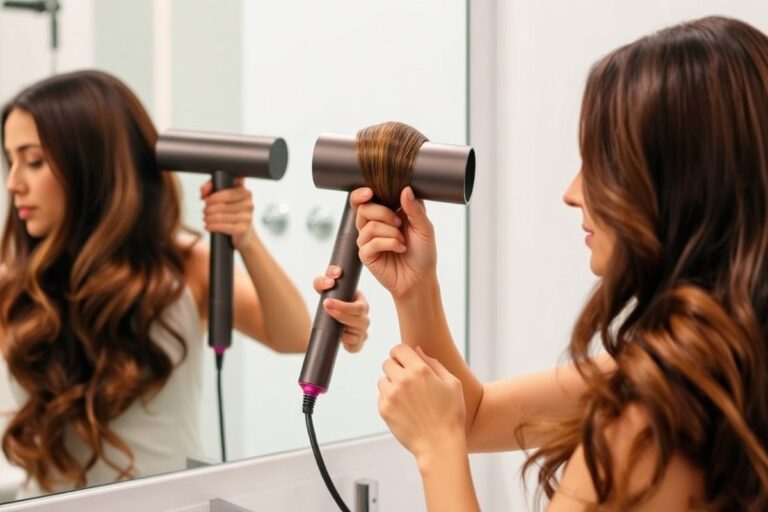
How to Stop Hair from Frizzing: 8 Proven Strategies That Really Work
How to stop hair from frizzing starts with locking in moisture and cutting static. Use a hydrating shampoo and conditioner made for your hair type every time you wash.
Apply a smoothing serum or cream to help create a protective barrier against humidity. This seals your strands and keeps frizz at bay.
Dry your hair gently with a microfiber towel instead of rubbing it with a bath towel. Air dry until your hair is almost dry before using a blow-dryer on low heat.
Rough drying your hair first reduces frizz by preventing excessive friction. These quick steps cut down your frizz fast and keep your hair smooth all day.
Key Takeaways
- Choose shampoos and conditioners that hydrate and nourish your hair.
- Apply a smoothing serum like ULTIMATE SMOOTH Miracle Oil Serum after washing.
- Pat hair dry with a microfiber towel to reduce frizz-causing friction.
- Air dry hair until 90% dry before using a low-heat blow-dryer and brush.
- Use a leave-in spray or styling cream to help control frizz throughout the day.
- Avoid over-washing hair to maintain natural oils and moisture balance.
1. How to Stop Hair from Frizzing Fast and Effectively

- Dampen your hair slightly. Use a spray bottle with water or a light leave-in conditioner. This helps reset frizzy strands and prepare them for smoothing products.
- Apply a small amount of smoothing serum or oil. Products with squalane, omega-9, or argan oil work well. Focus on mid-lengths to ends to avoid weighing hair down.
- Comb gently with a wide-tooth comb. This spreads the product evenly and detangles without breaking hair. Avoid vigorous brushing that triggers more frizz.
- Use a cool air setting on your blow dryer. Blow dry hair gently to lock in smoothness. Hold the dryer 6 to 8 inches away and keep it moving to prevent heat damage.
- Finish with a light hold hairspray or anti-frizz spray. These seal your style and protect against humidity for several hours. Spray lightly to prevent stiffness or buildup.
- Try a quick apple cider vinegar rinse. Mix 1 part ACV with 3 parts water, apply to hair for 2 minutes, then rinse. It helps smooth the cuticle and balance pH for temporary frizz control.
Taking fast action can reduce hair frizz visibly in minutes. When your hair feels dry or static, use a spray to refresh.
Then, smooth it with oil to calm flyaways quickly. Oils seal the hair cuticle and create a moisture barrier, which stops humidity from causing puffiness.
Awide-tooth comb keeps your hair strands intact during styling. Using heat carefully helps set your smooth look without causing breaks. A cool air setting reduces heat stress.
Applying a light hairspray or anti-frizz mist last helps keep strands flat. It works well in humid air for several hours.
Apple cider vinegar is an affordable at-home solution. You only need a small diluted amount to smooth the hair surface briefly. Do not use ACV too often since it can dry out the scalp if overused.
2. What Causes Hair to Frizz and Which Hair Types Are Most Prone?
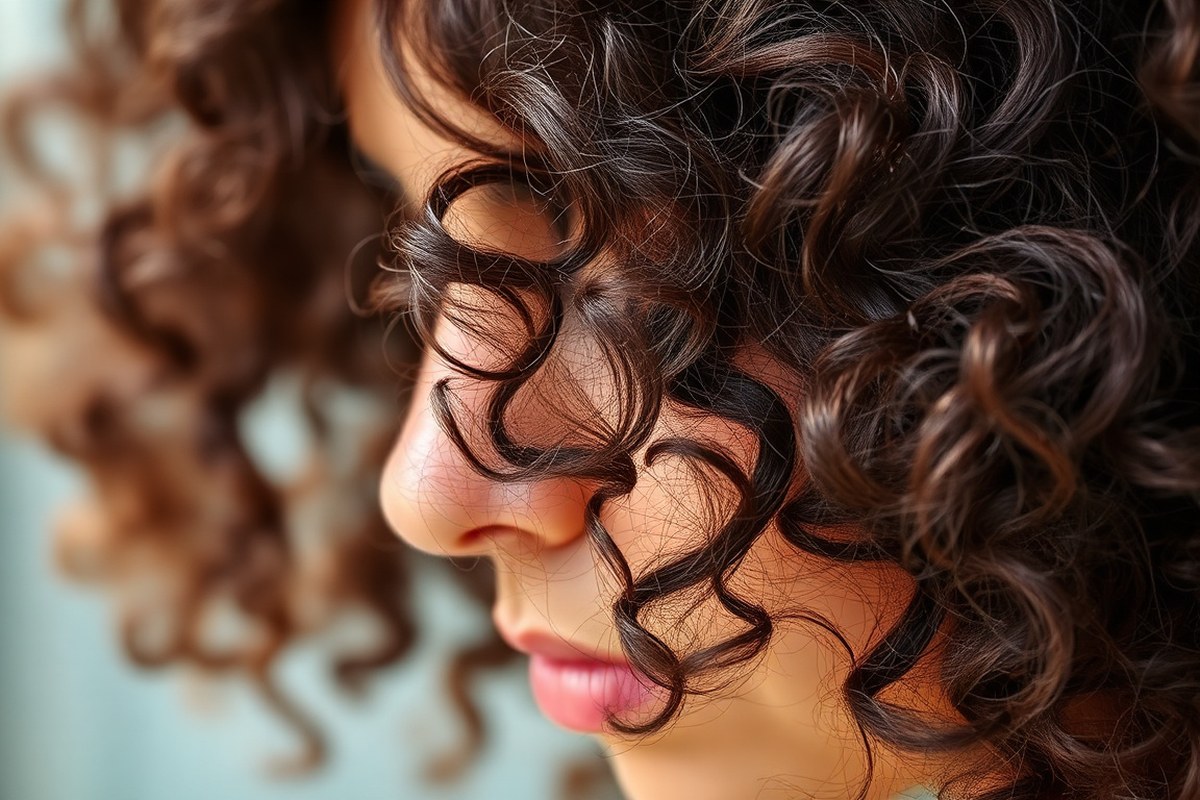
Hair frizz happens when moisture in the air makes the hair shaft swell. This lifts the hair cuticle, causing strands to separate and look fuzzy. Curly and wavy hair usually shows more frizz, especially in humid weather.
How Humidity Affects Hair Cuticles
Humidity means there’s extra moisture in the air, often above 70 percent. Your hair takes in this moisture because the outer layer, the cuticle, is porous. As the cuticle swells, it lifts and roughens the hair surface, making it frizzy.
The raised cuticle leads to puffiness and a fuzzy look. It also weakens the hair by dissolving natural oils that protect it. Hot water and heat styling open the hair cuticle more.
This strips oils from your hair. That makes frizz worse.
Porosity Differences Across Hair Types
Hair porosity is about how well your hair absorbs and holds moisture. High-porosity hair absorbs water easily but also loses it quickly, so it frizzes more. Curly hair often has higher porosity.
Its cuticles overlap unevenly. That causes more frizz.
Straight hair has lower porosity with a tighter cuticle layer. So water doesn’t seep in as much.
Still, very humid weather can raise frizz in straight hair too. Genetics mostly decide your hair type and porosity, which influence how much frizz you get.
Hair Structure and Frizz Susceptibility
Curly and wavy hair strands bend a lot. This stops scalp oils from moving down easily. That can make hair dry.
This dryness adds to frizz and breakage. Straight hair lets oils spread evenly, keeping it smoother and less prone to frizz.
Damaged hair with split ends or rough cuticles tends to frizz even more. Friction from harsh towel drying or too much brushing creates more cuticle damage. Less friction helps keep the cuticle flat and hair looking sleek.
Dry your hair gently by blotting with a microfiber towel to prevent cuticle damage and frizz.
3. Choosing the Best Products to Keep Hair Frizz-Free
Choosing the right shampoos, conditioners, and oils helps stop hair frizz. These products make a big difference in managing your hair. Picking the best styling products can improve frizz control.
Products with moisturizing and smoothing ingredients help keep your hair soft and shiny. Avoid anything that dries your hair out or strips natural oils.
Key Ingredients to Look For
Shampoos and conditioners with hyaluronic acid or glycerin hydrate your hair. Natural oils like argan and avocado also help keep hair moist. These ingredients improve your hair’s moisture levels.
Keratin is great in leave-in conditioners because it strengthens and smooths your hair cuticle. These ingredients boost moisture and reduce the roughness that causes frizz.
Products made just for frizz usually include these ingredients along with some heat protection. You can expect to pay around $10 to $25 for a quality shampoo or conditioner. Using these regularly will leave your hair smoother and less flyaway.
Natural Oils and Their Benefits
Natural oils such as argan oil and coconut oil do work well against frizz. They add moisture and create a protective coating on the hair shaft. This helps slow down moisture loss and shields your hair from humidity.
You can buy hair oils or products containing these oils. Applying a small amount of pure argan or coconut oil after washing can boost hydration. A 2022 study showed conditioners with argan oil strengthened bleached hair.
This proves oils like argan can be very effective. Using these oils helps protect and repair damaged hair.
Products and Ingredients to Avoid
Avoid shampoos and styling products that contain alcohol or harsh cleansers like sodium lauryl sulfate. These strip your hair of natural oils and make frizz worse.
Also, don’t overwash your hair. Washing too often removes natural oils that weigh hair down and keep it smooth.
Choose gentle, hydrating cleansers that protect your hair’s natural oils. Skipping strong detergents gives your hair a better chance to stay soft and frizz-free. This is especially important for hair prone to dryness and damage.
Different types of frizz need different product care. Here’s a quick table comparing problems to solutions and examples from Wella Professionals:
| Frizz Concern | What Your Hair Needs | Wella Professionals Product to Try |
|---|---|---|
| Dry, frizzy hair | Nourishment and smoothing | ULTIMATE SMOOTH Mask |
| Curly or wavy frizz | Nourishment and definition | Nutricurls Curlixir Defining Balm |
| Frizz from heat styling | Heat protection and smoothing | EIMI Smooth Thermal Image |
| Humidity-induced frizz | A protective barrier against moisture | ULTIMATE SMOOTH Miracle Oil Serum |
Selecting the right product depends on your specific frizz problem and hair type. For example, curly hair needs both moisture and curl definition. Products made for your specific hair issue work best to reduce frizz.
They help keep your hair smooth and controlled longer. Using the right product improves your chances of success.
4. Hair Care Routines That Prevent Frizz Daily
Use lukewarm water to wash your hair to help keep moisture in. Hot water strips natural oils, making hair dry and prone to frizz. Choose a sulfate-free shampoo made for dry or frizz-prone hair to clean without damage.
Shampoo just enough to remove oil and buildup without drying your scalp. Most people do well washing hair two to three times a week. Overwashing removes oils that protect hair, so skip daily shampooing when you can.
After washing, pat your hair dry gently with a microfiber towel or use a towel turban. Cotton towels cause friction and tangles that lift the cuticle and lead to breakage and frizz. Avoid rubbing or twisting hair with towels; just press lightly to soak up water.
- Wet hair gently with lukewarm water, not hot
- Use sulfate-free shampoo designed for your hair type
- Wash hair two to three times weekly, more if very oily
- Pat dry with microfiber towel or wrap in towel turban
- Don’t rub hair with towel, press to absorb water
- Use a brush with boar and nylon bristles to detangle
- Handle hair gently when wet to prevent breakage
Wet hair breaks easily, which causes split ends and frizz later. Always use a wide-tooth comb or a brush with boar and nylon bristles to gently detangle.
Boar bristles spread your scalp’s natural oils, while nylon bristles help detangle without pulling. This keeps hair smooth and less prone to frizz.
Dry hair frizzes because the cuticle is raised to get moisture from the air. Keeping hair hydrated and protected by avoiding harsh washing and rough drying helps keep it smooth.
Your daily habits of how you wash, dry, and handle hair can make a big difference. Soft, shiny hair feels stronger and stays sleek longer.
5. How to Use Heat and Styling Tools Without Increasing Frizz
Start styling your hair while it is still damp to avoid frizz. Apply a heat protectant spray or serum right after towel-drying. This forms a barrier that shields your hair from damaging heat and locks in moisture.
Set your hair dryer temperature to medium or low, ideally below 350°F (175°C). High heat dries out the hair and weakens its protective outer layer, increasing frizz and breakage.
Use a diffuser attachment on low heat if you have curly or wavy hair. It reduces airflow disruption and preserves curls.
Choose brushes designed to tame frizz, like those with natural boar bristles or wide-tooth combs. These brushes glide through hair with little pulling or damage. They help spread natural oils from your scalp along your strands.
This helps keep hair healthy and shiny. Avoid rough brushing or excessive pulling when styling.
| Heat Styling Tip | Recommended Practice |
|---|---|
| Hair dryer temperature | Keep below 350°F (175°C) |
| Brush type | Natural boar bristles or wide-tooth comb |
| Heat protectant application | Apply on damp hair within minutes of drying |
| Diffuser use | Use on low heat for curly/wavy hair |
| Styling frequency | Limit heat styling to prevent dryness |
To apply heat protectants, spray or rub the product evenly over damp hair. Concentrate on mid-lengths to ends where damage shows first.
Let it air dry briefly before using heat tools. Don’t forget to reapply if you restyle with heat later the same day.
Using heat styling tools less often and moisturizing regularly improves hair health. Healthier hair frizzes less and shines more. Regular trims help remove split ends that worsen frizz during styling.
Never use the highest heat setting on styling tools. You risk drying your hair and causing more frizz.
6. At-Home Deep Conditioning and Mask Treatments for Frizz
Deep conditioning treatments are key to reducing frizz and restoring moisture. Use a rich mask once a week to smooth your hair and make combing easier. Pick masks with shea butter, jojoba esters, or amino acids for best results.
Preparing Your Hair for Treatment
Start with clean hair to help the treatment penetrate well. Use a gentle shampoo to avoid stripping natural oils that fight frizz. Avoid applying conditioner before the mask to let the deep treatment work directly on your hair.
Detangle your hair gently with a wide-tooth comb. This prevents breakage and helps the mask spread evenly. Wring out excess water until your hair feels damp but not dripping.
Applying and Timing the Mask
Focus the mask on the ends of your hair, where frizz is most common. Avoid the scalp to prevent greasiness. Apply about a quarter-sized amount depending on your hair length and thickness.
Follow these steps for the treatment:
- Squeeze a generous amount of deep conditioner or mask into your palm.
- Work it through your damp hair, mainly on the mid-lengths to ends.
- Use a wide-tooth comb to distribute product evenly.
- Cover your hair with a plastic cap or wrap, it traps heat and improves absorption.
- Leave the mask on for 10 to 20 minutes, as the packaging recommends.
- Rinse with cool water to seal the cuticle and lock in moisture.
- Gentle squeeze excess water out without rubbing.
Leaving the mask on longer than 20 minutes usually has no benefit. It might weigh your hair down if you keep it on too long.
Stick to 20 minutes for the best results. Stick to the suggested time for best hydration without buildup.
Rinsing and Post-Treatment Care
Rinse your hair thoroughly with cool water to close the cuticles. This helps lock in moisture and reduce frizz. Avoid hot water because it can dry out hair and cause more frizz.
After rinsing, gently blot your hair with a microfiber towel. Regular towels roughen cuticles and cause more frizz. Let your hair air-dry for less damage.
You can also use a blow dryer on low heat. Attach a diffuser for even gentler drying.
Finish with a leave-in serum or anti-frizz spray to maintain smoothness. Using these post-treatment locks in the benefits from your deep conditioning session.
7. Nighttime Hair Care Habits to Reduce Morning Frizz
Protecting your hair while you sleep can cut down on morning frizz. Silk or satin pillowcases are a simple switch that makes a big difference. These materials reduce friction, so your hair slides smoothly instead of catching and breaking.
Silk pillowcases made from mulberry silk are gentle on your hair. They help keep your hair cuticles flat. This protects your hair while you sleep.
This helps retain moisture and prevents hair from becoming dry and frizzy overnight. Cotton pillowcases roughen your hair cuticle.
This causes friction you might not notice. Friction leads to more frizz and hair damage.
Besides the pillowcase, using overnight products helps lock in moisture and protect your hair. Lightweight hair serums or leave-in conditioners create a barrier against humidity and dryness. These pillowcases don’t fix hair damage.
They help hold moisture inside your hair. This makes your hair look smoother in the morning.
- Sleep with your hair in loose braids, buns, or twists to limit friction
- Apply a small amount of hair serum or leave-in conditioner before bed
- Use a satin or silk pillowcase rather than cotton to reduce frizz
- Try a silk or satin hair bonnet for extra protection if you toss a lot
- Avoid sleeping with wet hair to reduce breakage and frizz
- Trim split ends regularly to prevent further damage worsening overnight
Protective styles keep strands from rubbing against the pillowcase too much. Wrapping very curly hair in a silk scarf or bonnet helps a lot. It stops breakage and reduces frizz.
Your hair stays protected during sleep. Keeping hair dry before bed also lowers the chance of frizz. Damp hair is weaker and breaks easier during sleep, causing more frizz.
Regular trims every three to four months reduce split ends, which cause more damage and frizz. Protective styles and silk accessories take extra time to prepare for bed. You have to wrap or style your hair carefully.
This adds time to your nightly routine. Still, better morning hair is often worth the extra effort.
Frizz can be a daily struggle for many. Using these methods helps reduce morning frizz a lot.
8. When to See a Professional About Persistent Hair Frizz
Persistent frizz could signal underlying scalp or hair health problems. Conditions like dandruff, psoriasis, or fungal infections affect scalp health and cause frizz.
Notice redness, itching, or flaking with frizz? See a dermatologist.
Hair damaged at home shows split ends or severe dryness. Conditioning does not fix it. Frizz continues after deep treatments and trims every 6-8 weeks.
A stylist can check your hair’s health. Stylists can suggest protein treatments or smoothing services for your hair type. These help strengthen hair and cut frizz.
Consult a trichologist or dermatologist if scalp issues cause frizz or hair loss. For damage related mainly to styling and weather, seek advice from a licensed hair stylist.
They also help pick safer tools and adjust heat settings. You can try leave-in Miracle Hair Rescue that works fast.
Don’t ignore scalp discomfort with persistent frizz, it’s often a sign you need medical attention.
Expect to spend around $50 to $150 for a professional consultation or treatment session. Some advanced keratin or protein smoothing treatments cost more but offer longer-lasting frizz control.
Ask if the treatment suits your hair’s health and style needs. This helps avoid extra damage.
Save money and frustration by understanding when home remedies reach their limits. Fix frizz but it quickly comes back? This suggests damage needs professional help.
A trim or scalp treatment by a pro may stop hair breakage. It also gives smoother hair longer.
Step-by-Step Action Plan to Stop Hair from Frizzing
This plan gives you clear steps to reduce frizz and see real results fast. Follow each step, and you’ll notice smoother hair within weeks.
- Day 1: Switch to a moisturizing shampoo and conditioner designed to fight frizz. You’ll feel your hair softer and less tangled after washing.
- Week 1: Use a leave-in conditioner or anti-frizz serum daily on damp hair. Your hair should start looking shinier and less flyaway by the end of the week.
- Week 2: Introduce a heat protectant before any styling with heat tools. Check your hair’s texture after styling; it should feel smoother and less dry.
- After 2 Weeks: Apply a deep conditioning mask once a week to restore moisture. Your hair will seem thicker, softer, and less frizzy.
- Nightly: Cover your hair with a silk or satin scarf or sleep on a silk pillowcase. You’ll notice less frizz and fewer tangles by morning.
- Week 3: Reduce washing to every other day to prevent stripping natural oils. Notice your hair feeling more balanced and less frizzy between washes.
- Ongoing: Trim any split ends every 6 to 8 weeks. Healthy ends stop frizz from spreading, keeping hair smooth longer.
Frequently Asked Questions
What Type of Brush Is Best for Reducing Frizz?
A wide-toothed detangling brush helps reduce frizz by preventing hair breakage. It spreads natural oils evenly without pulling or damaging strands.
Does Diet Affect Hair Frizz?
Yes, drinking enough water and eating foods rich in omega-3 fatty acids can reduce frizz. Hydrated hair stays smoother and less prone to dryness.
Can Hard Water Cause Frizzy Hair?
Hard water can make hair brittle and prone to frizz because of minerals. Using a clarifying shampoo or water softener can help.
Is It Better to Air Dry or Blow Dry to Prevent Frizz?
Air drying or rough drying hair until 90% dry is best to avoid frizz. Excess heat from blow drying strips moisture from your hair.
How Often Should I Deep Condition to Control Frizz?
Deep condition once a week to keep hair hydrated and smooth. Masks that stay on your hair for 30 to 45 minutes work well.
Can Haircuts Help Reduce Frizz?
Regular trims remove split ends which cause frizz and make hair look unkempt. Cutting every 6 to 8 weeks maintains smoother hair.
Wrapping Up
Frizz comes from dryness and damage, but you can fight it with proper care. Start with the products and steps that fit your hair type best. Keep up your new habits for lasting, smooth hair you’ll love.