How to Stop Dry Scalp: 8 Effective Treatments for Lasting Relief
Knowing how to stop dry scalp means tackling it with simple, effective care. Using oils like jojoba or coconut can soothe irritation and add moisture. Doing a gentle scalp massage spreads the oils well and boosts skin health too.
Another fast method is aloe vera gel applied for about 10 minutes before washing. This helps calm itchiness and hydrates the scalp without clogging pores. Avoid harsh shampoos, which strip natural oils and make dryness worse.
Start by limiting shampooing to two or three times a week. Overwashing removes the oils your scalp needs to stay hydrated. Watch for constant itching or flaking on your scalp.
These signs may mean home care isn’t enough. You might need to see a doctor for advice.
Key Takeaways
- Massage 1 teaspoon jojoba oil into your scalp, leave 30+ minutes before shampoo.
- Apply aloe vera gel, let sit 10 minutes, then rinse gently to soothe dryness.
- Use gentle shampoos made for dry hair to avoid stripping natural oils.
- Limit washing to two or three times weekly to preserve scalp moisture.
- Avoid harsh hair products that worsen scalp dryness and irritation.
- Try coconut oil massage for 10 to 15 minutes to hydrate effectively.
1. How to Stop Dry Scalp: Effective Home Treatments

You can relieve dry scalp quickly at home using oils, shampoos, and common natural remedies. These methods help restore moisture and reduce itchiness without harsh chemicals. Using the right routine makes a big difference.
Start by choosing a gentle shampoo designed for dry hair, avoiding sulfates and artificial fragrances. Add moisturizing oils like jojoba or coconut oil to soothe and hydrate your scalp. Natural remedies like diluted apple cider vinegar can calm irritation.
Use tea tree oil carefully to avoid irritation. Both can help soothe your dry scalp.
- Wash your hair with moisturizing shampoo designed for dry scalp. Do this two to three times every week. Avoid over-washing to protect your scalp’s oils. Avoid hot water, which can strip natural oils.
- Mix jojoba oil or coconut oil in small amounts. Warm the oil slightly before applying it. Then gently massage it into your scalp. Use about 1 to 2 teaspoons for your whole head.
- Massage the oil gently into your scalp with your fingertips for about 5 minutes. This boosts blood flow and helps the oil soak in deeper.
- Leave the oil on for 20 to 30 minutes. For extra hydration, cover your head with a shower cap during this time.
- Rinse your hair thoroughly with lukewarm water, then shampoo lightly if needed to avoid residue buildup.
- Add apple cider vinegar to water in a 1:3 ratio. Use this as a rinse after shampooing. Do this once or twice a week for best results. It balances scalp pH and reduces flakiness.
- Use tea tree oil by adding 3 to 5 drops to 1 tablespoon of carrier oil. You can also mix it directly into your shampoo. Dilution is key to avoid irritation. Apply no more than twice a week to prevent irritation.
Avoid heavy oils or treatments every day as they can clog pores and worsen dryness. Rinse your scalp thoroughly after swimming in chlorinated pools. Chlorine can dry out and irritate your scalp.
This helps keep your scalp healthy. Consistent, gentle treatment usually improves scalp feel within two to four weeks.
2. Common Causes of Dry Scalp You Should Know
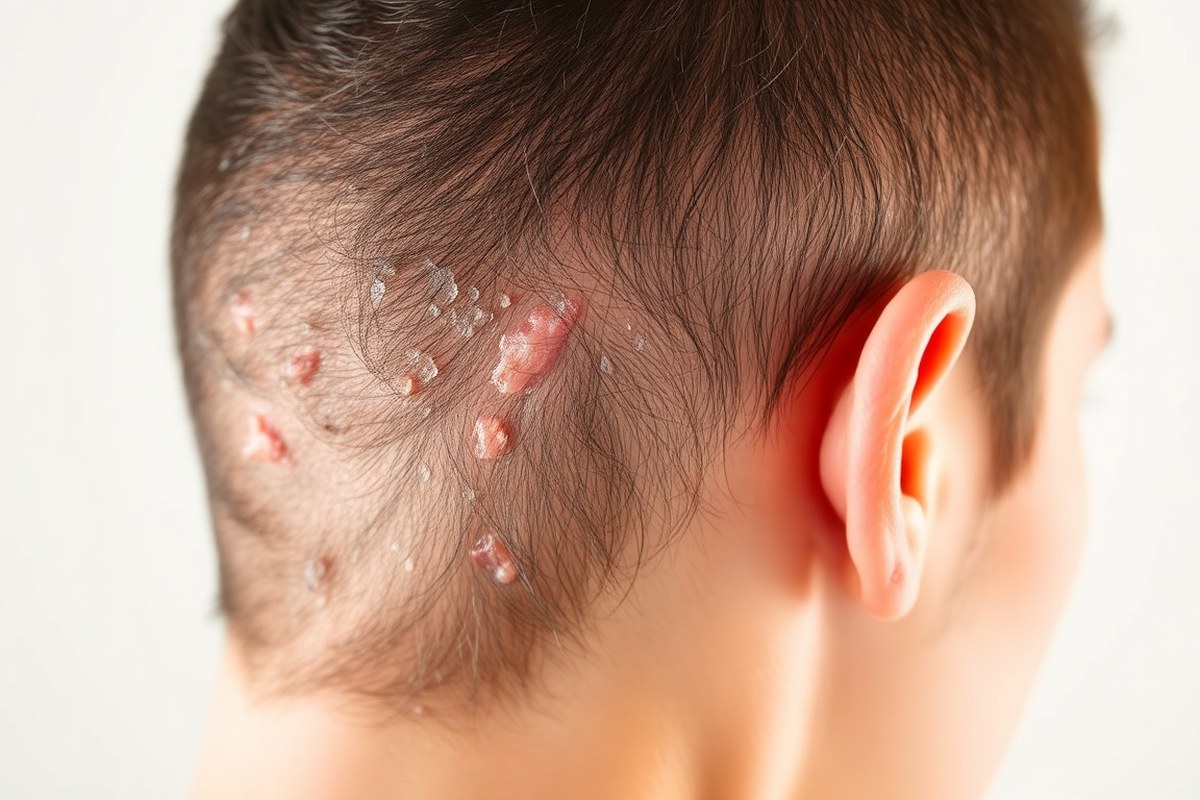
Dry scalp happens when your scalp loses moisture and feels itchy or flaky. The most common cause is dry air, especially during winter or in dry climates. Cold air and indoor heating lower humidity, which strips moisture from your scalp skin.
Swimming in chlorinated water can also dry your scalp. The chemicals remove natural oils, leaving your scalp tight and flaky. Using gentle shampoos after swimming can help rinse out chlorine and restore moisture.
Some skin conditions cause dry scalp too. Psoriasis makes red, scaly patches that feel dry and irritated.
Eczema leads to itchy, inflamed scalp areas that lose moisture easily. Both need special treatment to reduce dryness.
Dandruff might look like dry scalp but often happens due to a yeastlike fungus. This causes oily flakes and itchiness, not just dry flakes. Some people confuse dandruff with dry scalp, but treatments differ based on the cause.
Harsh hair products and hot water also play a part. They can strip oils your scalp needs to stay hydrated. Using cooler water and gentle, moisturizing shampoos reduces this risk and soothes dryness.
Keep your scalp hydrated by not using very hot water. Rinse well after swimming to wash away chemicals. This helps prevent dryness and irritation.
Dehydration affects your scalp too. Drinking less water lowers skin hydration everywhere, including your scalp. Staying well-hydrated supports natural moisture balance on your skin.
Babies can get dry scalp from conditions like cradle cap, a form of seborrheic dermatitis. It causes greasy, yellow flakes on the scalp.
Lasting or worsening symptoms need pediatric advice. This helps find the right care for your child.
3. Best Oils and Natural Ingredients for Dry Scalp Care
Several natural oils and ingredients help with dry scalp by moisturizing and fighting irritation. Coconut oil, tea tree oil, jojoba oil, and aloe vera gel work well for most people. Use them properly to avoid irritation and get relief from itching and dryness.
Coconut Oil Benefits and Application Tips
Coconut oil moisturizes dry scalp by soaking into hair and skin deeply. It fights bacteria that can cause scalp infections and worsen dryness. Rub coconut oil on your scalp and wait 10 to 15 minutes before washing it out gently.
Apply coconut oil on dry hair to avoid rinsing it out too soon. Use about 1 to 2 tablespoons, depending on your hair length. You can do this treatment twice a week to keep your scalp hydrated and soft.
Properties and Safety of Tea Tree Oil
Tea tree oil fights fungi, bacteria, and reduces inflammation on the scalp. These effects help ease symptoms of dry scalp caused by germs or irritation. Mix 5 to 10 drops with 2 tablespoons of a carrier oil like olive or coconut oil before use.
Tea tree oil can irritate sensitive skin if used undiluted. Start with just a few drops mixed in your carrier oil. Test a small area of your skin on the arm first.
Watch for any reactions before putting it on your scalp. Add 3 to 4 drops of peppermint oil for extra itch relief.
Stop using it if your scalp feels irritated or itchy. Use peppermint oil carefully to avoid discomfort.
Using Jojoba Oil and Aloe Vera Gel Correctly
Jojoba oil moisturizes without leaving a heavy residue. Peppermint oil helps calm an itchy, dry scalp by creating a cooling feel. Mixing it with menthol can increase this soothing effect.
Be careful to use only small amounts. Massage jojoba oil into your dry scalp, then shampoo gently to remove excess oil.
Aloe vera gel relieves itchiness and dryness thanks to its anti-inflammatory traits. Put pure aloe on your scalp, leave it for 10 minutes, then rinse off. Adding tea tree or peppermint oil can boost these effects.
When to Avoid Natural Oils
Some people can get allergic reactions to natural oils or plants like aloe or tea tree. Watch carefully when you try new oils on your scalp. Stop use if you notice redness or itching.
Avoid using these oils if you notice redness, itching, or rash after application. Always test each new product on a small skin patch before putting it on your scalp.
Also avoid oils if your scalp is broken or bleeding. Oils may worsen irritation in those cases. Persistent scalp issues or infections need a healthcare provider’s advice first.
Talk to a doctor before using new treatments on your scalp. Getting professional help is safer for ongoing problems.
Here is a comparison of common oils and natural ingredients used for dry scalp care:
| Ingredient | Main Benefits | How to Use | Risks |
|---|---|---|---|
| Coconut oil | Moisturizes & antibacterial | Massage & leave 10-15 min | Rare allergies |
| Tea tree oil | Antifungal & antiseptic | Mix 5-10 drops with carrier oil | Can irritate sensitive skin |
| Jojoba oil | Moisturizes & soothes itch | Massage, then shampoo | Rare allergies, test first |
| Aloe vera gel | Reduces itching & inflammation | Apply gel, wait 10 min, rinse | Possible skin reaction |
Each oil or gel suits different needs. Coconut oil moisturizes best. Tea tree fights infection.
Jojoba cools and soothes. Aloe vera calms irritation. Using them right keeps your scalp healthy and less dry.
4. Choosing and Using Shampoos for Dry Scalp
For a dry scalp, choose shampoos that moisturize and soothe your skin. Look for ones with gentle cleansing agents and avoid harsh chemicals. Some medicated shampoos can help reset scalp balance but require careful use.
Key Ingredients to Look For
Pick shampoos labeled for dry or sensitive scalp. They often contain ingredients to add moisture or gently exfoliate. Look for salicylic acid to help clear flaky skin.
It breaks down scales and stops buildup. This helps your scalp feel cleaner and healthier.
Shampoos with zinc pyrithione, ketoconazole, or selenium sulfide fight fungal growth. This also helps if you have dandruff alongside dryness. Moisturizing ingredients like glycerin or natural oils support hydration without irritation.
- Salicylic acid for exfoliating dead skin cells
- Zinc pyrithione, ketoconazole, selenium sulfide to reduce dandruff
- Moisturizers such as glycerin or natural oils
- Fragrance-free formulas to avoid irritation
- No harsh sulfates or strong detergents
Choosing fragrance-free or dye-free shampoos can prevent allergic reactions. Always check for any specific scalp sensitivities you know you have.
Washing Frequency Recommendations
Washing too often can worsen a dry scalp by stripping natural oils. Try washing your hair every two to three days instead of daily. This helps your scalp keep its natural moisture balance.
Your scalp might feel oily or itchy. Try washing more often with a gentle shampoo. This can help reduce oil and soothe irritation.
Otherwise, less frequent washing usually improves dryness and irritation. Adjust based on how your scalp reacts over time.
Using Medicated Shampoos Safely
Medicated shampoos can dry out hair fibers if used wrong. Apply the shampoo only to your scalp, avoiding hair length whenever possible. Leave it on for 5 to 10 minutes so it can work without over-drying.
Don’t use medicated shampoos every day unless directed by a doctor. Most recommend 2 to 3 times weekly. Use regular moisturizing shampoo on other days to maintain scalp hydration and hair softness.
5. Exfoliating the Scalp: When and How to Do It
Exfoliating your scalp can help remove dead skin cells and improve dryness. It clears buildup that blocks moisture, letting your scalp heal. You should exfoliate gently and no more than once a week to avoid irritation.
Physical Versus Chemical Exfoliation
Physical exfoliation scrubs away dead skin using tiny grains or brushes. Ingredients like sea salt work well but must be used gently to avoid scratching. Chemical exfoliation uses acids like malic acid or apple cider vinegar.
These acids dissolve buildup without you needing to scrub. This makes scalp care gentler and easier.
Chemical exfoliants are good for sensitive or flaky scalps since they don’t rub the skin raw. Witch hazel can soothe irritation while helping clear buildup, making it a gentle option.
You can try either method. But never combine harsh scrubs and acids on the same day.
Step-By-Step Exfoliation Process
Follow these steps to exfoliate safely at home. Use gentle pressure when exfoliating your scalp.
Do this only once every 5 to 7 days. This helps avoid drying out your scalp too much.
- Start with damp hair to soften dead skin and buildup.
- Mix a teaspoon of sea salt with your shampoo or water for a scrub.
- Massage the mixture into your scalp in small circular motions for 1 to 2 minutes.
- Rinse thoroughly with lukewarm water.
- Alternatively, dilute one part apple cider vinegar with three parts water.
- Put the diluted vinegar on your scalp with a cotton ball. Let it sit on your scalp for 5 minutes. Then rinse it off well.
- Rinse well and follow with a moisturizing conditioner to restore hydration.
- Pat your scalp dry gently with a towel.
Too much scrubbing or acid can damage scalp skin and cause more dryness.
Precautions and Signs to Stop Exfoliating
Stop exfoliating if your scalp feels raw, burns, or becomes red and flaky. These show your skin barrier is disturbed. Exfoliating actually worsens dryness and irritation if your scalp is already sensitive or broken.
People with skin conditions like eczema or psoriasis should see a doctor before trying exfoliation. Their scalps may need special care or prescription treatments. Keep exfoliation mild and infrequent for the best results and less risk of damage.
6. Lifestyle Factors That Affect Scalp Dryness
Cold, dry weather often makes your scalp lose moisture. Wind and low humidity dry out skin oils, causing itchiness or flaking. Wear a hat outside to protect your scalp during winter months.
Use a moisturizing scalp treatment every day to keep your scalp healthy. This helps prevent dryness and discomfort when cold weather hits.
Chlorine in swimming pools takes away your scalp’s natural oils. Apply a conditioning cream to your scalp and hair before swimming. Then put on a swim cap to keep chlorine off and reduce dryness.
Eating a balanced diet rich in vitamins and healthy fats supports scalp health. Foods high in potassium, like bananas, help moisturize your scalp naturally. Include sources of omega-3 fatty acids, such as salmon or walnuts, to reduce dryness and inflammation.
Supplements with B vitamins and omega-3s can also help if your diet lacks these nutrients. Vitamin deficiencies often contribute to a dry, flaky scalp. Consult your doctor before starting any supplements to avoid overdosing and side effects.
Skipping conditioner on your scalp worsens dryness. Most people only condition hair ends, but you should massage conditioner into your scalp. Use your fingertips gently for better absorption, focusing on dry spots to keep the skin hydrated.
Washing hair too often strips natural oils and worsens dryness. Try washing your hair every two to three days. Use a gentle shampoo made specifically for dry scalps.
This helps keep your scalp clean without stripping away moisture. Using a shower filter might also help if your water is hard or heavily chlorinated.
Hair dryers and styling tools with high heat dry out your scalp fast. Try air-drying more often or use the lowest heat setting when drying or styling. This reduces scalp irritation and prevents further moisture loss that leads to flakes.
7. Common Errors When Treating Dry Scalp and How to Fix Them
Using too many products can make your dry scalp worse. Overloading your scalp with oils, creams, and treatments may clog pores or cause irritation. Stick to one or two simple, gentle products at a time to avoid this problem.
Some ingredients in shampoos and treatments can irritate your scalp. Harsh chemicals like sulfates, fragrances, or alcohol dry out your skin and increase itchiness. Always check ingredient labels and choose products labeled as gentle, fragrance-free, or for sensitive skin.
Home remedies sometimes fail because they aren’t used correctly or for long enough. For example, apple cider vinegar should be diluted with water to prevent burns.
Applying natural masks like banana mixtures for only a short time might not give results. You need to leave them on for at least 10 to 20 minutes, then rinse thoroughly.
- Don’t wash your hair too often. 2 to 3 times a week works well for most.
- Use lukewarm, not hot, water to prevent drying your scalp further.
- Apply treatments evenly, focusing on dry or flaky spots.
- Avoid scratching; it can cause cracks and infections.
- Patch test new products on a small scalp area before full use.
- Give home remedies at least two weeks before deciding they don’t work.
- Visit a dermatologist if dryness sticks around or worsens.
People sometimes expect dry scalp care to deliver instant results. It usually takes a couple of weeks for improvements to show. Consistency and patience are key.
If your scalp does not improve or becomes worse, seeing a doctor is the safer option. They may prescribe medication for conditions like seborrheic dermatitis or psoriasis.
8. When to See a Doctor for Persistent Dry Scalp
Try home treatments for dry scalp for 2 to 4 weeks before seeing a doctor. You see no improvement, or your scalp still itches and flakes.
Schedule a visit to a doctor as soon as you can. Persistent dryness might mean a condition like eczema or psoriasis needs medical care.
Look for signs of infection or skin disease. These include redness, swelling, open sores, pus, or warmth on your scalp. Notice thick, silvery scales on your scalp.
Painful joint stiffness is another sign. These symptoms could mean psoriasis or psoriatic arthritis. These symptoms require prompt professional evaluation.
A dermatologist can diagnose the exact cause of your dry scalp by examining your skin closely. They may recommend treatments like prescription dandruff shampoos, topical steroids, or vitamin D creams. These treatments typically cost more than over-the-counter options but target the root cause effectively.
Ask about potential treatment durations and what to expect. For mild eczema, topical steroids might clear symptoms within a few weeks.
Psoriasis treatment can take longer, sometimes months, and may involve ongoing care. Your doctor will guide you on when to follow up and adjust treatment.
Don’t wait too long if symptoms worsen or you see signs of infection. Seek medical help immediately to avoid complications.
Step-by-Step Action Plan to Stop Dry Scalp
Follow these simple steps over the next month to ease your dry scalp. Notice how your scalp feels and looks as you go.
- Day 1: Switch to a gentle, moisturizing shampoo designed for dry scalp. Watch for less itchiness after washing.
- Days 2-7: Apply natural oils like coconut or jojoba twice weekly before shampooing. Look for softer, less flaky skin.
- Week 2: Use a mild scalp exfoliator once this week. Check if flakes and buildup reduce without irritation.
- Week 3: Adjust your water temperature to lukewarm when washing hair. Notice if dryness decreases after showers.
- Week 4: Keep your home humidified, especially if you use heat. Monitor for less scalp tightness and fewer flakes.
- After 4 weeks: If dryness remains, book a visit with a dermatologist. They can spot conditions needing treatment.
Frequently Asked Questions
Can Dry Scalp Cause Hair Loss?
Yes, dry scalp can lead to hair loss if left untreated. The scalp skin becomes irritated and weakens hair follicles, making hair fall out more easily.
Is Dry Scalp Contagious?
No, dry scalp is not contagious and can’t spread to others. It happens because your skin is dry, not from an infection.
You don’t need to worry about passing it to others. Just treat the dryness to help your scalp.
Does Weather Affect Dry Scalp?
Cold, dry weather often makes dry scalp worse by removing moisture from your skin. Use extra scalp hydration and limit hot showers during these months to help.
Can Diet Impact Dry Scalp?
Yes, a poor diet lacking vitamins and healthy fats can worsen dry scalp. Eating foods rich in omega-3 and vitamins A, D, and E supports scalp health.
Is Dry Scalp Related to Stress?
Stress can trigger or worsen dry scalp by affecting your skin’s oil balance. Managing stress with relaxation or exercise may reduce symptoms.
How Often Should I Moisturize My Scalp?
Moisturize your scalp at least twice a week to prevent dryness. Regular jojoba oil massages work well to keep scalp hydrated between washes.
Wrapping Up
A dry scalp can get better with consistent care. Start with simple changes and watch your scalp’s response. Don’t wait to get expert help if the problem sticks around.