
How to Stop Oily Hair: 8 Proven Ways for Lasting Freshness
How to stop oily hair starts with the right washing routine. Washing 2 to 3 times weekly with a gentle shampoo keeps oil under control. Use sulfate-free shampoo made for oily hair to avoid stripping your scalp.
Frequent heavy styling products or dirty brushes add to greasiness quickly. Wash your hairbrush every 2 to 4 weeks to cut down on oil buildup. Also, avoid applying conditioner at your roots to keep hair from looking greasy.
Sometimes oily hair feels greasy just one day after washing. A clarifying shampoo every 1 to 2 weeks clears buildup and stretches the time between washes. Blow-drying roots on medium heat for 2 to 3 minutes adds extra freshness.
Key Takeaways
- Wash oily hair 2-3 times a week with sulfate-free shampoo.
- Use minimal conditioner, only on hair ends, to avoid oily roots.
- Clean your hairbrush every 2-4 weeks to reduce scalp oil transfer.
- Clarify your scalp every 1-2 weeks to remove excess buildup.
- Blow-dry roots briefly on medium heat for a fresher look.
- Avoid heavy styling products that weigh down hair roots.
1. How to Stop Oily Hair: Effective Daily Routines

Washing oily hair too often makes the scalp produce even more oil. You can train your scalp to balance oil over time. Space out your hair washes each week.
Use gentle cleansing methods to help this process. Use dry shampoo on oily spots like your part.
Apply it also to your hairline. This keeps your hair looking fresh between washes.
How often to wash depends on your hair type. Fine or straight hair may need washing every 1 to 3 days.
Thicker hair sometimes lasts 3 to 7 days before feeling oily. Pay attention to your scalp’s comfort rather than following trends.
Shampoo correctly by focusing on the scalp. Massage shampoo gently with fingertips to loosen oil and dirt. Rinse with lukewarm water to avoid stimulating more oil production.
Avoid scrubbing too hard or hot water as it can dry and irritate your scalp. Conditioner should go mainly on the ends, not the roots.
- Space out your washes. Try washing hair every other day or every 3 days. Gradually increase this to train your scalp’s oil production.
- Choose a gentle balancing shampoo. Look for products made for oily hair that cleanse without stripping natural oils.
- Apply shampoo to scalp only. Massage softly with fingertips to remove oil and buildup without damaging hair ends.
- Rinse hair thoroughly with lukewarm water. Hot water can cause your scalp to overproduce oil.
- Use conditioner on the mid-lengths and ends only. Avoid roots to prevent extra greasiness.
- Spray dry shampoo on oily areas between washes. Focus on your part, temples, and hairline for the best effect.
- Wash your hairbrush every 2 to 4 weeks. This prevents oil and product buildup that can transfer back to your hair.
Sticking to these steps can help your scalp produce less oil over time. You’ll notice your hair stays cleaner and lighter longer. Avoid rinsing or washing too often, which can actually worsen oiliness.
2. Choosing and Using the Best Products for Oily Hair
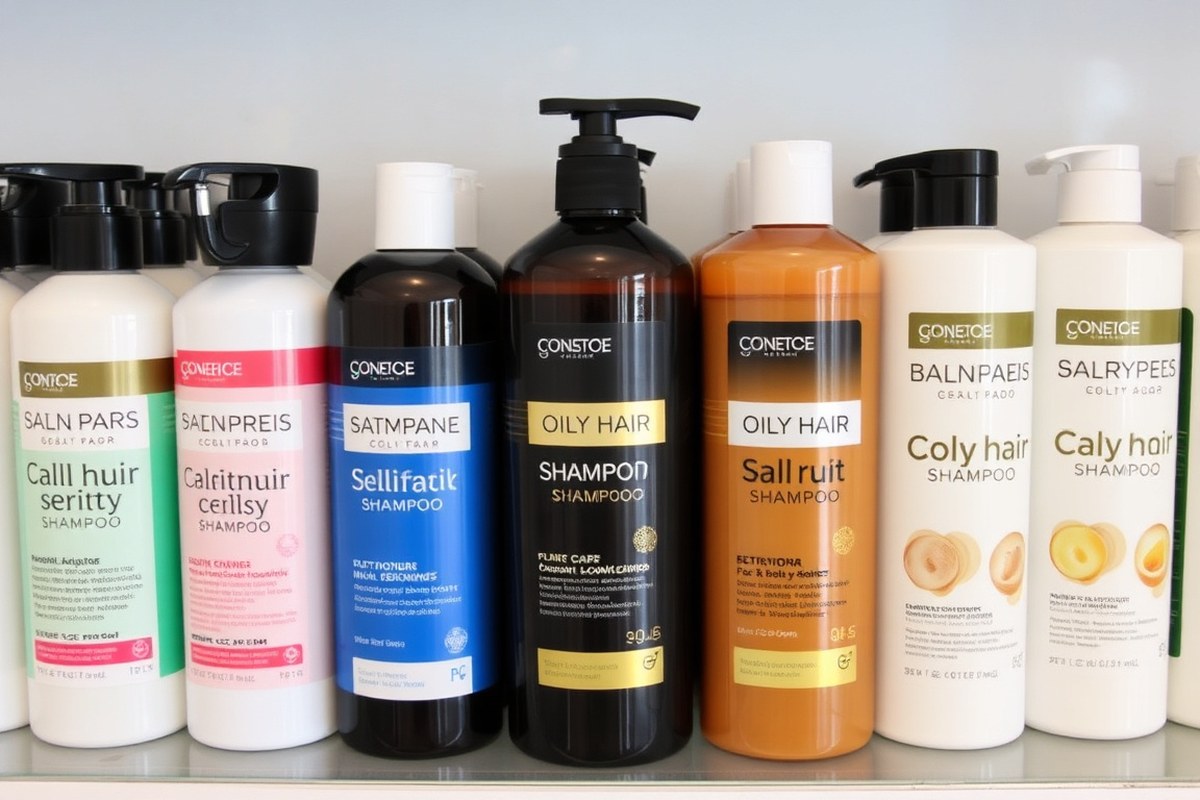
Choosing shampoos and conditioners made for oily hair helps control greasiness. Avoid heavy styling products that weigh hair down and cause buildup. Use lightweight, targeted formulas and apply conditioner carefully to keep your scalp fresh.
Key Ingredients to Look for in Oily Hair Shampoos
Look for shampoos with gentle cleansers that remove excess oil without stripping your scalp. Ingredients like salicylic acid help clear buildup and unclog follicles. Products with lightweight moisturizers keep hair soft without adding grease.
Plant-based extracts such as tea tree or peppermint can refresh your scalp and balance oil. Some shampoos include clarifying agents that remove product residues and reduce oil quickly. These ingredients work together to keep oily hair clean and manageable.
Ingredients to Avoid: Silicones, Heavy Oils, Sulfates
Silicones, paraben preservatives, and heavy oils often build up on oily hair. They make roots look greasy and hair weighed down. Avoid shampoos or conditioners with dimethicone, cyclopentasiloxane, and mineral oils if you struggle with oiliness.
Sulfates can strip too much oil, triggering your scalp to produce more sebum. This over-cleansing cycle worsens oily roots. Your scalp is sensitive?
Try sulfate-free shampoos. They clean gently and help avoid rebound greasiness.
How to Apply Conditioner Without Adding Grease
Conditioner is necessary but apply it only from mid-lengths to ends. Keep it off your scalp and roots to avoid oil buildup. Choose lightweight, oil-free conditioners made for oily hair types.
Use just a small amount of conditioner, about a quarter size. Rinse thoroughly to prevent residue. Using too much conditioner can weigh hair down.
Applying it near the scalp causes greasiness. Keep conditioner away from roots for better results.
Recommended Styling Products That Don’t Weigh Hair Down
Pick mousse or styling sprays labeled lightweight or volumizing. Avoid heavy creams, waxes, or oily styling products that stay oily all day. These can mix with natural oils and look dull or greasy soon after application.
For smoothing without weight, consider custom serums for straight or wavy hair. Avoid products with silicone or glue-like resins unless you use a detox shampoo regularly. These products cause buildup that normal shampoo can’t remove.
Here is a quick reference table on oily hair products:
| Product Type | Best for Oily Hair | Ingredients to Avoid | Notes |
|---|---|---|---|
| Shampoo | Salicylic acid, tea tree, peppermint, clarifying agents | Sulfates (if scalp sensitive), silicones, heavy oils | Gentle cleansing without stripping or buildup |
| Conditioner | Lightweight, oil-free, applied mid-lengths to ends | Heavy oils, silicones, applying at scalp | Prevents limp, greasy hair and buildup |
| Styling Products | Lightweight mousse, spray, custom serums | Waxes, creams, heavy oils, silicone resins | Avoid buildup and weighed down hair |
Routinely check product ingredient lists for heavy oils and silicones. Switching to lighter formulas takes a few washes to show effects. You may notice your hair feels fresher and less oily throughout the day as buildup reduces.
Using too much conditioner or styling product near the scalp can worsen oiliness over time.
3. Understanding Oily Hair Causes and Scalp Health
Your scalp makes oil, called sebum, to keep skin and hair healthy. Sometimes your scalp’s oil glands produce too much oil. This extra oil can spread quickly, making your hair look greasy even a day after washing.
Sweat and humid weather move this oil along your hair faster. That’s why your hair may feel oily after just one day, without washing too often.
Too much oil isn’t always about dirt or hygiene. Hormones, stress, and diet also affect how much oil your scalp produces.
Having oily hair doesn’t mean your scalp is unhealthy. The right amount of oil protects and nourishes your scalp and hair.
But when there’s too much oil, your scalp can get clogged, causing problems like dandruff. Oily buildup traps dead skin, which may worsen dandruff or scalp itchiness.
How well you care for your scalp makes a big difference in managing oily hair. Regular cleaning removes excess oil and product buildup that coat your scalp and hair.
Overwashing can trick your scalp into making more oil. Washing too little lets oil accumulate.
Brushing your hair with a boar bristle brush spreads oils evenly. This helps avoid oily roots and boosts shine and health. Dry scalp with greasy hair can mean buildup blocking moisture or oils.
Sometimes oily scalp problems need extra help from a dermatologist or trichologist. These experts can check for hormone issues, scalp conditions, or infections that worsen oiliness. Their treatments reduce oil production or remove buildup.
This helps your scalp stay healthier. Your hair will look better too.
4. Styling Habits That Reduce Oily Hair Buildup
Touching your hair too much spreads oils from your fingers to your scalp. This adds grease and clumps strands together. Avoid running your hands through your hair during the day to keep oiliness down.
Applying heavy or too many styling products can weigh hair down and increase oil buildup. Use only a small amount, especially near your roots. Thick creams and gels trap dirt and sweat, making your hair look greasier faster.
Dry shampoo is a quick fix to refresh oily hair between washes. Spray or sprinkle a small amount at your roots, then gently massage or brush it in. It absorbs excess oil, giving hair a cleaner, fuller look without wet washing.
- Use dry shampoo at night or midday to control shine
- Choose brushes with natural bristles or wide-tooth combs to avoid spreading oil
- Wash hair tools regularly to remove product buildup
- Limit heat styling which can stimulate more oil production
- Keep hair loose or gently tied to avoid scalp sweat buildup
Brushing with natural bristles helps distribute oils evenly without pushing grease near your scalp. Avoid synthetic brushes or tight combs that can gather oil and dirt. Clean brushes once a week to stop dirty tools from adding to oily hair.
For special occasions, freshen your hair by lightly steaming or misting it, then using dry shampoo. This removes limpness and oil sheen. Don’t add more heavy products, you’ll undo the effort quickly.
5. Natural and Home Remedies for Oily Hair Control
Natural remedies can help control oily hair without harsh chemicals. They work by balancing scalp oil and clearing buildup. Simple ingredients you already have can make a big difference.
Apple Cider Vinegar Rinse for Scalp Balancing
An apple cider vinegar rinse helps remove buildup and balances your scalp’s pH. It can also reduce frizz and leave your hair feeling clean. Use it after shampooing to refresh your scalp and hair.
- Mix 2 tablespoons of apple cider vinegar with 1 cup of lukewarm water.
- Shampoo your hair as usual and rinse thoroughly.
- Pour the vinegar mixture over your scalp and hair evenly.
- Massage your scalp gently for 1 to 2 minutes.
- Let it sit for 5 minutes to balance the scalp pH.
- Rinse with cool water to seal the hair cuticles.
- Dry your hair as usual without scrubbing too hard.
Use this rinse once or twice a week to avoid drying out your scalp.
Tea Tree Oil Shampoos and Scalp Treatments
Tea tree oil helps reduce greasiness and soothes an itchy scalp. Look for shampoos with at least 5% tea tree oil for the best results. You can also add tea tree oil drops to your regular shampoo for a boost.
Apply the shampoo and massage your scalp thoroughly. Leave it on for a couple of minutes before rinsing to give it time to work. This oil controls oil production and helps clear buildup without stripping moisture.
Making and Applying Homemade Dry Shampoo
A DIY dry shampoo refreshes oily hair between washes without water. You can make one at home using simple powders that absorb oil. This helps reduce greasiness and adds volume when you don’t have time to wash.
- Mix 2 tablespoons of arrowroot powder or cornstarch. Add 1 tablespoon cocoa powder for dark hair. For light hair, keep the mix plain.
- Put the mixture in a clean shaker or old spice jar.
- Sprinkle lightly onto your roots, focusing on oily spots.
- Wait 5 minutes for the powder to absorb excess oil.
- Brush your hair gently with a clean brush to remove extra powder and distribute it evenly.
Don’t apply too much; extra powder can make hair feel gritty or look dusty.
Using Aloe Vera and Honey for Gentle Deep Cleaning
Aloe vera and honey together offer a mild, natural way to clean your scalp and hair. Aloe soothes irritation while honey is antibacterial and helps balance moisture. This combo cleans oil without harsh drying effects.
- Mix 2 tablespoons of fresh aloe vera gel with 1 tablespoon of raw honey.
- Apply the mixture to your scalp and roots, avoiding the ends if dry.
- Massage gently for 2 to 3 minutes to loosen buildup.
- Leave on for 10 minutes before rinsing with lukewarm water.
- Follow with a mild shampoo if needed, then rinse again.
This treatment suits sensitive scalps but do a patch test to avoid allergies.
6. How to Care for Oily Hair with Dry Ends or Scalp Issues
When your roots get oily but ends stay dry or damaged, treat them differently. Shampoo only your scalp and hair roots, avoiding the ends. This prevents extra dryness while removing the grease near your scalp.
Applying conditioner just to your hair ends helps add moisture without making your scalp oily. Use a lightweight conditioner or one made for dry, damaged hair. Leave it on the ends for 1 to 2 minutes, then rinse well.
Skip conditioner on the scalp, since natural oils usually keep roots soft enough. Washing too often or using heavy conditioners at the scalp can trigger more oil production. Try washing every other day or every third day to keep a better balance.
Using a leave-in conditioner or hair oil on dry ends can help without greasing roots. Use a small amount, just a dime-sized drop, applied only at the tips. Avoid the scalp area completely to keep oiliness in check.
A tricky part is choosing the right products. Pick ones labeled “for oily scalp” or “lightweight moisture.”
Avoid products with heavy oils or silicones near your roots. These ingredients often weigh hair down and increase oil buildup.
Scalp issues like irritation or flaking can happen alongside oily roots and dry ends. Use calming shampoos with ingredients like aloe vera or tea tree oil. These clean well without stripping your scalp’s natural moisture.
Taking care of your hair like this will reduce grease near roots. You’ll also see less dryness and breakage at the ends. Your hair stays softer where it’s dry and less weighed down at the scalp.
Be careful not to wash your hair too often or use thick products near roots. This can make oil problems worse.
7. Routine Deep Cleaning and Clarifying for Oily Hair
Deep cleaning or clarifying your oily hair helps remove buildup from oils and products. Use clarifying methods about every 7 to 14 days to avoid over-drying or scalp irritation. This keeps your scalp fresh without stripping natural oils that your hair needs.
When and How to Use Clarifying Shampoos
Clarifying shampoos remove excess oils, dirt, and styling product residue. They are stronger than daily shampoos, so don’t use them every wash. Wash your hair once every 1 to 2 weeks only.
Doing it more often can dry out your scalp and hair strands. Stick to this routine to keep your hair healthy.
Apply clarifying shampoo to wet hair and scalp, then massage gently for 1 to 3 minutes. Let it sit for a minute but avoid leaving it on too long. Rinse well with lukewarm water to wash away oils and buildup effectively.
Natural Clarifying Rinses: Apple Cider Vinegar and Aloe Vera
Apple cider vinegar diluted with water can refresh your scalp and balance oils. Mix 1 part vinegar with 3 parts water, then pour it through your hair after shampooing. Rinse with cool water after 2 to 3 minutes for shine and buildup removal.
Aloe vera gel diluted in water also soothes the scalp and reduces oiliness. Use about 2 tablespoons of aloe vera gel mixed with 1 cup of water. Pour it over your hair as a final rinse to calm inflammation and lightly cleanse.
Signs You Need a Deep Cleaning
Your scalp feels greasy quickly after washing, or hair looks flat and weighed down. Buildup can cause dandruff-like flakes or itching despite regular shampooing. Another sign is difficulty styling or your hair looks dull and lifeless.
Deep cleaning helps if dry shampoo or heavy products build up. It breaks through layers that normal washes don’t touch. Pay attention to these signs so you can schedule clarifying treatments before problems get worse.
Post-Clarifying Conditioning Tips
After deep cleaning, your scalp and hair can feel dry or rough. Use a lightweight conditioner only on hair ends to avoid adding oil at the roots. Conditioning the ends prevents damage without making your scalp greasy again.
Wait a few minutes, then rinse with cool water to seal hair cuticles and boost shine. Avoid heavy hair masks immediately after clarifying since they can weigh down oily hair. Instead, stick with gentle, oil-free conditioners for the best results.
- Wet your hair thoroughly with warm water to open cuticles.
- Apply clarifying shampoo or natural rinse evenly to scalp and hair.
- Massage your scalp gently for about 2 minutes to lift oils and buildup.
- Let the product sit for 1 to 3 minutes, no longer than 5 minutes.
- Rinse hair well with lukewarm or cool water to remove residue.
- Apply a lightweight conditioner to your hair ends only and leave 2 minutes.
- Rinse the conditioner out thoroughly with cool water to lock in moisture.
- Repeat every 7, 14 days depending on how oily or product-heavy your hair gets.
8. Lifestyle and Habits That Influence Oily Hair
Your diet affects how oily your hair gets. Foods high in sugar or fried fat can increase sebum production.
Eating balanced meals with lean proteins, vegetables, and whole grains helps keep oil levels steady. Avoid crash diets since sudden changes can trigger oily scalp issues.
Stress raises hormone levels that push your scalp to make more oil. Try stress-reducing activities like deep breathing or gentle scalp massages often. A simple rhythm you can do daily takes just five minutes and soothes your scalp.
Poor sleep disrupts hormones that control your oil glands. Aim for seven to eight hours of sleep per night to support healthy hair. A good sleep schedule helps keep oil production stable through hormonal balance.
Exercise makes you sweat, which can mix with scalp oil and dirt to clog pores. Wash your hair or rinse your scalp soon after workouts to prevent buildup. Wearing breathable hats helps reduce trapped sweat and oil on your scalp.
Touching your hair often spreads oils from your fingers, increasing greasiness. Keep hands off as much as possible.
Humidity and pollution also raise oil levels on your scalp. Use gentle, oil-control shampoos after exposure to outdoor elements. Regular scalp scrubs made for oily hair remove dirt without over-drying.
Adjust your hair routines around lifestyle changes that affect your scalp’s oil. Track what might increase oiliness and modify your diet, sleep, or washing habits where needed. Being consistent each day helps control oil better than quick fixes.
Step-by-Step Action Plan for Managing Oily Hair
Start with simple changes and build up to a routine that suits your hair. Check your progress by how long your hair stays fresh and less oily.
- Day 1: Use a gentle, sulfate-free shampoo made for oily hair. Your scalp should feel clean, not dry or itchy.
- Day 2-3: Skip daily washing. Try washing every other day to let natural oils balance out. Notice if your hair feels less greasy over time.
- Week 1: Add a conditioner only on your ends, not on your scalp. Your ends should feel soft but your scalp should stay fresh.
- Week 2: Switch to a lightweight styling product or none at all. Check if your hair looks less weighed down by product buildup.
- Week 3: Use a clarifying shampoo once a week to remove extra oils and residue. Your hair should feel lighter after rinsing.
- Week 4: Try a natural remedy like diluted apple cider vinegar rinse. Watch for a healthier scalp feel and reduced oiliness.
- Ongoing: Avoid touching your hair often and brush gently once a day. This limits oil transfer from fingers and scalp irritation.
- Monthly check: Review your hair’s oiliness and scalp condition. Adjust washing and product use if needed.
Frequently Asked Questions
Why Is My Hair Oily After 1 Day?
Your scalp naturally produces oils, which can make hair greasy fast. Washing your hair too often can make oil buildup worse.
Heavy products add more oil and weigh hair down. Try using lighter styling products and adjust your routine.
Is Naturally Oily Hair Healthy?
Yes, oily hair shows your scalp is active and producing sebum. Too much oil can catch dirt and make hair heavy.
You need to keep oil levels balanced for healthy hair. That balance helps your hair look good.
How to Fix Greasy Hair in 5 Minutes?
Use dry shampoo on your roots to soak up oil quickly. It freshens hair without washing, letting you skip a shampoo and still avoid that greasy look.
How Can I Reduce the Oil in My Hair?
Wash regularly with a shampoo made for oily hair to control sebum. Avoid heavy conditioners on roots and clean your hairbrush often to reduce oil spread.
Can Brushing My Hair Cause It to Get Oily Faster?
Yes, brushing spreads scalp oil along strands, making hair look greasy quicker. Limit brushing or use a clean brush to control oil distribution.
Does Diet Affect Oily Hair?
What you eat can affect oil production, but it is only one factor. A balanced diet helps. But shampoo and care habits matter most for oily hair control.
Key Points to Remember
Controlling oily hair becomes easier when you know what works for you. Start with one step and watch your hair improve. Take your first step today by choosing the right shampoo for oily scalp care.


