How to Fix Hair Loss: 8 Effective Ways Backed by Science
How to fix hair loss starts with finding the right treatment for you. Some options like minoxidil and oral medicines can help regrow hair or slow loss. These treatments work by boosting blood flow and extending hair growth cycles.
Next, figuring out why your hair falls out is key. Causes vary from stress, diet changes, or hormone shifts to genetics. Knowing the reason helps you pick the best method to stop shedding and encourage growth.
Start with gentle scalp massages to increase circulation and need minimal effort. Massage regularly for several minutes; many people see less hair fall or new growth. Avoid harsh chemicals or heat that damage hair and make loss worse.
Key Takeaways
- Minoxidil helps many people see hair regrowth or slower loss.
- Identify your hair loss cause to target the right treatment.
- Daily scalp massage promotes hair thickening or halts thinning.
- Avoid damaging hair care like harsh dyes or hot tools.
- Diet and nutrient levels strongly affect hair strength and loss.
- Weight loss over 20 pounds can trigger noticeable hair shedding.
1. Effective Treatments That Can Fix Hair Loss
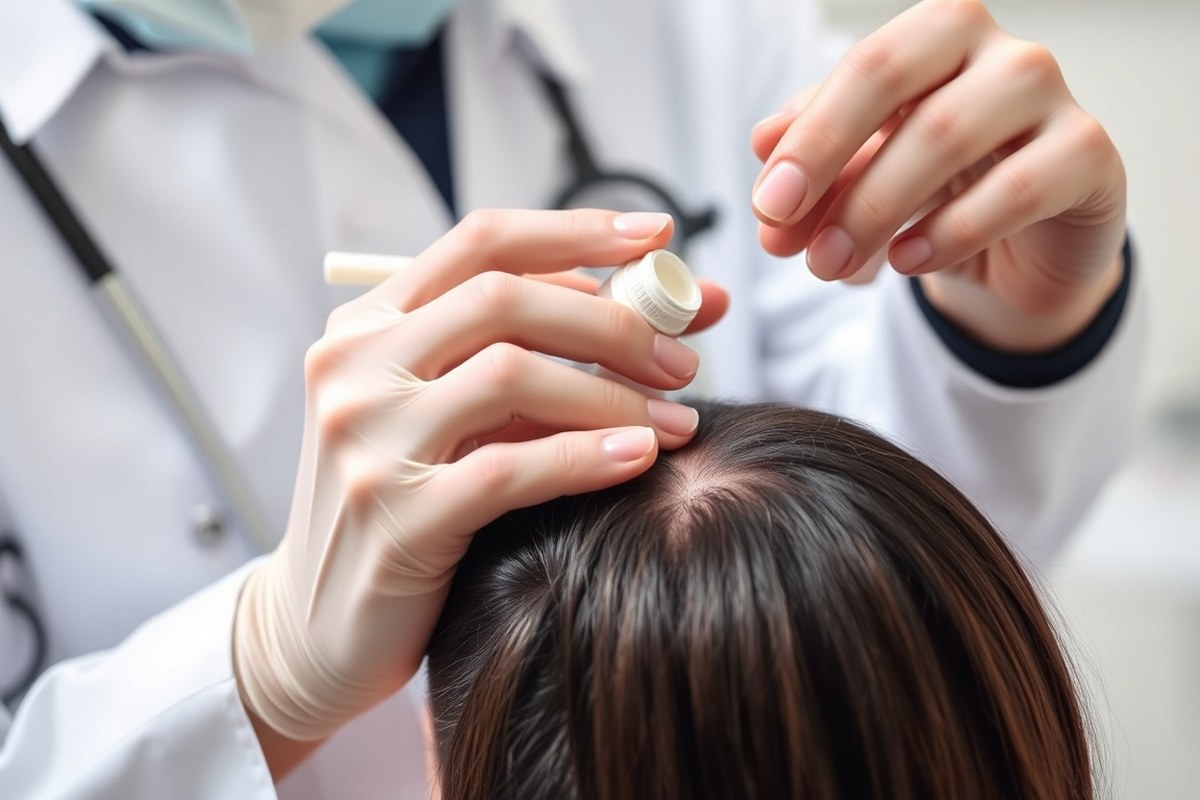
Several treatments can stop or even reverse hair loss. These include FDA-approved medicines, some natural options, and professional therapies like laser and injections. Each works differently and suits different situations, making choices based on your needs important.
FDA-Approved Medications and How They Work
Minoxidil and finasteride are the two most proven medications for hair loss. Minoxidil goes straight on your scalp.
It improves blood flow there. This helps hair follicles grow hair again.
Finasteride is taken as a pill. It stops a hormone that shrinks hair follicles. This slows hair loss.
It helps hair grow back, mostly in men. These medicines only work while you keep using them.
Natural Remedies with Clinical Support
Some natural remedies have scientific backing for managing hair loss. Rosemary essential oil works similarly to minoxidil by boosting scalp circulation. Coconut oil helps protect hair from damage caused by sunlight and grooming.
Onion juice and essential oils may support growth in some cases, though more research is needed. These natural options are popular because they tend to be gentle and affordable for daily use.
Professional Therapies: Laser and Injections
Low-level laser therapy suits people wanting non-drug options. It uses light to stimulate hair follicles and improve growth. Sessions usually take about 20 minutes, two or three times weekly.
Platelet-rich plasma (PRP) injections involve drawing your blood, concentrating platelets, and injecting them into your scalp. This can help growing hair in thinning areas by promoting tissue repair. The table below compares these main treatment types:
| Treatment | How to use | Cost range | Pros | Cons |
|---|---|---|---|---|
| Minoxidil (Rogaine) | Apply twice daily | $20, 50/month | Easy to use, FDA-approved | Works only with continuous use |
| Finasteride (Propecia) | Oral pill daily | $30, 70/month | Effective for male pattern baldness | Possible side effects, prescription needed |
| Natural oils (rosemary, coconut) | Apply daily when washing or scalp massage | $10, 30/bottle | Gentle, affordable, some clinical support | Less evidence, slower results |
| Low-level laser therapy | Use device 2, 3 times/week, 20 minutes/session | $200, 1000 device or professional sessions | Non-invasive, suitable for many | Requires consistent use, upfront cost |
| Platelet-rich plasma (PRP) injections | Several scalp injections across months | $500, 1500 per session | Uses your own cells, can boost growth | Expensive, needs professional administration |
Expected Timeframes for Hair Regrowth
Most treatments need at least three to six months before you see visible hair growth. Minoxidil and finasteride users often notice results around six months. Continuous use is necessary to keep hair.
Natural remedies might take longer, and results vary. Professional treatments like PRP may show improvement within weeks but usually require multiple sessions over months.
Stopping treatment too early may lead to losing any regained hair. Patience and consistency are key for success.
2. Understanding What Causes Your Hair to Fall Out
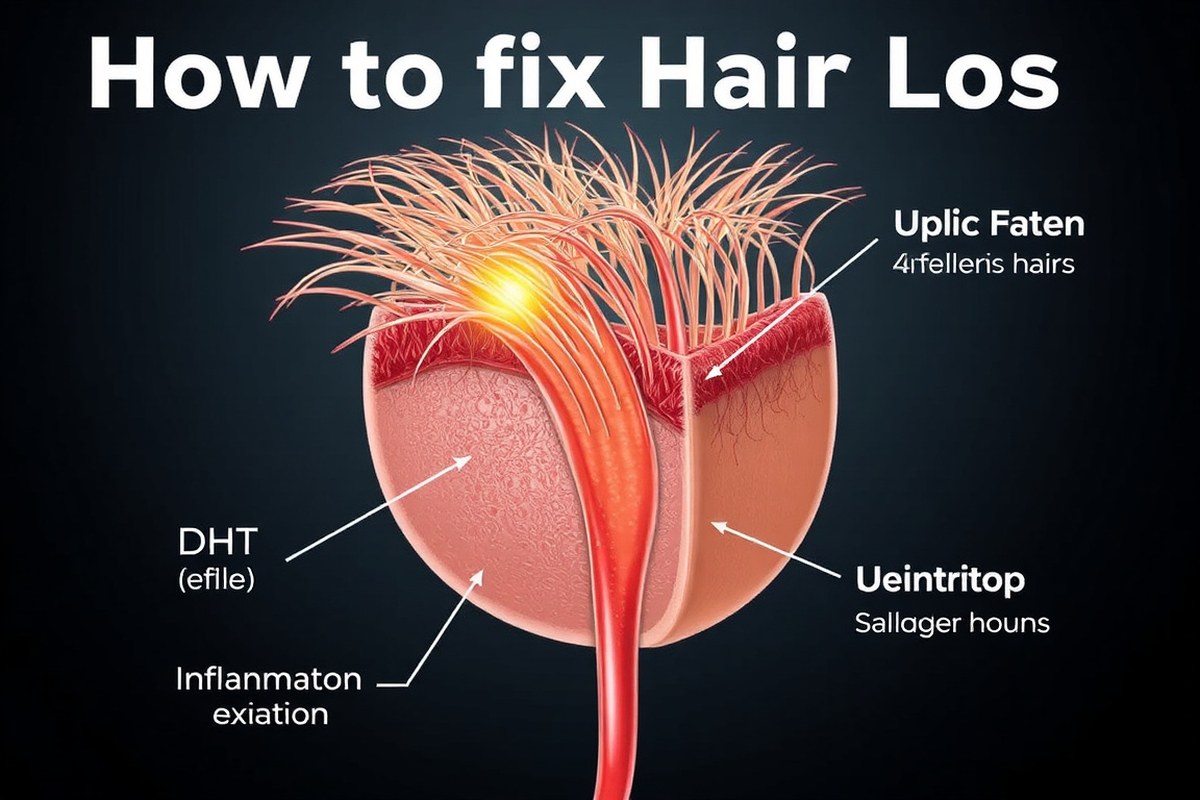
Hair loss often happens because of androgenetic alopecia. It affects over 50 million men and 30 million women in the United States. This info comes from the National Institutes of Health.
This type usually starts with thinning at the crown or a widening part on women. Hair follicles become sensitive to a hormone called DHT.
This happens mostly in men. The follicles shrink and make thinner hairs.
Hormonal imbalances can also lead to hair loss in both men and women. For example, changes in testosterone and estrogen affect hair growth cycles. Smoking can interfere with these hormones, making hair loss worse.
Crash dieting or sudden weight loss puts stress on your body. This stress can cause hair to shed more than usual. This happens because the body lacks the nutrients it needs to keep hair healthy.
Nutritional deficiencies also play a big role in hair loss. Studies show people with hair loss often lack key amino acids and vitamins. Without enough protein and iron, hair can become brittle and fall out faster.
Poor diet and lifestyle choices harm your health. Smoking and high stress also harm your hair.
Taking care of your nutrition can slow hair loss. Reducing stress also helps stop hair loss over time.
Genetics heavily influence how and when hair loss occurs. Your risk for hair loss is higher if close family members lost hair early. This inherited pattern works alongside hormones to shrink hair follicles gradually.
Women’s hair loss often has different causes than men’s. DHT is less involved in most cases. Checking your family history helps you understand your chances and plan treatment better.
Sudden hair shedding happens after major stress or dieting. This signals you to improve your nutrition and lower stress.
3. How Dietary Changes and Supplements Support Hair Growth
Your hair needs certain vitamins and minerals to grow well. Protein and iron are especially important because hair is mostly protein.
Iron helps carry oxygen to hair follicles. Without enough of these, hair may thin or fall out.
Supplements like biotin, zinc, and saw palmetto might also help. Biotin supports keratin production, a key hair protein. Saw palmetto showed some promise to reduce hair loss.
Doses ranged from 100 to 320 milligrams daily. Research suggests it might help slow hair thinning. Zinc boosts cell growth and repair, which is good for hair health.
Following a Mediterranean diet can support hair health too. This diet is rich in fruits, vegetables, whole grains, fish, and healthy fats. It has antioxidants and nutrients that help protect hair follicles.
These can help prevent androgenetic alopecia. This condition is a common type of hair loss.
Crash dieting or very low-calorie diets can harm your hair. Rapid weight loss can cause a shortage of nutrients needed for hair growth. This often leads to temporary shedding, called telogen effluvium, which might take months to recover from.
- Eat protein daily, aiming for at least 50 grams, from meat, beans, or nuts.
- Get iron from spinach, red meat, or fortified cereals. Consider a blood test to check levels.
- Use a multivitamin with vitamins A, C, D, E, and B-complex for overall hair support.
- Try a biotin supplement of 2,500 to 5,000 mcg daily if you have signs of deficiency.
- You can consider saw palmetto supplements in doses of 100 to 320 mg. Take them once or twice a day. Always check with your doctor first.
- Follow a Mediterranean diet focused on whole foods and healthy fats regularly.
- Avoid sudden, extreme dieting that cuts calories very low. Women should not go under 1,200 calories daily. Men should stay above 1,500 calories per day.
Supplement costs vary. A decent multivitamin costs about $10 to $20 per month. Biotin and saw palmetto pills also fall in that price range.
It can take 3 to 6 months to see noticeable hair improvement. Poor nutrition or skipping supplements slows results and keeps shedding going.
Always talk to your doctor before starting new supplements. They can test for nutrient deficiencies or underlying issues causing hair loss. This helps you avoid wasting money on the wrong products.
Focus instead on changes that safely support hair growth. Stick to smart, proven steps for better results.
4. Scalp Massage and Hair Care Routines Proven to Reduce Hair Loss
Scalp massage and the right hair care routine can slow hair loss and improve growth. Massaging your scalp boosts circulation, which nourishes follicles.
Washing with gentle shampoos helps keep your scalp healthy without stripping oils. Protecting your hair during sleep stops breakage and loss.
Step-By-Step Scalp Massage Technique
Doing a scalp massage regularly can improve hair retention by increasing blood flow. Use fingertips in small circles to gently stimulate the scalp. This helps reduce inflammation and opens pores for better absorption of hair care products.
- Start with clean, dry hands and sit comfortably.
- Place your fingertips at the front hairline and press gently.
- Move your fingers slowly in small circular motions, covering the whole scalp.
- Spend about 4 minutes massaging every day for best results.
- Apply light pressure; don’t scratch or pull your hair.
- Use a few drops of scalp-nourishing oil if you like, such as rosemary or jojoba oil.
- Finish by gently smoothing your hair to distribute natural oils.
Recommended Hair Washing Frequency and Products
Washing hair daily or every other day keeps your scalp clean. This helps reduce the chances of hair loss. Regular washing removes dirt and oil buildup.
Use gentle shampoos free from harsh chemicals to avoid scalp irritation. Look for shampoos formulated with ingredients that soothe and reduce inflammation.
Choose mild, sulfate-free shampoos. Avoid heavy conditioners on your scalp, which can clog follicles. Use nourishing oils like vitamin E or argan oil sparingly.
This helps if your scalp feels dry. Oils keep your scalp moisturized without excess build-up.
Gentle Styling and Sleeping Tips
Minimize hair damage by avoiding tight ponytails or braids that pull on follicles. Choose loose styles and use soft hair ties to prevent breakage. Heat styling should be low or occasional, as excess heat damages hair strands and weakens roots.
Protect hair while you sleep by using silk or satin pillowcases. These materials reduce friction that causes hair to break and fall out. You can also wrap your hair lightly in a silk scarf to keep it safe overnight.
5. When to Seek Professional Help for Hair Loss
Sudden or large amounts of hair loss need a doctor’s visit. Losing hair after childbirth, stress, or illness often stops on its own. But if hair keeps falling or patches appear, it could mean a medical issue.
Look for these signs to know if you need professional help:
- Sudden, very fast hair loss over days or weeks
- Patchy bald spots or large clumps of hair falling out
- Scalp itching, pain, redness, or swelling
- Hair loss combined with unexpected weight changes or fatigue
- Hair thinning that worsens despite home care
- Hair loss that lasts longer than six months without improvement
- Family history of early or severe hair loss
A dermatologist or trichologist can find the cause. They may check your scalp and ask about family history, diet, and health. Sometimes, doctors use scalp biopsies.
They also check blood for hormone levels. Zinc deficiency and immune problems may be tested too.
Some hair loss is permanent, but many types are reversible with treatment. For example, chemotherapy causes fast hair loss but it often regrows after treatment stops. Telogen effluvium happens from stress or illness.
It usually stops in a few months. This occurs once the cause changes.
Treatment varies widely. Doctors can suggest medicated shampoos or topical treatments. Blood supplements like zinc may help too.
Women take 8 milligrams daily, men 11. In rare cases, surgery or laser therapy may be options.
Cost depends on treatment complexity and insurance coverage. But a consultation usually starts around $100 to $250 without insurance.
Don’t wait if hair loss is sudden or patchy. Early diagnosis can save more hair.
6. Hormonal Factors and How They Affect Hair Loss
DHT, or dihydrotestosterone, is a male androgen hormone that causes hair follicles to shrink. This shrinking shortens the hair follicle’s life span and reduces hair production. When follicles shrink, they make thinner hairs.
These hairs are shorter too. This causes thinning and hair loss seen in pattern baldness.
Male and female pattern hair loss differ mainly in hormone effects. DHT mainly causes male hair loss. It leads to bald spots.
It also causes a receding hairline. Women usually have less DHT in hair loss. DHT can rise during menopause.
This rise happens when estrogen drops. When estrogen drops, DHT affects hair more.
This mostly happens to women with a family history. It often causes female pattern hair loss.
Hormone therapies can help women with hair loss. But results vary depending on the cause. Some treatments block DHT or balance hormones like estrogen and progesterone.
One common approach is using medications that target hormone levels. But doctors must tailor this carefully because of possible risks. Women thinking about these treatments should see a healthcare provider.
They can check your hormones. Then you can talk about the best options for your health.
Common hormone-blocking treatments include finasteride and spironolactone. These can reduce DHT and slow hair loss but may cause side effects. Men might experience sexual side effects like reduced libido.
Women taking spironolactone might face dizziness or increased potassium levels. Pygeum is another natural choice.
Take 100 milligrams twice a day. It blocks DHT sites and may work with fewer side effects.
Deciding if hormonal treatment is right requires understanding your hair loss type and health profile. Blood tests can check hormone levels and identify other causes. A doctor might suggest starting with topical treatments before oral medications due to side effects.
These treatments can cost from $30 to $80 per month. It often takes around 3 to 6 months to notice improvements. But lack of response or side effects might mean switching treatments.
7. Avoiding Common Hair Care Mistakes That Worsen Hair Loss
Tight hairstyles like ponytails and braids can pull hair and cause breakage. This can make hair fall out faster if done daily. Loosen tight hairstyles to avoid pulling on your scalp.
Try styles that don’t stress your hair. This helps keep your hair healthy.
Frequent coloring strips hair of moisture and damages strands. Chemical dyes weaken hair, causing it to break and fall out. Color your hair every 6 to 8 weeks at most.
Use shampoos that protect color and add moisture. These steps help keep your hair strong.
Washing your hair too often removes natural oils that protect it. Overwashing causes dryness, making hair more fragile and prone to loss. Wash your hair 2 to 3 times weekly.
Use gentle, sulfate-free shampoos to keep natural oils. This approach helps reduce hair loss.
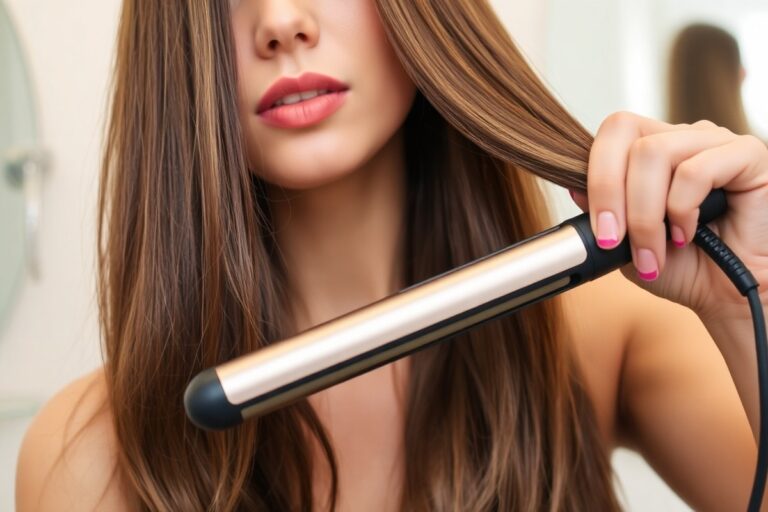
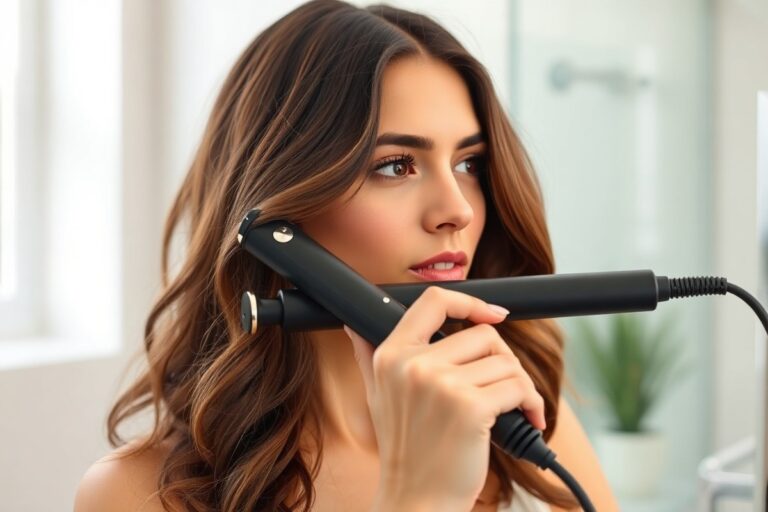
Heat tools like flat irons and curling wands damage hair by drying and weakening strands. Using high heat can cause breakage that looks like hair loss. Set tools to 300°F or lower and always use a heat protectant spray before styling.
- Use gentle, moisturizing shampoos without sulfates or harsh chemicals
- Limit hair coloring to every 6, 8 weeks to reduce chemical damage
- Choose loose hairstyles to avoid pulling on hair follicles
- Wash hair 2, 3 times a week to keep natural oils
- Set heat tools to 300°F or below and use a heat protectant
- Quit smoking to improve scalp blood flow and reduce inflammation
Smoking worsens hair loss by reducing blood flow to hair follicles. It also triggers inflammation that harms hair growth. Quitting smoking may lower your risk of losing hair and improve overall scalp health.
Some people reduce treatment effectiveness by skipping steps or overusing products. Follow treatment instructions carefully and avoid doubling doses. This helps treatments work best without causing more scalp irritation or damage.
8. Combining Treatments Safely for Optimal Hair Regrowth
Using multiple hair loss treatments together can help you get better results. You just need to know which ones work well together and how to avoid side effects. Mixing treatments the right way makes your plan safer and more effective.
Safe Combinations of Medications and Therapies
Minoxidil and low-level laser therapy (LLLT) can be used together safely. Each targets hair follicles differently, so combining them may boost regrowth.
Apply minoxidil first, let it dry for 20 to 30 minutes, then use your laser device. This helps keep each treatment active without interference.
It’s common to combine minoxidil with finasteride, another prescription drug. Finasteride affects hormones, while minoxidil stimulates follicles directly. Your doctor can advise on the best dosages and timing to reduce risk and track results.
- Apply liquid or foam minoxidil twice daily, on dry scalp
- Use laser device 3 to 4 times a week for 15 to 20 minutes
- Take finasteride once daily, following doctor’s prescription
- Avoid combining treatments that irritate your scalp too much
- Space out applications to prevent product overlap
Proper timing and not overusing treatments reduce side effects like redness or itching. Always read labels for warnings and side effects before mixing. Treatment plans often require trial and error under medical supervision.
Integrating Natural Remedies with Medical Treatments
Using natural oils or supplements alongside medicine calls for caution. Some essential oils can irritate when used with minoxidil or finasteride. Start with small amounts to check how your scalp reacts.
Supplements like biotin or vitamin D can support your treatment but don’t replace medications. Tell your doctor about all supplements you take. That helps avoid interactions or overdosing on certain nutrients.
Natural doesn’t always mean safe, mixing can trigger unexpected side effects.
To safely combine natural and medical options:
- Apply essential oils diluted and not on the same day you use minoxidil
- Take supplements consistently after meals as advised by your doctor
- Avoid stopping prescribed medication without consulting your healthcare provider
- Monitor your scalp for irritation when adding any new product
Tracking Progress and Making Adjustments
Keep a simple hair journal noting what treatments you use and when. Photograph your scalp monthly under the same light and angle. That makes it easier to see changes over time.
If side effects develop, reduce frequency or pause a treatment temporarily. Contact your doctor if scalp irritation or hair loss worsens.
- Record daily treatment applications and any side effects
- Take scalp photos every 4 weeks for comparison
- Set up follow-up appointments every 3 to 6 months
- Adjust your plan based on results and comfort levels
- Don’t expect visible regrowth before 3 to 6 months
Hair regrowth takes time. Patience helps avoid quitting too soon. A clear record helps your healthcare provider tailor your treatment as you go.
Step-by-Step Action Plan to Start Fixing Hair Loss
Follow this plan to begin improving your hair health within a month. Check your progress as you go to stay on track.
- Day 1: Identify your hair care mistakes and stop them immediately. You’ll notice less breakage within a week.
- Week 1: Schedule a scalp massage daily for 5 minutes to boost circulation. Your scalp should feel more relaxed and less tight.
- Week 2: Introduce a nutritious diet rich in protein, iron, and vitamins. Your hair may look shinier in about two weeks.
- Week 3: Add supplements like biotin or zinc if your diet lacks these nutrients. Watch for fewer hairs in your brush.
- Week 4: Talk to a doctor or dermatologist if hair loss continues despite efforts. They can suggest treatments like minoxidil or check for hormonal imbalances.
- After 1 month: Combine treatments you’ve started with safe hair care routines. You should see new hair growth or less thinning soon.
Frequently Asked Questions
Can Hair Loss Be Reversed Naturally?
Yes, some types of hair loss can reverse with proper care. Nutritional improvements and scalp massage often help hair regrow or slow loss.
Is Hair Transplant Surgery Effective for Most Women?
No, only about 5 percent of women are good candidates for hair transplants. Other treatments suit most female hair loss cases better.
Does Quick Weight Loss Cause Hair Loss?
Yes, losing over 20 pounds rapidly can trigger hair loss. Nutritional stress from sudden weight loss affects hair growth cycles.
Can Stress Alone Cause Permanent Hair Loss?
Stress usually causes temporary hair shedding, not permanent loss. Managing stress can help hair recover over time.
What Causes Hair Loss After Pregnancy?
Hair loss after pregnancy is common and temporary. It starts about 3 to 6 months postpartum due to hormonal changes.
How Often Should I Massage My Scalp for Best Results?
Daily scalp massage works best to boost circulation and support hair growth. Consistency is key to slow or stop hair loss.
The Bottom Line
Fixing hair loss takes steady, careful steps over time. Start by changing one thing today, like your hair care or diet. Keep paying attention, and ask a professional when you need extra help.