How to Know If Your Hair Is Damaged: 8 Clear Signs and Easy Checks
How to know if your hair is damaged is a common worry. The easiest way to tell is by checking how your hair looks and feels. Damaged hair often feels rough, breaks easily, and looks dull.
Start by noticing if your hair tangles more and breaks when brushing. Also, look for split ends and frizz. These signs tell you your hair’s outer layer is worn down from styling or harsh care.
Touch and stretch your hair gently to see how it reacts. Healthy hair stretches about 30% without breaking. If your hair snaps or feels stiff, it’s likely damaged and needs care.
Key Takeaways
- Look for rough texture, breakage, and dullness as damage signs.
- Check how much your hair tangles or knots after washing.
- Inspect for split ends and increased frizz around your strands.
- Gently stretch a strand to test its elasticity and strength.
- A healthy strand stretches about 30% before snapping.
- Stop heat styling above 345°F to prevent further damage.
1. How to Tell If Your Hair Is Actually Damaged or Just Dry
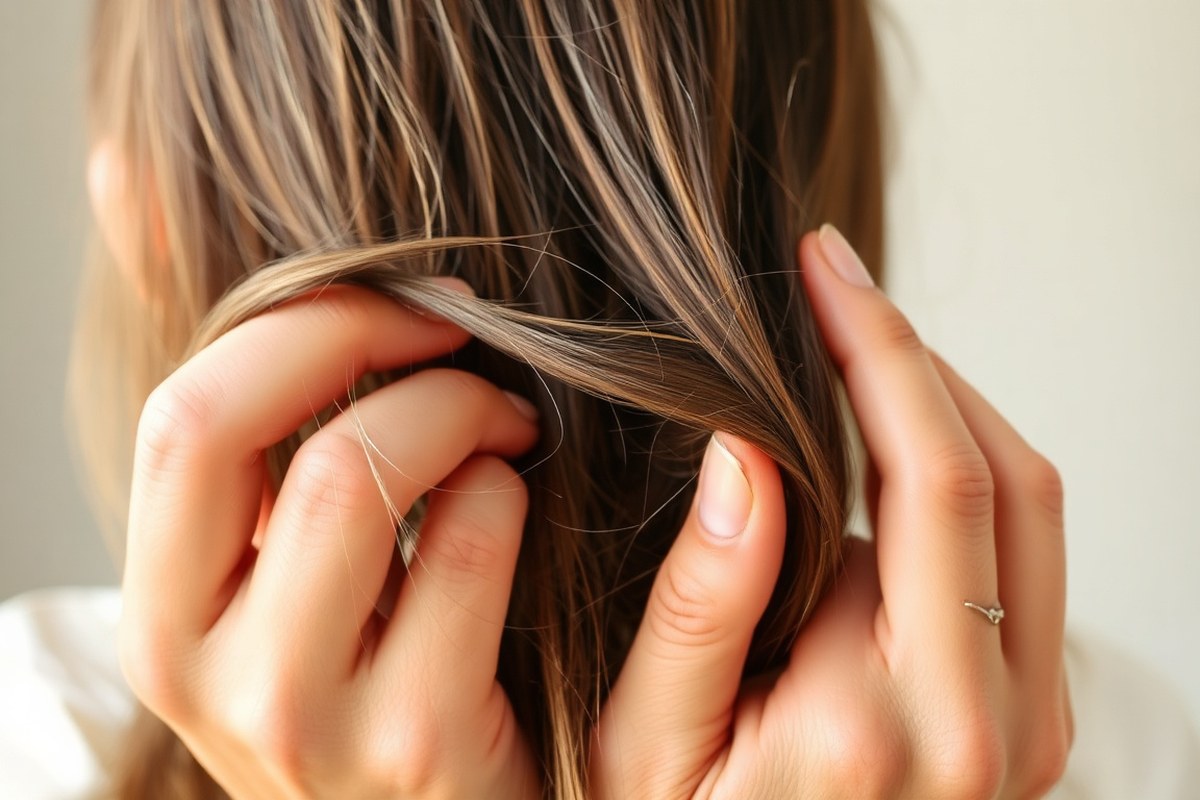
Dry hair feels rough and lacks moisture but isn’t always damaged. Damaged hair has broken, weak strands that snap or split easily.
Dryness alone doesn’t mean your hair is damaged. Damage shows deeper problems in the hair’s structure.
You can spot damage by checking how your hair looks and behaves. Dry hair may look dull but still stretch without breaking.
Damaged hair often feels rough, frizzy, and breaks when stretched. Split or frayed ends often mean damage, while dry hair usually stays whole.
| Characteristic | Dry Hair | Damaged Hair |
|---|---|---|
| Texture | Feels rough or coarse | Feels brittle, rough, and uneven |
| Elasticity | Stretches without snapping | Snaps or breaks easily when stretched |
| Shine | Dull but can improve with moisture | Dull or frizzy with little shine |
| Porosity | May lose moisture but cuticle mostly intact | Cuticle damaged, loses moisture quickly |
| Ends | Generally sealed | Split or frayed ends present |
A simple test helps you check: pull a strand gently. Dry hair stretches and returns without breaking.
Damaged hair breaks or snaps during stretching. You can also look closely for split ends or rough patches at the ends.
Dry hair often needs deep moisturizing treatments. Damaged hair usually needs protein and repair treatments to rebuild strength.
Using heavy conditioners may hide damage, so check without product buildup. Once you see frizz or snapping regularly, your hair is likely damaged.
2. Visible Signs That Show Your Hair Is Damaged

Damaged hair shows clear visible signs like split ends, frizz, and dullness. These signs tell you your hair’s outer layer or structure is broken. You can spot damage by checking texture, shine, tangles, and brittleness closely.
Split Ends and What They Mean
Split ends happen when the hair shaft literally splits at the tip. They often look like tiny forks or frays. Split ends show structural damage that can’t be fixed by treatments, only trimmed off.
Split ends lead to more breakage and frizz because the hair weakens there. You’ll see more flyaways around the sides of your head if split ends are bad. Split ends also make hair harder to style and look less healthy.
Frizz and Rough Texture
Frizz is common when hair cuticles lift or break from damage. The hair feels rough or straw-like as moisture can’t stay inside. Frizz often happens after heat exposure or skipping moisturizing products.
Hair that’s not smooth and feels coarse most days likely has some damage. Frizz also causes tangles, which break hair more when you brush or comb it.
Lack of Shine and Dullness
Healthy hair reflects light because its cuticles lie flat and smooth. Damaged hair looks dull and lifeless since its cuticles are lifted or cracked. Lack of shine often comes with dryness and brittleness as well.
When your hair feels dry or rough, it may be damaged. Damage can make your hair lose its natural shine.
You can notice this by running your fingers through it. This is often easiest to see in natural light.
Excessive Tangling and Brittleness
Hair that gets knotty easily often has damaged cuticles or split ends. These rough surfaces cause strands to cling to one another. Strands that break quickly when stretched or brushed are brittle.
Brittle hair snaps off, adding to uneven length and frizzy appearance. Regular tangling can be a big sign your hair needs care to avoid more damage.
Visual Checklist for Checking Hair Damage
Look closely at your hair under good lighting. Check for these visible signs that show damage:
- Split ends appearing as tiny splits or forks on strand tips
- Frizz and flyaways that don’t smooth down with styling
- Hair texture feeling rough or straw-like to the touch
- Lack of shine, hair looks dull or matte in natural light
- Excessive tangling, especially after brushing or washing
- Brittle strands that snap easily when stretched or combed
Watching for these signs regularly can help you catch damage early. Early damage is easier to manage with treatments and better care routines.
Trim split ends promptly to prevent hair breakage from getting worse.
3. How to Check Your Hair’s Elasticity and Strength at Home
One simple way to check your hair is by testing its strength. You can test its elasticity at home easily. This helps show if your hair is damaged.
Elastic hair stretches without breaking and returns to its original length. Losing this bounce means your hair is weak and prone to breakage.
Preparing a Hair Strand for the Elasticity Test
Start with clean hair for the best results. Hair products can make your strands feel smoother and hide true damage.
Use no product and wash your hair as usual. Let it dry naturally or towel-dry gently before testing.
- Pick a single hair strand from your scalp that falls easily.
- Make sure the strand is dry but not stiff or crispy.
- Keep the strand away from any hair product residue or oils.
- Use a magnifying glass if needed to see the strand clearly.
Performing the Stretch Test Safely
Gently pull the hair strand between your thumb and forefinger. Stretch it slowly to avoid sudden breakage.
Drop the strand in room temperature water first. This helps you tell damaged hair from dry hair. It’s an easy step before the main test.
- Hold the strand firmly near the root but without pulling harshly.
- Squeeze the strand between your fingers and stretch it about 20% longer.
- Watch closely to see if it stretches without snapping.
- Drop the strand in a small glass of water after stretching.
- Notice if the hair returns to its original length when removed.
What the Stretch Results Mean About Hair Health
Healthy hair bends and stretches without breaking. It will return to its original length after stretching.
The hair breaking or staying stretched means damage. This shows your hair lost its natural stretch. It’s a clear sign of damage.
Damaged strands tend to snap during the test or remain stretched, showing weak bonds inside.
4. Understanding What Causes Hair Damage Beyond Heat Styling
Hair damage comes from more than just heat styling tools. Chemical treatments like relaxers and bleach change your hair’s structure. They break and rejoin bonds inside your strands.
This process weakens the hair itself. This can leave hair feeling brittle or spongy if damage gets severe.
Daily habits add up too. Brushing wet hair hard can cause damage. Wearing tight hairstyles adds extra stress.
Washing every day with sulfate shampoos strips natural oils. Using heat tools above 345°F regularly speeds up frizz and color fading while harming internal fibers.
Environmental factors like sun exposure and pollution also stress your hair. UV rays dry out strands and weaken the outer layer, causing roughness and split ends. Pollution particles stick to your hair.
This makes it dull and breaks more easily. Skipping regular washing makes these effects worse.
Stop using heat tools for one to two months if hair feels fragile. This gives your strands a chance to heal. Avoid heat styling to reduce breakage.
Use gentle brushes and avoid pulling while detangling. Switch to sulfate-free shampoos to keep moisture. Wearing loose hairstyles reduces stress on roots and edges, lowering breakage risk.
Chemical treatments demand care. Give your hair time to recover between bleach or relaxer sessions, usually several weeks. Use deep conditioners rich in protein or moisture to strengthen strands.
A trim removes the weakest ends. This helps stop more breakage. It’s best when damage feels extreme.
Everyday gentle habits support healthy hair. Avoid harsh rubbing when drying and use a wide-toothed comb on wet strands. Protect your hair from sun with scarves or hats when outdoors for long.
Clean your hair regularly, but not too often. This keeps oil and dirt balanced. It also prevents losing natural shine.
5. What Bubble Hair Is and How to Spot It Early
Bubble hair happens when you apply heat over wet hair above 345 degrees Fahrenheit. The water inside the strand turns into steam fast. This steam creates tiny bubbles that weaken your hair’s structure.
You can check for bubble hair by gently running your fingers from root to tip. The strand feels uneven or bumpy.
That warns you of damage. The bumps come from these tiny gaps where internal damage has formed.
Look for patches where hair breaks off easily or feels unusually thin. Bubble hair often shows as brittle spots that snap with a little pull. It might look smooth on the outside but breaks inside the strand.
Early bubble hair damage can sometimes improve with careful home care. Avoid heat styling wet hair next time. Use conditioning treatments that help strengthen your cuticles and fill gaps.
Keep heat tools at or below 300 degrees. Dry hair almost fully before heat.
This lowers your risk of bubble hair. Using a heat protectant spray also shields strands from sharp temperature spikes.
Don’t use flat irons or curling irons on soaked hair. The steam inside can cause tiny bubbles that break your hair.
Check for bubble hair by gently stretching a few strands. See if they break easily.
Healthy hair stretches a little without breaking. Bubble-damaged hair snaps with less pull or feels rough on the fingers.
Repair takes patience. Products with protein can rebuild some strength.
But they won’t fix bubble holes inside strands fully. Frequent use of moisturizers helps keep hair flexible and less prone to breaking.
Bubble hair usually means damage is already inside your strands. So stopping heat on wet hair immediately matters most.
Get regular trims to cut off weak, damaged ends. This keeps hair healthier and thicker as it grows.
6. Special Signs and Care Tips for Damaged 4C Hair
Damaged 4C hair shows unique signs and needs special care to stay healthy. This hair type tangles more and breaks easier when damaged. You need steps that fit 4C’s tight curls and fragile texture.
Typical Damage Signs in 4C Hair
Look for excessive tangling and knotting, which happen when the cuticle layer lifts. Split ends appear uneven and feel rough to the touch. The curl pattern may loosen or look dull instead of tight and defined.
Dryness is common, but damaged 4C hair often feels brittle and breaks during detangling. Loss of elasticity means strands snap instead of stretching and bouncing back. Watch for frizz that won’t calm down even with moisturizing.
Daily Habits That Worsen 4C Hair Damage
Over-washing strips natural oils, making 4C hair brittle and prone to breakage. Rough detangling with a fine-tooth comb tears fragile strands and increases knots. Using harsh chemical treatments or excessive heat damages the curl pattern.
Sleeping without a satin scarf or pillowcase causes friction, leading to breakage and dryness. Skipping regular deep conditioning leaves hair weak and less able to recover from damage.
Recommended Treatments and Protective Styles for 4C Hair
Follow these steps to reduce damage and strengthen 4C hair:
- Wash hair no more than once per week using a sulfate-free, moisturizing shampoo.
- Apply a rich deep conditioner or hair mask with moisturizing oils for 15, 30 minutes.
- Detangle hair gently with a wide-tooth comb or fingers while conditioner is in.
- Use leave-in conditioners designed for 4C hair with ingredients like shea butter or jojoba oil.
- Avoid heat styling or keep it under 300°F, using a heat protectant spray.
- Wear protective styles such as twists, braids, or bantu knots to reduce manipulation.
- Sleep with a satin bonnet or pillowcase to prevent friction damage.
- Trim split ends every 6 to 8 weeks to prevent further breakage.
Following these steps helps hair retain moisture and limits breakage. You might see improved softness and curl definition in 4 to 6 weeks with consistent care. Avoid rushing, as recovery depends on regular gentle handling and protection.
7. When and How to Use Protein and Moisture Treatments Safely
Protein treatments help strengthen damaged hair by adding back lost protein. Use them only when your hair feels weak, breaks easily, or stretches without bouncing back. Most people should use a protein treatment every two to four weeks.
This avoids stiffness or dryness. Overusing protein can make hair feel dry and stiff.
Moisture treatments keep hair soft and manageable by adding hydration to your strands. Hair that feels dry, rough, or straw-like benefits from weekly moisturizing masks or conditioners.
Apply moisture treatments more often if your hair is porous or chemically treated. But reduce protein use accordingly to keep balance.
To decide which treatment suits your hair, consider its current feel and appearance. Your hair needs moisture if it feels dry, frizzy, or dull but strong. Use a protein treatment when breakage or split ends are the main problems.
Using protein and moisture treatments together helps repair hair damage. Try a deep conditioner weekly. This combo keeps hair healthy.
Signs you’re overdoing treatments include hair that feels brittle, hard, or straw-like after protein use. Over-moisturizing causes limp, lifeless hair prone to tangles and breakage.
Cut back on treatments if your hair resists styling or feels greasy. Also, check if you’re using too much product.
Apply treatment from the mid-lengths to the ends on damp or dry hair. Use 1 to 3 pumps or a nickel-sized amount. Keep the treatment on for at least 10 minutes.
Follow the product instructions for best results. Weekly deep conditioning that seals the cuticle helps hair hold moisture and reduces frizz over time.
8. Practical Habits and Steps to Prevent and Stop Hair Damage
Daily habits can silently ruin your hair if you’re not careful. Avoid harsh brushing, especially when your hair is wet. Wet hair is more fragile than dry hair.
It can break easily. Pulling hard with a brush or comb makes it worse.
Limiting heat styling is key. Using a blow dryer, flat iron, or curling wand too often dries hair and weakens it.
Always spray a heat protectant before styling. Heat protectants cost about $10 to $20 and form a shield against temperatures over 300°F. Let your hair air-dry when possible to reduce heat exposure further.
To stop chemical damage, don’t overdo treatments like coloring or relaxing. These strip moisture and protein from hair. Wait six to eight weeks between chemical services.
This helps hair recover naturally. Give your hair enough time to heal.
- Use a wide-tooth comb after washing hair
- Apply leave-in conditioners or oils to damp hair for moisture
- Trim split ends every 6 to 8 weeks to stop damage from spreading
- Wear a hat or UV-protective spray outdoors to keep color vibrant
- Use mild shampoos without sulfates to avoid drying scalp and hair
- Limit washing to 2-3 times per week to retain natural oils
- Sleep on a silk or satin pillowcase to reduce friction and breakage
Trimming your hair regularly cuts off split ends before they travel up the hair shaft. For damaged hair, trimming every 6 to 8 weeks helps maintain strength and looks healthier. Infrequent trims can worsen damage, causing more breakage and frizz.
For color-treated hair, keep up your home care. Sun, chlorine, and heat make the color dull and hair brittle.
Using restorative masks once a week after shampooing helps replenish moisture and adds shine. Always pick masks suited for your hair type and condition.
Don’t skip heat protectant spray before styling. It’s your hair’s best defense against heat damage.
Stop using harsh products that strip oils. Look for formulas with natural oils and proteins.
These ingredients restore hair’s strength and shine while protecting against further damage. Try to keep your routine simple with a gentle cleanser, conditioner, and a leave-in treatment.
Step-by-Step Action Plan to Check and Fix Your Hair Damage
Start fixing your damaged hair today with simple tests and care steps. Follow this plan to see real progress in a few weeks.
- Day 1: Do a stretch test on a few hairs to check elasticity. Your hair is still strong when it stretches and returns easily.
- Day 2: Examine your hair under good light for signs of roughness or split ends. Note problem areas for focus.
- Week 1: Switch to a gentle shampoo and conditioner made for damaged hair. After a week, your hair should feel smoother.
- Week 2: Add a moisture treatment once or twice a week. Check if your hair feels softer and less dry.
- Week 3: If your hair is brittle or breaks easily, use a protein treatment carefully. Avoid overdoing it to prevent stiffness.
- Week 4 and ongoing: Trim the most damaged ends. Then keep protecting hair from heat and tough chemicals. Watch for less breakage and more shine.
Frequently Asked Questions
How Can I Tell If My Hair Is Damaged from Chemical Treatments?
Hair damaged by chemical treatments often feels brittle, dry, and shows many split ends. It may also snap easily when stretched. Monitor how your hair looks and feels after coloring or relaxing to spot damage early.
Does Damaged Hair Always Lose Its Natural Shine?
Yes, damaged hair often loses its natural shine and looks dull or frizzy. This happens because the rough cuticle reflects less light. Regular conditioning can help restore some shine over time.
Can Scalp Health Affect the Signs of Hair Damage?
Yes, a dry or irritated scalp can worsen the look of damaged hair. It may cause flakes, itchiness, and weak roots that lead to breakage. Keeping your scalp clean and moisturized supports healthier hair growth.
Is It Normal for Damaged Hair to Lose Length Even Without Cutting?
Damaged hair breaking off makes it look like hair won’t grow. It can seem like your hair is losing length too.
This often confuses people about actual hair growth. Strengthening treatments and gentle handling prevent breakage and help retain length.
Do Damaged Hair Ends Feel Different Than Healthy Ones?
Damaged ends feel rough, dry, and have split or frayed tips. Healthy ends are smooth and sealed. Regular trims help remove damaged ends and prevent split ends from traveling up the strand.
How Quickly Can Protein and Moisture Treatments Improve Damaged Hair?
Hair can feel softer after just one treatment. But results improve with 1-2 treatments weekly. Consistency is key to rebuilding strength and moisture balance.
Key Points to Remember
Damaged hair shows many signs you can check and treat yourself. Quick tests help you know what your hair really needs. Start your first step today to bring your hair back to health.