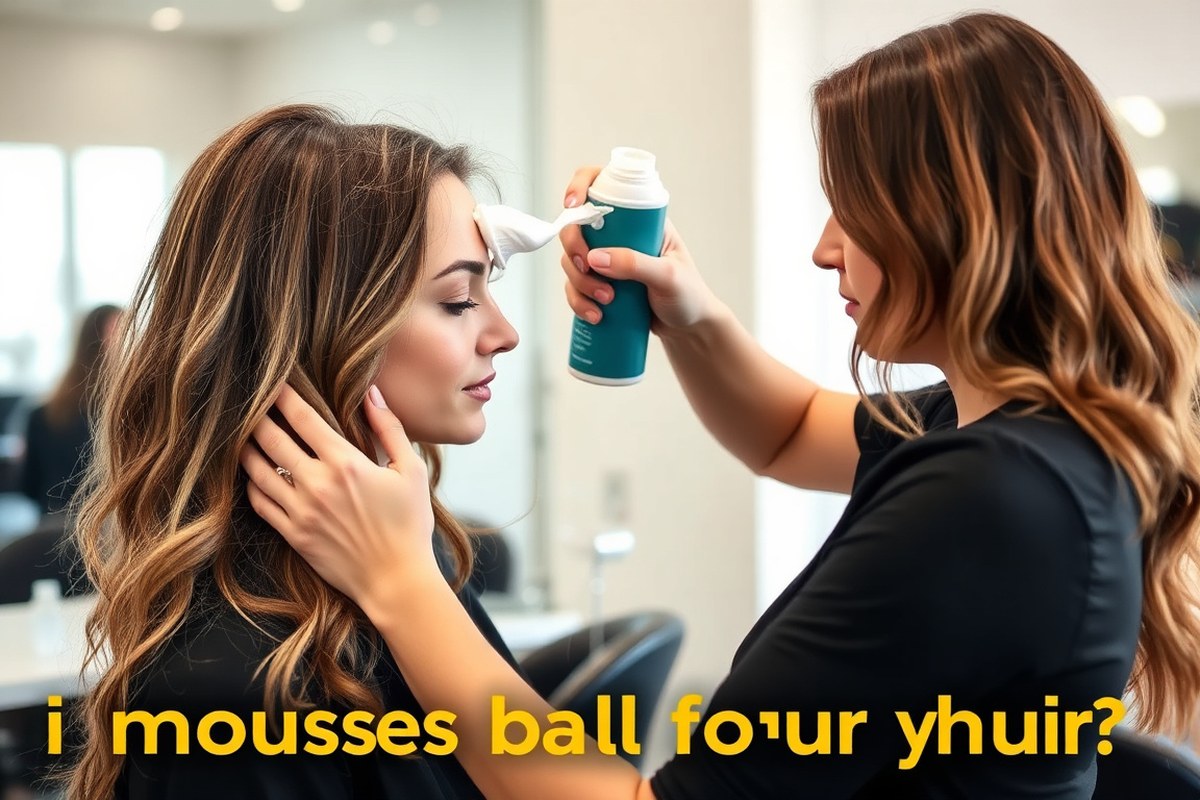
Is Mousse Bad for Your Hair? What Actually Works for Healthy Styling
Is mousse bad for your hair? The short answer is no.
Mousse isn’t naturally harmful to your hair when you use it right. It can actually be great, especially if you want to add volume or tame frizz gently.
The key is what’s inside the mousse. Even natural hair reacts to harsh ingredients, so always check the label carefully. Ingredients like panthenol help keep your hair soft and shiny while styling.
Also, mousse works best if matched to your hair type. People with wavy or curly hair in the 2A-3C range usually see the best results. Applying mousse correctly helps you avoid damage and keeps your hair looking healthy.
Key Takeaways
- Mousse isn’t bad for hair if chosen and applied properly.
- Check labels for nourishing ingredients like panthenol (provitamin B5).
- Match mousse type to your hair texture for best results.
- Curly and wavy hair responds well to mousse in the 2A-3C range.
- Avoid mousses with too many drying or heavy chemicals.
- Use just the right amount to prevent buildup or stiffness.
Is Hair Mousse Really Bad for Your Hair?

Hair mousse mainly works on the hair strands you see. It usually doesn’t harm the follicles or cause lasting hair loss. The product stays on the surface to shape and hold your style without affecting hair growth.
Permanent hair loss is very unlikely from mousse use alone. Some people worry because heavy or repeated use might cause scalp irritation.
Scalp irritation like itching or swelling can cause hair to shed or get damaged. But this is rare and depends on how your scalp reacts.
How mousse affects your hair depends on several factors. The formula matters, lighter mousses with fewer harsh chemicals are gentler on hair. Using too much mousse or stacking styling products causes greasy buildup.
This can make hair feel heavy. It may also cause flakes to appear on your scalp. Washing properly helps prevent that.
Heat styling teamed with mousse can cause damage if you’re not careful. Strong hold mousse plus rough styling can break hair.
This risk is higher if your hair is weak. Overusing mousse can dry out hair ends, causing split ends and frizz.
Most people can safely use mousse every day with the right product. Use the mousse in moderation for best results. Pay attention to your scalp and hair’s response.
Notice dryness or irritation? Reduce mousse use or switch to a gentler formula.
How Hair Mousse Works and Affects Your Hair

Hair mousse covers each hair strand with a thin hold layer. This layer makes strands feel thicker and adds more lift. It creates volume and texture without weighing your hair down.
Mousse has a foam texture made by propellants like butane or propane. These propellants create light bubbles in the foam. Apply the mousse to damp hair for best results.
When spread evenly, mousse boosts volume by separating strands and reducing clumping. It also provides a flexible hold that lets your hair move naturally, unlike stiff gels.
Mousse does not penetrate the hair shaft but stays on the surface. This means it won’t repair damage but can protect your hairstyle by forming a lightweight barrier. Some mousses contain alcohol to help them dry faster.
Alcohol also adds firmness to your hairstyle. Too much alcohol can make hair dry and brittle.
To get the best volume, apply a golf ball-sized amount to damp hair. Spread mousse evenly from your roots down to the ends. Use a diffuser to blow-dry your hair gently.
You can also rough dry hair with your fingers for texture. This technique gives your hair lift and keeps it soft. Using too much mousse creates stiffness and can make fine hair feel heavy.
Start applying a small amount of mousse to your hair. Add more only if you need extra hold or volume. This helps avoid making hair stiff or dry.
People with curly or wavy hair often prefer flexible-hold mousse to define texture without crunchiness. Those with coily hair may need extra moisture because mousse alone might dry the hair. Combining mousse with a leave-in conditioner helps keep curls hydrated while shaping them.
Mousse works by coating hair strands to lift and define them. Its lightweight foam adds volume and texture by thickening the outer layer of each strand.
Apply mousse to damp hair for the best coverage and hold. This helps your hair stay flexible and avoid dryness or pulling.
Key Ingredients in Mousse and Their Hair Effects
Hair mousse contains different ingredients that affect your hair in various ways. Some ingredients can dry out or damage hair.
Others help keep it soft and healthy. Knowing what’s in your mousse helps you pick one that won’t cause breakage or scalp irritation.
Alcohols in mousse fall into two groups: quick-drying and fatty. Quick-drying alcohols like alcohol denat., SD alcohol, or isopropyl alcohol evaporate fast. They give strong hold.
These mousses can dry out hair. This is worse for thin, fragile, or dry hair. Using mousse with these often means you need extra conditioner or moisturizer.
Fatty alcohols such as cetyl alcohol, cetearyl alcohol, and stearyl alcohol do the opposite. They usually condition your hair by locking in moisture. These mousses don’t cause dryness.
They can help brittle or coarse hair. They add moisture while styling.
| Ingredient Type | Examples | Main Concern |
|---|---|---|
| Quick-Drying Alcohols | Alcohol denat., SD alcohol, isopropyl alcohol, ethanol | Can dry out fragile or already dry hair |
| Fatty Alcohols | Cetyl alcohol, cetearyl alcohol, stearyl alcohol | Usually conditioning, not drying |
| Fragrance & Preservatives | Fragrance, parfum, preservatives | Can irritate sensitive scalps causing redness or itching |
| Moisturizing Ingredients | Glycerin, panthenol, emollients | Help protect and hydrate hair |
Fragrances and preservatives add scent and keep mousse fresh. However, they may trigger itching or redness for sensitive scalps. Look for fragrance-free and preservative-free mousse if your scalp is sensitive.
Test on a small area first. This helps avoid irritation.
Moisturizing ingredients like glycerin and panthenol help your hair stay hydrated. They create a protective layer that keeps moisture inside your strands. Choosing mousse with these ingredients lowers dryness risks, especially if you use heat styling tools regularly.
Always check the full ingredients list. The concentration of drying or moisturizing ingredients matters a lot. Using mousse daily with drying alcohols slowly damages hair.
Use alcohol-free mousses or those with fatty alcohols and moisturizers. They help style hair without dryness. This reduces breakage risk.
Choosing the Right Mousse for Your Hair Type
Choosing the right mousse means matching its formula to your hair’s needs. This keeps your hair looking good without drying or weighing it down. Knowing your hair type and scalp condition helps you pick the best product for styling.
Mousse for Fine and Thinning Hair
Fine or thinning hair benefits from lightweight mousses that add volume without heaviness. Look for mousses labelled as “volumizing” or “light hold.” These boost body and lift strands without making hair greasy or stiff.
Avoid heavy, oil-based mousses for fine hair because they weigh it down quickly. Apply a golf ball-sized amount on damp hair at the roots for the best lift. Let it air dry or use a diffuser on low heat for added volume.
Best Mousses for Curly and Wavy Hair
Curly and wavy hair needs moisturising mousses that define curls while reducing dryness. Alcohol-free formulas work best since they don’t strip natural oils. Scrunch mousse into damp hair to encourage curl shape and allow air drying.
Choose products designed for hair types 2A to 3C for better hold and curl bounce. Some mousses add shine and fight frizz, which helps curls pop without stiffness. Avoid mousses with alcohol high on the ingredient list to keep curls soft.
Options for Coily and Color-Treated Hair
Coily hair and color-treated strands require gentle mousses with nourishing ingredients. Look for mousses labelled as sulfate-free, hydrating, and safe for color-treated hair. These protect moisture and reduce breakage during styling.
Applying mousse to damp hair and letting it air dry helps prevent dryness and damage. Use small amounts to avoid buildup, which weighs coily hair down. Some products contain added oils or vitamins to keep hair shiny and healthy.
Mousse Considerations for Sensitive Scalps
Sensitive scalps should avoid mousses with strong fragrances or harsh alcohols that cause irritation. Try patch testing new mousse products on your skin before regular use. If redness or itching appears, stop using the product immediately.
Look for gentle, hypoallergenic mousses that balance styling with scalp comfort. Using less mousse and washing hair regularly helps prevent product buildup. Consult a dermatologist if scalp irritation persists after mousse use.
How to Apply Mousse Safely for Best Results
Apply mousse to damp hair for the best results. Use just enough to cover your hair without overloading it. Spread it evenly before styling to avoid buildup and damage.
Preparing Hair Before Applying Mousse
Start with clean, towel-dried hair that’s damp but not dripping wet. Mousse works best when it can absorb into your strands properly. Your hair must not be too wet or the mousse will slip right off.
You can gently comb through your hair to remove tangles before mousse. This helps the product spread evenly and reach roots more easily. Damp hair also ensures the mousse activates for better volume and hold.
Correct Amount and Application Method
Use about a golf ball-sized amount of mousse for medium-length hair. Less if your hair is short, more if it’s very thick or long. Using too much can weigh your hair down and cause buildup.
Rub the mousse between your palms until it feels creamy and light. Then, use your fingers to work it evenly from roots to ends. A wide-tooth comb can help spread it without breaking hair strands.
- Squeeze mousse into your palm, about the size of a golf ball.
- Rub hands together to emulsify the foam.
- Start applying at the roots to boost volume.
- Use fingers or a wide-tooth comb to spread evenly.
- Cover all sections, but avoid layering too much product.
This method makes sure every strand has some mousse without clumps or sticky spots. Even coverage creates natural bounce and shape, not stiffness.
Combining Mousse with Heat Styling Safely
Always use a heat protectant spray before heat styling. Mousse can help hold styles but won’t block heat damage alone. Protectant sprays shield your hair from temperatures above 300°F (150°C).
Apply mousse first, then heat protectant, allowing each product to absorb. Use your dryer or styling tools on low to medium heat to keep hair safe. High heat plus heavy mousse buildup can cause breakage over time.
Never skip the heat protectant if you plan to blow dry or use irons after mousse.
Avoiding Excess Product Build-Up
Washing hair regularly removes mousse residues that can dry your scalp. Use a gentle shampoo tailored for your hair type. Avoid piling on mousse daily without breaks to prevent dryness and flaking.
You should cut back on mousse if you feel stiffness, dullness, or itching. Sometimes, switching to an alcohol-free or lighter mousse helps maintain moisture better. Moderation keeps your hair looking healthy and strong.
Common Mousse Mistakes and How to Fix Them
Using too much mousse makes hair sticky and stiff. It weighs hair down and creates buildup that dulls your style. You might feel like your hair is dry or crunchy after applying mousse wrongly.
Applying mousse to dry hair causes residue to collect and hair to dry out. Mousse works best on damp hair because it spreads evenly and holds without stiffening. Also, putting mousse near the scalp can clog pores and make hair greasy faster.
Overusing mousse means your scalp may get oily, but your hair looks dull. Avoid washing hair too often to keep natural oils that protect strands. Instead, rinse your hair gently two to three times per week or as needed.
- Use a golf ball-sized amount of mousse for medium hair length.
- Apply mousse from mid-lengths to hair ends, not the scalp.
- Work mousse into damp hair evenly before styling.
- Limit mousse use to two or three times a week to prevent buildup.
- Wash hair with a gentle shampoo to remove mousse residue well.
- Give hair a break from styling products for a few days now and then.
- Choose mousse formulas without harsh chemicals to avoid dryness.
Your hair may feel stiff or sticky. Dampen your fingers and gently scrunch hair to loosen mousse.
You can also use a spray bottle with water to soften styled hair throughout the day. Overusing mousse calls for a deep cleansing shampoo or clarifying wash to remove buildup completely.
After excess mousse use, treat hair with a hydrating conditioner or mask. These products restore moisture and improve softness without stripping hair. Cut down on mousse use.
Care for your hair gently each day. Your hair will look lively again in days.
Comparing Mousse with Other Styling Products
Mousse is lighter than gels, waxes, and creams. It gives hold without making hair stiff or heavy. This makes it great for fine or limp hair that needs volume without weight.
In contrast, gels often create a stronger, stiffer hold. They can feel sticky and may flake if overused. Waxes and creams add shine and control for thick or coarse hair.
They weigh hair down more than mousse. Use them when you want extra hold and gloss. Mousse spreads evenly since it’s a foam, making it simple to apply without clumps.
Here’s a table comparing mousse, gel, wax, and cream by hold, moisture, weight, and styling tips:
| Product | Hold Strength | Moisture | Weight on Hair | Best Use / Tips |
|---|---|---|---|---|
| Mousse | Light to medium | Adds weightless moisture | Light, won’t weigh down | Good for volume, fine or limp hair |
| Gel | Strong, stiff hold | Low moisture, can dry out hair | Can feel sticky and tight | Use for slick styles, strong hold needed |
| Wax | Medium to strong | Adds some moisture but heavier | Heavy, weights hair down | Works for thick, coarse hair, definition |
| Cream | Light to medium | Moisturizing | Medium weight | Best for soft control and frizz |
Choosing mousse makes sense if you want bounce without stiffness. It doesn’t work well alone for very dry, tightly coiled hair. This hair needs more moisture than mousse provides.
Try adding a moisturizing product with mousse. For these hair types, richer creams or waxes usually work better.
You don’t have to keep to just one product. Use mousse first to add volume to your hair. Then add a small amount of wax or cream.
This combo gives you volume and texture together. Just use light layers to avoid build-up or weight, which can harm hair over time.
When to Consult a Dermatologist About Mousse Use
You should see a dermatologist if you notice redness, itching, or hair loss after using mousse. Persistent symptoms or worsening conditions need professional attention. Early action helps protect your scalp and hair health.
Recognizing Scalp Irritation from Products
Scalp irritation from mousse usually shows up as redness, swelling, or itchiness. You might also see small bumps or dry flaky skin. These symptoms often appear soon after applying the mousse.
Feeling burning or stinging on your scalp after using mousse is a sign of irritation. Avoid scratching since it can cause sores or infections. These symptoms lasting more than a few days require medical review.
Identifying Hair Loss Symptoms Linked to Styling
Hair loss from mousse alone is rare. You’re more likely to see hair thinning or bald spots soon.
This often happens right after you start the product. Losing hair in patches or clumps can indicate an allergic reaction or scalp damage.
Progressive thinning that continues after stopping mousse usually points to another cause. Watch for hair breakage too.
It feels like strands snapping, not falling at the root. This suggests product buildup or drying damage.
Steps to Take Before Visiting a Dermatologist
Stop using mousse immediately and switch to a clarifying shampoo. This will help remove any leftover product and reveal if symptoms improve. Try deep conditioning for a week to soothe your scalp and restore moisture.
Keep track of symptoms daily, noting any new changes or triggers. Also, avoid other styling products to isolate the cause. Continued irritation or hair loss after two weeks means see a dermatologist.
Available Medical and Cosmetic Treatments
Dermatologists may recommend medicated shampoos or topical steroids to calm severe irritation. For allergic reactions, antihistamines or mild corticosteroids can ease symptoms quickly. Hair loss might require treatments like minoxidil or specialized scalp therapies.
Professional advice helps tailor treatments to your skin type and the severity of symptoms. Some cases need lab tests to rule out infections or underlying conditions. Cosmetic approaches like gentle trims or masks support hair recovery alongside medical care.
Stop using mousse if your scalp feels itchy or you see unusual hair loss. Quick cleanup with a clarifying shampoo can prevent more damage.
Step-by-Step Action Plan for Safe and Stylish Mousse Use
Follow these simple steps to use mousse without risking damage. You’ll notice healthier, styled hair that feels light and natural.
- Before you start: Choose a mousse tailored for your hair type. Check the label for moisture or hold specifics to avoid buildup.
- Day 1: Apply a golf-ball-sized amount to damp hair. Distribute evenly from roots to ends. Your hair should feel soft, not sticky.
- After application: Comb your hair gently to spread mousse and reduce clumps. Hair should look full but not crunchy.
- Day 2: Avoid mousse on dry hair to reduce flaking and stiffness. Use a light water spray instead when you want to restyle your hair.
- Weekly: Wash your hair thoroughly to remove residue. Use a gentle shampoo that won’t strip natural oils.
- Monthly: Assess your scalp and hair health. Notice dryness or irritation? Try a lighter mousse or use it less.
- When styling: Use mousse as a light base, then finish with preferred tools or sprays. This keeps hair flexible and healthy.
Frequently Asked Questions
Can Mousse Cause Hair Breakage?
Mousse is unlikely to cause hair breakage if used properly. Avoid applying too much or using products with harsh alcohol to protect your strands.
Does Mousse Dry Out Your Scalp?
Mousse usually doesn’t dry out your scalp if you rinse it out regularly. Leaving mousse buildup can irritate your scalp, so wash your hair thoroughly.
Is Mousse Safe for Colored Hair?
Mousse can be safe for colored hair when chosen carefully. Pick a mousse without harsh chemicals to preserve your color and avoid dryness.
How Often Should You Wash Mousse Out?
It’s best to wash mousse out after each use. Leaving mousse in can cause buildup that clogs follicles and dulls hair.
Can Mousse Help with Oily Hair?
Mousse isn’t designed to control oil but can add volume to oily hair. Use a mousse aimed at your hair type and wash oil away regularly.
Does Mousse Affect Hair Growth?
Mousse itself does not affect hair growth. Hair growth depends on health and care rather than styling products like mousse.
Key Points to Remember
Mousse can be safe and helpful when you pick the right type and use it carefully. Try the plan above to keep your hair looking styled and healthy. Pick your mousse smartly, and enjoy your hair without worry.