How to Style Wavy Hair: 8 Expert Tips for Defined, Frizz-Free Waves
Figuring out how to style wavy hair can feel tricky. The key is working with your waves, not against them, to get defined, frizz-free looks.
Start by using a light styling product on damp hair to hold your natural wave pattern. Avoid heavy creams that can weigh your waves down and make them look flat.
Always fully dry your hair to keep frizz at bay. Any leftover moisture will cause your waves to puff up and lose shape.
Try air-drying with occasional scrunches, or use a diffuser on low heat for better control. Keep your diffuser moving to prevent heat damage on one spot.
Pay attention to how much product you use, too much weighs your waves down. Also, avoid brushing once dry; finger-combing helps keep waves soft yet defined. You can refresh your waves with a little water and light mousse on dry days.
Key Takeaways
- Use a light mousse or curl cream on damp hair for natural hold.
- Make sure your hair is completely dry to prevent frizz.
- Air-dry or diffuse on low heat to preserve wave shape.
- Limit product amount to keep waves from getting heavy.
- Finger-comb hair after drying to maintain soft, defined waves.
- Trim wavy hair every 8 to 12 weeks to avoid dryness.
1. How to Style Natural Wavy Hair for Everyday Looks
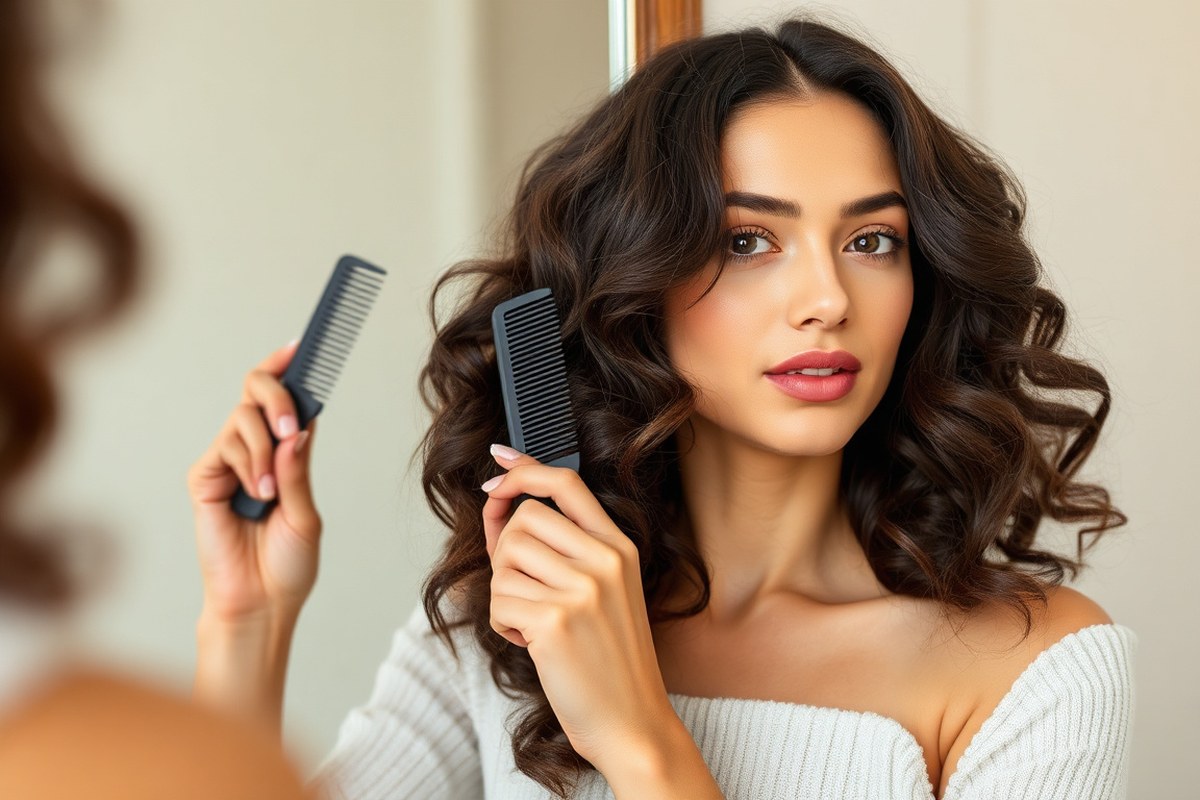
Your natural waves can look great every day with the right routine. Use gentle, lightweight styling products that add moisture to hair. These help define your waves without making them heavy.
They also prevent frizz from forming. Avoid heavy creams or oils on fine or thin waves.
These products can flatten your hair and ruin your style. Stick to lighter options instead.
Here’s a simple step-by-step routine to boost your waves and keep them looking fresh all day. Most steps take just a few minutes each, and you don’t need expensive products. Pick a light cream or leave-in conditioner made for waves.
One example is Paul Mitchell Quick Slip, which adds hydration. It also smooths your hair nicely.
- Start with damp hair. After washing, gently squeeze out excess water. Air-dry until hair is about 80% dry for best results.
- Apply a lightweight hydrating cream. Use about a nickel-sized amount, rubbing it between your hands first. Then, scrunch it gently into your hair, focusing on mid-lengths and ends.
- Scrunch your waves upward. Cup small sections in your hands and push hair toward your scalp. This encourages natural wave formation and prevents stringy strands.
- Use a diffuser or air-dry.Set your diffuser to low heat when you use it. Use the slowest speed to avoid rough drying. This helps protect your waves. Dry your hair while continuing to scrunch softly. Otherwise, let it air-dry fully.
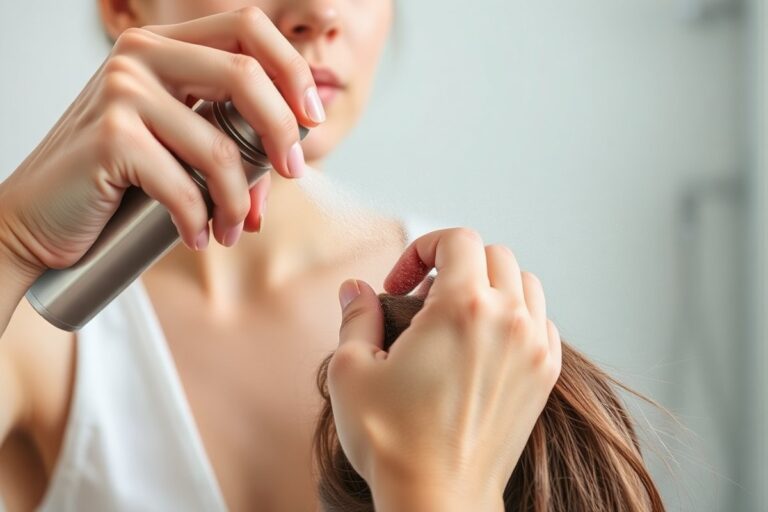
- Finish with a light mist of sea salt spray or wave spray. This adds texture and volume. Spray lightly, then scrunch again to revive waves if needed.
- Avoid touching your hair too much once dry. Excess handling breaks up your waves and causes frizz. Try to keep your hands off to preserve shape.
- Refresh waves on day two by lightly misting hair with water. Then, repeat the scrunching and apply just a bit of styling cream as needed.
This routine helps keep your waves soft and defined without frizz. Using the right cream gives lightweight moisture with slight hold, helping waves last longer. Scrunching encourages natural movement without flattening your hair.
Skipping heat styling prevents damage and split ends that ruin wave shape and cause frizz. Use a light wave spray for extra hold in your waves.
Avoid thick gels or mousses as they weigh hair down. Those can also make hair feel crunchy.
Gentle styling and care help your waves look better daily. Your wave pattern will last longer and stay healthier too. Consistency is key to good hair.
2. Identifying Your Wavy Hair Type and Its Styling Needs

Wavy hair falls into three subtypes: 2A, 2B, and 2C. Each has unique wave patterns and styling needs you should know. Matching your hair type with the right care and products helps your waves look their best.
Characteristics of Type 2A Hair
Type 2A hair has loose, gentle waves that look almost straight when wet. The waves are fine and soft, with a slight S-shape. This hair type usually feels light and has less volume than other wavy types.
Styling 2A hair means focusing on adding texture without weighing it down. Lightweight mousses or sea salt sprays work well. Avoid heavy creams or oils, which can flatten your waves quickly.
Styling Tips for 2B Hair
Type 2B hair features more defined waves forming an S-pattern, with some frizz at times. This hair type has moderate thickness and more volume than 2A. Its waves tend to be straighter at the roots and curlier toward the ends.
Use product types that improve wave shape and control frizz, like light gels or curl creams. Applying product when hair is damp helps hold the waves while maintaining softness. Try scrunching your hair gently upside down for extra volume.
Managing 2C Wavy Hair Needs
Type 2C hair has thick, well-defined waves and some ringlets mixed in. It often looks more textured and has higher frizz potential. This hair type may feel coarser and is prone to dryness without proper hydration.
Choose richer creams or curl-improving conditioners to nourish and define waves. More product is needed than for 2A or 2B.
But avoid heavy buildup near roots. Using a diffuser on low heat can help dry waves while reducing frizz.
Use this table to compare your wave subtype. Decide on styling focus and pick product types that suit your hair.
| Wave Subtype | Wave Pattern | Typical Hair Feel | Common Styling Product | Product Amount | Style Focus |
|---|---|---|---|---|---|
| 2A | Loose, gentle S-shaped | Fine, soft, light | Light mousse, sea salt spray | Small amount | Add texture, avoid weighing down |
| 2B | Defined S-shaped, some frizz | Moderate thickness, medium volume | Light gel, curl cream | Moderate amount | Improve wave shape, control frizz |
| 2C | Thick, defined waves and ringlets | Coarse, textured, prone to dryness | Richer cream, curl conditioner | Generous amount (avoid roots) | Hydration, frizz control, wave definition |
Knowing your wave type guides product choice and styling care. Testing different products is normal, so watch how your waves respond.
Using the wrong product weight can flatten or frizz your waves, so match carefully.
3. Choosing the Right Haircuts to improve Your Waves
Layered haircuts work well to boost your natural waves. They reduce bulk and add movement, so your hair feels light and looks full.
For loose waves like 2A, keep your layers soft and long. This helps avoid frizz and keeps your hair smooth.
More defined waves like type 2C need shorter, choppier layers. These shape your hair and stop it from looking too thick at the ends.
A long bob is great here. It’s cut just above the shoulders and lets waves bounce naturally without heavy styling.
Medium to thick hair works well with the butterfly cut style. It shapes your hair nicely and adds volume.
It’s a style with soft layers that bring out the texture and movement of longer waves. Your stylist should tailor the layers to your wave pattern for the best effect.
Trims are key to keeping wavy hair in shape. Most people benefit from a trim every 6 to 8 weeks. This keeps the ends healthy and stops your waves from stacking up or looking heavy.
Waiting too long lets your hair lose shape and get split ends. Trim regularly to keep it healthy and fresh.
Good stylists cut wavy hair when dry or slightly damp to see how layers fall naturally. Bring photos to your appointment to show what you want. With the right cut and routine trims, your waves will look defined with less fuss.
4. Best Hair Products for Defining and Maintaining Waves
Look for hydrating shampoos and conditioners if your waves feel dry or rough. These products add moisture without weighing your hair down. Using a gentle, sulfate-free shampoo two to three times a week helps keep natural oils intact.
Condition your hair every time you shampoo to maintain soft waves. Deep condition once a week to restore vibrancy and manageability.
Apply leave-in conditioner on damp hair to lock in moisture. It helps protect your waves all day.
For styling, choose lightweight creams or mousses that add hold without heaviness. Avoid applying them close to your roots to prevent stickiness and buildup. Instead, work products through the mid-lengths and ends where waves form naturally.
A heat protectant spray is essential if you use blow dryers or other hot tools. Apply it evenly on damp hair before drying.
After your hair dries, use a light mist of volumizing spray. It can lift your waves and hold style.
Look for dull shine, limp waves, or sticky scalp as signs of buildup. These mean product needs washing out. Try clarifying shampoo about once a month to clear product residue.
Use it carefully to avoid drying out hair. Overusing heavy products or shampooing too often can worsen buildup and frustrate your wave pattern.
Price-wise, effective moisturizing shampoos and conditioners range from $10 to $20 per bottle. Leave-in conditioners and styling creams also fit this budget, making great wave care affordable at home. Deep conditioning treatments might cost slightly more but are worth the occasional splurge.
5. Drying Techniques That Preserve and Define Your Waves
Air-drying your wavy hair is the simplest way to reduce frizz and keep waves soft. You can use a light anti-frizz serum before air drying. You can also apply a curl cream to help hold your wave pattern.
These products help keep your waves defined and smooth. It takes longer, usually 1 to 3 hours depending on hair thickness. But you avoid heat damage and keep your waves defined.
Diffusing with a blow dryer speeds up drying and adds volume. Use a diffuser attachment on low heat and low speed to avoid disrupting your waves. It helps maintain shape and reduces frizz compared to using a regular blow dryer.
| Drying Method | How It Works | Pros | Cons | Effect on Waves and Frizz |
|---|---|---|---|---|
| Air-Drying | Let hair dry naturally, optionally with product | No heat damage, soft waves | Long drying time, waves can fall flat | Soft wave definition, minimal frizz |
| Diffusing | Use diffuser on blow dryer on low heat | Faster drying, adds volume, improve waves | Can cause frizz if heat too high | Defined waves with controlled frizz |
| Plopping | Wrap hair in microfiber towel or T-shirt on top of head | Reduces frizz, defines waves without heat | Can add drying time, takes practice | Strong wave definition, less frizz |
| Towel Drying (Regular Towels) | Rough-dry hair with cotton towel | Fast water absorption | Rough fabric causes frizz and breakage | Frizz prone, waves disturbed |
| Towel Drying (Microfiber Towel) | Gently scrunch hair with soft microfiber towel | Absorbs water, less friction | Slower than regular towel | Maintains wave shape, reduces frizz |
Plopping is a favorite technique for protecting and defining waves. To plop, start with damp hair after washing. Apply your favorite styling cream or wave spray.
Lay a microfiber towel or soft cotton T-shirt flat on a surface. Flip your head forward and put your hair in the middle. This helps gently dry your waves without adding frizz.
Wrap the sides of the towel or T-shirt around your head and tie it securely. Leave this on for 10 to 20 minutes before air drying or using a diffuser. This reduces frizz and boosts your natural wave pattern without heat.
Use microfiber towels or a cotton T-shirt rather than regular bath towels. Microfiber fabric absorbs moisture without roughing up hair cuticles.
Regular cotton towels tend to create friction and frizz by roughing up strands. For best results, scrunch your hair gently without rubbing when drying with a microfiber towel.
Make sure your hair is completely dry after diffusing to avoid frizz caused by lingering moisture.
6. Safely Using Heat Tools on Wavy Hair
You can use heat tools like curling irons and blow dryers safely. Set the right temperature first. Always apply heat protectants before styling your wavy hair.
Wavy hair needs extra care to avoid frizz and damage. Follow clear steps to protect your waves while styling.
Selecting the Right Temperature
Match your heat tool’s temperature to your hair’s thickness. Fine or thin wavy hair should stay at 300°F or lower. Medium or thick wavy hair can handle 320°F to 350°F without much damage risk.
Use a lower temperature first and work your way up if needed. Too much heat breaks the hair cuticle and causes split ends. Don’t hold the heat tool on one spot for too long.
Keep it there 8 to 10 seconds maximum. Moving the tool protects your hair from damage.
Applying Heat Protectant Effectively
Heat protectants shield your hair from high temperatures. Always apply it before using any heat tool, even a diffuser nozzle for blow dryers. Spray or spread a thin, even layer from roots to ends on towel-dried hair.
Let the product dry a minute before styling. Don’t skip this step as heat protectants reduce moisture loss and prevent frizz. For thicker hair, you may need a bit more product but avoid weighing down your waves.
Here’s an exact way to apply heat protectant before styling:
- Towel dry your hair until damp but not wet.
- Spray or pump heat protectant into your palm.
- Run your fingers through your hair to spread evenly.
- Comb through if needed to cover every strand.
- Wait one to two minutes so it absorbs.
- Start styling with your heat tool.
Techniques to Minimize Heat Damage
Use heat tools for short bursts instead of holding heat too long. This reduces dryness and breakage. Keep your hair moving when curling or straightening to avoid overexposure.
A diffuser attachment helps diffuse heat evenly, minimizing hot spots that cause frizz. Use low or medium heat settings on your tools.
This helps improve your waves gently. It avoids direct heat damage to your hair.
Finish styling with a light serum or smoothing cream to lock in moisture and tame flyaways. Avoid daily heat styling to keep your waves healthy over time. Try air-drying when you can to give your hair a break.
7. Styling Tips for Short and Men’s Wavy Hair
Styling short and men’s wavy hair focuses on maintaining texture without weighing it down. Using light products and simple steps helps you avoid frizz and keep waves defined. These tips fit thick or fine wavy hair and suit everyday looks.
Best Products for Short Wavy Hair
Choose lightweight products that boost texture but don’t make hair heavy. Look for sea salt sprays, light curl creams, and anti-frizz serums. Avoid thick gels or heavy waxes that flatten short waves or create buildup.
Try a sea salt spray to add grit. Use a light mousse for hold.
Apply a silicone-free serum to smooth frizz. These products usually cost between $10 and $25 and last a few months with regular use.
Quick Styling Steps for Men
Keep the routine simple but effective to shape your waves and control frizz. Start with damp hair and apply the right product before air drying or using a diffuser. Use fingers, not a brush, to keep waves intact and textured.
- Apply a dime-sized amount of light mousse or curl cream to damp hair.
- Scrunch hair gently with your hands to encourage natural waves.
- Use a diffuser on low heat or let your hair air dry.
- Once dry, apply a small amount of anti-frizz serum to control flyaways.
- Use fingers to tousle and shape your waves for a textured finish.
Maintaining Texture Without Weight
Short hair can easily look flat if you overload products. Use just enough product to define waves but still feel light to the touch. Too much serum or cream can weigh hair down and make it look greasy.
Wash your hair every one to two days. This depends on how oily your scalp is. This keeps your texture fresh.
Refresh waves on the second day by spritzing sea salt spray and scrunching gently. Avoid heavy pomades that hide wave patterns and cause buildup.
8. Common Styling Mistakes and How to Fix Them
Overwashing wavy hair strips its natural oils, leading to dryness and frizz. Wash your hair two to three times weekly using a hydrating shampoo. XMondo’s Wavetech Wave Shampoo costs $27.
This helps keep your waves soft and easy to style. Using heavy silicone-based products can weigh your waves down, making them look limp instead of bouncy.
Drying mistakes also weaken wave patterns. Rubbing hair with a towel roughs up cuticles and boosts frizz. Gently scrunch your waves with a microfiber towel.
Use a soft cotton T-shirt instead of rough towels. This helps keep your wave shape intact. Air-drying or diffusing with low heat preserves your natural texture better than a hot blow dryer.
To troubleshoot styling problems, watch for dullness or frizz after styling. These signs usually mean your products are too heavy or your hair isn’t getting enough moisture. To fix flat waves, cut back on silicones and heavy oils.
Avoid using heavy hair products that weigh your waves down. For frizz, apply a light leave-in conditioner or curl cream. Choose products that hydrate hair without causing buildup.
- Avoid washing hair daily to prevent dryness and frizz.
- Use lightweight, hydrating products with water-soluble ingredients.
- Scrunch hair gently with a microfiber towel or cotton T-shirt.
- Air dry or use a diffuser on low heat to protect waves.
- Skip heavy layering so natural wave patterns stay visible.
- Rethink products if waves feel heavy or lose bounce.
- Apply styling products to damp hair for even distribution.
Fix limp waves by trimming any uneven or damaged ends. Avoid heavy gels that might weigh hair down.
Instead, layer a light mousse or curl cream onto damp strands. Use your fingers to scrunch and lift roots to bring back volume.
Frizz looks worse when your hair lacks moisture but feels sticky. Take a break from protein treatments or harsh shampoos and focus on hydration.
Add small amounts of hydrating oils like argan or jojoba. But apply only to the ends to stop greasy roots.
Don’t assume more product means better waves; too much product can ruin your texture. Use small amounts and slow adjustments to find what suits your hair.
Step-by-Step Action Plan for Styling Your Wavy Hair
Follow this simple plan to get your wavy hair looking great and healthy fast. Each step gives clear actions and signs you’re on track.
- Day 1: Wash with a sulfate-free shampoo and use a curl-improving conditioner. Your waves should feel soft and look more defined.
- Day 2: Apply a lightweight mousse or curl cream while hair is damp. Notice if your waves hold shape without feeling crunchy.
- Day 3: Try air drying or use a diffuser on low heat. Your waves should dry with little frizz and good separation.
- Week 1: Experiment with your haircut. Ask your stylist for layered cuts that suit your wave type. You’ll see more bounce and less heaviness.
- Week 2: Use a heat protectant before any styling tools. Heat styling should not feel harsh or leave your hair dry.
- Week 3: Limit washing to 2-3 times weekly. Your scalp feels balanced, and waves keep their natural oils.
- Ongoing: Avoid heavy products that weigh hair down. Your waves stay light and defined throughout the day.
Frequently Asked Questions
How Do I Create Y2K-inspired Wavy Hair with Double Ponytails?
To get a Y2K wavy style, part your hair and make sleek double ponytails. Define your waves with a curl-improving cream for a playful, nostalgic look. This style works best on damp hair before drying.
Can Layering Affect the Appearance of Wavy Hair?
Yes, layering is key to preventing wavy hair from looking bulky. It adds movement and shape, making waves fall more naturally. Talk to your stylist about layers that suit your wave pattern for better styling.
Is Air Drying or Blow Drying Better for Wavy Hair?
Air drying with scrunching is gentler and improve natural waves. Blow drying can add volume but may cause frizz if not done carefully. Use a diffuser attachment on low heat to protect your waves.
How Can I Use Braids or Twists to Style Wavy Hair?
Braiding or twisting damp hair helps set waves and adds texture. Leave them overnight or for a few hours, then gently release for soft, defined waves. This method works without heat and gives varied wave patterns.
What Makes the Wavy Mullet a Low-Maintenance Hairstyle?
The wavy mullet is cut to embrace natural texture with less styling needed. Its shape suits wavy hair, letting waves add volume and body without much effort. It’s great for you if you want a bold look with simple upkeep.
Can the Elf Cut Work for Wavy Hair Textures?
Yes, the elf cut suits wavy hair by mixing short, choppy layers with volume. It creates a messy, tousled effect that plays up natural waves. This style lets you show off your hair’s texture while keeping it light.
Wrapping Up
Wavy hair looks best when you respect its natural shape and use gentle care. Start with simple products and drying methods to see real difference. Focus on keeping your waves healthy and enjoy styling every day.